Henry Ford didn't invent the car. He invented the rhythm. Before the moving assembly line, craftsmen built whole cars from start to finish — skilled, proud, and slow. Ford broke the work into stages, assigned each stage a single job, and made the line move. Suddenly Highland Park was cranking out a Model T every 93 minutes. The insight wasn't about machinery. It was about flow.
Most teams today do the opposite. They dump everything into a backlog, hold a weekly meeting to talk about what's stuck, and call it project management. Tasks age in columns. Blockers go unaddressed. The wall looks full but nothing is actually moving. This article is about fixing that — by borrowing the design principles Ford burned into industrial history and applying them to the way you manage tasks, stages, and handoffs.
What Makes a Task Stage System Actually Work
A task stage is not just a column name. It's a promise — a statement about the state of the work inside it. Before you design any workflow, whether you're using sticky notes on a wall or a digital board, three things determine whether your system flows or stagnates.
1. Entry and exit conditions. Every stage needs a definition of done — not just for when work leaves, but for when it can enter. Ford's paint station didn't accept a car that hadn't been welded. Your "In Review" column shouldn't accept a task that hasn't been written up properly. Without entry conditions, stages become dumping grounds.
2. Work-in-progress limits. Ford's line moved at a fixed pace. You couldn't pile twenty cars at the upholstery station and sprint at the tire station. WIP limits force the system to reveal bottlenecks instead of hiding them. When a stage is full, the answer is to clear the blockage — not to push more work in.
3. A pull mechanism, not a push mechanism. The critical insight from lean manufacturing: work should be pulled forward by downstream capacity, not pushed forward by upstream urgency. When the next stage is ready, it signals for more. Most task boards do the opposite — someone marks a task "done" and immediately starts another, whether or not the next stage is ready to receive it.
These principles apply whether your stages are physical index cards, a whiteboard, or a digital sticky-note wall. The technology is secondary. The logic is everything.
Ford's Line, Decoded: The Five Laws of Flow
Historians credit the moving assembly line to Ford, but the deeper insight belonged to the layout engineers who broke each job into its smallest repeatable unit. Here's what they figured out — and what your task workflow is probably violating right now.
Law 1: One thing moves at a time. The Model T chassis moved from station to station on a rope. Nothing sat still for long. In task management terms, this means a task should never be stationary — it's either actively in progress at one stage, queued and waiting to enter a stage with capacity, or done. A task with no clear current stage is a car sitting in the middle of the factory floor.
Law 2: Specialization reduces switching cost. At Ford, the man who installed the left front wheel didn't also install the engine. Not because he couldn't, but because every context switch costs time and quality. Your stages should map to distinct mental modes: capturing, deciding, executing, reviewing, closing. Mixing modes inside a single stage is where work goes to get confused.
Law 3: The line reveals the bottleneck. When one station slowed down, the whole line slowed. That sounds bad, but it's actually the feature, not the bug. The bottleneck became visible immediately. In a task system with no flow, bottlenecks hide in "In Progress" for weeks. A moving-line system forces them into the open where they can be addressed.
Law 4: Standardize the handoff. Every car left each station in a predictable state so the next station could begin immediately. Handoffs in task systems fail when they're implicit — when "done" means something different to the person finishing than to the person receiving. Write your handoff criteria down. Put them in the task itself.
Law 5: The line has a cadence, not a calendar. Ford's line didn't move on Tuesdays. It moved continuously. Weekly status meetings are the enemy of flow — they're scheduled interruptions that replace real-time visibility with summary reports. A good task board gives you real-time state without a meeting.
Designing Your Moving Line in TaskLoco
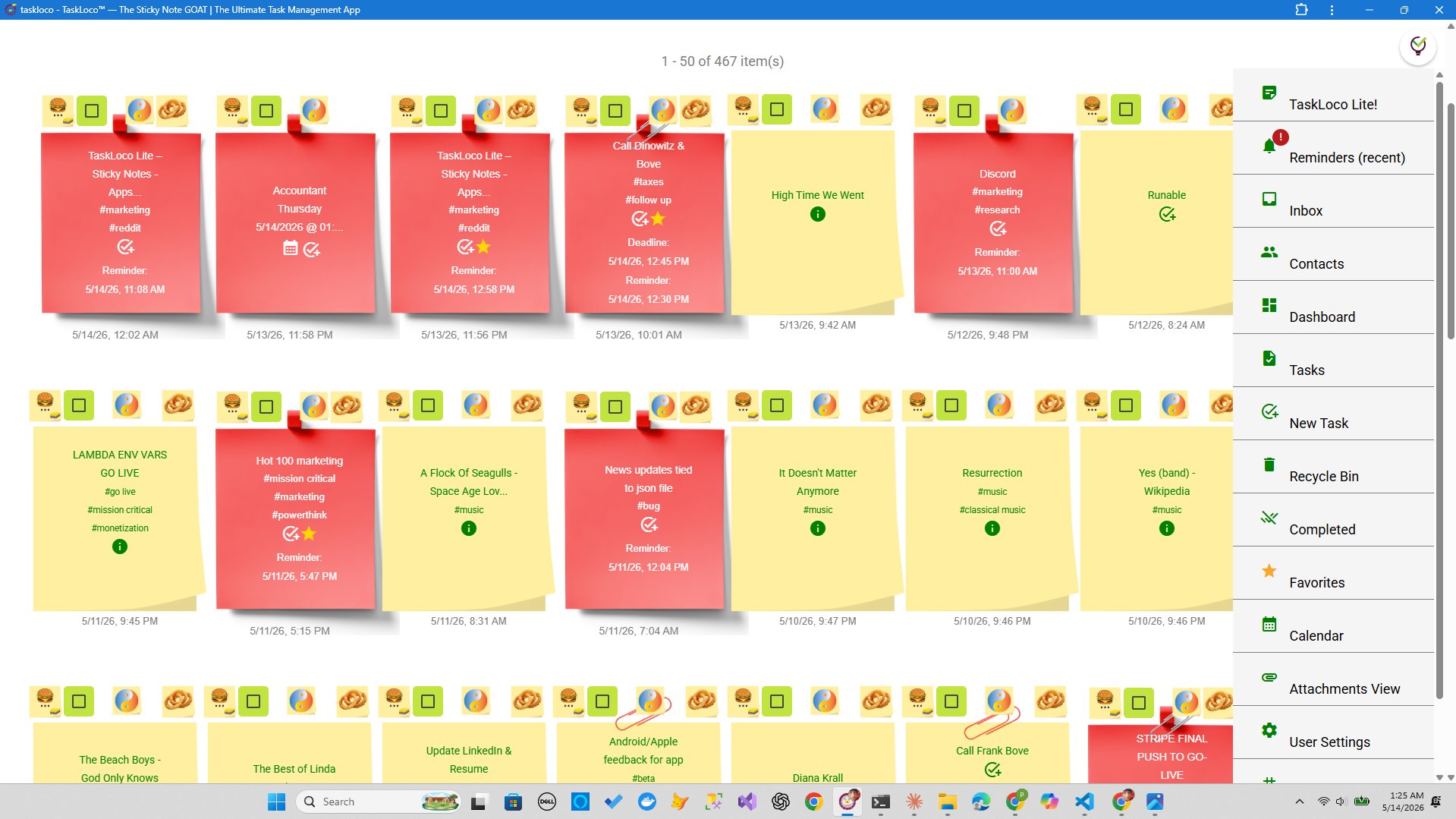
TaskLoco's sticky-note wall isn't a metaphor — it's a direct descendant of the physical kanban boards that Toyota engineers borrowed from Ford and refined into lean manufacturing. The visual layout is the mechanism. When you can see every note on the wall, you can see where work is flowing and where it's piling up, without opening a single report.
Here's a practical stage design that maps directly to the Ford principles above. Start with five columns: Inbox (captured, not yet decided), Ready (entry conditions met, waiting for capacity), In Progress (actively being worked — WIP limit applies here), Review (work done, awaiting confirmation), and Closed (exit conditions confirmed). That's it. Don't add columns to feel sophisticated. Add columns only when a real stage transition requires different ownership or a different definition of done.
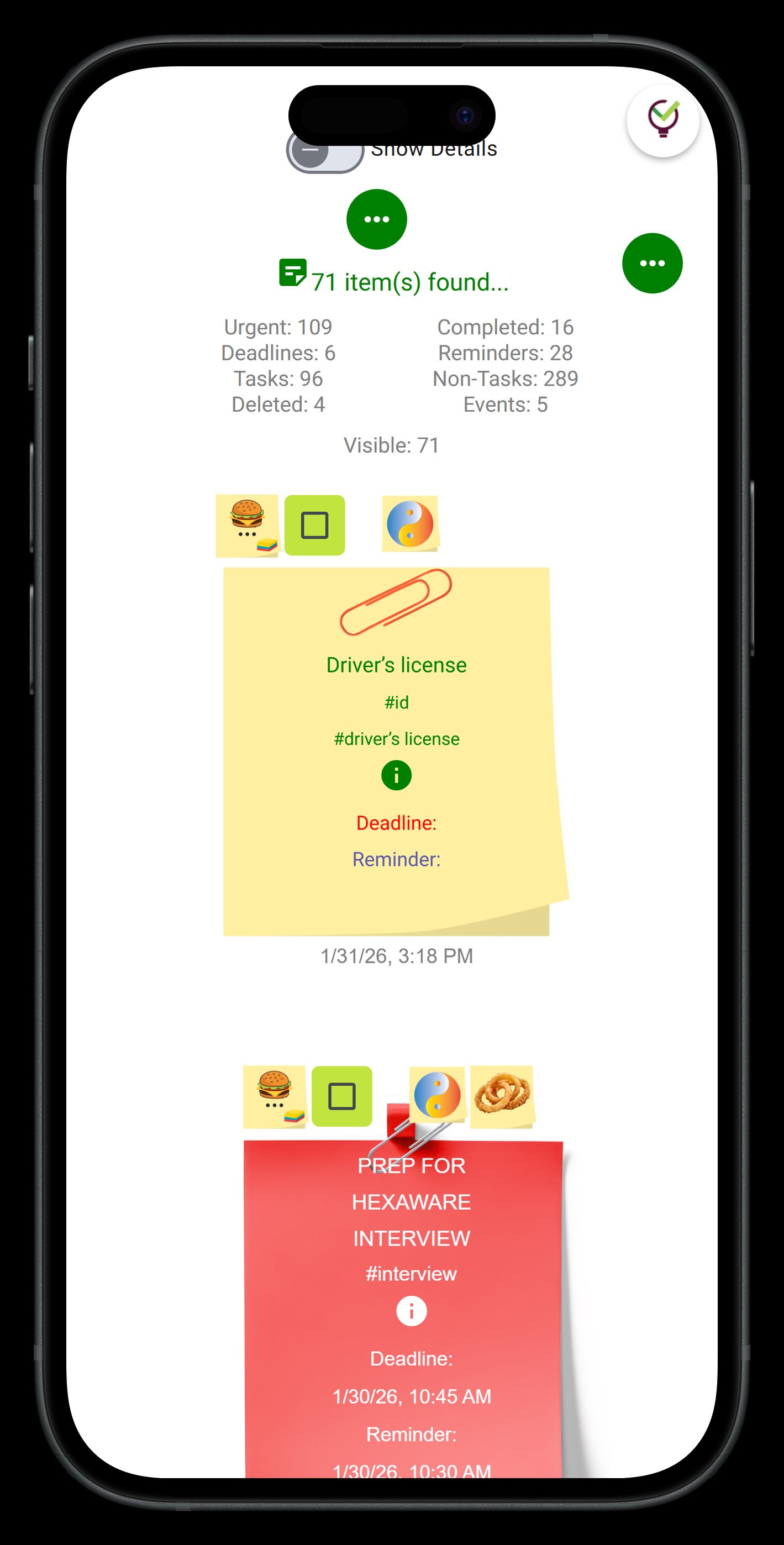
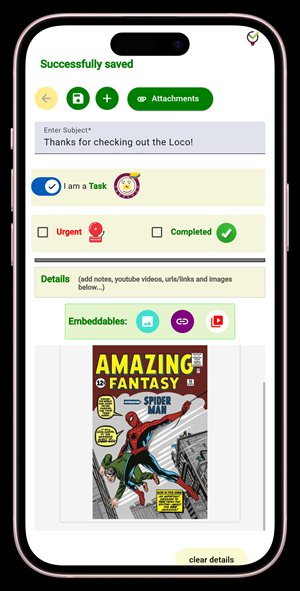
In TaskLoco Premium, each sticky note can carry file attachments — specs, screenshots, reference docs, whatever the next person needs to pick up the work without asking a question. That's the standardized handoff in digital form. The note leaves your hands complete, the way a chassis left the welding station ready for paint. With 10GB of file storage included per person, you're not rationing attachments.
Reminders in TaskLoco deliver as push notifications directly to your phone and computer, deep-linking straight back to the specific note — so when a review stage task needs attention, the person responsible gets pulled to exactly the right place, not a general notification they have to decode. Optional email and SMS channels are available on top of that. This is how you build pull into a digital system: the task requests attention at the right moment, not on a calendar someone set three weeks ago.
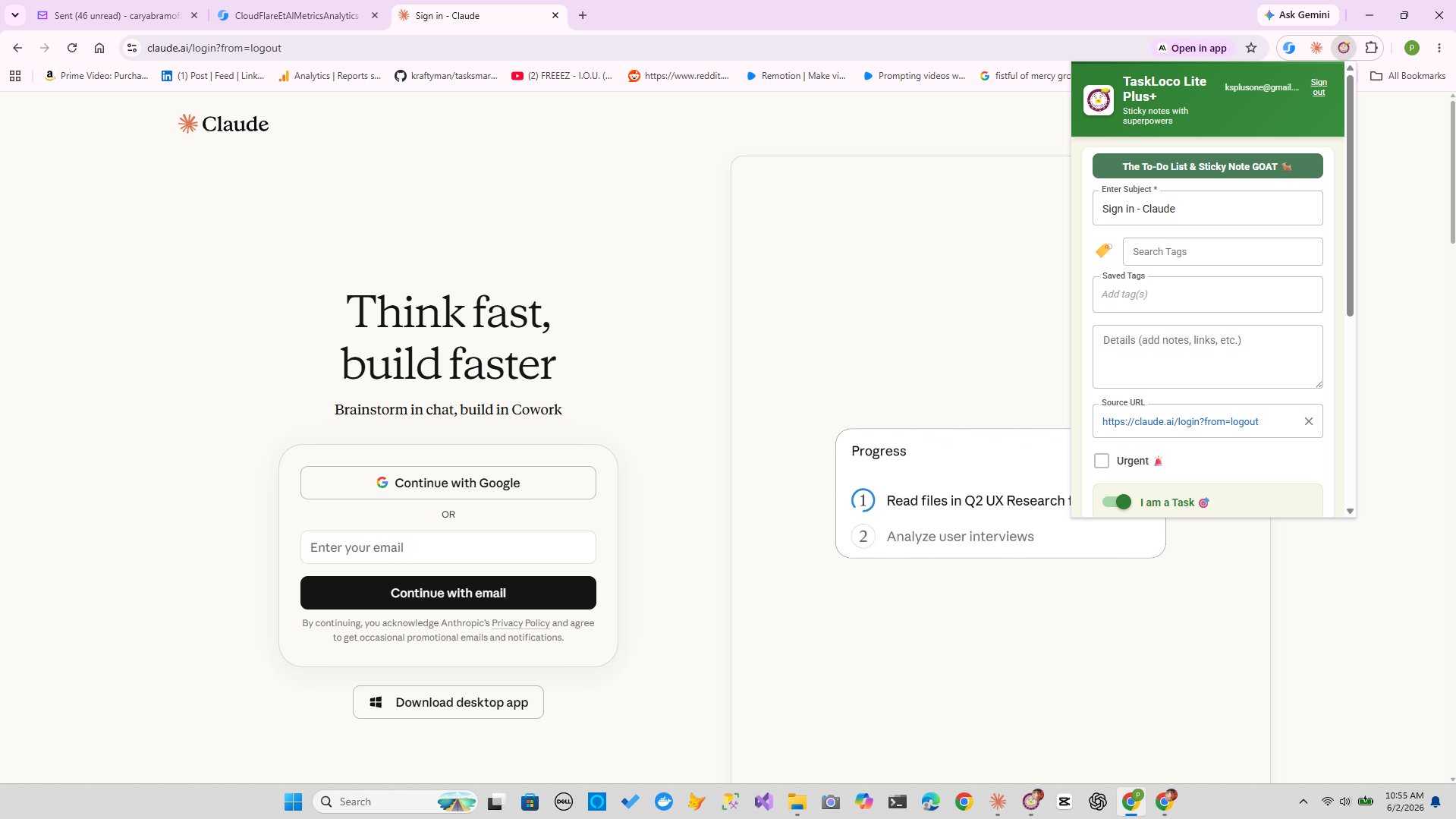
The Chrome extension closes the capture loop. When a brief, a spec doc, or a client email lives in a browser tab, one click saves it as a note on your wall. Nothing gets lost in a tab graveyard. Everything enters the Inbox stage, where it waits to be decided — not acted on immediately, which is how context-switching destroys flow.
Common Flow Failures — and How to Fix Them
Even teams that understand the theory break down in practice. Here are the most common failures, explained through Ford's lens, and the fix for each one.
The Infinite Backlog. The Inbox stage has 200 items and nobody decides what's Ready. This is the pre-Ford model — everything piled up waiting for a craftsman to get to it. Fix: timebox backlog grooming. Set a WIP limit on Inbox itself. If it exceeds 30 items, stop adding and start deciding. Nothing finishes. This is the most common failure mode in digital task boards. The stage becomes a comfortable place to park work that isn't actually moving. Fix: set a hard WIP limit — three tasks per person, maximum. When the column is full, the only move is to finish something, not to relabel something.
The Silent Handoff. A task moves to Review and nobody knows. The reviewer finds it three days later. Fix: the push notification reminder, addressed to the reviewer, set at the moment of handoff. In TaskLoco, that reminder deep-links to the exact note — zero friction to get eyes on it.
The Stage That Means Nothing. You have a "Blocked" column. Everything in it has been there for two weeks. Nobody owns the unblocking. Fix: blocked is not a stage — it's a property of a task inside a stage. The task stays in its current stage. The blocker gets its own note, its own owner, its own deadline. Blockers are work. Treat them like work.
The Audit Trail Gap. A task is Closed but nobody remembers why or what was decided. Fix: before closing a note in TaskLoco, attach the final deliverable or a summary as a file. The note becomes the record. 10GB of storage per person means you're not choosing between keeping history and keeping headroom.
TaskLoco Premium is regularly $9.99/month per person. Right now, charter members can lock in 50% off the regular price — forever. That means $4.99/month per person today. And if our price ever goes up, you still pay half. Always.
Code CHARTER50 auto-applies at checkout. First 500 spots only — once they're gone, this offer is gone permanently. Act fast while spots last.
Every Premium subscription includes unlimited notes, 10GB file storage, reminders, calendar, and team sharing. Each team member requires a separate subscription. 7-day free trial — no charge until day 8. Cancel anytime.
Free Options: TaskLoco
TaskLoco Lite
- Native iPhone & Android app
- Completely anonymous — no sign-in
- Data stays on your device
- Up to 20 notes
- Free forever
TaskLoco Lite Plus+
- Web app + Chrome extension
- Sign in with Google
- Wall syncs across all devices
- Up to 30 notes
- Free forever
Lock In 50% Off — Forever
7-day free trial. No charge until day 8. CHARTER50 auto-applies at checkout.
🔒 Lock In My Charter SpotSee TaskLoco in Action
Frequently Asked Questions
What are task stages and why do they matter for productivity?
Task stages are defined states that work passes through from capture to completion. They matter because they make the state of every piece of work visible at a glance, force explicit decisions about what's ready to move, and reveal bottlenecks before they become crises. Without defined stages, tasks pile up undifferentiated and nothing reliably finishes.
What is a WIP limit and how does it improve flow?
WIP (work in progress) limit is a cap on how many tasks can occupy a given stage at once. When a stage is full, the team must finish and move existing work before starting new work. This prevents stages from becoming parking lots and forces bottlenecks into the open where they can be addressed. Ford's assembly line worked on exactly this principle — the line could only hold so many cars at each station.
What is the difference between a push system and a pull system in task management?
In a push system, work is assigned or moved forward as soon as it's finished upstream — regardless of whether the next stage is ready to receive it. In a pull system, downstream stages signal capacity and work is only moved when there is room. Pull systems expose bottlenecks and prevent overload. Most task boards are accidental push systems. Designing for pull requires explicit WIP limits and visible stage capacity.
How do I design task stages for a small creative or knowledge-work team?
Start with five stages: Inbox (captured, not decided), Ready (entry conditions confirmed, awaiting capacity), In Progress (active, WIP-limited), Review (complete, awaiting sign-off), and Closed (confirmed done). Only add stages when a genuine ownership or definition-of-done change occurs between them. Creative teams often benefit from a separate Feedback stage between In Progress and Closed when external input is required before internal review.
How does TaskLoco support a moving-line workflow?
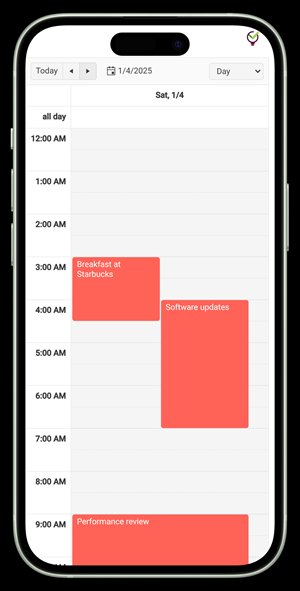
TaskLoco's sticky-note wall makes every task's stage visible at a glance. Premium includes file attachments (10GB per person) so handoffs carry everything the next stage needs. Reminders deliver as push notifications that deep-link directly to the specific note, pulling work forward at the right moment. The free Chrome extension captures anything from the web into your Inbox in one click, keeping the capture stage fed without breaking flow. $9.99/month per person (currently $4.99/month per person for first 500 charter members with code CHARTER50)
What is the difference between TaskLoco Lite, Lite Plus+, and Premium for workflow management?
TaskLoco Lite is a native iPhone and Android app — free, completely anonymous, no sign-in required, stores up to 20 notes on your device only, no sync. It's a quick capture tool, not a workflow system. TaskLoco Lite Plus+ is a free web app with Google sign-in, syncs up to 30 notes across all your devices, and includes the Chrome extension — useful for personal capture but has no reminders, no file attachments, and no team sharing. TaskLoco Premium is the full moving-line system: unlimited notes, 10GB file storage, reminders with push notifications, calendar view, and full team sharing. Each team member requires their own Premium subscription. $9.99/month per person (currently $4.99/month per person for first 500 charter members with code CHARTER50)
How do reminders work in TaskLoco to keep tasks moving through stages?
When you set a reminder on a TaskLoco Premium note, it delivers as a push notification to your phone and computer. The notification deep-links directly back to the original note — one tap and you're looking at exactly the task that needs attention, with all its attachments and context intact. Optional email and SMS channels are also available. This is how you build a pull signal into a digital workflow: the task reaches out at the right moment rather than waiting to be found in a status meeting.
Born in Brooklyn. Powered by AWS. Your data stays yours.
TaskLoco is available on iPhone, Android, Chrome, and every web browser.