Henry Ford didn't invent the assembly line to make cars faster. He invented it to eliminate waiting. Every idle second between one step and the next was waste — and waste was the enemy. When River Rouge opened in 1928, raw iron ore entered one end and a finished car rolled out the other in 28 hours flat. That obsession with uninterrupted movement is the seed of everything we now call flow.
A century later, most knowledge workers operate nothing like River Rouge. They toggle between twelve browser tabs, hunt for a note buried in a chat thread, and spend the first twenty minutes of every morning just figuring out where they left off. The principles Ford and his successors worked out in steel and rubber never made the jump to knowledge work — at least not fully. This article traces how flow thinking evolved from the factory floor to the Kanban board to the digital sticky note, and what it actually means for the way you run your day.
What 'Flow' Actually Means — Before the Buzzword
Flow is not a productivity hack. It is a systems property. A system is in flow when work moves through it at a steady rate with no bottlenecks, no queues piling up, and no idle capacity waiting on a blocked step. Ford understood this intuitively. Every station on the moving assembly line was timed so that parts arrived exactly when the next worker needed them — not before (which caused pile-ups) and not after (which caused waiting). Both were waste.
Decades later, Taiichi Ohno at Toyota turned Ford's intuition into a formal methodology: the Toyota Production System, later exported to the West as Lean manufacturing. Ohno added a crucial insight Ford had missed: pull, not push. Ford's line pushed work forward whether downstream stations were ready or not. Ohno said upstream steps should only produce what downstream steps had already consumed. Work gets pulled through the system by actual demand, not shoved through by a schedule.
In the 1980s, Mihaly Csikszentmihalyi borrowed the word flow for something entirely different — the psychological state of deep, effortless concentration. His research found that people do their best creative and cognitive work when challenge and skill are in balance and there are no interruptions to knock them out of the zone. The word was the same, the insight was complementary: whether you're stamping fenders or writing code, the enemy is friction.
From the Factory Floor to the Index Card: How Kanban Crossed Over
Ohno's pull system needed a signaling mechanism. If downstream stations consumed parts, how did upstream stations know when to make more? His answer was the kanban — Japanese for 'signboard' or 'card.' A physical card traveled back up the line when a bin was emptied, authorizing exactly one replenishment. No card, no production. The card was the permission slip.
For fifty years, kanban stayed inside factories. Then, around 2007, a software developer named David J. Anderson started applying it to software teams at Microsoft and Corbis. His adaptation was elegant: columns on a whiteboard represented stages of work (To Do, In Progress, Done), and sticky notes or index cards represented individual tasks. The rule — a strict limit on how many cards could sit in any one column — was the pull signal translated into knowledge work. If the 'In Progress' column was full, you finished something before starting something new.
Anderson's Kanban Method spread quickly because it solved a real problem: software teams, like Ford's early line, were pushing work. Managers would load developers with new tickets whether existing work was finished or not. Work-in-progress limits forced teams to feel the queue before adding to it. The sticky note wasn't decoration — it was a constraint made visible.
What's striking in hindsight is how physical the original implementations were. Whiteboards. Real sticky notes. Walking to the board to move a card. There was something cognitively useful about that physicality: the board was always visible, always current, always honest. You couldn't hide overload in a spreadsheet column. The pile of cards in 'In Progress' told the truth.
Where Digital Tools Got It Wrong — and What the Good Ones Got Right
When productivity software moved to the web in the 2000s and 2010s, most of it abandoned the visual, physical logic of the Kanban board in favor of something that looked more like a spreadsheet. Rows, columns, filters, sub-tasks, sub-sub-tasks, custom fields, dependency graphs. The tools got powerful and the boards disappeared. You were managing your work management system instead of managing your work.
The irony is that the deeper the feature set grew, the further most tools drifted from the original insight: flow requires that the current state of work be immediately visible and frictionlessly updatable. If moving a task requires three clicks, a dropdown, and a context switch, you will stop moving tasks. The board will lie. And a board that lies is worse than no board — it creates false confidence that things are under control when they aren't.
The tools that aged well — physical whiteboards, simple Kanban apps, and yes, digital sticky-note walls — kept the constraint. One card, one idea. Move it when it moves. Archive it when it's done. The simplicity wasn't a limitation; it was the point.
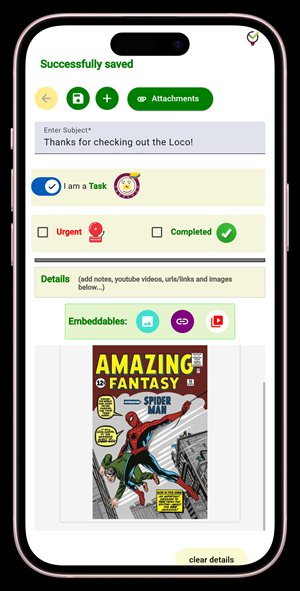
Files and context also matter. One of the persistent failures of early task tools was that the task existed in isolation from its supporting material. The card said 'Finalize contract' but the contract was in an email, the redline was in a shared drive, and the last conversation about it was in a chat thread. The card was a pointer to work, not a container for it. Good modern tools close that gap — attaching files directly to notes so the context travels with the task.
TaskLoco and the Logic of the Sticky Note
TaskLoco is built around an idea that is simultaneously ancient and underused: the sticky note as the fundamental unit of work. Not the project. Not the epic. Not the sprint. The note — a single, writable, movable thing that holds one thought until that thought becomes action, then moves, then gets filed or deleted when it's done.
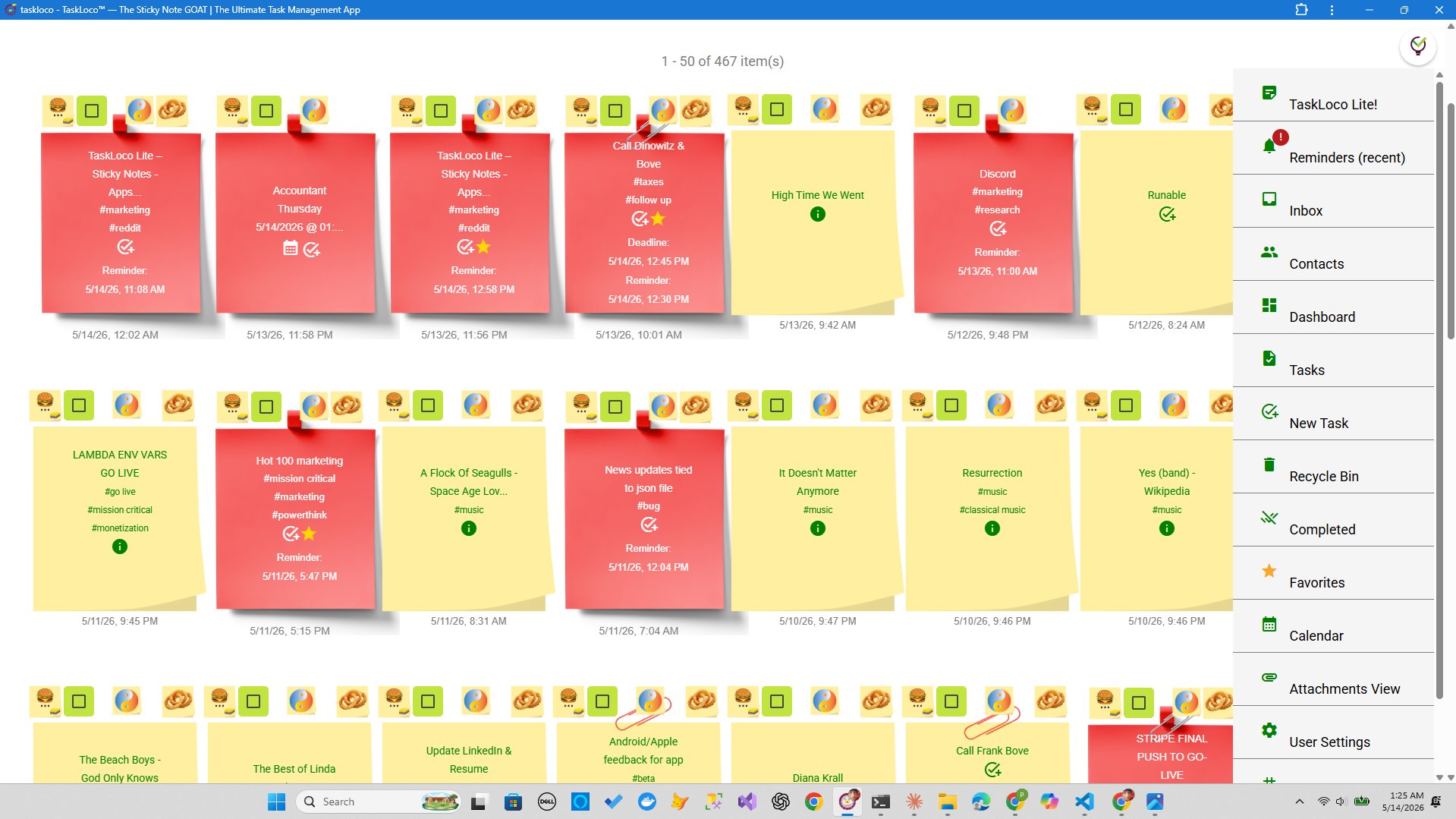
The wall view in TaskLoco is a direct descendant of Ohno's kanban board. Notes live in columns. You move them. The visual state of your wall is the honest state of your work. There are no hidden queues, no dashboards that require interpretation, no status meetings to decode what the software already knows.
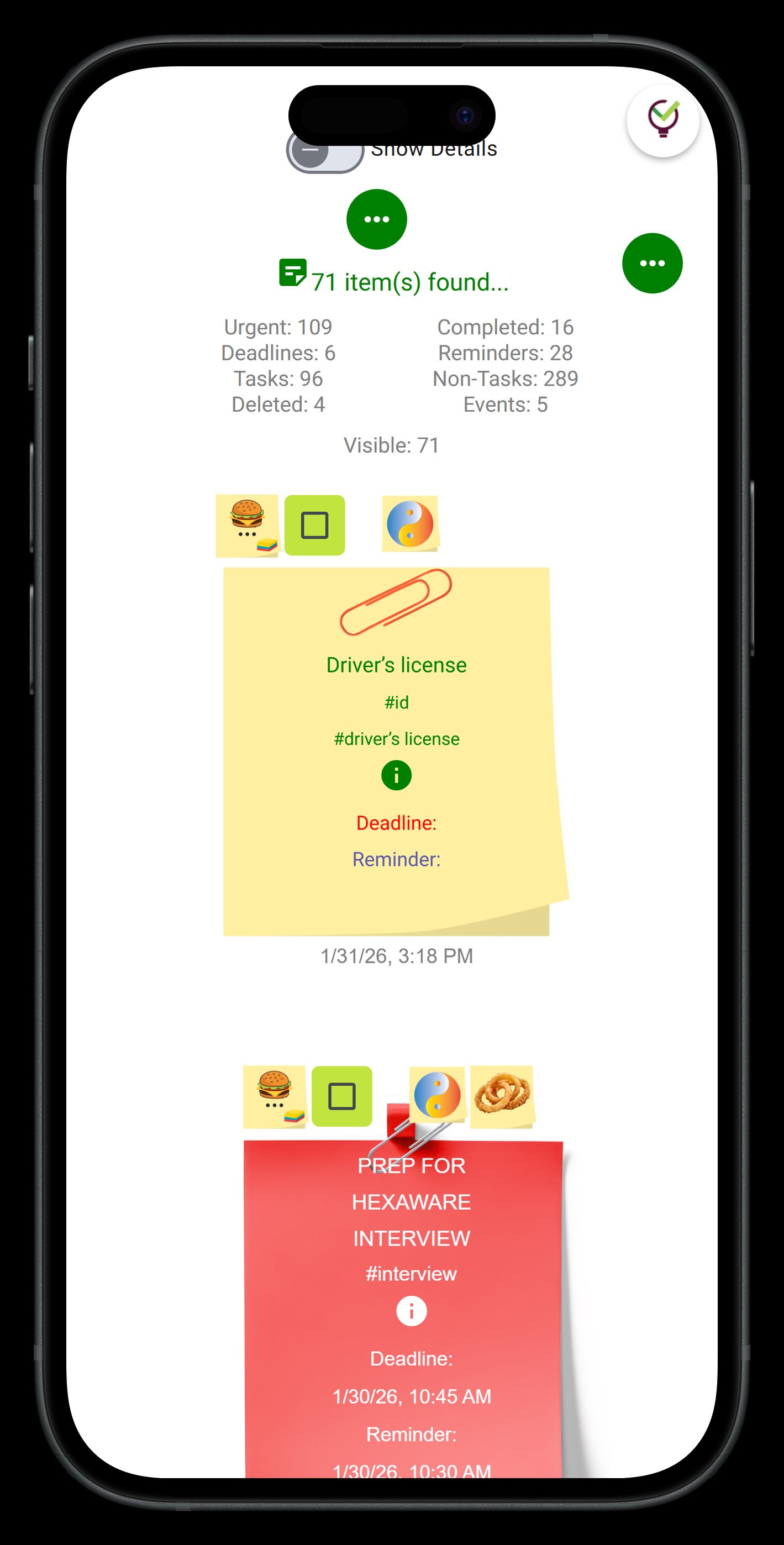
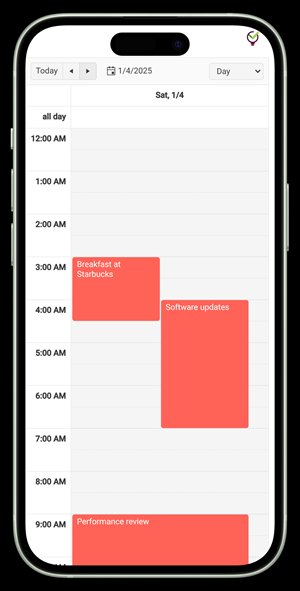
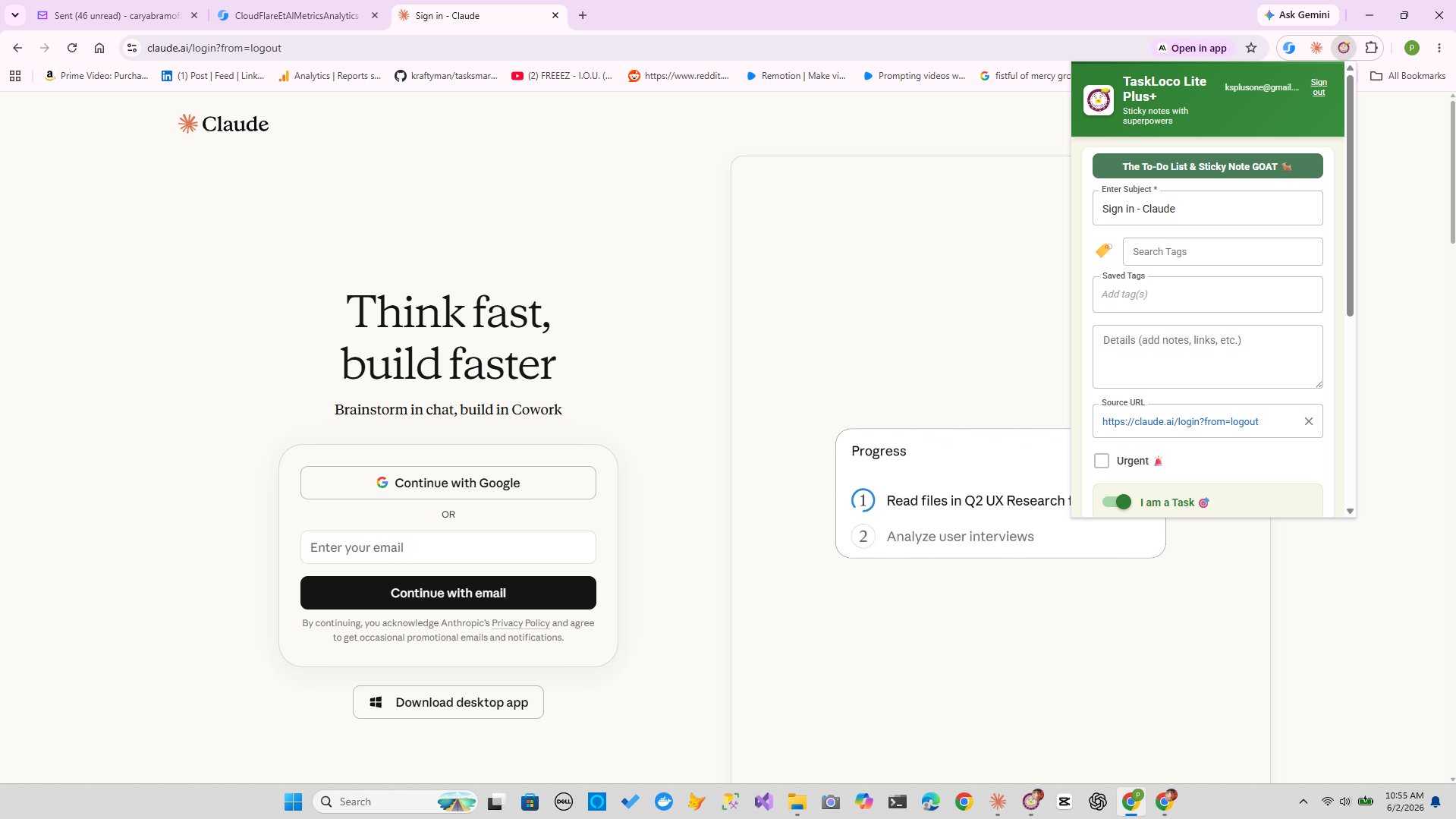
Where TaskLoco extends beyond the sticky note is in the features that physical cards genuinely couldn't support. Reminders delivered as push notifications deep-link back to the original note — so when an alert fires, one tap takes you directly to the context, not to an inbox you have to search. File attachments (10GB with Premium) mean the contract, the photo, the voice memo, and the task live together. The Chrome extension captures any webpage in one click, turning a browser tab into a note before the thought evaporates. Team sharing works the way email works — recipients can clone a shared note and make it their own, with no permissions architecture to configure.
The free tiers are worth understanding clearly. TaskLoco Lite — the native iPhone and Android app — stores up to 20 notes on your device, requires no account, and never syncs. It's the purest expression of the sticky note: anonymous, immediate, yours alone. TaskLoco Lite Plus+ is a web app with a Chrome extension that syncs up to 30 notes across all your devices after a free Google sign-in. Premium unlocks unlimited notes, reminders, file storage, calendar view, and team sharing — everything the physical sticky note always wanted to be.
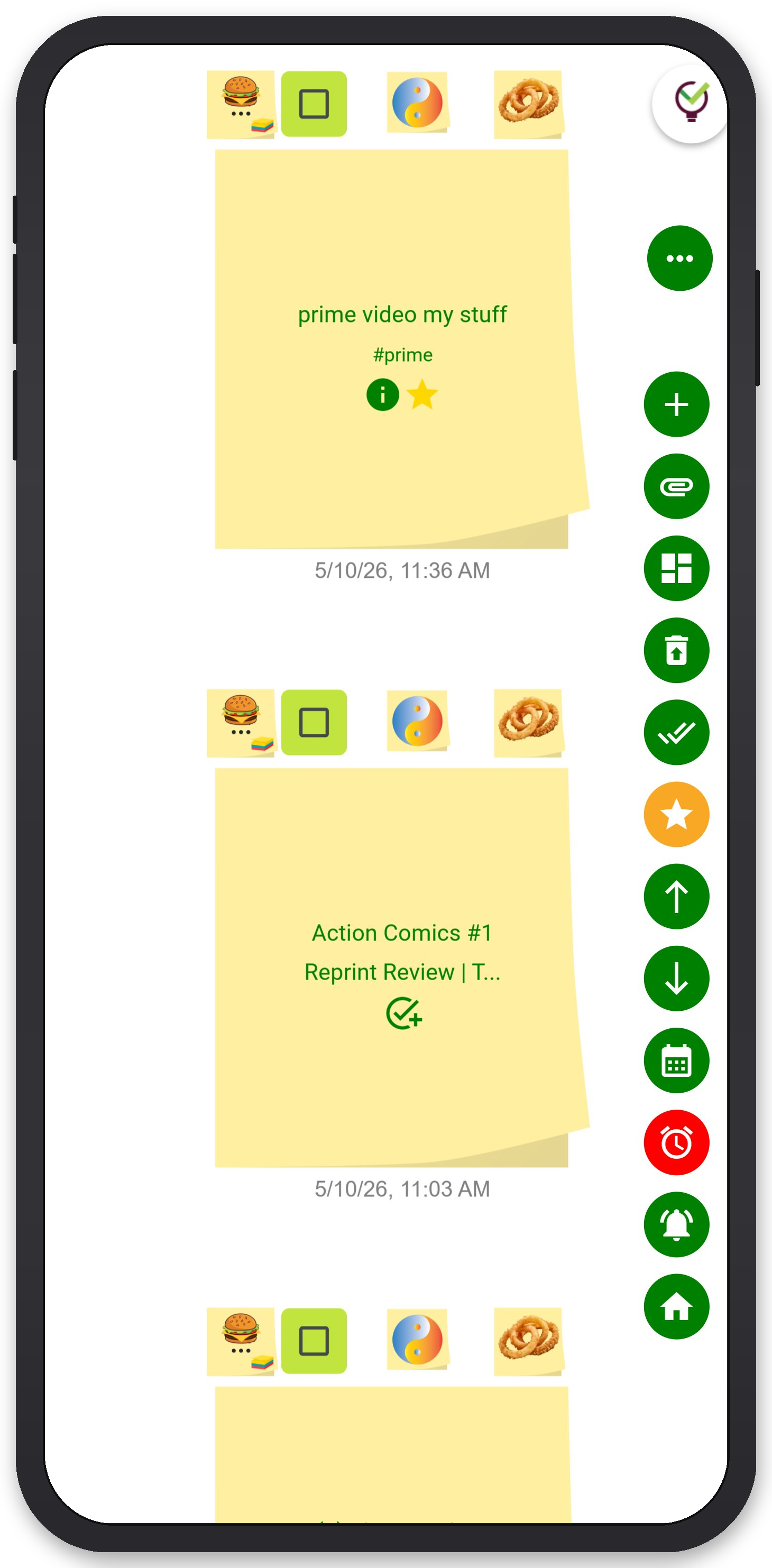
TaskLoco Premium is regularly $9.99/month per person. Right now, charter members can lock in 50% off the regular price — forever. That means $4.99/month per person today. And if our price ever goes up, you still pay half. Always.
Code CHARTER50 auto-applies at checkout. First 500 spots only — once they're gone, this offer is gone permanently. Act fast while spots last.
Every Premium subscription includes unlimited notes, 10GB file storage, reminders, calendar, and team sharing. Each team member requires a separate subscription. 7-day free trial — no charge until day 8. Cancel anytime.
Free Options: TaskLoco
TaskLoco Lite
- Native iPhone & Android app
- Completely anonymous — no sign-in
- Data stays on your device
- Up to 20 notes
- Free forever
TaskLoco Lite Plus+
- Web app + Chrome extension
- Sign in with Google
- Wall syncs across all devices
- Up to 30 notes
- Free forever
Lock In 50% Off — Forever
7-day free trial. No charge until day 8. CHARTER50 auto-applies at checkout.
🔒 Lock In My Charter SpotSee TaskLoco in Action
Frequently Asked Questions
What does 'flow' mean in productivity and task management?
Flow in productivity has two related meanings. The first is a systems concept: work is 'in flow' when it moves through a process without queuing, blocking, or waiting — the insight behind Ford's assembly line and Toyota's Lean manufacturing. The second is a psychological concept coined by Mihaly Csikszentmihalyi: the mental state of deep, uninterrupted concentration where your skill meets the challenge of the task. Good task management tools try to support both — keeping work visible and moving (systems flow) while minimizing the friction and interruptions that break concentration (psychological flow).
What is Kanban and where did it come from?
Kanban was developed by Taiichi Ohno at Toyota in the 1950s as a physical signaling system — cards that traveled back up a production line to authorize exactly one replenishment of parts. It enforced a 'pull' system: nothing was produced until downstream demand created space. David J. Anderson adapted Kanban for software teams around 2007, using columns on a whiteboard and sticky notes to represent work stages. The key addition was work-in-progress limits — a cap on how many tasks could be 'in progress' at once, forcing teams to finish before starting something new.
Why did the original Kanban use physical sticky notes instead of software?
Physical cards had properties that early software couldn't replicate: they were always visible to the whole team, they were finite (you couldn't hide infinite work-in-progress behind a scroll bar), and moving them was immediate — no clicks, no dropdowns, no friction. The physicality was the discipline. The best digital Kanban tools try to preserve those properties: a visible board, a movable card, a clear constraint. Tools that buried tasks inside complex hierarchies and menus lost the original insight.
How does TaskLoco connect to the history of Kanban and flow?
TaskLoco's wall view is a direct implementation of the Kanban board's core logic: notes in columns, moved by hand, always visible. The sticky note is the fundamental unit — one thought, one card, one action. TaskLoco extends what a physical sticky note couldn't do: reminders delivered as push notifications that deep-link back to the original note, file attachments so context travels with the task, Chrome extension capture of any webpage in one click, and team sharing that works the way email works. The simplicity is intentional — it's the same simplicity Ohno built into his factory floor.
What is the difference between TaskLoco Lite, Lite Plus+, and Premium?
TaskLoco Lite is a native iPhone and Android app — completely anonymous, no sign-in required, stores up to 20 notes in a JSON file on your device only, and never syncs anywhere. It's the purest digital sticky note. TaskLoco Lite Plus+ is a web app (plus Chrome extension) that syncs up to 30 notes across all your devices after a free Google sign-in — no reminders, no file attachments, no team sharing. TaskLoco Premium is the full experience: unlimited notes, 10GB file storage, reminders delivered as push notifications, calendar view, and team sharing. Each team member requires their own individual Premium subscription. $9.99/month per person (currently $4.99/month per person for first 500 charter members with code CHARTER50)
Does TaskLoco work as a Kanban board?
Yes. The wall view in TaskLoco functions as a visual Kanban board — notes arranged in columns representing stages of work, moved by drag or tap as work progresses. Unlike enterprise Kanban tools that add dependency graphs, custom fields, and complex permission layers, TaskLoco keeps the board honest and fast. The constraint is built in: one note, one idea, one move at a time. For teams, shared notes let collaborators clone a note and take ownership of their piece without a permissions architecture getting in the way.
How do reminders in TaskLoco support flow — staying in concentration without losing track of time-sensitive tasks?
TaskLoco reminders are delivered as push notifications to your phone and computer, and each notification deep-links directly back to the original note. That means when the reminder fires, one tap puts you back in exactly the right context — no searching, no navigation. Email notifications are available as an optional additional channel, and SMS is an optional add-on. The deep-link is the key: it closes the gap between the interruption and the work, so you lose as little concentration as possible recovering your place.
Born in Brooklyn. Powered by AWS. Your data stays yours.
TaskLoco is available on iPhone, Android, Chrome, and every web browser.