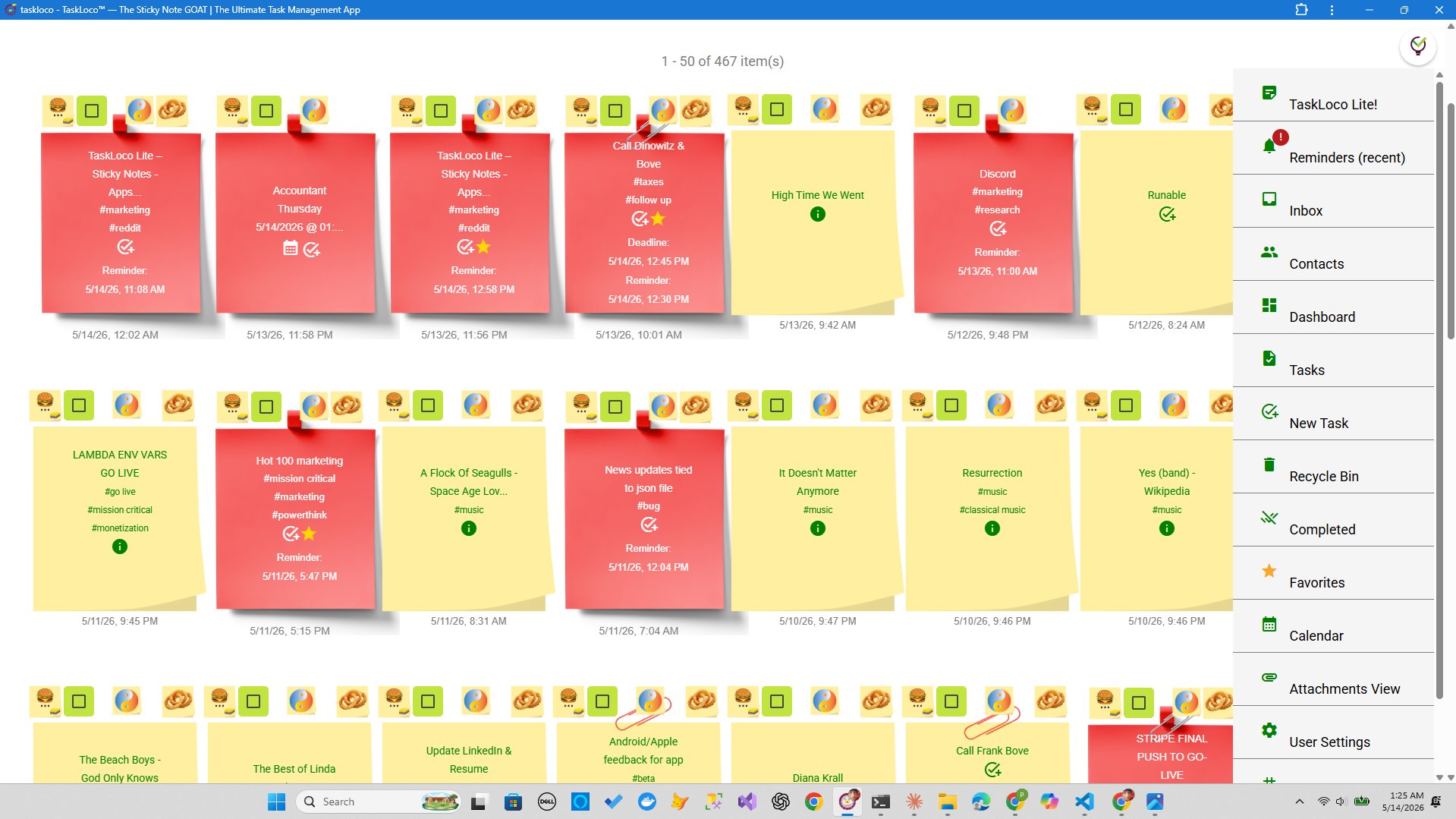
You sit down to work, open three different apps, stare at 47 unchecked items, and somehow do nothing. That's task paralysis — not laziness, not a character flaw, just a brain that's been handed too many competing signals with no clear hierarchy. The fix isn't a better to-do list. It's a wall.
A task wall — whether physical sticky notes on a whiteboard or a digital equivalent — forces everything into one visible field. Your brain stops spending energy tracking what it might be forgetting and starts spending it on actually doing things. The concept is old. The execution, in a world of scattered tabs and notification noise, is where most people get it wrong.
What Actually Makes a Task Wall Work
Before you buy any app or tape any sticky note to your monitor, it's worth understanding what separates a task wall that unsticks you from one that just adds visual clutter. Three things actually matter:
- Total visibility at a glance. The whole point is that you can see everything without clicking, scrolling, or hunting. If you have to dig to find a task, it's not a wall — it's just another list. The layout must be scannable in under five seconds.
- Low friction to add and move things. A wall you won't maintain is a wall that stops working by Thursday. The best systems make capturing a new task and moving it from "doing" to "done" nearly effortless. Drag and drop, one-tap creation, and instant capture from wherever you are (browser, phone, email) all matter enormously.
- A way to act on what you see. Visibility without action capability is just anxiety on a board. A useful task wall connects directly to reminders, files, and deadlines — so when you spot something that needs doing, you can attach what's needed and set a reminder without leaving the wall.
These three criteria — visibility, low friction, and action capability — should drive every decision about how you build your task wall, whether you go analog or digital.
Why Digital Task Walls Beat Physical Ones (and Where They Usually Fail)
Physical sticky notes on a whiteboard are genuinely good. They're tactile, zero-latency, and carry a satisfying permanence when you peel one off and throw it away. But they fail the moment you're not in the room — which, for most people, is most of the time.
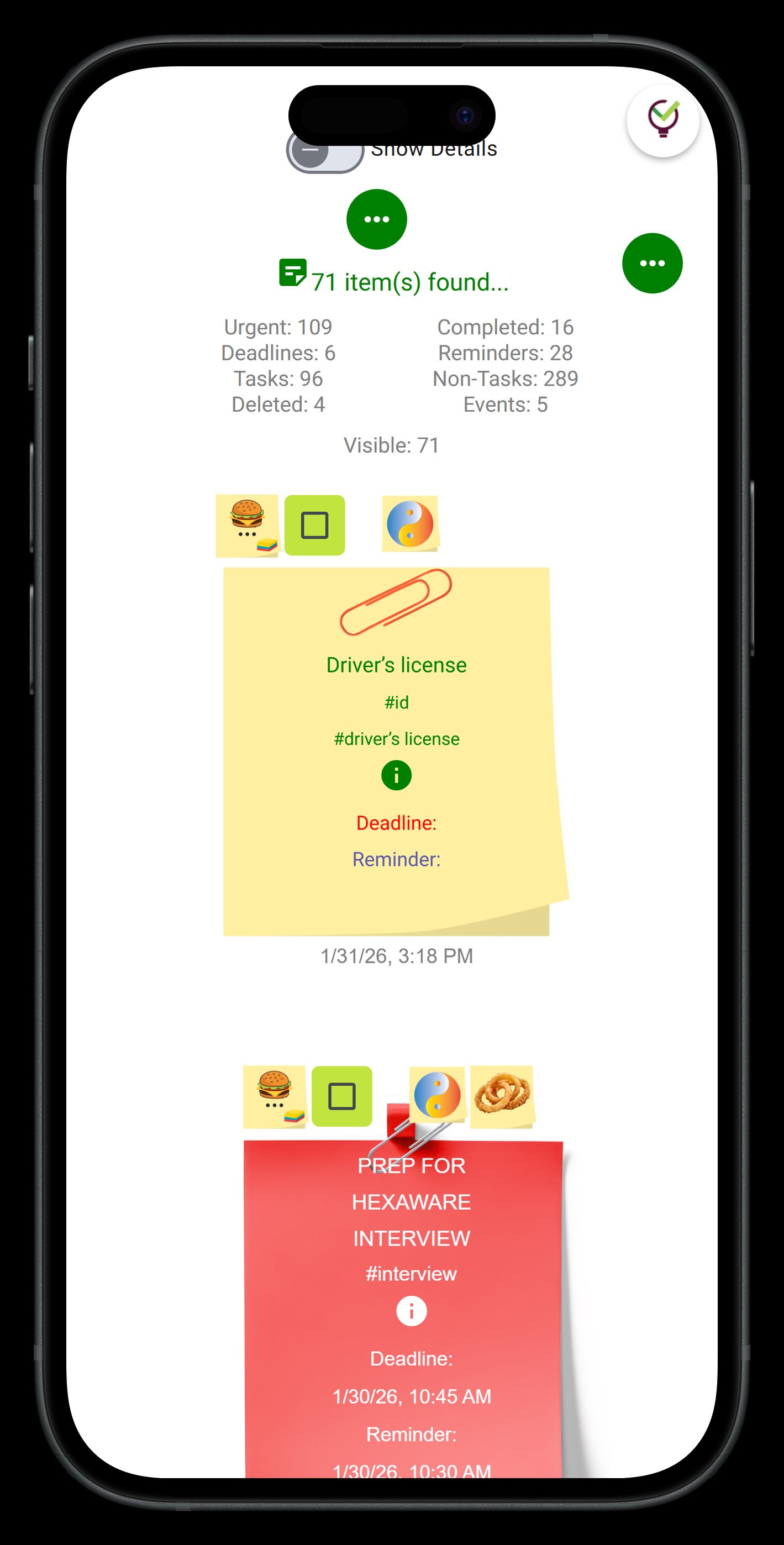
Digital task walls inherit all the spatial logic of a physical board but fix the portability problem. The issue is that most digital tools overcorrect. They add so many layers — subtasks, dependencies, sprints, tags, automations — that the wall stops being a wall and becomes a project management dashboard. You're back to staring at complexity instead of tasks.
The sweet spot is a digital tool that looks and feels like sticky notes but connects to your actual workflow. That means instant capture from your browser, sync across devices, the ability to attach a file or image directly to a note, and reminders that deep-link back to the exact note they came from — so when a push notification fires, one tap lands you on the right task, not on a generic inbox.
The other common failure is the capture gap. You're in a browser tab and you find the reference you need — a pricing page, a brief, a spec doc. On a physical wall, you'd print it or scribble the URL. On a digital wall that has a Chrome extension, you click once and the page becomes a note. That single workflow change eliminates an enormous amount of "I'll get to that later" drift.
How TaskLoco Builds the Wall You'll Actually Use
TaskLoco was built around the sticky note as the atomic unit of work. Every task, every reminder, every file lives inside a note — and your wall is the place where all of those notes live together in one view. There's no separate task manager, no separate file cabinet, no separate calendar to check. The wall is the whole picture.
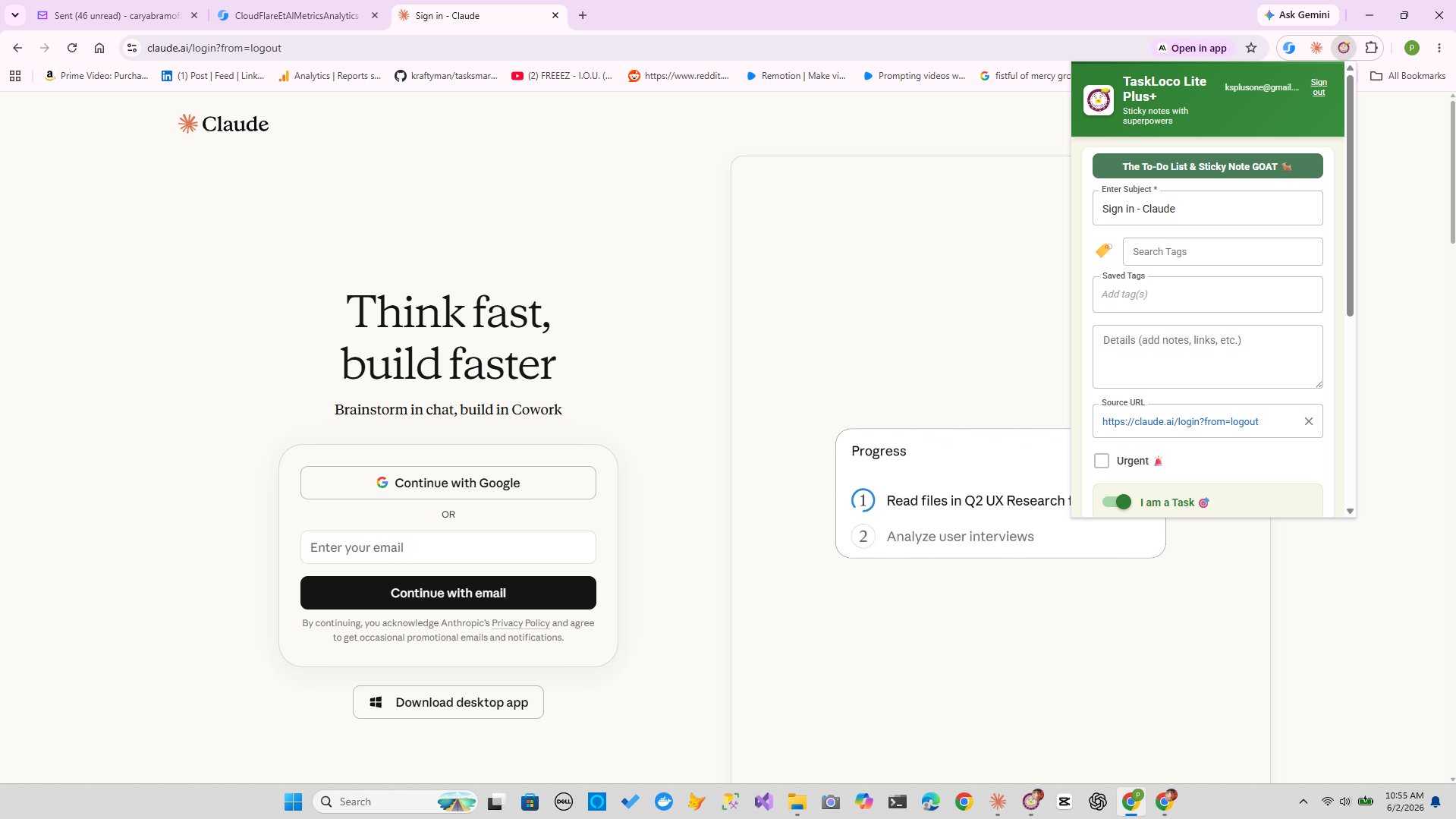
Capturing something new is fast enough that you'll actually do it. The Chrome extension lets you grab any webpage in one click and turn it into a note on your wall — no copy-pasting, no tab-switching. On your phone, the web app opens directly to your wall so you can add or move a note in seconds. On your desktop, the same wall is waiting exactly where you left it, synced in real time.
Reminders in TaskLoco are delivered as push notifications to your phone and computer. The key detail is that each reminder deep-links directly back to the note it belongs to — so when you get the nudge, you land on the task, the context, and any attached files all at once. Optional email notifications are available if you want them. Optional SMS is an add-on. But the core experience is a tap that takes you exactly where you need to be.
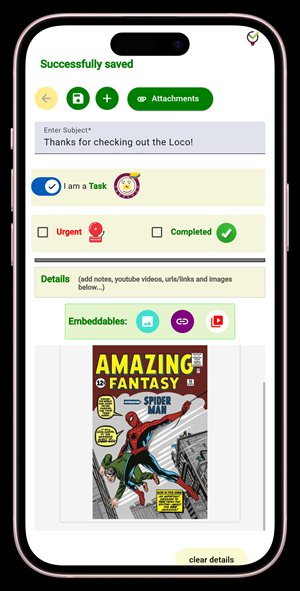
File attachments are built in at the Premium tier — 10GB of storage — so you can attach a brief, a photo, a signed PDF, or a reference image directly to the note it belongs to. No more hunting through email for "the attachment from that thread." The file lives on the wall, on the note, where it's supposed to be.
Team sharing in TaskLoco doesn't require permission levels or access management. Shared notes work the way email does: you send a note, the other person receives it, clones it, and it becomes part of their own wall. No admin overhead, no "request access" friction. It scales to any team without getting complicated.
Building Your Wall: A Practical Setup That Works
The architecture of your wall matters more than the tool you use to build it. Here's a setup that works for most people, and that TaskLoco's layout handles cleanly:
- Three columns: Now / Next / Later. Not a dozen status labels. Not a sprint backlog. Just three. Everything on your wall belongs in one of them. The visual weight of the "Now" column tells you immediately whether you're overloaded.
- One note per task. Not a note that says "Q3 Marketing" with fifteen subtasks buried inside it. One note, one actionable item. If a project has five tasks, it gets five notes. That's the whole point — you see five things, not one thing hiding five things.
- Attach before you walk away. When you create a note, attach the file, paste the reference, or set the reminder right then. A note that says "Follow up on contract" with the contract attached is worth ten times a note that just says "Follow up on contract."
- Use the Chrome extension to capture, not just create. Anytime you're on a page that's relevant to a task — a competitor's site, a client's portfolio, a spec document — grab it with one click. It becomes a note. You can revisit it on any device, anytime.
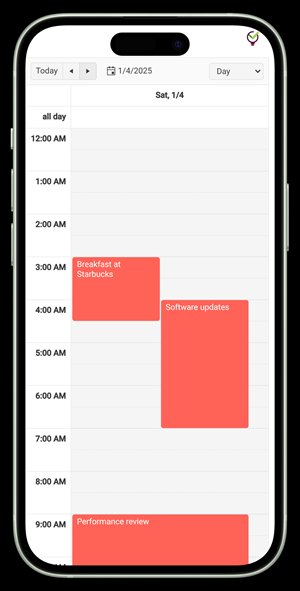
TaskLoco Lite Plus+ gives you a free starting point — up to 30 notes synced across all your devices, with the Chrome extension included, no sign-in required beyond Google. When your wall grows past 30 notes or you need reminders, file attachments, and the calendar view, Premium is the next step.
For people who want to test the concept before committing to anything digital, TaskLoco Lite is a fully anonymous native app on iPhone and Android — no account, no sign-in, 20 notes stored on your device. It's the fastest possible way to start building the habit of a visible wall before you add any digital infrastructure around it.
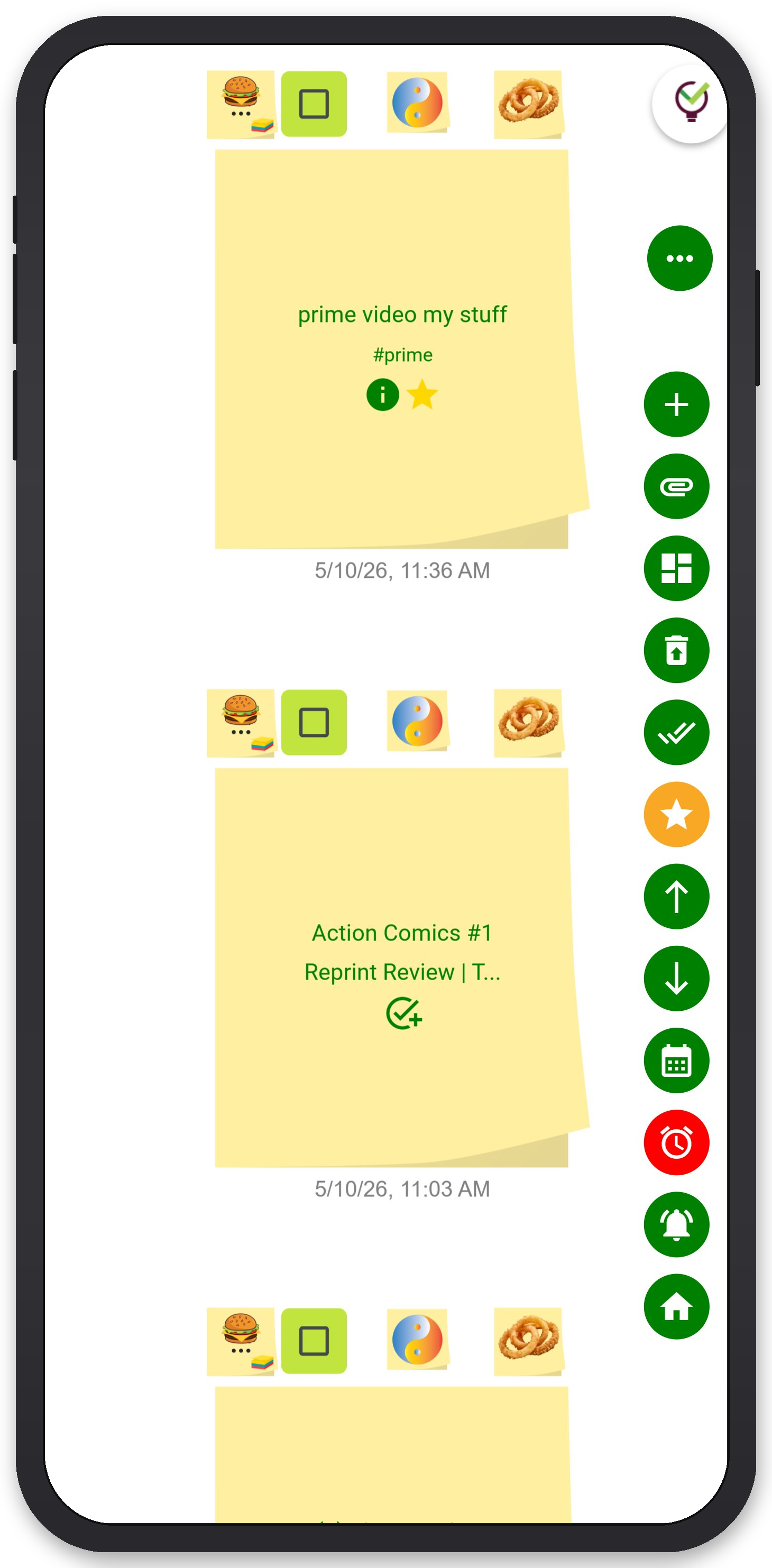
TaskLoco Premium is regularly $9.99/month per person. Right now, charter members can lock in 50% off the regular price — forever. That means $4.99/month per person today. And if our price ever goes up, you still pay half. Always.
Code CHARTER50 auto-applies at checkout. First 500 spots only — once they're gone, this offer is gone permanently. Act fast while spots last.
Every Premium subscription includes unlimited notes, 10GB file storage, reminders, calendar, and team sharing. Each team member requires a separate subscription. 7-day free trial — no charge until day 8. Cancel anytime.
Free Options: TaskLoco
TaskLoco Lite
- Native iPhone & Android app
- Completely anonymous — no sign-in
- Data stays on your device
- Up to 20 notes
- Free forever
TaskLoco Lite Plus+
- Web app + Chrome extension
- Sign in with Google
- Wall syncs across all devices
- Up to 30 notes
- Free forever
Lock In 50% Off — Forever
7-day free trial. No charge until day 8. CHARTER50 auto-applies at checkout.
🔒 Lock In My Charter SpotSee TaskLoco in Action
Frequently Asked Questions
What is task paralysis and why does it happen?
Task paralysis is the state of being unable to start or continue working despite having tasks that need doing. It usually happens when your brain is holding too many competing priorities at once — there's no clear "do this first" signal, so the cognitive load of deciding becomes paralyzing. It's not a motivation problem. It's an information architecture problem. A visible task wall solves it by externalizing the list so your brain can stop tracking and start acting.
What's the difference between a task wall and a to-do list?
A to-do list is linear and usually prioritized by when you added something, not by what actually matters. A task wall is spatial — you arrange tasks deliberately, grouping by status, urgency, or project, so the layout itself communicates priority. You can see everything at once without scrolling. The visual density of a column tells you immediately if you're overloaded. To-do lists hide that information. Task walls surface it.
Can I build a task wall in TaskLoco for free?
Yes. TaskLoco Lite Plus+ is free, syncs across all your devices, includes the Chrome extension for one-click web capture, and holds up to 30 notes. That's enough to build a real three-column task wall and maintain it across phone and desktop. When you need reminders, file attachments, unlimited notes, or team sharing, TaskLoco Premium picks up from there. $9.99/month per person (currently $4.99/month per person for first 500 charter members with code CHARTER50)
How does TaskLoco handle reminders on a task wall?
TaskLoco reminders are delivered as push notifications to your phone and computer. The key feature is that each reminder deep-links back to the exact note it belongs to — one tap and you're looking at the task, any attached files, and your notes about it. Optional email notifications are available. Optional SMS is an add-on. Reminders are a TaskLoco Premium feature.
What's the best way to stop tasks from falling off my radar?
Two things eliminate "I forgot about that" drift: a single place where every task lives (the wall), and a reminder attached to anything time-sensitive. In TaskLoco, setting a reminder on a note takes a few seconds and delivers a push notification that deep-links straight back to the note. Combine that with the Chrome extension — which lets you capture any webpage as a note in one click — and the gap between "I should do that" and "it's on my wall" closes almost entirely.
Does TaskLoco work on mobile?
TaskLoco Lite is a native app on iPhone and Android — anonymous, no sign-in, up to 20 notes stored on your device. It's the fastest way to start building a visible task habit. TaskLoco Lite Plus+ and Premium run as a web app, accessible on any mobile browser, with full sync across devices. The Chrome extension is available on desktop for one-click webpage capture.
How does team sharing work on a task wall in TaskLoco?
TaskLoco team sharing works like email: you share a note, the other person receives it, clones it, and it becomes part of their own wall. There are no permission levels to configure, no access requests, no admin overhead. It works for any team size. Each team member has their own Premium subscription — your wall stays yours, and shared notes move between walls cleanly. $9.99/month per person (currently $4.99/month per person for first 500 charter members with code CHARTER50)
Born in Brooklyn. Powered by AWS. Your data stays yours.
TaskLoco is available on iPhone, Android, Chrome, and every web browser.