You have the list. You know what needs to happen. You've thought about it, maybe even dreamed about it. And yet — nothing. The cursor blinks. The day disappears. You go to bed annoyed at yourself for the fourth time this week. That's task paralysis, and it has nothing to do with laziness or ability.
Task paralysis is a cognitive and emotional bottleneck, not a character flaw. It's what happens when the perceived cost of starting a task outweighs the brain's available bandwidth for getting started. The good news: it's entirely solvable. The better news: you don't need a personality transplant to solve it — you need the right conditions and the right tools.
What Task Paralysis Actually Is (And What Causes It)
Task paralysis isn't procrastination — though people confuse the two constantly. Procrastination is choosing a more rewarding activity over a less rewarding one. Task paralysis is different: you're not choosing Netflix over work. You're sitting at your desk, trying to work, and genuinely unable to begin. That distinction matters because the fixes are different.
At its core, task paralysis happens when one or more of these conditions exist:
- Ambiguity: The task is vague. "Work on the project" tells your brain nothing actionable. Without a concrete first move, the brain stalls.
- Overwhelm: The task feels too big or too consequential. Starting feels like committing to something enormous, so the brain defaults to inaction as a form of self-protection.
- Decision fatigue: You've already made dozens of decisions today and the mental fuel tank is low. Even a simple choice — where to start — can feel impossible.
- Fear of imperfection: If you care deeply about the outcome, starting means risking a result that doesn't match your internal standard. Not starting is safer.
- Context switching: Jumping from one type of work to another drains the cognitive energy needed to engage deeply with any one thing.
Understanding the root cause in your specific case is the first step. Most people try to power through with willpower, which works occasionally but is not a system. Systems beat willpower every time.
Three Criteria That Actually Matter When Choosing a Tool to Fight Paralysis
Most productivity tools are built to impress during a demo, not to help someone who is frozen at 2pm and can't start their most important task. When evaluating any tool — app, notebook, whiteboard, or otherwise — these are the only three criteria that matter for breaking paralysis:
1. Zero-friction capture. When a thought or task surfaces, the path from brain to written-down should take under five seconds. If opening your tool requires a login, navigation, or mode-switching, it will fail the moment your motivation dips. The best capture tools feel like picking up a pen.
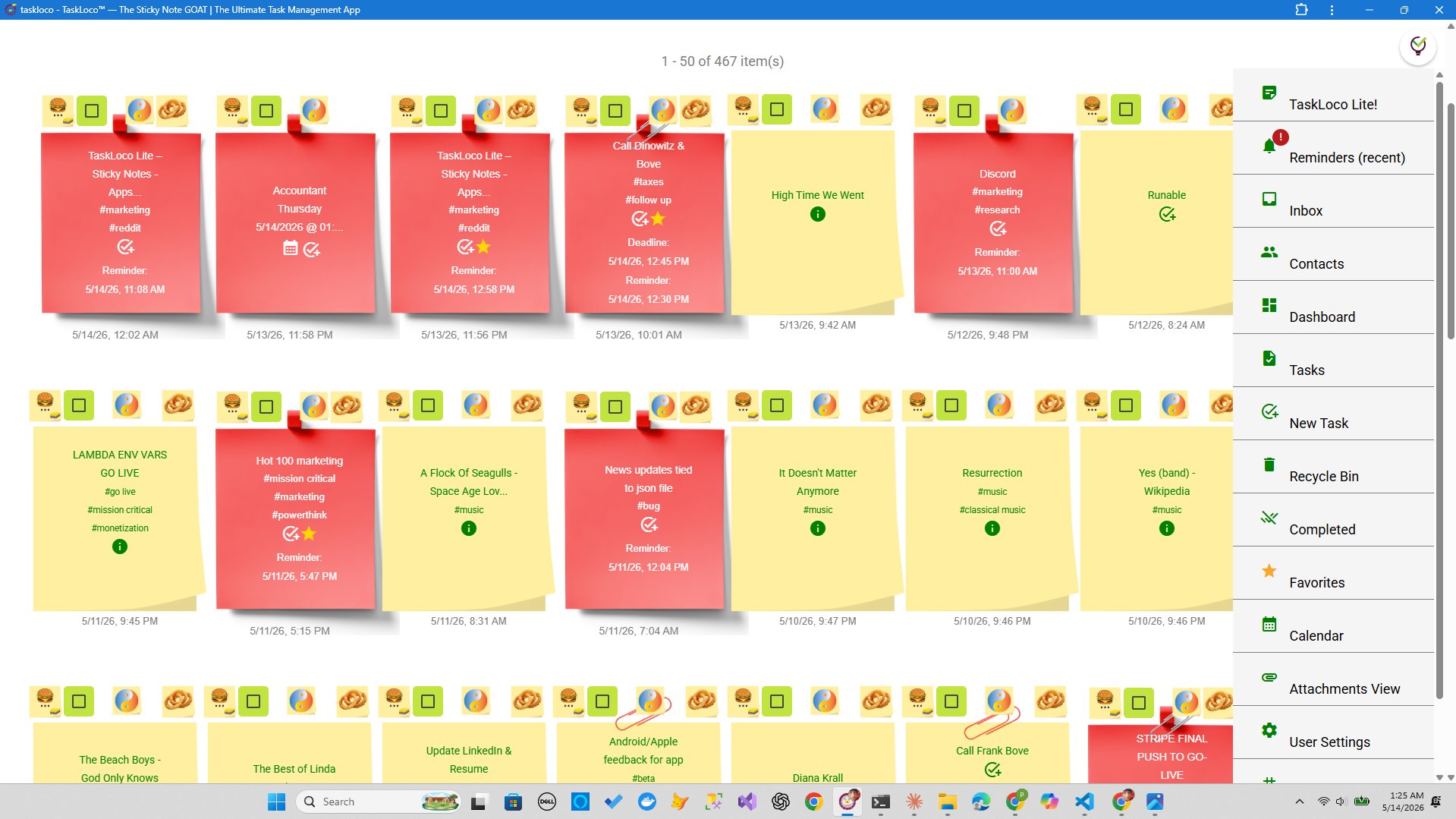
2. Visual clarity at a glance. Paralysis thrives in ambiguity. Any tool worth using should show you, at a glance, exactly what your tasks are without drilling through folders or toggling views. Spatial layouts — where you can physically see tasks spread out like notes on a wall — work especially well for brains prone to freezing, because the visual structure provides the orientation the anxious mind is searching for.
3. Just-in-time reminders. Paralysis often isn't about motivation — it's about timing. A task that feels impossible at 9am might be easy at 3pm. A tool that can surface the right task at the right moment dramatically reduces the decision load. The reminder should bring you back to the task itself, not just a calendar event or generic alert.
Notice what's not on this list: complexity, hierarchy, Gantt charts, integrations. None of those help a frozen person start. They often make it worse.
How to Actually Break Paralysis: Practical Techniques That Work
Once you understand the mechanics, the tactics become obvious. Here are the approaches that consistently break the freeze — not as motivation hacks, but as structural interventions.
Shrink the task until it's embarrassingly small. The brain resists big things. If "write the report" won't start, then the task is "open a new document and write one sentence." Not a good sentence. Any sentence. The act of starting rewires the brain's resistance almost immediately. Researchers sometimes call this the Zeigarnik effect in reverse — once you've started, your brain actually wants to finish.
Separate capture from execution. When you're paralyzed, trying to simultaneously plan and do is fatal. Spend five minutes dumping every task onto paper or into a notes app — without prioritizing, without judging. Get it all out. Then, and only then, pick one thing and ignore the rest.
Use visual layouts, not lists. Linear lists force your brain to process tasks sequentially, which means you hit the hard task and stop. A spatial layout — sticky notes on a wall, cards on a board — lets you see everything at once without the pressure of order. You can physically navigate to the easiest thing and build momentum before tackling the heavier work.
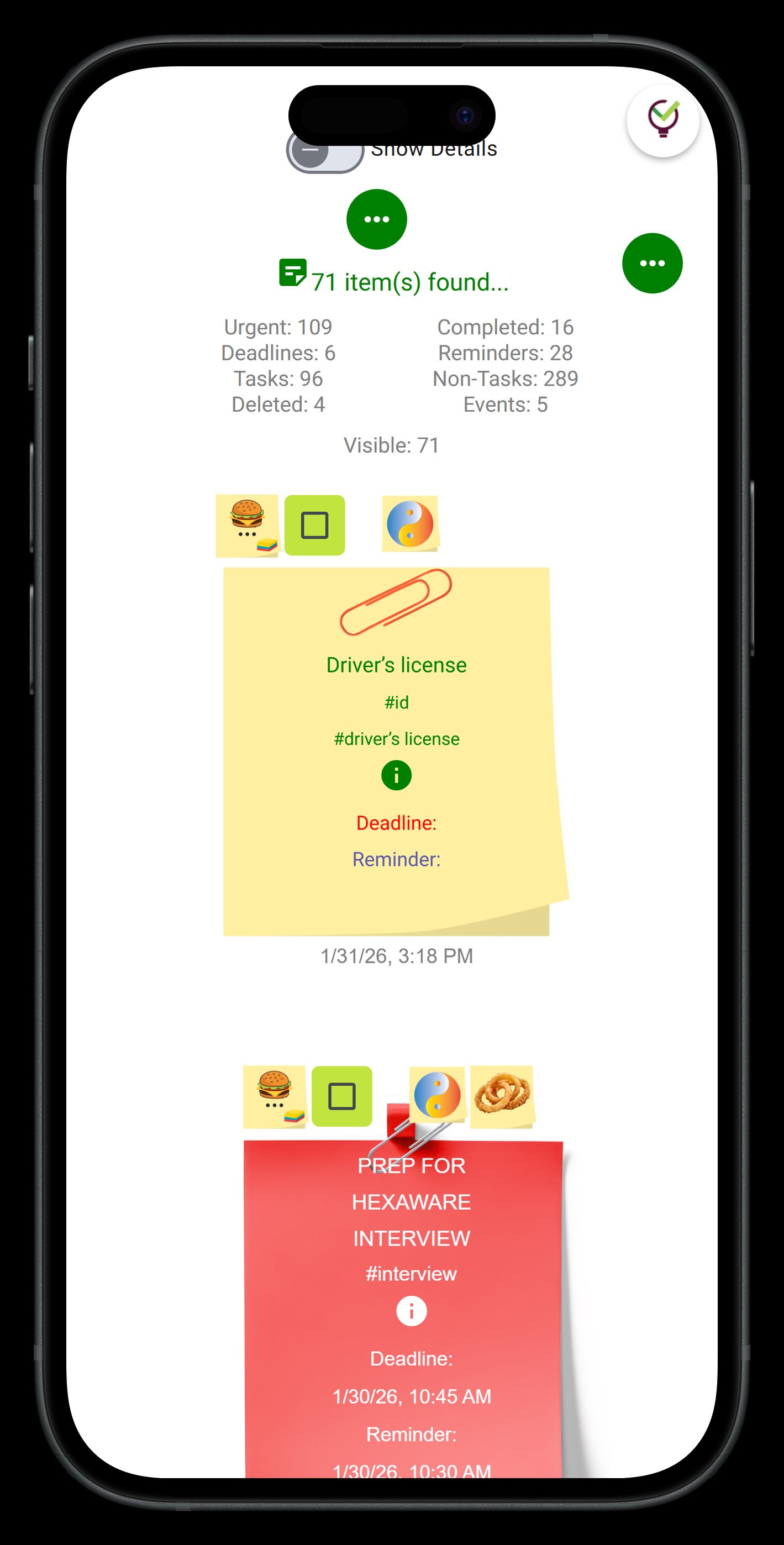
Schedule the reminder, not just the task. Writing a task down doesn't make it happen. Attaching a time to it — and having a system that delivers that reminder directly to your phone or computer and deep-links you back to the exact note — closes the loop between intention and action.
Protect your highest-energy window. Most people with task paralysis try to tackle hard work when they're already depleted. Identify your best two hours — usually morning — and guard them for the work that requires the most cognitive activation. Use lower-energy windows for capture, filing, and administration.
Why TaskLoco Is Built for Exactly This Problem
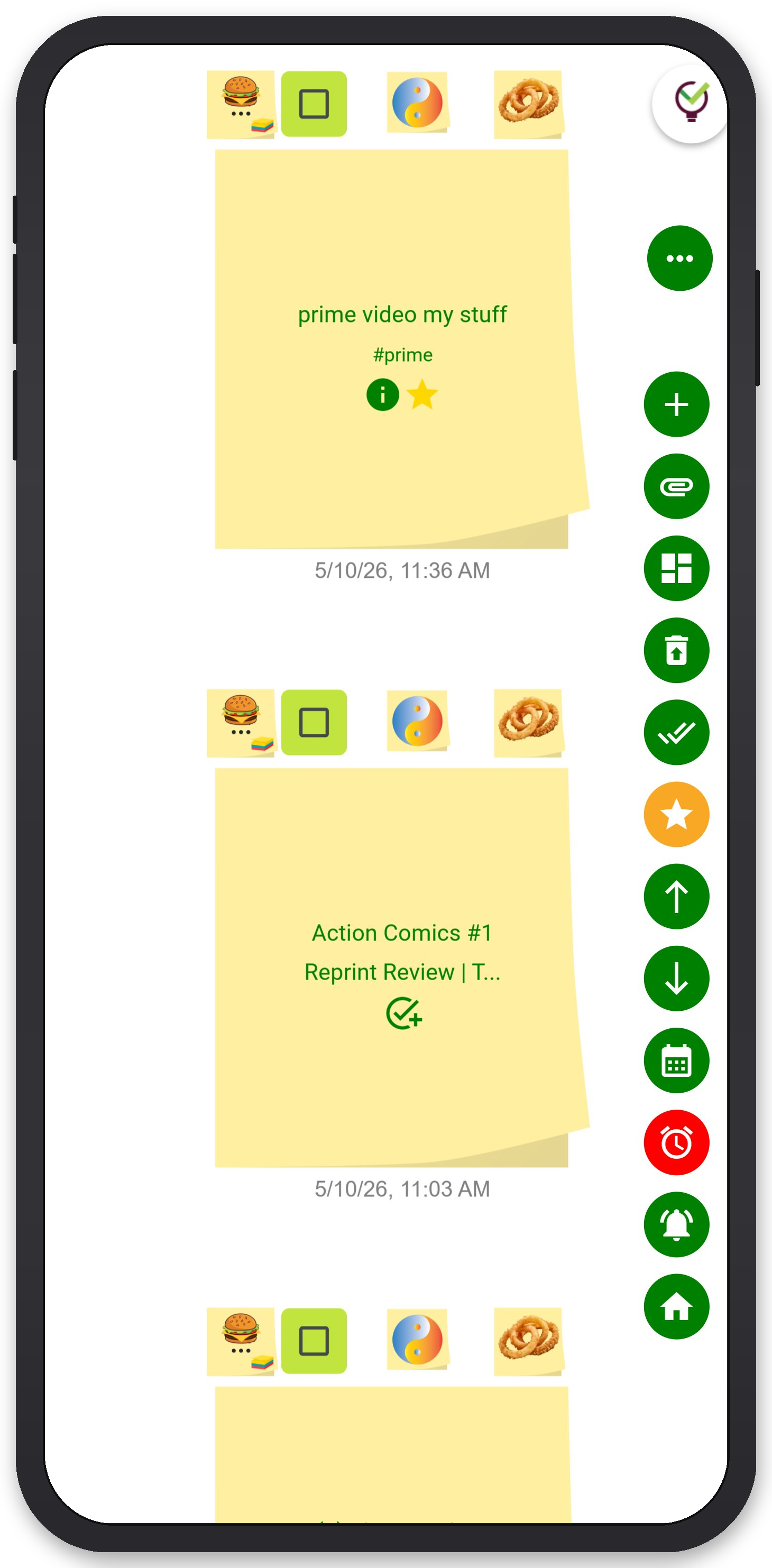
Most productivity apps were designed by engineers who think in hierarchies and workflows. TaskLoco was built around the sticky note — the physical object that has helped humans think, plan, and organize for decades, because it works with the brain instead of against it. That's not a metaphor. The core interface is a visual wall of notes you can arrange, color, and scan in seconds.
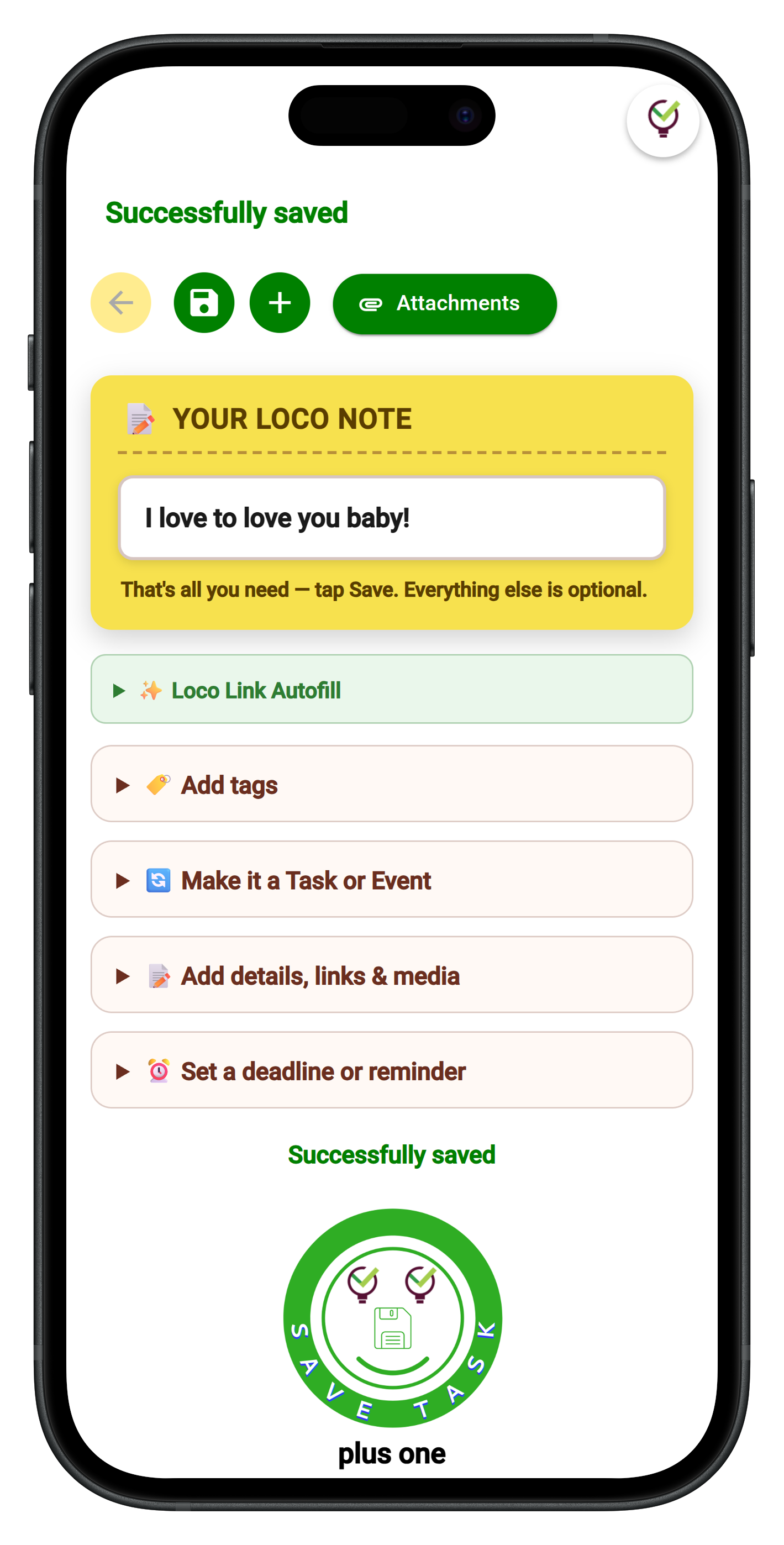
For anyone fighting task paralysis, that matters enormously. There's no "where do I put this" decision when you open TaskLoco. You open it, you write the thought, you place it on the wall. Done. The capture friction is as close to zero as a digital tool can get.
TaskLoco Premium goes further. Reminders are delivered as push notifications directly to your phone and computer — and each reminder deep-links straight back to the exact note it belongs to. You're not reminded that you have a task. You're dropped directly into the task itself. That one feature eliminates a surprisingly large amount of the re-entry friction that causes people to see a reminder and still not start.
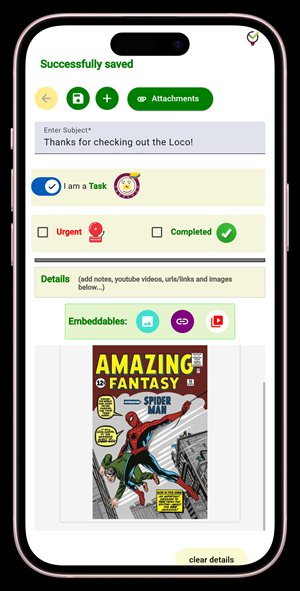
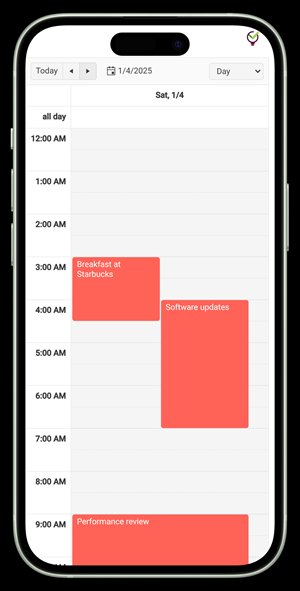
Files and attachments live inside the note itself — up to 10GB of storage — so every piece of context you need is exactly where you expect it. The calendar view lets you see your tasks mapped to time without switching apps. And team sharing works like sending an email: the recipient can clone the shared note and make it their own, no permissions system to navigate.
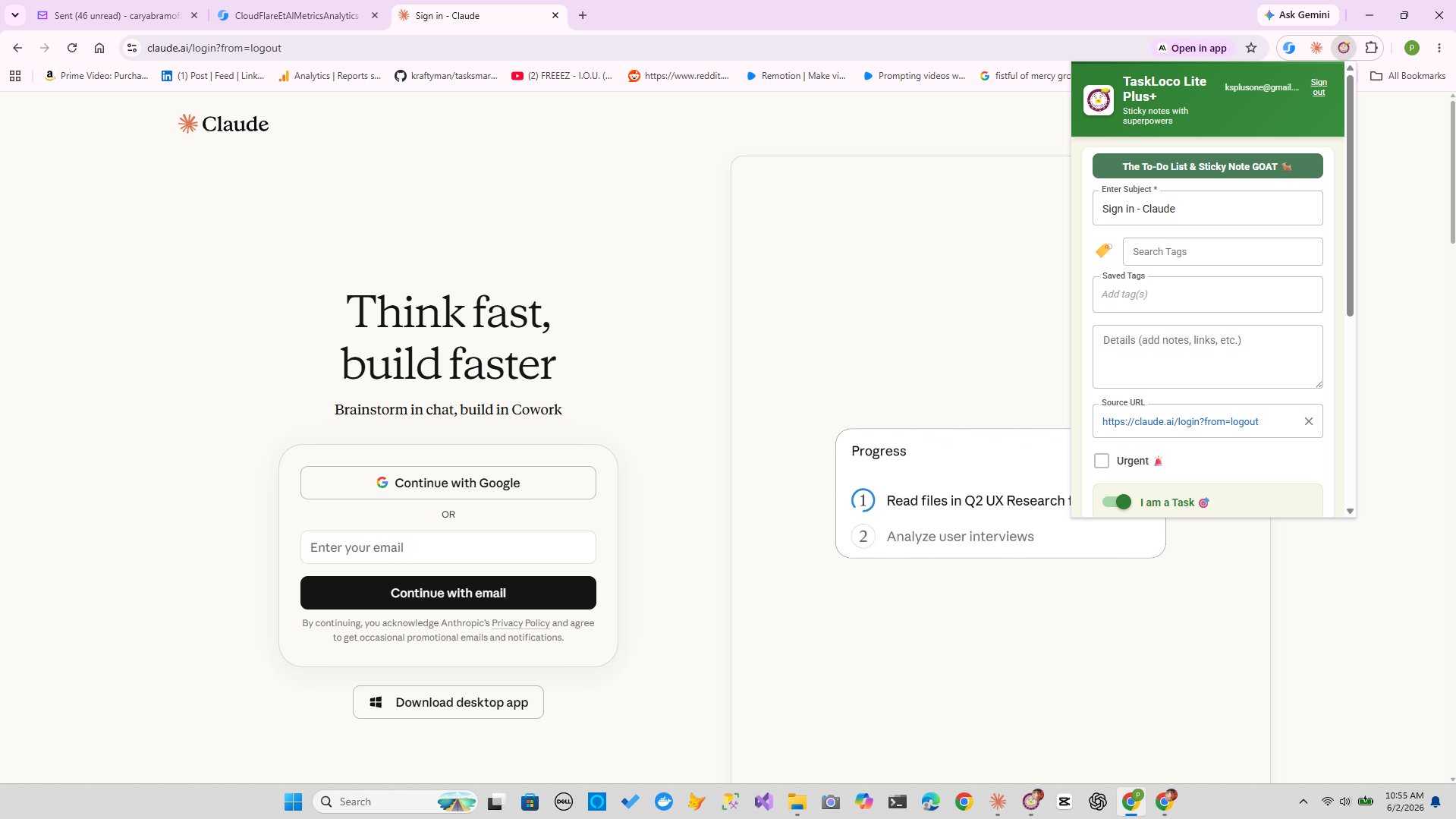
TaskLoco Lite is free, anonymous, requires no sign-in, and stores up to 20 notes on your device — a zero-commitment way to try the core experience right now. TaskLoco Lite Plus+ is also free: sign in with Google, sync across all your devices, and capture any webpage in one click with the Chrome extension — up to 30 notes. When you're ready for reminders, unlimited notes, file attachments, and calendar, Premium is the step up.
TaskLoco Premium is regularly $9.99/month per person. Right now, charter members can lock in 50% off the regular price — forever. That means $4.99/month per person today. And if our price ever goes up, you still pay half. Always.
Code CHARTER50 auto-applies at checkout. First 500 spots only — once they're gone, this offer is gone permanently. Act fast while spots last.
Every Premium subscription includes unlimited notes, 10GB file storage, reminders, calendar, and team sharing. Each team member requires a separate subscription. 7-day free trial — no charge until day 8. Cancel anytime.
Free Options: TaskLoco
TaskLoco Lite
- Native iPhone & Android app
- Completely anonymous — no sign-in
- Data stays on your device
- Up to 20 notes
- Free forever
TaskLoco Lite Plus+
- Web app + Chrome extension
- Sign in with Google
- Wall syncs across all devices
- Up to 30 notes
- Free forever
Lock In 50% Off — Forever
7-day free trial. No charge until day 8. CHARTER50 auto-applies at checkout.
🔒 Lock In My Charter SpotSee TaskLoco in Action
Frequently Asked Questions
What is task paralysis and how is it different from procrastination?
Procrastination is choosing something more rewarding over the task at hand. Task paralysis is different — you're actively trying to work but genuinely unable to begin. The causes are usually ambiguity, overwhelm, decision fatigue, or fear of imperfection. The fix requires reducing friction and clarifying the next physical action, not more motivation.
Why do smart, capable people get task paralysis?
Often because they care too much. High standards create high activation costs — starting means risking an imperfect result. Smart people also tend to see the full scope of a project, which can make any single starting point feel inadequate. The solution is deliberately narrowing focus to the smallest possible next action, separate from any judgment about the outcome.
What is the fastest way to break task paralysis right now?
Open a blank document or note and write one sentence about the task — any sentence, even a bad one. The act of starting is the only cure for not starting. If even that feels too hard, make the task smaller: "decide what the first sentence should be about" is a valid task. Shrink until you can start, then build momentum from there.
Does using a to-do list app help with task paralysis?
It depends entirely on the app. A tool that requires navigation, mode-switching, or heavy setup before you can capture a thought adds friction at the worst possible moment. The best apps for task paralysis have near-zero capture friction, visual layouts you can scan instantly, and reminders that bring you back directly to the specific task — not just a generic alert.
Can sticky notes actually help with task paralysis?
Yes — physical sticky notes have been used for decades precisely because they work with the brain's preference for spatial, visual information rather than sequential lists. The digital equivalent — a visual wall of notes you can arrange and color-code — preserves that benefit while adding search, reminders, and sync. TaskLoco is built around exactly this model.
How does TaskLoco help with task paralysis specifically?
TaskLoco's core interface is a visual wall of sticky notes — no folders, no hierarchy, no decision about where to put things. Capture friction is minimal. TaskLoco Premium adds reminders delivered as push notifications that deep-link directly back to the note they belong to, eliminating the re-entry cost that causes people to dismiss a reminder and still not start. $9.99/month per person (currently $4.99/month per person for first 500 charter members with code CHARTER50)
Is there a free way to try TaskLoco?
Yes — two of them. TaskLoco Lite is a free native app for iPhone and Android. It's completely anonymous, requires no sign-in, and stores up to 20 notes on your device. TaskLoco Lite Plus+ is a free web app: sign in with Google, sync across all your devices, and use the Chrome extension to capture any webpage in one click — up to 30 notes. Neither requires a credit card. Premium adds reminders, unlimited notes, file attachments, calendar view, and team sharing, with a 7-day free trial before any charge.
Born in Brooklyn. Powered by AWS. Your data stays yours.
TaskLoco is available on iPhone, Android, Chrome, and every web browser.