Henry Ford didn't sit down one morning and decide to revolutionize manufacturing. He looked at a problem — a car took too long to build, cost too much, and only rich people could afford one — and asked a different question: what if the work came to the worker instead of the worker chasing the work? The answer was the moving assembly line. And it didn't just change manufacturing. It changed how humans think about systems, flow, and getting things done.
Task management has the same unsolved problem Ford faced in 1908. Most people don't fail because they lack ambition or intelligence. They fail because their work is scattered — ideas in email, tasks in a notebook, files in a folder no one can find, deadlines that exist only in someone's head. Ford's insight applies directly: when every piece of work has a defined place, a defined owner, and a defined next step, the whole operation accelerates. This article breaks down Ford's assembly line principles and shows exactly how to apply them to how you manage tasks today.
What Makes a Task System Actually Work: The Criteria That Matter
Before getting into Ford specifically, it helps to define what a genuinely effective task management system looks like — because most people pick tools based on features rather than principles, and then wonder why nothing sticks.
Three criteria separate systems that work from systems that get abandoned:
- Visibility. Every piece of work must be visible at a glance. If you have to dig for a task, you will eventually stop digging. The best systems surface what matters without requiring effort to find it.
- Single ownership. Every task must belong to one person at one moment in time. Shared responsibility is no responsibility. Ford understood this intuitively — each station on the line had one worker responsible for one job.
- Forward momentum. A good system makes it obvious what the next step is and removes friction from taking it. If the next action is unclear, work stalls. Ford built the line so stalling was physically impossible — the car kept moving whether the worker was ready or not.
These aren't software features. They're design principles. Any tool — digital or analog — that satisfies all three will outperform a feature-rich tool that ignores them. Keep these in mind as you evaluate any system, including the one this article recommends.
Ford's Five Assembly Line Principles — and What They Mean for Tasks
Ford's moving assembly line, introduced at the Highland Park plant in 1913, was built on principles that had never been applied at industrial scale before. Each one maps cleanly onto modern task management.
1. Standardization. Ford required every part to be identical and interchangeable. On a production floor full of variation, nothing could move fast. In task management, standardization means every task gets captured the same way, in the same place, every time. No task lives in your head, in an email thread, and in a chat message simultaneously. One format. One location. Done.
2. Division of labor. Ford broke a complex job into simple, repeatable steps. The man who installed the steering wheel did nothing else. In task management, this means breaking projects into individual, actionable notes — not one giant task called "Launch campaign" but ten specific tasks, each owned, each completable in a single sitting.
3. Continuous flow. The line never stopped moving. Work didn't wait for the next station to be ready — the system was designed so readiness was built in. In task management, flow means your system surfaces the next task the moment the current one is done. No searching. No deciding. The next note is already there.
4. Elimination of wasted motion. Ford's time-motion studies obsessively removed unnecessary movement. Every step a worker took that didn't add value was a step that slowed production. In task management, waste is context-switching — the cost of hunting for information, re-reading old notes to remember where you left off, or switching between five different apps to find one file.
5. Quality at the source. Ford didn't build a car and then inspect it at the end. Quality checks happened at every station. In task management, this means capturing enough context in each task — what it is, what's attached, what the deadline is — so that when you return to it hours or days later, no memory reconstruction is required. The note itself contains everything needed to act.
How TaskLoco Builds a Digital Assembly Line for Your Work
TaskLoco was designed around a simple idea: a sticky note is the most natural unit of work humans have ever invented. It has one job. It belongs somewhere specific. When it's done, it goes away. That's not a limitation — that's the point. It's Ford's division-of-labor principle in paper form, and TaskLoco makes it digital without losing the simplicity.
Here's how each Ford principle maps to a specific TaskLoco feature:
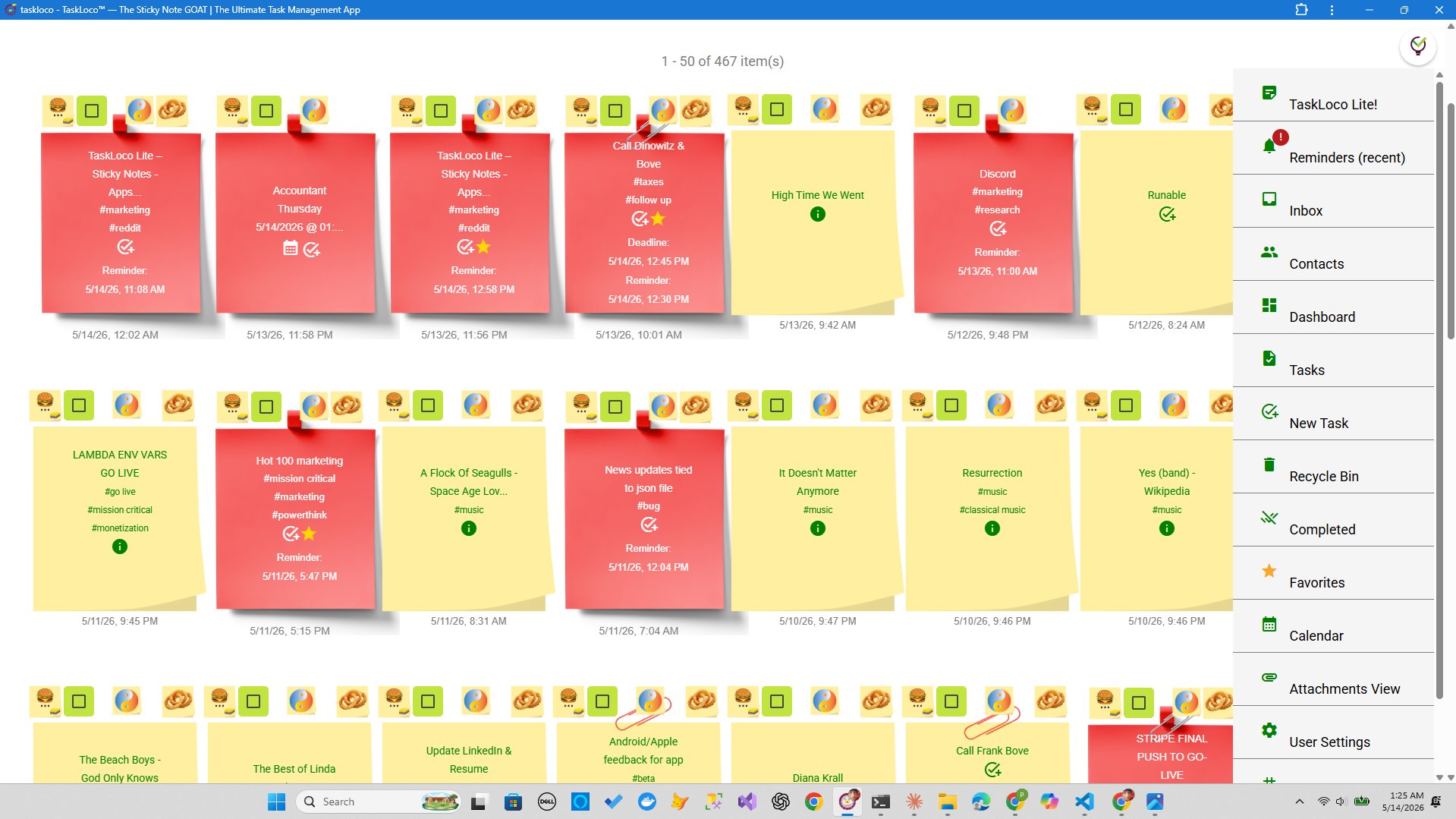
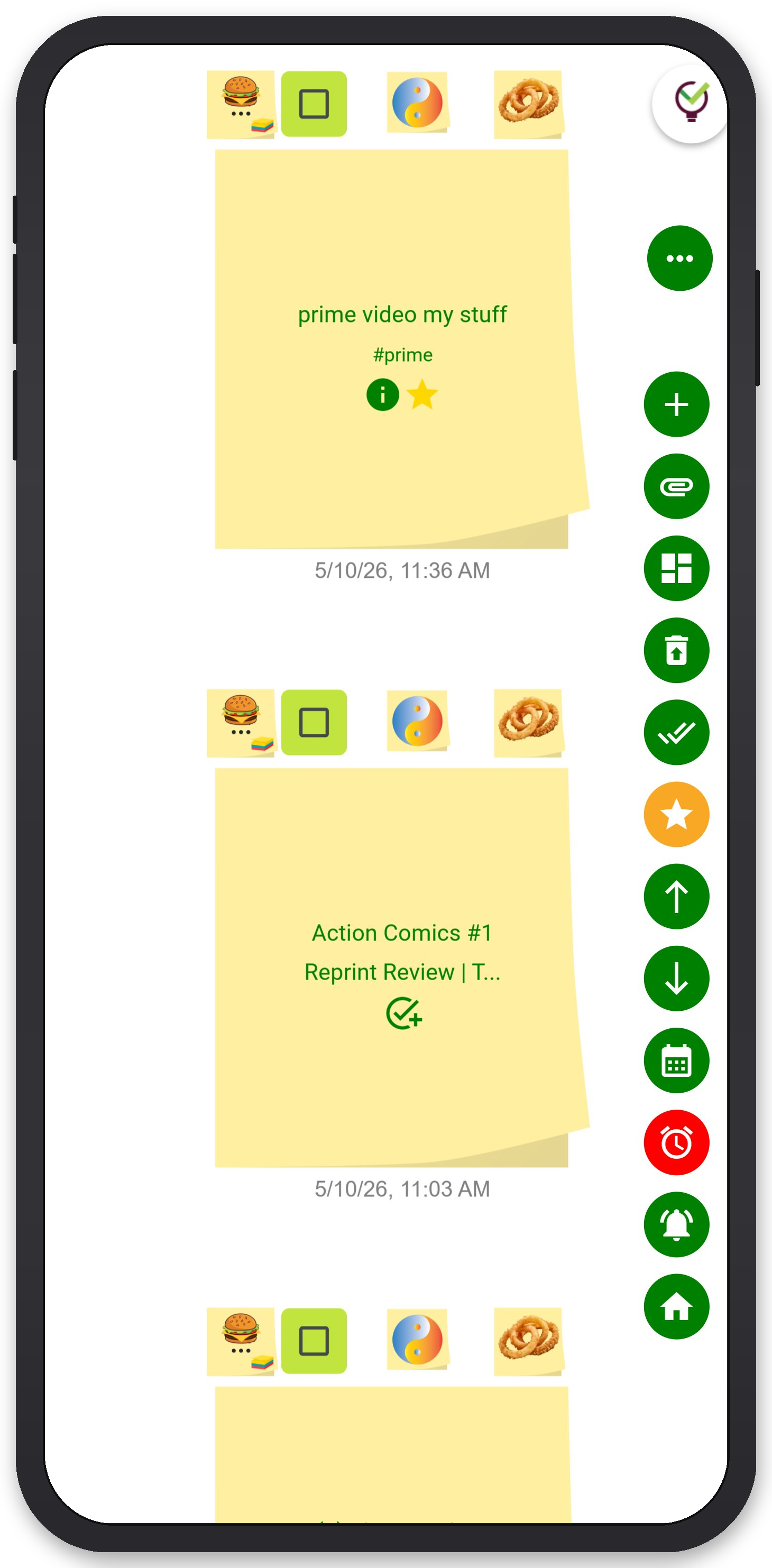
- Standardization → The Wall. TaskLoco's Wall is your production floor. Every task lives there as a note. Not in your inbox, not in a chat thread, not in a separate app. One place. Every time. The Wall gives you the same at-a-glance visibility Ford's foremen had walking the line.
- Division of labor → Unlimited notes. TaskLoco Premium gives you unlimited notes — which means there's no reason to bundle five tasks into one vague note. Break work down as granularly as Ford would. One note, one job, one owner.
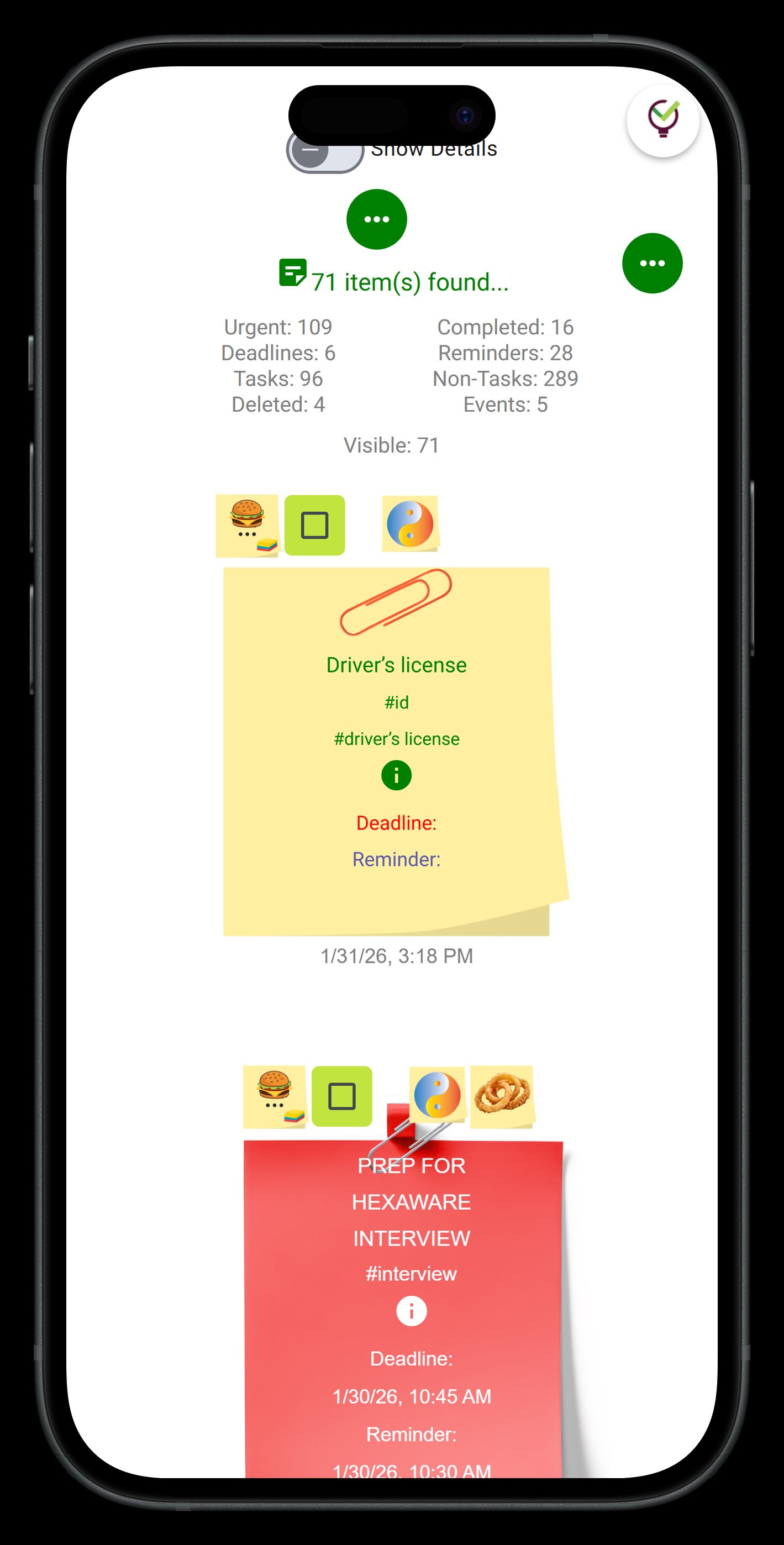
- Continuous flow → Reminders as push notifications. When a task needs action, TaskLoco sends a push notification directly to your phone or computer — with a deep link back to the exact note that needs attention. You don't search. You don't remember. The system taps you on the shoulder and takes you straight to the work. Optional email and SMS channels are available as well.
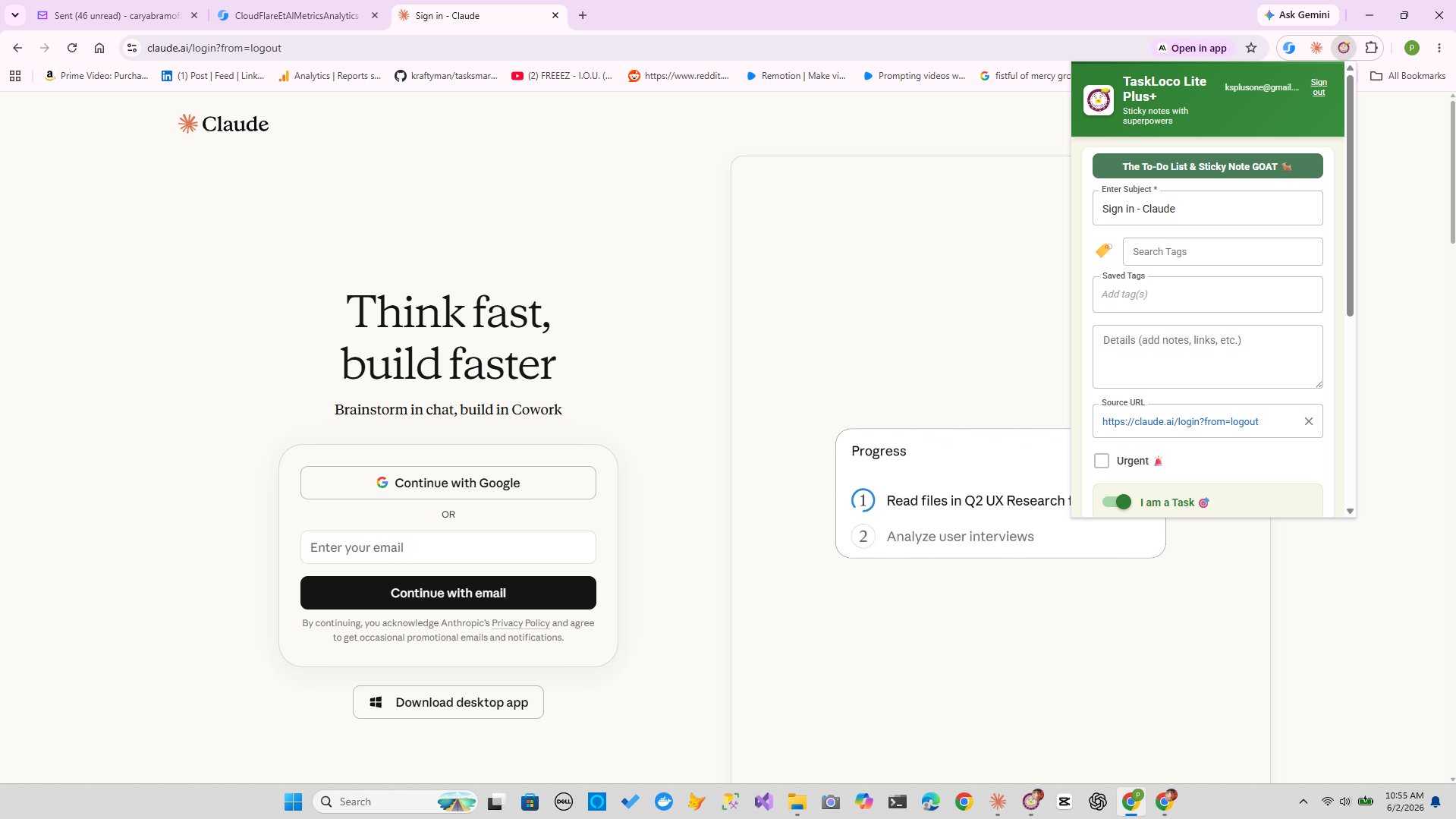
- Elimination of wasted motion → Chrome extension. The TaskLoco Chrome extension lets you capture any webpage as a note in one click. Research, reference links, client pages — captured instantly, attached to the right note, no tab-switching or copy-paste required. The line keeps moving.
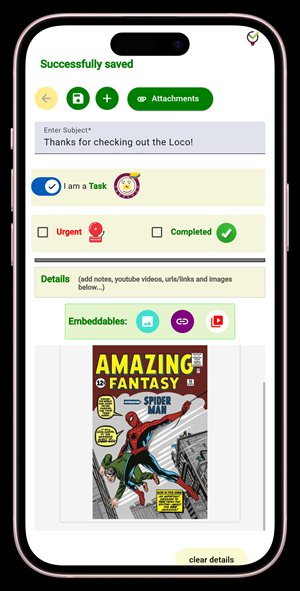
- Quality at the source → File attachments. Every Premium note can carry files — up to 10GB of storage included. Images, PDFs, contracts, mockups — attached directly to the task they belong to. When you return to that note tomorrow or next week, everything is already there. No reconstruction required.
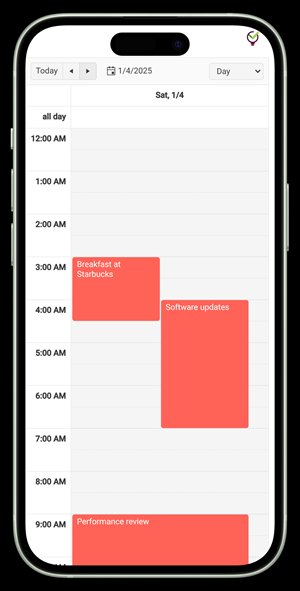
TaskLoco also includes a Calendar view that gives you the Ford foreman's perspective — a timeline of what's due, what's moving, and what's stalled. And team sharing works the way Ford's line worked: you share a note, the recipient clones it and makes it their own. No permissions maze. No access levels. Just work, handed off cleanly from one station to the next.
Building Your Personal Assembly Line: A Practical Framework
Reading about Ford's principles is one thing. Installing them in your actual workflow is another. Here's a concrete framework for turning your task management into a moving line — using TaskLoco or any tool that satisfies the three criteria from the first section.
Step 1: Define your stations. Ford's line had physical stations — discrete, named phases of production. Your work has them too, even if you've never named them. Common stations: Capture → Clarify → In Progress → Waiting → Done. Create a column or section on your Wall for each one. Every note lives at exactly one station at any given moment.
Step 2: One note, one job. Resist the urge to write "Finish Q3 report" as a single task. That's not a task — it's a project. Break it down: outline sections, pull data, write draft, get review, finalize. Five notes, each completable in under two hours. Ford never asked one worker to build the whole car.
Step 3: Attach everything at capture time. When you create a note, attach the file, paste the link, add the reference image — right then. The cost of attaching context at capture is seconds. The cost of hunting for it later is minutes, plus the mental overhead of reconstructing where you were. Use the Chrome extension to capture web references in one click.
Step 4: Set the reminder before you close the note. Ford's line moved whether the worker was ready or not. A push notification reminder plays the same role — it enforces the line's pace without requiring you to manually check what's due. Set it when you create the task, not when you remember to.
Step 5: Audit the line weekly. Ford's foremen walked the line every day looking for bottlenecks. Your Wall view in TaskLoco is your equivalent. Once a week, scan every column. Anything sitting at "In Progress" for more than a week is a bottleneck. Either break it down further, reassign it, or kill it. Stalled notes are waste.
This isn't a complicated system. Ford's genius wasn't complexity — it was the ruthless simplification of complexity. The same discipline applied to your task management produces the same result: more output, less friction, fewer things falling through the cracks.
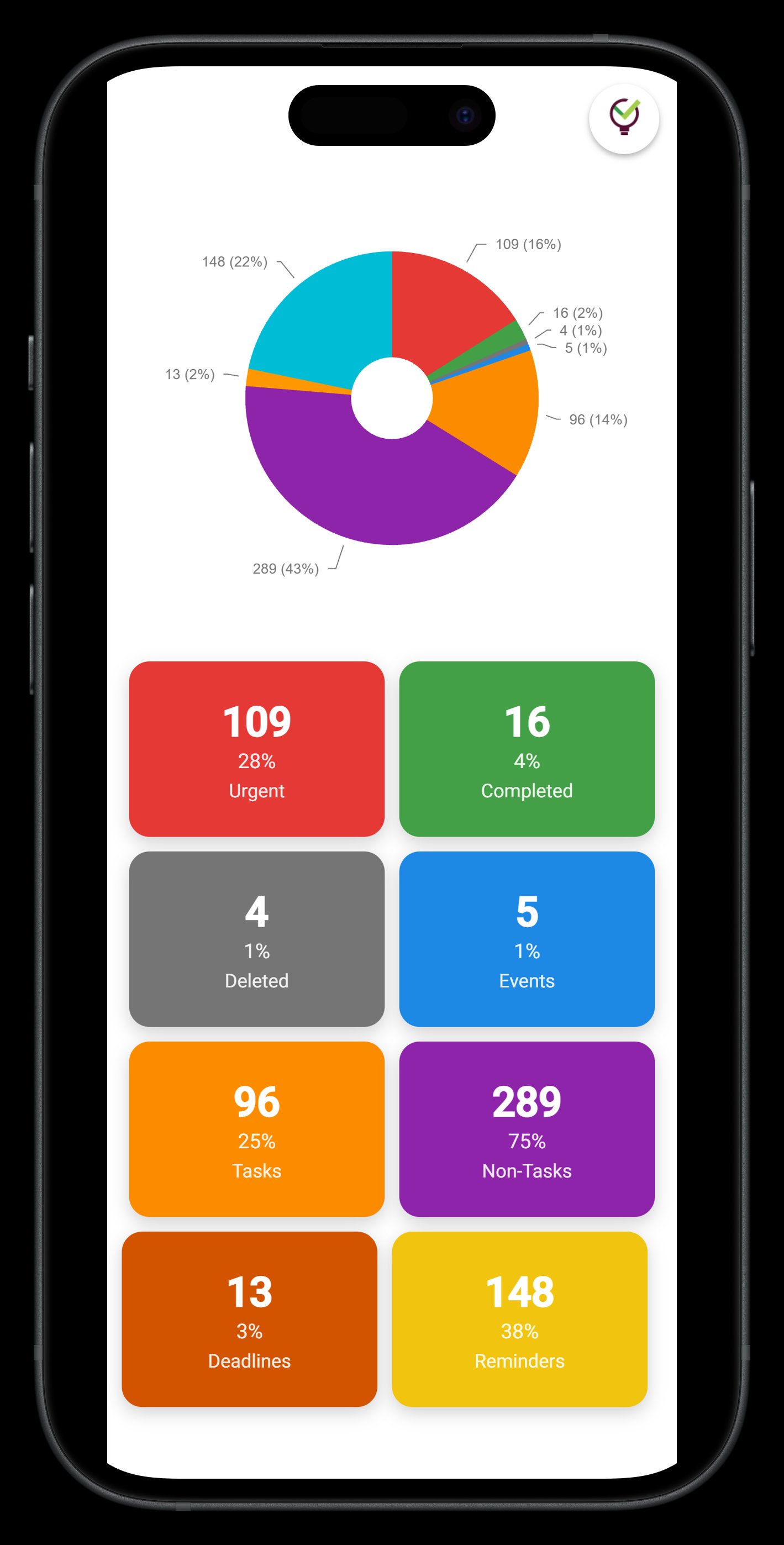
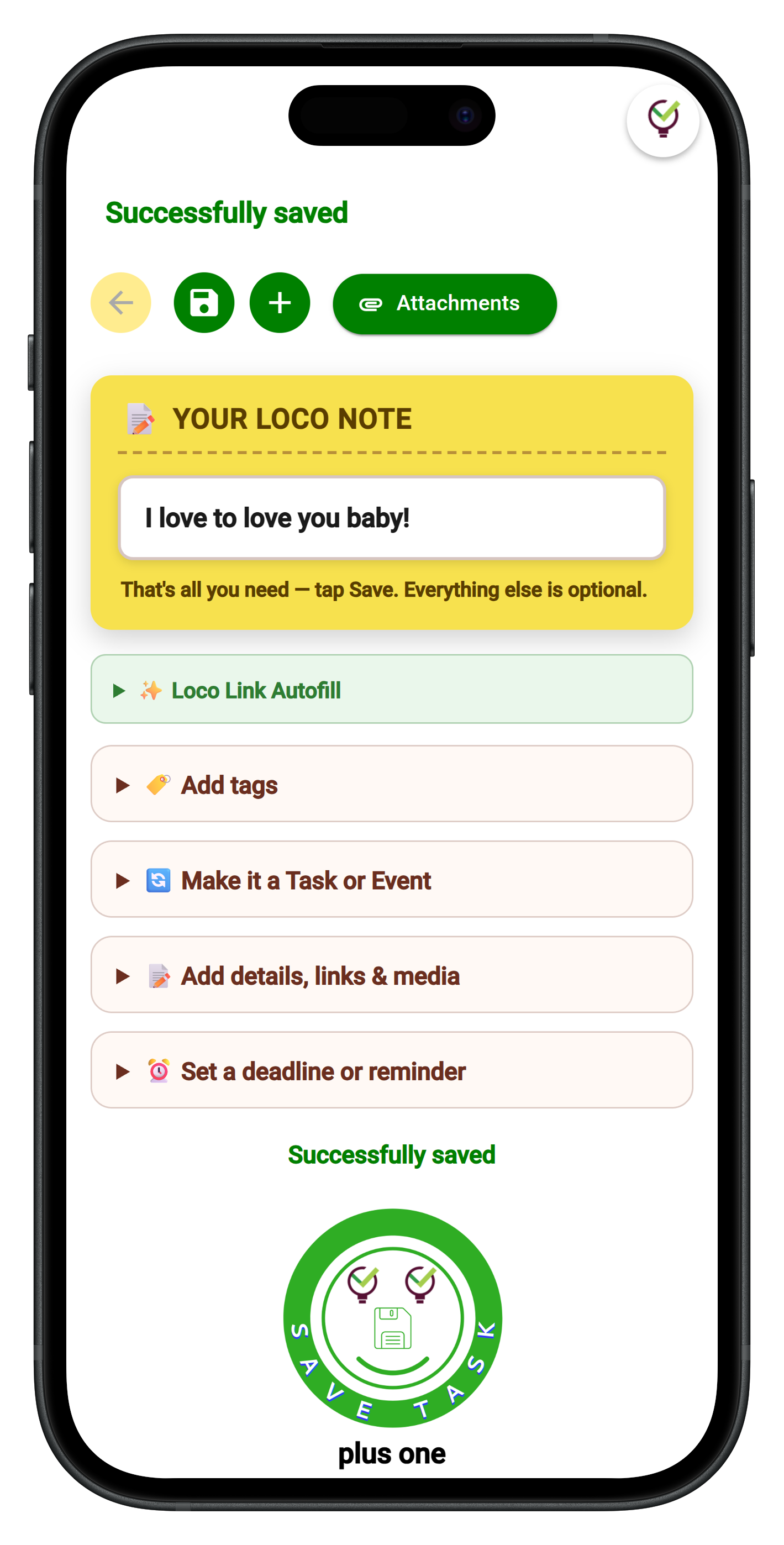
TaskLoco Premium is regularly $9.99/month per person. Right now, charter members can lock in 50% off the regular price — forever. That means $4.99/month per person today. And if our price ever goes up, you still pay half. Always.
Code CHARTER50 auto-applies at checkout. First 500 spots only — once they're gone, this offer is gone permanently. Act fast while spots last.
Every Premium subscription includes unlimited notes, 10GB file storage, reminders, calendar, and team sharing. Each team member requires a separate subscription. 7-day free trial — no charge until day 8. Cancel anytime.
Free Options: TaskLoco
TaskLoco Lite
- Native iPhone & Android app
- Completely anonymous — no sign-in
- Data stays on your device
- Up to 20 notes
- Free forever
TaskLoco Lite Plus+
- Web app + Chrome extension
- Sign in with Google
- Wall syncs across all devices
- Up to 30 notes
- Free forever
Lock In 50% Off — Forever
7-day free trial. No charge until day 8. CHARTER50 auto-applies at checkout.
🔒 Lock In My Charter SpotSee TaskLoco in Action
Frequently Asked Questions
What did Henry Ford's assembly line actually change about how work gets done?
Ford's assembly line replaced a craftsman model — one skilled worker builds the whole thing — with a flow model: every worker owns one step, done repeatedly, with no wasted motion between steps. The result was a dramatic increase in output without a proportional increase in effort. The same principle applies to knowledge work: when tasks are broken into single, owned, sequenced steps with no ambiguity about what comes next, throughput increases and cognitive load drops.
How does the assembly line concept apply to personal task management?
The core assembly line insight is that work should flow through a defined system rather than exist as a pile of undifferentiated obligations. For personal task management, this means: every task is captured in one place (the 'floor'), every task has a single clear next action (the 'station'), and the system itself surfaces what to do next rather than requiring constant mental juggling. Ford eliminated the need for workers to decide what to do — the line told them. A good task system does the same.
What is the biggest mistake people make when setting up a task management system?
Bundling too much into one task. 'Launch the website' is not a task — it's a project with fifteen tasks inside it. Ford never asked one worker to build a car; he gave each worker one bolt to tighten. When a task can't be completed in a single sitting, it creates stalls, anxiety, and the illusion of progress without actual forward movement. Break everything down until each task is a single, completable action. That's where the flow comes from.
How does TaskLoco help apply assembly line thinking to daily work?
TaskLoco's Wall view creates a visible production floor where every task occupies a defined place. Unlimited notes in Premium mean you can break work down as granularly as Ford would — one note, one job. Reminders fire as push notifications that deep-link back to the exact note that needs action, so the system surfaces next steps automatically. File attachments ensure every note carries everything needed to act on it without hunting elsewhere. The Chrome extension captures web references in one click, eliminating the gap between finding information and using it. $9.99/month per person (currently $4.99/month per person for first 500 charter members with code CHARTER50)
What is 'quality at the source' and how does it apply to tasks?
Ford didn't build a car and inspect it at the end — he embedded quality checks at every station. In task management, quality at the source means capturing enough context in each task at the moment of creation so that when you return to it later, no reconstruction is required. This means writing a clear description, attaching relevant files, and setting a reminder — all before you close the note. TaskLoco Premium supports all three: rich note content, up to 10GB of file attachments, and push notification reminders that link directly back to the note.
What is the difference between TaskLoco Lite, Lite Plus+, and Premium?
TaskLoco Lite is the native iPhone and Android app — completely free, no sign-in required, stores up to 20 notes on your device only, and never syncs. It's a pure starter experience. TaskLoco Lite Plus+ is the free web app and Chrome extension — sign in with Google, sync up to 30 notes across all your devices, and capture any webpage in one click. TaskLoco Premium is the full assembly line: unlimited notes, 10GB file storage, reminders delivered as push notifications (with optional email and SMS), calendar view, and team sharing. $9.99/month per person (currently $4.99/month per person for first 500 charter members with code CHARTER50)
How does team sharing work in TaskLoco — and does it follow the assembly line model?
Yes — TaskLoco's team sharing is built around the handoff model Ford used on his line. When you share a note with a teammate, they receive it the way you'd receive an email — they can clone it and make it their own. No permissions to configure, no access levels to manage, no gatekeeping. The work passes from one station to the next cleanly and completely. Each team member manages their own notes independently after the handoff, which mirrors exactly how Ford structured individual station ownership on the line.
Born in Brooklyn. Powered by AWS. Your data stays yours.
TaskLoco is available on iPhone, Android, Chrome, and every web browser.