Henry Ford didn't invent the car. He invented the process of making cars — and that distinction is everything. The assembly line worked because every part was identical, transferable, and ready to slot into any build without modification. Workers didn't debate how a bolt was shaped. They grabbed it, used it, moved on.
Most productivity tools missed that lesson entirely. They give you templates buried in menus, permissions to configure, and sharing flows that require the other person to navigate the same interface from scratch. What if sharing a task worked the way Ford designed his parts — pick it up, make it yours, get to work? That's not a fantasy. It's exactly how cloneable notes function, and it's worth understanding why the mechanic matters before you pick the tool.
What to Look for in a Cloneable Task System
Before any specific tool enters the picture, it helps to understand what a cloneable task system actually needs to do — and where most implementations fall short.
The core idea is deceptively simple: one person creates a task, and another person receives a perfect copy they can own and act on independently. But three things separate systems that nail this from systems that merely gesture at it.
- True ownership on clone: When a recipient gets the task, it should live in their space as a first-class item — not a read-only view, not a linked reference that breaks if the original changes, not a shared document that two people are awkwardly editing at once. The clone should be theirs to edit, complete, or discard without affecting the sender.
- Zero configuration to receive: If the recipient has to configure permissions, accept a sharing request, navigate a project hierarchy, or figure out where the task landed, the friction defeats the purpose. Ford's parts didn't come with an assembly manual for each bolt. The task should arrive ready to use.
- Fidelity of the original: A clone is only useful if it carries everything — the note content, any attached files, any context the sender included. A stripped-down copy that forces the recipient to ask follow-up questions is just email with extra steps.
Ford's Actual Insight — And What It Has to Do With Notes
Ford's breakthrough wasn't speed for its own sake. It was the elimination of bespoke decisions at every step. Before interchangeable parts, a craftsman had to measure, fit, and sometimes reshape each component for each individual machine. Skilled. Slow. Unscalable. When parts became standardized, the craftsman's judgment was encoded once — into the part itself — and then replicated perfectly as many times as needed.
Task management has the same problem Ford solved. Every time a team lead writes out a recurring process from scratch, or explains via Slack what a task involves, or re-creates a checklist that already exists in someone else's notes, they're doing bespoke work that should have been done once. The bottleneck isn't effort — it's that the 'part' (the task) isn't transferable in a useful form.
Cloneable notes solve this the same way Ford solved the parts problem. You build the task once — with all the context, all the attached references, all the structure — and then you share it. The recipient doesn't get a view into your workspace. They get their own copy, ready to execute, no assembly required.
How TaskLoco's Shared Notes Put This Into Practice
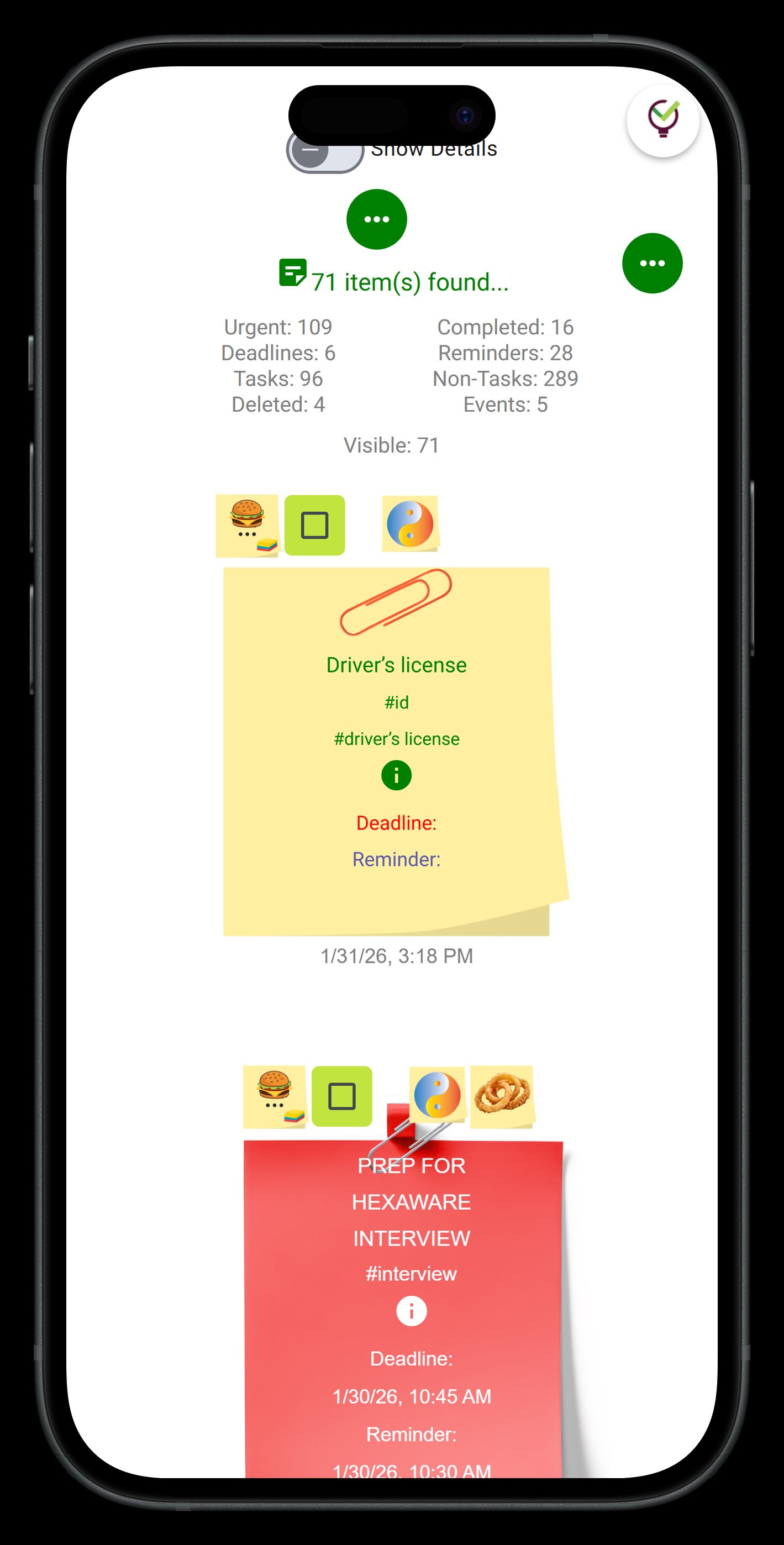
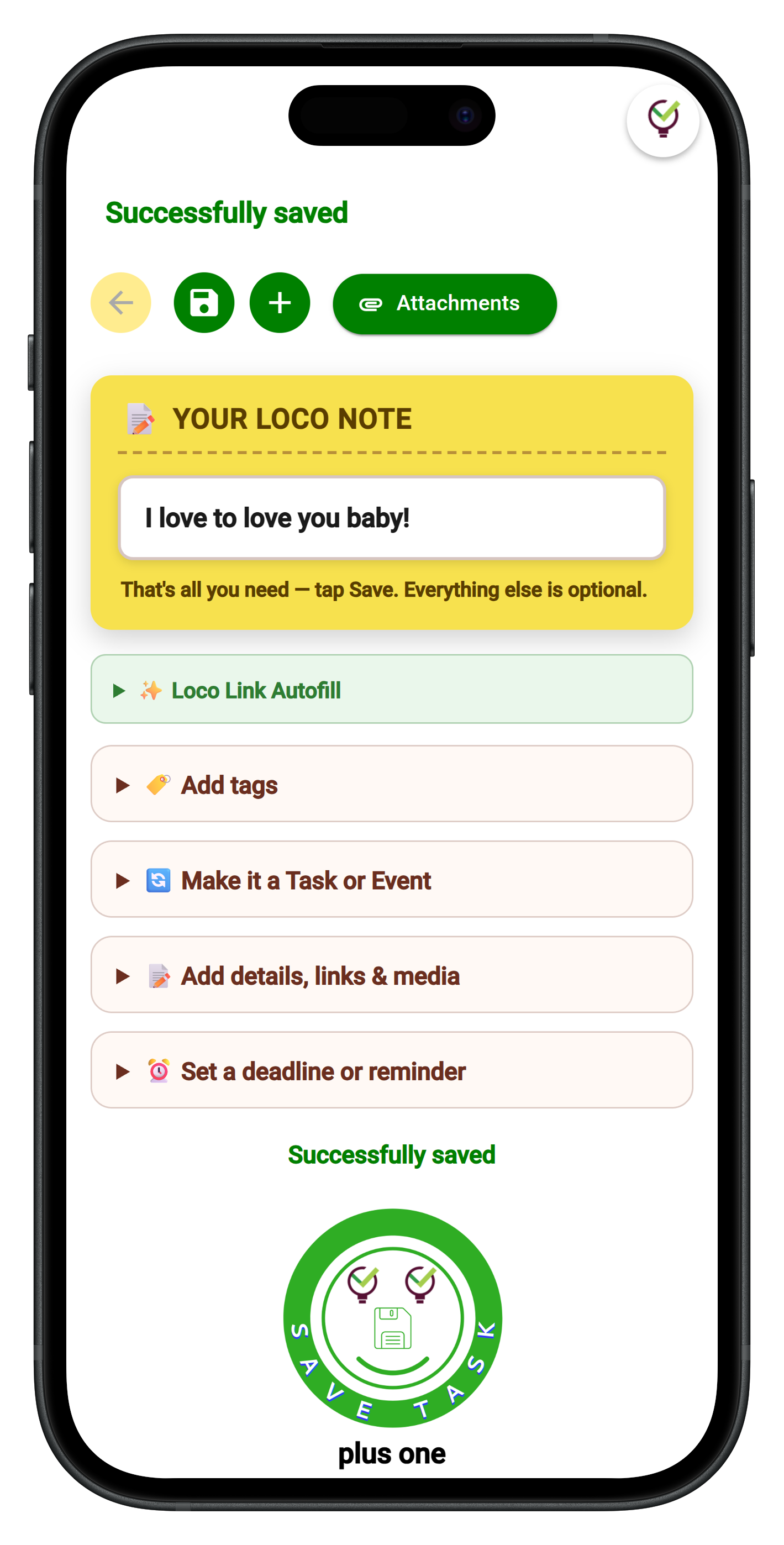
TaskLoco's team sharing is built around exactly this mechanic. When you share a note in TaskLoco Premium, the recipient gets it the way you'd get an email — it arrives in their space, and they can clone it to make it fully their own. There are no permissions to configure, no access levels to assign, no project hierarchy to navigate. The note arrives, they take it, it's theirs.
This matters more than it sounds. In most collaboration tools, 'sharing' means giving someone access to your item — which means they're always looking at your version, your structure, your workspace. If you archive it, they lose it. If you edit it, their view changes. TaskLoco's clone model eliminates that dependency entirely. Once cloned, the note is an independent object. The original stays with you. The copy belongs to them.
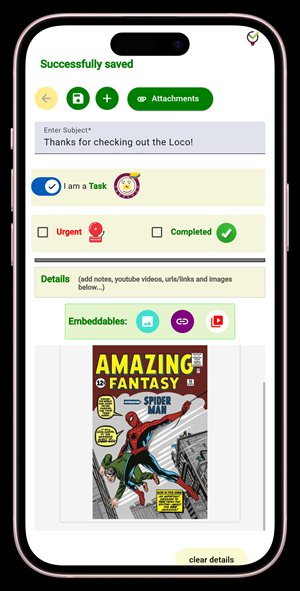
The other piece Ford would have appreciated: fidelity. A shared TaskLoco note carries its attachments into the clone. With 10GB of file storage in Premium, you can attach reference documents, images, or any file the recipient needs — and they get all of it, not a stripped-down summary. No follow-up message asking 'can you send me that file again.'
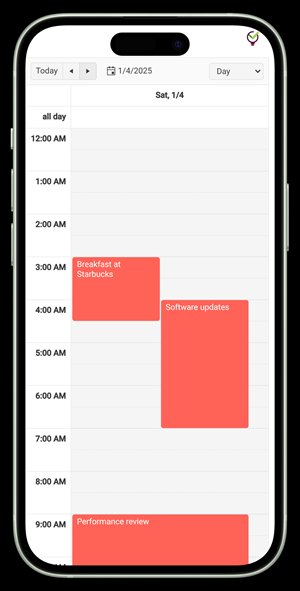
Reminders complete the loop. When you build a task that has a deadline, the recipient's cloned version can carry a reminder — delivered as a push notification to their phone and computer, deep-linking straight back to the note. They don't have to remember to check a dashboard. The task finds them.
The Wall View: Your Assembly Line at a Glance
Ford's factory floor wasn't a mystery. You could walk in and see exactly where every car was in the build process. That visibility wasn't aesthetic — it was operational. You can't manage what you can't see.
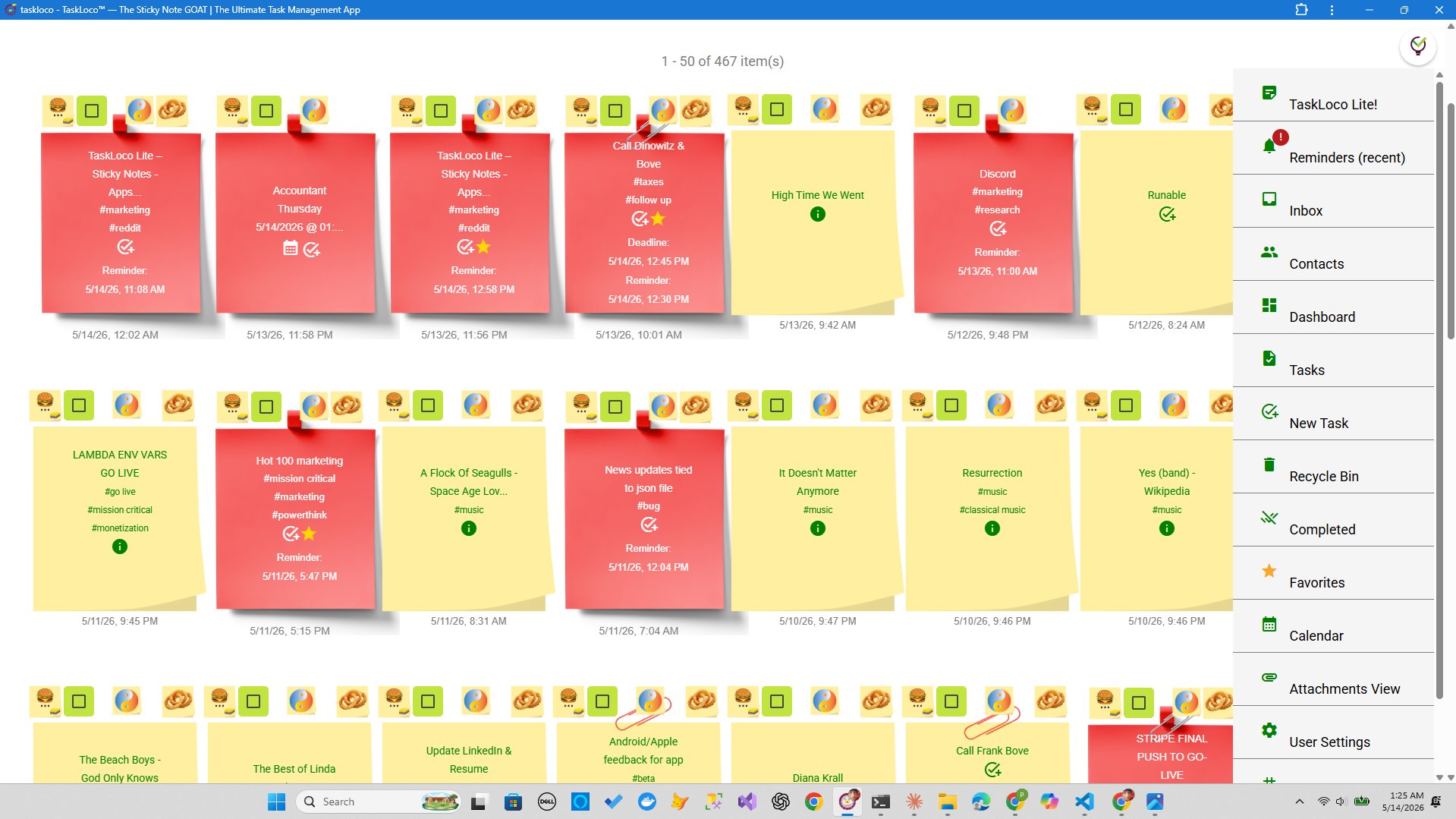
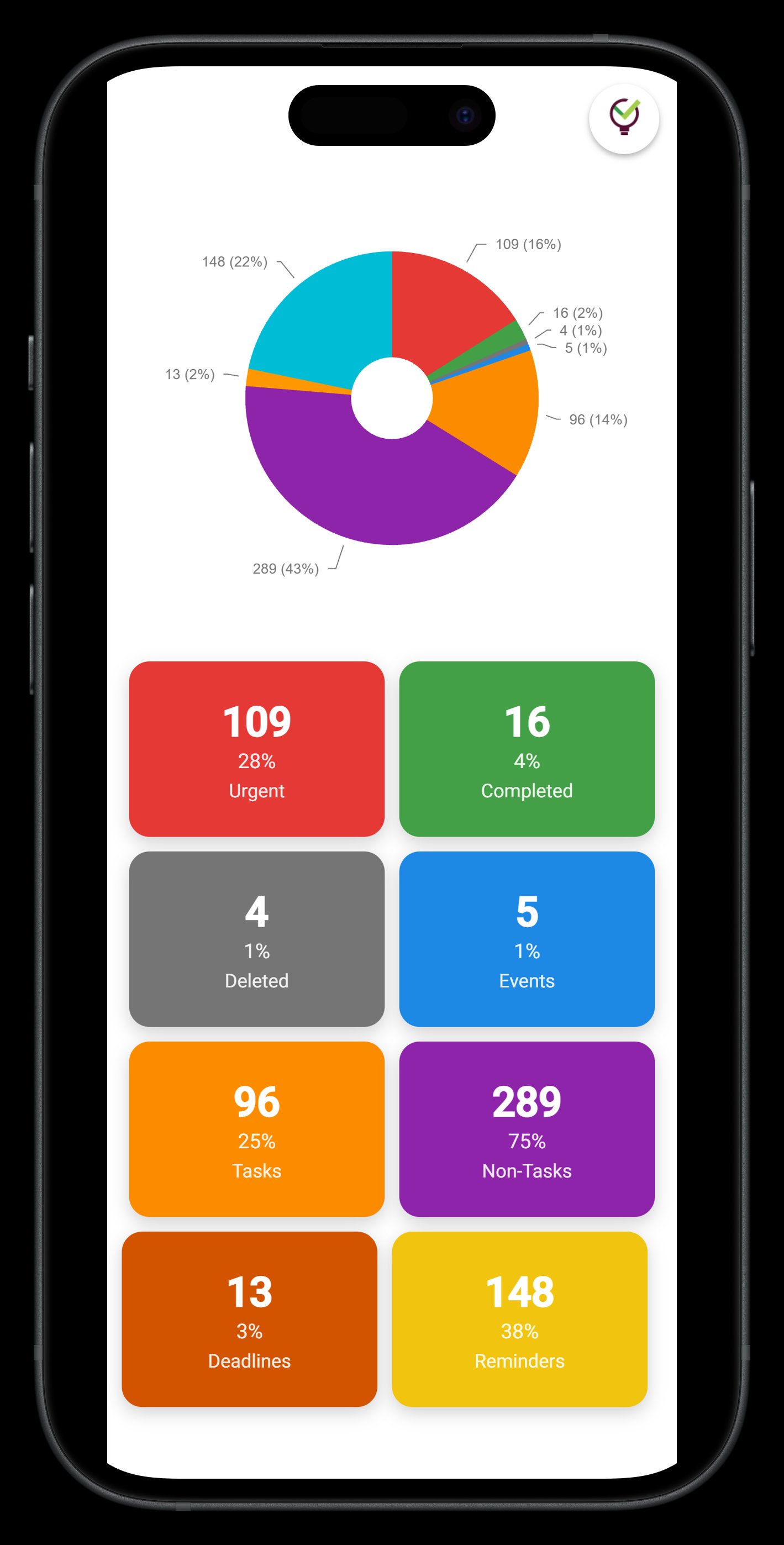
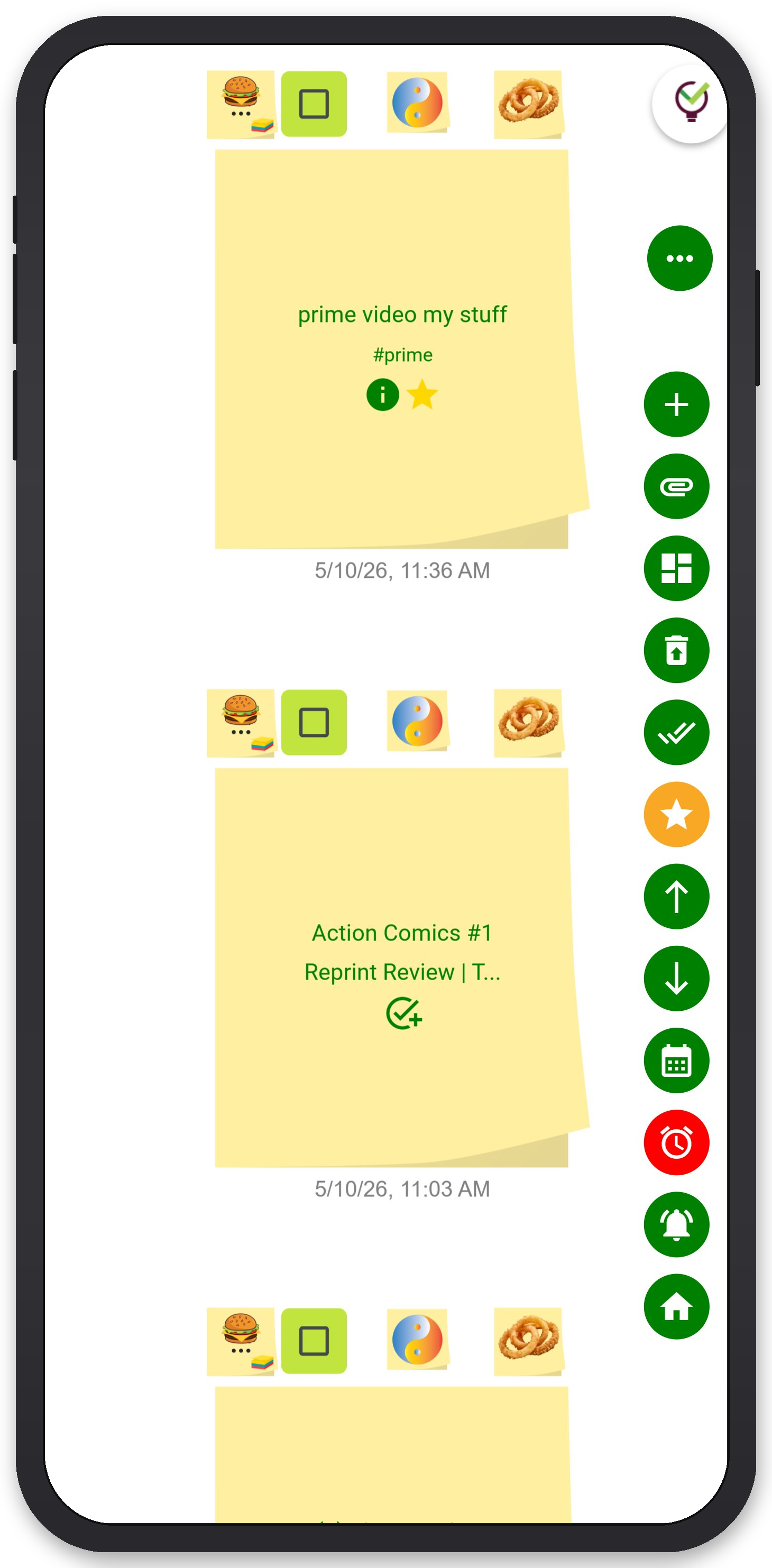
TaskLoco's wall view is the same idea applied to your notes and tasks. Everything is visible at once, arranged the way you think, not the way a software architect decided you should think. You can spot what's stalled, what's moving, and what needs attention — without clicking through menus or running a report.
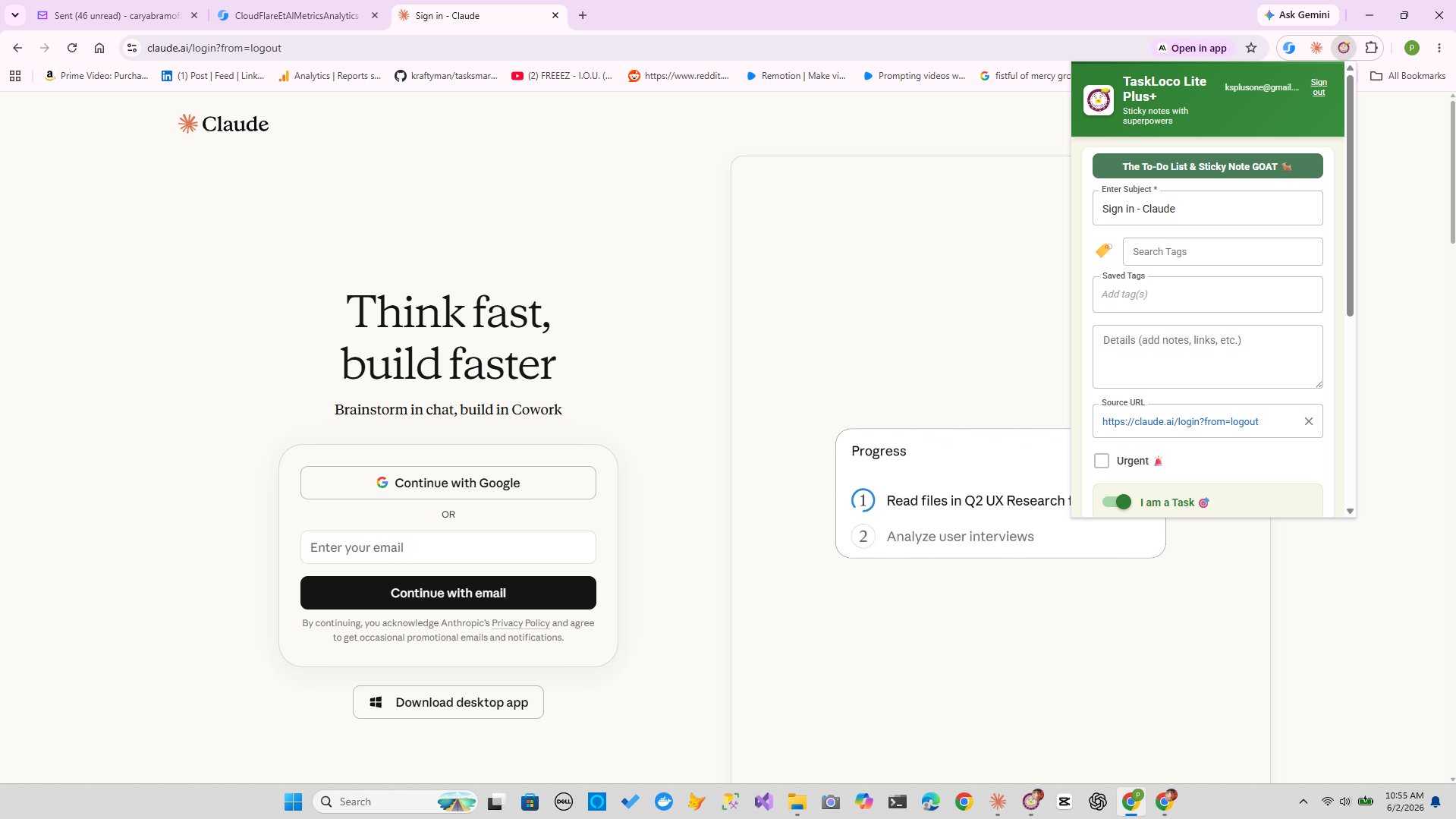
The Chrome extension adds another layer to this. When you're browsing and hit a page that's relevant to something you're working on — a spec, an article, a product page — one click captures it as a note. It lands on your wall with the source URL intact. No copy-pasting, no tab-switching to remember later. The input side of your assembly line runs as fast as you browse.
TaskLoco Lite Plus+ (the free web app and Chrome extension tier) gives you 30 notes synced across all your devices to start. When your workflow grows past 30 notes, or when you need reminders, file attachments, calendar view, and team sharing, that's when Premium becomes the right tool. The free tiers exist to let you learn the mechanic before you invest in it — which is, incidentally, another thing Ford understood: prove the process before you scale it.
TaskLoco Premium is regularly $9.99/month per person. Right now, charter members can lock in 50% off the regular price — forever. That means $4.99/month per person today. And if our price ever goes up, you still pay half. Always.
Code CHARTER50 auto-applies at checkout. First 500 spots only — once they're gone, this offer is gone permanently. Act fast while spots last.
Every Premium subscription includes unlimited notes, 10GB file storage, reminders, calendar, and team sharing. Each team member requires a separate subscription. 7-day free trial — no charge until day 8. Cancel anytime.
Free Options: TaskLoco
TaskLoco Lite
- Native iPhone & Android app
- Completely anonymous — no sign-in
- Data stays on your device
- Up to 20 notes
- Free forever
TaskLoco Lite Plus+
- Web app + Chrome extension
- Sign in with Google
- Wall syncs across all devices
- Up to 30 notes
- Free forever
Lock In 50% Off — Forever
7-day free trial. No charge until day 8. CHARTER50 auto-applies at checkout.
🔒 Lock In My Charter SpotSee TaskLoco in Action
Frequently Asked Questions
What does 'cloneable notes' actually mean in a task app?
A cloneable note is one that can be shared with another person — and when they receive it, they get their own independent copy rather than a linked view into your workspace. They can edit it, complete it, or delete it without affecting your original. In TaskLoco, shared notes work this way by design: share it like an email, the recipient clones it, it's fully theirs from that point forward.
How does Henry Ford's assembly line idea relate to productivity?
Ford's insight was that bespoke, one-off work doesn't scale — but standardized, transferable parts do. In a task context, that means encoding your process or checklist into a note once, then sharing it so others can clone and execute it without rebuilding it from scratch. Every time you re-explain a recurring task in a message thread, you're doing the pre-Ford version. Cloneable notes are the interchangeable part.
Does the recipient need a TaskLoco account to receive a shared note?
Recipients need a TaskLoco Premium account to clone and own a shared note fully. TaskLoco Premium includes team sharing as a core feature — and each team member needs their own separate subscription to participate. There's a 7-day free trial so everyone can get started before committing.
What gets included when a note is cloned — just the text?
In TaskLoco Premium, notes can carry file attachments (up to 10GB of storage per account), and those attachments travel with the note when shared. The recipient's clone gets the full content — not a stripped summary. This is the fidelity piece that makes cloning genuinely useful rather than just a copy of a title and some bullet points.
How are reminders delivered in TaskLoco?
TaskLoco reminders are delivered as push notifications to your phone and computer, and they deep-link directly back to the original note so you land exactly where you need to be. Optional email notifications and an optional SMS add-on are also available if you want reminders through additional channels.
What's the difference between TaskLoco Lite, Lite Plus+, and Premium?
TaskLoco Lite is a free native iPhone and Android app — completely anonymous, no sign-in required, stores up to 20 notes on your device only, and never syncs. It's a standalone tool. TaskLoco Lite Plus+ is a free web app and Chrome extension: sign in with Google, sync up to 30 notes across all your devices, and capture any webpage in one click. Premium is the full-featured tier: unlimited notes, 10GB file storage, reminders with push notifications, calendar view, and team sharing. Each team member needs their own Premium subscription. $9.99/month per person (currently $4.99/month per person for first 500 charter members with code CHARTER50)
Is there a free way to try the cloneable note and team sharing features?
TaskLoco Premium includes a 7-day free trial — no charge until day 8, cancel anytime. Team sharing and cloneable notes are Premium features, so the trial is the right way to test the full mechanic before committing. Each team member who wants to participate needs their own trial and eventual subscription.
Born in Brooklyn. Powered by AWS. Your data stays yours.
TaskLoco is available on iPhone, Android, Chrome, and every web browser.