Most habit advice is garbage. "Just do it for 21 days" or "find your motivation" — none of that works when life gets messy. Real habit formation follows predictable patterns that neuroscience has mapped out clearly.
The people who successfully build lasting habits aren't more disciplined. They understand how habits actually form in the brain and design their environment to make success inevitable. Here's exactly how to do it.
Start Absurdly Small
The biggest mistake people make is starting too big. You want to run every day, so you plan 30-minute runs. You want to read more, so you commit to a book per week. This guarantees failure.
Instead, make your new habit so small it feels stupid to skip. Want to exercise? Do one pushup. Want to meditate? Sit for 30 seconds. Want to read? One page.
This isn't the end goal — it's the starting point. Your brain needs to build the neural pathway first. Once the habit feels automatic (usually 2-8 weeks), you can gradually increase intensity.
Stanford researcher BJ Fogg calls this "minimum viable habit." The key insight is that motivation fluctuates, but systems persist. When you're tired, stressed, or busy, you'll still do one pushup. But you won't do 30 minutes at the gym.
Stack Your Habits
Your brain loves existing routines. After you brush your teeth, you probably put the toothbrush back in the same spot without thinking. After you start your car, you automatically put on your seatbelt. These are established neural pathways.
Habit stacking leverages these existing routines as triggers for new habits. The formula is simple: "After I [existing habit], I will [new habit]."
Examples that work:
- After I pour my morning coffee, I will write one sentence in my journal
- After I sit down at my desk, I will open my task list
- After I put on my shoes, I will grab my water bottle
- After I get into bed, I will read one page
The key is choosing a trigger that happens every day and linking it immediately to your new habit. No gaps, no "when I have time" — the connection must be automatic.
Track Your Progress Visually
What gets measured gets managed. But most tracking systems are too complex or require apps you'll forget to check. The best habit tracking is visible and immediate.
Jerry Seinfeld's calendar method works because it's simple: Mark an X for every day you do the habit. After a few days, you have a chain. Your only job is don't break the chain.
Visual tracking works because it provides instant feedback and makes progress tangible. Seeing a streak builds momentum. Breaking a streak feels like losing something valuable.
Effective tracking rules:
- Make it visible — somewhere you'll see it daily
- Keep it simple — checkmark, X, or dot
- Track the action, not the outcome — "I ran" not "I ran fast"
- Never track more than 3 habits at once
The goal isn't perfection — it's consistency over time. A habit done 80% of days for a year beats a habit done perfectly for a month then abandoned.
Design Your Environment for Success
Your environment shapes your behavior more than your willpower. People with strong habits don't rely on motivation — they design their surroundings to make good choices easier and bad choices harder.
Environment design works in two directions:
Make good habits obvious and easy:
- Put your running shoes by your bed
- Keep healthy snacks at eye level in the fridge
- Leave a book on your pillow
- Put your guitar in the living room, not the closet
Make bad habits invisible and difficult:
- Put your phone in another room while working
- Don't buy junk food — remove the temptation entirely
- Log out of social media apps after each use
- Put the TV remote in a drawer
The people who seem to have incredible self-discipline often just have better systems. They've removed friction from good behaviors and added friction to bad ones.
Apply These Principles with TaskLoco
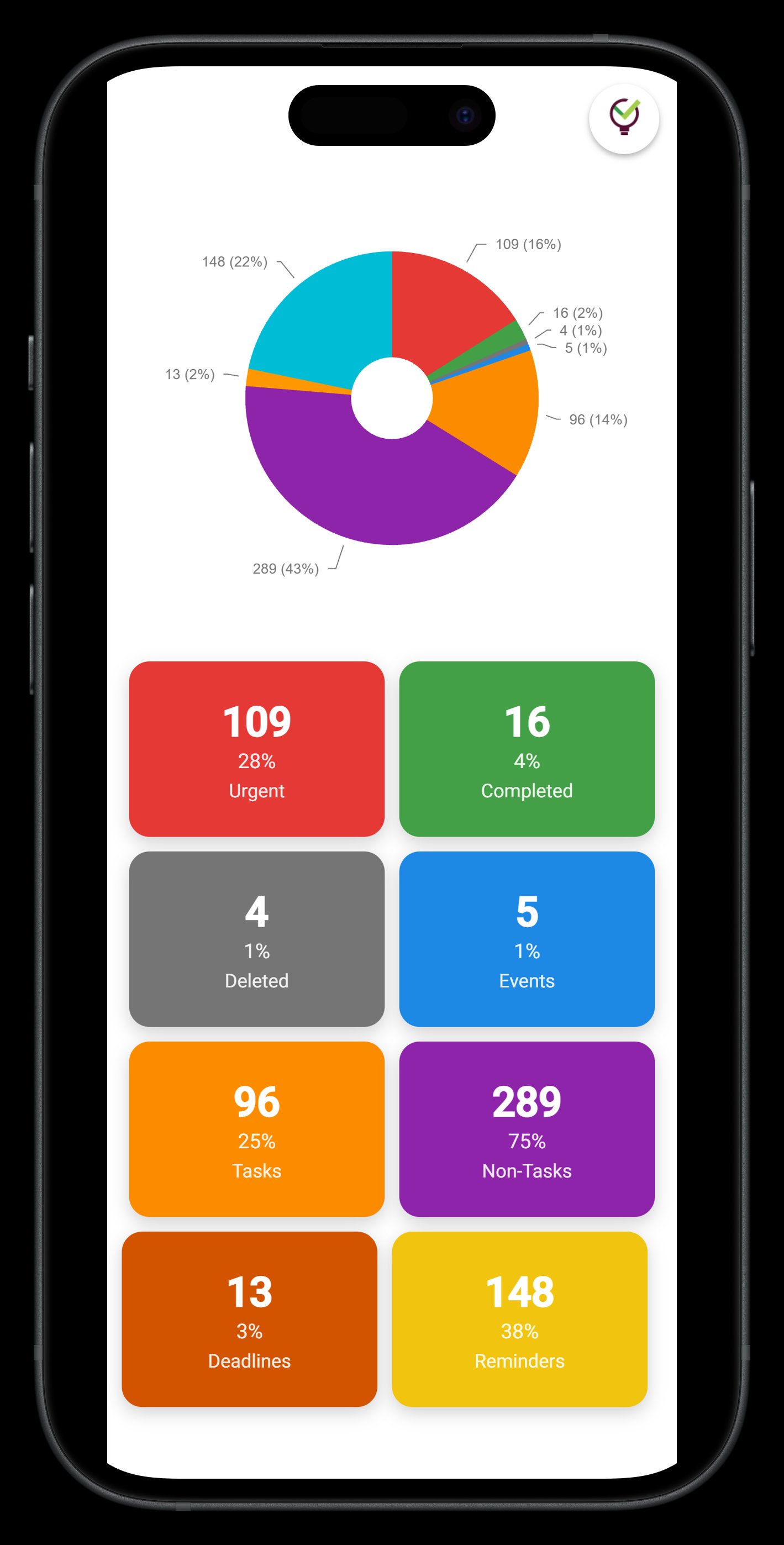
Building habits requires consistent tracking and reminders — exactly what TaskLoco Premium handles naturally. Instead of juggling multiple apps or forgetting to check your progress, TaskLoco keeps your habit tracking in the same place as your tasks and calendar.
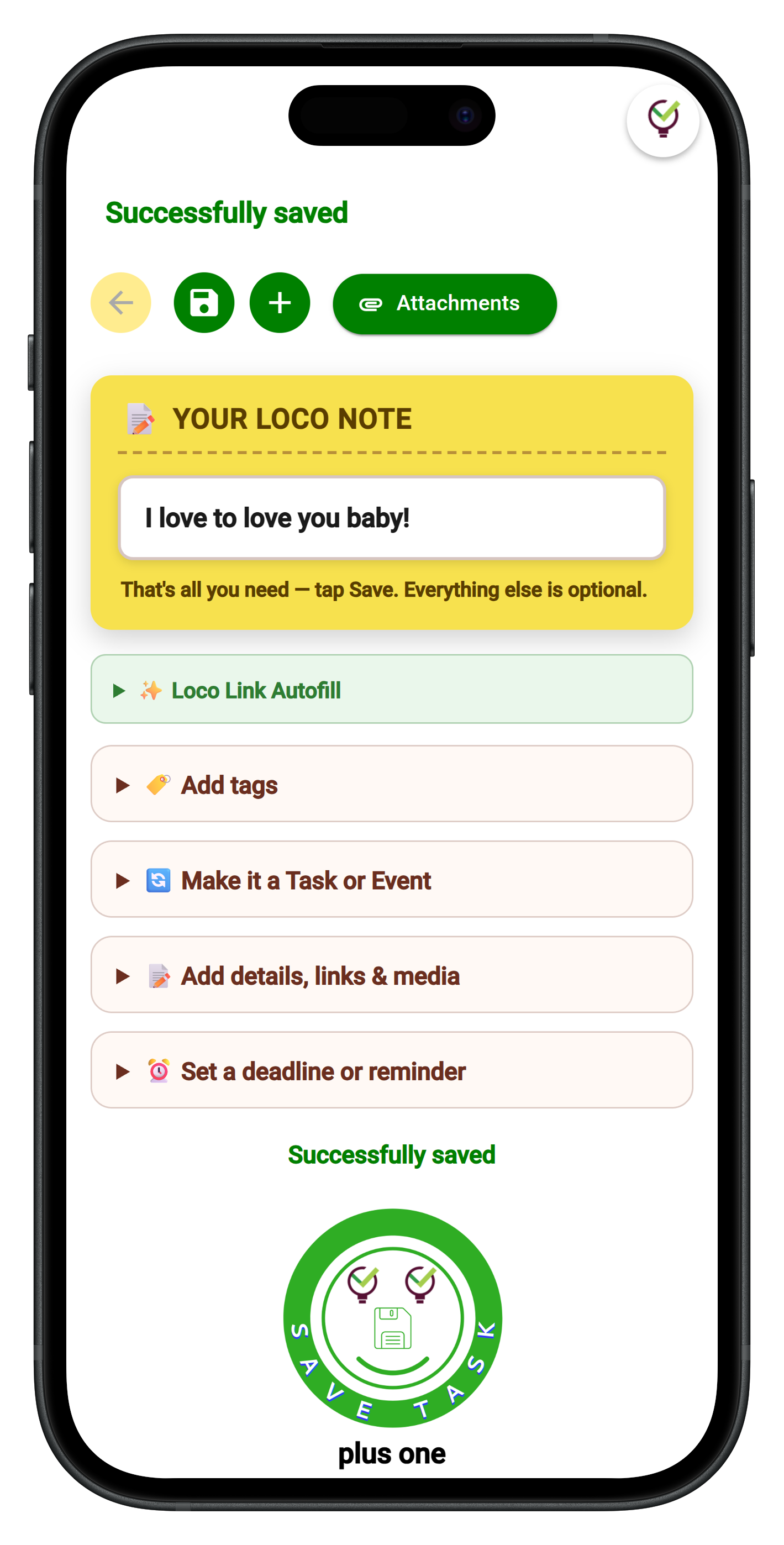
Create a simple note for each habit you're building. Attach photos of your habit tracking calendar or environment setup to keep everything visual and connected.
The key advantage is consolidation — your habits, tasks, reminders, and progress tracking live in one place instead of scattered across different tools. This reduces friction and makes it easier to maintain your system long-term.
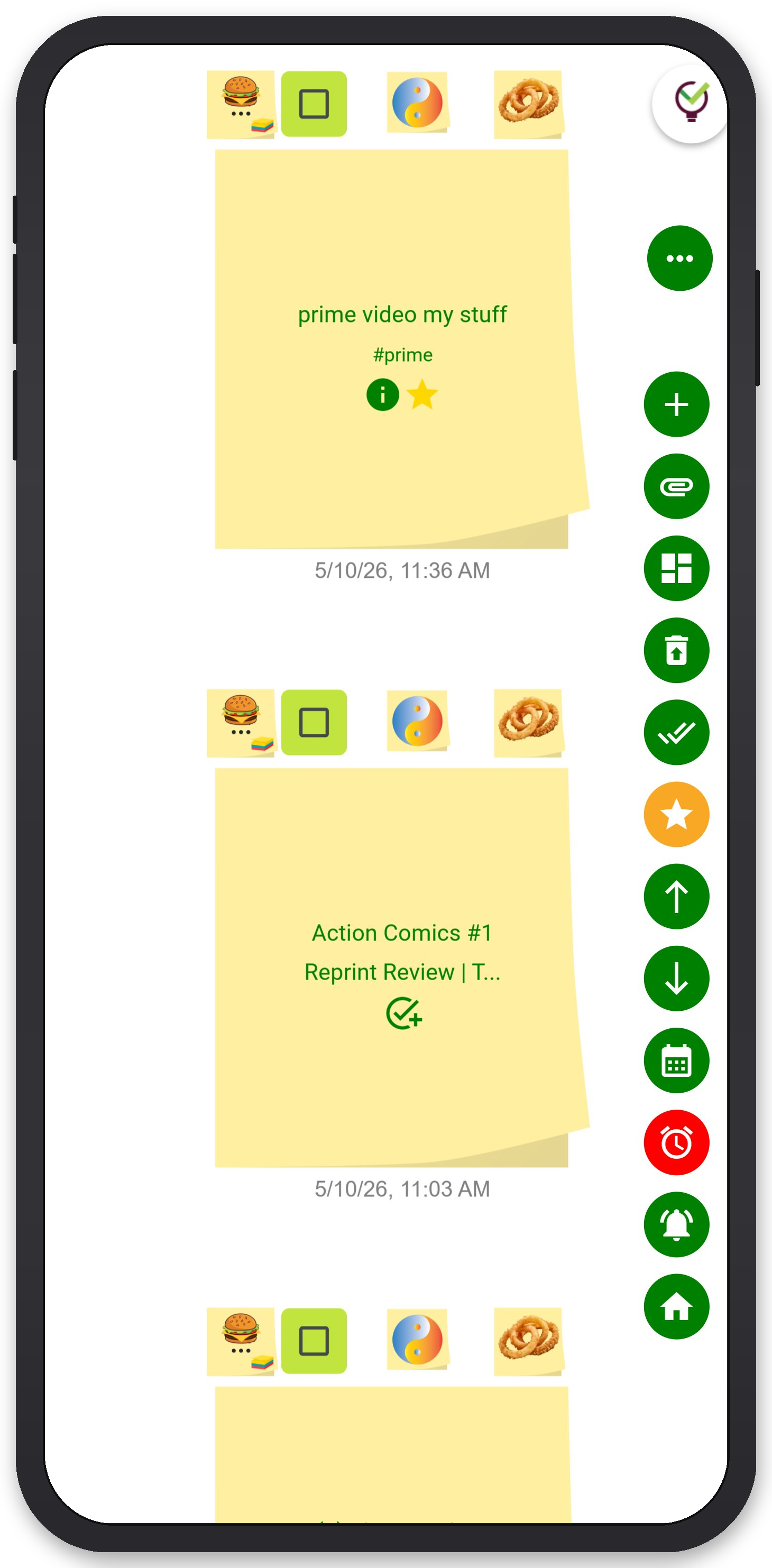
TaskLoco Premium is regularly $9.99/month per person. Right now, charter members can lock in 50% off the regular price — forever. That means $4.99/month per person today. And if our price ever goes up, you still pay half. Always.
Code CHARTER50 auto-applies at checkout. First 500 spots only — once they're gone, this offer is gone permanently. Act fast while spots last.
Every Premium subscription includes unlimited notes, 10GB file storage, reminders, calendar, and team sharing. Each team member requires a separate subscription. 7-day free trial — no charge until day 8. Cancel anytime.
Free Options: TaskLoco
TaskLoco Lite
- Native iPhone & Android app
- Completely anonymous — no sign-in
- Data stays on your device
- Up to 20 notes
- Free forever
TaskLoco Lite Plus+
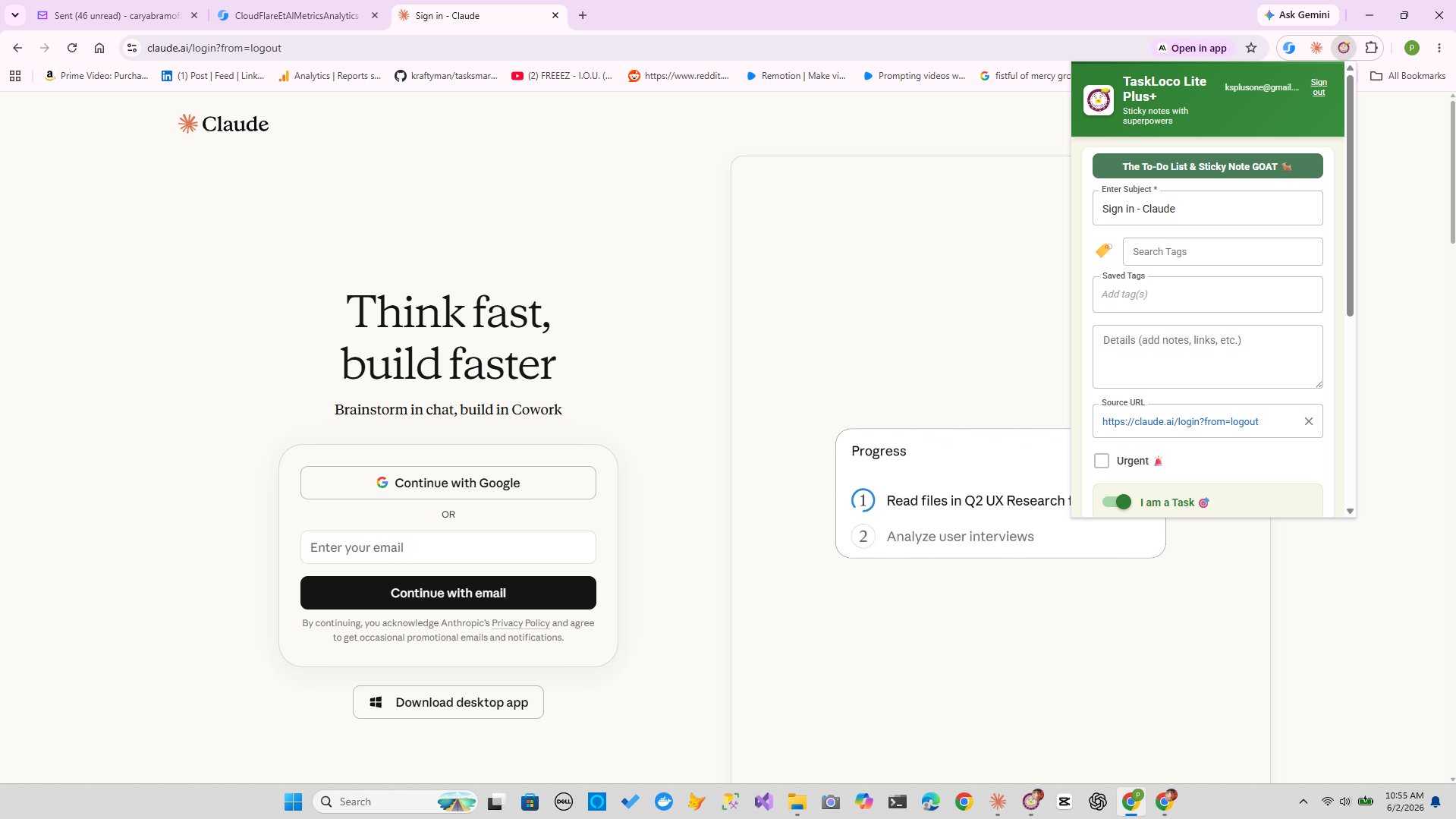
- Web app + Chrome extension
- Sign in with Google
- Wall syncs across all devices
- Up to 30 notes
- Free forever
Lock In 50% Off — Forever
7-day free trial. No charge until day 8. CHARTER50 auto-applies at checkout.
🔒 Lock In My Charter SpotSee TaskLoco in Action
Frequently Asked Questions
How long does it really take to build a habit?
The 21-day rule is a myth. Research shows habits take anywhere from 18 to 254 days to become automatic, with an average of 66 days. Simple habits form faster than complex ones. Focus on consistency rather than counting days.
What should I do if I miss a day?
Missing one day doesn't break a habit, but missing two days in a row starts to weaken it. Get back on track immediately without guilt or trying to make up for lost time. Consistency matters more than perfection.
How many habits can I build at once?
Stick to 1-3 habits maximum. Your brain can only handle limited change at once. Master one habit completely before adding another. This approach takes longer but has much higher success rates than trying to change everything simultaneously.
Why do I lose motivation after a few weeks?
Motivation naturally fades — that's why relying on it guarantees failure. Focus on building systems and changing your environment instead. Make the habit so easy and automatic that motivation becomes irrelevant.
Should I reward myself for completing habits?
Small, immediate rewards can help in the beginning, but avoid big rewards that overshadow the habit itself. The best reward is often just tracking your progress visually. Seeing the chain of successful days becomes its own motivation.
What's the best way to track multiple habits?
Keep tracking simple and visible. A basic calendar with checkmarks often works better than complex apps. $9.99/month per person (currently $4.99/month per person for first 500 charter members with code CHARTER50) Whatever system you choose, make sure you'll actually use it consistently.
How do I restart a habit after breaking the streak?
Start immediately with your minimum viable version. If your habit was 20 pushups and you stopped, restart with 1 pushup. Don't try to make up for lost time or punish yourself. Just begin again as small as possible.
Born in Brooklyn. Powered by AWS. Your data stays yours.
TaskLoco is available on iPhone, Android, Chrome, and every web browser.