Most people try to build habits by going big — meditating for 30 minutes, exercising for an hour, or completely overhauling their morning routine. They last a week, maybe two, then give up feeling like failures. But the problem isn't willpower. It's approach.
Productive habits form through repetition of tiny behaviors, not heroic efforts. The key is making your new habit so small it feels almost silly not to do it, then gradually building from there. Here's exactly how to do it.
Start Ridiculously Small
The biggest mistake people make is starting too big. Want to read more? Don't commit to reading 30 minutes a day — commit to reading one page. Want to exercise? Don't plan hour-long workouts — do five pushups. Want to write regularly? Write one sentence.
This isn't about lowering your standards. It's about building the neural pathway first. Your brain needs to experience success repeatedly before a behavior becomes automatic. When you start small, you remove the friction that kills habits before they form.
Once you've done your tiny habit consistently for at least two weeks, you can gradually expand it. But not before. The foundation must be solid first.
Anchor to Existing Routines
Don't try to create new time slots for habits. Instead, attach them to things you already do automatically. This is called habit stacking, and it works because you're leveraging existing neural pathways.
The formula is simple: After I [existing habit], I will [new tiny habit]. For example: After I pour my morning coffee, I will write one sentence in my journal. After I sit down at my desk, I will review my top three priorities for the day. After I brush my teeth before bed, I will read one page.
Your existing routines act as natural triggers. You don't have to remember to do the new habit because the old habit automatically cues it. This removes the mental load of remembering and deciding — two major habit killers.
Track Your Consistency
What gets measured gets managed, but most people track the wrong things. Don't track outcomes (pages read, pounds lost, words written). Track the behavior itself. Did you do the habit today? Yes or no. That's it.
Use a simple system — a calendar where you mark an X for each day you complete the habit, a journal where you check it off, or a basic app that tracks streaks. The method matters less than the consistency of tracking.
Tracking serves two purposes: it makes your progress visible, and it creates a feedback loop that reinforces the behavior. Seeing a chain of successful days motivates you to keep the chain going. Missing a day becomes more obvious, helping you course-correct quickly.
Build Your Habit Stack with TaskLoco
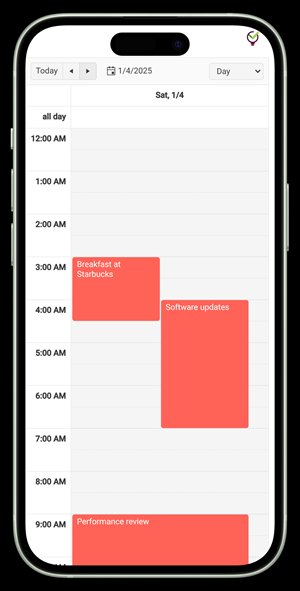
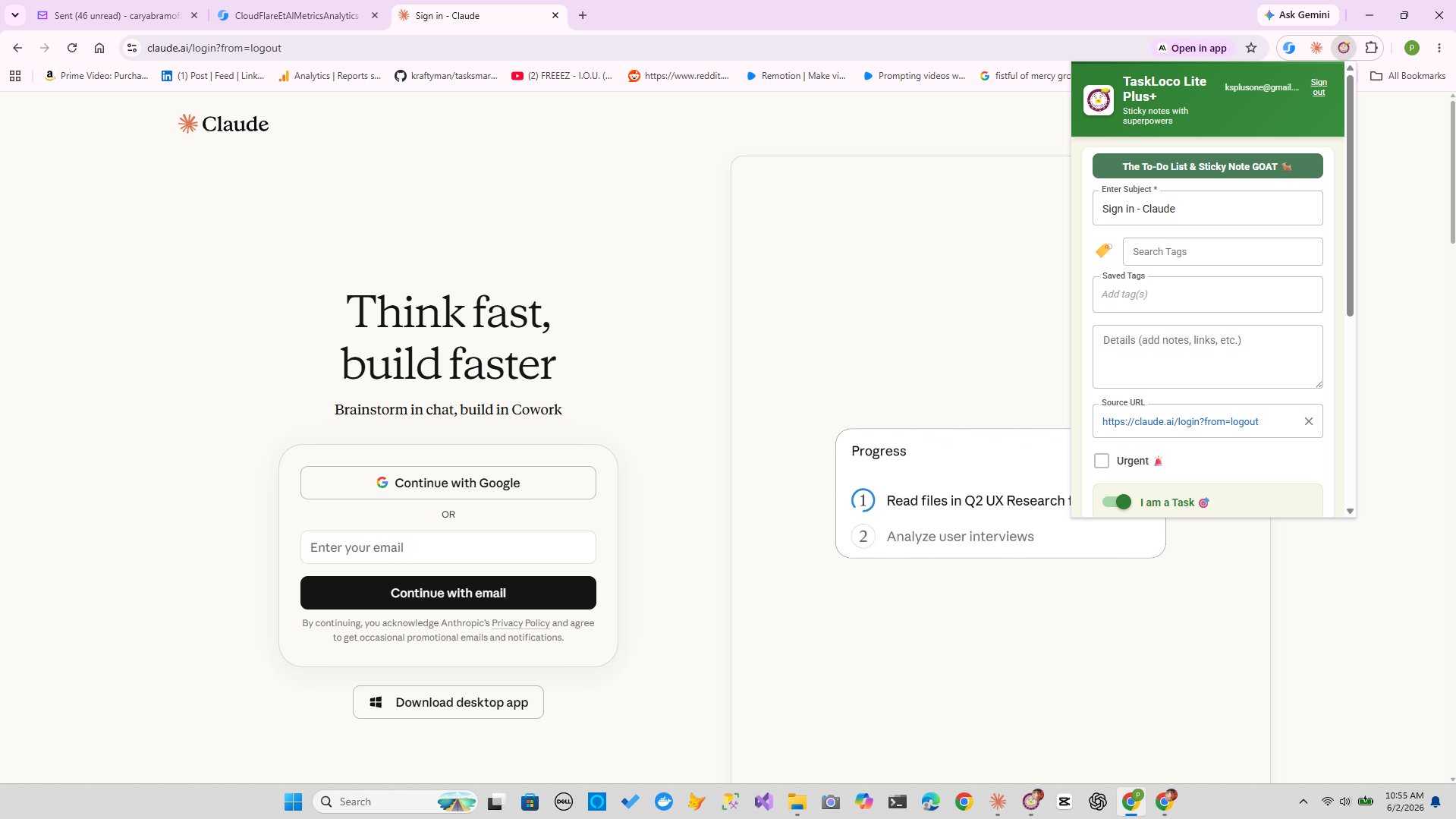
Once you understand the principles, you need a system to track your habits and anchor them to your daily workflow. TaskLoco turns habit building into a natural part of your day by combining notes, reminders, and tracking in one place.
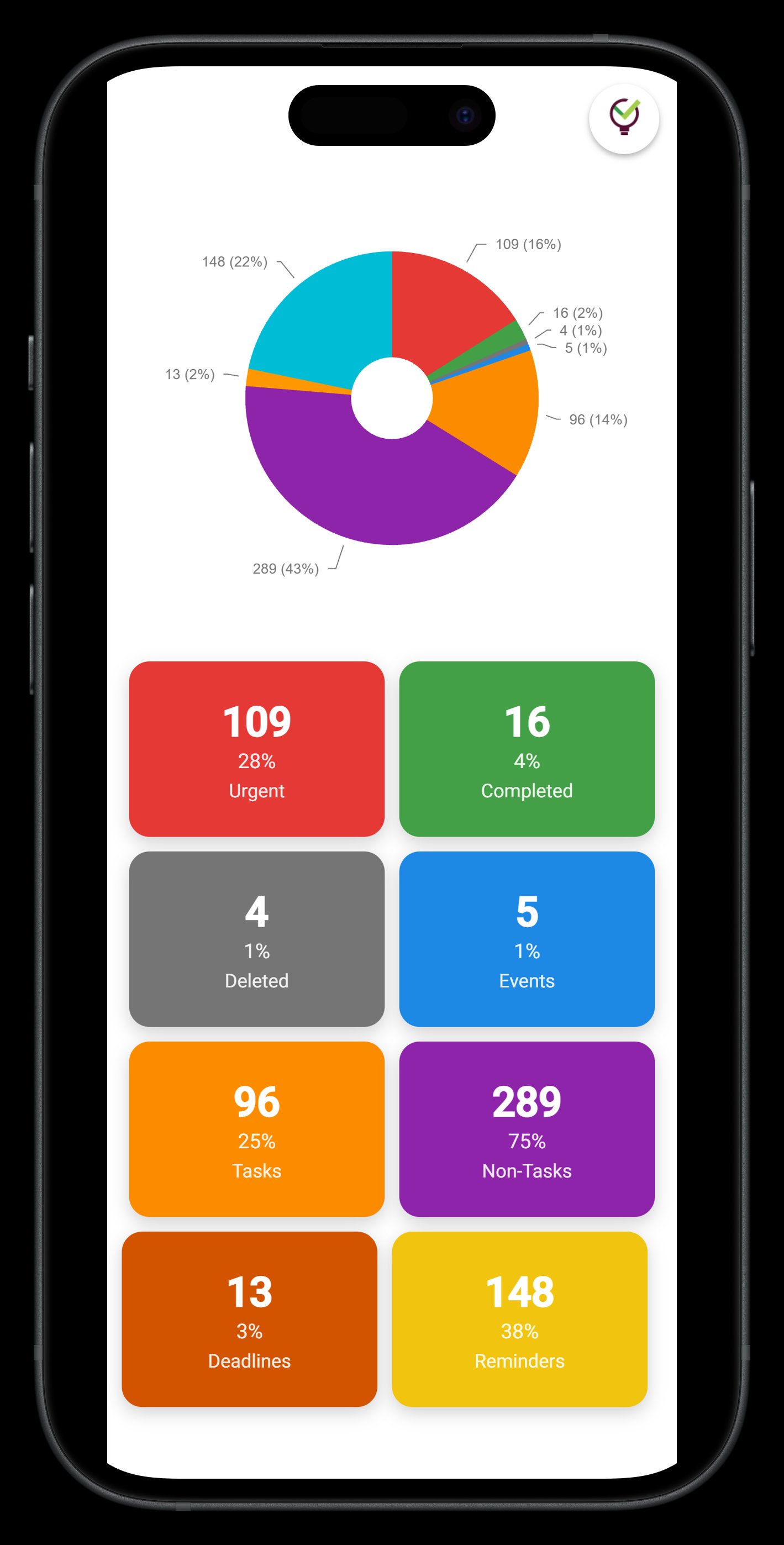
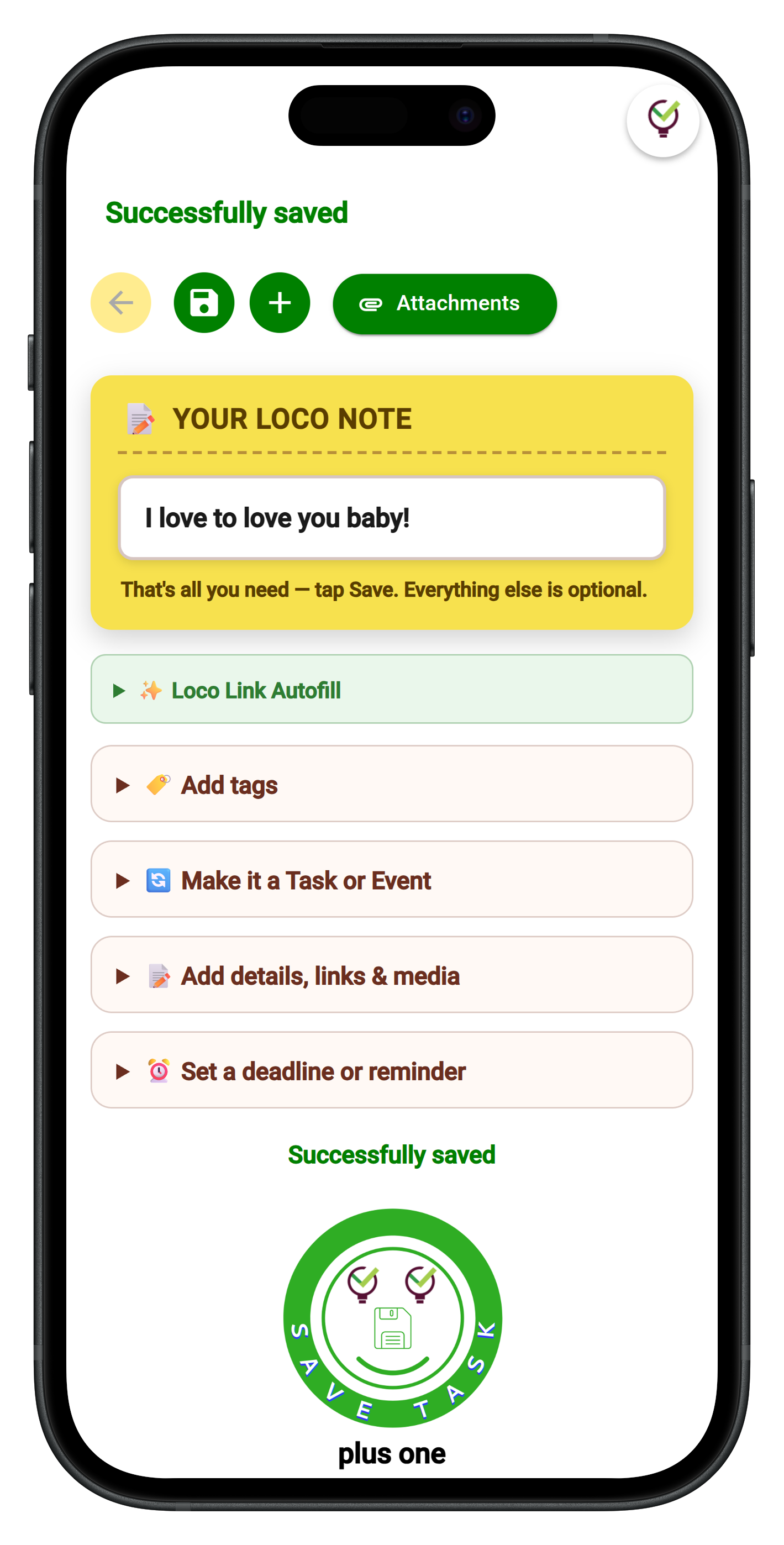
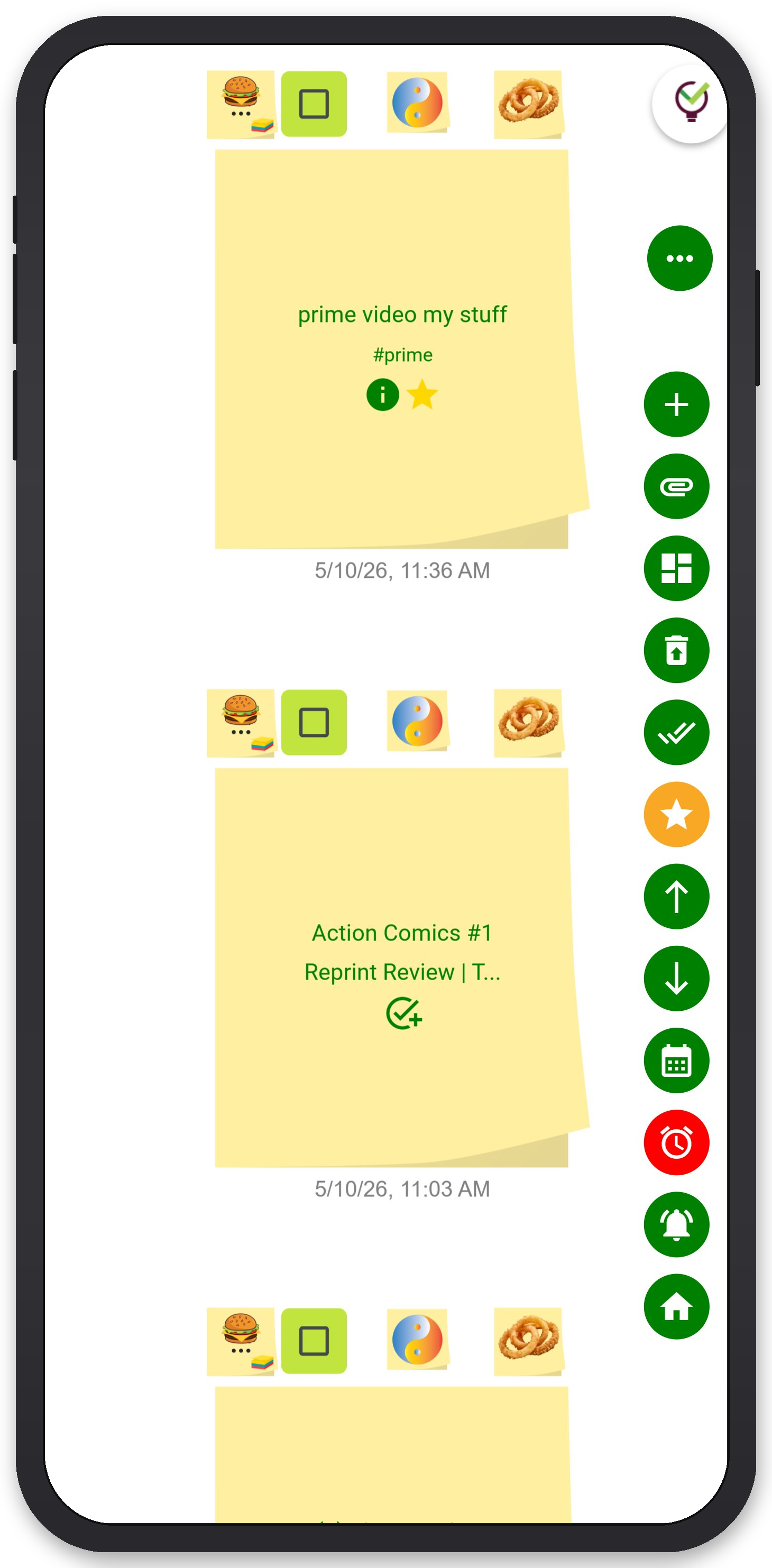
Create a daily note for your habit stack — list your tiny habits alongside your regular tasks. Set push notification reminders tied to your anchor routines. When the reminder hits your phone, it deep-links directly to your habit note, removing friction from the process.
$9.99/month per person (currently $4.99/month per person for first 500 charter members with code CHARTER50)
The key is having everything in one system. Your habits aren't separate from your productivity — they're the foundation of it. TaskLoco keeps both together so you can build habits that actually support your bigger goals.
TaskLoco Premium is regularly $9.99/month per person. Right now, charter members can lock in 50% off the regular price — forever. That means $4.99/month per person today. And if our price ever goes up, you still pay half. Always.
Code CHARTER50 auto-applies at checkout. First 500 spots only — once they're gone, this offer is gone permanently. Act fast while spots last.
Every Premium subscription includes unlimited notes, 10GB file storage, reminders, calendar, and team sharing. Each team member requires a separate subscription. 7-day free trial — no charge until day 8. Cancel anytime.
Free Options: TaskLoco
TaskLoco Lite
- Native iPhone & Android app
- Completely anonymous — no sign-in
- Data stays on your device
- Up to 20 notes
- Free forever
TaskLoco Lite Plus+
- Web app + Chrome extension
- Sign in with Google
- Wall syncs across all devices
- Up to 30 notes
- Free forever
Lock In 50% Off — Forever
7-day free trial. No charge until day 8. CHARTER50 auto-applies at checkout.
🔒 Lock In My Charter SpotSee TaskLoco in Action
Frequently Asked Questions
How long does it take to build a productive habit?
Research shows it takes anywhere from 18 to 254 days, with an average of 66 days for a behavior to become automatic. The key is starting small and staying consistent rather than trying to rush the process.
What should I do if I miss a day of my new habit?
Missing one day isn't a problem — it's missing twice in a row that breaks the pattern. Get back on track immediately the next day. Don't try to "make up" for missed days by doing more.
How many habits can I build at once?
Focus on one habit at a time, or maximum two if they're in completely different areas (like one morning habit and one evening habit). Your brain can only handle so much change before willpower fatigue sets in.
Should I reward myself for completing habits?
Small, immediate rewards can help reinforce new habits, but make them simple — listening to a favorite song, checking off a box, or doing something you enjoy right after the habit. Avoid rewards that contradict your goals.
What's the best time of day to do new habits?
Morning is often ideal because willpower is highest and you're less likely to get derailed by daily chaos. But the best time is whenever you have an existing routine to anchor the new habit to.
How do I make habits stick when I'm traveling or my routine changes?
Focus on the smallest possible version of your habit that you can do anywhere. If you normally read 10 pages, commit to reading one paragraph when traveling. Flexibility prevents all-or-nothing thinking that kills habits.
Can TaskLoco help me track my habit progress?
Yes — create daily notes with your habits, set reminders that deep-link to your notes, and track your consistency over time. $9.99/month per person (currently $4.99/month per person for first 500 charter members with code CHARTER50)
Born in Brooklyn. Powered by AWS. Your data stays yours.
TaskLoco is available on iPhone, Android, Chrome, and every web browser.