Most morning routines fail within two weeks. People get excited, plan elaborate 90-minute sequences, then crash when life gets busy. The problem isn't willpower — it's design.
The routines that stick follow specific principles: they start absurdly small, connect to existing habits, and get tracked consistently. Here's exactly how to build one that becomes automatic.
Start Ridiculously Small
Your first morning routine should be embarrassingly easy. Not 30 minutes of meditation — 30 seconds. Not a full workout — 5 pushups. Not journaling three pages — writing one sentence.
This isn't about the habit itself. It's about proving to your brain that you can keep promises to yourself. Every tiny win builds confidence for the next step.
Pick one micro-habit that takes under two minutes. Examples:
- Make your bed (30 seconds)
- Drink one glass of water (10 seconds)
- Write down one thing you're grateful for (30 seconds)
- Do 5 jumping jacks (20 seconds)
- Read one page of a book (2 minutes)
Use Habit Stacking
Don't rely on motivation or memory. Connect your new habit to something you already do automatically. This is called habit stacking, and it's the most reliable way to make new behaviors stick.
The formula: After I [existing habit], I will [new habit].
Examples of strong habit stacks:
- After I put my feet on the floor, I will make my bed
- After I turn off my alarm, I will drink a glass of water
- After I start my coffee, I will write in my journal
- After I brush my teeth, I will do 5 pushups
- After I sit down with my coffee, I will read for 10 minutes
The existing habit acts as a natural trigger. You're not starting from scratch — you're adding to something that's already automatic.
Track Your Progress Daily
What gets tracked gets done. You need a simple way to mark each day as a win or miss. This creates a visual streak that motivates consistency.
Don't overcomplicate tracking. A simple checkbox, calendar mark, or note works perfectly. The act of marking it complete gives you a small dopamine hit that reinforces the behavior.
Track these three things:
- Did it: Simple yes/no for the habit
- How I felt: Energy level after completing it
- What helped: Any conditions that made it easier
Review your tracking weekly. Look for patterns: What days are hardest? What situations derail you? What small adjustments could help?
Use Digital Tools That Work
The right app can make tracking effortless, but most habit trackers overcomplicate things. You need something simple that captures your routine without becoming a chore itself.
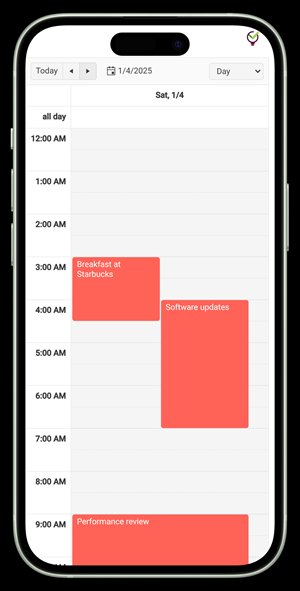
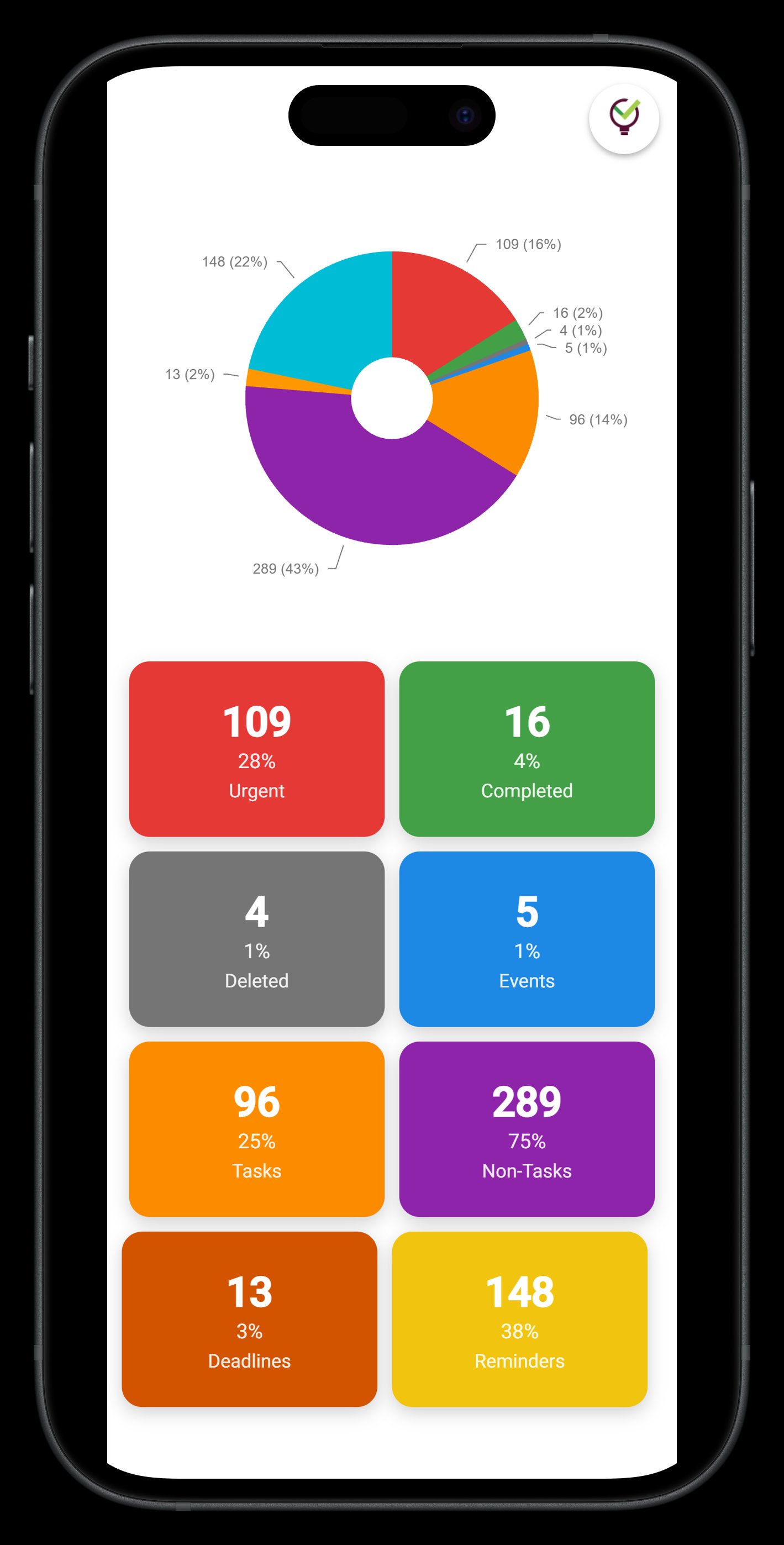
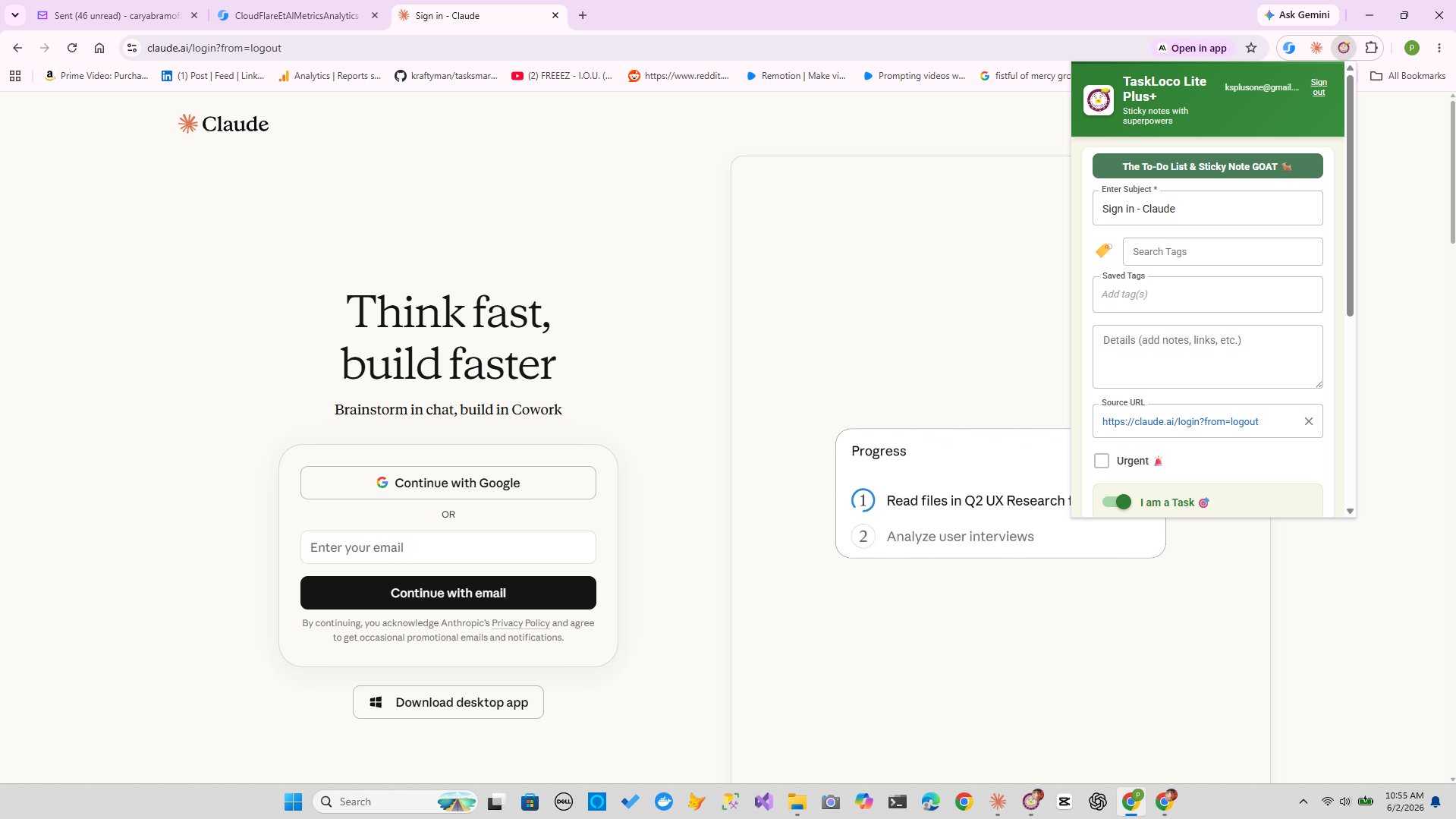
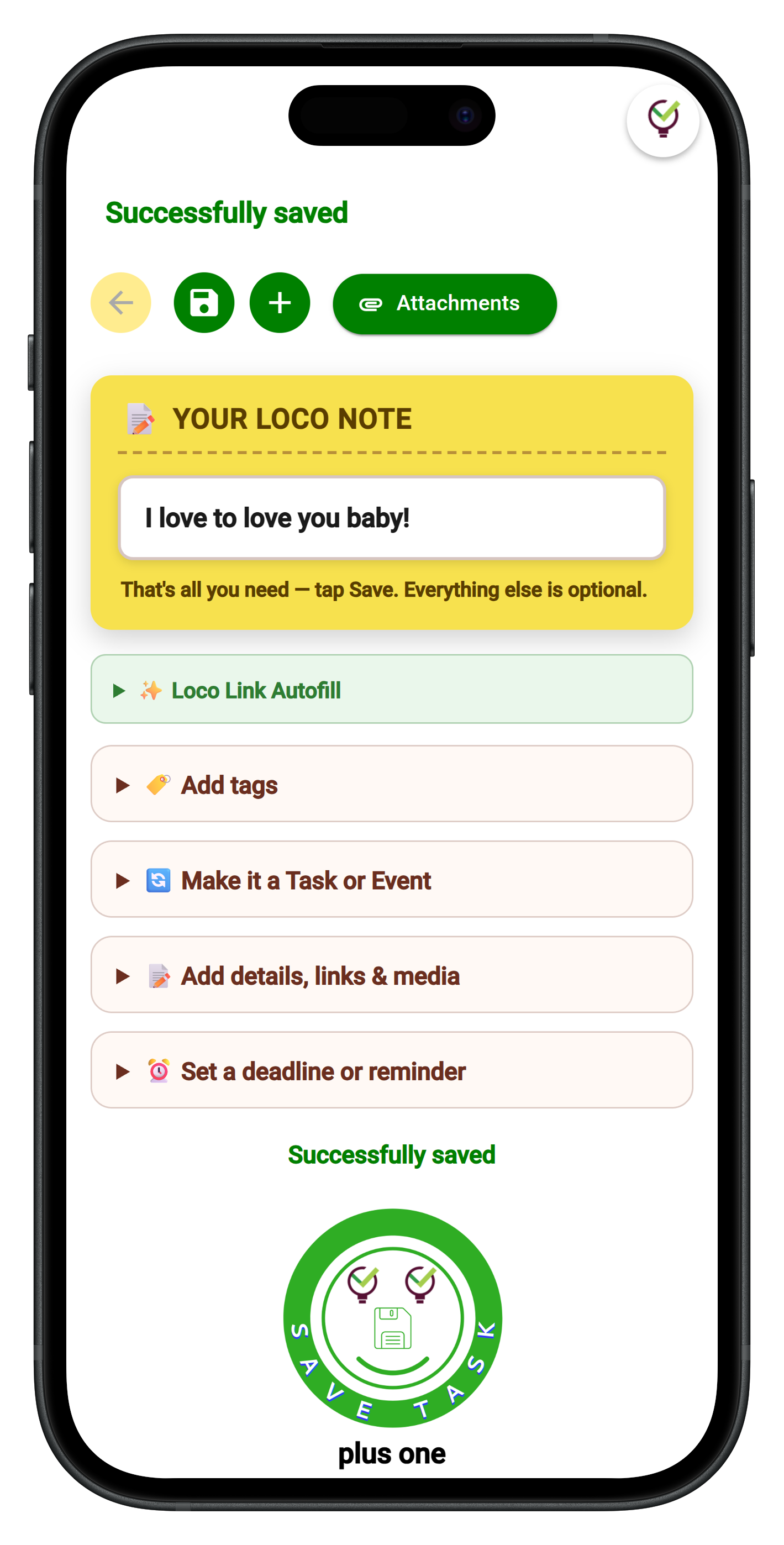
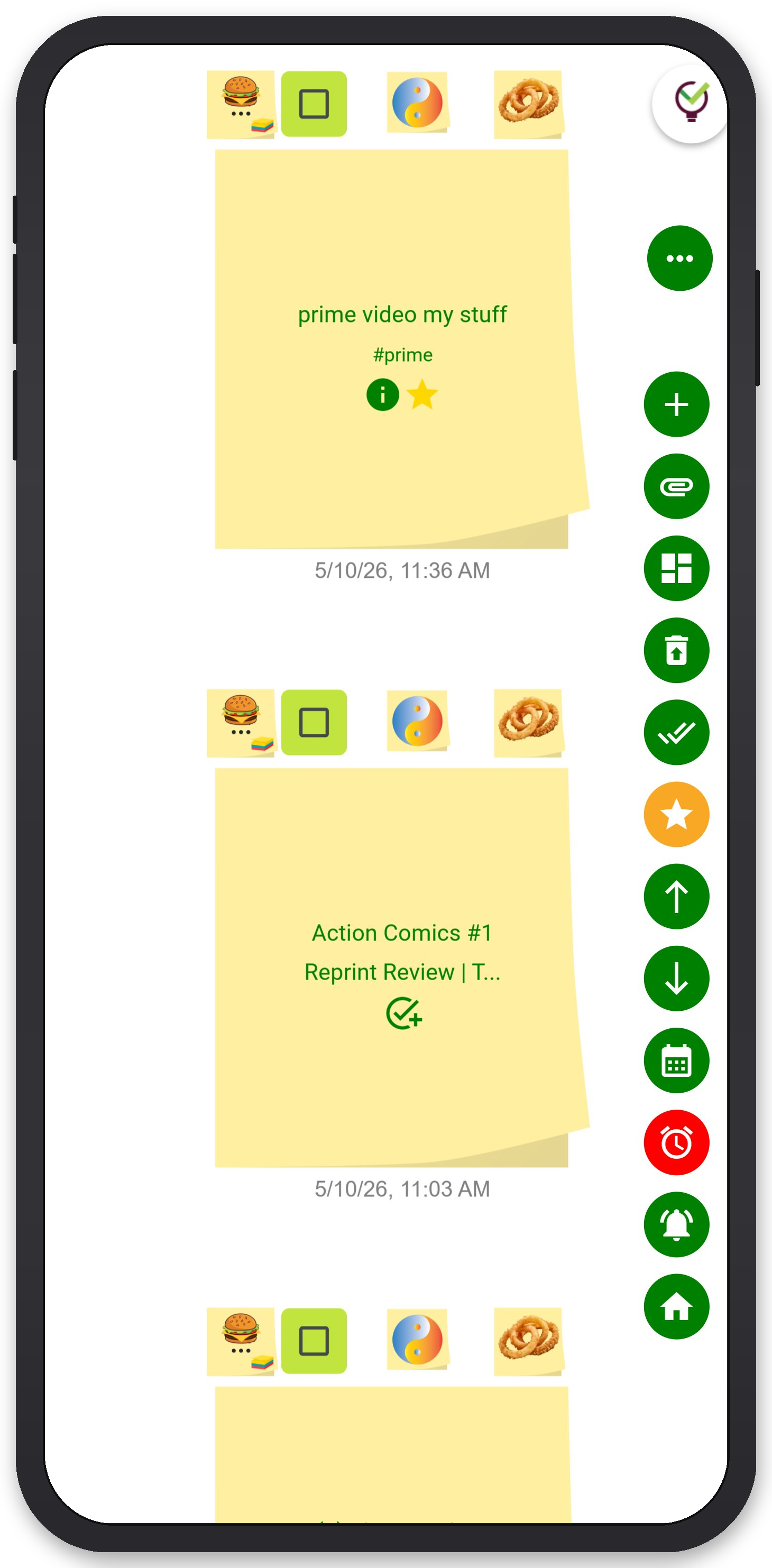
TaskLoco works well for morning routines because you can create a quick note for each day's habits, set reminders to check in, and attach photos or voice notes about how things went. The key is having everything in one place where you can see your progress at a glance.
Essential features for any routine tracker:
- Quick daily entry (under 30 seconds)
- Visual progress indicators
- Simple reminders
- Notes for insights and adjustments
$9.99/month per person (currently $4.99/month per person for first 500 charter members with code CHARTER50)
TaskLoco Premium is regularly $9.99/month per person. Right now, charter members can lock in 50% off the regular price — forever. That means $4.99/month per person today. And if our price ever goes up, you still pay half. Always.
Code CHARTER50 auto-applies at checkout. First 500 spots only — once they're gone, this offer is gone permanently. Act fast while spots last.
Every Premium subscription includes unlimited notes, 10GB file storage, reminders, calendar, and team sharing. Each team member requires a separate subscription. 7-day free trial — no charge until day 8. Cancel anytime.
Free Options: TaskLoco
TaskLoco Lite
- Native iPhone & Android app
- Completely anonymous — no sign-in
- Data stays on your device
- Up to 20 notes
- Free forever
TaskLoco Lite Plus+
- Web app + Chrome extension
- Sign in with Google
- Wall syncs across all devices
- Up to 30 notes
- Free forever
Lock In 50% Off — Forever
7-day free trial. No charge until day 8. CHARTER50 auto-applies at checkout.
🔒 Lock In My Charter SpotSee TaskLoco in Action
Frequently Asked Questions
How long does it take for a morning routine to become automatic?
Most habits take 21-66 days to become automatic, with simple behaviors forming faster. Focus on consistency over speed — it's better to do something small every day than something big occasionally.
What if I miss a day of my morning routine?
One missed day won't break your habit, but two in a row starts a dangerous pattern. Get back on track immediately the next day, and consider making your routine even smaller if you're missing frequently.
Should I add multiple habits at once?
No. Master one micro-habit completely before adding another. This usually takes 2-4 weeks. Adding too much too fast is the fastest way to fail entirely.
What's the best time to start a morning routine?
Start immediately after an existing habit you already do consistently. The specific clock time matters less than connecting it to something automatic, like getting out of bed or starting your coffee.
How do I stay motivated when I don't see results?
Focus on the process, not outcomes. Your win is doing the habit, period. Results come later. Track your consistency streak — that's your real measure of success in the early days.
What if my schedule changes frequently?
Design your routine around the most consistent part of your morning, even if everything else varies. If you travel or work shifts, identify what stays the same and build around that anchor.
Can I use an app to track my morning routine?
Yes, but keep it simple. The best tracking system is one you'll actually use daily. Whether it's a notebook, calendar marks, or an app like TaskLoco, choose something that takes under 30 seconds to update each morning.
Born in Brooklyn. Powered by AWS. Your data stays yours.
TaskLoco is available on iPhone, Android, Chrome, and every web browser.