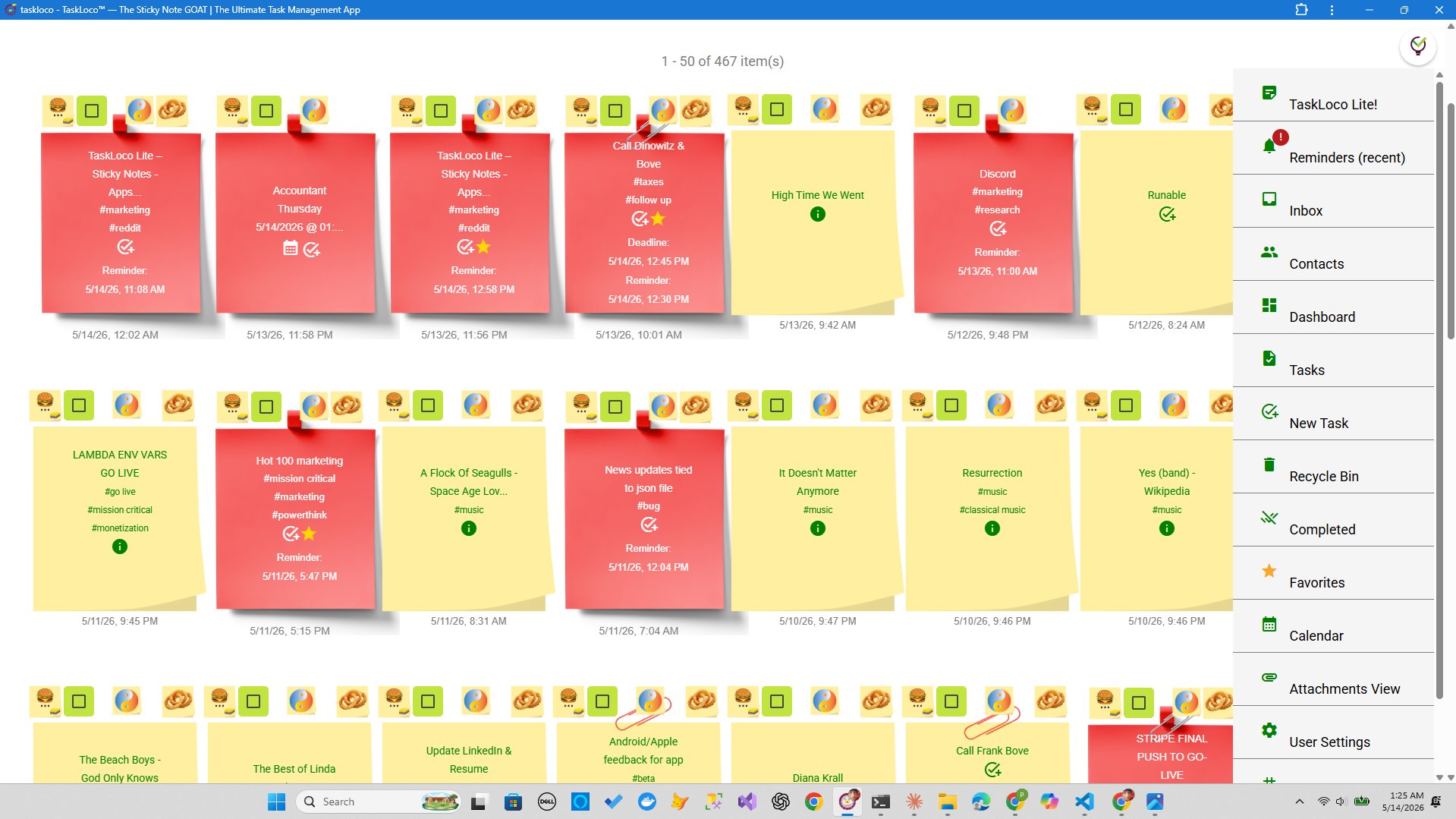
We've all been there — your phone buzzes with a reminder, you glance at it, think "I'll do that later," and promptly forget again. Most people treat reminders like alarm clocks, expecting a simple ping to magically motivate action. But notifications that actually change behavior work very differently.
The problem isn't that you're lazy or forgetful. It's that most reminders are designed backwards. They tell you when to do something without making it easy to actually do it. The solution lies in understanding how your brain processes interruptions and building reminders that work with your psychology, not against it.
Why Most Reminders Fail: The Context Problem
Your brain makes decisions based on context — what you can see, what's immediately available, and how much mental energy you have in that moment. When a reminder pops up saying "Call dentist," your brain has to reconstruct the entire context: What was the dentist's number again? What days are they open? What did I want to schedule?
This cognitive load is why you dismiss the reminder. It's not procrastination — it's your brain correctly identifying that this task requires more resources than you have available right now. The reminder becomes another item on your mental to-do list instead of an actionable trigger.
Research in behavioral psychology shows that people are far more likely to complete tasks when the activation energy is low. A good reminder doesn't just alert you — it removes barriers to action.
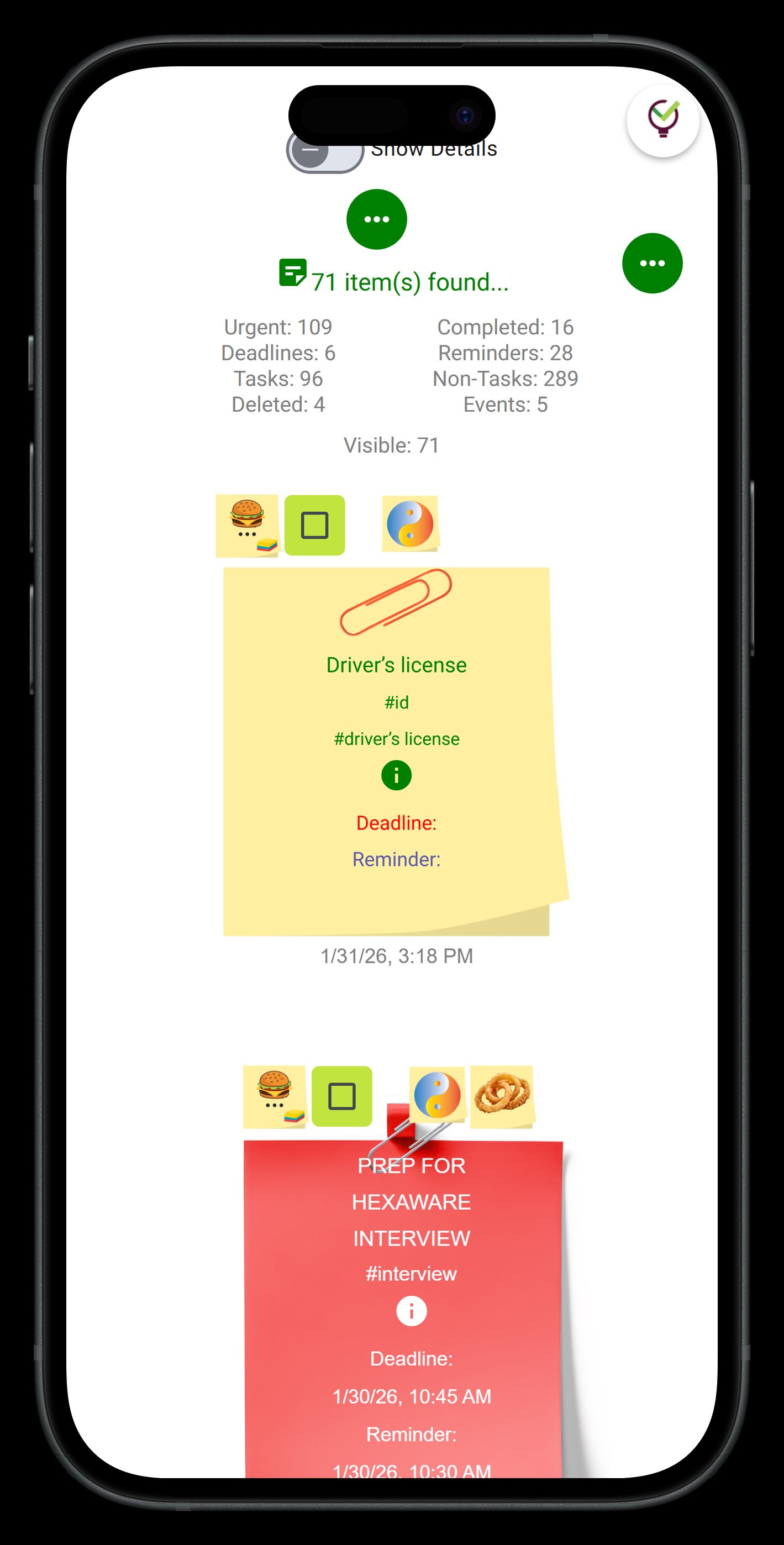
The SMART Reminder Framework: 5 Elements That Drive Action
Specific Action: Instead of "work on presentation," write "add budget numbers to slide 7 of Q4 presentation." Vague reminders require your brain to make decisions, which creates friction.
Minimal Friction: Include phone numbers, links, addresses, or any information needed to complete the task. If calling someone, add their number. If visiting somewhere, include the address and parking details.
Appropriate Timing: Set reminders for when you can actually act, not just when you want to remember. "Call bank" shouldn't pop up at 10 PM when they're closed.
Relevant Context: Add why this matters or what happens next. "Submit expense report (deadline Friday, affects December pay)" gives your brain a reason to prioritize.
Time Boundaries: Estimate how long the task takes and choose reminder timing accordingly. A 30-minute task needs more buffer time than a 2-minute email.
Advanced Strategies: Making Reminders Stick
Link to Outcomes: Your brain is wired to respond to consequences and rewards. Instead of "Exercise," try "30-min walk (helps me sleep better and think clearer tomorrow)." Connecting the task to a personally meaningful outcome increases follow-through.
Batch Similar Tasks: Group related reminders together rather than scattering them throughout the day. Set one reminder for "Handle all calls: dentist, insurance, mom" rather than three separate notifications.
Include Recovery Plans: Build backup options into your reminders. "Submit proposal by 3 PM (if running late, email draft by 2:30 PM and call client)" gives you an escape route that maintains momentum.
Use Environmental Triggers: Place reminders where you'll encounter them naturally. A note on your coffee maker for morning tasks works better than a phone notification you might dismiss while still groggy.
Tools That Support Better Reminder Habits
While these strategies work with any reminder system, some tools make it easier to implement them consistently. The key is finding something that lets you capture context quickly without disrupting your workflow.
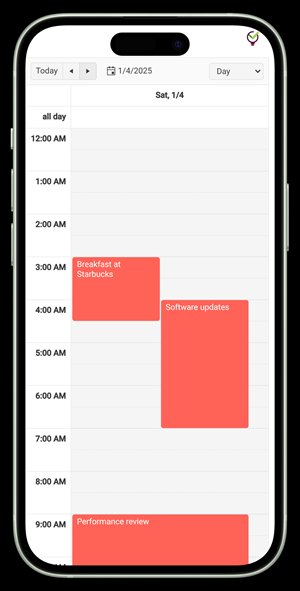
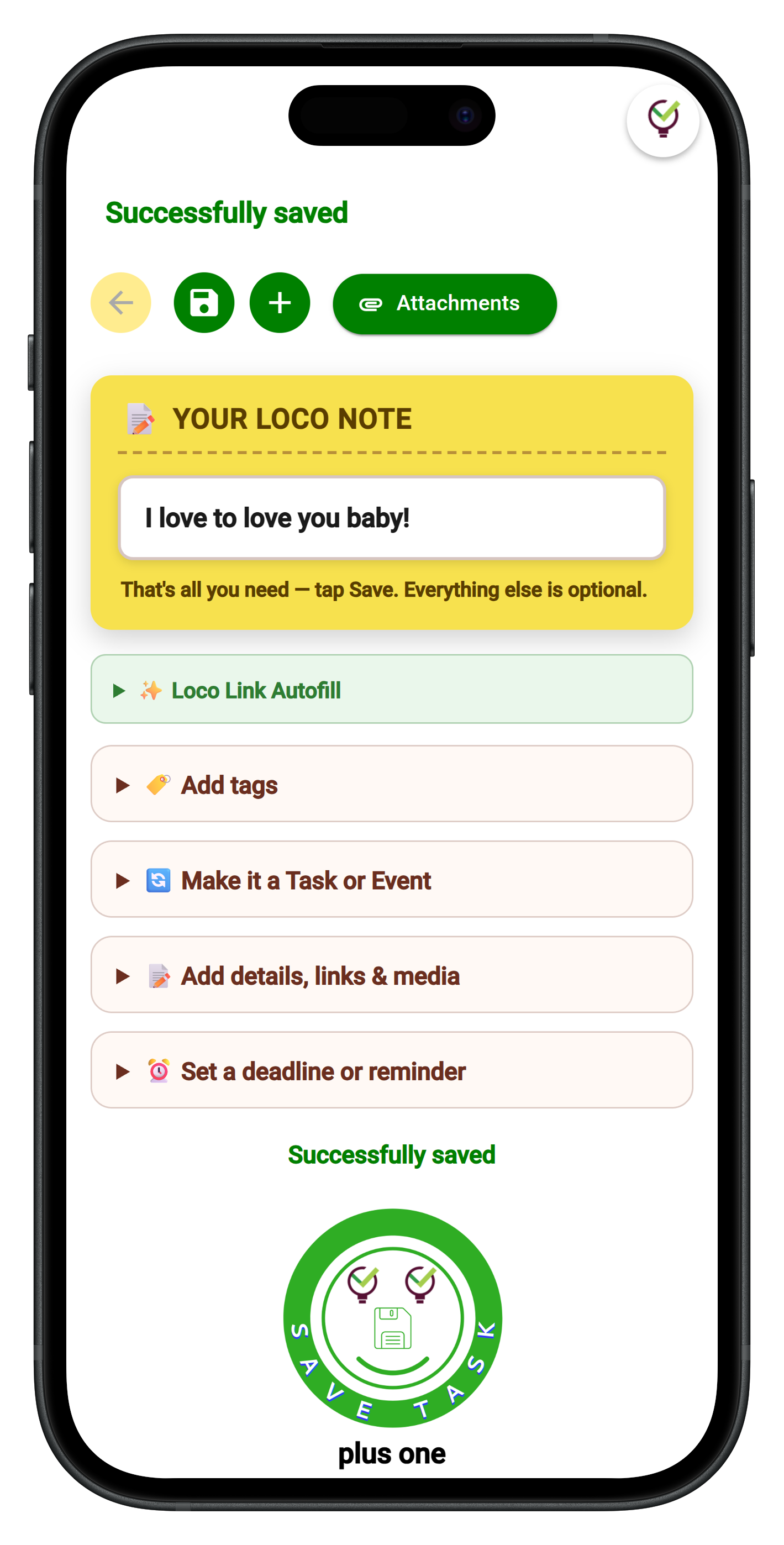
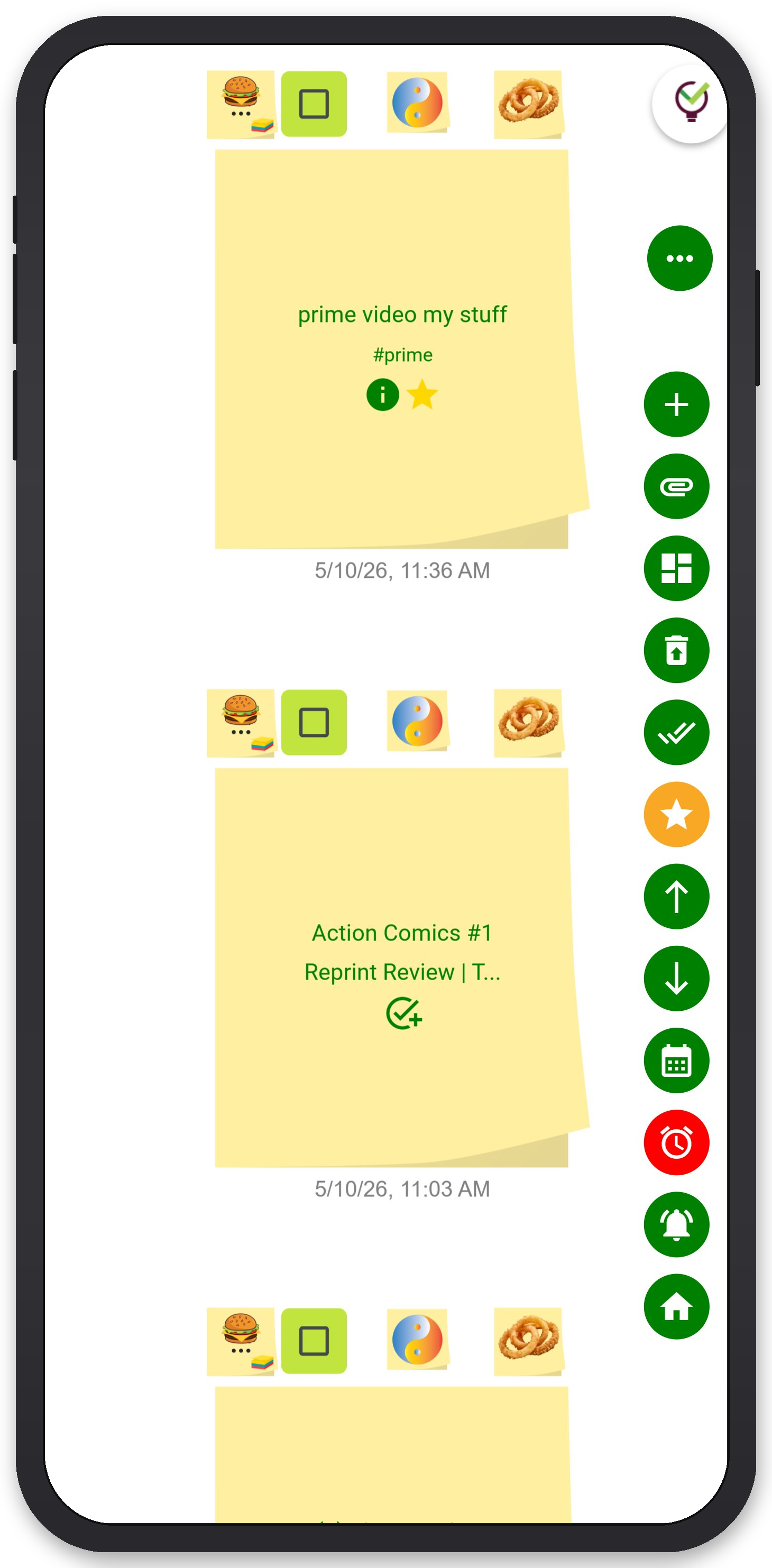
TaskLoco approaches reminders differently than most apps. When a reminder fires, it deep-links directly back to your original note with all the context, attachments, and details you added. Instead of a generic "Call dentist" notification, you see your full note with the phone number, preferred appointment times, and insurance information right where you left them.
The reminders arrive as push notifications to your phone and computer, with optional email and SMS backup. But the real advantage is that clicking the reminder takes you straight back to a note that has everything you need to act immediately — no hunting through apps or trying to remember what you were thinking when you set it.
$9.99/month per person (currently $4.99/month per person for first 500 charter members with code CHARTER50)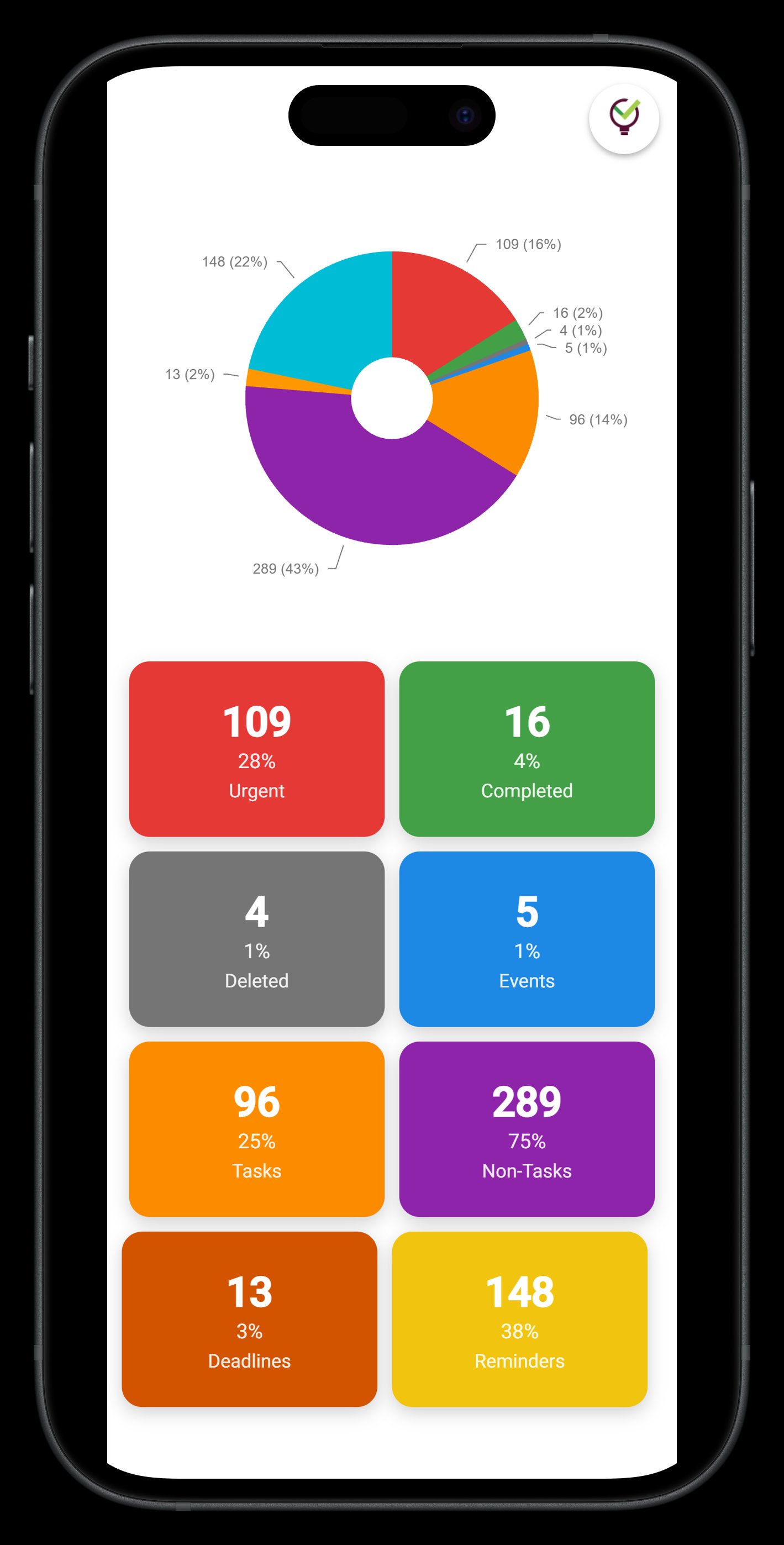
TaskLoco Premium is regularly $9.99/month per person. Right now, charter members can lock in 50% off the regular price — forever. That means $4.99/month per person today. And if our price ever goes up, you still pay half. Always.
Code CHARTER50 auto-applies at checkout. First 500 spots only — once they're gone, this offer is gone permanently. Act fast while spots last.
Every Premium subscription includes unlimited notes, 10GB file storage, reminders, calendar, and team sharing. Each team member requires a separate subscription. 7-day free trial — no charge until day 8. Cancel anytime.
Free Options: TaskLoco
TaskLoco Lite
- Native iPhone & Android app
- Completely anonymous — no sign-in
- Data stays on your device
- Up to 20 notes
- Free forever
TaskLoco Lite Plus+
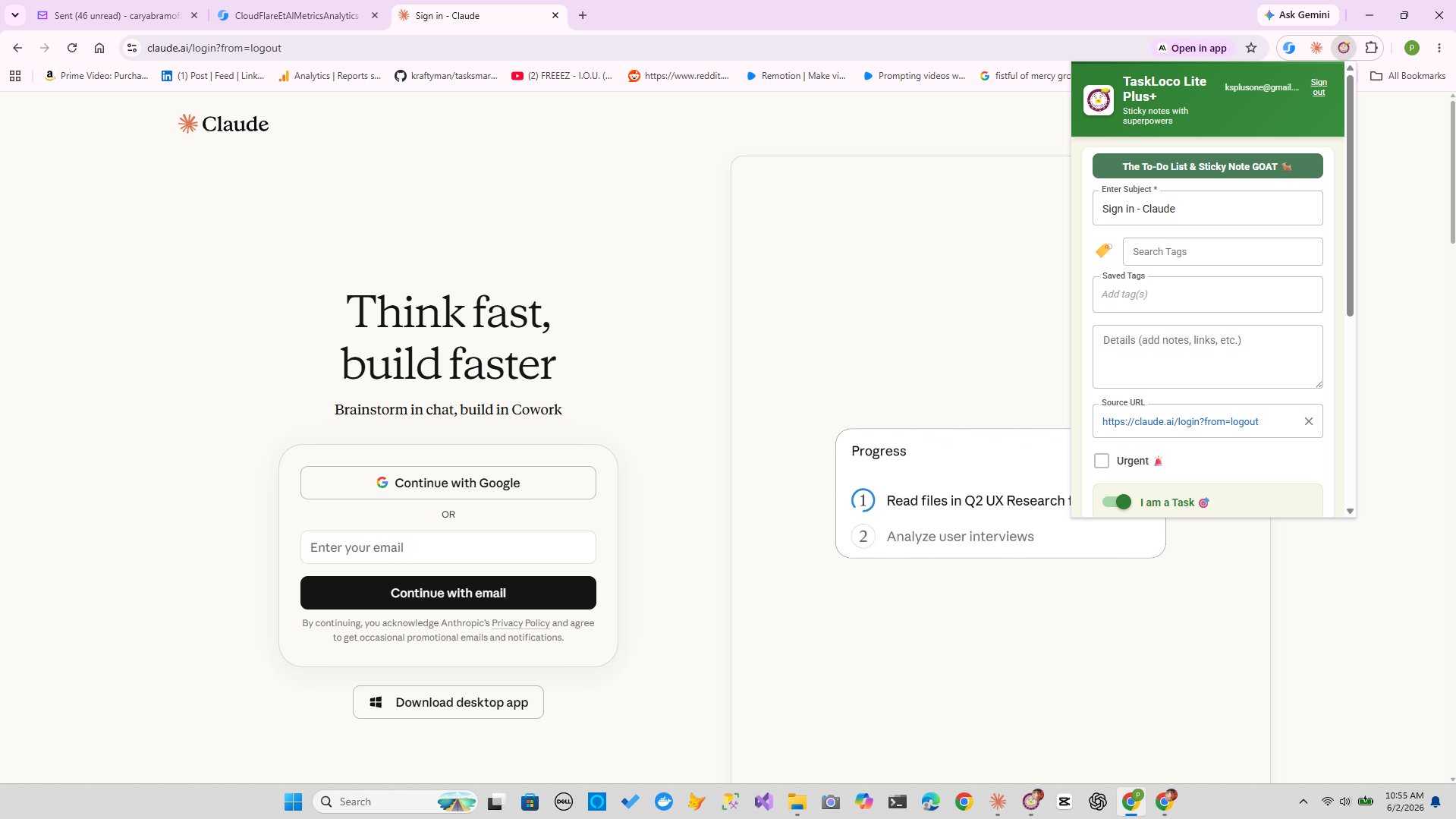
- Web app + Chrome extension
- Sign in with Google
- Wall syncs across all devices
- Up to 30 notes
- Free forever
Lock In 50% Off — Forever
7-day free trial. No charge until day 8. CHARTER50 auto-applies at checkout.
🔒 Lock In My Charter SpotSee TaskLoco in Action
Frequently Asked Questions
How many reminders should I set per day?
Start with 3-5 important reminders daily. Too many notifications train your brain to ignore them. Focus on high-impact tasks or things with real deadlines rather than trying to remind yourself of every small task.
What's the best time to set reminders?
Set reminders for when you can actually act, not just when you want to remember. Consider your energy levels, the recipient's schedule, and any dependencies. A reminder to call someone should fire during business hours, not at 7 AM.
How do I stop ignoring my own reminders?
Make reminders more specific and include all necessary context. Instead of vague alerts, create notifications that tell you exactly what to do and provide everything needed to do it immediately.
Should I use recurring reminders?
For most activities, it's better to set specific, one-time reminders with full context rather than generic repeating alerts that become background noise.
How far in advance should I set reminders?
Set reminders based on the task's complexity and your schedule. Simple tasks need 15-30 minutes notice. Complex projects might need reminders days or weeks ahead, with follow-up reminders as deadlines approach.
What information should I include in reminder text?
Include the specific action, any necessary details (phone numbers, addresses), why it matters, and how long it takes. The goal is to eliminate any decision-making or information-gathering when the reminder fires.
How do I handle reminders I can't act on immediately?
Build this into your reminder strategy. Include backup plans or specify exactly when you'll revisit the task. Rather than dismissing and hoping to remember, reschedule with a specific time and context for follow-up.
Born in Brooklyn. Powered by AWS. Your data stays yours.
TaskLoco is available on iPhone, Android, Chrome, and every web browser.