Most goals fail not because they're too ambitious, but because they're too vague. "Get in shape" sounds motivating until week three when you've skipped the gym twice and have no clear way to measure progress. The difference between goals that stick and goals that fade lies in how you structure them from day one.
Research shows that people who write down specific goals with concrete deadlines are 42% more likely to achieve them. But there's more to it than just writing things down. The goals that actually get completed follow predictable patterns — they're broken into smaller pieces, tracked consistently, and tied to systems that make progress impossible to ignore.
The SMART Framework Still Works — When Applied Correctly
SMART goals (Specific, Measurable, Achievable, Relevant, Time-bound) get a bad reputation because most people apply them wrong. They turn "read more books" into "read 12 books this year" and call it done. That's still too vague to drive daily action.
The real power comes from drilling down further. Instead of "read 12 books this year," try "read 30 minutes every Tuesday and Thursday morning at 6 AM, tracking pages completed weekly to hit 1 book per month." Now you have specific actions, clear timing, and built-in checkpoints.
For a fitness goal, this might look like: Annual target (lose 20 pounds), quarterly milestone (lose 5 pounds), weekly action (attend gym Monday/Wednesday/Friday at 7 AM, meal prep every Sunday). The weekly actions create the habits that deliver the quarterly milestones.
Implementation Intentions: The Hidden Psychology of Follow-Through
Psychologist Peter Gollwitzer discovered that people who use "if-then" planning are 2-3 times more likely to reach their goals. Implementation intentions work by pre-deciding exactly when and where you'll take action, removing the moment-by-moment willpower decisions that derail most attempts.
Instead of "I'll exercise more," you create: "If it's Monday, Wednesday, or Friday at 6:30 AM, then I'll put on my workout clothes and go to the gym." The specificity eliminates decision fatigue and creates automatic triggers.
The format is simple: "If [situation], then I will [behavior]." Apply this to every aspect of your goal. If it's Sunday evening, then I'll plan my workout schedule for the week. If I miss a planned workout, then I'll do 20 push-ups at home instead of skipping entirely.
Write out 3-5 implementation intentions for each major goal. Cover the main action, the backup plan, and the weekly review process. This creates multiple pathways to success instead of relying on perfect execution.
The 2-Minute Rule and Habit Stacking for Momentum
Big goals intimidate your brain into procrastination. The 2-minute rule, popularized by productivity expert David Allen and refined by James Clear, solves this by making the starting action impossibly small. Instead of "write a novel," start with "write one sentence."
The psychology is brilliant: starting is often harder than continuing. Once you've written one sentence, you might write a paragraph. Once you've put on gym shoes, you might as well work out. The 2-minute version removes the mental friction of getting started.
Habit stacking takes this further by linking new behaviors to existing routines. Instead of finding new time for goal work, attach it to something you already do consistently. "After I pour my morning coffee, I will write one sentence" or "After I brush my teeth at night, I will plan tomorrow's top priority."
List your current daily habits (coffee, shower, lunch break, checking email) and identify where you can stack 2-minute goal actions. The existing habit becomes the trigger for goal progress, creating automatic momentum without relying on motivation.
Tracking Systems That Actually Drive Follow-Through
Most goal tracking fails because it's either too complex (elaborate spreadsheets you never update) or too simple (generic habit apps that don't connect to your specific outcomes). Effective tracking systems make three things visible: daily actions, weekly progress toward milestones, and obstacles that need solving.
Create a simple weekly scorecard for each goal. Track the specific behaviors (gym visits, pages read, applications submitted) rather than just the outcome. Include a weekly review question: "What worked this week, and what needs adjustment?"
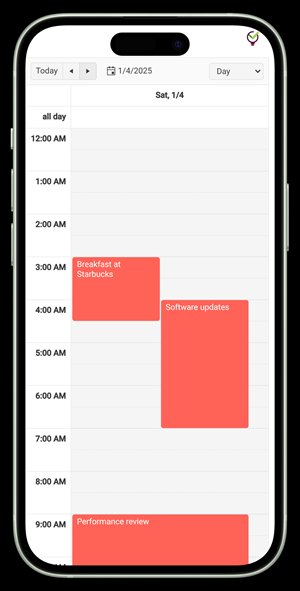
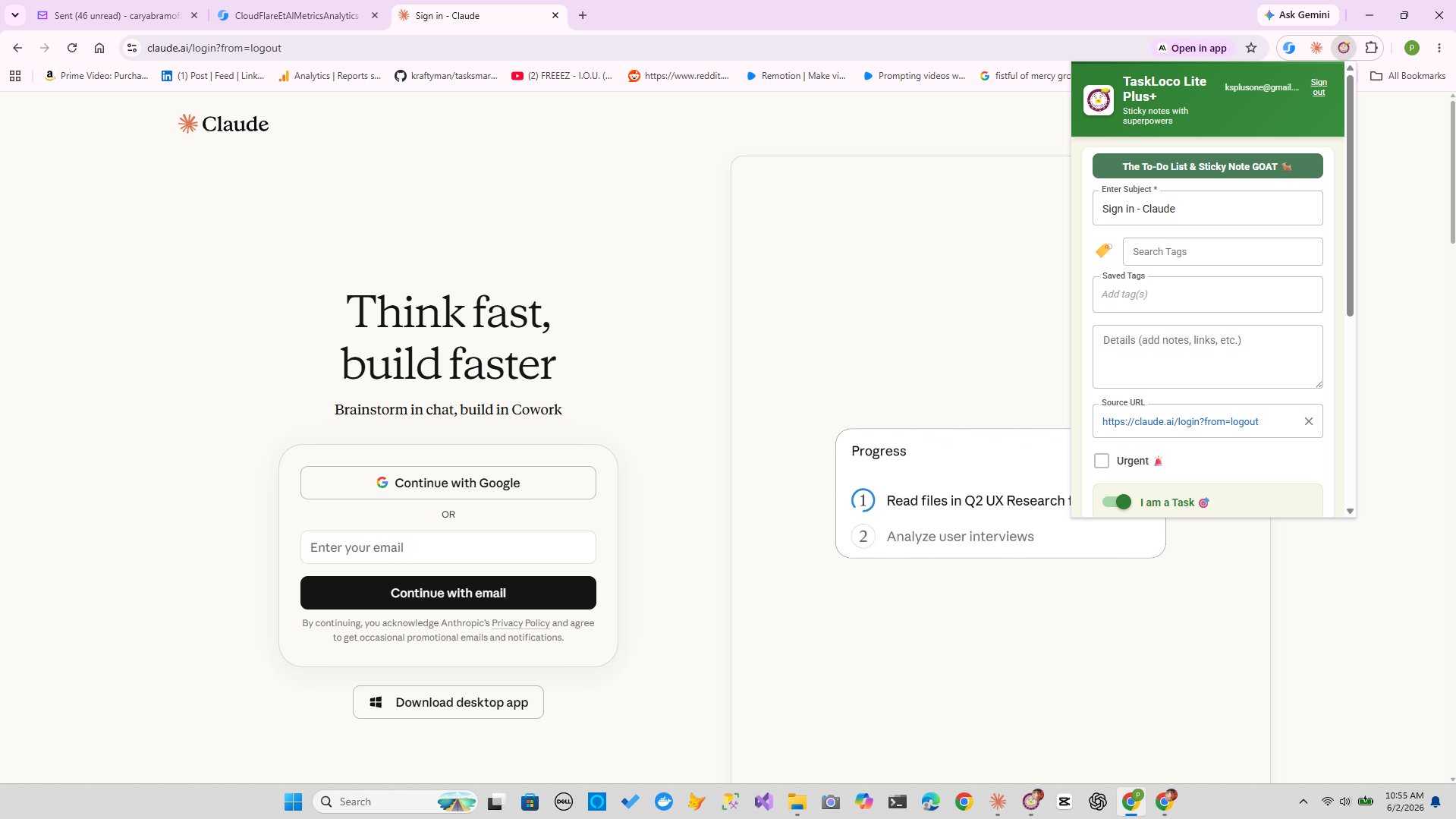
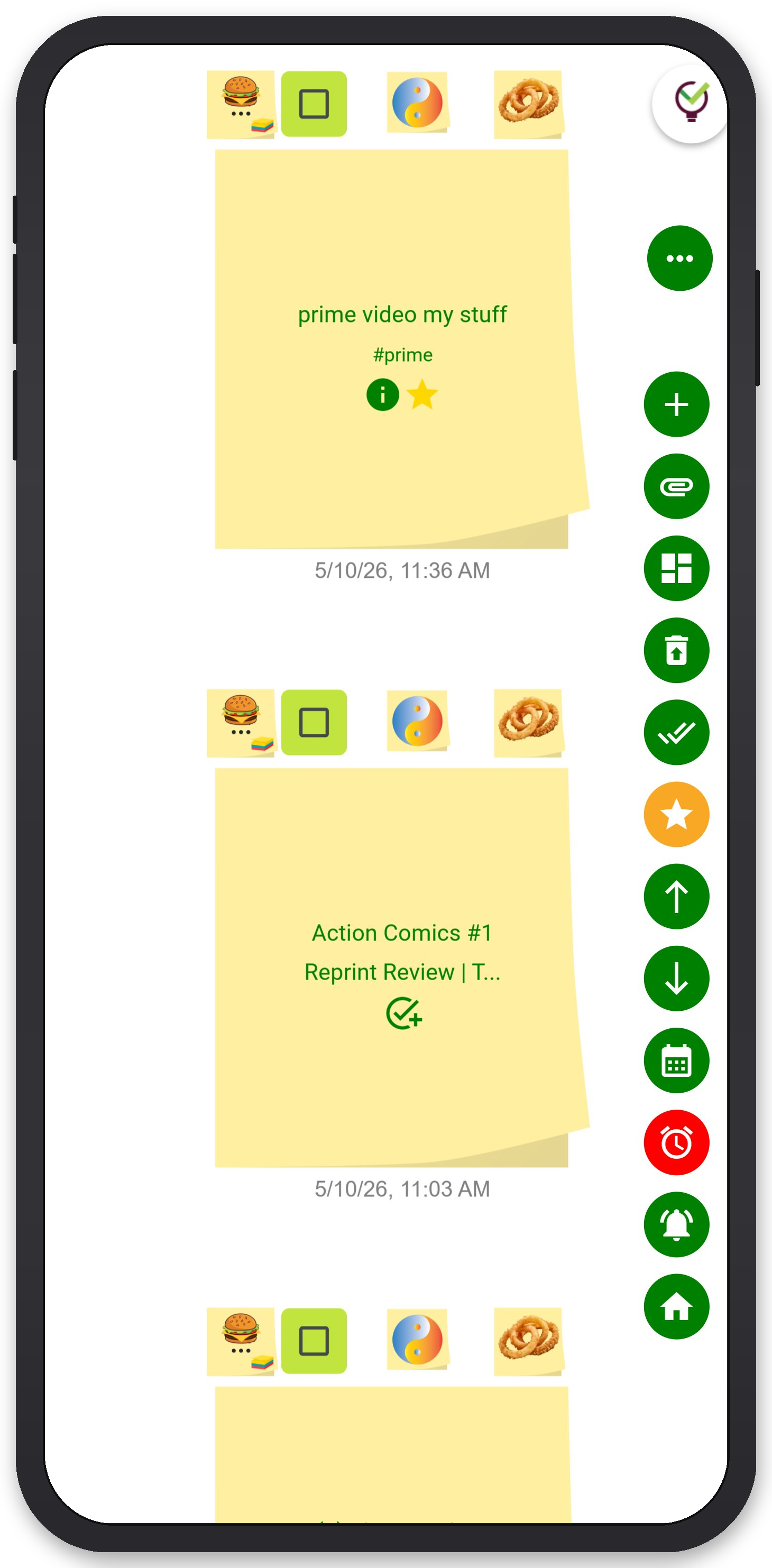
For goal work that involves projects or deadlines, TaskLoco's combination of notes, reminders, and file attachments creates a natural tracking system. Set up notes for each goal with weekly action items, attach relevant files or research, and use reminders to maintain momentum on key milestones. The visual organization helps you see progress patterns and identify where adjustments are needed.
Review your tracking data weekly, not daily. Daily fluctuations don't matter — weekly patterns reveal whether you're on track or need to modify your approach. Use this data to celebrate wins and problem-solve obstacles before they derail progress.
TaskLoco Premium is regularly $9.99/month per person. Right now, charter members can lock in 50% off the regular price — forever. That means $4.99/month per person today. And if our price ever goes up, you still pay half. Always.
Code CHARTER50 auto-applies at checkout. First 500 spots only — once they're gone, this offer is gone permanently. Act fast while spots last.
Every Premium subscription includes unlimited notes, 10GB file storage, reminders, calendar, and team sharing. Each team member requires a separate subscription. 7-day free trial — no charge until day 8. Cancel anytime.
Free Options: TaskLoco
TaskLoco Lite
- Native iPhone & Android app
- Completely anonymous — no sign-in
- Data stays on your device
- Up to 20 notes
- Free forever
TaskLoco Lite Plus+
- Web app + Chrome extension
- Sign in with Google
- Wall syncs across all devices
- Up to 30 notes
- Free forever
Lock In 50% Off — Forever
7-day free trial. No charge until day 8. CHARTER50 auto-applies at checkout.
🔒 Lock In My Charter SpotSee TaskLoco in Action
Frequently Asked Questions
How long should I give myself to achieve a goal?
Most goals benefit from 90-day cycles with weekly check-ins. This timeframe is long enough for real progress but short enough to maintain urgency. Break annual goals into four 90-day sprints rather than trying to sustain motivation for 12 months straight.
What if I keep failing to follow through on my goals?
Repeated failure usually means the goal is too big or too vague. Apply the 2-minute rule to make starting easier, and focus on tracking behaviors rather than outcomes. Most people try to change too much at once — pick one goal and nail the daily actions before adding more.
Should I tell other people about my goals?
Research is mixed on this. Telling people can create accountability, but it can also give you a premature sense of accomplishment that reduces motivation. If you share goals, focus on asking for specific support (workout partner, weekly check-ins) rather than just announcing your intentions.
How do I stay motivated when progress is slow?
Track leading indicators (behaviors you control) rather than lagging indicators (outcomes that take time). Celebrate consistency over results — if you completed your planned actions this week, that's success regardless of whether the scale moved or the promotion came through.
What's the best way to track multiple goals at once?
Limit yourself to 2-3 major goals at a time, and use a simple weekly scorecard for each. $9.99/month per person (currently $4.99/month per person for first 500 charter members with code CHARTER50) Focus on different life areas (health, career, relationships) so they support rather than compete with each other.
How often should I review and adjust my goals?
Review weekly for tactical adjustments (what worked, what didn't) and monthly for strategic changes (are these still the right goals). Annual or quarterly reviews help you course-correct major direction changes, but weekly reviews keep you on track day-to-day.
What if my goal requires skills I don't have yet?
Build skill acquisition into your goal plan. Instead of "launch a business," try "complete online marketing course in month 1, research competitors in month 2, create minimum viable product in month 3." Learning becomes part of the weekly actions rather than a barrier to starting.
Born in Brooklyn. Powered by AWS. Your data stays yours.
TaskLoco is available on iPhone, Android, Chrome, and every web browser.