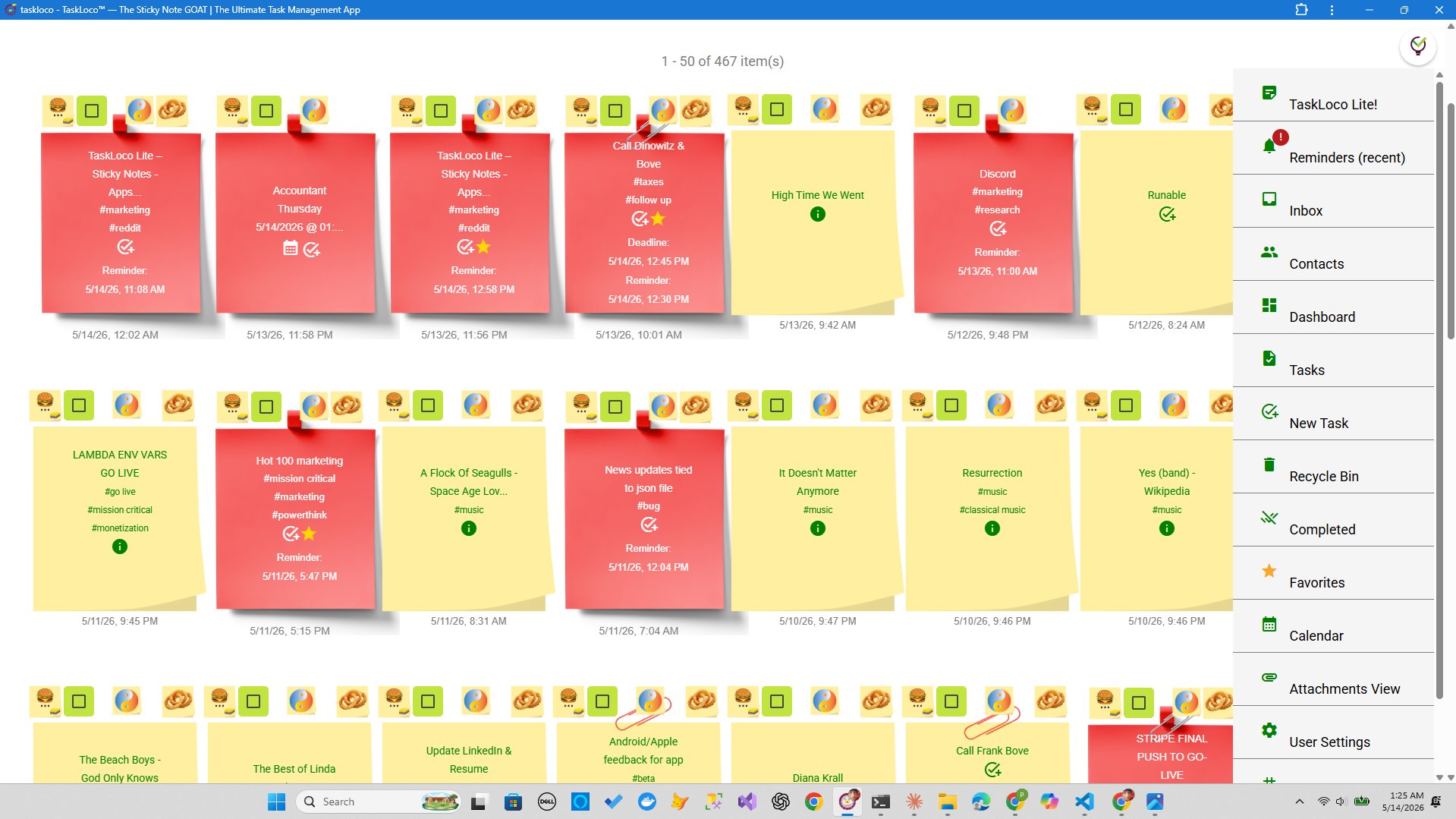
You've been in this meeting. Someone pulls up a Notion page, clicks through three nested databases, filters a view, realizes the linked database is in a different workspace, and by the time the right page loads everyone has already moved on. Notion is not slow because of bad engineering. It's slow because it was built to be a wiki, not a workhorse.
The distinction matters more than people admit. A filing cabinet is indispensable — until you need to actually build something. Then you need an assembly line: a system that hands work forward, surfaces what's due, and keeps the whole team moving without anyone having to curate a database view to find out what they're supposed to do today. That's exactly the gap TaskLoco was designed to fill.
What to Look for in a Daily Execution Tool
Before we talk about any specific product, it helps to name what a daily execution tool actually needs to do — because this category gets muddled with note-taking apps, project management platforms, and wikis constantly. They are not the same thing.
A daily execution tool is software you open first thing in the morning to understand what needs to happen today and to move work forward across a team. By that definition, three criteria actually matter:
- Speed to action. The tool should go from launch to task-captured in under ten seconds. If you're building a schema before you can write a to-do, you've already lost the morning.
- Proactive delivery. The tool should come to you — via push notifications, reminders, calendar alerts — rather than requiring you to go hunting for what's next. Passive information storage is a wiki. Active work delivery is an execution tool.
- Frictionless sharing. When something needs to move from you to a teammate, that handoff should take one step. Not a permission settings panel. Not a database duplication wizard. One step.
Most apps in this space fail at least one of these. Project management tools often nail proactive delivery but bury it under enterprise complexity. Note apps nail speed but lack any push. Wikis — Notion included — excel at organization but make you do the work of surfacing what matters today.
Why Notion Keeps Failing the Assembly Line Test
Notion's founding insight was brilliant: structured data and free-form writing shouldn't live in separate apps. That insight produced one of the most flexible knowledge bases ever built. It also produced a tool with a fundamental execution problem — everything in Notion requires you to go get it.
There are no push notifications for tasks in Notion's core product. Reminders exist, but they're reminder-lite — a bell icon, not a system that surfaces your work on your phone or desktop before you've even opened the app. To know what you're supposed to do today in Notion, you have to open Notion, navigate to the right database, apply the right filter, and hope the view someone set up last month still makes sense. That is retrieval, not execution.
The template problem makes this worse. Notion's power comes from its flexibility, but flexibility in an execution tool is a trap. Every team that uses Notion seriously has spent real hours building and maintaining database templates, linked views, and filter presets just to approximate the behavior that a purpose-built task board delivers on day one. That's time spent managing the tool instead of using it.
And then there's sharing. Sharing a note or task in Notion means navigating page permissions, deciding between full access and comment-only, and hoping the recipient has a Notion account with access to your workspace. If they don't, you're starting an onboarding flow instead of handing off work.
How TaskLoco Actually Runs the Day
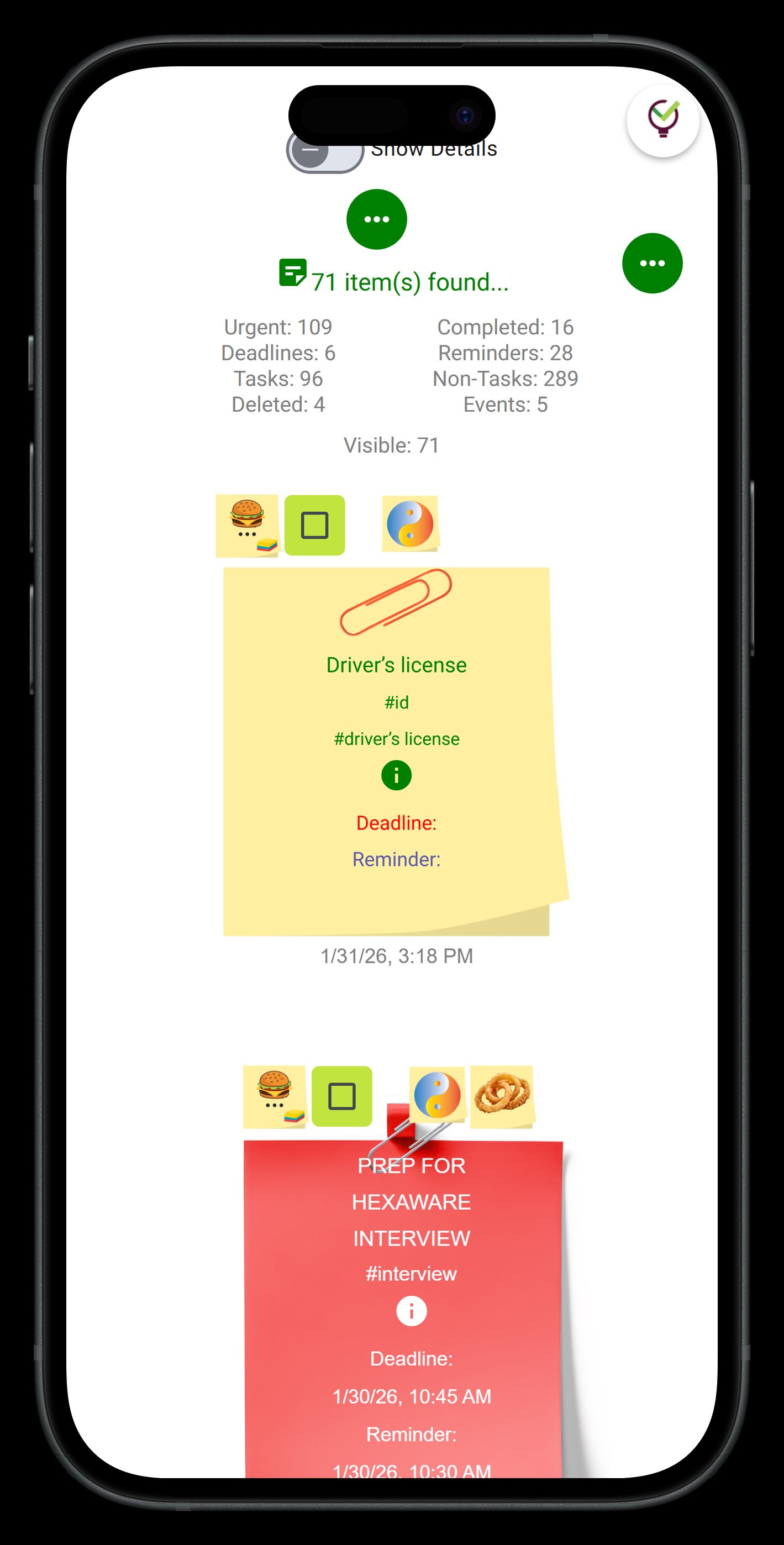
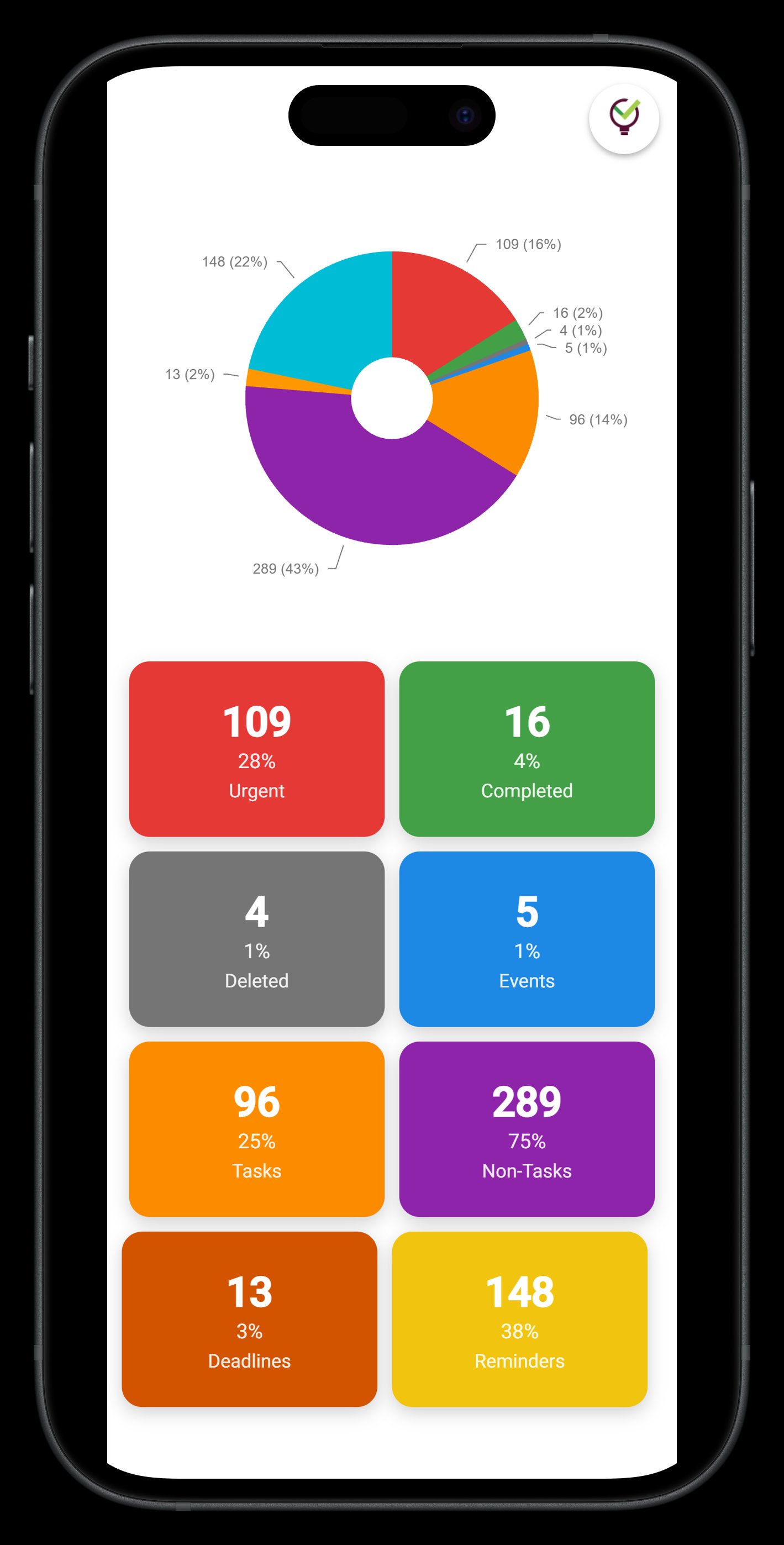
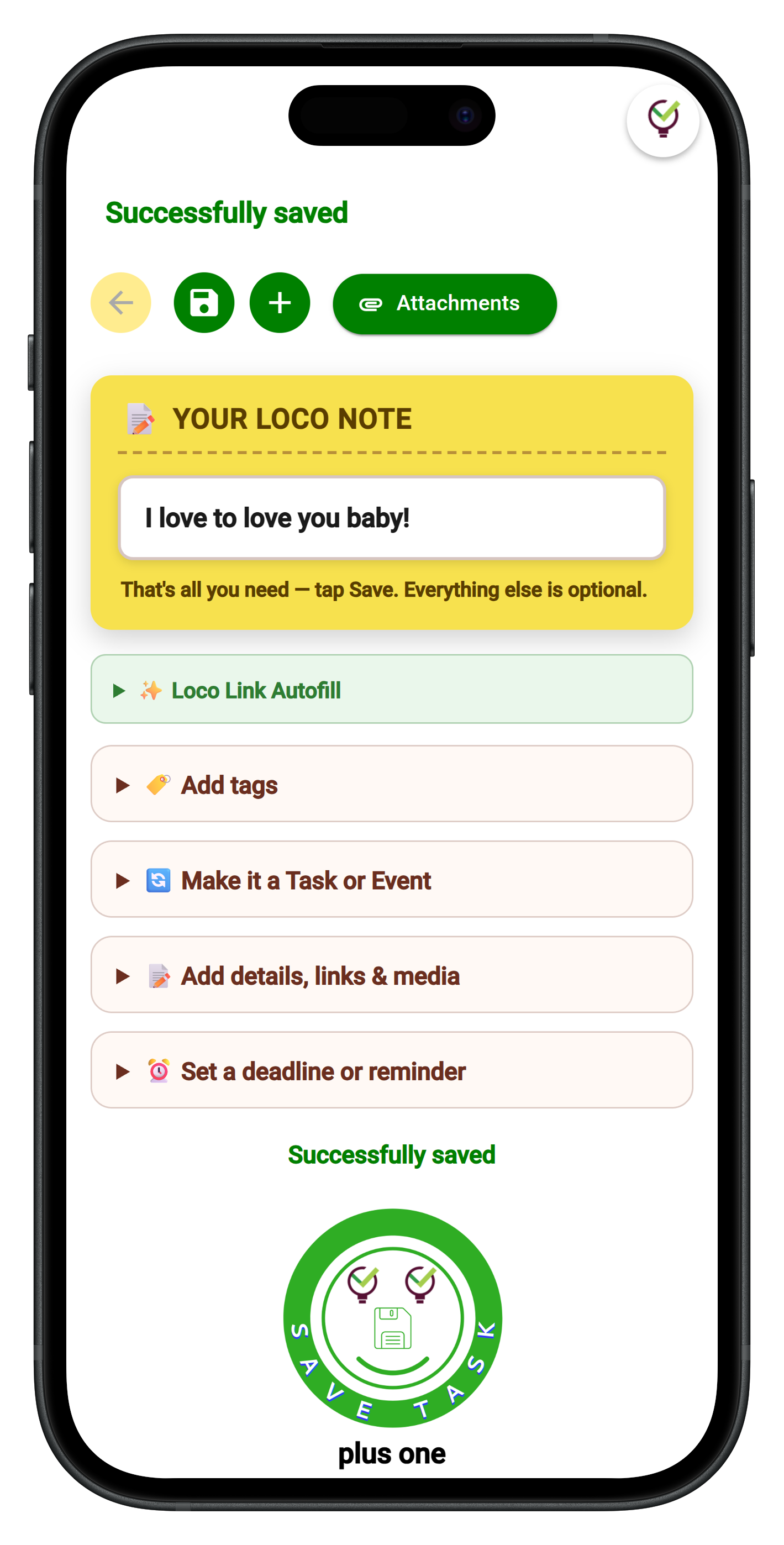
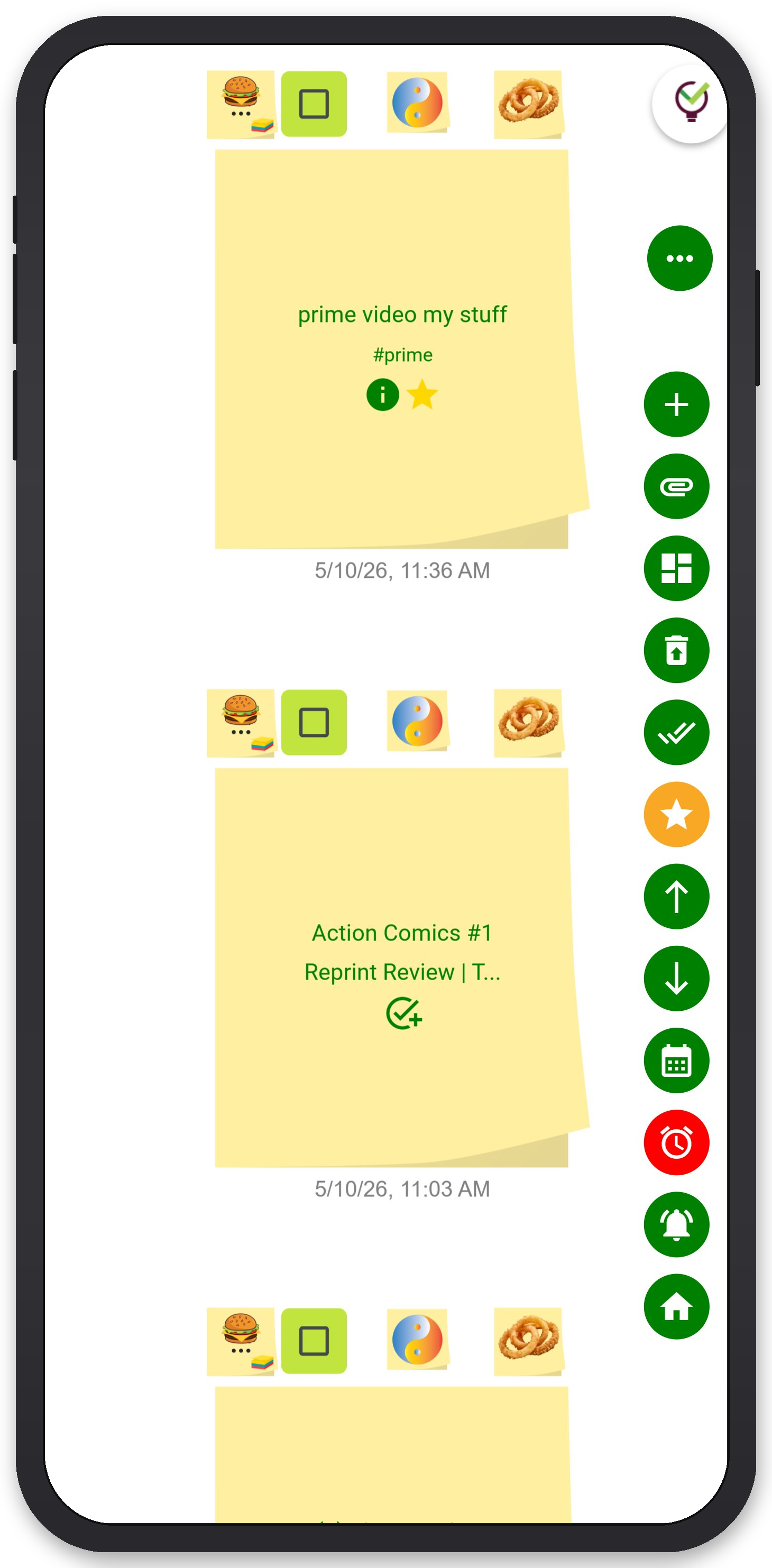
TaskLoco's mental model is a physical sticky-note wall, and that analogy does real work. A sticky note exists to be seen, acted on, and handed to someone else. It doesn't ask you to build a relational database before you can write on it. TaskLoco starts there and adds the layers that physical notes can't: sync across every device you use, reminders that fire as push notifications directly to your phone and computer, file attachments, a calendar view, and team sharing that works the way email does.
That last point is worth dwelling on. When you share a note in TaskLoco, your teammate receives it and can clone it as their own — they own their copy, can edit it freely, and don't need to navigate your workspace or request permissions. There are no access levels to configure. The note lands in their board the same way an email lands in an inbox: ready to act on.
Reminders in TaskLoco deliver as push notifications and deep-link back to the exact note they reference. Open the notification, you're looking at the task — not the app's home screen, not a dashboard, the task. Optional email and SMS channels are available on top of push if your team wants belt-and-suspenders coverage.
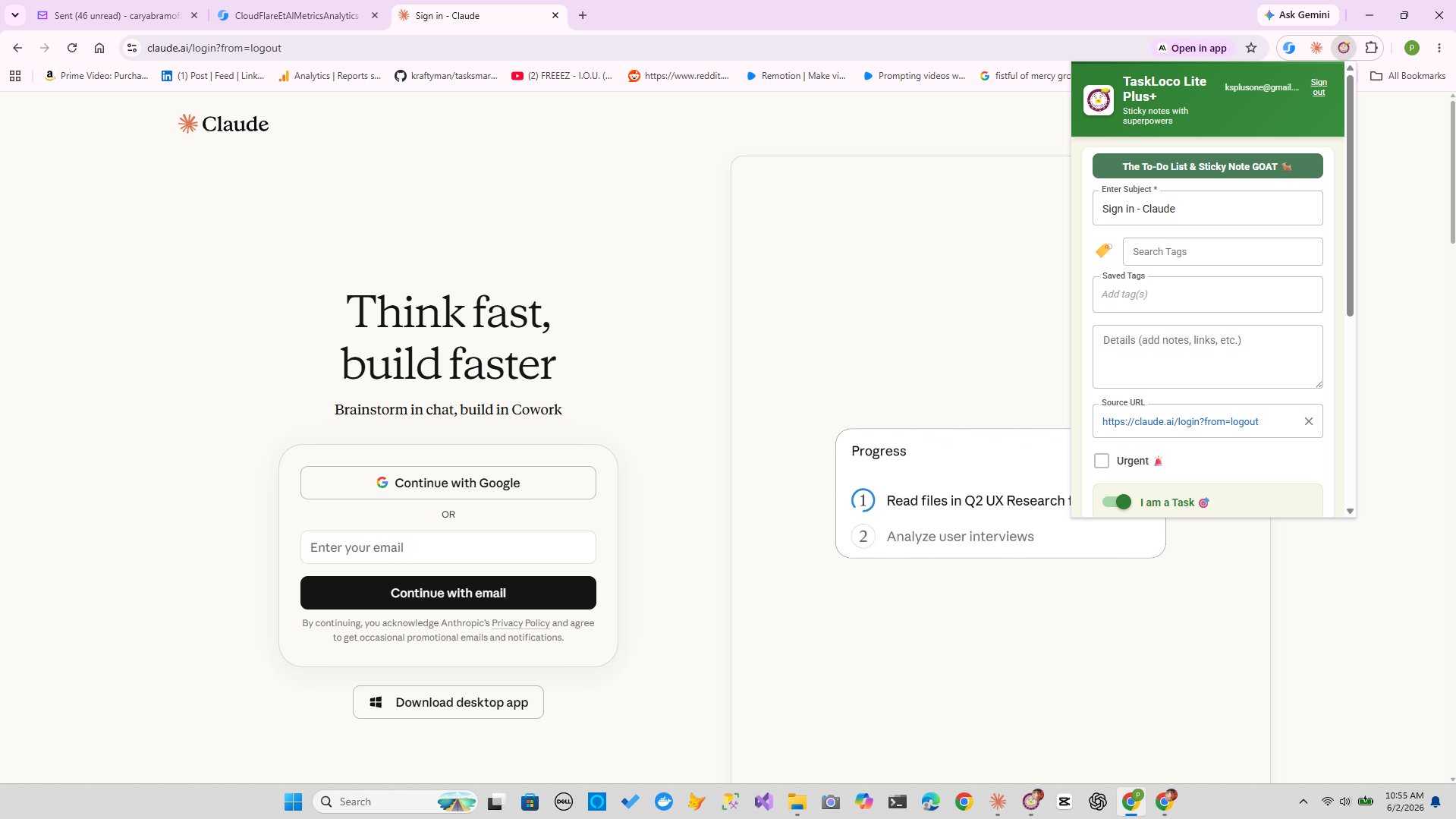
The Chrome extension extends this into your browser. Any webpage — a spec doc, a support ticket, a job posting — becomes a TaskLoco note in one click. That's the capture speed that an execution tool needs: frictionless enough that you actually use it instead of leaving seventeen browser tabs open as a makeshift to-do list.
Files, Storage, and the Chrome Extension — Features That Close the Gap
One of the quieter arguments for Notion is that it centralizes everything: docs, images, PDFs, embeds. That argument has real merit. But it also assumes you want one app to be both your knowledge base and your execution system — and that assumption is exactly what gets teams into trouble.
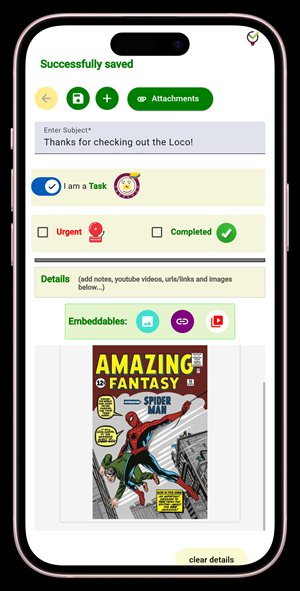
TaskLoco Premium gives every subscriber 10GB of file storage. Attach a PDF brief to the note that references it. Attach a screenshot to the bug report. Attach a contract to the client follow-up. The file lives on the note, not in a folder three clicks away. Extra storage tiers — 10GB, 50GB, 200GB, 1TB — are available as stackable add-ons if a team needs more.
The Chrome extension handles capture from the web in one click. You're reading a competitor's pricing page, a news article, a vendor proposal — click the extension, and it becomes a TaskLoco note with the source URL preserved. For teams doing research, competitive intelligence, or content planning, this is the kind of friction-reduction that actually changes behavior.
TaskLoco Lite Plus+ — the free tier that syncs across devices via web and Chrome extension — includes the extension at no cost. Premium layers in reminders, file attachments, unlimited notes, and team sharing on top of that foundation. For anyone starting out, there's also a completely anonymous native app — TaskLoco Lite — available on iPhone and Android, no sign-in required, up to 20 notes stored locally on your device. It's a zero-commitment starting point, though it doesn't sync and doesn't include reminders or attachments.
How TaskLoco Compares
| Feature | TaskLoco | Notion |
|---|---|---|
| Core metaphor | Sticky-note board — built for action and handoff | Wiki / database — built for storage and retrieval |
| Free tier | Two free tiers: Lite (20 notes, no sign-in, native app) and Lite Plus+ (30 notes, synced, web + Chrome extension) FREE | Free tier available with limited blocks and features |
| Speed to first note | Open app, type, done — no schema required | Choose template, configure database, add properties — then type |
| Push notification reminders | Reminders fire as push notifications to phone and computer, deep-linking to the exact note | Limited native push reminder support in core product |
| Optional email reminders | Available as an optional additional channel | Not a primary reminder delivery mechanism |
| Optional SMS reminders | Available as an optional add-on | Not available natively |
| Team sharing | Yes — included with Premium. Each team member requires a separate subscription — currently $9.99/month per person, but TaskLoco is offering a Charter Member special: 50% off for life, currently $4.99/month per person for the first 500 subscribers with code CHARTER50. | Requires workspace membership and permission configuration |
| File attachments | 10GB included with Premium; extra storage tiers available as add-ons | File uploads available but tied to block storage limits |
| Chrome extension | One-click webpage capture — free, creates a note with source URL FREE | Web clipper available |
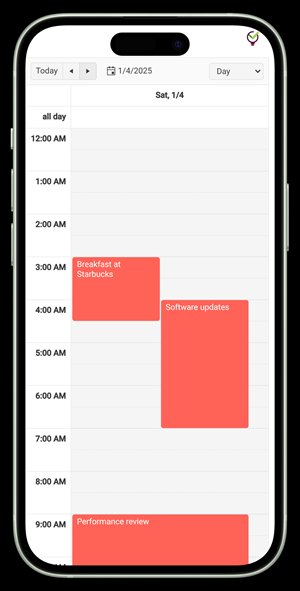
| Calendar view | Built into Premium — no configuration needed | Calendar view available through linked databases |
| Cross-device sync | Lite Plus+ and Premium sync across all devices in real time FREE | Syncs across devices with an account |
| Native mobile app | TaskLoco Lite: native iPhone and Android app, anonymous, no sign-in, 20 notes on device | Full-featured native iOS and Android apps with sync |
| Knowledge base / wiki | Not the core use case — TaskLoco is built for execution, not encyclopedic documentation | Best-in-class wiki and knowledge base functionality |
| Gantt charts / timelines | Not available | Timeline view available |
| Database / custom fields | Not available — TaskLoco uses notes, not relational databases | Powerful relational databases with custom properties |
| Anonymous use (no account) | TaskLoco Lite: completely anonymous, no sign-in ever required FREE | Account required for all tiers |
| Subscription model | One straightforward price per person — no seat-tier pricing games | Multiple plan tiers with varying per-seat costs |
Who Should Use Each
Use the TaskLoco if…
- You want a board that shows you what to do today without any setup or database-building
- You need reminders that push to your phone and computer and land you directly on the right note
- Your team shares work constantly and needs handoffs that take one step, not a permissions conversation
- You capture ideas and tasks from the web and want a Chrome extension that turns any page into a note in one click
- You attach files to your tasks and want 10GB of storage included without managing a separate file system
- You want a straightforward per-person price with a permanent charter discount while spots last
Use Notion if…
- Your team's primary need is a shared wiki or knowledge base, not daily task execution
- You need relational databases with custom properties and multiple linked views
- Your workflow depends on Gantt charts, project timelines, or dependency mapping
- You want a full-featured native mobile app with complete sync parity on iOS and Android
TaskLoco Premium is regularly $9.99/month per person. Right now, charter members can lock in 50% off the regular price — forever. That means $4.99/month per person today. And if our price ever goes up, you still pay half. Always.
Code CHARTER50 auto-applies at checkout. First 500 spots only — once they're gone, this offer is gone permanently. Act fast while spots last.
Every Premium subscription includes unlimited notes, 10GB file storage, reminders, calendar, and team sharing. Each team member requires a separate subscription. 7-day free trial — no charge until day 8. Cancel anytime.
Free Options: TaskLoco
TaskLoco Lite
- Native iPhone & Android app
- Completely anonymous — no sign-in
- Data stays on your device
- Up to 20 notes
- Free forever
TaskLoco Lite Plus+
- Web app + Chrome extension
- Sign in with Google
- Wall syncs across all devices
- Up to 30 notes
- Free forever
Lock In 50% Off — Forever
7-day free trial. No charge until day 8. CHARTER50 auto-applies at checkout.
🔒 Lock In My Charter SpotSee TaskLoco in Action
Frequently Asked Questions
Can Notion be used as a daily task manager?
Technically yes — you can build a task database in Notion. Practically, it takes real setup time and ongoing maintenance to make it work. Notion doesn't push tasks to you proactively; you have to go retrieve them. For teams whose main need is daily execution rather than knowledge storage, a purpose-built tool like TaskLoco removes that friction entirely.
What does TaskLoco do that Notion doesn't?
TaskLoco delivers reminders as push notifications directly to your phone and computer, deep-linking to the exact note they reference. It lets teammates clone a shared note as their own without any permission configuration. And it captures any webpage as a note in one click via the Chrome extension — all without requiring any database setup to get started.
Is TaskLoco free to try?
Yes. TaskLoco Lite is a free native iPhone and Android app — completely anonymous, no sign-in, stores up to 20 notes on your device. TaskLoco Lite Plus+ is a free web app and Chrome extension that syncs up to 30 notes across all your devices with a Google sign-in. Premium adds reminders, file attachments, unlimited notes, calendar view, and team sharing, with a 7-day free trial before any charge.
How does TaskLoco's team sharing work compared to Notion?
In Notion, sharing requires the recipient to have workspace access and you to configure permissions. In TaskLoco, sharing works like email: send a note to a teammate and they receive it, clone it as their own, and can edit their copy freely — no workspace membership, no permissions panel, no access levels to manage.
What is TaskLoco Premium's pricing?
$9.99/month per person (currently $4.99/month per person for first 500 charter members with code CHARTER50)
Does TaskLoco have a Chrome extension?
Yes — and it's free. The TaskLoco Chrome extension captures any webpage as a note in one click, preserving the source URL. It's available to Lite Plus+ and Premium users and is one of the fastest ways to pull research, specs, or reference material directly into your board without breaking your flow.
When should I stick with Notion instead of switching to TaskLoco?
Notion is the right choice when your primary need is a shared knowledge base or wiki — documentation, company handbooks, structured research databases, or any situation where the goal is storing and retrieving information rather than executing tasks. If you need relational databases with custom fields, timeline views, or Gantt charts, Notion covers that ground in ways TaskLoco doesn't. TaskLoco wins when you need to actually run the day.
Born in Brooklyn. Powered by AWS. Your data stays yours.
TaskLoco is available on iPhone, Android, Chrome, and every web browser.