Kanban boards look productive. Cards slide across columns, colors pop, and everything feels organized. But the Toyota Production System — the origin of Kanban — was never about moving cards around a board. It was about controlling the rate of work so nothing piles up downstream. Trello gives you the visual. It skips the discipline.
That gap matters more than most people realize. When you treat a Kanban board as a simple to-do list dressed in columns, you end up with a "Doing" lane stuffed with 17 cards, a "Done" lane that nobody ever archives, and a team that stops trusting the board entirely. Understanding what real assembly-line flow actually requires — and what software needs to support it — is the first step toward choosing a tool that actually helps.
What Kanban Actually Is — Before Any App Enters the Picture
Taiichi Ohno at Toyota didn't invent a board. He invented a signaling system. The word kanban literally means "signboard" or "signal card" in Japanese. A physical card traveled with a bin of parts. When the bin was used up, the card traveled upstream — it was a pull signal telling the supplier to produce exactly one more unit. Nothing moved until a signal arrived. That constraint was the whole point.
Three principles defined real Kanban from the start:
- Pull, not push. Downstream demand triggers upstream production. Work is never pushed into a stage that isn't ready to receive it.
- WIP limits. Each stage has a hard cap on how much work can be in progress at once. When the cap is hit, the upstream stage stops — it doesn't pile cards at the bottleneck.
- Flow visibility. Cycle time, throughput, and blockages are measured continuously so the system can be improved.
When you're choosing a task management tool and Kanban is on the label, these are the three criteria that actually matter: Does it enforce WIP limits? Does it surface blockages in real time? Does it close the loop between a signal and the person who needs to act on it?
Most teams don't need the full Toyota Production System. But they do need the core insight: if there's no limit on how much is "in progress" at once, and no signal that fires when something is blocked, the board becomes a parking lot — not a production line.
Where Trello's Kanban Diverges From the Real Thing
Trello is a genuinely well-designed product. Its drag-and-drop columns are clean, the card UI is familiar, and it gets teams up and running in minutes. But when you compare it against the three criteria above, the gaps become clear.
WIP limits aren't native. Trello has no built-in mechanism to cap how many cards can sit in a column. You can add a Power-Up to enforce limits, but it's opt-in, manual, and easy to ignore. In a real assembly line, the WIP limit is structural — it's physically impossible to push more parts into a full bin. In Trello, it's a number someone typed into a label that anyone can override.
There's no pull signal. When a card in "Review" is done, nothing automatically notifies the person in "Ready to Deploy" that a slot has opened. Someone has to remember to check the board, drag the card, and tell a human. That handoff friction is exactly what Kanban was designed to eliminate.
Reminders are shallow. Trello's due dates surface in a calendar, but the notification is a generic ping with a card title. It doesn't deep-link back to the card's full context in a way that lets you act immediately without re-navigating the board.
None of this makes Trello a bad tool. It makes it a visual list manager — which is genuinely useful — rather than a flow-control system. Knowing the difference saves you from building a workflow on top of an assumption that isn't true.
What Real Flow Looks Like — And How TaskLoco Fills the Gap
TaskLoco doesn't claim to replicate a Toyota factory floor. But it closes the most painful gap in Trello's model: the closed-loop signal between a task and the person responsible for it.
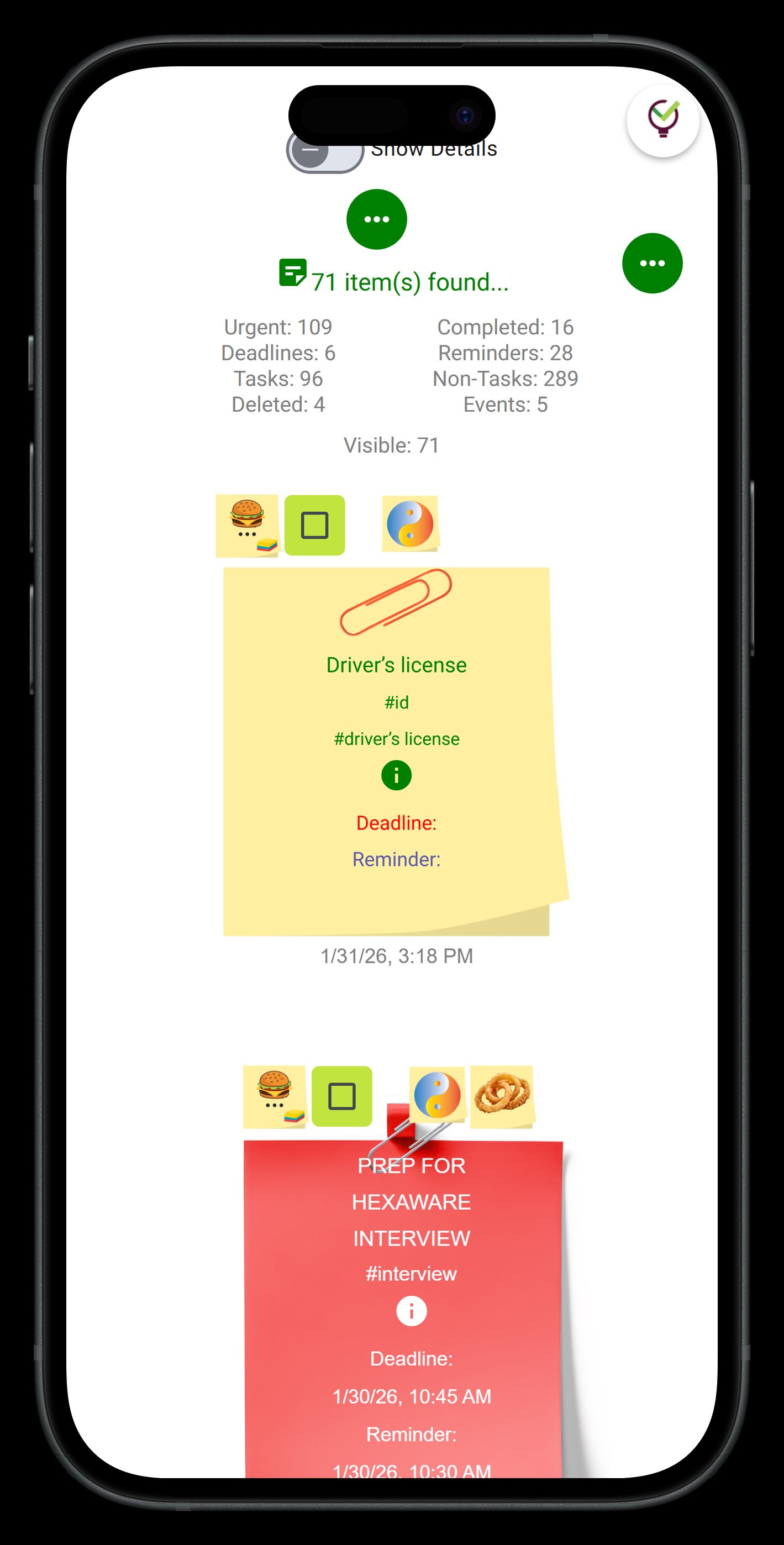
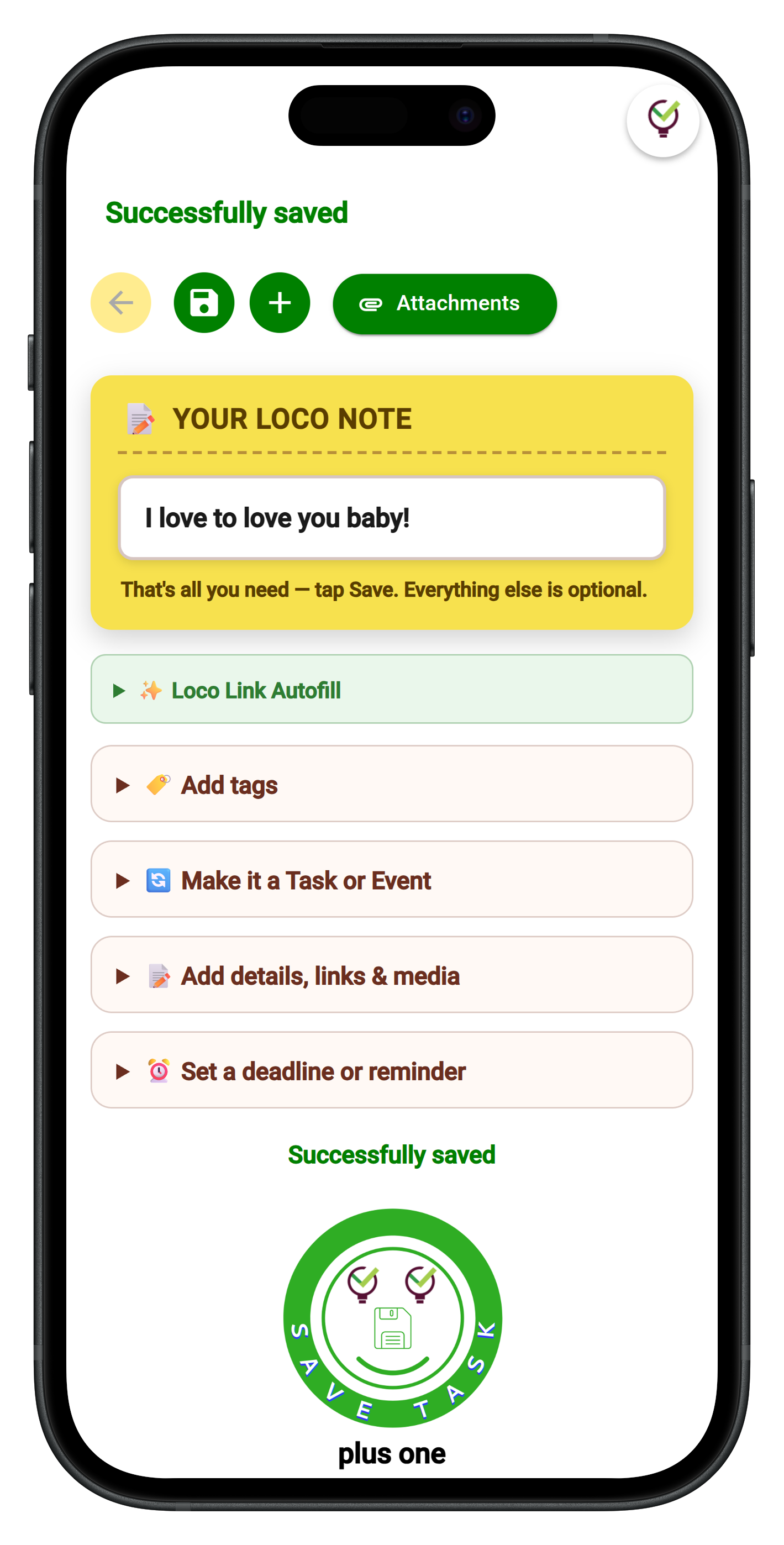
Every reminder in TaskLoco is delivered as a push notification — to your phone and your computer. Tap it, and you land directly inside the note that triggered it. Not the home screen. Not a list. The exact note, with all its context, files, and checklist intact. That's the deep-link difference. In a real assembly line, the Kanban card physically accompanies the work. In TaskLoco, the reminder is the card — it travels to you.
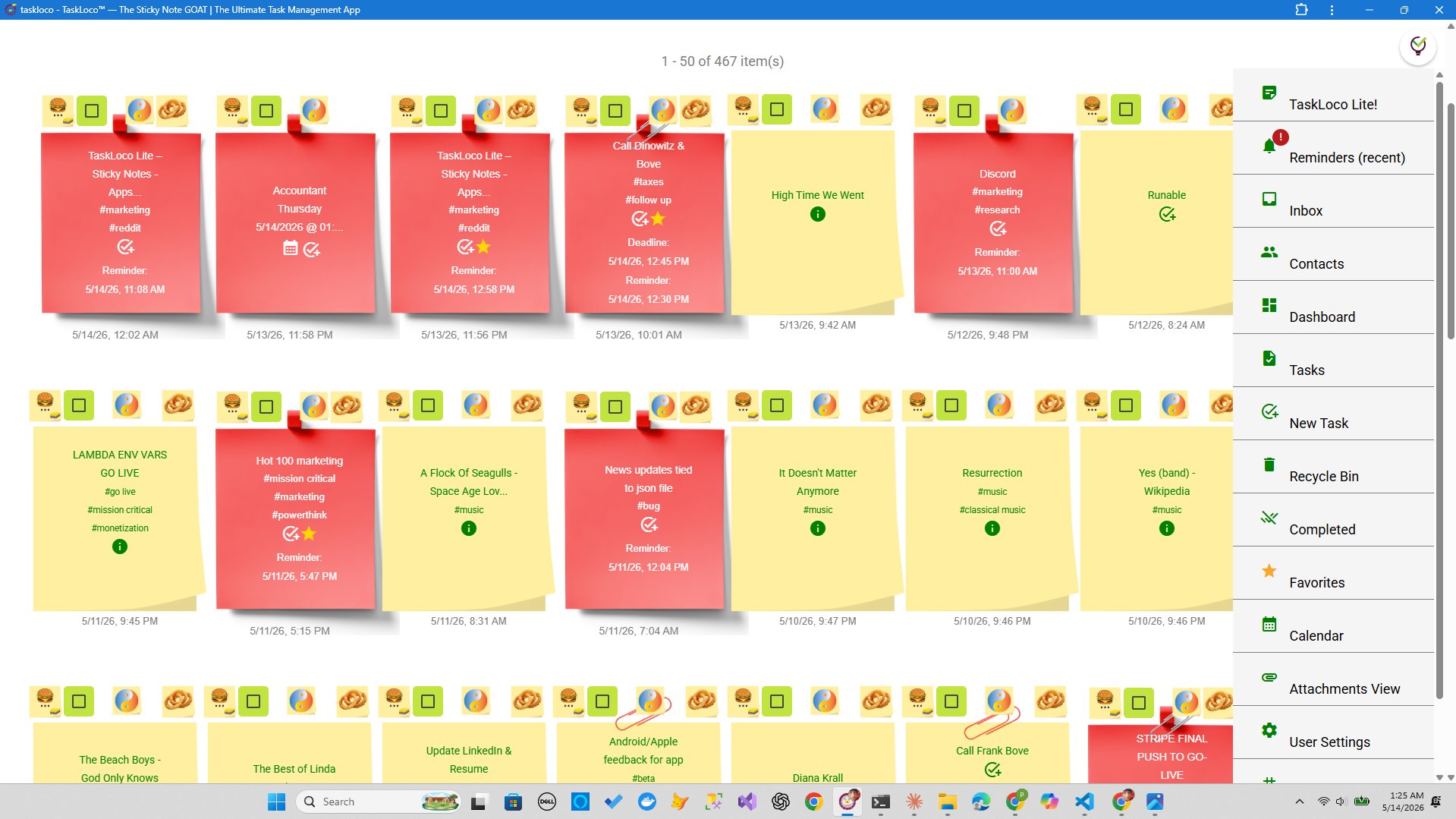
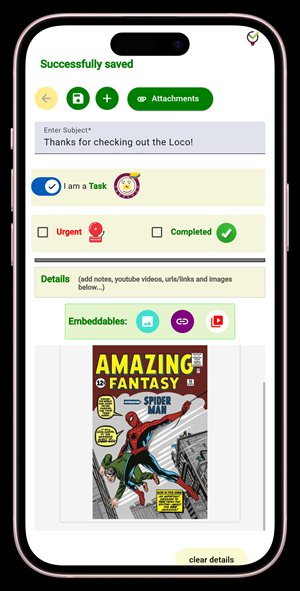
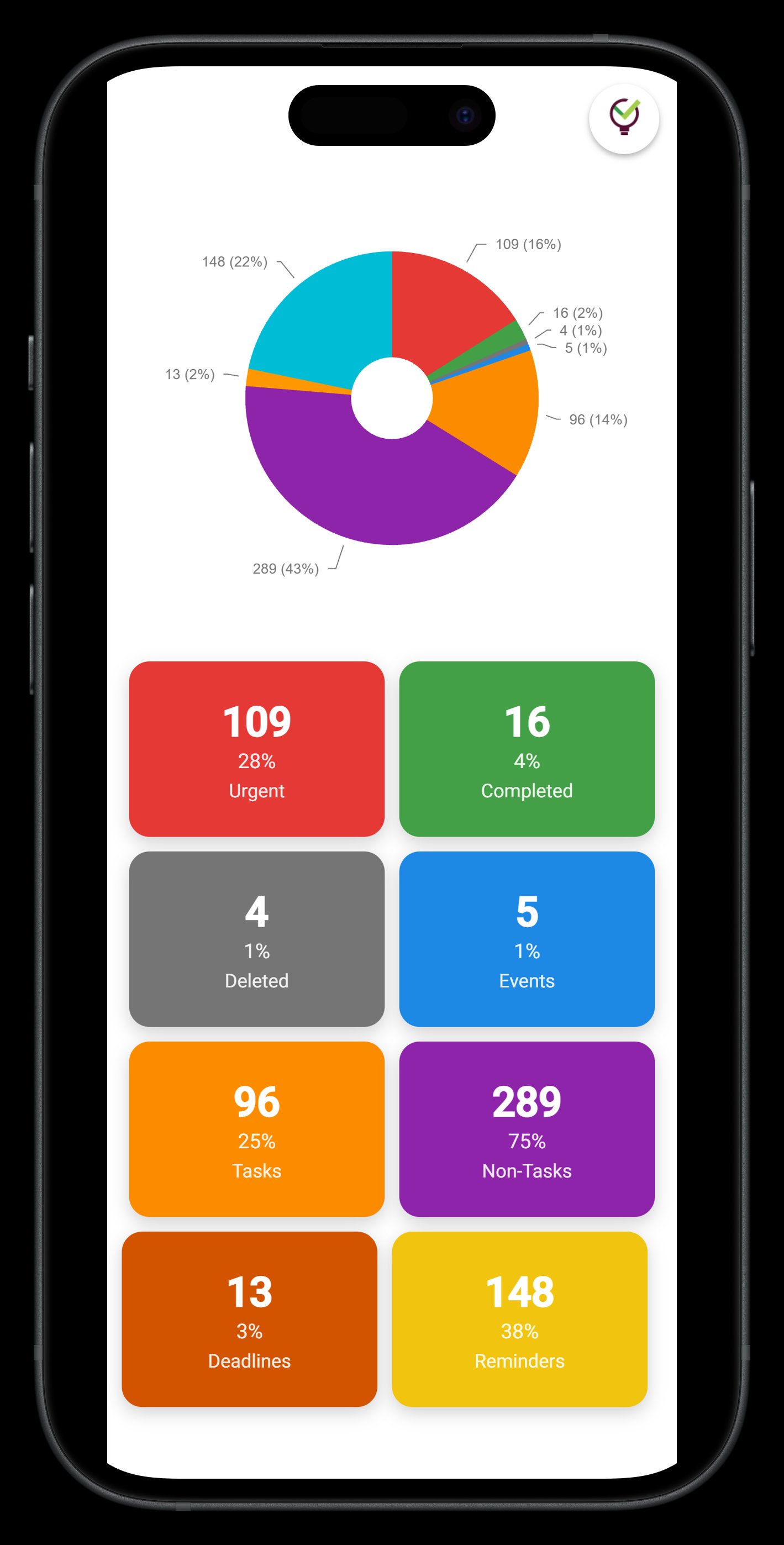
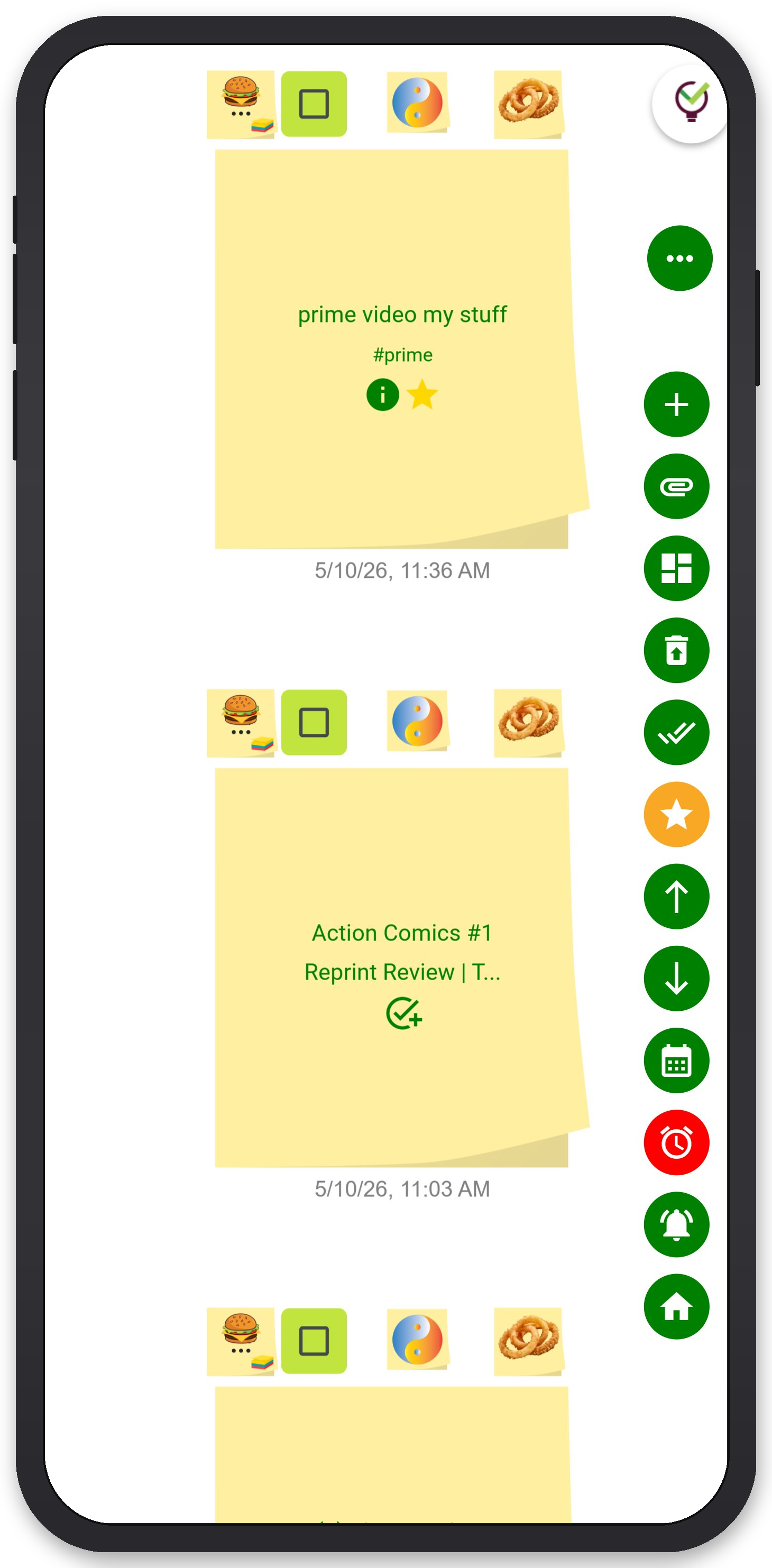
The sticky-note wall gives you the visual columns you're used to from Trello, but the underlying model is note-first rather than board-first. Each note can carry files (10GB of storage comes with Premium), a full task list, and a reminder that fires on time without anyone having to check a board. Optional email notifications and an SMS add-on mean the signal reaches people however they actually work.
Team sharing works like email: share a note, and the recipient can clone it and make it their own. No permission levels to configure, no access roles to assign. The note becomes theirs. That's closer to the physical Kanban card traveling downstream than a shared board where everyone is editing the same artifact simultaneously.
For teams that need genuine Gantt charts, project dependencies, or timeline views, TaskLoco isn't the answer. But for individuals and teams who want controlled, visible flow without enterprise overhead, the combination of a note wall, deep-linked reminders, and frictionless sharing is a better match for real Kanban thinking than a card board with no WIP discipline at all.
Choosing the Right Tool for the Way You Actually Work
Here's an honest framework. If your workflow genuinely benefits from a column-based visual board and you're disciplined enough to manually enforce WIP limits, Trello works. Its simplicity is a feature, and for visual thinkers who maintain their boards religiously, it earns its place.
But if you've watched your "In Progress" column balloon to twelve cards, if team members stop checking the board, or if reminders feel disconnected from the actual work — you're experiencing the gap between a Kanban board and Kanban discipline. No board fixes that on its own. What fixes it is a tighter loop between the task and the person.
TaskLoco's approach starts from the other direction: capture everything as a note, add a reminder that fires as a push notification and lands you directly in that note, share notes to teammates who own their own copy, and let the wall view give you the visual layout. You're not fighting the board. The board follows the notes.
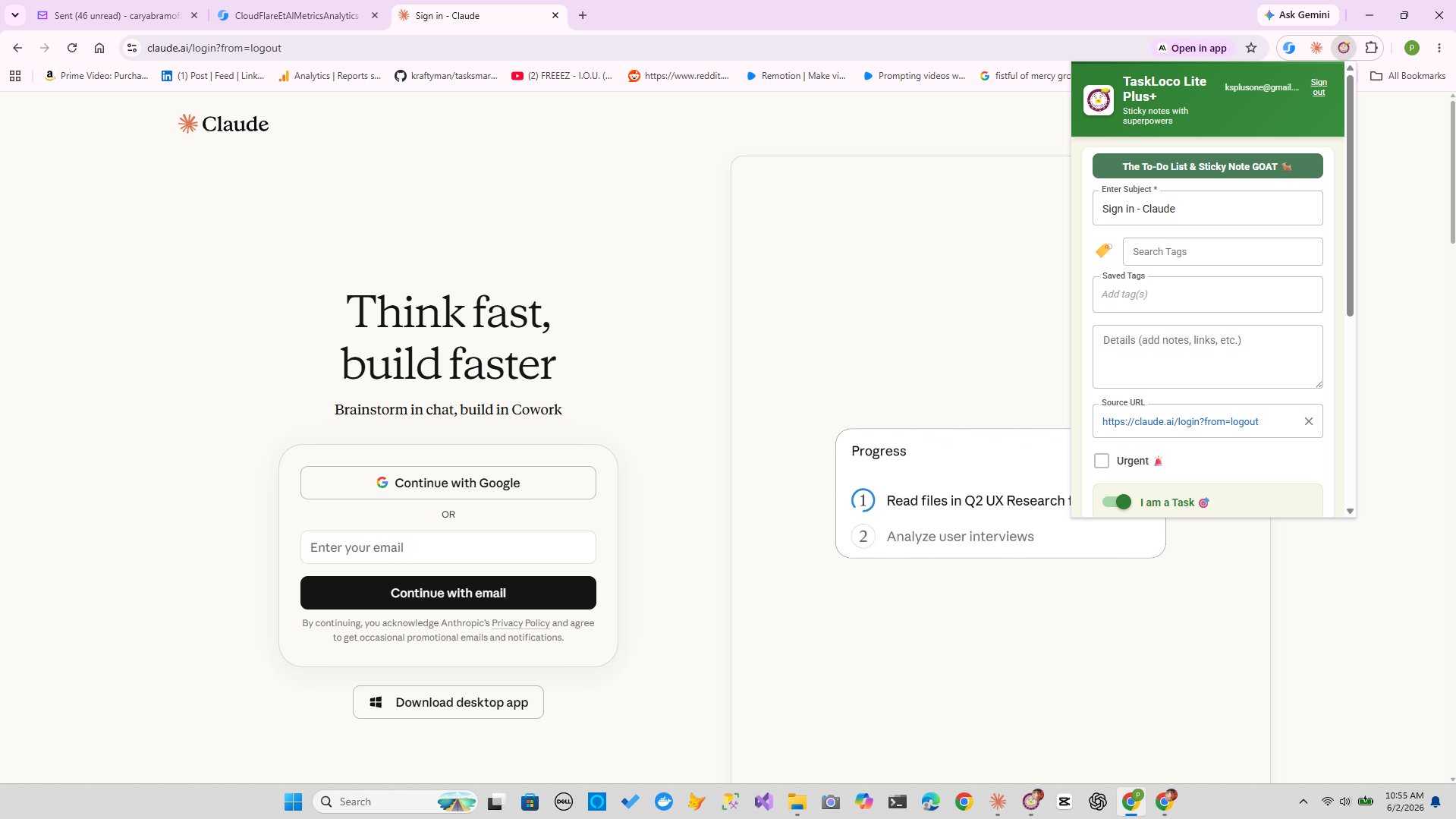
The Chrome extension lets you capture any webpage into a note in one click — useful for research tasks that tend to get lost between Trello cards and browser tabs. Lite Plus+ is free for up to 30 synced notes across all your devices. Premium unlocks unlimited notes, 10GB file storage, reminders, calendar view, and team sharing.
TaskLoco Premium is regularly $9.99/month per person. Right now, charter members can lock in 50% off the regular price — forever. That means $4.99/month per person today. And if our price ever goes up, you still pay half. Always.
Code CHARTER50 auto-applies at checkout. First 500 spots only — once they're gone, this offer is gone permanently. Act fast while spots last.
Every Premium subscription includes unlimited notes, 10GB file storage, reminders, calendar, and team sharing. Each team member requires a separate subscription. 7-day free trial — no charge until day 8. Cancel anytime.
Free Options: TaskLoco
TaskLoco Lite
- Native iPhone & Android app
- Completely anonymous — no sign-in
- Data stays on your device
- Up to 20 notes
- Free forever
TaskLoco Lite Plus+
- Web app + Chrome extension
- Sign in with Google
- Wall syncs across all devices
- Up to 30 notes
- Free forever
Lock In 50% Off — Forever
7-day free trial. No charge until day 8. CHARTER50 auto-applies at checkout.
🔒 Lock In My Charter SpotSee TaskLoco in Action
Frequently Asked Questions
What is the actual difference between Trello's Kanban and real Kanban?
Real Kanban (from Toyota's production system) enforces three things: pull-based flow, WIP limits that physically cap how much work enters a stage, and continuous measurement of cycle time and blockages. Trello gives you columns and cards — the visual interface — but doesn't enforce WIP limits natively, doesn't fire a pull signal when a downstream slot opens, and doesn't measure flow. It's a visual list manager that borrows Kanban's aesthetic without the discipline that makes Kanban work.
Does Trello have WIP limits?
Not natively. Trello offers a Power-Up that lets you add WIP limits to columns, but it's optional, manual, and easy to override. In a real Kanban system, WIP limits are structural constraints — work physically cannot enter a full stage. In Trello, the limit is a number someone typed into a label. That's a meaningful difference when you're trying to control flow rather than just visualize it.
Why does it matter that Trello's reminders don't deep-link?
When a reminder fires, you have a few seconds of attention before something else grabs it. If the notification takes you to a generic list and you have to navigate to the right card, most people don't bother — they dismiss the ping and forget about the task. A reminder that deep-links directly to the note (as TaskLoco's push notifications do) means you land in full context instantly.
Is TaskLoco a Kanban board?
TaskLoco is note-first, not board-first. The sticky-note wall gives you a visual layout you can organize however you like — including column-style arrangements — but the core unit is a note, not a card on a board. Each note carries its own tasks, files, and reminders. That structure is actually closer to the physical Kanban card (which travels with the work) than a board where cards are stationary and people have to go check them.
What does TaskLoco offer that Trello doesn't?
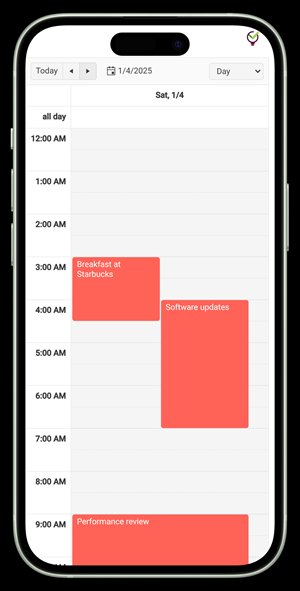
Push-notification reminders that deep-link to the exact note. File attachments (10GB with Premium). A calendar view built in. Team sharing where recipients clone a note and own their copy — no permission layers. A Chrome extension that captures any webpage into a note in one click. And a free tier (Lite Plus+) that syncs up to 30 notes across all your devices at no cost. $9.99/month per person (currently $4.99/month per person for first 500 charter members with code CHARTER50)
When should I still use Trello instead of TaskLoco?
If your team has built deep workflows around Trello's Power-Ups and integrations — especially with tools like Jira, Salesforce, or Slack — switching has real migration costs. If you need Gantt charts, project dependencies, or timeline views, TaskLoco doesn't offer those. And if your team genuinely maintains board discipline (WIP limits enforced, boards reviewed daily), Trello's simplicity is a real advantage. TaskLoco is the better pick when you want tighter task-to-reminder loops, file attachments, and a note-first model without enterprise complexity.
How much does TaskLoco cost?
$9.99/month per person (currently $4.99/month per person for first 500 charter members with code CHARTER50)
Born in Brooklyn. Powered by AWS. Your data stays yours.
TaskLoco is available on iPhone, Android, Chrome, and every web browser.