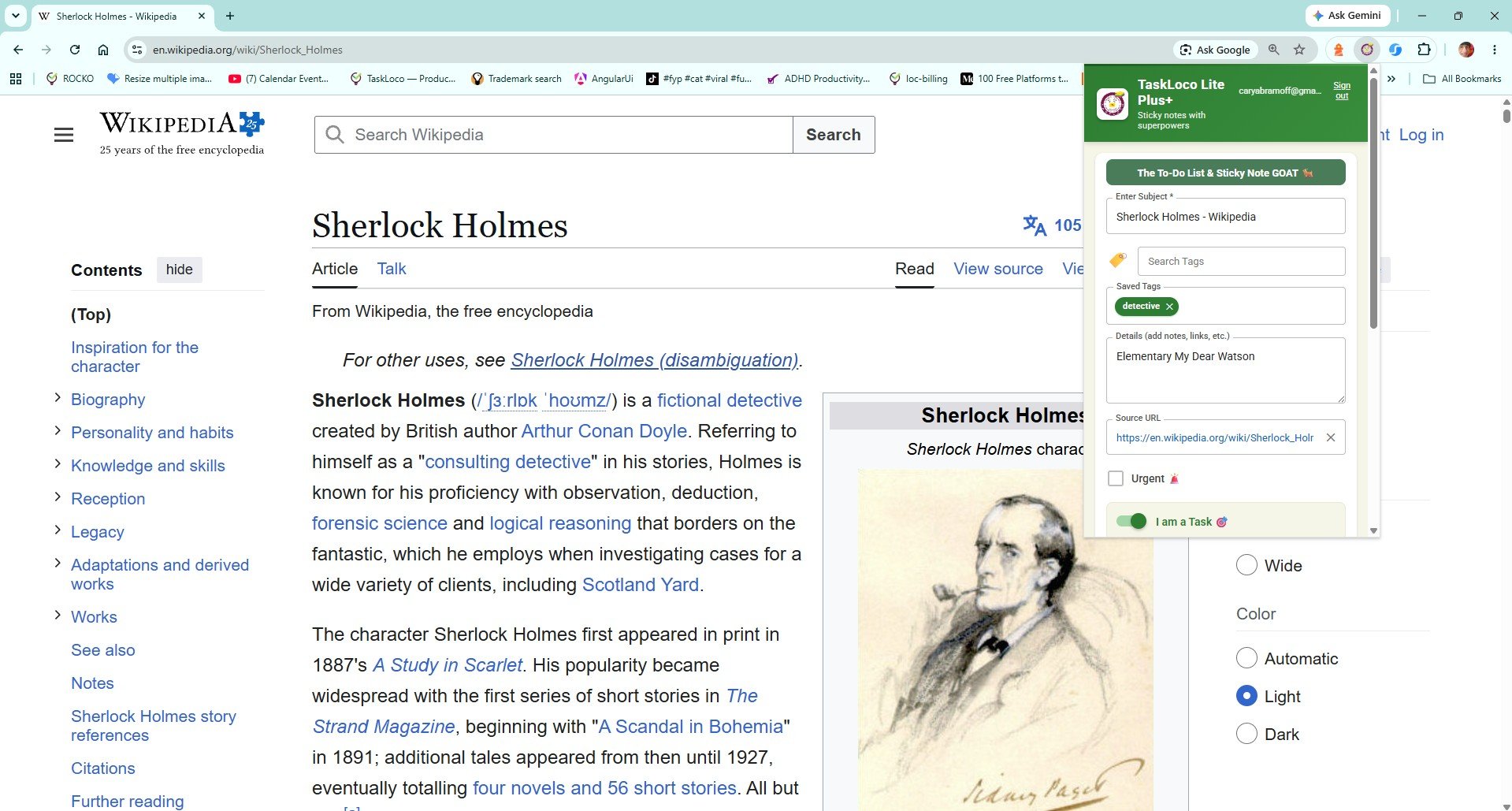
You're reading something good. You think you'll remember it. You don't. Or worse — you copy the URL, paste it into a note or a doc, and then stare at a wall of raw links three weeks later with no memory of why any of them mattered. Copy-paste is not a saving system. It's a delay before losing something.
The good news is you don't need to paste anything. There are real methods — some built into Chrome, some much better — that let you capture a page the moment you're on it, with zero friction. This guide walks through all of them so you can pick what actually fits how you browse.
The Built-In Options: What Chrome Already Gives You
Chrome has two native ways to save a page without copying the URL. Neither requires an extension, and both are worth knowing about — even if they have real limitations.
Bookmarks (Ctrl+D / Cmd+D): Hit the keyboard shortcut and the current page is saved to your bookmarks bar or a folder. The title and URL are captured automatically. No copy-paste required. The problem is that bookmarks are a flat list with almost no visual context — after a week of heavy browsing, a folder of 40 bookmarks is barely more useful than nothing. You can't see thumbnails, add notes, or recall why you saved something.
Reading List: Chrome's built-in Reading List (click the bookmark icon, then "Add to Reading List") is a lightweight queue for articles you intend to read once. It's fine for short-term holds, but it's not designed for research, reference material, or anything you want to find again by topic. There's no tagging, no search, and no sync to mobile that works reliably across devices.
If you're saving a handful of pages a year, bookmarks are probably enough. If you're saving things regularly — articles for a project, research sources, YouTube videos, news you want to revisit — you'll hit the ceiling fast.
Using a Browser Extension to Clip Pages Automatically
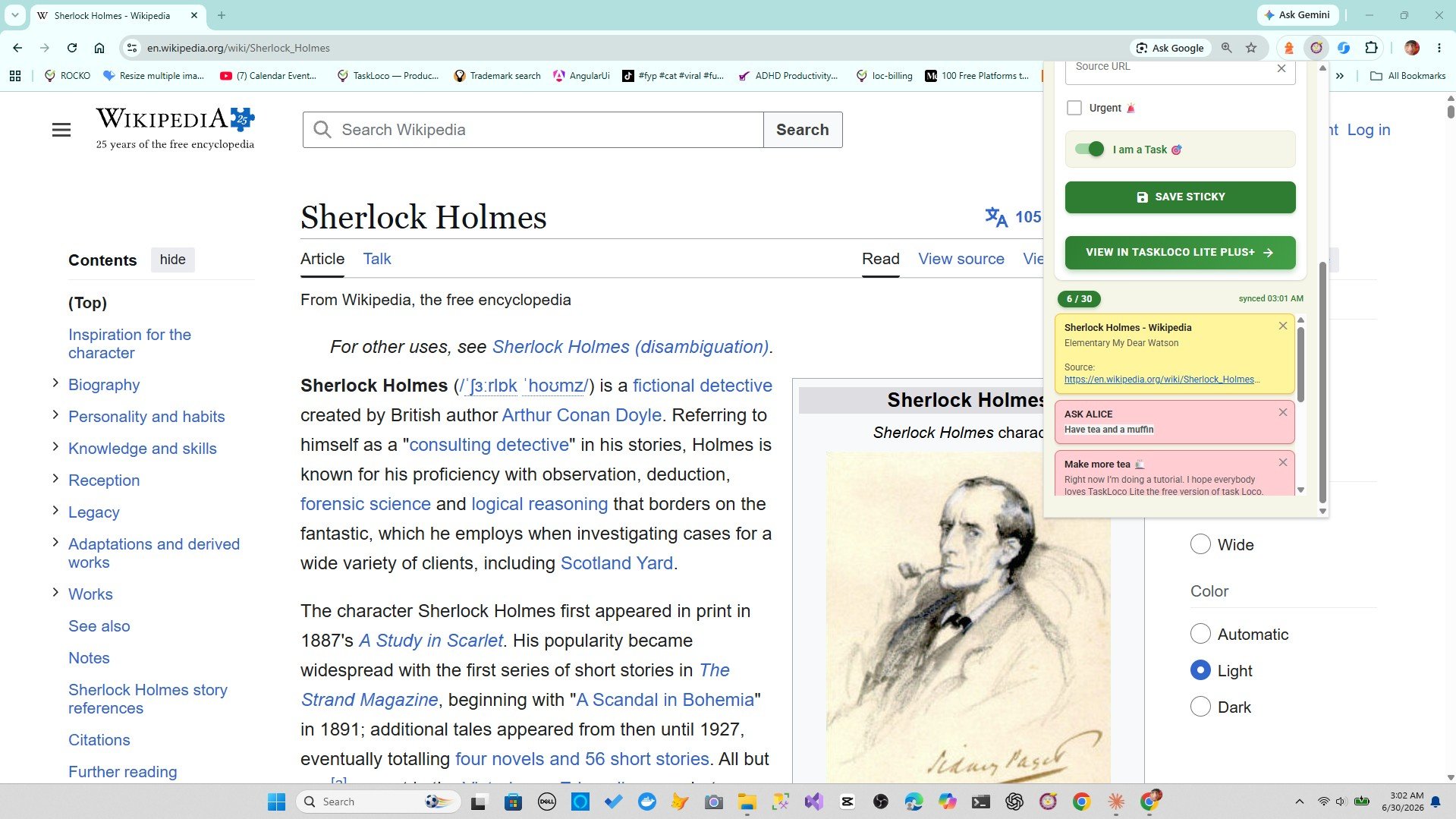
A web clipper extension sits in your Chrome toolbar and captures the current tab the moment you click it — title, URL, and sometimes a preview — with no manual input. This is the fastest no-paste method that actually scales.
There are a few options in this space, and they differ significantly in what they capture and how you retrieve things later.
Evernote Web Clipper is one of the oldest. It can save full-page HTML, articles, or simplified text. The capture is thorough, but the workflow involves choosing a notebook, adding tags, and confirming a format — there are several steps between clicking and done. It also requires an Evernote account, and the free tier is increasingly limited.
Notion Web Clipper saves pages as entries in your Notion workspace. If you already live in Notion, this makes sense. If you don't, setting up a Notion database just to save links is more infrastructure than most people want. Retrieval also depends on your database structure being well-organized upfront.
Raw bookmarks with folder structures avoid all third-party dependencies but bring back the original problem: no visual layout, no notes, no way to see what you were thinking when you saved something.
What you want is something that captures in one click, shows you what you saved in a way you can scan, and doesn't require building a whole organizational system before you save your first page.
Step-by-Step: How to Save a Page With the Sticky Note Web Clipper
If you want the fastest zero-paste save workflow available in Chrome, here's exactly how it works with the free Sticky Note Web Clipper:
- Install the extension from the Chrome Web Store — it's free. Sign in with your Google account.
- Navigate to any page you want to save — an article, a research source, a YouTube video, a product page, anything.
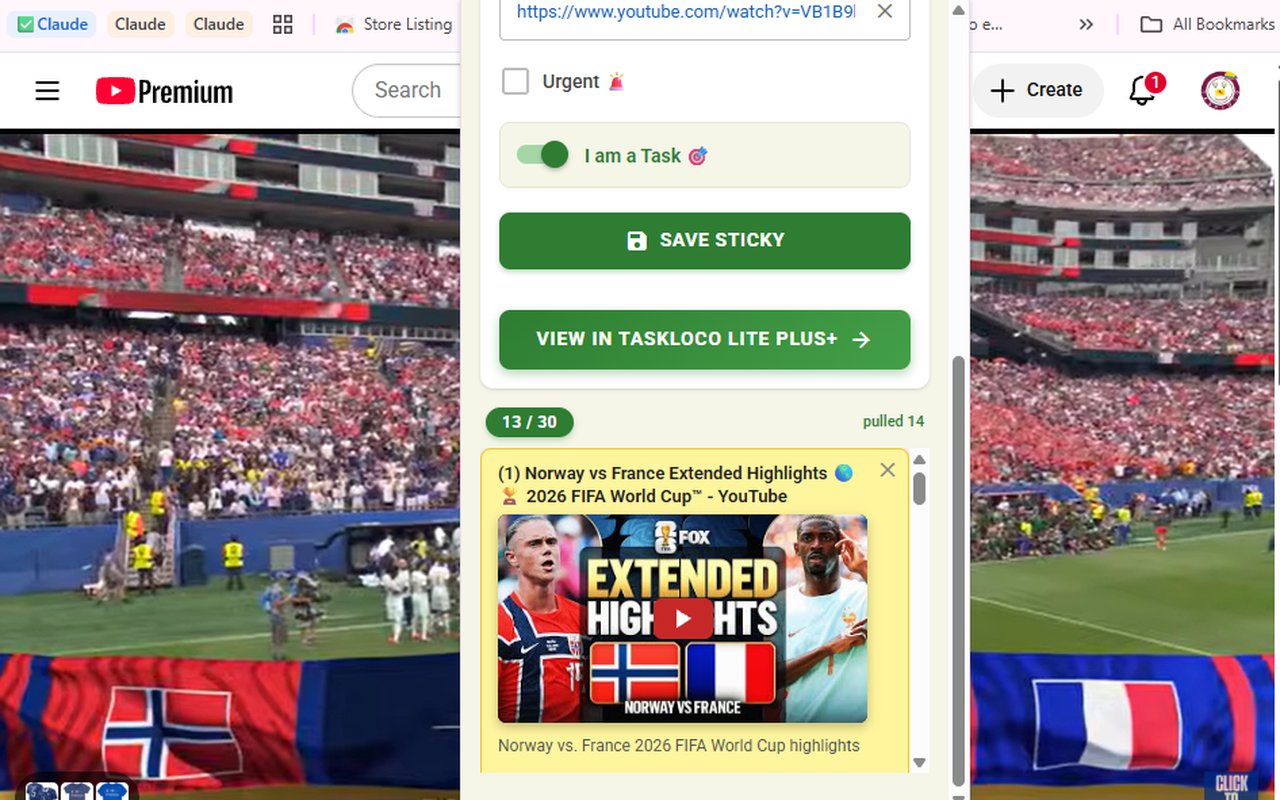
- Click the Sticky Note icon in your Chrome toolbar. The extension instantly creates a sticky note with the page title and URL already filled in. No typing. No pasting.
- Add a quick thought if you want — a sentence about why you saved it, a tag, a keyword. This is optional but makes retrieval much easier later.
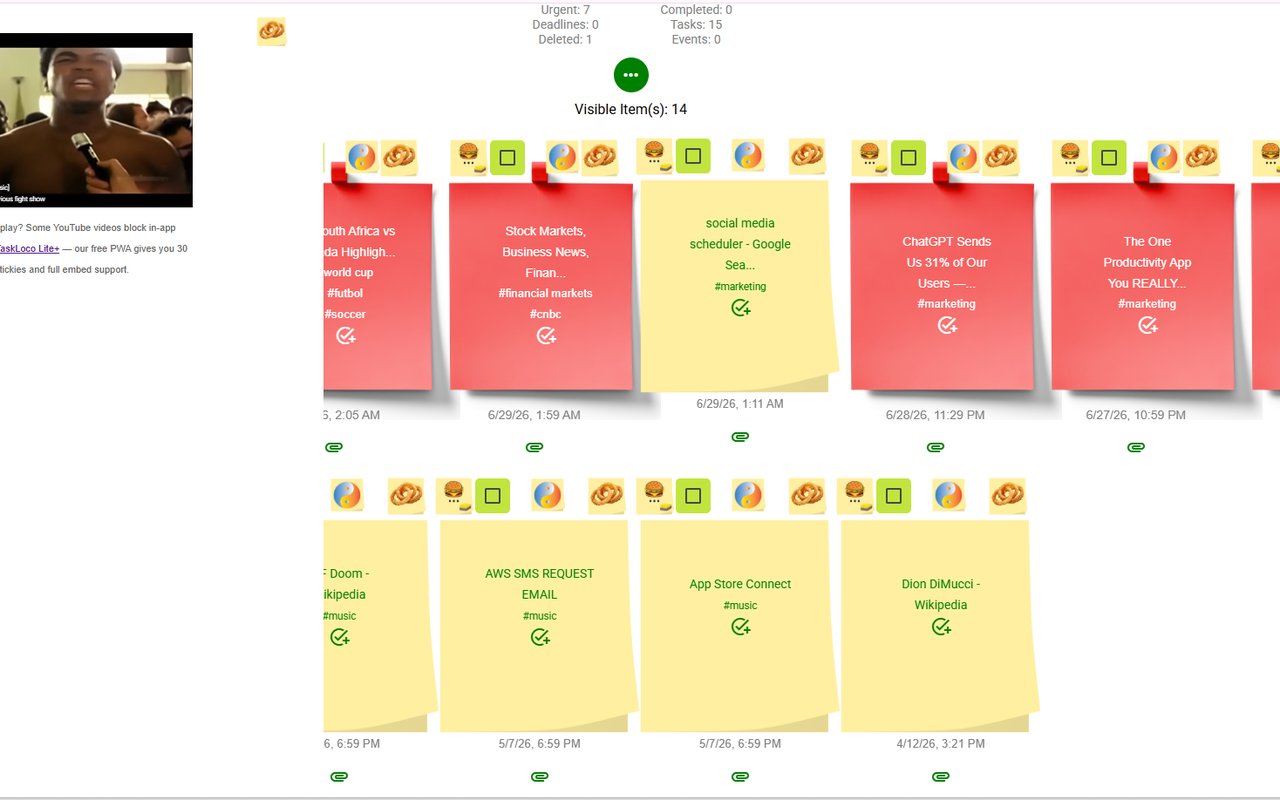
- That's it. The note appears on your TaskLoco wall, where you can see all your saved items visually, search by keyword, or filter by tag.
YouTube videos get special treatment: when you clip a YouTube page, the video embeds directly inside the note and plays without leaving your wall. That means your saved videos are actually watchable, not just a list of links you have to re-navigate.
Your saved notes sync automatically across Chrome, desktop, iPhone, and Android through TaskLoco — so what you clip in your browser shows up on your phone. No extra steps, no export, no email-to-self.
Which Method Should You Actually Use?
Honestly, the right answer depends on how often you save things and what you do with them afterward.
If you save a page maybe once a month and just want to find it again for a quick reference, Ctrl+D to bookmark is genuinely fine. It's zero setup and always available.
If you save pages regularly — for research, for a project, for a reading queue you actually return to — bookmarks will become a mess faster than you expect. The visual layout of a clipper like the Sticky Note Web Clipper makes the difference between a collection you use and a graveyard of URLs you feel guilty about.
If you already use a tool like Notion for everything and are disciplined about database structure, the Notion clipper might fit your existing system. But if you're looking for a lightweight, fast, free way to stop losing things you find while browsing, the Sticky Note Web Clipper is the lower-friction choice — there's no system to set up, just a button in your toolbar.
The bottom line: any of the extension-based methods beats copy-paste. The question is whether you want something that just stores links or something that stores them in a way you can actually navigate later. Visual sticky notes that sync to your phone tip that balance in a direction most people find more useful.
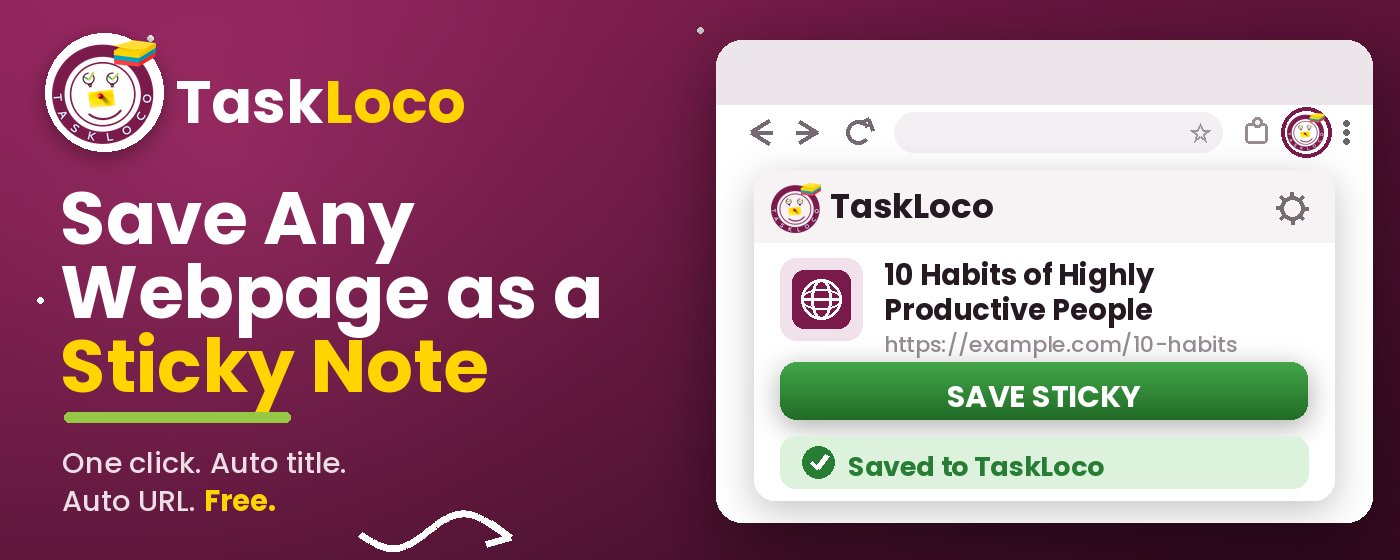
The Sticky Note Web Clipper is free. Install it from the Chrome Web Store, sign in with Google, and every page you clip becomes a sticky note you can find later.
Your clipped notes sync to TaskLoco across Chrome, desktop, iPhone, and Android — also free to start. No credit card to begin.
Get the Free Clipper
Sticky Note Web Clipper
- Free Chrome extension
- One-click save — any page, article, or video
- Title & URL auto-filled
- Tags & search
- Free forever
Synced to TaskLoco
- Sign in free with Google
- Your wall on Chrome, desktop, iPhone, Android
- YouTube videos embed & play in notes
- Visual sticky-note wall
- Free to start
Add It to Chrome — Free
One click saves any page, article, or YouTube video as a sticky note. Title and URL auto-filled.
Add to Chrome — FreeSee TaskLoco in Action
Frequently Asked Questions
How do I save a web page in Chrome without copying the URL?
The easiest built-in method is Ctrl+D (or Cmd+D on Mac), which bookmarks the current page automatically with the title and URL captured. For a more visual and searchable save, the free Sticky Note Web Clipper extension captures any page in one toolbar click — no copy-paste, title and URL auto-filled.
What is the difference between a bookmark and a web clipper?
A bookmark saves a URL to a list. A web clipper saves the page as a structured item — with a title, visual layout, and often a preview or embedded content — that you can tag, search, and actually recognize when you come back to it. Clippers are more useful when you save things regularly and need to find them again.
Can I save YouTube videos without copying the link?
Yes. With the Sticky Note Web Clipper, clicking the toolbar icon while on a YouTube page saves the video as a note. The video embeds directly inside the note and plays from your TaskLoco wall — you never have to navigate back to YouTube to watch it.
Does the Sticky Note Web Clipper cost anything?
The extension is free. TaskLoco, where your clipped notes are saved and synced, also has a free tier. You install the extension from the Chrome Web Store, sign in with Google, and start clipping — no payment required.
Will my saved pages sync to my phone?
Yes. Notes you clip in Chrome sync to your TaskLoco wall, which is available on iPhone, Android, and desktop. What you save while browsing on your computer shows up on your phone automatically.
Is Chrome's Reading List good enough, or do I need a clipper?
Chrome's Reading List works well for short-term queues — pages you want to read once before clearing. It doesn't offer tagging, search, or visual layout, and syncing to mobile is inconsistent. If you want to build a searchable reference collection or save things you'll return to repeatedly, a clipper gives you a much better experience.
How do I install the Sticky Note Web Clipper?
Search for 'Sticky Note Web Clipper' in the Chrome Web Store, click 'Add to Chrome', and sign in with your Google account. The toolbar icon appears immediately and is ready to clip on your next page visit.
Born in Brooklyn. Powered by AWS. Your data stays yours.
TaskLoco is available on iPhone, Android, Chrome, and every web browser.