Screenshots feel productive in the moment. You grab the image, maybe drop it in a folder, and move on. Then three weeks later you're staring at a gallery of cropped browser windows trying to remember which one had the article you actually needed. The file is unsearchable, the URL is gone, and you're back to Googling from scratch.
The good news: saving a page without a screenshot is not only possible, it's faster and far more useful. Whether you use a browser bookmark, a read-later service, or a one-click clipper, you end up with something you can actually click back into — the live page, with the title intact, searchable by keyword, and available on every device. This guide walks through every real method so you can pick the one that fits how you actually browse.
The Core Methods: How to Save a Page Without a Screenshot
There are four reliable ways to save a webpage without reaching for the screenshot key. Each has genuine trade-offs worth understanding before you build a habit around one.
- Browser bookmarks (Ctrl+D / Cmd+D): The fastest built-in option. Press the shortcut and the page title and URL are saved to your bookmarks bar or a folder. The problem is retrieval — bookmarks pile up quickly, there's no visual layout, and most people's bookmark folders become graveyards they never open again.
- Read-later apps (Pocket, Instapaper, etc.): These strip the page to plain text and save a cleaned-up version for reading. Great for long articles you actually plan to read. Less useful for saving a YouTube video, a product page, a tool, or anything you want to reference rather than read.
- Copy the URL manually: Old-fashioned but reliable. Open a note, paste the URL and a short description. Works fine for one or two links. Breaks down at any real volume because you're doing manual data entry every time.
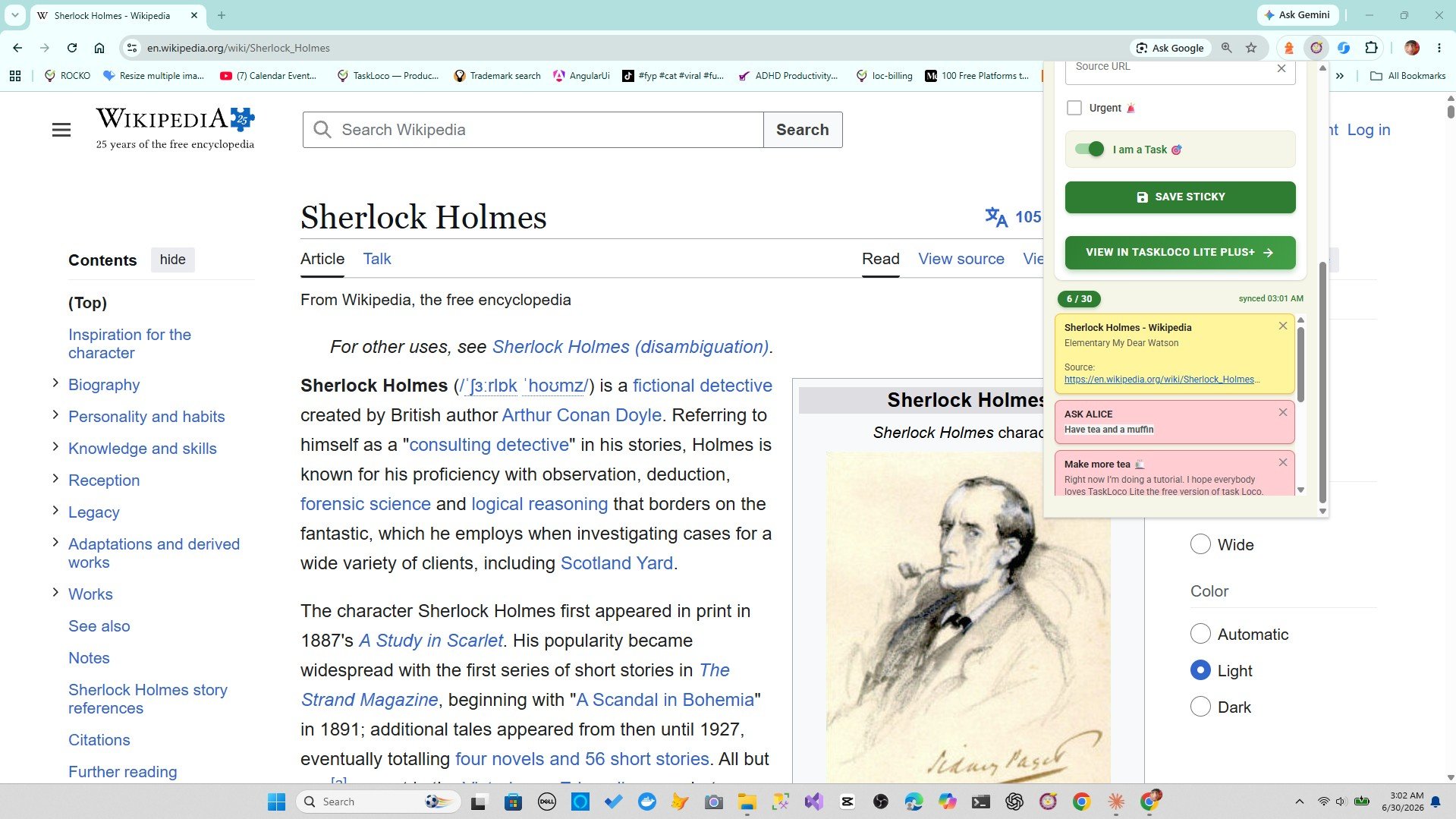
- A web clipper extension: A browser extension that captures the current tab in one click — title and URL auto-filled, organized into a visual board. This is the method that scales. When the clipper is good, saving a page takes less time than reaching for a screenshot shortcut.
Why Screenshots Fail as a Saving Method
It's worth naming exactly why screenshots are so bad at this job, because the habit is surprisingly hard to break once it's formed.
They're not searchable. Unless you're using software with OCR built in, a screenshot is a flat image. You cannot search for a word inside it. You cannot filter by topic. You scroll through thumbnails hoping something looks familiar.
The URL vanishes. A screenshot of an article doesn't contain the article's address. If the content updates, moves, or gets corrected, your screenshot is frozen on the old version — and you have no way back to the source.
They accumulate without structure. Screenshots go into your Photos app or a Downloads folder. They don't sort themselves by topic, they don't tag themselves, and they don't care that you saved forty of them in one afternoon. Finding any specific one later is a manual scroll.
They waste storage. A full-page screenshot can be several megabytes. A saved link with a title is a handful of characters. At any real scale, the storage difference is meaningful.
The one legitimate use for a screenshot: capturing something that will disappear — a price, a limited-time notice, a tweet before it's deleted. For everything else, save the link instead.
Building a System That Actually Works
Saving individual pages is easy. The part most people get wrong is building a system where saved items stay findable. A bookmark graveyard and a screenshots folder have the same problem: things go in and never come back out.
A few principles that separate a working system from a broken one:
- Friction at save time kills the habit. If saving a page requires more than two actions, most people will stop doing it consistently. The lower the friction at save time, the more complete your archive becomes.
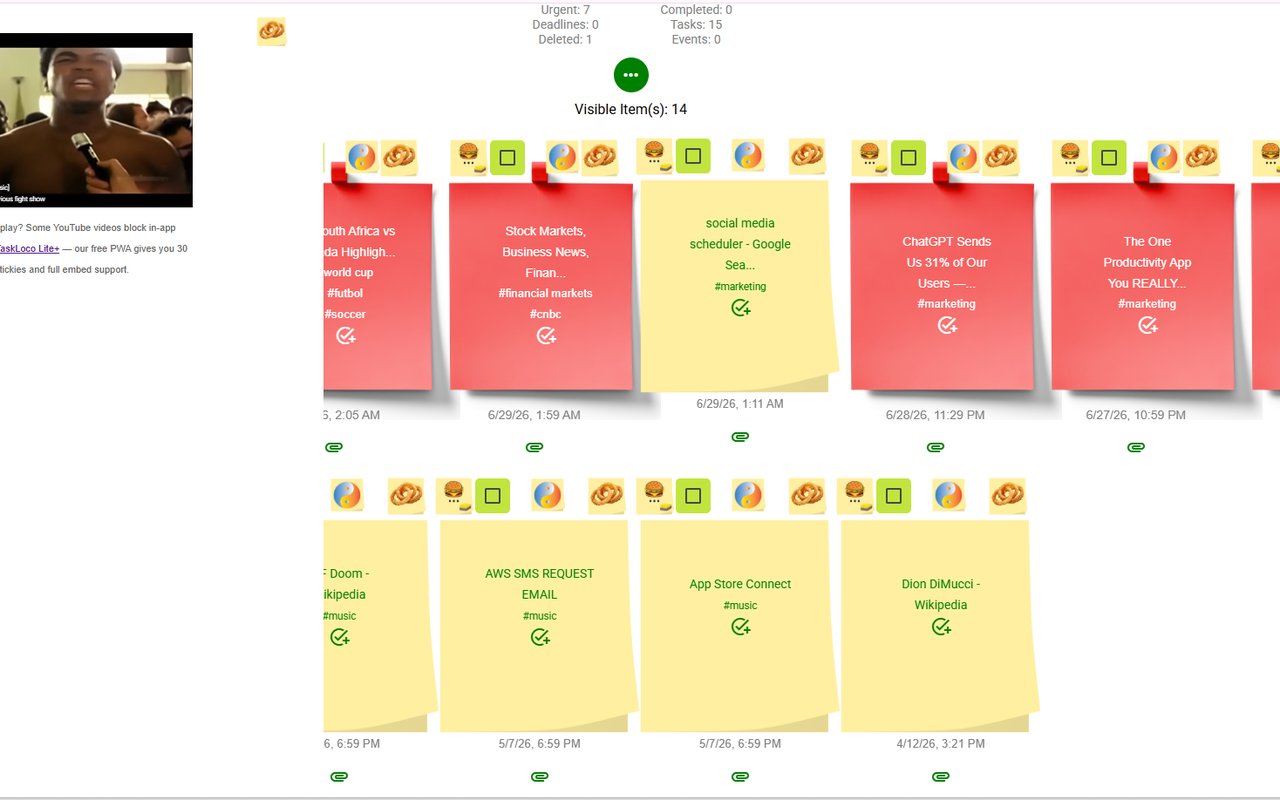
- Visual cues help retrieval. When saved items look like the pages they represent — with titles, thumbnails, or color cues — you recognize what you're looking for faster than scanning a plain text list.
- Search is non-negotiable at scale. Any system you use needs full-text search across titles at minimum. Once you have more than a few dozen saved items, scrolling doesn't work.
- Cross-device sync matters. You clip on your laptop and need it on your phone. If the system doesn't sync, you'll work around it — which usually means screenshots again.
Most browser bookmark setups fail on visual cues and friction. Most screenshot folders fail on search and URL retention. A dedicated clipper that saves to a visual board addresses all four.
One Practical Way to Apply This: The Sticky Note Web Clipper
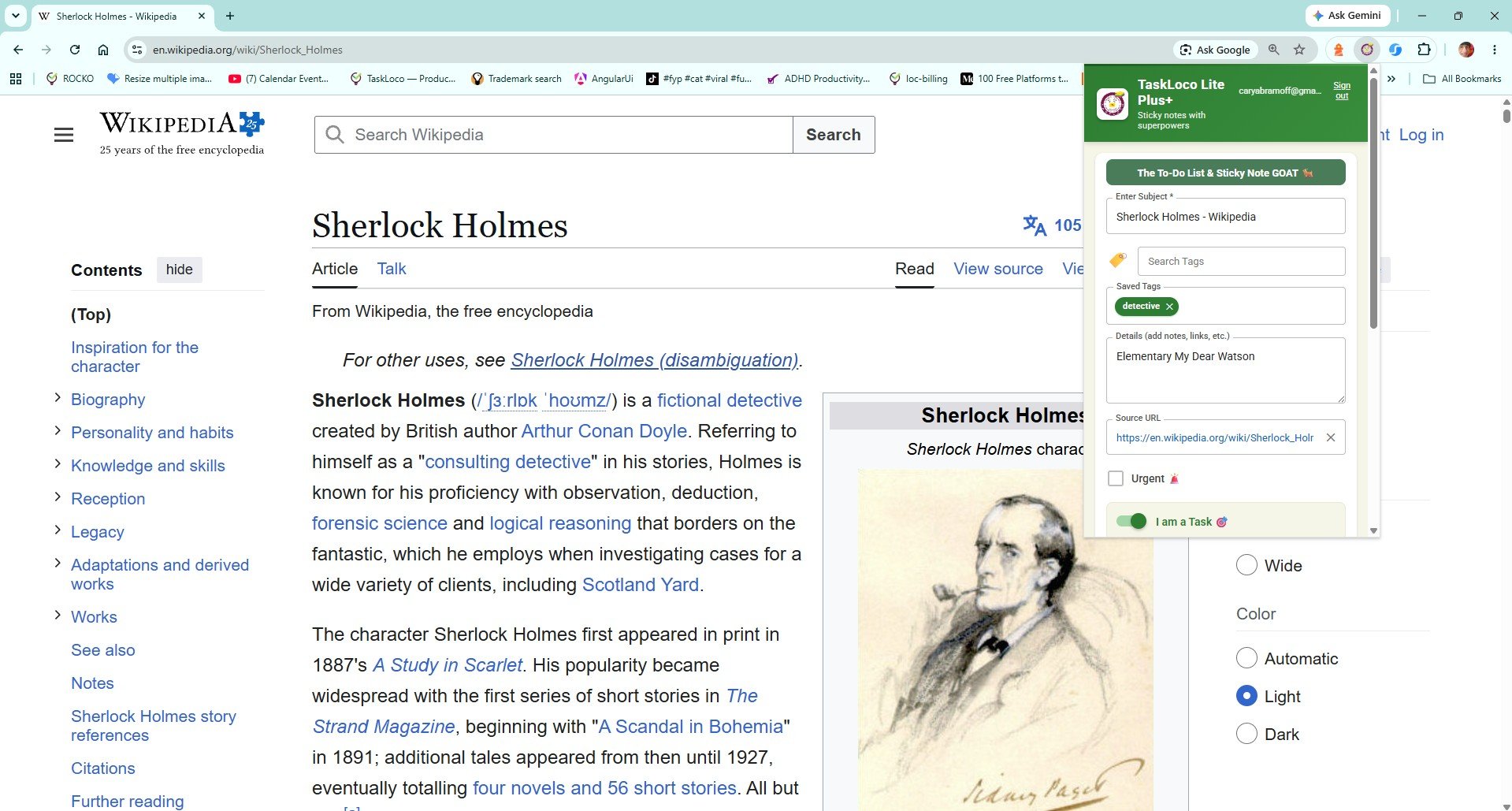
If you want a one-click option that handles the whole workflow described above, the Sticky Note Web Clipper is a free Chrome extension worth installing. Click its toolbar icon on any page — article, YouTube video, news story, tool, research source — and it saves that page as a sticky note with the title and URL already filled in. No copy-paste, no manual entry.
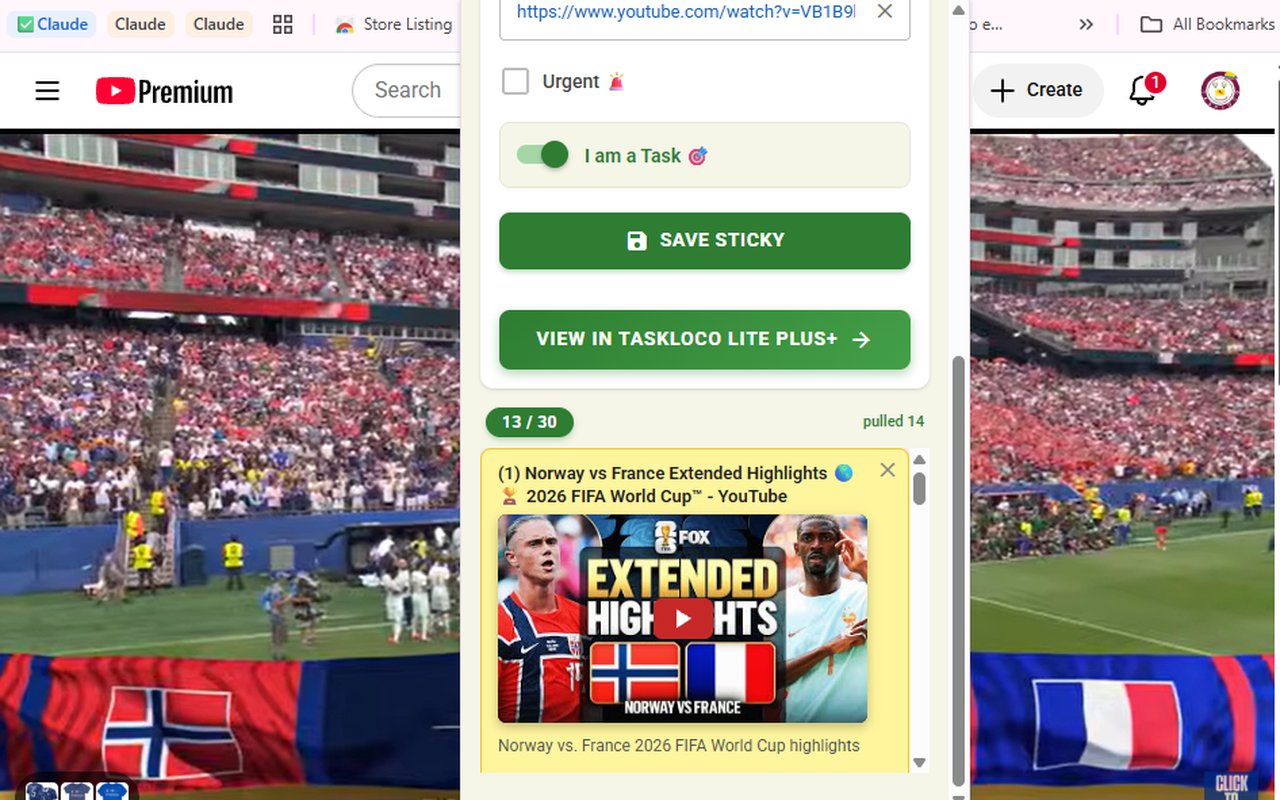
Saved notes land on your TaskLoco wall, which is a visual board you can search and organize. YouTube videos embed directly inside the note so you can play them without leaving your board. Everything syncs to the free TaskLoco web experience, so what you clip on your laptop shows up on your phone and desktop automatically.
The reason it fits this article's topic specifically: it is the direct alternative to reaching for a screenshot. The moment you'd normally hit Print Screen, you click the clipper instead — and you end up with something searchable, clickable, and alive rather than a flat image in a folder.
Sign in is free with Google. The extension is free. Install it from the Chrome Web Store and the next page you'd have screenshotted becomes a sticky note instead.
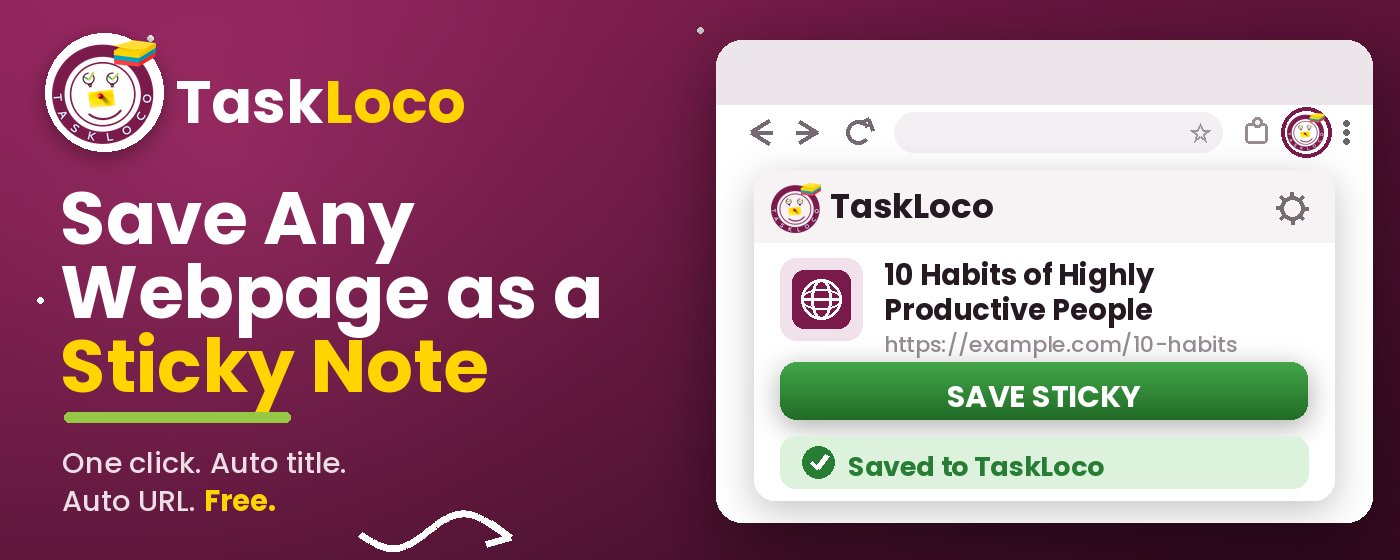
The Sticky Note Web Clipper is free. Install it from the Chrome Web Store, sign in with Google, and every page you clip becomes a sticky note you can find later.
Your clipped notes sync to TaskLoco across Chrome, desktop, iPhone, and Android — also free to start. No credit card to begin.
Get the Free Clipper
Sticky Note Web Clipper
- Free Chrome extension
- One-click save — any page, article, or video
- Title & URL auto-filled
- Tags & search
- Free forever
Synced to TaskLoco
- Sign in free with Google
- Your wall on Chrome, desktop, iPhone, Android
- YouTube videos embed & play in notes
- Visual sticky-note wall
- Free to start
Add It to Chrome — Free
One click saves any page, article, or YouTube video as a sticky note. Title and URL auto-filled.
Add to Chrome — FreeSee TaskLoco in Action
Frequently Asked Questions
What is the easiest way to save a webpage without a screenshot?
The easiest method is a browser bookmark shortcut (Ctrl+D on Windows, Cmd+D on Mac) — it saves the title and URL instantly. For a more visual and searchable system, a one-click web clipper like the Sticky Note Web Clipper saves the page as a sticky note with no manual input required.
How do I save a webpage so I can open it again later?
Bookmark it, paste the URL into a notes app, or use a web clipper extension. All three preserve the live link so you can click back into the real page. A clipper is the best option if you save pages regularly, because it keeps everything organized and searchable in one place rather than buried in a bookmark folder.
Can I save a YouTube video without screenshotting it?
Yes. The Sticky Note Web Clipper saves the YouTube page as a note with the video embedded — so it plays directly inside the note without you needing to go back to YouTube. No screenshot needed, and the video is right there whenever you return to your board.
Why are screenshots bad for saving webpages?
Screenshots don't preserve the URL, so you can't click back into the original page. They're not searchable by text. They accumulate without any structure. And if the page updates, your screenshot is stuck on the old version. Saving the link instead keeps the door open to the real, live content.
What's the difference between a bookmark and a web clipper?
A bookmark saves a URL in your browser's built-in list — functional but visually plain, easy to lose in folders, and not available outside that browser. A web clipper like the Sticky Note Web Clipper saves the page as a visual card on a board that syncs across your devices and supports search, making it much easier to find things later.
Does the Sticky Note Web Clipper cost anything?
The extension is free. TaskLoco, where your notes sync, has a free tier. Install from the Chrome Web Store, sign in with Google, and start saving pages — no payment required.
Can I save pages on my phone too, or only on desktop?
The Sticky Note Web Clipper is a Chrome extension, so you clip from your desktop browser. Everything you save syncs to TaskLoco automatically, which is available on iPhone and Android — so your clips are accessible on your phone even if capturing happens on desktop.
Born in Brooklyn. Powered by AWS. Your data stays yours.
TaskLoco is available on iPhone, Android, Chrome, and every web browser.