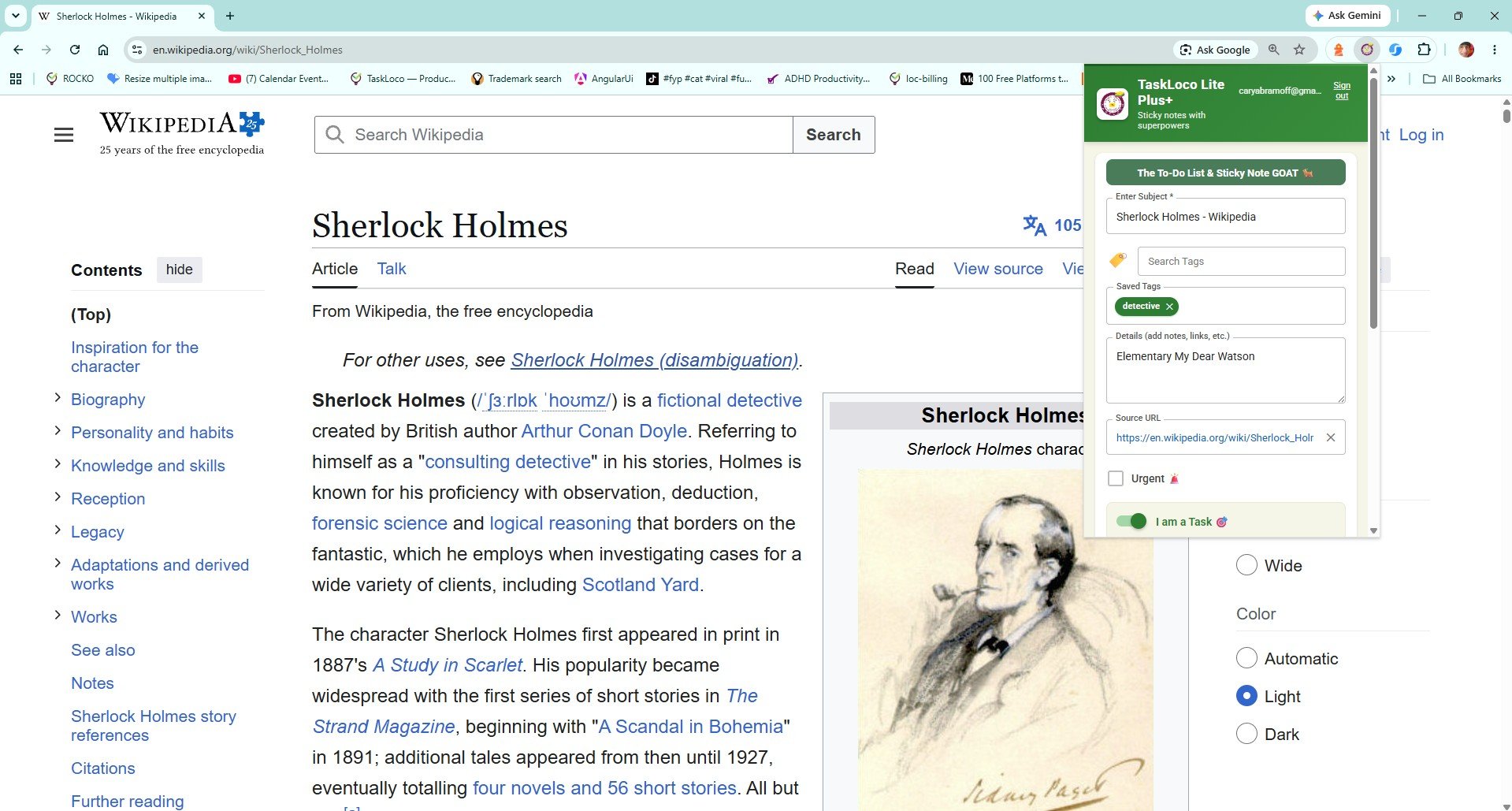
You find a great article on your work laptop, bookmark it in Chrome, and then completely forget it exists by the time you're on your couch with your phone. Or you email yourself a link — the digital equivalent of a sticky note on the fridge that everyone ignores. This is not a discipline problem. It's a tool problem.
A reading list only works if it lives in one place that every device can reach. That sounds obvious, but most people are accidentally running three separate reading lists — one in Chrome bookmarks, one in Safari on their phone, and a graveyard of open tabs. This guide walks through how to fix that properly, what actually causes the fragmentation, and what a one-click saving habit looks like in practice.
Why Your Reading List Keeps Splitting Across Devices
The root cause is almost always the same: you're saving things in a container that belongs to one browser or one device. Chrome bookmarks sync if you're signed into Chrome everywhere — but that falls apart the moment you use Safari on your iPhone, Firefox at work, or any browser other than Chrome. Pocket and Instapaper are independent enough to work across devices, but they require you to remember to open a separate app, which most people don't.
Open tabs are the worst offender. Keeping 40 tabs open on your laptop because you 'might read those later' is not a reading list — it's a loading screen waiting to happen. And when the browser crashes or you restart, that list is gone unless you had session restore on.
The three qualities a real cross-device reading list needs: one-click capture (so you save things in the moment, not 'later'), automatic sync (no manual export or import), and accessibility on phone (because that's where most reading actually happens).
How to Set Up a Reading List That Actually Syncs
Here's the practical method, using tools you can set up in minutes:
- Pick one saving tool and commit to it. It doesn't matter which one as long as it syncs across devices via the web or an app — not via a browser's built-in sync. Browser sync is too fragile across mixed environments.
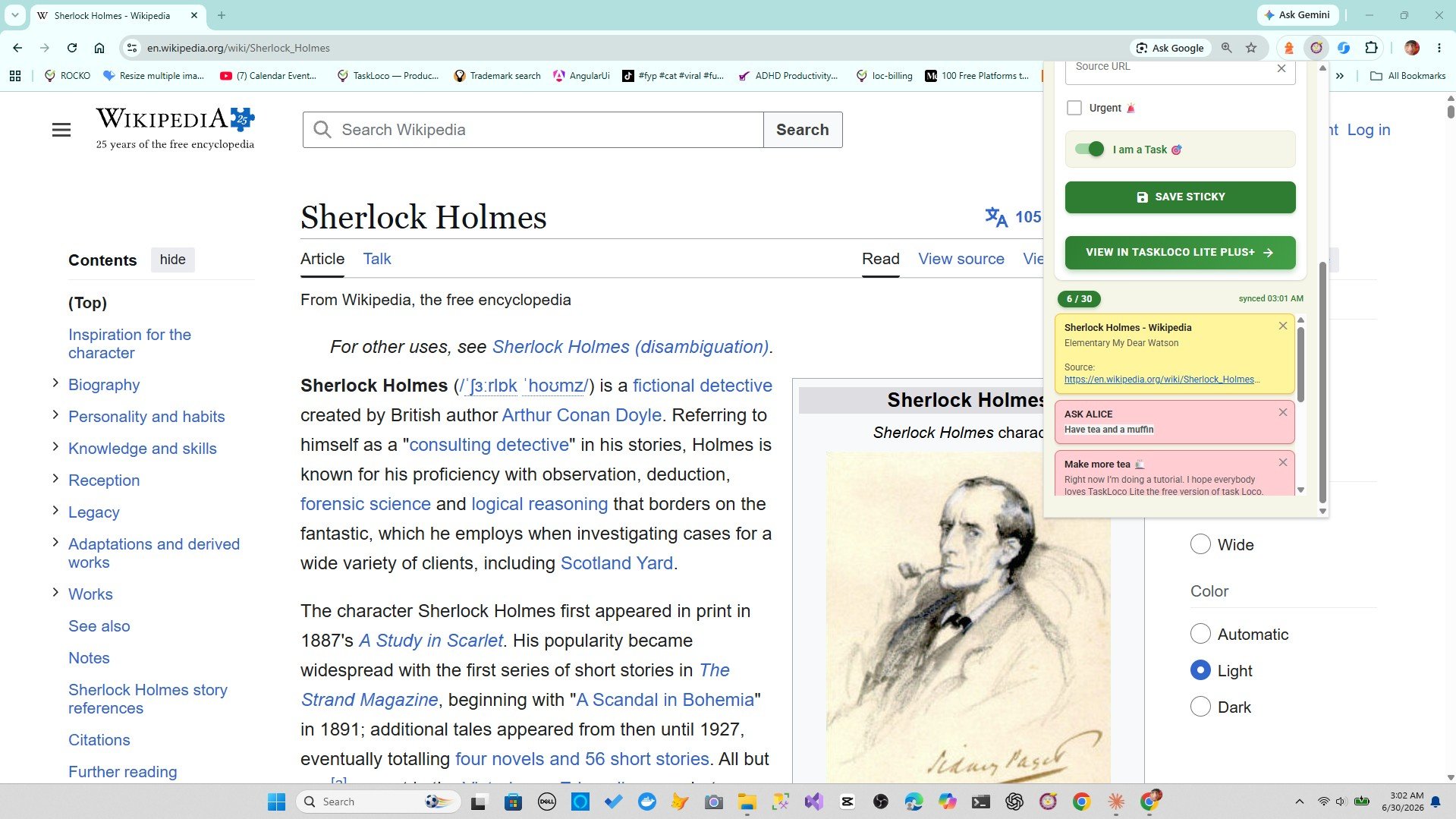
- Install a one-click capture method in Chrome. If you have to copy a URL, open a new tab, paste it somewhere, and hit save — you will skip steps when you're busy. The save has to happen in the moment or it doesn't happen at all.
- Make sure your phone can access the same list. This means either a native app or a mobile web experience for whatever tool you chose. Open your phone right now and confirm you can see a test item you just saved on desktop. If you can't, the tool isn't actually syncing.
- Stop using bookmarks for reading list items. Bookmarks are for permanent reference — your bank login, your company's internal wiki. They're not a queue. Mix reading-list items into your bookmarks and both become useless noise.
- Use tags or folders to separate 'to read' from 'already read'. A flat, unsorted list of 300 links is just as useless as 40 open tabs. Even a single tag like to-read versus done keeps the queue honest.
The exact tool is less important than the habit. But the habit depends entirely on how fast the save action is. If saving takes more than two seconds, you'll defer it — and deferred saves almost never happen.
What Makes a Reading List Actually Easy to Revisit
Saving is only half the problem. The other half is that most reading lists become write-only — you add things but never go back. There are two main reasons for this.
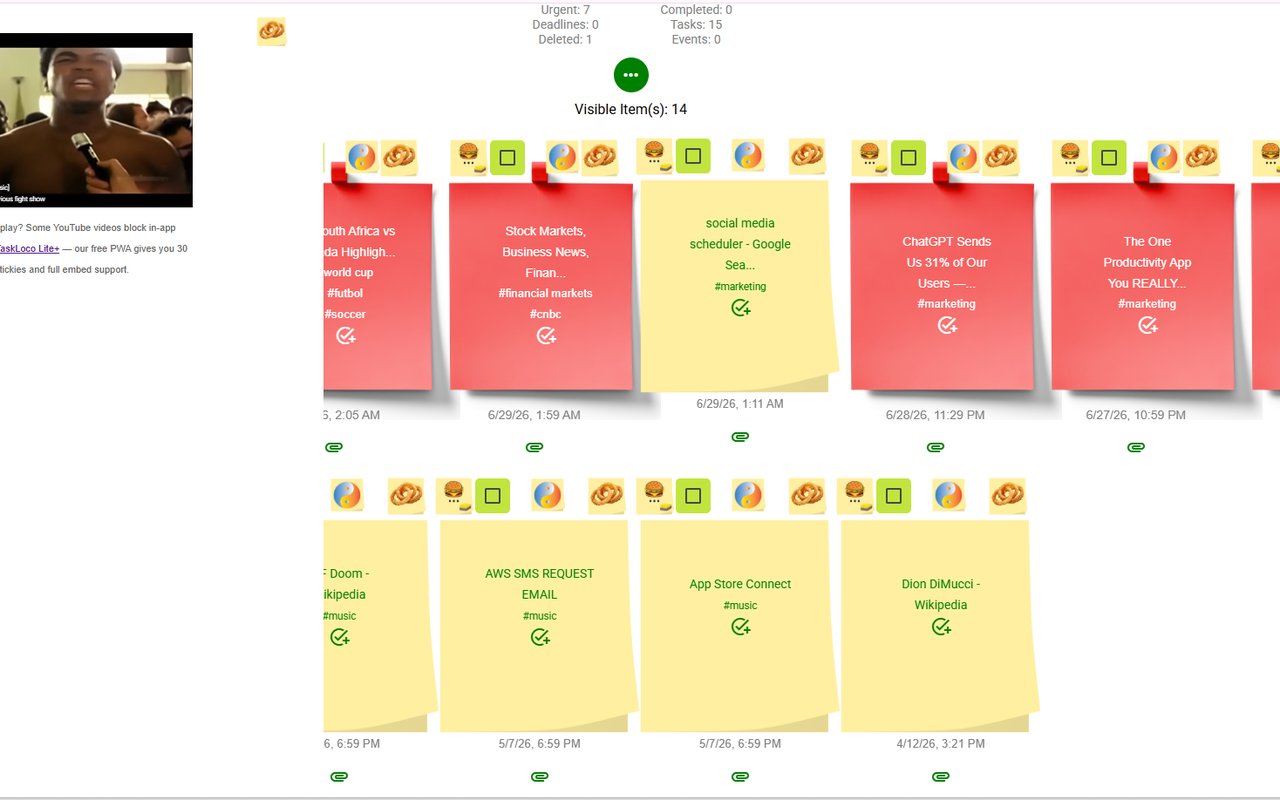
First, plain URLs are anonymous. A list of 50 blue links with no visual context tells you nothing about why you saved any of them. You don't remember what the article was about, so you skip it. Visual saving — where each saved item shows a title, a thumbnail, or at minimum some formatting — makes scanning a list of 30 items take seconds instead of minutes.
Second, the list isn't where you naturally end up when you have reading time. If your reading list lives in a browser bookmark folder you rarely open, it's invisible. If it lives in an app on your phone's home screen or a tab you keep pinned, it's part of your natural flow.
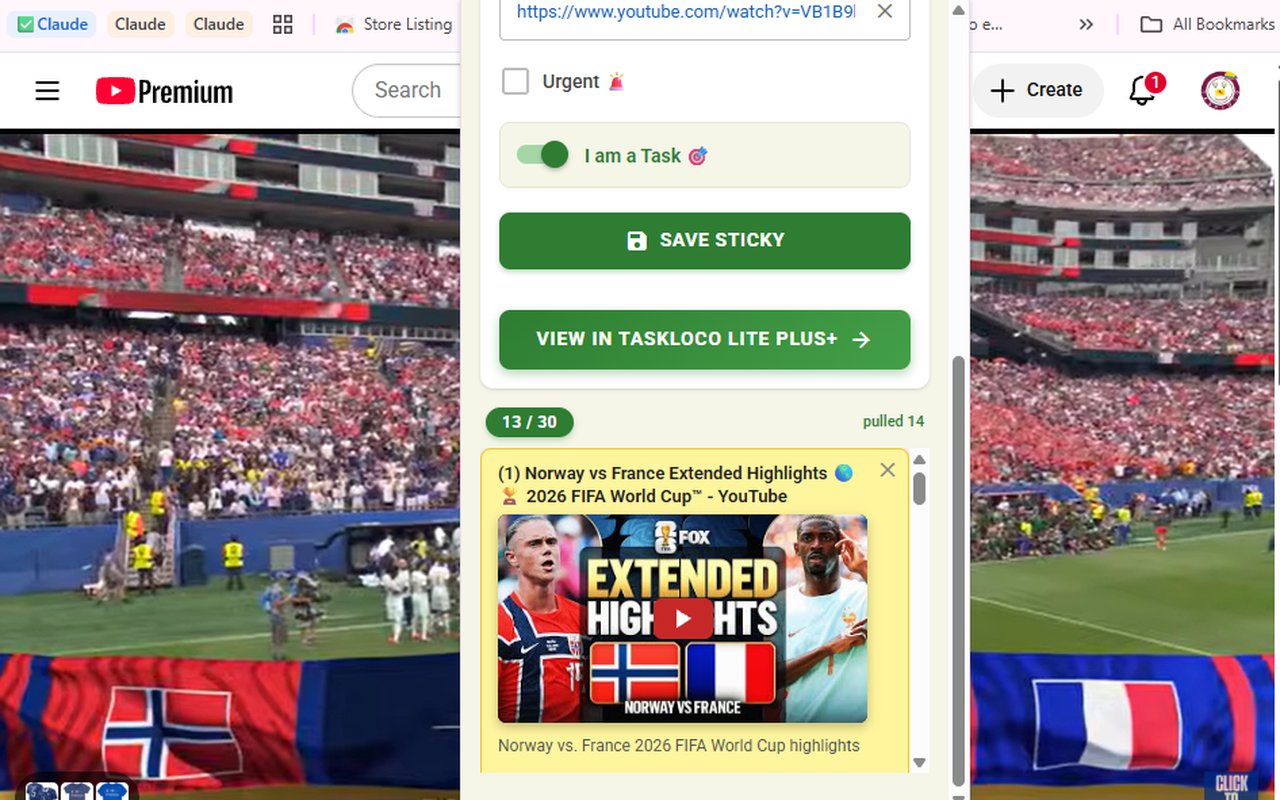
This is also why embedding matters for video. If you save a YouTube link and later have to remember it's a video, open YouTube, search for it again, and find it — you won't bother. If the video plays directly inside your saved note, you watch it. The format of the save should match the format of the content.
Using the Sticky Note Web Clipper to Build One Reading List
If you want a concrete tool that handles all of the above, the Sticky Note Web Clipper by TaskLoco is a free Chrome extension that turns the current tab into a visual sticky note in one click. The title and URL fill in automatically — you don't type anything. For YouTube videos, the video embeds directly inside the note and plays without leaving your list.
Everything you save syncs to TaskLoco, which you can open on your phone (iOS or Android) or any desktop browser. Sign in with Google for free, and your reading list is the same everywhere. Notes support tags, so you can separate to-read from done, or tag by topic, and the search makes finding anything fast.
The workflow is: see something worth reading → click the toolbar icon → note saved with title and URL → done. Your phone has it immediately. There's no second step, no copy-paste, no tab that needs to stay open to remember the link.
It won't replace a deep research tool if you need annotations, but for the core job of 'I want to read this later and I want it on every device', it's the fastest path from finding something to having it saved somewhere you'll actually look.
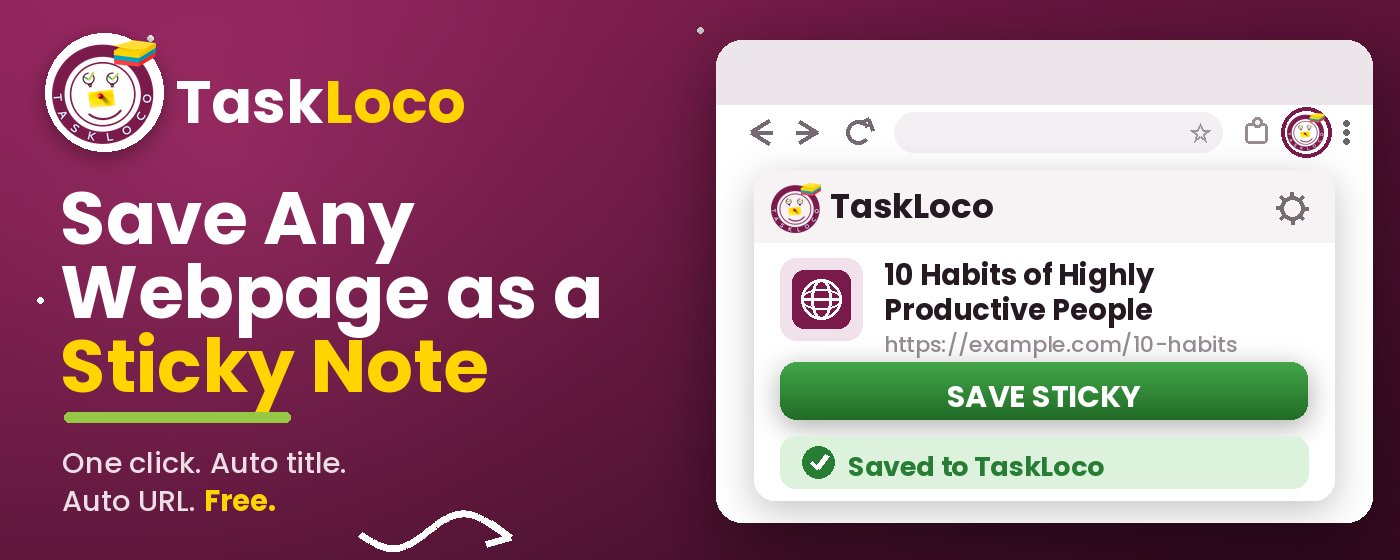
The Sticky Note Web Clipper is free. Install it from the Chrome Web Store, sign in with Google, and every page you clip becomes a sticky note you can find later.
Your clipped notes sync to TaskLoco across Chrome, desktop, iPhone, and Android — also free to start. No credit card to begin.
Get the Free Clipper
Sticky Note Web Clipper
- Free Chrome extension
- One-click save — any page, article, or video
- Title & URL auto-filled
- Tags & search
- Free forever
Synced to TaskLoco
- Sign in free with Google
- Your wall on Chrome, desktop, iPhone, Android
- YouTube videos embed & play in notes
- Visual sticky-note wall
- Free to start
Add It to Chrome — Free
One click saves any page, article, or YouTube video as a sticky note. Title and URL auto-filled.
Add to Chrome — FreeSee TaskLoco in Action
Frequently Asked Questions
Does Chrome's built-in reading list sync across devices?
Chrome's built-in reading list syncs across devices where you're signed into the same Google account and using Chrome. The problem is it only works in Chrome — if you use Safari on iPhone, Firefox, or Edge anywhere, that list doesn't appear. It also doesn't sync well with Android Chrome in all configurations. For a truly device-agnostic reading list, a tool that syncs via a web account rather than browser sync is more reliable.
What's wrong with just using browser bookmarks as a reading list?
Bookmarks work fine for permanent reference links, but they're a poor reading queue for a few reasons: they don't sync across different browsers, they're displayed as flat text links with no visual context, they have no sense of 'read vs. unread', and a bookmark folder of 100 links quickly becomes unusable. A dedicated save-for-later tool with visual notes and tags solves all of these.
How do I save a YouTube video to read (watch) later across devices?
Bookmarking a YouTube link works, but you lose the video context — it's just a URL. With the Sticky Note Web Clipper, clicking the toolbar icon while on a YouTube page saves the video as a sticky note with the title auto-filled, and the video embeds directly in the note so it plays without leaving your list. The note syncs to your phone immediately, so you can watch it later on mobile without searching for it again.
Is the Sticky Note Web Clipper free?
Yes — the extension is completely free. Install it from the Chrome Web Store, sign in with Google, and start clipping. TaskLoco, where your notes sync, also has a free tier. There's no cost to get your reading list working across devices.
Can I access my saved reading list on my iPhone?
Yes. Notes saved with the Sticky Note Web Clipper sync to TaskLoco, which you can access on iPhone through the TaskLoco app or mobile browser. Sign in with the same Google account you used in Chrome and your entire saved list is there, including any YouTube videos you clipped.
How do I organize a reading list so I don't lose things in it?
The two most practical habits are: use a tag (like to-read) for anything you haven't opened yet, and remove or re-tag it once you've read it. This keeps the active queue short and scannable. The second habit is visual saving — tools that show a title and visual layout let you scan 30 items in seconds rather than staring at anonymous blue links. Both the Sticky Note Web Clipper and the TaskLoco wall are built around visual notes, which makes the queue much easier to actually work through.
How do I install the Sticky Note Web Clipper?
Search for Sticky Note Web Clipper in the Chrome Web Store, click Add to Chrome, and sign in with Google. The toolbar icon appears immediately. Navigate to any page or YouTube video you want to save, click the icon, and it's saved as a sticky note with the title and URL already filled in. Your notes are available on any device through TaskLoco.
Born in Brooklyn. Powered by AWS. Your data stays yours.
TaskLoco is available on iPhone, Android, Chrome, and every web browser.