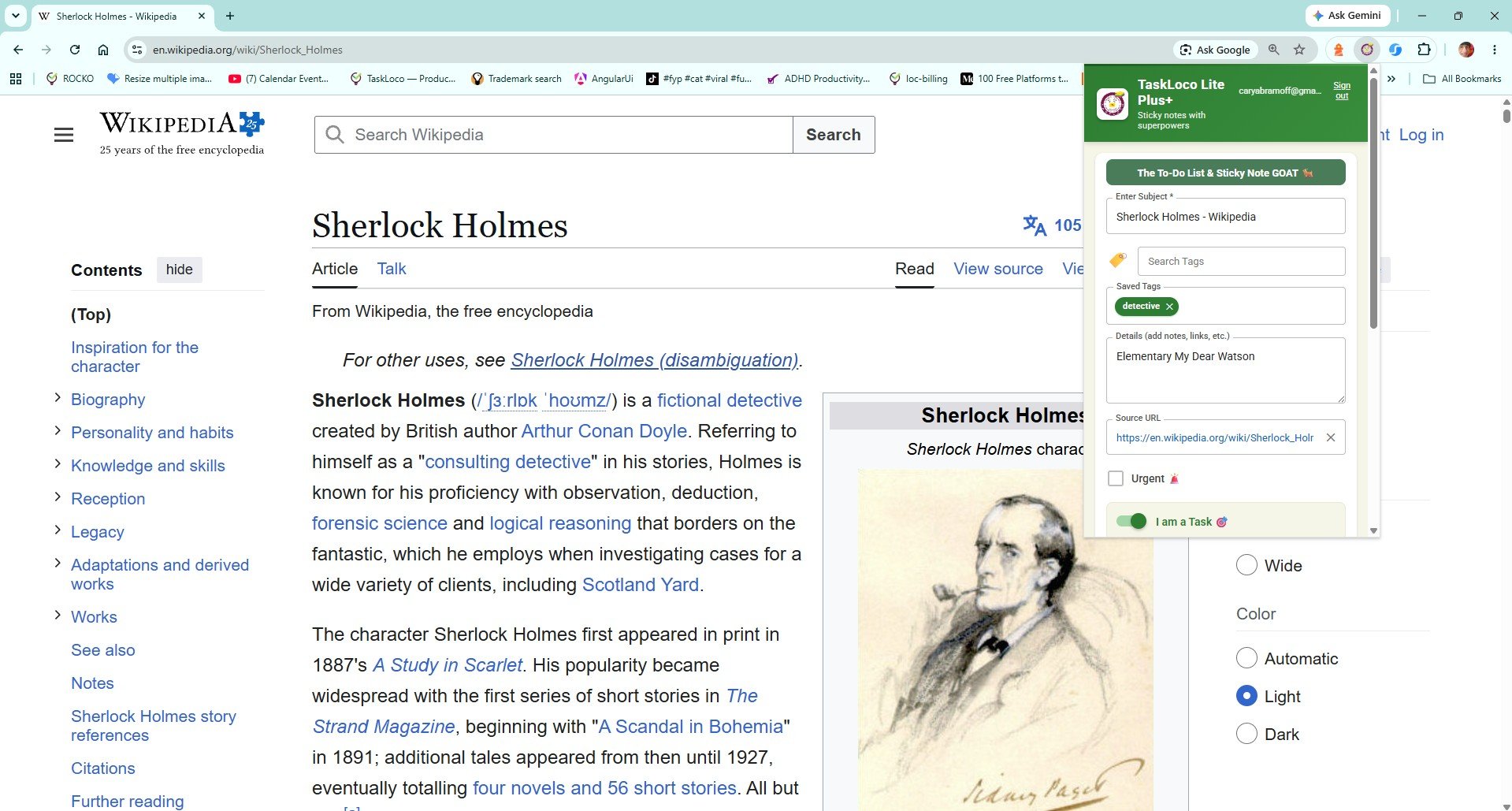
You found the perfect reference article. You opened it in a tab. Three days later, you have 47 tabs open, a browser that's begging for mercy, and no memory of which link was actually useful. Sound familiar? Keeping a running list of project links isn't a willpower problem — it's a friction problem. The moment saving a link takes more than two seconds, you stop doing it consistently.
This guide covers the practical methods for building and maintaining a project link list that actually works: what to capture, how to organize as you go, and how to make sure your links are findable when you need them — not just dumped into a folder you'll never open again.
The Core Problem: Links Disappear If You Don't Capture Them Immediately
The biggest mistake people make with project link lists is planning to save things later. You think you'll remember the article, or the tab will still be there, or you'll find it again with a quick search. Sometimes that works. More often, it doesn't — and the research effort you put in vanishes with it.
The fix is a capture-first mindset: every time you land on something useful, save it before you move on. This sounds obvious, but it requires a system where saving is genuinely frictionless. If it takes clicking into a bookmark manager, choosing a folder, and typing a description, you'll skip it half the time. If it takes one click, you'll do it every time.
For most people, the gap between intending to save and actually saving is pure friction. Reduce the friction and the list takes care of itself.
How to Structure a Project Link List That's Actually Useful
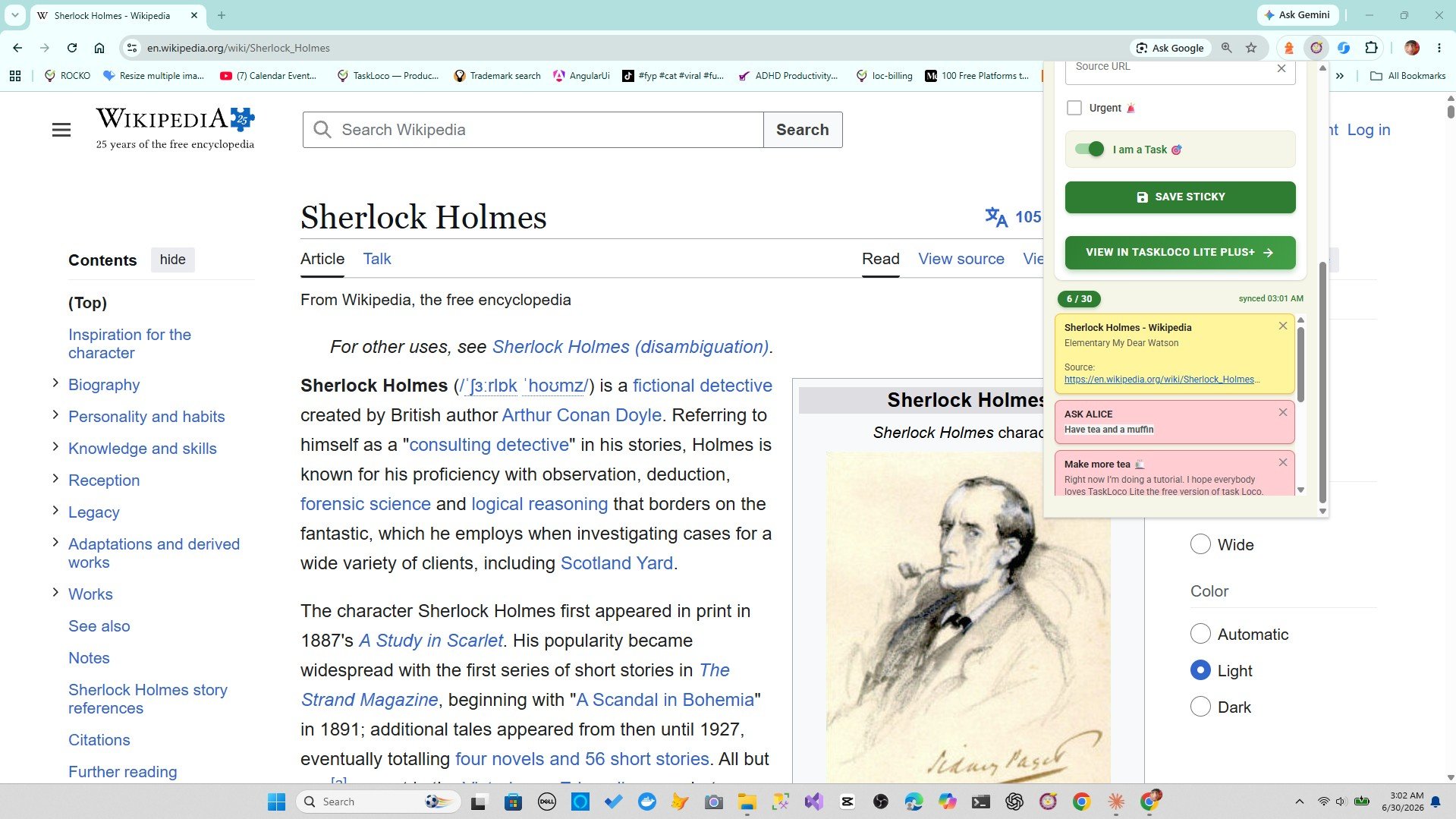
A flat dump of URLs is almost useless. When you come back to your list a week later, you need enough context to know why each link mattered — and to find the right one quickly. Here's what a good project link list includes:
- The page title: Not just a raw URL. Titles give you instant recognition. If you have to hover over a link to know what it is, your list is too opaque.
- A short note or tag: Even one or two words — competitor example, design inspiration, data source — transforms a list of links into a navigable reference.
- The date or phase context: Knowing that a link came from early research versus a later revision can change how you use it.
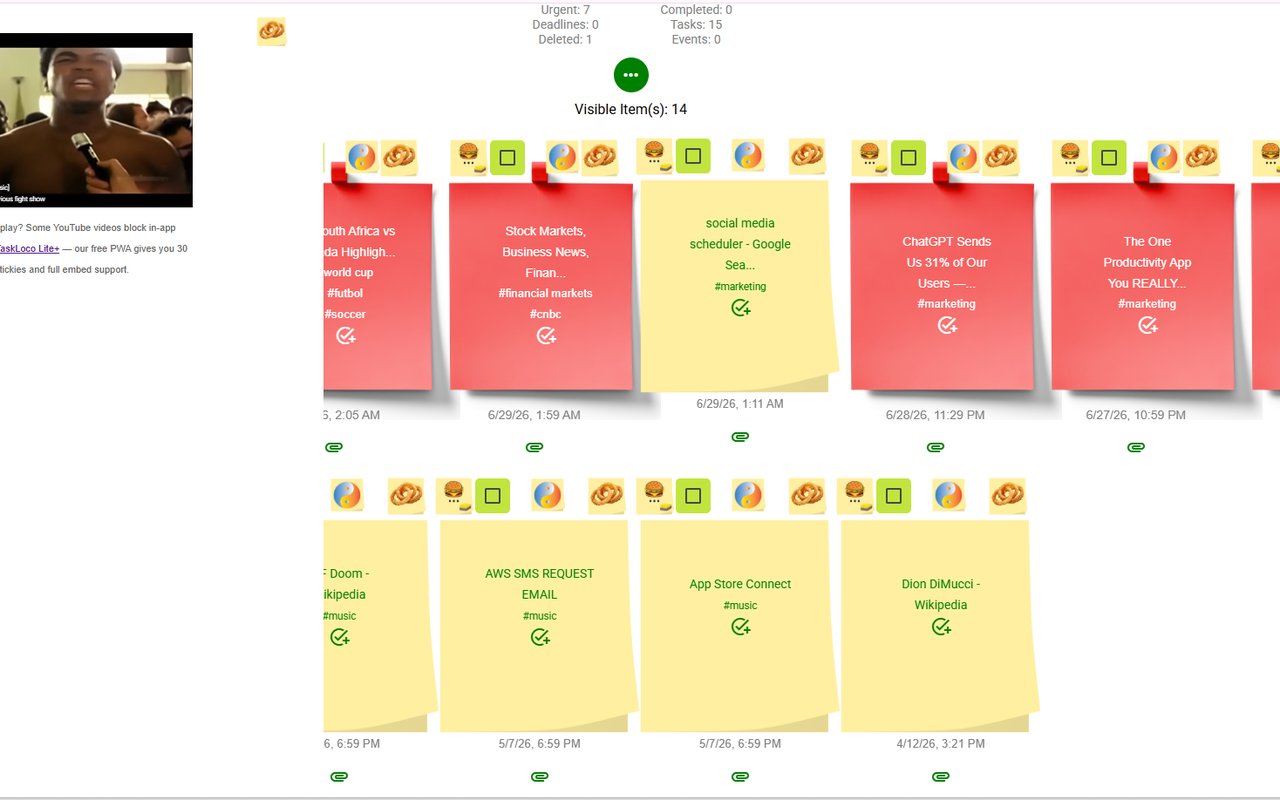
- Visual cues where possible: Thumbnail previews or color-coded notes let you scan faster than reading every title line by line.
You don't need a complex tool to do this. Even a well-maintained document with section headers for each project phase can work. The key is consistency — same format every time, so your future self knows where to look and what to expect.
Practical Methods: From Simple to Scalable
Different projects call for different approaches. Here are the main options, with honest trade-offs:
A shared document (Google Docs, Notion page, etc.) works well for collaborative projects where team members are adding links together. The downside: you have to manually paste URLs, write titles yourself, and switch apps every time you find something worth saving. For solo research sessions, this interrupts your flow constantly.
Browser bookmarks are fast to save but terrible to browse later. There's no visual layout, tags are clunky, and bookmarks from six months ago become a graveyard. Most people have a bookmark folder called 'Research' that they've opened maybe twice.
A dedicated tab group keeps things visible but is fragile — one accidental window close and it's gone. It also doesn't persist meaningfully across sessions or devices.
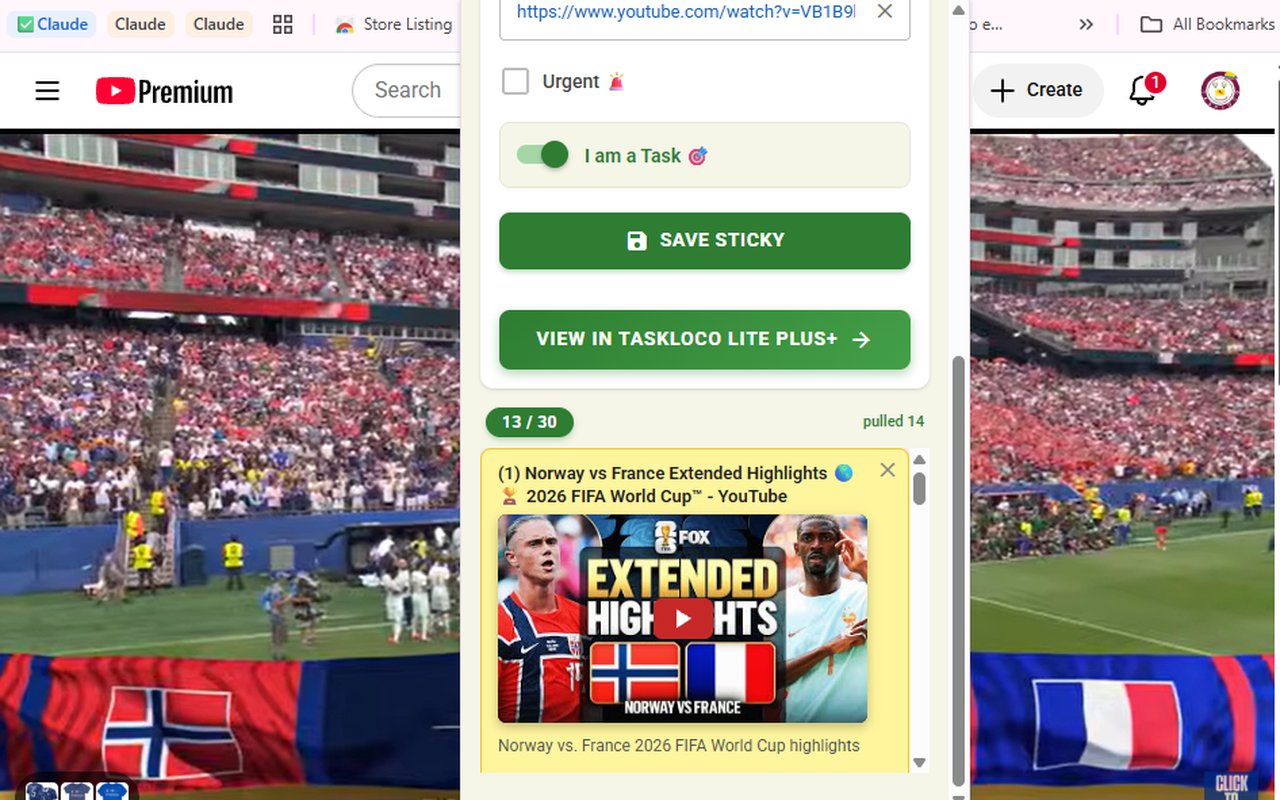
A browser extension that saves pages as notes is the most balanced option for active research. You stay in your browser, the save is instant, and the result is a structured note rather than a raw URL. The title auto-fills, you can add a tag, and the note is searchable later. The Sticky Note Web Clipper works exactly this way — one click on the toolbar icon saves the current tab as a sticky note with the title and URL already filled in. You can tag it, search it, and find it on your phone or desktop later through TaskLoco. It's free to install from the Chrome Web Store.
Keeping Your Link List Alive Through a Long Project
Starting a link list is easy. Keeping it useful over weeks or months is harder. A few habits that make the difference:
- Review weekly, not just at the end: Spend five minutes once a week scanning what you've saved. Delete duplicates, add context to vague entries, and flag anything that's become more important. This prevents the list from becoming a passive archive you never touch.
- Save aggressively, curate deliberately: Don't filter at capture time — save anything that might matter. Filter during your weekly review. Trying to decide in the moment whether something is worth saving slows you down and creates gaps.
- Use tags by phase or type: Tags like background, example, tool, or deadline let you filter your list by what you need right now rather than scrolling through everything.
- Don't forget YouTube: Video tutorials, recorded talks, and explainers are often the most useful references and the easiest to lose. If your clipping method saves YouTube links as playable embeds, use it — the Sticky Note Web Clipper does this, so a saved YouTube link plays directly inside the note without opening a new tab.
A link list that's still useful at the end of a project is one that was tended along the way. It doesn't require much time — just a consistent, low-friction habit from day one.
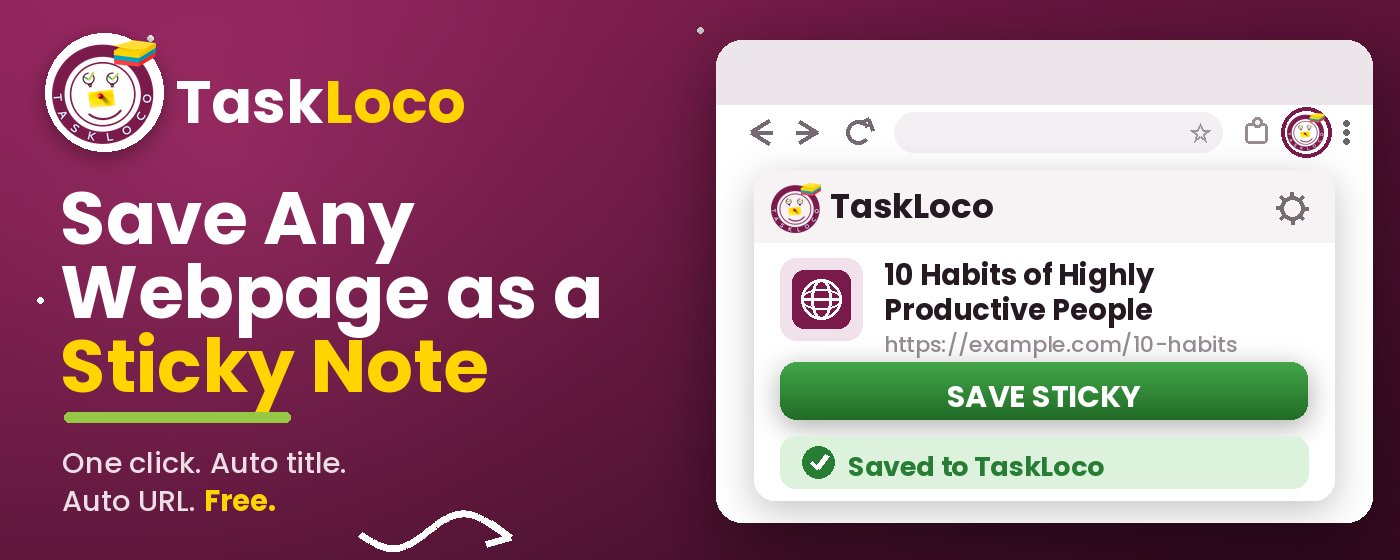
The Sticky Note Web Clipper is free. Install it from the Chrome Web Store, sign in with Google, and every page you clip becomes a sticky note you can find later.
Your clipped notes sync to TaskLoco across Chrome, desktop, iPhone, and Android — also free to start. No credit card to begin.
Get the Free Clipper
Sticky Note Web Clipper
- Free Chrome extension
- One-click save — any page, article, or video
- Title & URL auto-filled
- Tags & search
- Free forever
Synced to TaskLoco
- Sign in free with Google
- Your wall on Chrome, desktop, iPhone, Android
- YouTube videos embed & play in notes
- Visual sticky-note wall
- Free to start
Add It to Chrome — Free
One click saves any page, article, or YouTube video as a sticky note. Title and URL auto-filled.
Add to Chrome — FreeSee TaskLoco in Action
Frequently Asked Questions
What's the easiest way to save links for a project while browsing?
Install the free Sticky Note Web Clipper in Chrome. When you find a page worth saving, click the toolbar icon — the title and URL fill in automatically, and the page is saved as a sticky note in TaskLoco. No copying, no pasting, no switching apps.
How do I organize saved links by project?
The most practical method is tags. Assign a tag for each project or project phase when you save the link — for example, project-alpha or research-phase. Later, filter by that tag to see only the relevant links. The Sticky Note Web Clipper supports tags, and you can search across all your saved notes in TaskLoco.
Will my saved links be available on my phone too?
Yes. Notes saved with the Sticky Note Web Clipper sync to TaskLoco, which is accessible on iPhone, Android, and desktop. Save something on your laptop during a research session and pull it up on your phone later — it's all there.
Can I save YouTube videos to my project link list?
Yes, and it's one of the more useful features. When you save a YouTube page with the Sticky Note Web Clipper, the video embeds directly inside the note and plays without opening a new tab. That means your video references are right alongside your article and webpage links, in the same list.
Is the Sticky Note Web Clipper free?
Yes — the extension is completely free. Install it from the Chrome Web Store, sign in with Google, and start saving. TaskLoco, where your notes live, also has a free tier.
Why not just use browser bookmarks for project links?
Bookmarks work for small, simple lists, but they fall apart quickly for real projects. There's no visual layout, tags are awkward to manage, and there's no way to add context to a saved URL. Most people end up with a bookmark folder they never open. A sticky note with the title visible, a tag attached, and a searchable interface is much easier to actually use when you need to find something.
How do I make sure I don't lose links when a browser tab closes?
The only reliable answer is to save the link the moment you find it — before you move on. With the Sticky Note Web Clipper, that's a single click on the toolbar. You don't need to be in a different app or open a separate window. The tab can close and the link is already saved in your TaskLoco wall, accessible from any device.
Born in Brooklyn. Powered by AWS. Your data stays yours.
TaskLoco is available on iPhone, Android, Chrome, and every web browser.