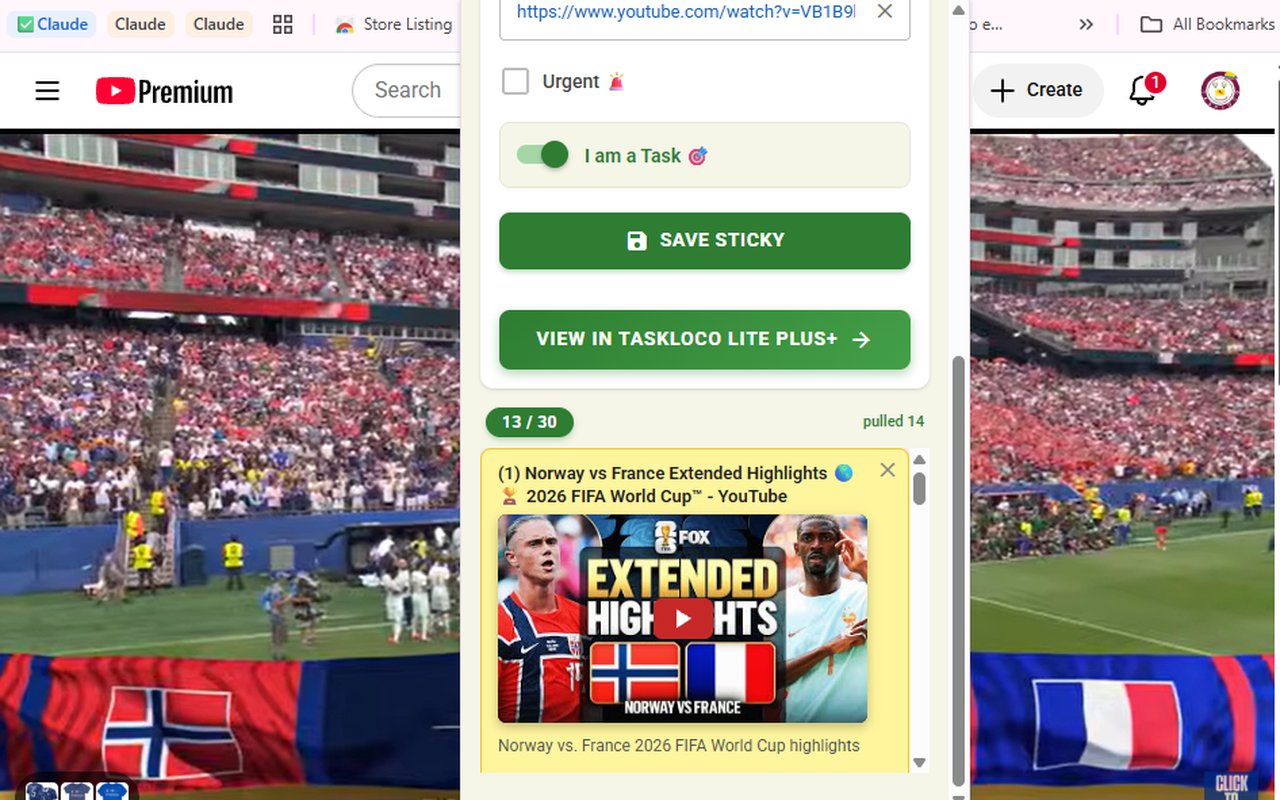
You're halfway through a workday, someone sends you a 45-minute documentary, and you know you won't watch it now. So you do what most people do: you open YouTube's built-in Watch Later playlist, add it, and tell yourself you'll come back. Then you forget it exists. The Watch Later queue fills up with 300 videos you'll never sort through, and the good stuff gets buried.
The problem isn't that you're bad at watching videos — it's that a flat, undifferentiated playlist is a terrible way to manage intent. There's no context, no grouping, no way to remind yourself why you saved something. This guide covers every real method for building a smarter video watch list, from native YouTube features to browser tricks to tools that actually let you organize what you save.
The Built-In Options: YouTube Watch Later and Custom Playlists
YouTube gives you two native tools for saving videos: the Watch Later queue and custom playlists. Both are worth understanding before you decide what to use.
Watch Later is the quickest — hover over any thumbnail, click the clock icon, and the video drops into a private queue. The catch is that Watch Later is a single, unsorted list. There's no way to add a note about why you saved something, no way to tag by topic, and no way to see it clearly on mobile without opening the app. It also doesn't travel outside of YouTube — if you want to share a set of videos with yourself in a different context (say, research for a project), Watch Later can't help.
Custom playlists are more useful for organizing. You can create playlists by topic — "cooking", "design tutorials", "conference talks" — and save videos directly into them. To create one: open any video, click Save below the player, then choose Create new playlist. Give it a name, set it to private if you don't want it public, and save. From then on, that playlist appears in your save options.
The real limitation of both approaches is that they're YouTube-only. If you're also saving articles, research pages, or links from around the web related to the same topic, there's no way to bring them together with your video list. Everything stays siloed.
Browser Bookmarks and Tabs: Simple But Messy
A lot of people skip YouTube's native tools entirely and just bookmark the video URL or leave the tab open. This works — barely — but it breaks down fast.
Bookmarks let you save a YouTube URL in a folder, and Chrome even lets you create a dedicated "Videos to Watch" bookmark folder. The issue is that bookmarks show only the page title. There's no thumbnail, no note, no way to see at a glance what the video is actually about or why you saved it. A list of YouTube URLs labeled "How I Built This" and "Lex Fridman Podcast" tells you almost nothing without clicking each one.
Open tabs are even worse as a long-term system. Tabs pile up, browsers slow down, and there's no organization at all — just a row of favicons. Pinning tabs helps a little, but it's not a list you can review or manage.
Copy-pasting links into a notes app is a step up because you can add your own context. Keep a note in Apple Notes or Google Keep, paste the YouTube URL, and write a line about why you want to watch it. That works reasonably well until your list grows long enough that scrolling through a wall of links becomes its own problem.
A Better Method: Save YouTube Videos as Visual Sticky Notes
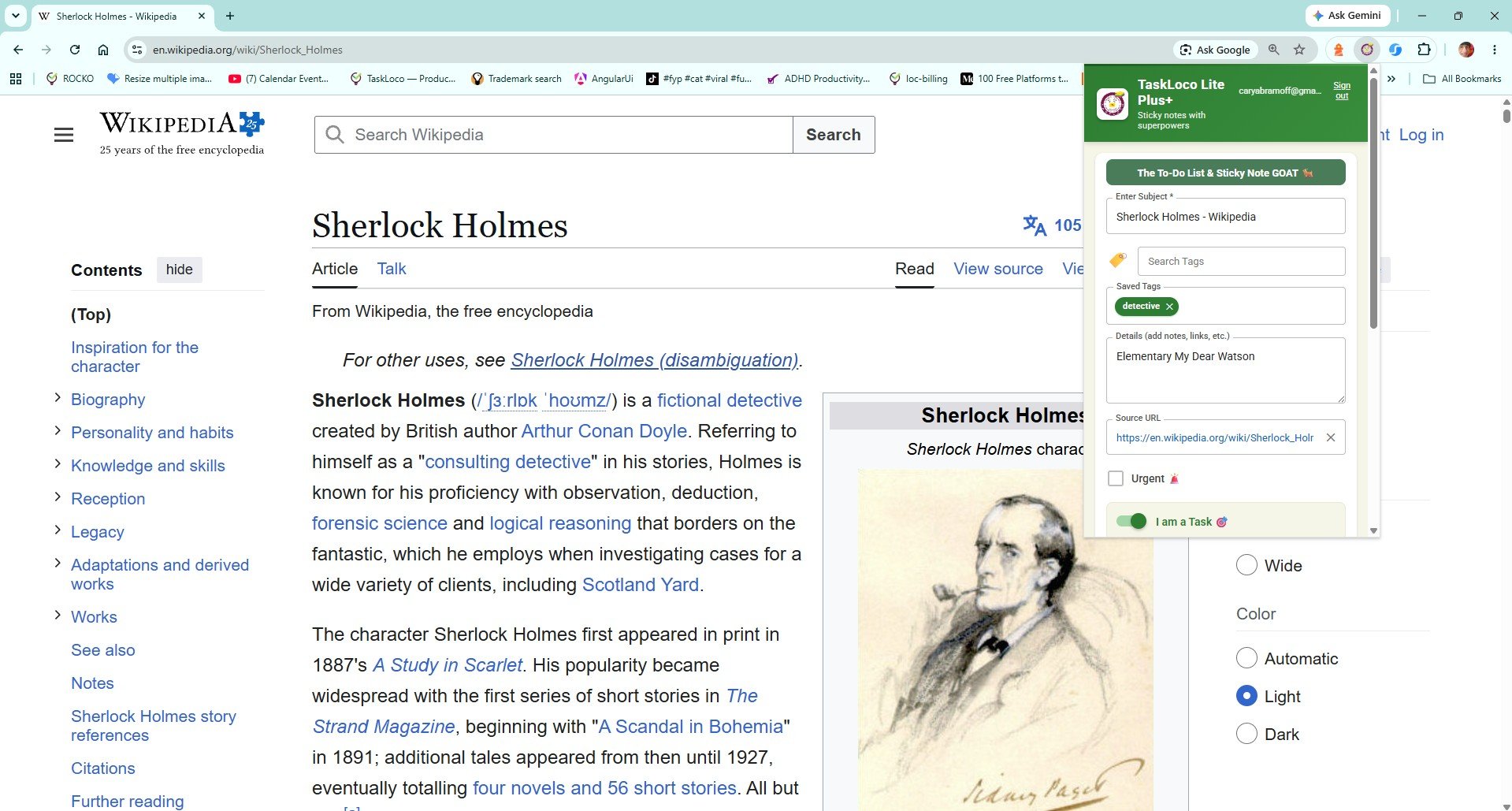
The approach that holds up best combines the speed of a one-click save with enough context to make your list actually readable. That's exactly what the Sticky Note Web Clipper does — it's a free Chrome extension that saves the current YouTube page as a sticky note in one click, with the video title and URL auto-filled.
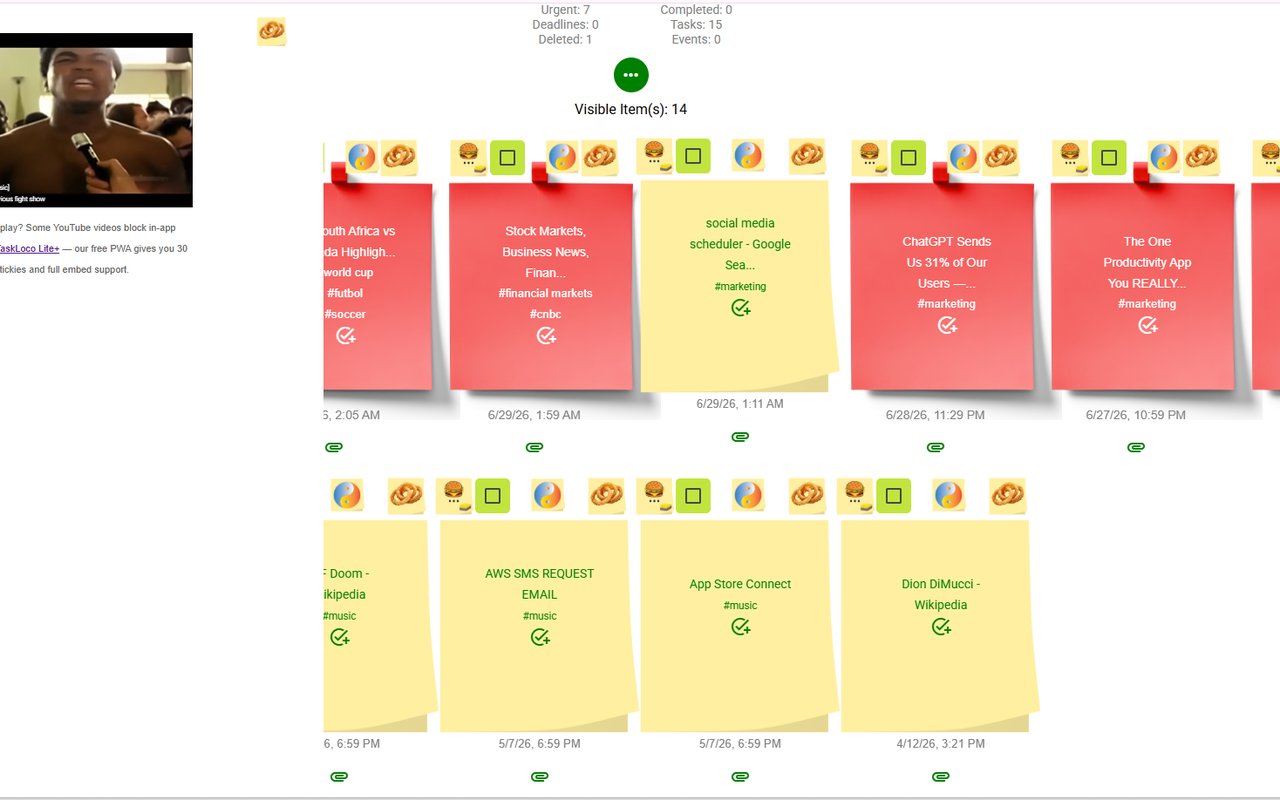
What makes it different from bookmarks or Watch Later is that the video embeds and plays directly inside the note. You don't need to navigate back to YouTube — open the note, press play. The note also lives on a visual wall alongside anything else you've saved: articles, research pages, links, other videos. If you're researching a topic and saving both videos and reading material, they all appear together in one organized space.
Here's how to use it:
- Install the free Sticky Note Web Clipper from the Chrome Web Store.
- Sign in with Google — it takes about 30 seconds.
- Navigate to any YouTube video you want to save.
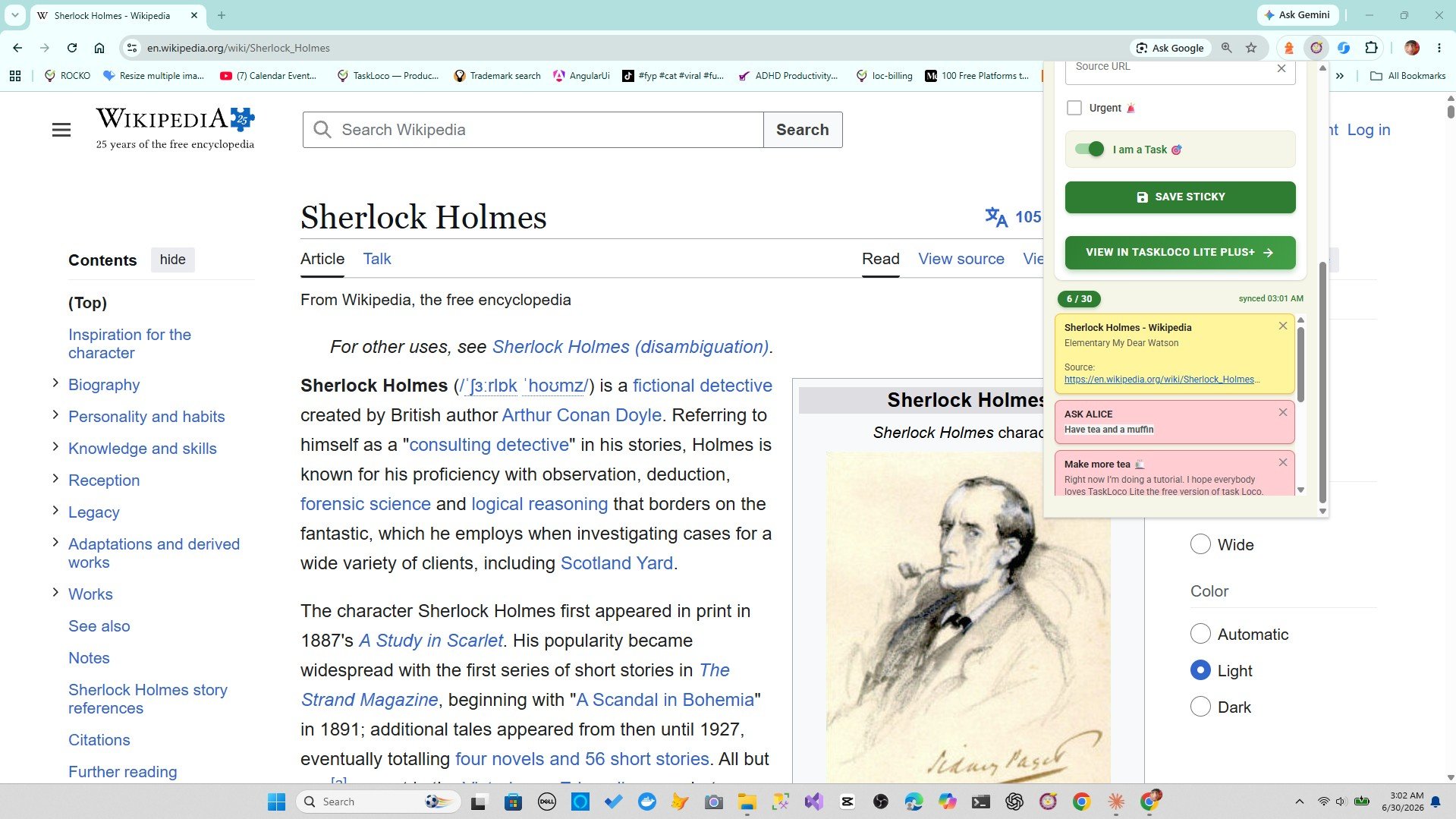
- Click the clipper icon in your Chrome toolbar. The video is saved instantly as a sticky note, title and URL already filled in.
- Add a quick tag or a note to yourself about why you saved it — "watch this weekend", "for the design project", "sent by Marcus".
- Your saved videos sync to TaskLoco, where you can access them from your phone, tablet, or any desktop browser.
Because the notes are visual and searchable, a long list stays manageable. You can scan by thumbnail context, filter by tag, or search by title. The list doesn't become a graveyard the way Watch Later does.
Building a System That You'll Actually Use
The best video watch list is one you maintain without thinking about it. That means the saving step needs to be nearly frictionless — one click or less — and the retrieval step needs to show you enough context that you can decide what to watch without opening every item.
A few habits that make any list work better, regardless of which method you use:
- Save with intent. When you save a video, write one sentence about why — even just "for weekend", "related to X project", or "recommended by Y". That sentence is worth more than the title alone when you're deciding what to watch later.
- Create topic groupings. Whether you use YouTube playlists, bookmark folders, or tagged sticky notes, separating videos by topic prevents the list from collapsing into one undifferentiated pile. Even three or four categories help.
- Review the list periodically. A watch list that never gets trimmed is just a guilt queue. Set aside time — even five minutes on a Sunday — to delete things you no longer care about. A shorter, curated list is more useful than a complete archive.
- Keep everything in one place. If your video list lives in YouTube, your article list lives in Pocket, and your miscellaneous links live in bookmarks, you'll never get a clear picture of what you actually want to consume. A single wall of saved items — videos, articles, links together — is easier to manage.
The Sticky Note Web Clipper fits into this system naturally because it saves everything — YouTube videos, articles, news pages, research links — to the same wall. You clip what you find while browsing, and your saved items are waiting for you when you have time to dig in.
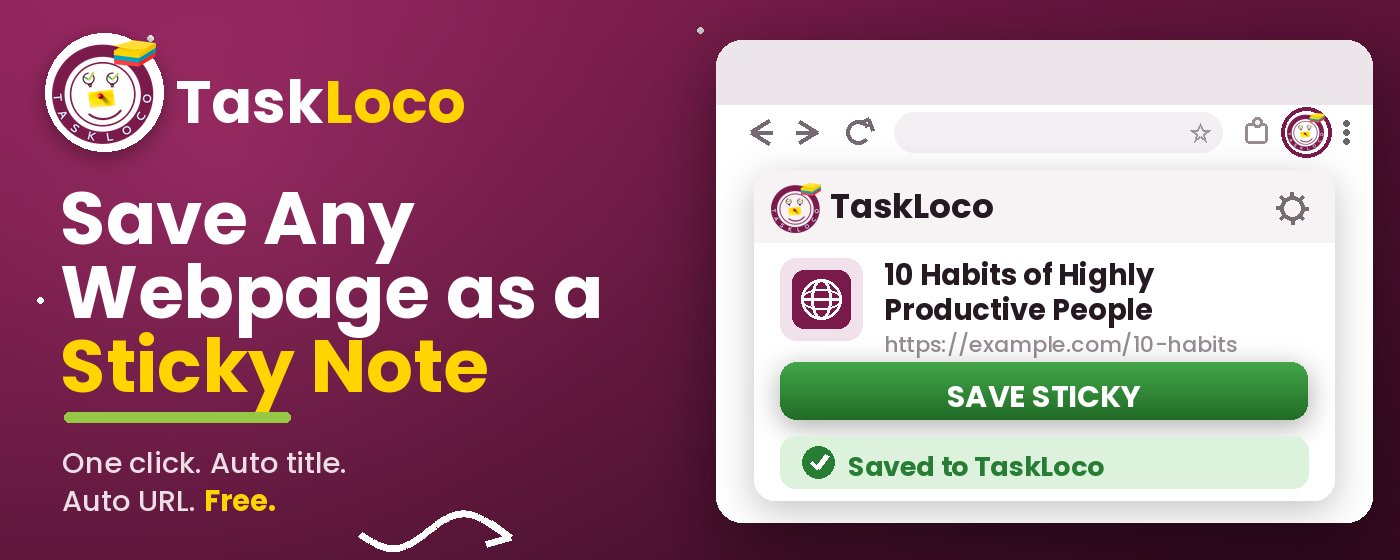
The Sticky Note Web Clipper is free. Install it from the Chrome Web Store, sign in with Google, and every page you clip becomes a sticky note you can find later.
Your clipped notes sync to TaskLoco across Chrome, desktop, iPhone, and Android — also free to start. No credit card to begin.
Get the Free Clipper
Sticky Note Web Clipper
- Free Chrome extension
- One-click save — any page, article, or video
- Title & URL auto-filled
- Tags & search
- Free forever
Synced to TaskLoco
- Sign in free with Google
- Your wall on Chrome, desktop, iPhone, Android
- YouTube videos embed & play in notes
- Visual sticky-note wall
- Free to start
Add It to Chrome — Free
One click saves any page, article, or YouTube video as a sticky note. Title and URL auto-filled.
Add to Chrome — FreeSee TaskLoco in Action
Frequently Asked Questions
What's wrong with YouTube's built-in Watch Later feature?
Watch Later is fast to add to, but it's a single unsorted list with no way to add context, group by topic, or mix in non-YouTube content. Most people end up with hundreds of videos they never return to because there's no way to make the list scannable or meaningful.
Can I save YouTube videos so they play without going back to YouTube?
Yes — when you save a YouTube video with the Sticky Note Web Clipper, the video embeds directly inside the note and plays from there. You don't need to open a new tab or navigate back to YouTube.
How do I save a YouTube video to watch later on my phone?
Save it with the Sticky Note Web Clipper while browsing on your desktop. The note syncs automatically to TaskLoco, which you can open on your iPhone or Android device. Your saved videos are there whenever you're ready to watch.
Is the Sticky Note Web Clipper free?
Yes — the extension is completely free. TaskLoco, where your notes are saved and synced, also has a free tier. Install from the Chrome Web Store, sign in with Google, and start saving videos immediately.
Can I organize saved YouTube videos by topic or project?
Yes. When you save a video as a sticky note, you can add tags to categorize it — by topic, project, priority, or whatever system makes sense for you. You can then search or filter your saved notes to find exactly what you're looking for.
What's better than bookmarking a YouTube video?
Saving it as a sticky note with the Sticky Note Web Clipper. Bookmarks show only a title and URL with no visual context and no way to add a note about why you saved something. A sticky note gives you the embedded video, a searchable title, and space to add your own tags or notes — all in one place.
Can I save other content alongside my YouTube videos in the same list?
Yes. The Sticky Note Web Clipper saves any webpage — articles, news, research pages, links — as a note on the same wall as your videos. Everything you're saving while browsing lives in one organized place instead of scattered across bookmarks, playlists, and apps.
Born in Brooklyn. Powered by AWS. Your data stays yours.
TaskLoco is available on iPhone, Android, Chrome, and every web browser.