Self-discipline gets talked about like it's a personality trait you either have or you don't. It's not. It's a skill — and a highly trainable one. The people who seem effortlessly disciplined aren't running on superior willpower. They've built environments, habits, and systems that make the right choice the default choice.
The research is clear: decision fatigue is real, willpower is finite, and motivation is unreliable. What actually works is reducing the number of decisions you have to make, tying new behaviors to existing ones, and creating visible feedback loops that make progress feel real. This guide walks through exactly how to do that — with no fluff, no philosophy, just method.
Step 1 — Stop Relying on Motivation, Start Designing Your Environment
Motivation is a feeling. Feelings change. If your discipline system depends on feeling motivated, it will collapse the first week you're tired, stressed, or busy. The first real step to building self-discipline is accepting that motivation isn't the engine — environment is.
Environment design means making the behavior you want as easy as possible, and the behavior you don't want as inconvenient as possible. Want to read more? Put the book on your pillow. Want to stop doom-scrolling at night? Leave your phone charger in the kitchen. These aren't hacks — they're friction management. James Clear calls it 'making good habits obvious and easy, bad habits invisible and hard.' It works because it bypasses the moment of decision entirely.
Practical environment changes that work:
- Prepare tomorrow tonight. Lay out workout clothes. Queue up the project you need to start. Load the blank document. The version of you at 10pm has more willpower than the version who just woke up.
- Create context-specific zones. If you work from home, your bed should never be a work zone. Your desk should never be a social media zone. The brain associates locations with behaviors — use that.
- Remove the opt-out. Schedule tasks on a calendar like meetings. When something has a time and a place, skipping it requires active cancellation rather than passive inaction.
Step 2 — Use Habit Stacking and Minimum Viable Commitments
Most self-discipline attempts fail because the goal is too big and the trigger is too vague. 'I'm going to exercise more' is not a plan. 'After I pour my morning coffee, I will do ten push-ups before sitting down' is a plan. That structure — after [current habit], I will [new behavior] — is called habit stacking, and it works because it eliminates the need to remember or decide. The existing habit becomes the cue.
The second piece is minimum viable commitments. The enemy of consistency isn't laziness — it's the all-or-nothing mindset. If you've committed to writing 1,000 words a day and you only have fifteen minutes, you skip. But if your minimum is 'open the document and write one sentence,' you almost always do more, and you never lose the streak. The minimum isn't a cop-out. It's the mechanism that keeps the chain unbroken on hard days.
How to apply this right now:
- Pick one new habit. Not five. One. Attach it to something you already do every single day — brewing coffee, brushing teeth, sitting down at your desk.
- Write the stack explicitly. 'After I sit down at my desk, I will write my three priorities for the day before opening email.' Write it down. Put it where you'll see it.
- Set your floor, not just your ceiling. 'My minimum for exercise is a ten-minute walk. My target is thirty minutes.' The floor is what you do on the worst day. Design for that day.
- Track streaks visually. Jerry Seinfeld's 'don't break the chain' method works because seeing a streak of X's on a calendar creates real psychological resistance to breaking it. Make your progress visible.
Step 3 — Build the Feedback Loop: Accountability, Review, and Recalibration
Habits don't self-sustain indefinitely without feedback. The third pillar of real self-discipline is a regular review cycle — something that forces you to look at what's working, what isn't, and what needs to change. Most people skip this because it feels like extra work. It's actually the lever that makes everything else work.
A weekly review doesn't need to be elaborate. Fifteen minutes on Sunday asking three questions: What did I actually do this week? What got skipped and why? What's one adjustment I can make this week? That's it. Over time, this process surfaces patterns — maybe you always skip the habit on Thursdays because of a standing meeting, or you always succeed when you front-load your morning. Without the review, those patterns stay invisible.
On accountability: external accountability works faster than internal accountability for most people. This can be a friend, a colleague, a paid coach, or even a public commitment. The specific format matters less than the fact that someone else knows what you said you'd do. The social stakes raise the cost of skipping from 'I feel bad' to 'I have to explain myself.'
What makes a review actually stick:
- Keep it short and scheduled. Long reviews get skipped. Block fifteen minutes on your calendar, same time every week. Treat it like a recurring meeting with yourself.
- Review the system, not just the outcome. 'Did I hit my goal?' is less useful than 'Did the system I set up make the goal achievable?' Fix the system, not your willpower.
- Write it down. Reviewing in your head doesn't count. A written record creates a history you can actually learn from. Even bullet points work.
- Celebrate micro-wins. Acknowledging what went right isn't self-congratulation — it's reinforcing the neural pathway that says this behavior has value. Don't skip it.
How TaskLoco Fits Into a Discipline System
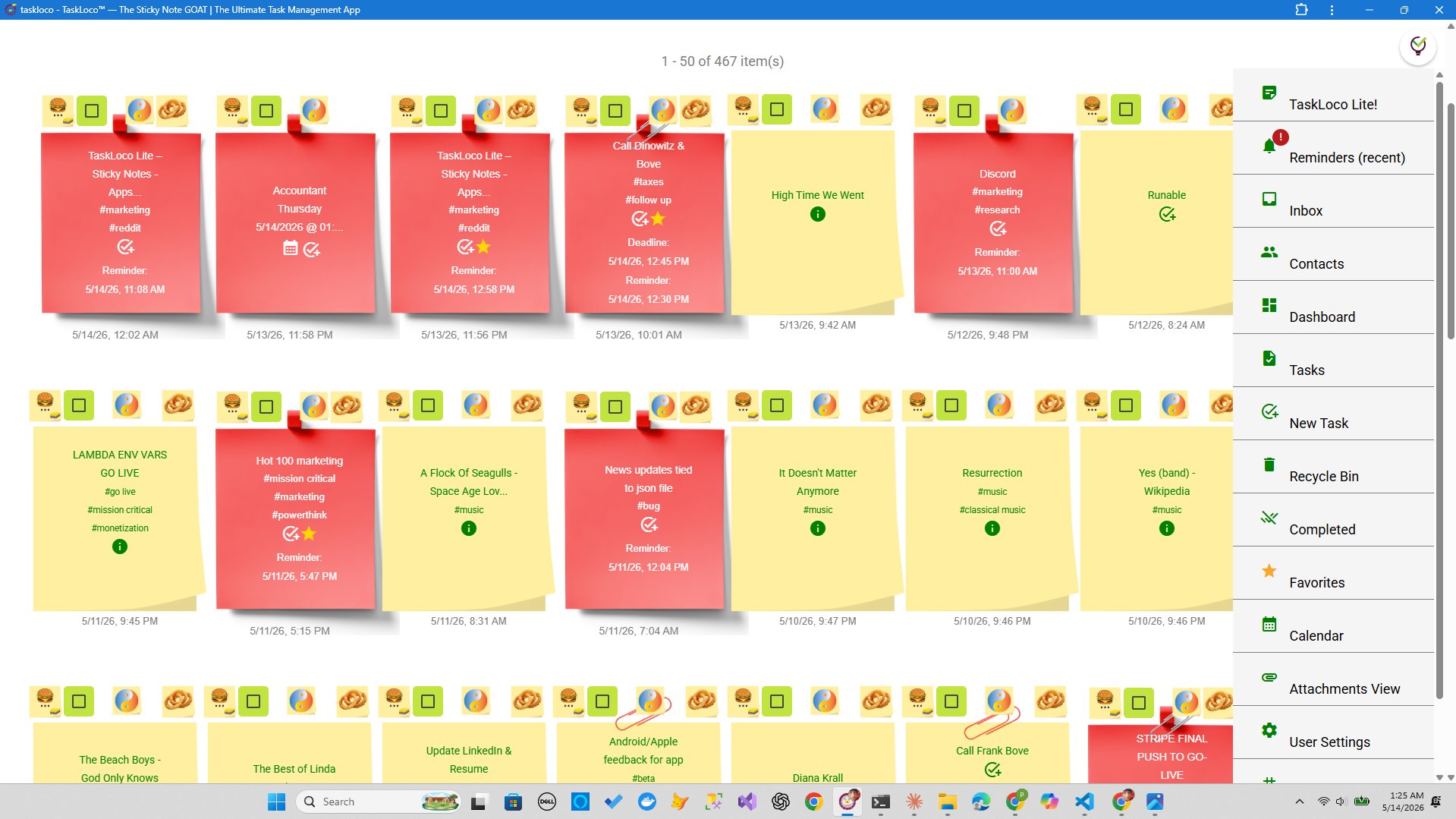
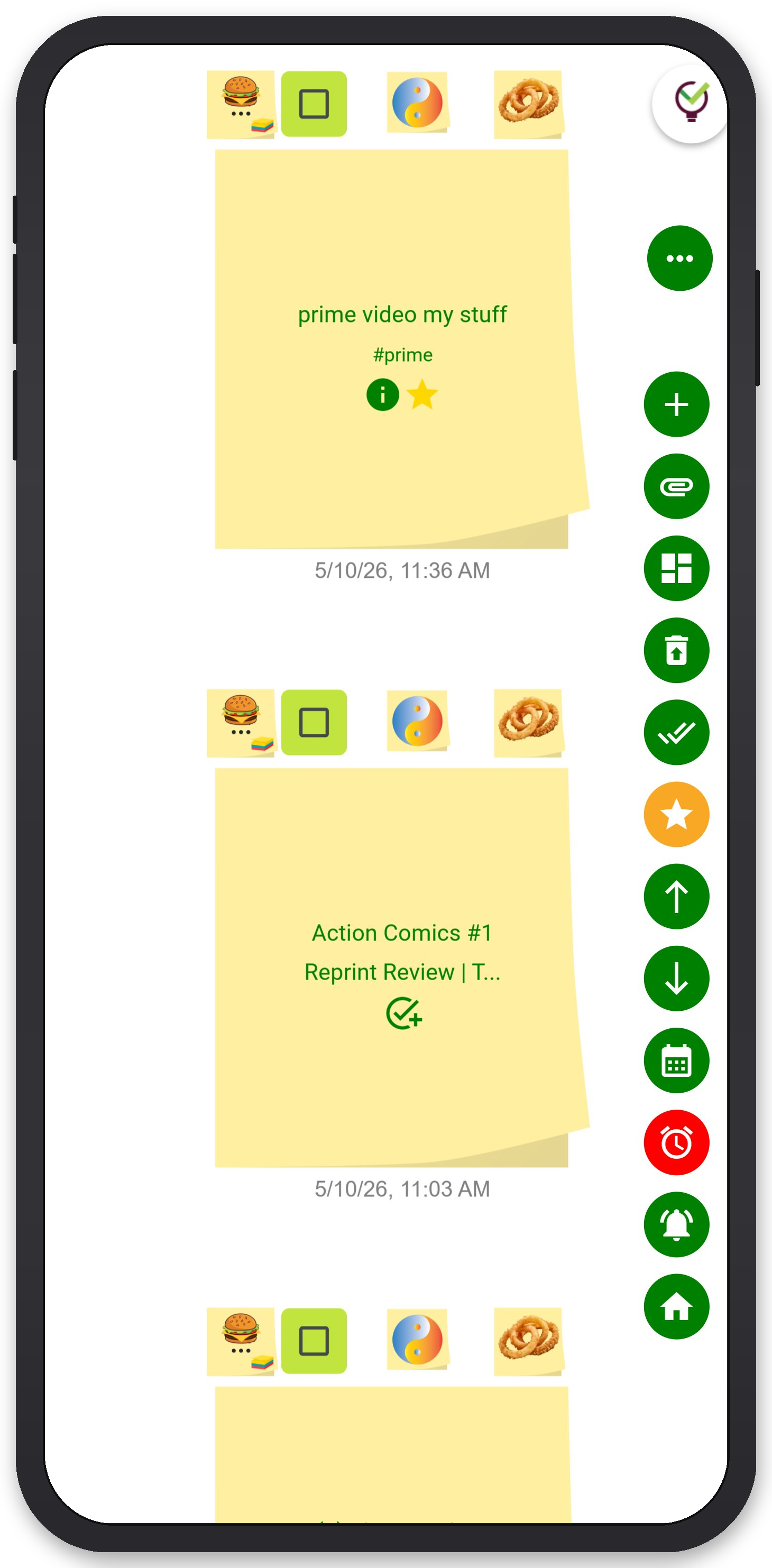
The methods above work with a paper notebook, a whiteboard, or a basic notes app. But if you want a digital system that doesn't fight you, TaskLoco is worth looking at. The premise is sticky notes — the most instinctive format there is — but with the structure to actually run a discipline system.
Here's how it maps directly to the steps above:
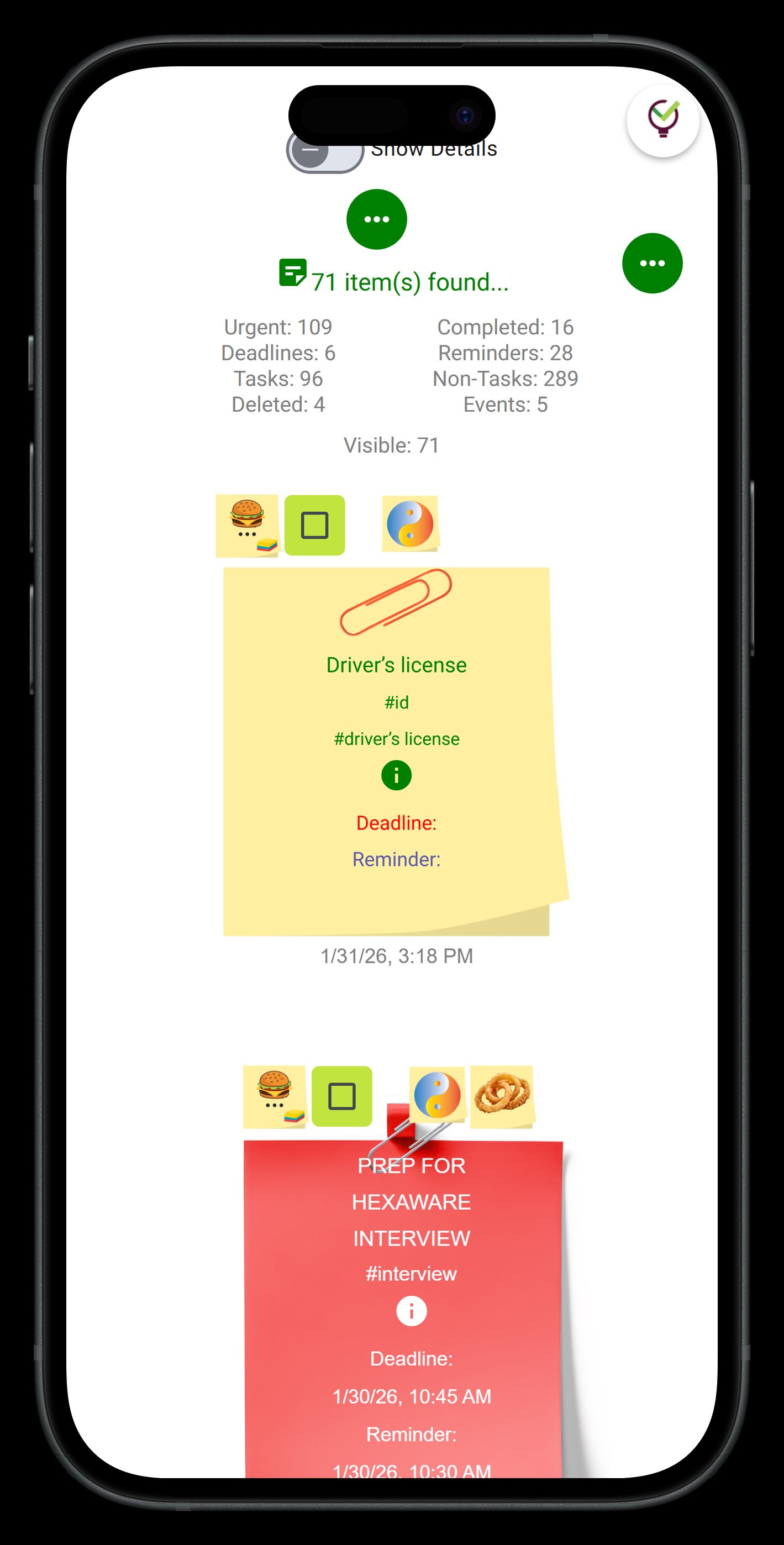
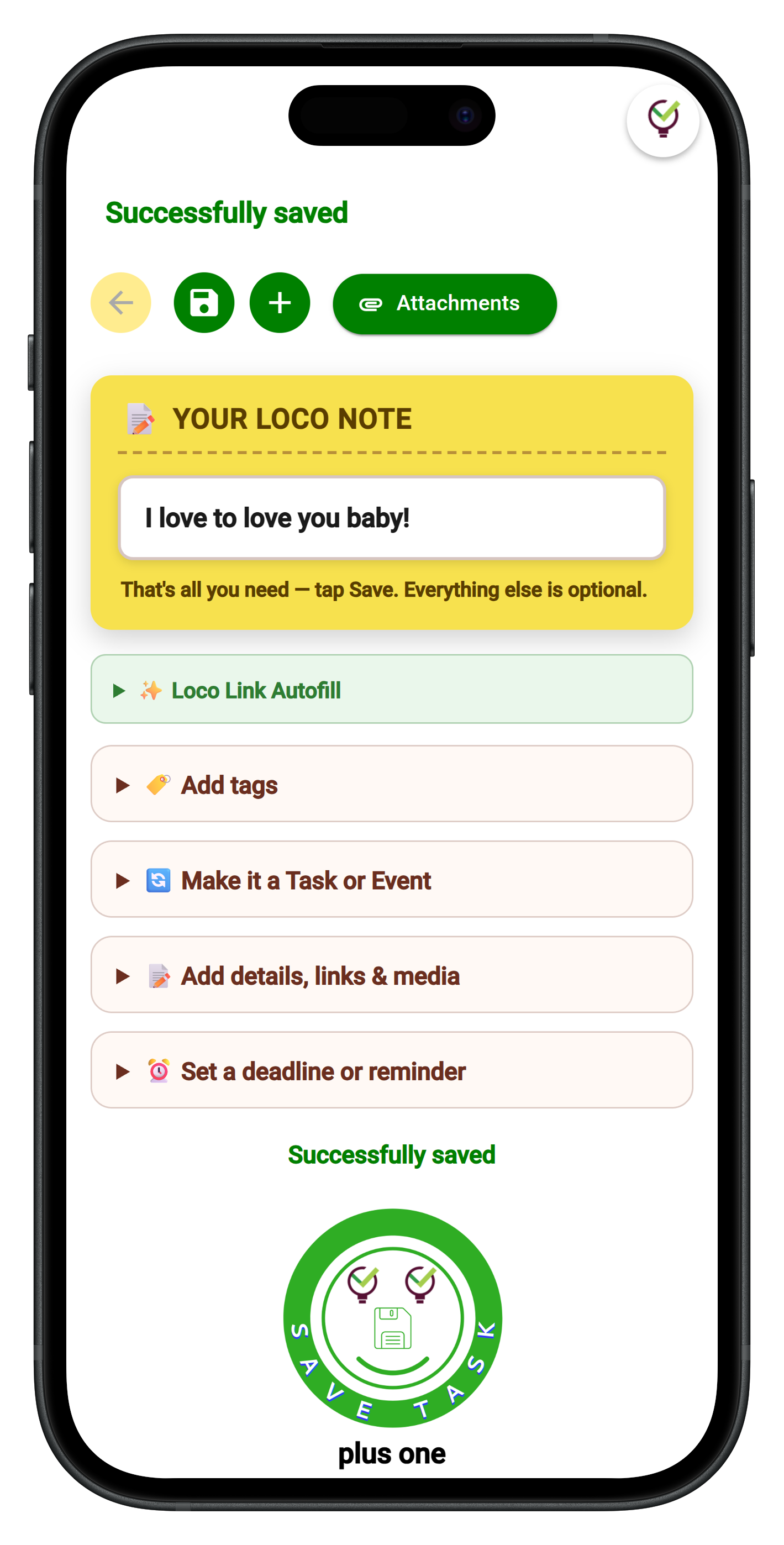
- Daily minimums and habit stacks: Write your habits as individual sticky notes on your TaskLoco wall. Each note can carry a reminder — delivered as a push notification to your phone or computer — that deep-links back to that exact note. You tap the notification, you're in the note, you do the thing. No hunting.
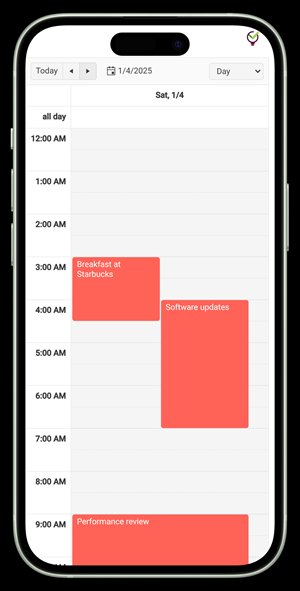
- Streak and priority tracking: TaskLoco's calendar view lets you see your tasks across days and weeks. You can attach files — screenshots of your tracker, documents, reference material — directly to notes. Everything for a habit lives in one place.
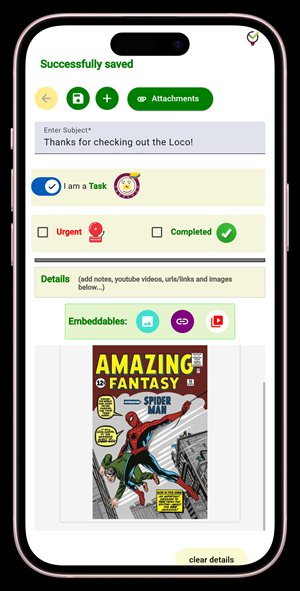
- Weekly review: Keep a recurring 'Weekly Review' note. Write your three questions directly in it. Attach your review notes over time. TaskLoco's full-text search means you can pull up any past review instantly — so your history is actually usable, not buried.
- Team accountability: Premium includes full team sharing. Shared notes work like email — the recipient gets a clone of the note and makes it their own. No permissions, no access levels. Send your weekly commitment to an accountability partner in seconds.
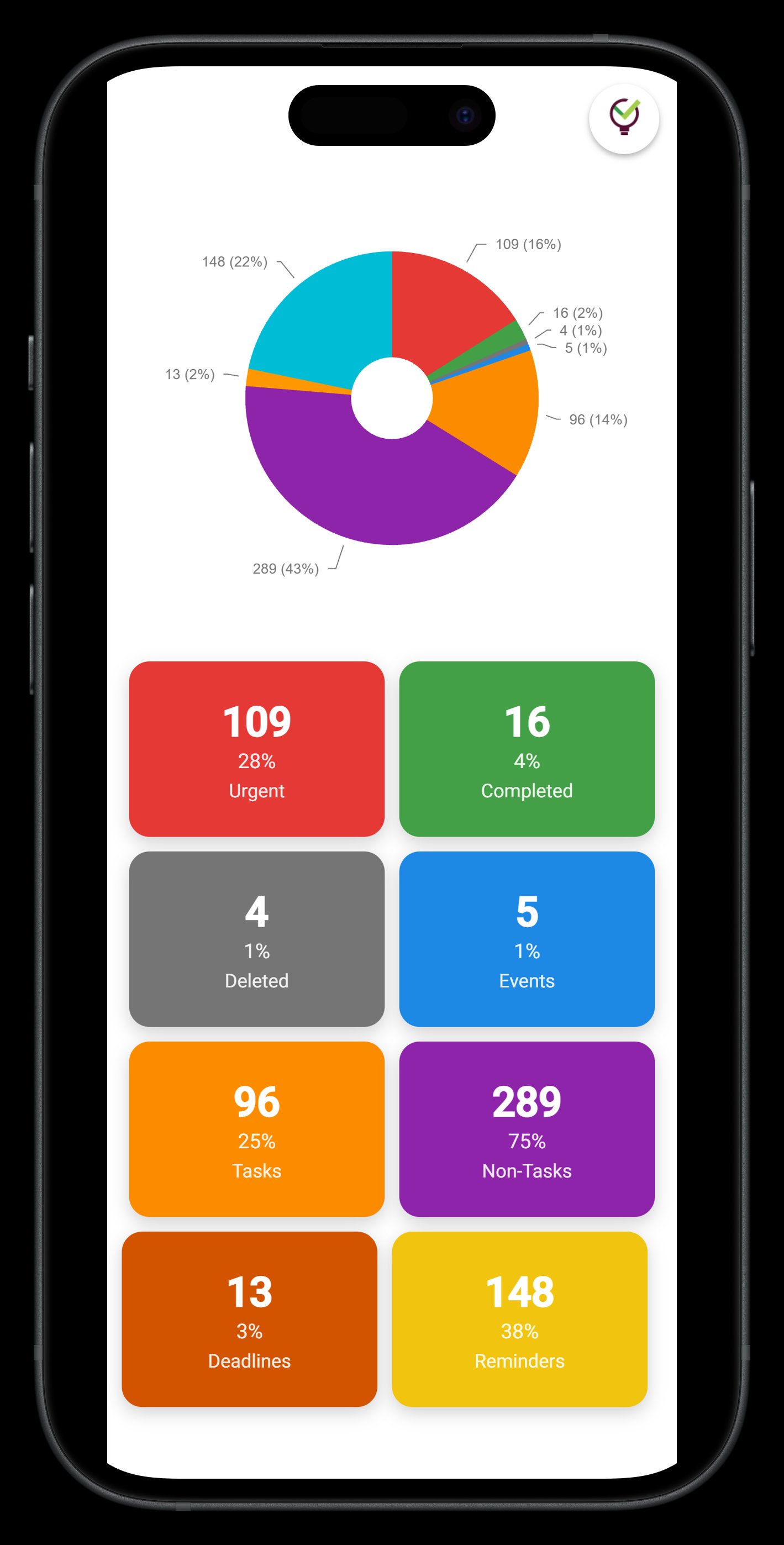
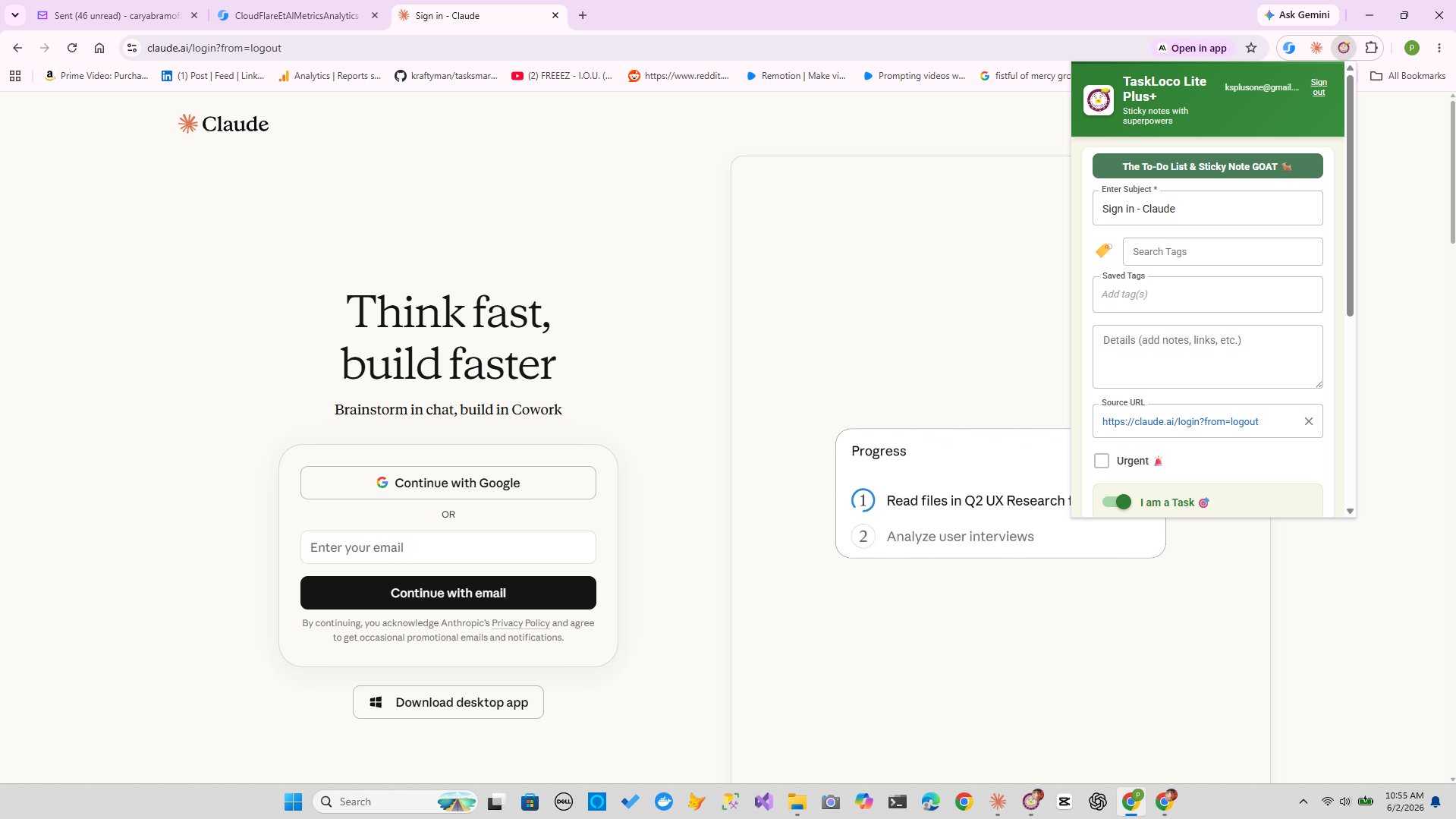
TaskLoco Lite is free, anonymous, and stores up to 20 notes on your device — a solid starting point if you want to try the sticky note format with no commitment. TaskLoco Lite Plus+ is also free, syncs across devices, and supports up to 30 notes. Premium unlocks reminders, unlimited notes, file attachments, calendar view, and team sharing.
TaskLoco Premium is regularly $9.99/month per person. Right now, charter members can lock in 50% off the regular price — forever. That means $4.99/month per person today. And if our price ever goes up, you still pay half. Always.
Code CHARTER50 auto-applies at checkout. First 500 spots only — once they're gone, this offer is gone permanently. Act fast while spots last.
Every Premium subscription includes unlimited notes, 10GB file storage, reminders, calendar, and team sharing. Each team member requires a separate subscription. 7-day free trial — no charge until day 8. Cancel anytime.
Free Options: TaskLoco
TaskLoco Lite
- Native iPhone & Android app
- Completely anonymous — no sign-in
- Data stays on your device
- Up to 20 notes
- Free forever
TaskLoco Lite Plus+
- Web app + Chrome extension
- Sign in with Google
- Wall syncs across all devices
- Up to 30 notes
- Free forever
Lock In 50% Off — Forever
7-day free trial. No charge until day 8. CHARTER50 auto-applies at checkout.
🔒 Lock In My Charter SpotSee TaskLoco in Action
Frequently Asked Questions
How long does it take to build self-discipline?
Research on habit formation — most notably from University College London — suggests a new behavior takes anywhere from 18 to 254 days to become automatic, with 66 days being the median. The wide range reflects that simpler habits (drinking water with lunch) form faster than complex ones (daily exercise). The practical takeaway: stop expecting discipline to feel effortless within two weeks. The first month is conscious effort. The second month starts to feel lighter. By month three, the behavior often runs on autopilot.
What is the most effective way to build self-discipline?
The most evidence-backed approach combines three things: environment design (removing friction from good behaviors), implementation intentions (specific if-then plans like habit stacking), and regular review cycles. Willpower alone ranks last in effectiveness because it's a depletable resource. Systems that reduce the number of daily decisions are consistently more effective than trying to make better decisions in the moment.
Why do I keep failing at self-discipline?
Usually for one of three reasons: the goal is too vague (no clear trigger, no clear action), the commitment is too large (skipping once feels fatal, so you quit), or there's no feedback loop (you can't tell if you're improving). Fix these by writing specific habit stacks, setting a minimum viable floor for every commitment, and doing a fifteen-minute weekly review every Sunday. Most 'discipline failures' are actually system failures.
Does willpower run out?
Yes. This is called ego depletion, and while the research has some ongoing debate, the practical pattern is well-documented: decision-making quality and resistance to temptation tend to degrade as the day goes on. This is why discipline systems built around environment and routine outperform systems built around willpower — they front-load decisions or eliminate them entirely. Schedule your hardest task first, not last.
Can you rebuild self-discipline after a long break?
Yes, and it's faster the second time. If you've built a habit before, the neural pathway isn't erased — it's dormant. Re-establishing it typically takes less time than building it from scratch. The key is to restart at your floor level, not your peak level. Don't try to re-enter at the intensity you left off. Start with the minimum viable version of the habit and let momentum rebuild naturally.
How do I stay disciplined when I'm tired or stressed?
This is exactly when your minimum viable commitment matters most. Tired days are not days to push harder — they're days to honor the floor. Doing the minimum keeps the streak alive and signals to your brain that this behavior is non-negotiable. It also helps to pre-decide what tired-day behavior looks like before the tired day arrives. 'If I'm exhausted, my workout is a ten-minute walk' removes the in-the-moment negotiation entirely.
How can TaskLoco help with building self-discipline?
TaskLoco's sticky-note format maps naturally to a discipline system — write habit stacks as individual notes, set push notification reminders that deep-link back to the exact note, track your weekly reviews with searchable history, and share accountability notes with a partner using Premium's full team sharing. $9.99/month per person (currently $4.99/month per person for first 500 charter members with code CHARTER50)
Born in Brooklyn. Powered by AWS. Your data stays yours.
TaskLoco is available on iPhone, Android, Chrome, and every web browser.