Every time you check off a task, your brain delivers a small hit of dopamine — the same neurotransmitter involved in addiction, love, and eating chocolate. This isn't just feel-good psychology; it's measurable brain chemistry that evolved to keep our ancestors alive and now powers modern productivity systems.
Understanding dopamine task completion explains why some people become addicted to checking items off lists, why breaking big projects into smaller tasks works so well, and why certain productivity methods succeed while others fail. The secret lies in how your brain's reward system actually functions.
The Neuroscience Behind Task Completion
Dopamine operates on anticipation, not just achievement. When you see a task list, your brain begins releasing dopamine in anticipation of completing those tasks. This is why looking at your to-do list can feel motivating rather than overwhelming — your brain is literally getting excited about the upcoming rewards.
The key discovery from neuroscience research is that dopamine release peaks just before task completion, not after. The moment you're about to cross something off your list, your brain floods with more dopamine than when you actually finish. This anticipation-reward loop is what makes task completion so psychologically compelling.
This system evolved because our ancestors needed motivation to complete survival tasks like hunting, gathering, and building shelter. The brain that could stay motivated through long, difficult projects was the brain that survived. Modern productivity systems work when they align with this ancient reward circuitry.
Why Breaking Tasks Into Smaller Pieces Works
The dopamine system explains why productivity experts recommend breaking large projects into smaller, specific tasks. Each small task completion triggers its own dopamine release, creating multiple reward moments instead of one distant payoff. Your brain gets more frequent positive reinforcement, maintaining motivation over longer periods.
This is why 'Write research paper' feels overwhelming while 'Outline introduction section' feels manageable. The second task offers a clearer, more immediate path to dopamine release. Your brain can visualize completion, which triggers anticipatory dopamine and gets you started.
The optimal task size hits what researchers call the 'dopamine sweet spot' — challenging enough to feel meaningful when completed, but achievable enough that completion feels certain. Tasks that are too easy provide minimal dopamine reward; tasks that feel impossible provide no anticipatory dopamine at all.
When the Dopamine System Breaks Down
Dopamine task completion can become counterproductive in several ways. Some people become addicted to the completion sensation itself, focusing on easy, low-impact tasks that provide quick dopamine hits while avoiding important but challenging work. This leads to busy but unproductive days filled with completed but meaningless tasks.
Another common breakdown occurs when tasks are poorly defined. Vague tasks like 'work on project' or 'plan meeting' don't trigger anticipatory dopamine because the brain can't visualize completion. Without clear completion criteria, the dopamine system fails to engage, leaving you feeling unmotivated and scattered.
The system also fails when people create impossibly long task lists. Overwhelming task lists trigger stress responses that suppress dopamine production. Instead of anticipating rewards, your brain anticipates failure, creating avoidance behaviors rather than approach behaviors.
Perfectionism disrupts dopamine task completion by moving the completion goalposts. When 'good enough' never triggers the completion response, your brain stops anticipating rewards and motivation drops. The perfectionist brain learns that task completion is rare and unpredictable, reducing anticipatory dopamine over time.
Leveraging Dopamine Task Completion with TaskLoco
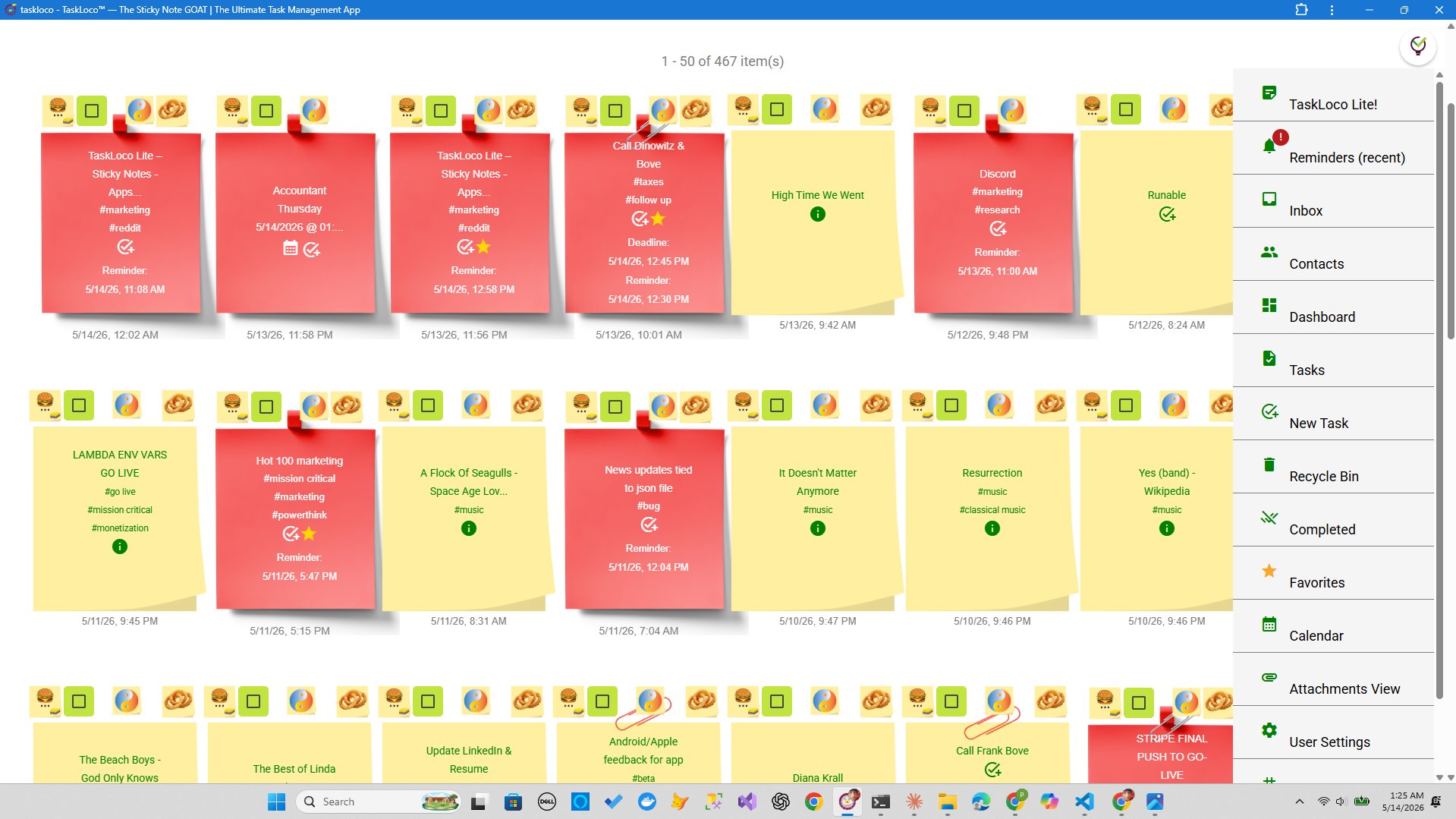
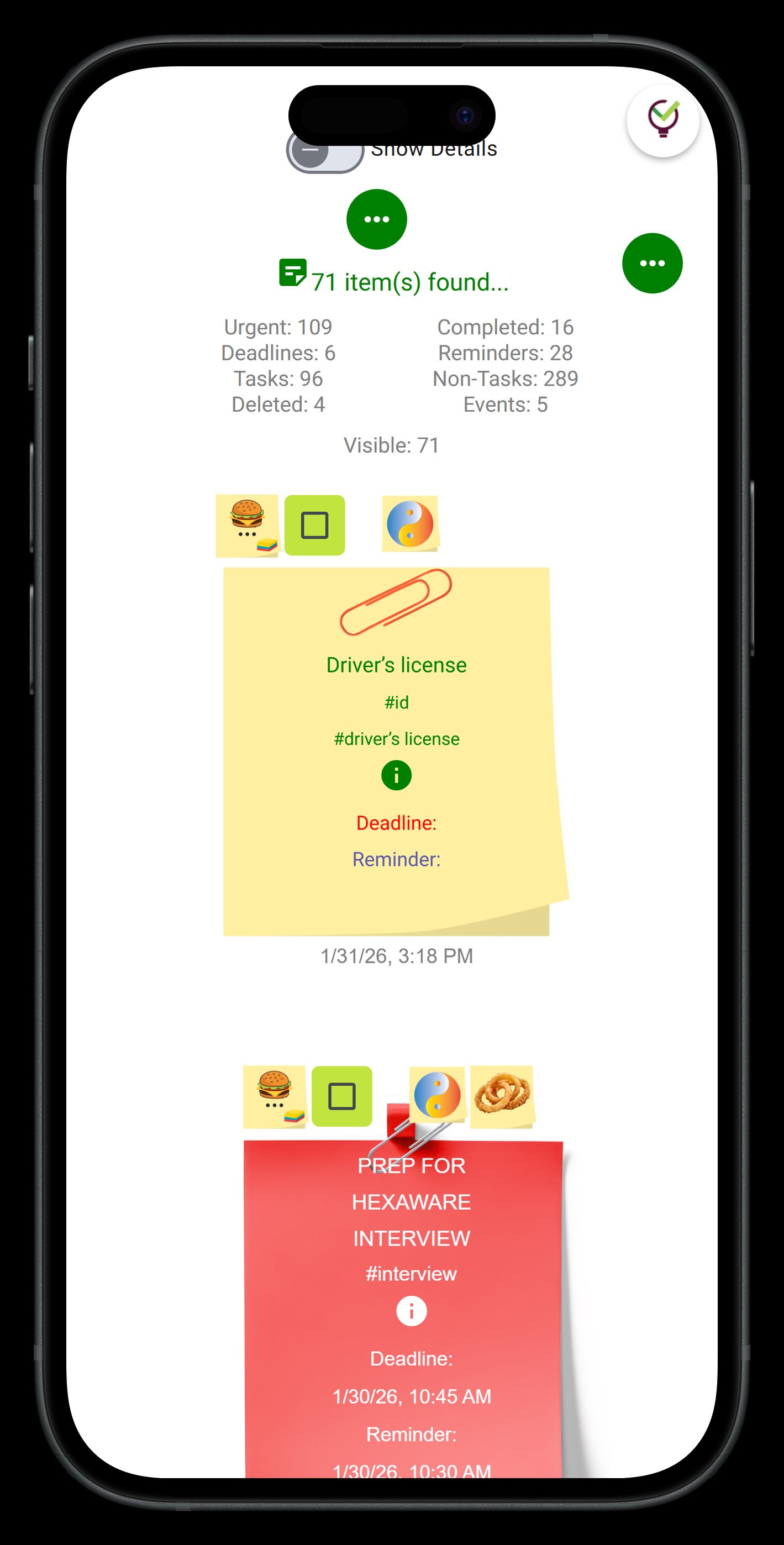
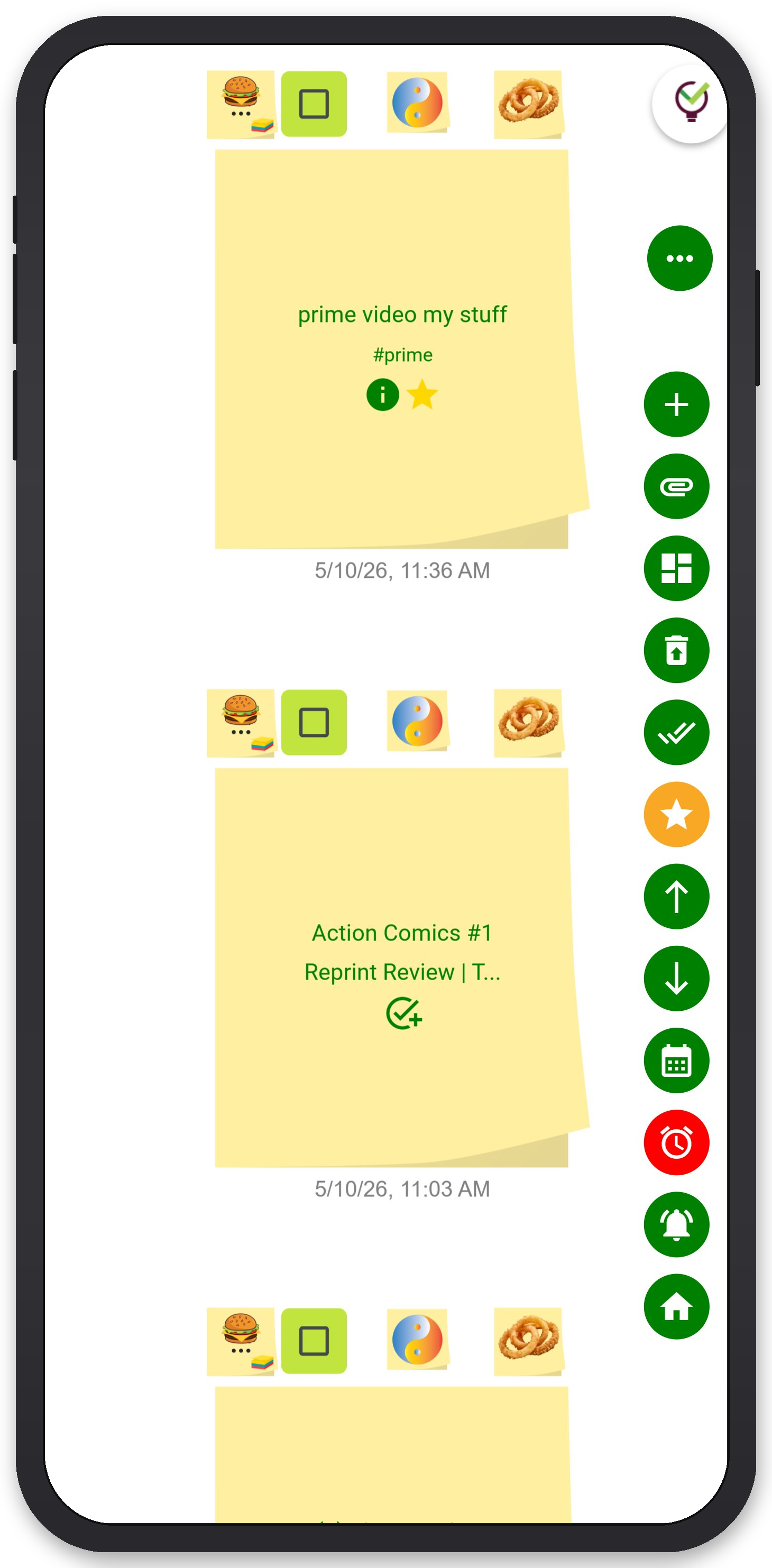
TaskLoco's sticky note approach aligns naturally with dopamine task completion principles. Each note represents one clear, completable item, making it easy to break larger projects into dopamine-triggering smaller tasks. The visual simplicity helps your brain quickly assess what completion looks like for each task.
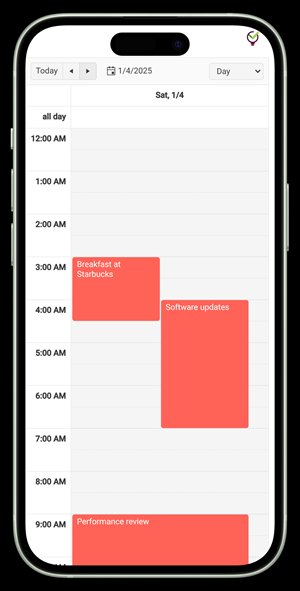
The app's reminder system works with your dopamine cycle by delivering notifications when you're ready to experience anticipatory dopamine. Instead of overwhelming you with constant alerts, TaskLoco reminds you at the right moment to re-engage with tasks when your motivation naturally peaks.
$9.99/month per person (currently $4.99/month per person for first 500 charter members with code CHARTER50)
TaskLoco Premium is regularly $9.99/month per person. Right now, charter members can lock in 50% off the regular price — forever. That means $4.99/month per person today. And if our price ever goes up, you still pay half. Always.
Code CHARTER50 auto-applies at checkout. First 500 spots only — once they're gone, this offer is gone permanently. Act fast while spots last.
Every Premium subscription includes unlimited notes, 10GB file storage, reminders, calendar, and team sharing. Each team member requires a separate subscription. 7-day free trial — no charge until day 8. Cancel anytime.
Free Options: TaskLoco
TaskLoco Lite
- Native iPhone & Android app
- Completely anonymous — no sign-in
- Data stays on your device
- Up to 20 notes
- Free forever
TaskLoco Lite Plus+
- Web app + Chrome extension
- Sign in with Google
- Wall syncs across all devices
- Up to 30 notes
- Free forever
Lock In 50% Off — Forever
7-day free trial. No charge until day 8. CHARTER50 auto-applies at checkout.
🔒 Lock In My Charter SpotSee TaskLoco in Action
Frequently Asked Questions
What is dopamine task completion?
Dopamine task completion is the neurochemical reward cycle that occurs when your brain anticipates and achieves task completion. Your brain releases dopamine both when anticipating task completion and when actually finishing tasks, creating a powerful motivation loop that drives productive behavior.
Why does checking off tasks feel so satisfying?
Checking off tasks triggers dopamine release in your brain's reward system. This neurotransmitter creates feelings of satisfaction and accomplishment, which evolved to motivate our ancestors to complete survival-critical tasks. The same system now makes modern productivity habits psychologically rewarding.
How can I use dopamine to improve my productivity?
Break large projects into smaller, clearly defined tasks that trigger anticipatory dopamine. Create specific completion criteria for each task so your brain can visualize success. Avoid overwhelming task lists that trigger stress instead of excitement, and focus on achievable daily progress rather than perfect completion.
Why do some tasks feel motivating while others feel overwhelming?
Motivating tasks have clear completion criteria and feel achievable, triggering anticipatory dopamine release. Overwhelming tasks are either too vague for your brain to visualize completion or so difficult that completion feels impossible, preventing the dopamine anticipation cycle from starting.
Is it bad to be addicted to completing tasks?
Task completion addiction becomes problematic when you prioritize easy, low-impact tasks over important but challenging work. The key is ensuring your dopamine-driven task completion serves meaningful goals rather than just providing quick psychological rewards from busy work.
How does dopamine affect procrastination?
Procrastination often occurs when tasks don't trigger anticipatory dopamine because they're too vague, too difficult, or lack clear completion criteria. When your brain can't anticipate the reward of completion, it seeks easier dopamine sources like social media or entertainment instead.
Can understanding dopamine help with ADHD task management?
Yes, people with ADHD often have irregular dopamine function, making traditional task management less effective. Understanding dopamine task completion can help create systems that work with ADHD brain chemistry rather than against it, using smaller tasks and more frequent rewards to maintain motivation.
Born in Brooklyn. Powered by AWS. Your data stays yours.
TaskLoco is available on iPhone, Android, Chrome, and every web browser.