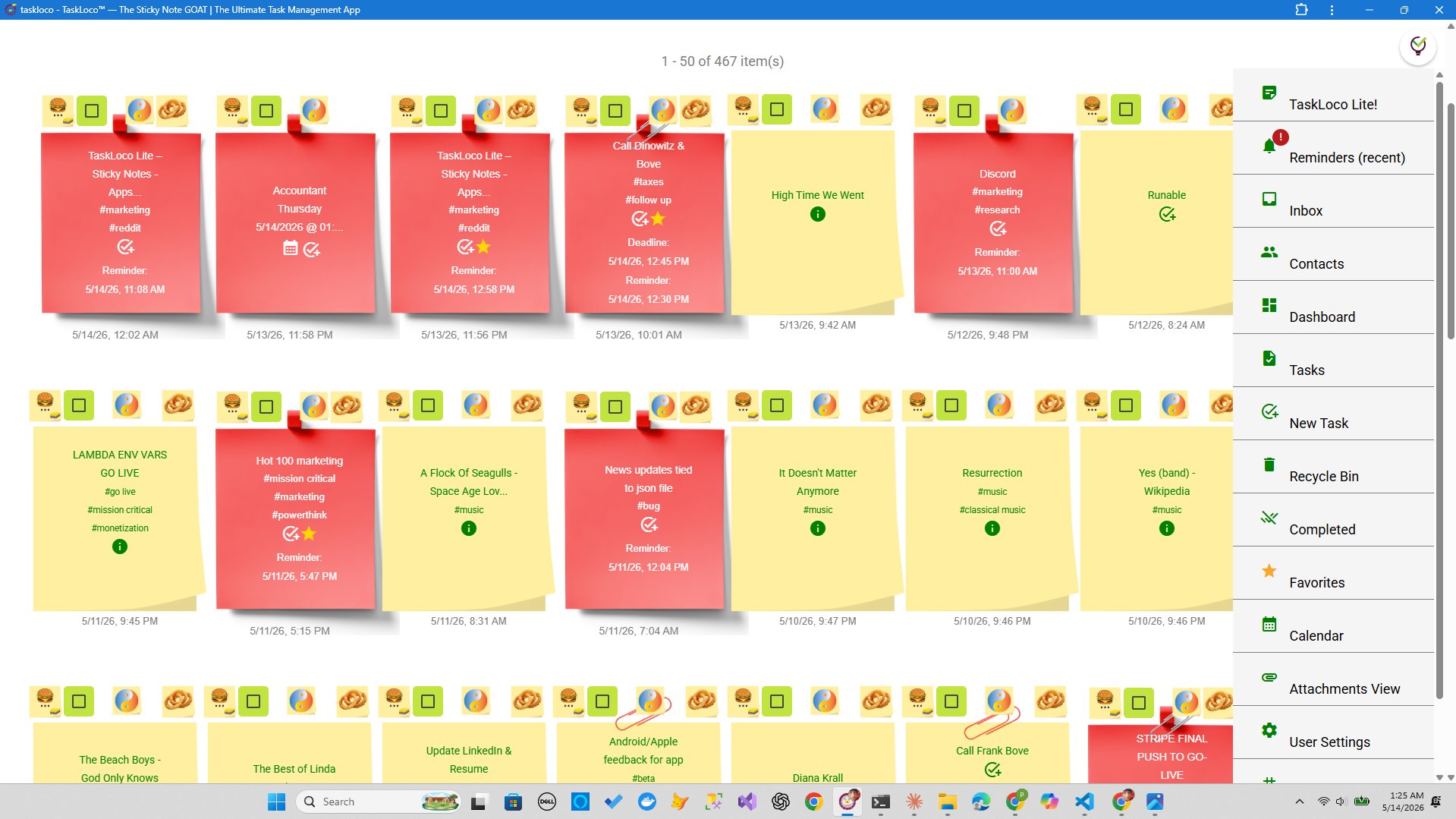
That rush you feel when crossing the last item off your to-do list isn't just satisfaction — it's your brain's reward system firing on all cylinders. Science shows that task completion triggers a complex neurochemical response that's hardwired into human psychology.
Understanding why finishing feels so good reveals how to structure work for maximum motivation and mental clarity. The research spans cognitive psychology, neuroscience, and behavioral economics, all pointing to the same conclusion: your brain is designed to crave completion.
The Dopamine Loop: Your Brain's Reward Circuit
Every time you complete a task, your brain releases dopamine — the same neurotransmitter involved in eating, sex, and other survival behaviors. This isn't just feel-good chemistry; it's an evolutionary mechanism that helped our ancestors survive by rewarding productive behavior.
The dopamine hit from task completion creates what researchers call a 'completion loop.' Your brain associates the act of finishing with reward, which motivates you to seek more tasks to complete. This is why people often report feeling energized after checking items off their list, even when the tasks themselves were mundane.
Crucially, the reward isn't just about the outcome — it's about the transition from incomplete to complete. Studies using brain imaging show that the moment of task completion lights up the brain's reward centers more intensely than simply having the task done.
The Zeigarnik Effect: Why Unfinished Tasks Haunt You
In 1927, psychologist Bluma Zeigarnik discovered that people remember incomplete tasks better than completed ones. This 'Zeigarnik effect' explains why unfinished work creates a persistent mental tension that only resolves when the task is complete.
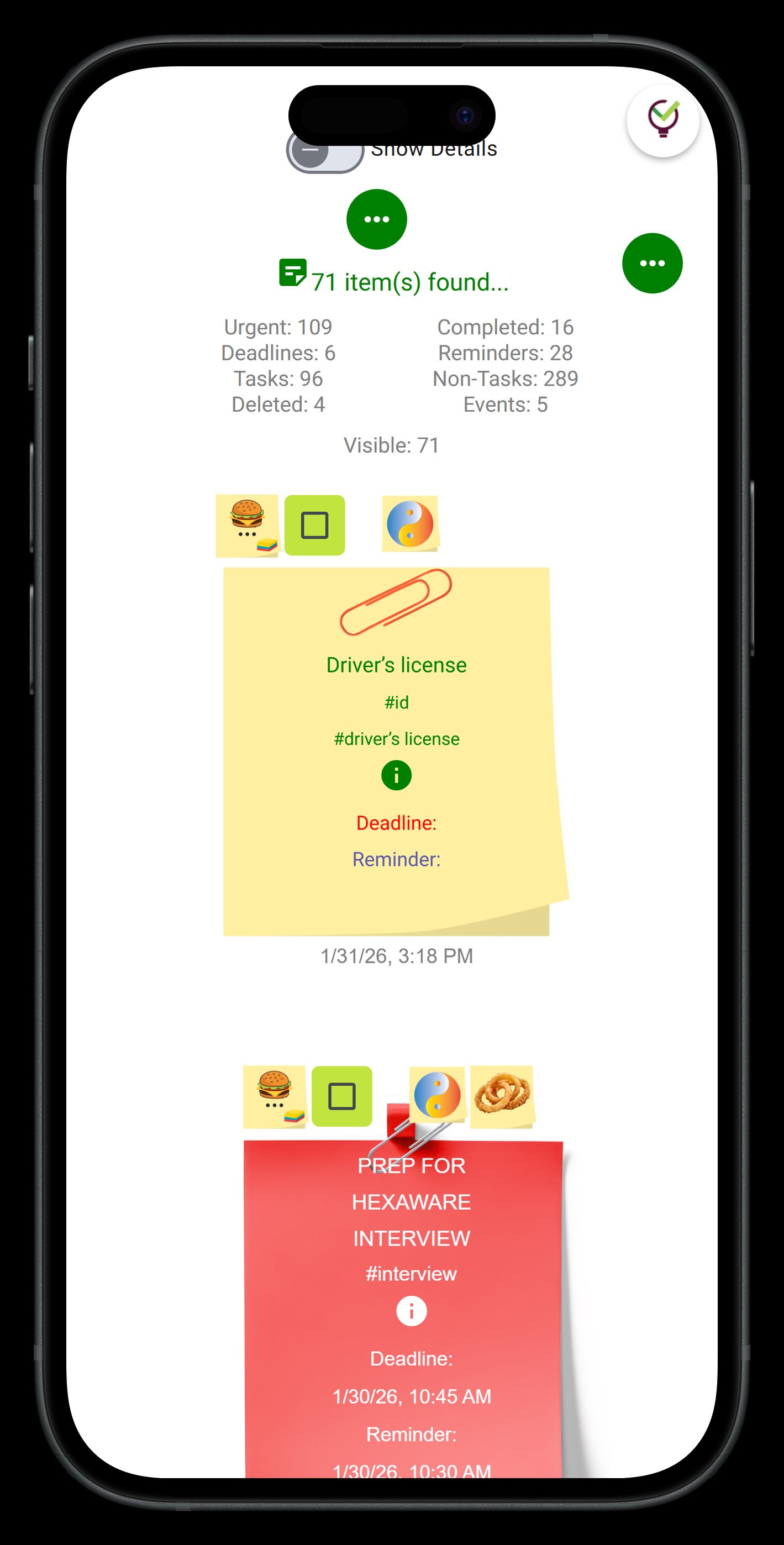
Your brain treats incomplete tasks as open loops that demand cognitive resources. Even when you're not actively thinking about them, these open loops create background mental load that affects your ability to focus on other things. This is why a cluttered to-do list can make you feel scattered and anxious.
The effect is so strong that simply writing down an unfinished task can reduce the mental tension, even if you don't complete it immediately. This is because externalizing the task helps your brain stop trying to actively remember it, freeing up cognitive resources for other activities.
Progress Principle: Small Wins Drive Big Motivation
Harvard Business School's Teresa Amabile studied thousands of workplace diary entries and found that the single most important factor in motivation and job satisfaction was making progress on meaningful work — what she calls the 'progress principle.'
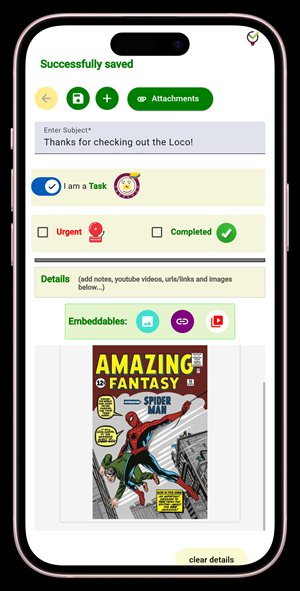
Even small steps forward trigger the brain's reward system and increase motivation for future tasks. This explains why breaking large projects into smaller, completable pieces makes them feel more manageable and why people often procrastinate on vague or overwhelming goals.
The key is that progress must be visible and concrete. Abstract progress — like 'getting better at writing' — doesn't trigger the same neurochemical response as concrete completion — like 'finished the first draft of chapter 3.' Your brain needs clear markers of forward movement to activate its reward circuits.
This principle also explains why some people become addicted to productivity systems. The act of organizing, categorizing, and checking off tasks can become more rewarding than the actual work, creating a false sense of progress that substitutes for real accomplishment.
Applying Task Completion Science
Understanding the science of task completion reveals why simple systems often work better than complex ones. Your brain's reward circuits respond best to clear, achievable tasks with obvious completion states. This is where TaskLoco's approach aligns with cognitive research — keeping tasks visible, simple, and immediately actionable.
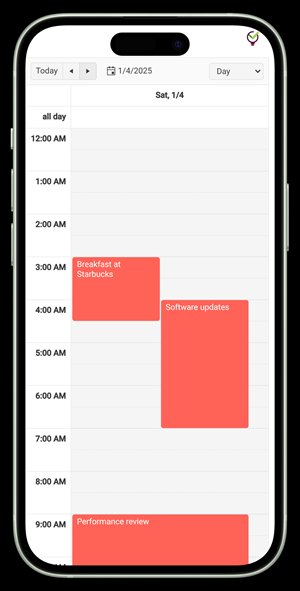
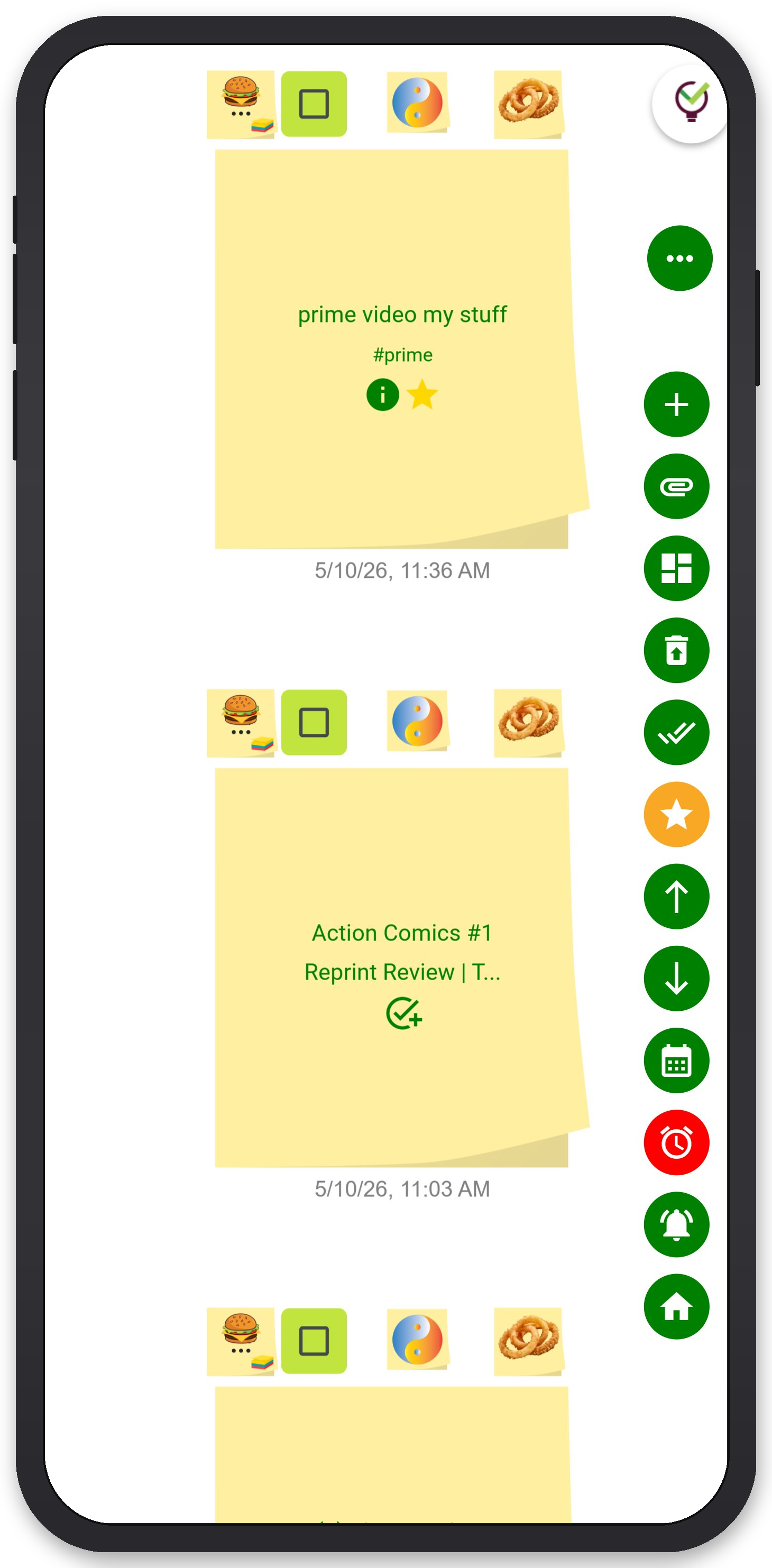
The sticky note format taps into the completion loop by making the act of finishing feel physical and satisfying. When you mark a task complete in TaskLoco, you get both the dopamine hit from completion and the visual satisfaction of clearing your workspace — just like crumpling up a paper note after finishing what's written on it.
TaskLoco Premium is regularly $9.99/month per person. Right now, charter members can lock in 50% off the regular price — forever. That means $4.99/month per person today. And if our price ever goes up, you still pay half. Always.
Code CHARTER50 auto-applies at checkout. First 500 spots only — once they're gone, this offer is gone permanently. Act fast while spots last.
Every Premium subscription includes unlimited notes, 10GB file storage, reminders, calendar, and team sharing. Each team member requires a separate subscription. 7-day free trial — no charge until day 8. Cancel anytime.
Free Options: TaskLoco
TaskLoco Lite
- Native iPhone & Android app
- Completely anonymous — no sign-in
- Data stays on your device
- Up to 20 notes
- Free forever
TaskLoco Lite Plus+
- Web app + Chrome extension
- Sign in with Google
- Wall syncs across all devices
- Up to 30 notes
- Free forever
Lock In 50% Off — Forever
7-day free trial. No charge until day 8. CHARTER50 auto-applies at checkout.
🔒 Lock In My Charter SpotSee TaskLoco in Action
Frequently Asked Questions
Why does checking things off a list feel so good?
Completing tasks triggers dopamine release in your brain's reward centers — the same neurotransmitter involved in other pleasurable activities. This creates a natural 'completion loop' that motivates you to finish more tasks.
What is the Zeigarnik effect and how does it affect productivity?
The Zeigarnik effect is the tendency to remember incomplete tasks better than completed ones. Unfinished work creates persistent mental tension that consumes cognitive resources until the task is resolved, which is why cluttered to-do lists can feel overwhelming.
How can I use completion science to be more productive?
Break large projects into smaller, concrete tasks with clear completion states. Make progress visible and celebrate small wins. Use systems that externalize your tasks so your brain can stop trying to remember everything.
Why do some people get addicted to productivity apps?
The act of organizing and checking off tasks can trigger the same reward circuits as actual accomplishment. This can create a false sense of progress where managing tasks becomes more satisfying than completing meaningful work.
Does writing down tasks really reduce stress?
Yes — externalizing tasks helps your brain stop actively trying to remember them, which reduces cognitive load and mental tension. This is why getting tasks 'out of your head' and onto paper or an app often provides immediate relief.
What makes a good task completion system?
Effective systems make tasks visible, provide clear completion states, and minimize friction between thinking of something and capturing it. The best systems align with how your brain naturally processes work and rewards completion.
How does TaskLoco apply completion science?
TaskLoco uses the familiar sticky note format to make task completion feel physical and satisfying. It keeps incomplete work visible to leverage the Zeigarnik effect, then clears completed tasks entirely to provide clean mental closure. $9.99/month per person (currently $4.99/month per person for first 500 charter members with code CHARTER50)
Born in Brooklyn. Powered by AWS. Your data stays yours.
TaskLoco is available on iPhone, Android, Chrome, and every web browser.