Every time you check off a task on your to-do list, your brain releases a small hit of dopamine — the same neurotransmitter associated with pleasure, motivation, and reward. This isn't just feel-good fluff; it's fundamental brain chemistry that explains why some productivity systems work better than others.
Understanding how dopamine affects your ability to focus, start tasks, and maintain momentum can transform how you approach work. The key is knowing when your brain releases this chemical, why it matters, and how to design your workflow to work with your biology instead of against it.
What Dopamine Actually Does
Dopamine isn't just the "happiness chemical" — it's more accurately described as the neurotransmitter of wanting and seeking. It drives you to pursue goals, seek rewards, and take action. When dopamine levels are optimal, you feel motivated, focused, and ready to tackle challenges.
The crucial insight is that dopamine is released in two phases: anticipation and completion. Your brain releases dopamine when you expect to complete a task, not just when you finish it. This anticipatory release is what gets you started on projects and maintains your drive to continue.
Low dopamine levels correlate with procrastination, lack of motivation, and difficulty initiating tasks. High baseline dopamine, on the other hand, is associated with better focus, persistence, and the ability to delay gratification.
The Dopamine-Productivity Loop
The most productive people — often without realizing it — structure their work to maximize dopamine's motivational effects. They break large projects into smaller, completable chunks because each completion triggers a dopamine hit that fuels the next task.
This is why crossing items off a physical list feels so satisfying, and why gamification works in productivity apps. Your brain treats each small win as a reward worth pursuing. The key is making progress visible and immediate.
However, the loop can work against you. If tasks are too large or vague, your brain can't anticipate completion clearly enough to release preparatory dopamine. If rewards are too delayed, motivation wanes. The sweet spot is tasks that feel achievable within a reasonable timeframe with clear, concrete outcomes.
Modern research shows that people who regularly complete small, defined tasks develop stronger dopamine pathways for productivity. They literally train their brains to crave accomplishment.
Where Dopamine-Based Productivity Breaks Down
The dopamine system has significant limitations that explain why some productivity approaches fail. First, dopamine responds to novelty and surprise. Tasks that become routine stop triggering the same motivational response, which is why even the best productivity systems eventually feel stale.
Second, external rewards can actually undermine intrinsic motivation through a process called the "overjustification effect." When you rely too heavily on artificial rewards — points, badges, streaks — your brain starts to need those external triggers to feel motivated, weakening your natural drive.
Social media and smartphones exploit these same dopamine pathways, creating competing reward systems that can hijack your attention. Every notification represents a potential dopamine hit that's often more immediate and variable than work-related rewards.
Finally, dopamine depletion is real. Making too many decisions, switching between too many tasks, or pursuing too many small rewards can exhaust your motivational reserves. This is why decision fatigue hits productivity so hard.
Working with Your Brain Chemistry
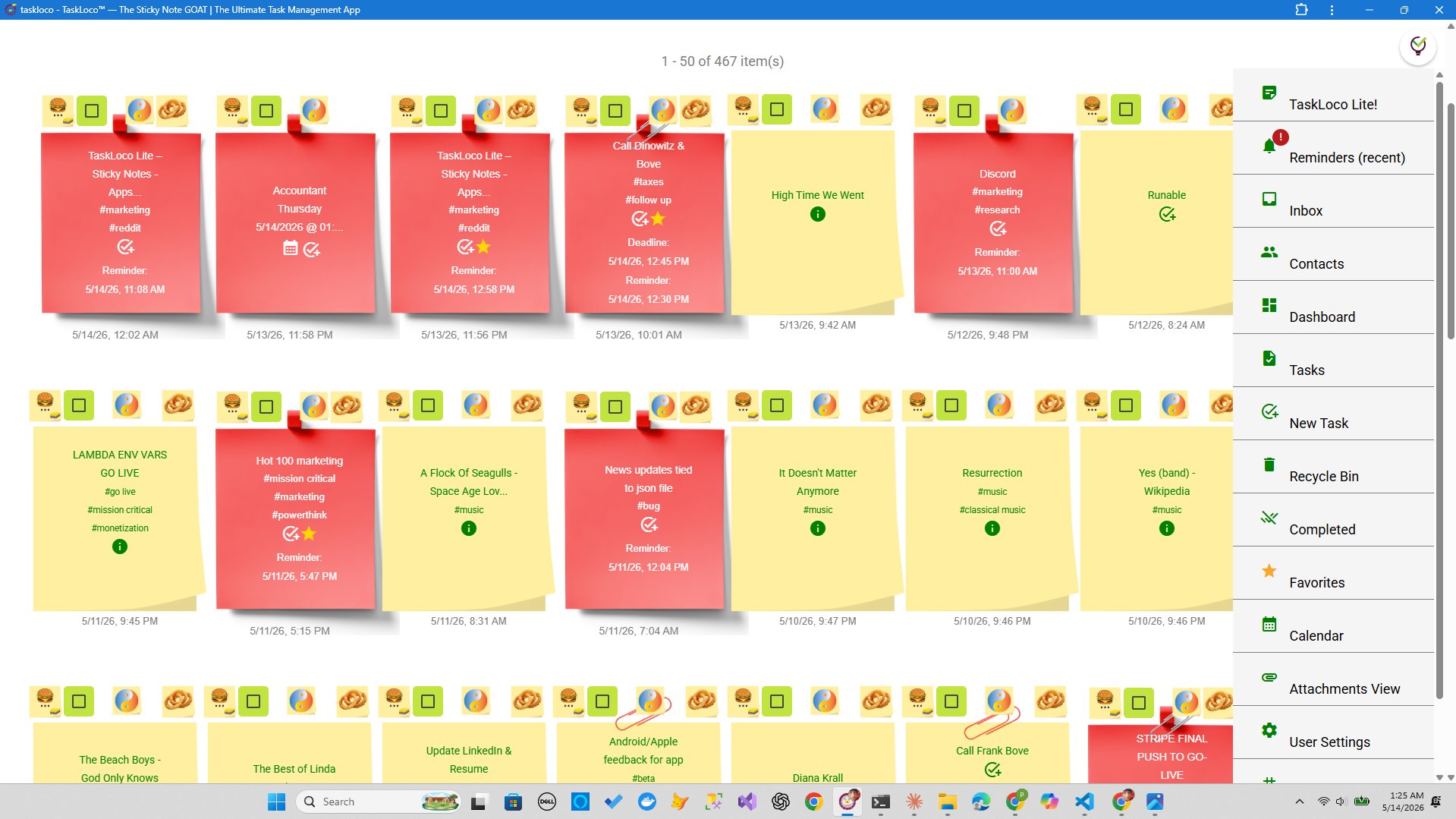
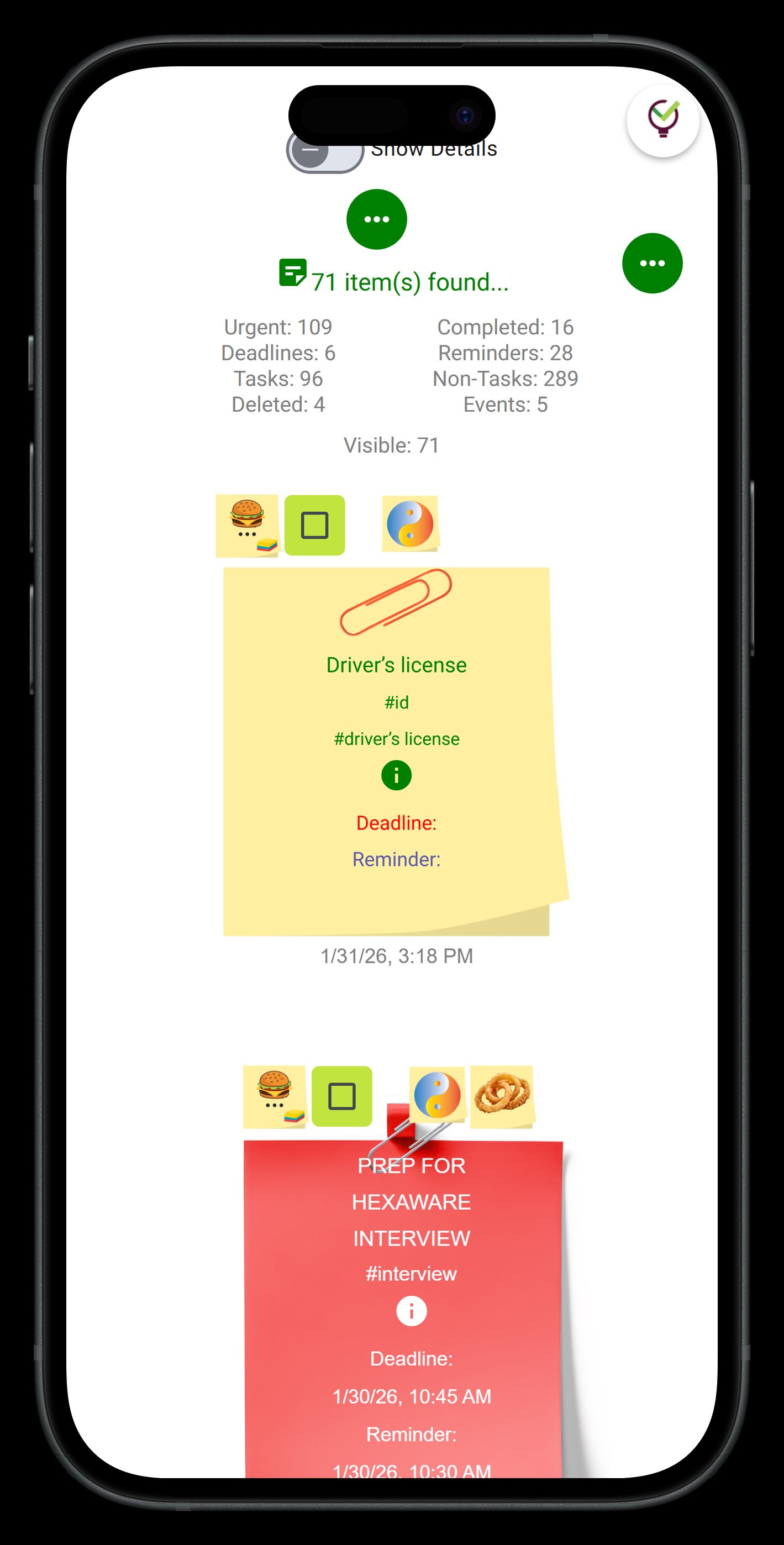
Understanding dopamine helps explain why simple, visual productivity tools often outperform complex systems. Your brain needs clear signals about what constitutes "done" and immediate feedback when you complete tasks. Sticky notes work because they make progress tangible — you write, you do, you remove.
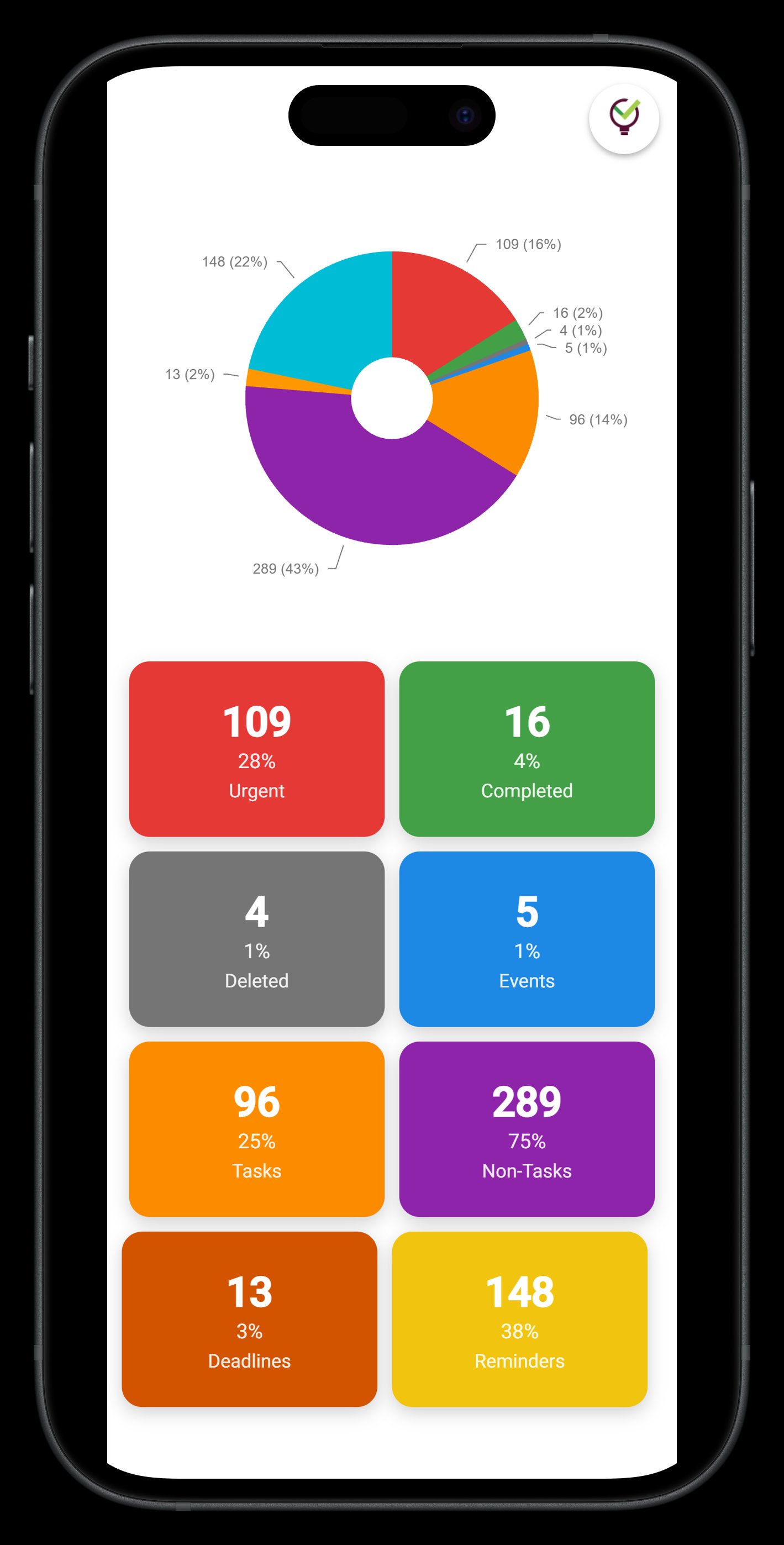
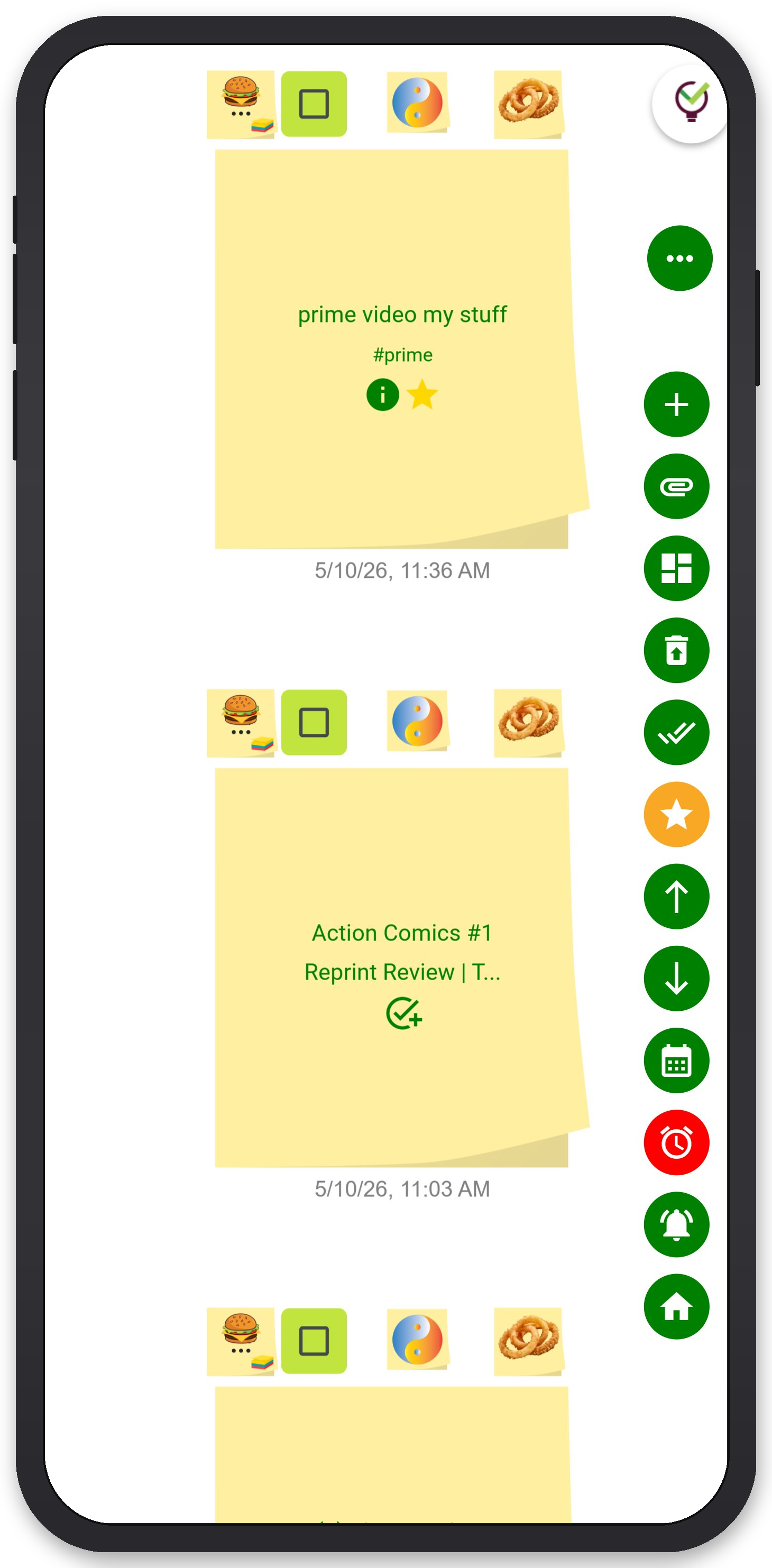
TaskLoco builds on this principle by making task completion immediately satisfying while keeping the interface simple enough that using it doesn't deplete your decision-making energy. Each note you complete disappears from view, creating that crucial visual confirmation of progress without overwhelming you with features you don't need.
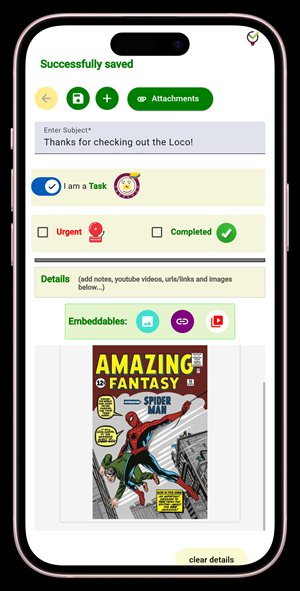
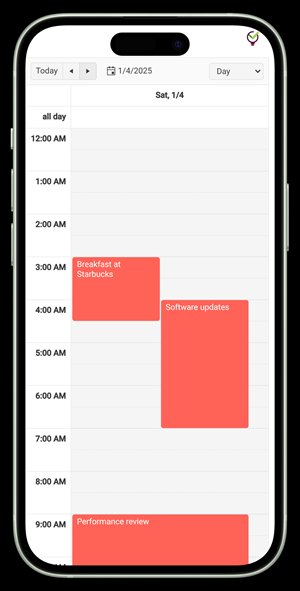
The reminders and file attachments keep everything contextual — your brain doesn't have to work hard to understand what needs doing or where to find related information. This preserves your dopamine resources for actual work instead of burning them on system management.
TaskLoco Premium is regularly $9.99/month per person. Right now, charter members can lock in 50% off the regular price — forever. That means $4.99/month per person today. And if our price ever goes up, you still pay half. Always.
Code CHARTER50 auto-applies at checkout. First 500 spots only — once they're gone, this offer is gone permanently. Act fast while spots last.
Every Premium subscription includes unlimited notes, 10GB file storage, reminders, calendar, and team sharing. Each team member requires a separate subscription. 7-day free trial — no charge until day 8. Cancel anytime.
Free Options: TaskLoco
TaskLoco Lite
- Native iPhone & Android app
- Completely anonymous — no sign-in
- Data stays on your device
- Up to 20 notes
- Free forever
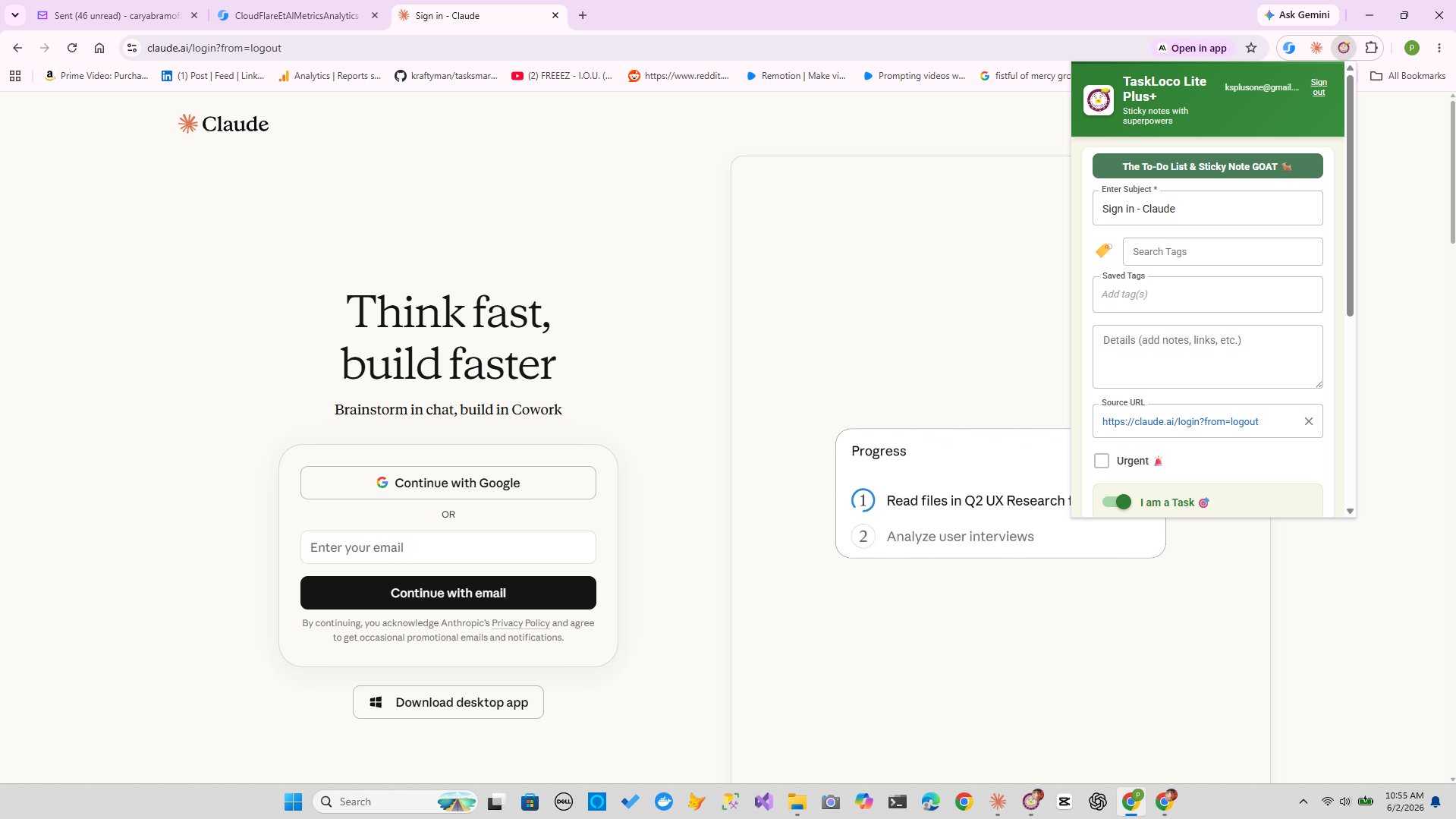
TaskLoco Lite Plus+
- Web app + Chrome extension
- Sign in with Google
- Wall syncs across all devices
- Up to 30 notes
- Free forever
Lock In 50% Off — Forever
7-day free trial. No charge until day 8. CHARTER50 auto-applies at checkout.
🔒 Lock In My Charter SpotSee TaskLoco in Action
Frequently Asked Questions
How long does it take to build productive dopamine habits?
Research suggests that consistent small-task completion can strengthen dopamine pathways within 2-4 weeks. The key is daily practice with clearly defined, achievable tasks that provide immediate feedback when completed.
Can you become addicted to productivity dopamine hits?
While you can develop an unhealthy obsession with task completion, productive dopamine loops are generally self-limiting because they're tied to real accomplishment. The risk is higher with artificial gamification than with genuine task completion.
Why do some people seem naturally more motivated than others?
Baseline dopamine levels vary between individuals due to genetics, lifestyle, and learned patterns. People with naturally higher dopamine often appear more driven, but anyone can strengthen their motivational circuits through consistent practice.
How does dopamine relate to procrastination?
Procrastination often stems from low dopamine activity in brain regions responsible for motivation and executive function. Tasks that seem too large, vague, or unrewarding fail to trigger the anticipatory dopamine needed to get started.
Do digital productivity tools help or hurt dopamine function?
It depends on the design. Simple tools that provide clear completion feedback can support healthy dopamine cycles. Complex systems with excessive notifications and artificial rewards can hijack your attention and undermine natural motivation.
What's the difference between dopamine and endorphins in productivity?
Dopamine drives motivation and goal-seeking behavior — it gets you started and keeps you going. Endorphins are released during effort and create feelings of satisfaction. Both are important, but dopamine is more crucial for initiating productive behavior.
How can you restore dopamine when feeling unmotivated?
Start with extremely small, easily completable tasks to rebuild your completion-reward cycles. Physical exercise, adequate sleep, and reducing overstimulation from phones and social media also help restore healthy dopamine function.
Born in Brooklyn. Powered by AWS. Your data stays yours.
TaskLoco is available on iPhone, Android, Chrome, and every web browser.