Every January 1st, gyms overflow with resolution-makers. Every Monday, people promise to start that diet. Every first day of the month brings a surge of new project launches. This isn't coincidence — it's the fresh start effect in action.
Discovered by behavioral economists at Wharton, the fresh start effect explains why certain dates make us feel unusually motivated to change. Understanding this psychological trigger can transform how you approach productivity, goal-setting, and habit formation.
What Is the Fresh Start Effect?
The fresh start effect is the psychological tendency for people to feel more motivated to pursue goals at temporal landmarks — specific dates that feel like new beginnings. These landmarks create what researchers call "psychological distance" from past behavior, making people more optimistic about future success.
The effect was first documented in a 2014 study by Katy Milkman, Katherine Burson, and others at the Wharton School. They analyzed gym attendance data and found significant spikes in visits at the beginning of new weeks, months, semesters, and years. The pattern held across different types of goals, from exercise to savings to academic performance.
The researchers identified three types of temporal landmarks that trigger the effect: social landmarks (New Year's Day, national holidays), personal landmarks (birthdays, anniversaries), and cyclical landmarks (Mondays, first of the month). Each creates a mental "fresh slate" that feels separate from past failures or setbacks.
The Psychology Behind Fresh Starts
The fresh start effect operates through several psychological mechanisms. First, temporal landmarks help people disassociate from past failures. When Monday arrives, last week's missed workouts feel less relevant. When January begins, last year's abandoned projects seem like ancient history.
This mental separation works because of how our brains categorize time. We don't experience time as one continuous flow — we chunk it into discrete periods with clear beginnings and ends. These natural breaking points feel like opportunities to "reset" our identity and behavior.
The effect also taps into what psychologists call the "planning fallacy" — our tendency to be overly optimistic about future performance while ignoring past evidence. At temporal landmarks, this optimism bias gets amplified. We focus on our ideal future self rather than our actual track record.
Finally, fresh starts provide social permission to change. Announcing a "New Year's resolution" feels more legitimate than randomly deciding to exercise more on a random Tuesday in March. The social aspect creates additional accountability and reduces the stigma of admitting past failures.
When the Fresh Start Effect Breaks Down
Despite its power, the fresh start effect has significant limitations. The motivation boost is typically short-lived — most New Year's resolutions fail by February. The effect relies on feelings rather than systems, making it vulnerable to the first setback or difficult day.
The effect can also create a "false start" pattern where people repeatedly rely on fresh starts instead of building sustainable habits. Someone might start a new workout routine every Monday but never develop the consistency to make real progress. The constant restarting becomes a substitute for actual behavior change.
Research shows the fresh start effect is weaker for complex goals that require sustained effort over time. It works well for simple, discrete actions ("I'll start tracking expenses") but poorly for complex behavioral changes that require multiple supporting habits.
The effect can also create unrealistic expectations. The heightened optimism at temporal landmarks often leads to overly ambitious goals that are doomed to fail. Setting impossible standards at fresh starts can actually decrease motivation when reality sets in.
Harnessing Fresh Starts in TaskLoco
Understanding the fresh start effect can improve how you use any productivity system. The key is combining the motivational boost of fresh starts with concrete systems that outlast the initial enthusiasm.
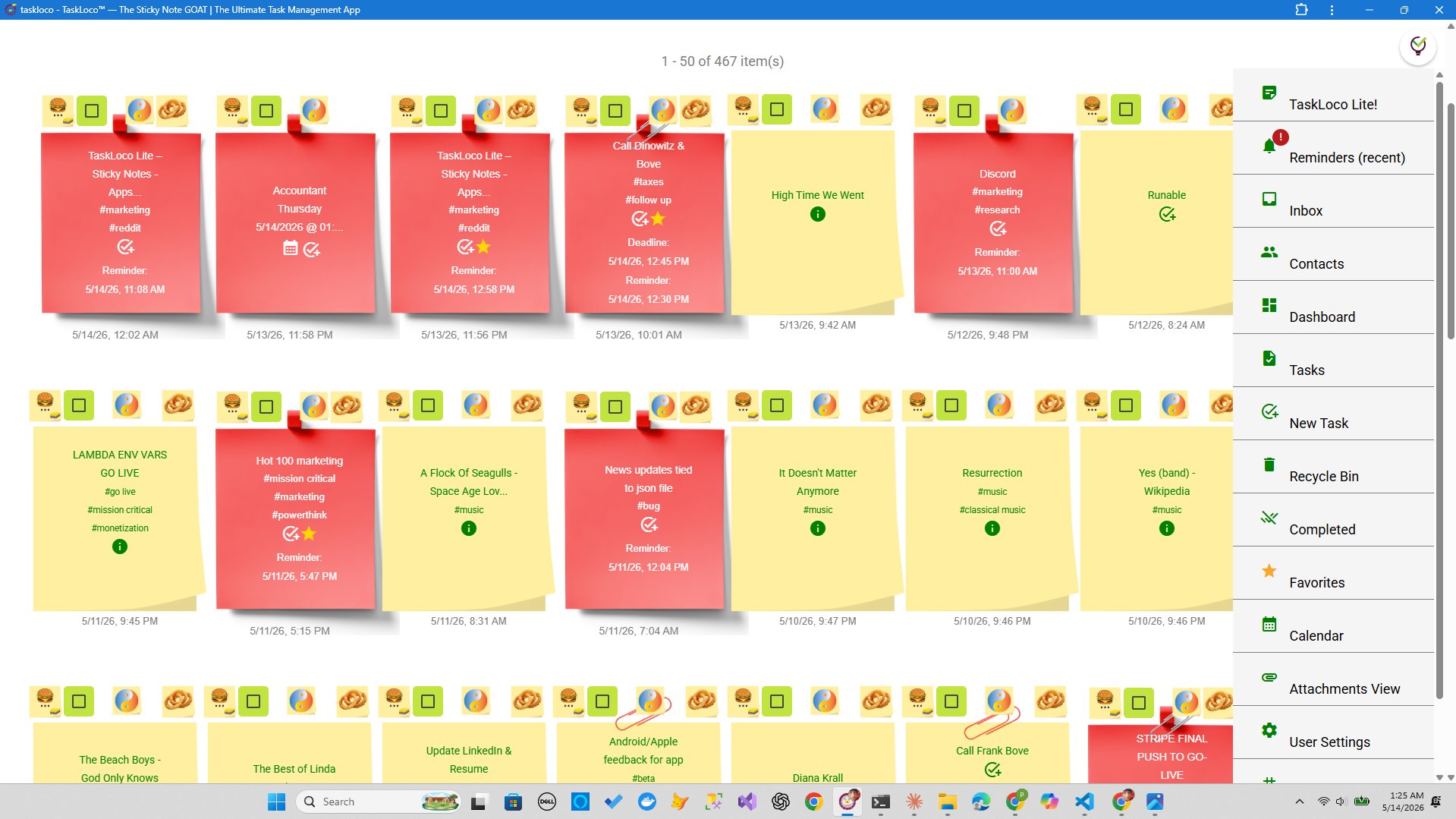
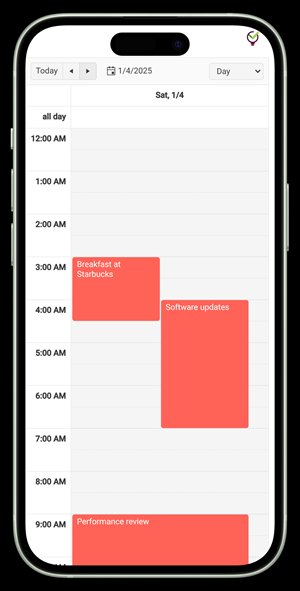
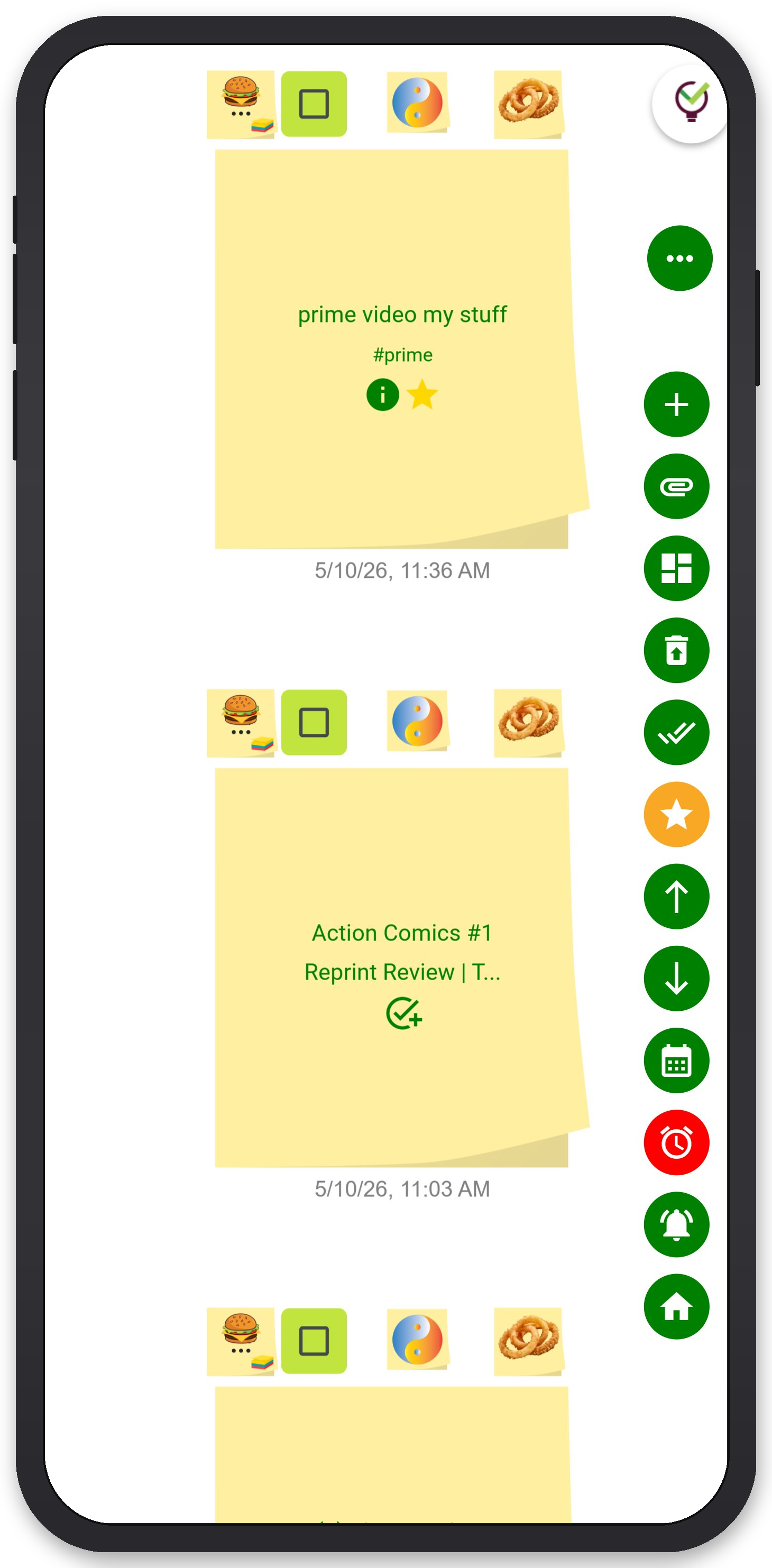
TaskLoco's note-based approach works particularly well with fresh start planning. Instead of just setting ambitious goals, you can create specific implementation notes that bridge the gap between intention and action. Use temporal landmarks to review and refine your approach, not just to restart from scratch.
The sticky note format encourages bite-sized planning that matches the fresh start mindset. Rather than overwhelming yourself with complex project plans, break fresh start goals into individual, actionable notes. This makes the transition from motivation to implementation more natural and sustainable.
TaskLoco Premium is regularly $9.99/month per person. Right now, charter members can lock in 50% off the regular price — forever. That means $4.99/month per person today. And if our price ever goes up, you still pay half. Always.
Code CHARTER50 auto-applies at checkout. First 500 spots only — once they're gone, this offer is gone permanently. Act fast while spots last.
Every Premium subscription includes unlimited notes, 10GB file storage, reminders, calendar, and team sharing. Each team member requires a separate subscription. 7-day free trial — no charge until day 8. Cancel anytime.
Free Options: TaskLoco
TaskLoco Lite
- Native iPhone & Android app
- Completely anonymous — no sign-in
- Data stays on your device
- Up to 20 notes
- Free forever
TaskLoco Lite Plus+
- Web app + Chrome extension
- Sign in with Google
- Wall syncs across all devices
- Up to 30 notes
- Free forever
Lock In 50% Off — Forever
7-day free trial. No charge until day 8. CHARTER50 auto-applies at checkout.
🔒 Lock In My Charter SpotSee TaskLoco in Action
Frequently Asked Questions
Why do fresh starts feel so motivating?
Fresh starts create psychological distance from past failures and tap into optimism bias. Temporal landmarks like Monday or January 1st feel like clean slates where past setbacks don't define future potential.
How long does the fresh start effect last?
The motivational boost typically peaks in the first few days and declines rapidly within 1-2 weeks. Most people need supporting systems and habits to maintain progress beyond the initial enthusiasm period.
What are the best temporal landmarks for fresh starts?
Research shows Mondays, first of the month, birthdays, New Year's Day, and season changes are most effective. Personal landmarks like job changes or moving also create strong fresh start opportunities.
Can you create artificial fresh starts?
Yes, but they're less powerful than natural temporal landmarks. You can declare personal fresh starts around meaningful dates or life events, but they work better when tied to existing calendar cycles.
Why do most fresh start resolutions fail?
Fresh starts create unrealistic optimism without supporting systems. People set overly ambitious goals based on peak motivation rather than building sustainable habits that work during ordinary days.
How can I make fresh starts more effective?
Focus on system design rather than just goal setting. Use the motivation boost to establish specific habits, implementation plans, and tracking methods that will sustain progress when enthusiasm fades.
Is the fresh start effect backed by research?
Yes, it's well-documented in behavioral economics research. Studies from Wharton, Harvard, and other institutions show consistent patterns of increased goal pursuit at temporal landmarks across different domains and populations.
Born in Brooklyn. Powered by AWS. Your data stays yours.
TaskLoco is available on iPhone, Android, Chrome, and every web browser.