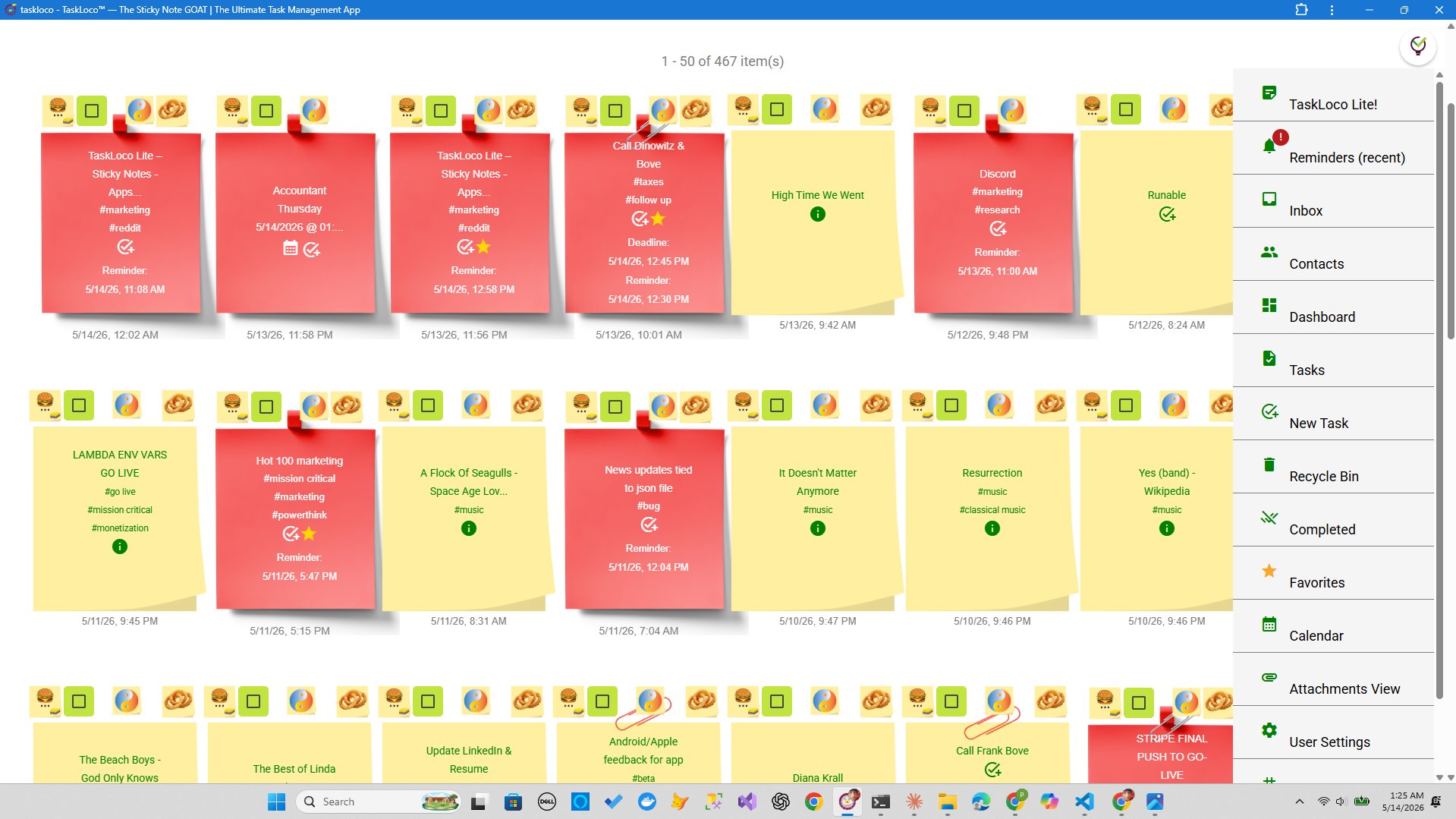
Deep work — the ability to focus without distraction on cognitively demanding tasks — has become increasingly rare in our notification-heavy world. Cal Newport's research shows that knowledge workers check email every 11 minutes on average, fragmenting their attention and killing productivity.
Deep work scheduling apps solve this by treating focused time as sacred calendar real estate. They block out chunks of your day exclusively for important work, creating boundaries that protect your cognitive resources from the constant pull of shallow tasks and interruptions.
The Science Behind Deep Work Scheduling
Deep work isn't just about working harder — it's about working in a state of flow where your brain can tackle complex problems without cognitive switching costs. Research by Dr. Sophie Leroy shows that when you switch between tasks, part of your attention remains stuck on the previous task. This 'attention residue' can reduce performance by up to 40%.
Cal Newport identified four deep work philosophies: Monastic (total isolation), Bimodal (alternating periods), Rhythmic (daily habit), and Journalistic (switching on demand). Most knowledge workers benefit from the rhythmic approach — scheduling consistent deep work blocks at the same time each day.
The key insight is that deep work requires both calendar protection and mental preparation. Your brain needs roughly 23 minutes to fully focus after an interruption, so effective deep work sessions need to be at least 90 minutes long to generate meaningful output.
Essential Features for Deep Work Apps
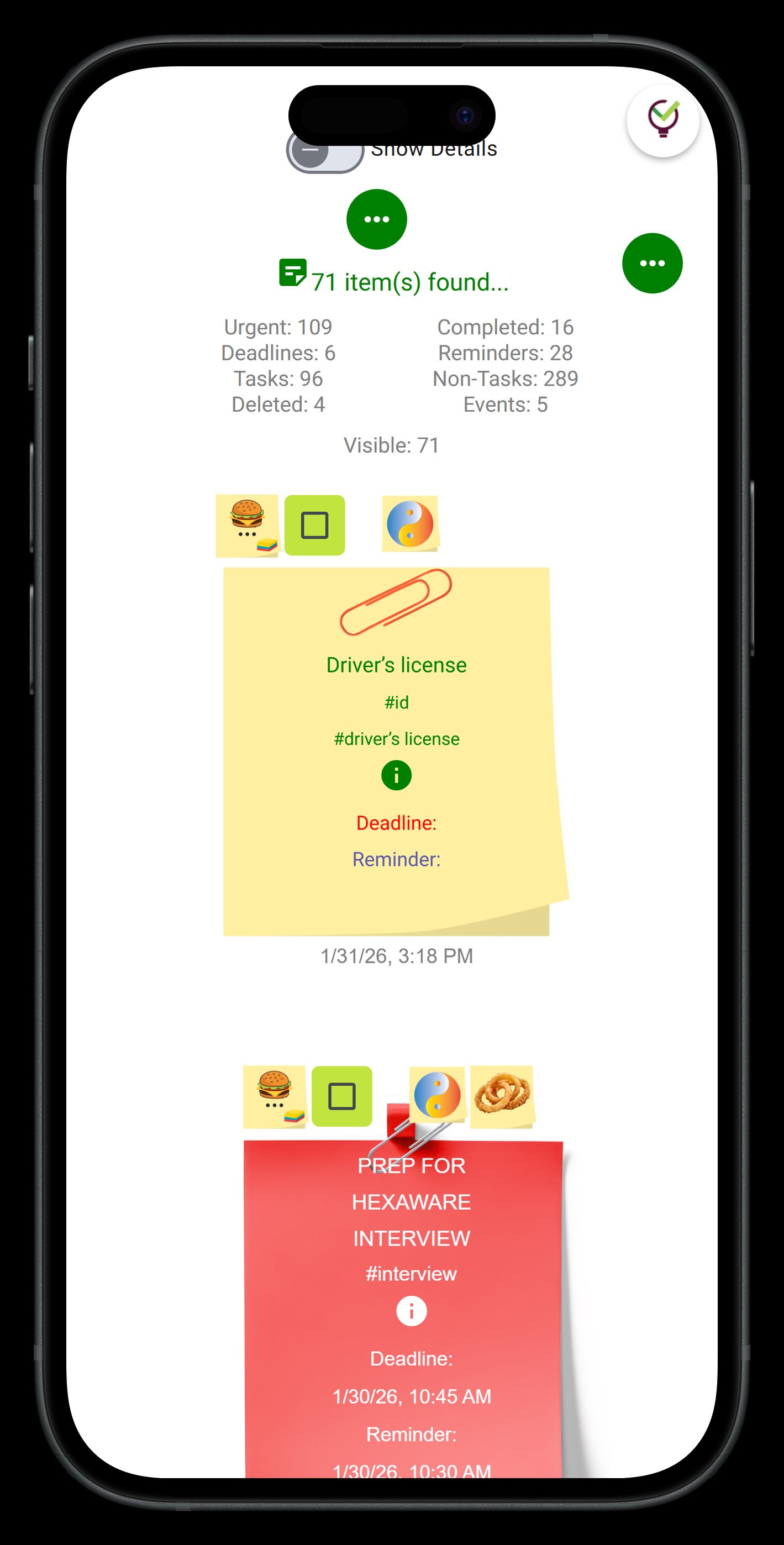
Effective deep work scheduling requires more than just calendar blocking. The best apps combine time protection with distraction elimination and progress tracking. Calendar integration is non-negotiable — your deep work blocks need to appear alongside meetings so colleagues can't accidentally book over them.
Distraction blocking goes beyond simple website blockers. Advanced apps can silence notifications, hide tempting browser tabs, or even put your computer into a focused mode where only essential applications remain accessible. Some tools track your actual focus time versus scheduled time, revealing how often you break your own deep work commitments.
Task preparation features help you enter deep work sessions with clear objectives. The worst thing that can happen during protected time is realizing you don't know what to work on. Apps that let you pre-load specific tasks or projects for each session eliminate this cognitive overhead.
Where Deep Work Scheduling Breaks Down
Deep work scheduling isn't universally applicable. Jobs requiring constant collaboration or customer service can't accommodate long uninterrupted blocks. Emergency responders, customer support representatives, and some managers need to remain available, making deep work scheduling impractical or impossible.
Even knowledge workers face scheduling challenges. Open office environments make deep work difficult regardless of calendar blocking. If your workplace culture doesn't respect focus time, colleagues will interrupt anyway. Some apps try to solve this with 'busy' indicators or automatic responses, but cultural change often requires management buy-in.
Another limitation is the rigidity problem. Life is unpredictable, and strictly scheduled deep work blocks can create stress when urgent matters arise. The most successful deep work practitioners build flexibility into their systems, treating scheduled blocks as defaults rather than immutable commitments.
Finally, not all important work qualifies as 'deep work.' Email management, quick decisions, and routine tasks are necessary but don't require intense focus. Over-scheduling deep work can leave insufficient time for these shallow but essential activities.
TaskLoco for Deep Work Sessions
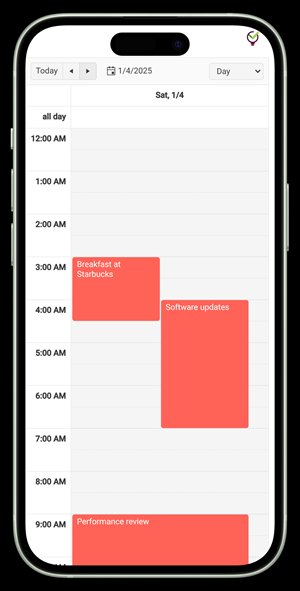
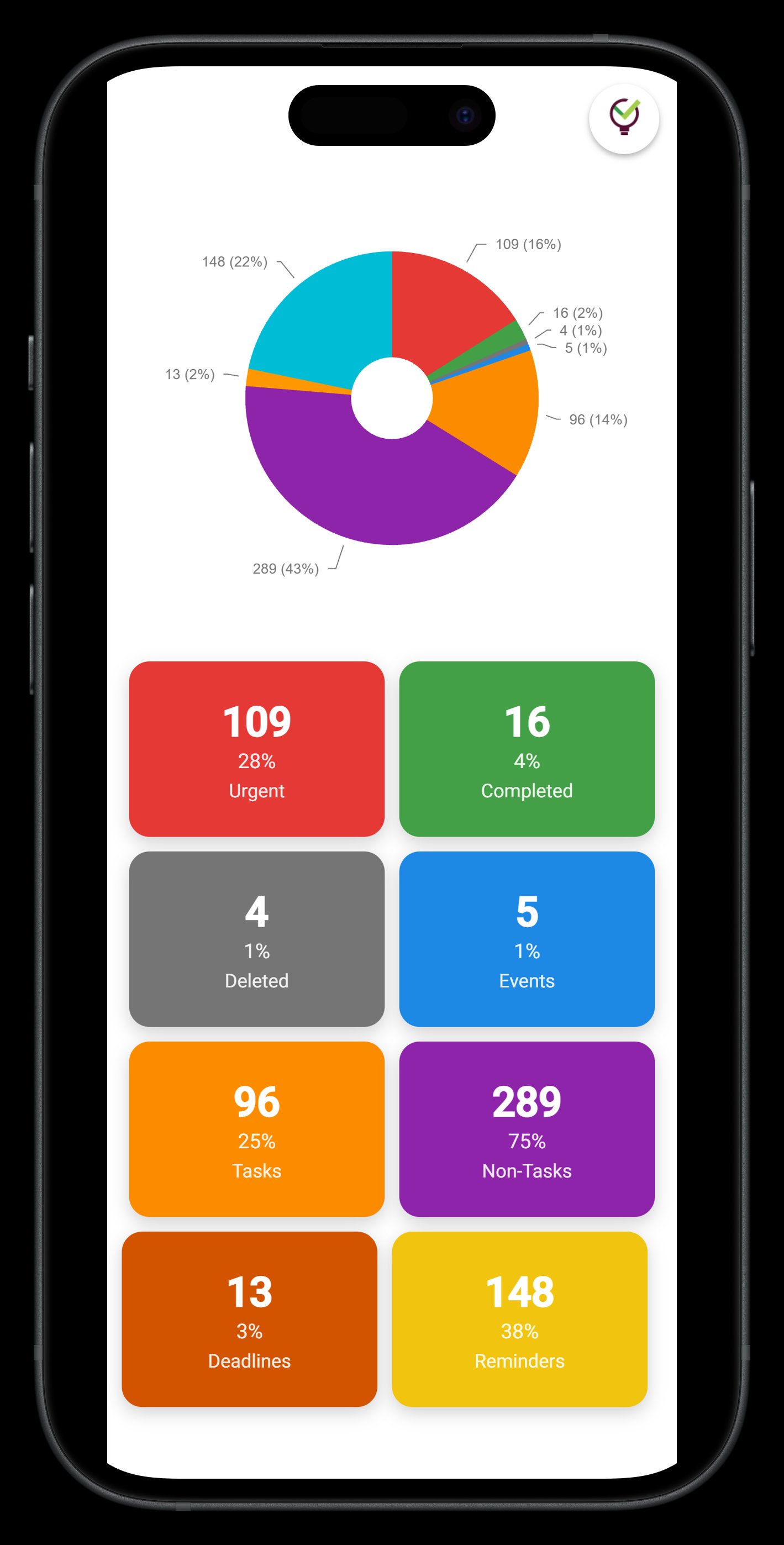
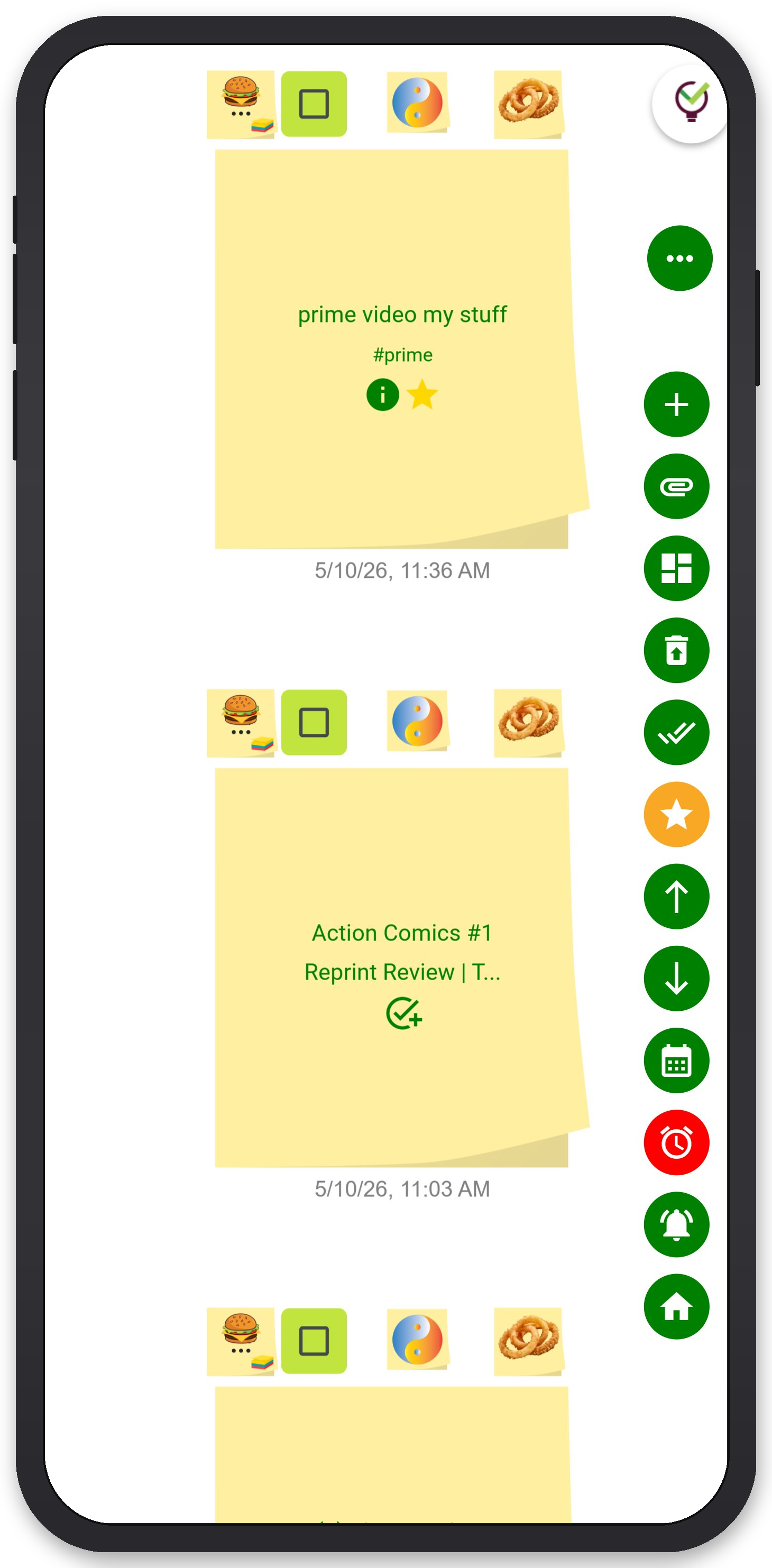
TaskLoco approaches deep work through its sticky note system — each note can hold a specific project or thinking task that you tackle during focused sessions. The calendar view lets you schedule these notes for particular time blocks, creating a simple bridge between task preparation and time protection.
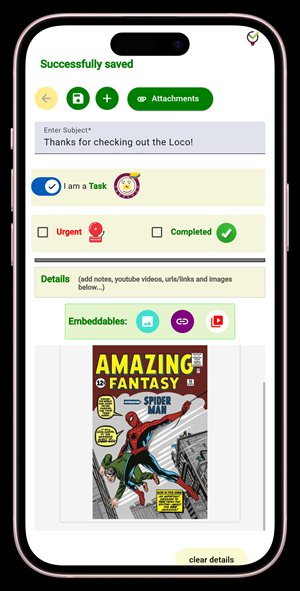
What makes TaskLoco particularly useful for deep work is its file attachment system. You can attach research documents, drafts, or reference materials directly to the note representing your deep work session. When focus time arrives, everything you need is contained in one place rather than scattered across multiple apps and folders.
The reminder system helps you transition into deep work mode by sending push notifications when it's time to begin a session. Since reminders deep-link back to the specific note, you immediately see your pre-loaded tasks and materials without having to remember what you planned to work on.
TaskLoco Premium is regularly $9.99/month per person. Right now, charter members can lock in 50% off the regular price — forever. That means $4.99/month per person today. And if our price ever goes up, you still pay half. Always.
Code CHARTER50 auto-applies at checkout. First 500 spots only — once they're gone, this offer is gone permanently. Act fast while spots last.
Every Premium subscription includes unlimited notes, 10GB file storage, reminders, calendar, and team sharing. Each team member requires a separate subscription. 7-day free trial — no charge until day 8. Cancel anytime.
Free Options: TaskLoco
TaskLoco Lite
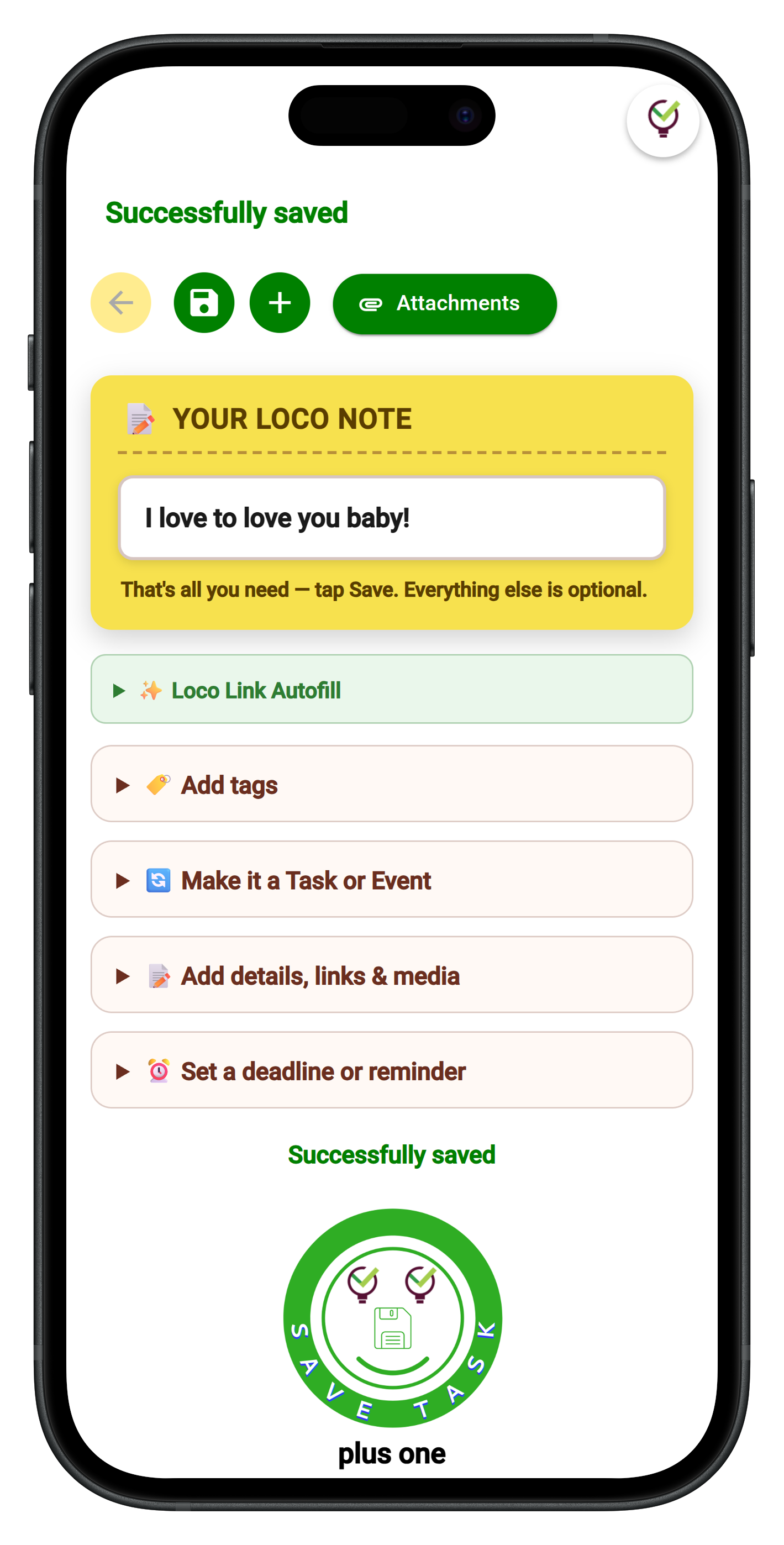
- Native iPhone & Android app
- Completely anonymous — no sign-in
- Data stays on your device
- Up to 20 notes
- Free forever
TaskLoco Lite Plus+
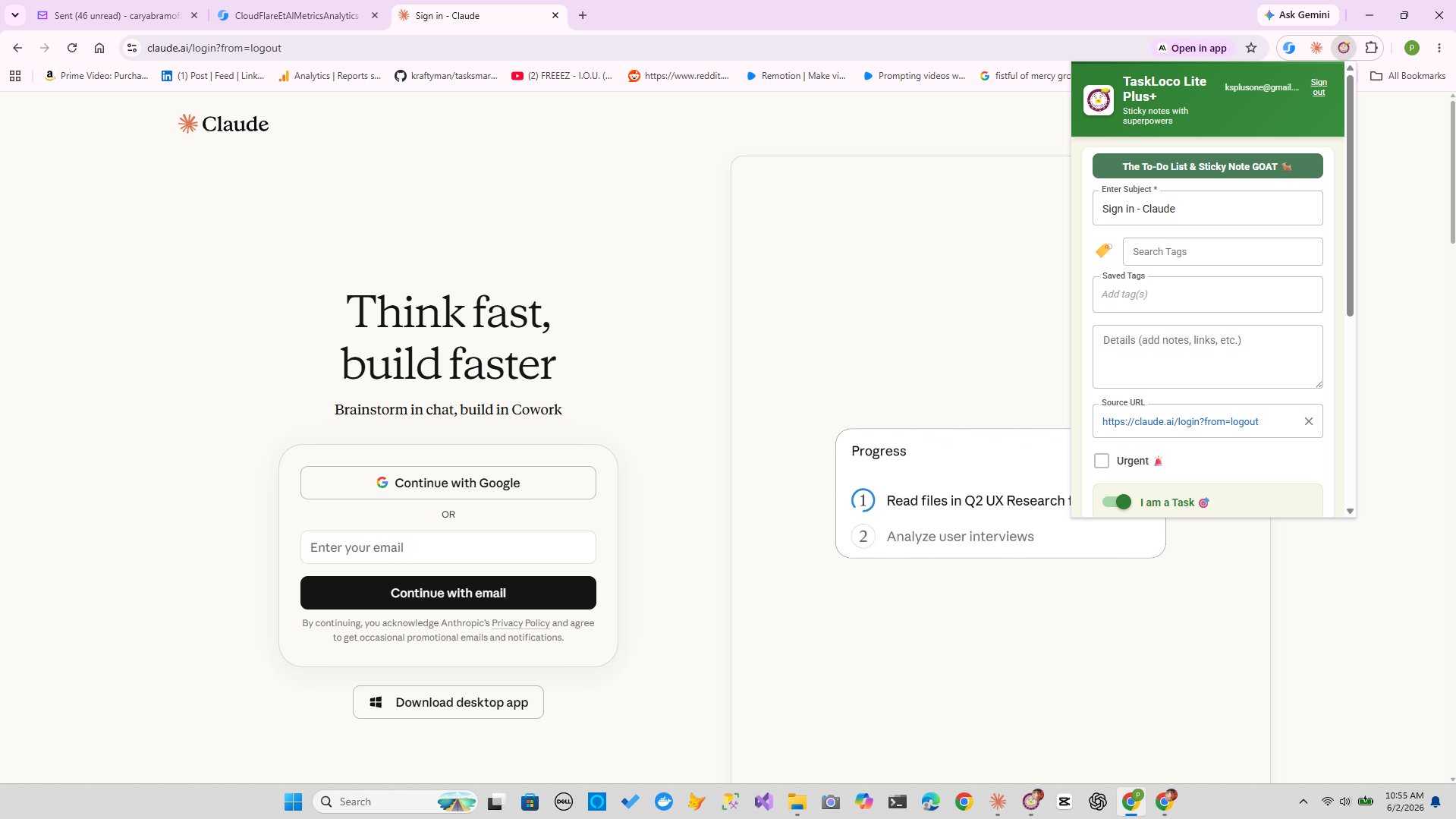
- Web app + Chrome extension
- Sign in with Google
- Wall syncs across all devices
- Up to 30 notes
- Free forever
Lock In 50% Off — Forever
7-day free trial. No charge until day 8. CHARTER50 auto-applies at checkout.
🔒 Lock In My Charter SpotSee TaskLoco in Action
Frequently Asked Questions
How long should deep work sessions be scheduled?
Deep work sessions should be at least 90 minutes long to allow for the 23-minute cognitive startup time plus meaningful productive work. Most knowledge workers find 2-3 hour blocks optimal for complex projects.
Can I schedule multiple deep work sessions per day?
Yes, but consider your cognitive capacity. Most people can sustain 4-6 hours of deep work maximum per day. It's better to have two high-quality sessions than four mediocre ones where you're mentally exhausted.
What if my workplace doesn't respect scheduled focus time?
Start small with 30-60 minute blocks during naturally quiet periods like early morning. Communicate the business value of uninterrupted work. Some people find success by scheduling 'meetings' with themselves to make the time appear unavailable.
Should I use the same deep work app for all my tasks?
Ideally yes — switching between apps creates its own form of distraction. Look for tools that combine calendar blocking, task management, and distraction control in one place rather than cobbling together multiple solutions.
How do I handle urgent interruptions during deep work?
Establish clear criteria for what qualifies as truly urgent versus what feels urgent. Train colleagues to text or call for genuine emergencies only. For everything else, batch interruptions for designated times between deep work blocks.
Is deep work scheduling worth it for shorter tasks?
Deep work scheduling works best for cognitively demanding tasks that require sustained concentration. For quick tasks under 30 minutes, batch processing during designated shallow work time is usually more efficient.
How does TaskLoco support deep work scheduling?
TaskLoco combines sticky note task organization with calendar scheduling and file attachments. You can prepare deep work sessions by attaching relevant documents to notes, then schedule reminders that deep-link back to everything you need when focus time begins. $9.99/month per person (currently $4.99/month per person for first 500 charter members with code CHARTER50)
Born in Brooklyn. Powered by AWS. Your data stays yours.
TaskLoco is available on iPhone, Android, Chrome, and every web browser.