Cal Newport's Deep Work argues that the ability to focus without distraction on cognitively demanding tasks is becoming increasingly rare — and increasingly valuable. Yet most productivity apps seem designed to do the opposite, fracturing attention with notifications, complex interfaces, and endless feature creep.
Newport himself is famously skeptical of most digital productivity tools, preferring analog methods like time-block planning on paper. But for those who need digital organization, the question becomes: which tools actually support deep work rather than undermine it?
What Cal Newport Actually Says About Digital Tools
Newport's position on productivity apps is nuanced but clear: most digital tools promise efficiency but deliver distraction. In Deep Work and Digital Minimalism, he argues that the constant switching between apps, notifications, and interfaces creates what researchers call 'attention residue' — mental fragments that persist even after you've moved to a new task.
He's not anti-technology, but he is pro-intentionality. Newport uses email, writes on computers, and maintains websites. The difference is that he chooses tools based on whether they genuinely serve his goals rather than simply offering features. His famous 'any-benefit approach' critique applies directly here: just because an app could help doesn't mean it will help, especially if it introduces new sources of distraction.
This means favoring simplicity over sophistication, single-purpose tools over Swiss Army knives, and interfaces that disappear rather than demand attention. It also means being ruthless about notifications — Newport advocates for 'batch processing' information rather than constant real-time updates.
The Deep Work Criteria for Productivity Apps
Based on Newport's principles, a deep work-friendly productivity app should meet several specific criteria. First, it should minimize context switching — the mental cost of jumping between different interfaces, modes, or ways of thinking about your work. This argues for consolidation: one place for tasks, notes, and planning rather than a constellation of specialized tools.
Second, it should default to batch processing rather than real-time notifications. Newport is particularly critical of tools that interrupt focused work with alerts, updates, or social features. The ideal tool lets you capture information quickly when needed, then stays out of the way during deep work sessions.
Third, the interface should be simple enough to become automatic. Complex features that require conscious decision-making create what psychologists call 'decision fatigue' — the mental depletion that comes from making too many small choices. A good deep work tool should feel invisible in use.
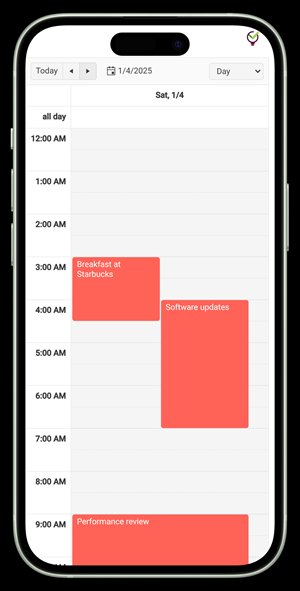
Finally, the tool should support time-block planning — Newport's preferred method for structuring deep work. This means making it easy to see your day in blocks, assign specific work to specific times, and adjust when reality doesn't match the plan.
Where Most Productivity Apps Fail the Deep Work Test
The productivity app market is dominated by tools that actively undermine deep work, often in the name of 'collaboration' or 'real-time updates.' Project management platforms with constant notification streams, social features that gamify productivity, and interfaces packed with buttons, sidebars, and visual complexity all violate Newport's principles.
Even well-intentioned features can be problematic. Advanced filtering, custom fields, and automation rules might seem helpful, but they require ongoing mental overhead to maintain and use effectively. The cognitive cost of managing the tool itself can exceed the benefit it provides.
Perhaps most problematically, many apps are designed around the assumption that more information and more connectivity are always better. This directly contradicts Newport's research showing that sustained focus requires less information input, not more. Tools that pull in data from multiple sources, send regular status updates, or encourage frequent check-ins are optimized for shallow work, not deep work.
Newport would particularly criticize apps that blur the line between work and communication, mixing task management with chat features or social elements. This creates what he calls 'pseudo-work' — activities that feel productive but don't actually advance meaningful goals.
TaskLoco and the Deep Work Philosophy
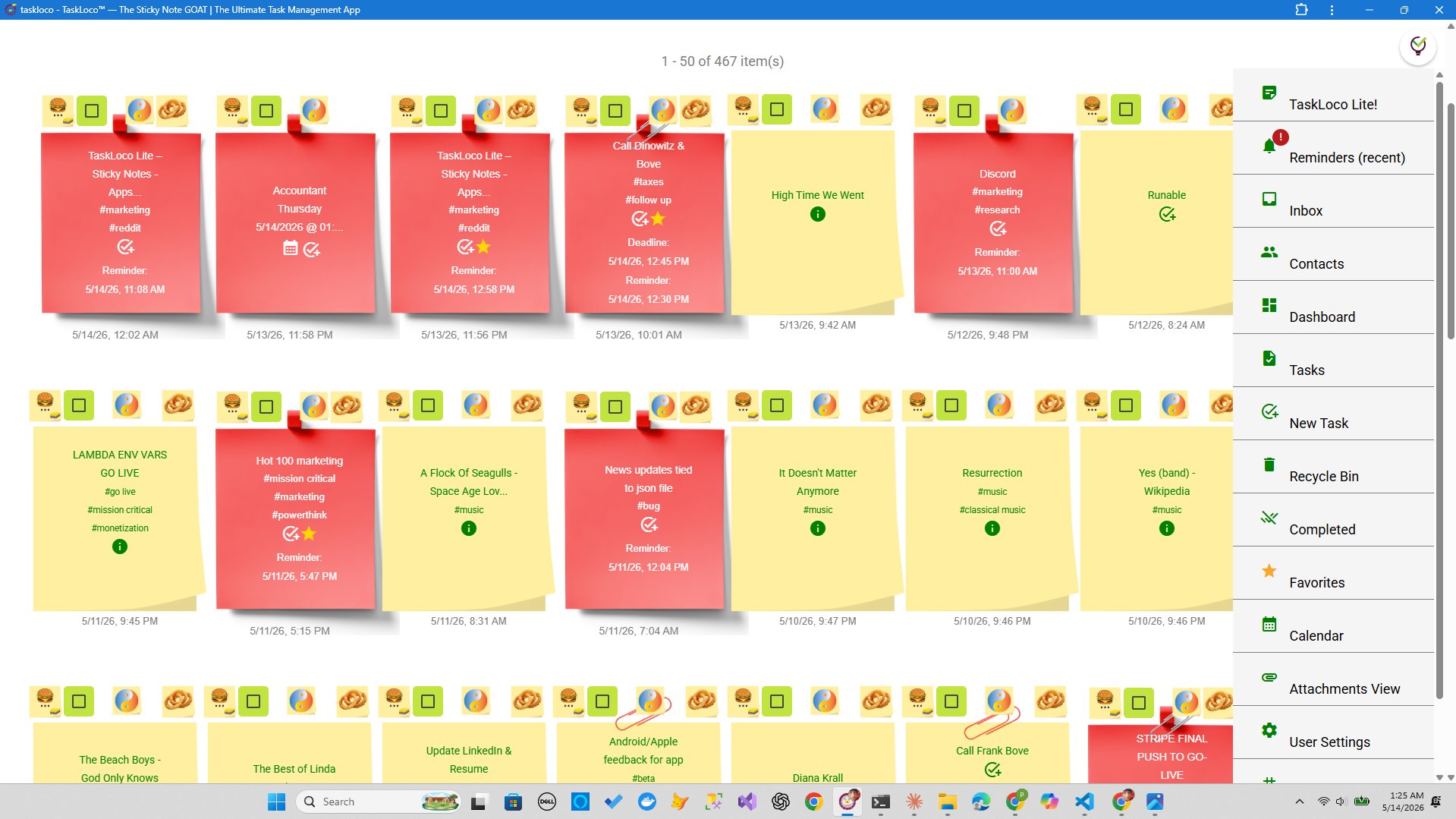
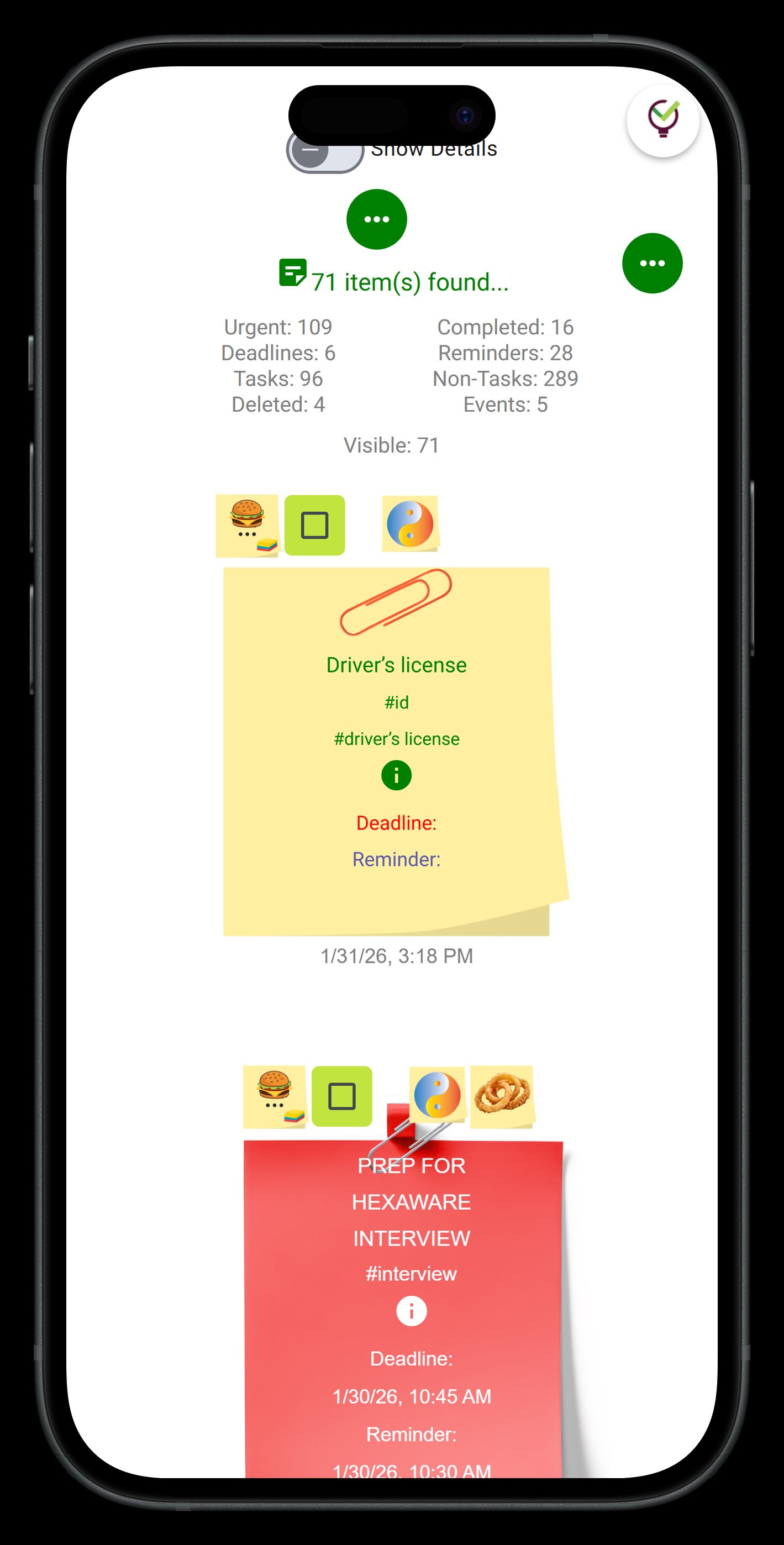
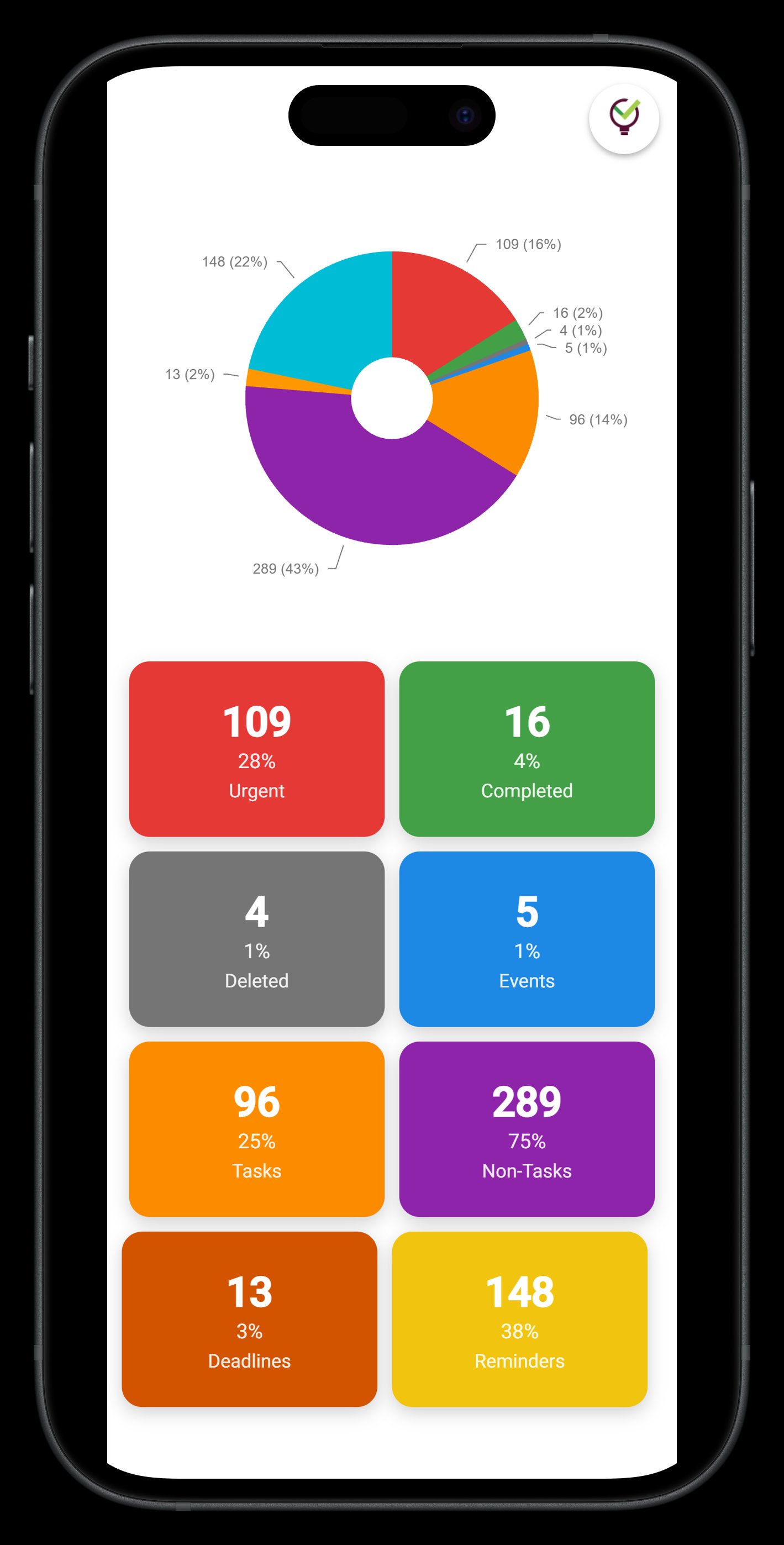
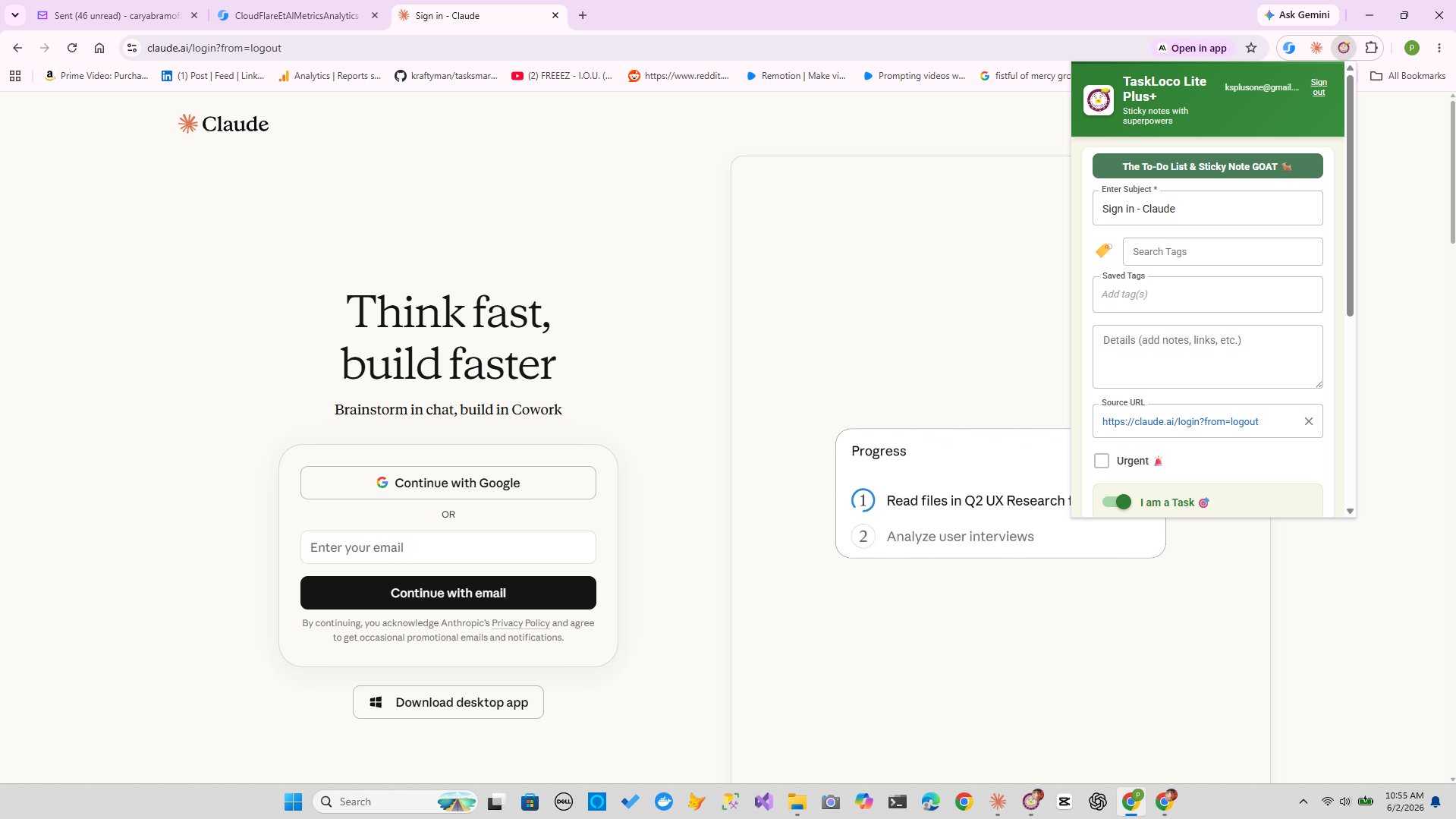
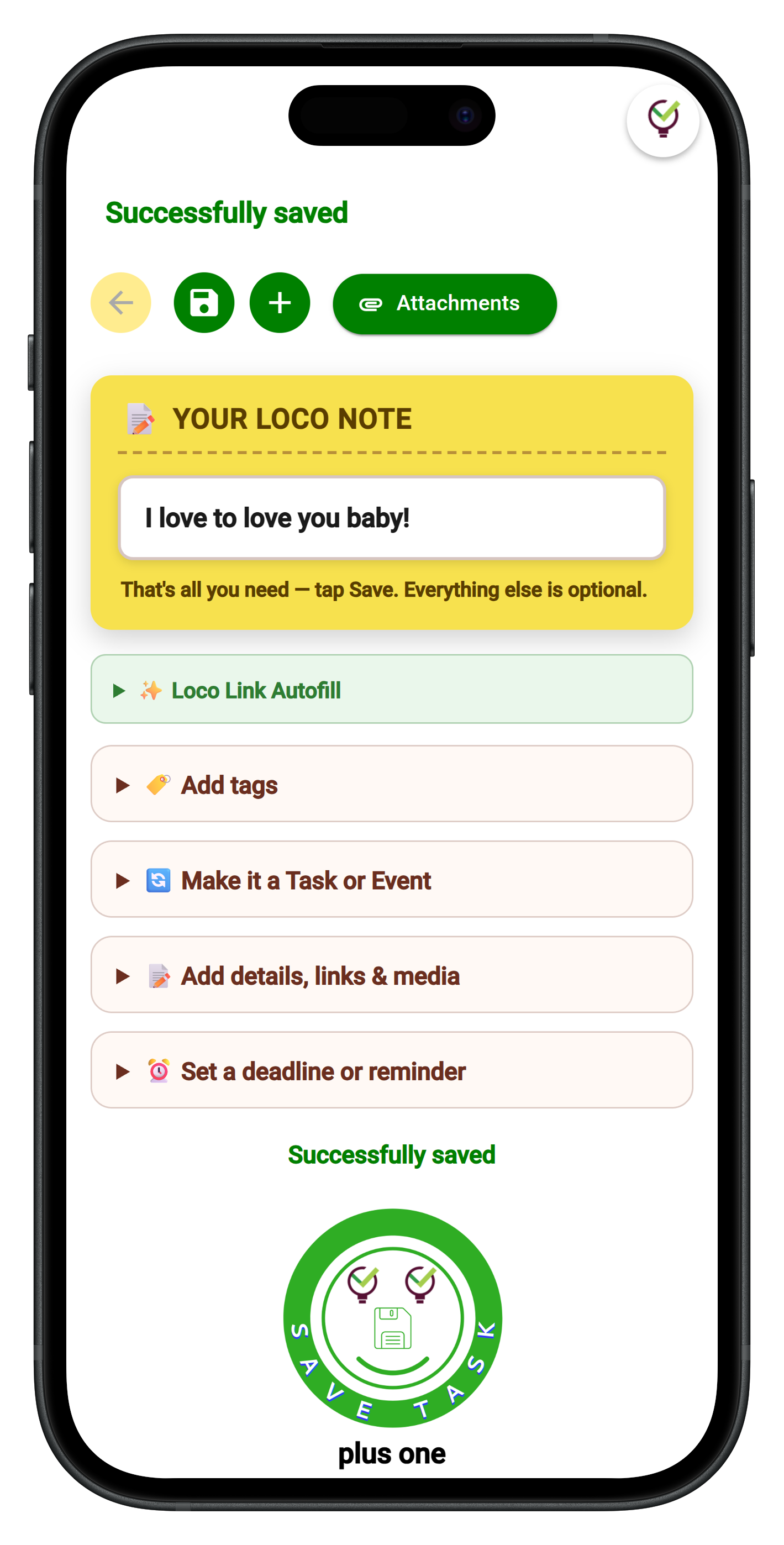
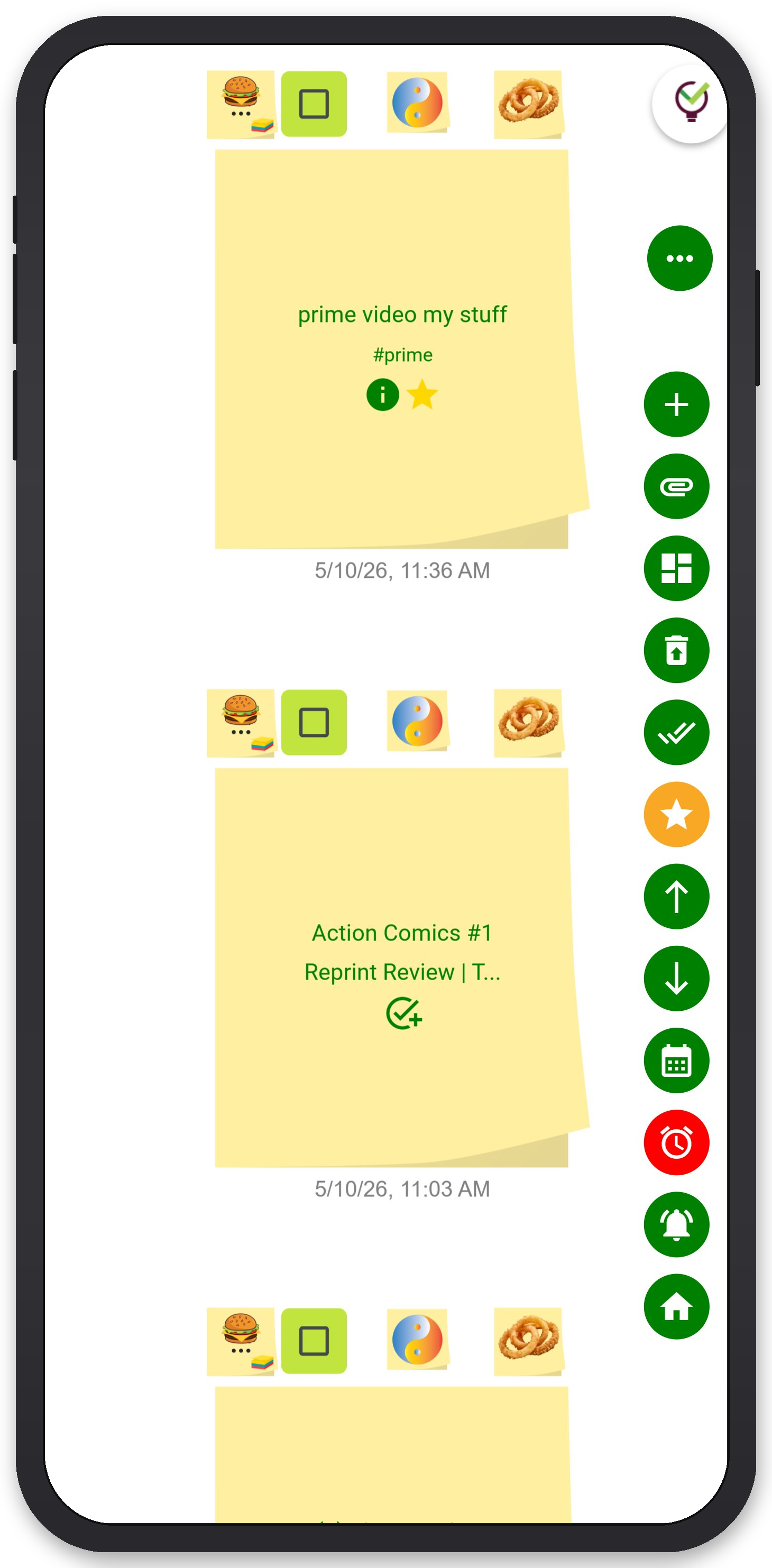
TaskLoco aligns with Newport's deep work principles in several key ways. The core interface is deliberately simple — sticky notes that capture thoughts, tasks, and plans without requiring complex categorization or setup. This reduces the cognitive overhead of using the tool itself, letting you focus on the actual work rather than managing the system.
The app defaults to batch processing rather than constant notifications. While Premium includes reminders, they're designed to support time-block planning rather than interrupt ongoing work. You set specific times for specific tasks, and the reminder simply brings you back to what you'd already planned to focus on.
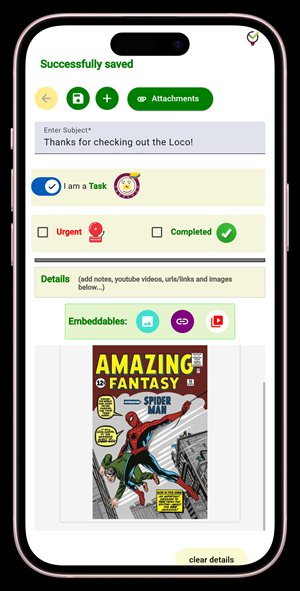
Most importantly, TaskLoco consolidates multiple functions — notes, tasks, files, calendar — in one simple interface. This reduces context switching between different tools and mental models. Everything lives in the same visual metaphor of sticky notes, whether it's a quick thought, a project deadline, or a file you need for focused work.
TaskLoco Premium is regularly $9.99/month per person. Right now, charter members can lock in 50% off the regular price — forever. That means $4.99/month per person today. And if our price ever goes up, you still pay half. Always.
Code CHARTER50 auto-applies at checkout. First 500 spots only — once they're gone, this offer is gone permanently. Act fast while spots last.
Every Premium subscription includes unlimited notes, 10GB file storage, reminders, calendar, and team sharing. Each team member requires a separate subscription. 7-day free trial — no charge until day 8. Cancel anytime.
Free Options: TaskLoco
TaskLoco Lite
- Native iPhone & Android app
- Completely anonymous — no sign-in
- Data stays on your device
- Up to 20 notes
- Free forever
TaskLoco Lite Plus+
- Web app + Chrome extension
- Sign in with Google
- Wall syncs across all devices
- Up to 30 notes
- Free forever
Lock In 50% Off — Forever
7-day free trial. No charge until day 8. CHARTER50 auto-applies at checkout.
🔒 Lock In My Charter SpotSee TaskLoco in Action
Frequently Asked Questions
What productivity app would Cal Newport actually recommend?
Newport generally prefers analog methods like paper planning, but for digital tools, he'd likely favor simple, single-purpose apps that minimize distraction and context switching. The key is choosing tools that support sustained focus rather than fragment attention.
How do notifications interfere with deep work?
Notifications create 'attention residue' — mental fragments that persist even after the interruption ends. Newport argues that even brief interruptions can derail sustained focus for much longer than the interruption itself lasted.
What is time-block planning and why does Newport recommend it?
Time-block planning involves assigning specific work to specific time periods in advance. Newport argues this protects deep work sessions from interruption and helps you be more intentional about how you spend focused time.
Can productivity apps actually support deep work?
Yes, but only if they're designed to minimize distraction rather than maximize features. The best apps for deep work are simple, consolidate multiple functions, and default to batch processing rather than real-time updates.
Why does Newport prefer analog productivity methods?
Analog methods like paper planning eliminate the possibility of digital distractions and reduce the cognitive overhead of managing the tool itself. They're also more flexible for the kind of visual thinking deep work often requires.
What makes TaskLoco suitable for deep work?
TaskLoco consolidates notes, tasks, and planning in one simple interface, reducing context switching. It defaults to batch processing rather than constant notifications, and the sticky note metaphor requires minimal cognitive overhead to use. $9.99/month per person (currently $4.99/month per person for first 500 charter members with code CHARTER50)
How should I choose productivity tools for deep work?
Apply Newport's test: Does this tool make sustained focus easier or harder? Look for simplicity over features, batch processing over real-time updates, and single interfaces over multiple specialized tools.
Born in Brooklyn. Powered by AWS. Your data stays yours.
TaskLoco is available on iPhone, Android, Chrome, and every web browser.