The productivity world is split between two camps: deep work devotees who swear by uninterrupted focus sessions, and Pomodoro practitioners who structure their day in 25-minute bursts. Both methods promise better focus, but they work in fundamentally different ways.
Deep work, popularized by Cal Newport, emphasizes sustained concentration on cognitively demanding tasks. The Pomodoro Technique, created by Francesco Cirillo, breaks work into timed intervals with mandatory breaks. The question isn't which method is superior — it's which one matches your work style and the task at hand.
Deep Work: The Case for Sustained Focus
Deep work centers on eliminating distractions and maintaining focus for extended periods — typically 90 minutes to 4 hours. This method shines when you're tackling complex problems that require building and maintaining mental models in your head.
The strength of deep work lies in its respect for cognitive momentum. When you're designing software architecture, writing research papers, or solving intricate business problems, constant interruptions destroy the mental scaffolding you've built. Deep work protects that scaffolding.
However, deep work demands significant mental energy and works best when you have large blocks of uninterrupted time. Not everyone has a schedule that accommodates 3-hour focus sessions, and some people find extended concentration mentally exhausting.
Pomodoro: The Power of Structured Breaks
The Pomodoro Technique breaks work into 25-minute focused intervals followed by 5-minute breaks, with longer breaks after every fourth pomodoro. This structure makes overwhelming projects feel manageable and provides built-in recovery time.
Pomodoro excels at combating procrastination. When facing a daunting task, committing to just 25 minutes feels achievable. The technique also prevents mental fatigue by forcing regular breaks, which can actually improve focus quality during work intervals.
The method's weakness is interruption of flow states. If you're deeply engaged in creative work, a 25-minute timer can break valuable momentum. Some tasks genuinely require more than 25 minutes to reach meaningful progress.
When to Use Each Method
Choose deep work when you're tackling complex, creative tasks that benefit from sustained thinking. Programming, writing, strategic planning, and research all reward uninterrupted focus. Deep work is also ideal when you have control over your schedule and can block out significant time periods.
Use Pomodoro when you're procrastinating, feeling overwhelmed, or working on tasks that don't require sustained mental models. Administrative work, email processing, data entry, and routine tasks fit well into 25-minute chunks. Pomodoro also helps when your schedule is fragmented or when mental fatigue is an issue.
Many successful people combine both approaches: deep work for their most important creative tasks, Pomodoro for everything else. The key is matching the method to both the task and your current mental state.
Supporting Both Methods with TaskLoco
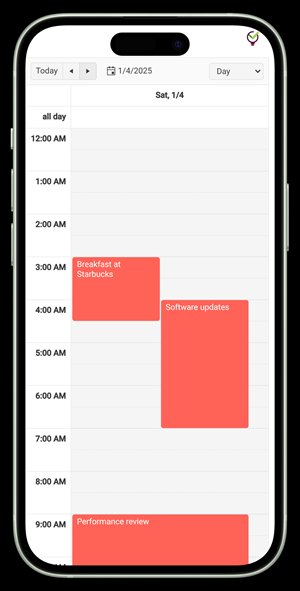
TaskLoco's reminder system supports both productivity approaches through push notifications that deep-link back to your exact work. Set reminders for deep work sessions with specific outcomes, or create Pomodoro intervals that guide you through work and break cycles.
The key advantage is context preservation. Whether you're starting a 3-hour deep work block or a 25-minute Pomodoro, TaskLoco's reminders bring you directly to the relevant notes, files, and context you need. No hunting through apps or trying to remember where you left off.
Store project files, research materials, and progress notes in one place. When your reminder fires, everything you need is immediately accessible. This reduces the friction of starting focused work sessions and eliminates the productivity drain of context switching.
TaskLoco Premium is regularly $9.99/month per person. Right now, charter members can lock in 50% off the regular price — forever. That means $4.99/month per person today. And if our price ever goes up, you still pay half. Always.
Code CHARTER50 auto-applies at checkout. First 500 spots only — once they're gone, this offer is gone permanently. Act fast while spots last.
Every Premium subscription includes unlimited notes, 10GB file storage, reminders, calendar, and team sharing. Each team member requires a separate subscription. 7-day free trial — no charge until day 8. Cancel anytime.
Free Options: TaskLoco
TaskLoco Lite
- Native iPhone & Android app
- Completely anonymous — no sign-in
- Data stays on your device
- Up to 20 notes
- Free forever
TaskLoco Lite Plus+
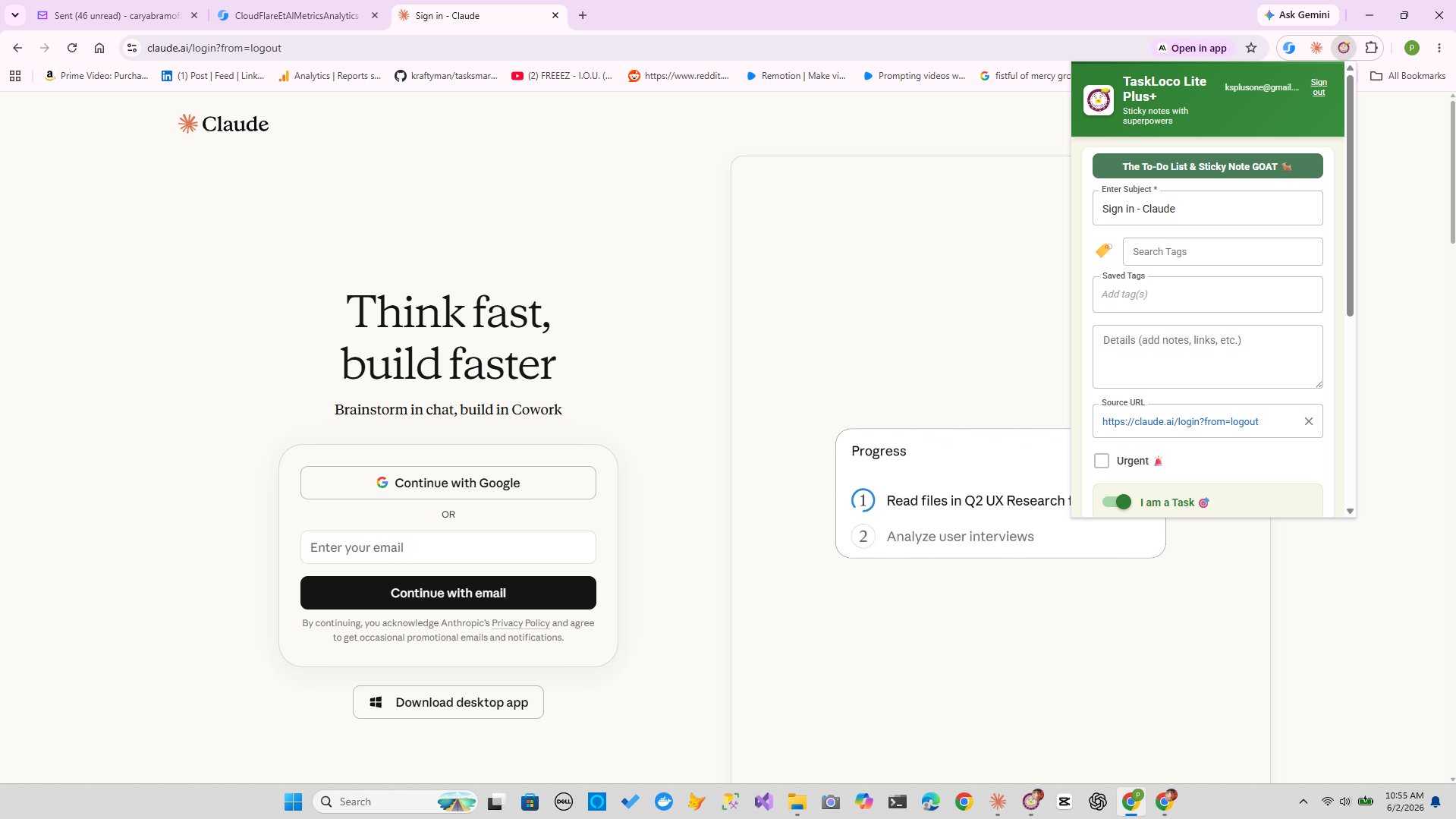
- Web app + Chrome extension
- Sign in with Google
- Wall syncs across all devices
- Up to 30 notes
- Free forever
Lock In 50% Off — Forever
7-day free trial. No charge until day 8. CHARTER50 auto-applies at checkout.
🔒 Lock In My Charter SpotSee TaskLoco in Action
Frequently Asked Questions
Should I use deep work or Pomodoro for writing?
For creative writing, deep work often produces better results because it allows you to maintain narrative flow and character voice. For editing, research, or outlining, Pomodoro can help break the work into focused chunks and prevent mental fatigue.
Can I combine deep work and Pomodoro techniques?
Absolutely. Many people use deep work for their most important creative tasks and Pomodoro for routine work, email, or when they're struggling with procrastination. TaskLoco's reminders can support both approaches with context-preserving notifications.
How long should a deep work session last?
Most people can sustain deep work for 90 minutes to 3 hours, with 2 hours being a common sweet spot. The exact duration depends on your experience with focused work, the complexity of the task, and your current mental energy levels.
Why do some people prefer Pomodoro over deep work?
Pomodoro works well for people who get overwhelmed by large tasks, struggle with procrastination, or have fragmented schedules. The 25-minute commitment feels manageable, and regular breaks prevent mental fatigue while maintaining momentum.
What tasks work best with deep work?
Complex, creative tasks that require building and maintaining mental models work best with deep work. This includes programming, writing, strategic planning, research, design work, and any task that benefits from sustained cognitive momentum.
How can TaskLoco help with focus techniques?
TaskLoco's push notification reminders can signal the start of deep work sessions or Pomodoro intervals, and they deep-link directly to your relevant notes and files. This eliminates setup time and keeps you focused on the actual work rather than finding your materials.
Which method is better for procrastination?
Pomodoro typically works better for overcoming procrastination because committing to just 25 minutes feels achievable even for daunting tasks. Once you start, momentum often carries you beyond the initial timer. Deep work can feel overwhelming when you're already avoiding a project.
Born in Brooklyn. Powered by AWS. Your data stays yours.
TaskLoco is available on iPhone, Android, Chrome, and every web browser.