Let's be straight: Notion is genuinely excellent at building internal wikis, relational databases, and structured knowledge bases. ClickUp is genuinely excellent at Gantt-style project timelines and dependency management. If either of those things is the core of your workflow, this article will say so clearly. But most people who sign up for Notion or ClickUp aren't building databases or managing project dependencies — they're trying to track tasks, remember things, and stay on top of their day. And for that, both tools have a serious problem: they're built around infinite flexibility, which means infinite setup.
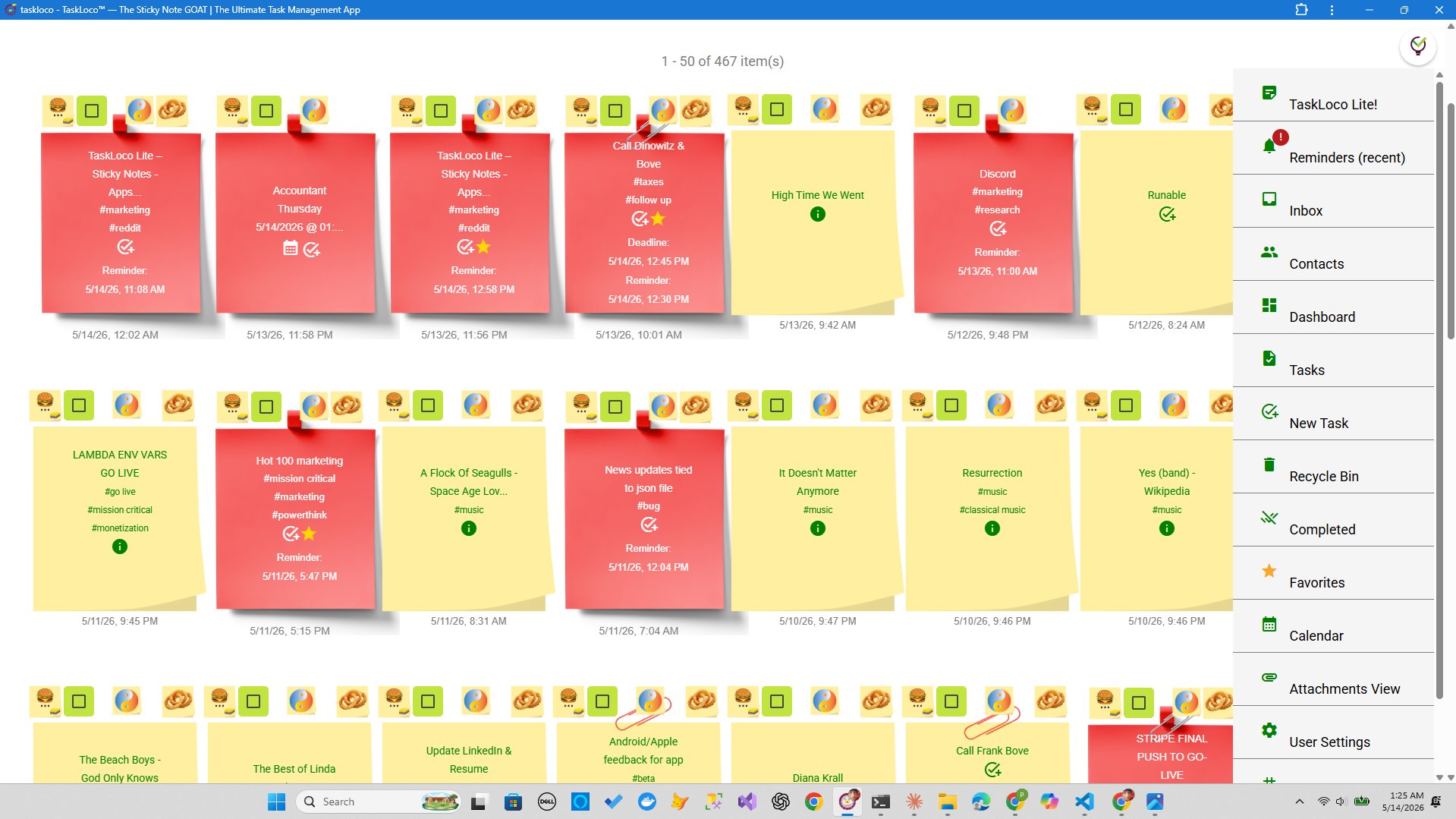
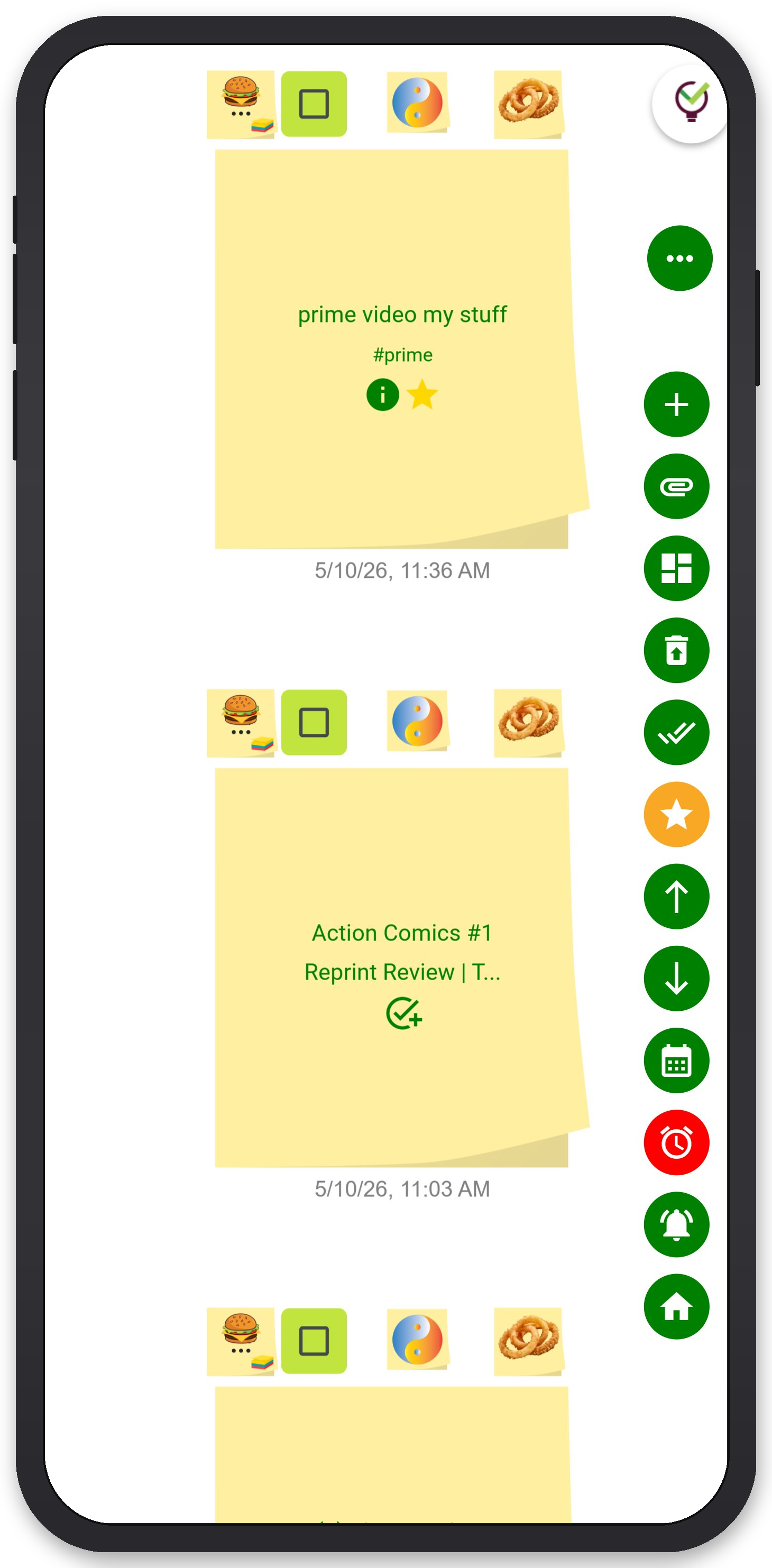
TaskLoco takes the opposite bet. It starts with a sticky note — the most natural unit of a thought — and builds outward from there. Reminders. File attachments. A calendar view. Team sharing. A Chrome extension that captures any webpage in one click. No templates to configure, no views to build, no hierarchy to design before you can write your first task. This comparison covers the real tradeoffs, not just the feature checklist.
Where Notion and ClickUp Genuinely Win
Notion's relational database engine is legitimately powerful. You can link records across tables, build filtered views, create rollup formulas, and turn your workspace into something closer to a lightweight app than a note-taking tool. If your team manages complex, structured data — product roadmaps linked to engineering tickets linked to documentation pages — Notion's flexibility is hard to match.
ClickUp's project management depth is also real. Timeline views, Gantt charts, task dependencies, resource loading, and time tracking are things TaskLoco doesn't do. If you're running a team that needs to see how a delay on Task A cascades into Task B and then into a missed milestone, ClickUp was built for that problem.
TaskLoco doesn't pretend otherwise. If you need relational databases or true Gantt-style dependency management, this is the honest answer: those two tools serve that specific use case better. Keep reading if you're not sure you actually need any of that — because most people don't.
The Setup Tax Nobody Talks About
Here's the thing Notion and ClickUp reviews almost never say plainly: both tools have a steep setup tax. Before you can do useful work in Notion, you need to decide your page hierarchy, choose your database schema, pick your views, and build templates for recurring content types. ClickUp's onboarding asks you to define your workspace structure, spaces, folders, lists, and statuses before you've written a single task. That is real cognitive overhead — and it compounds every time your team grows or your project changes shape.
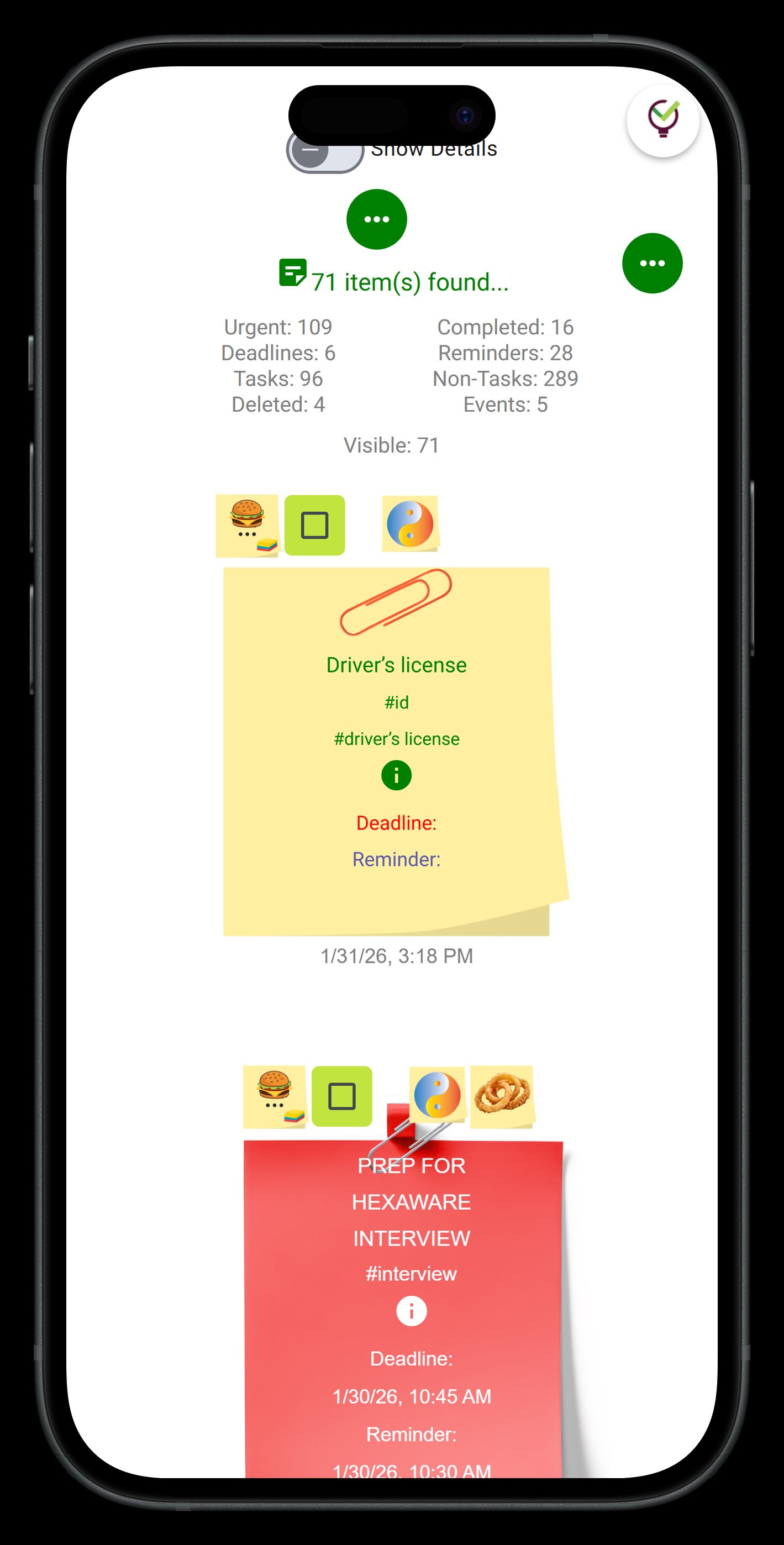
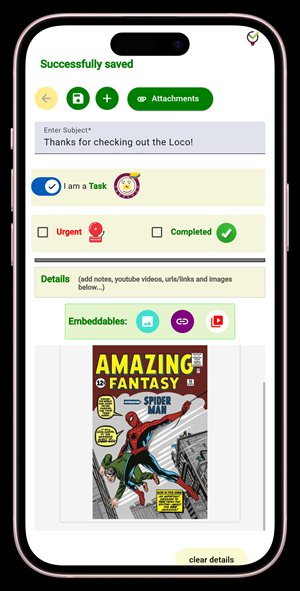
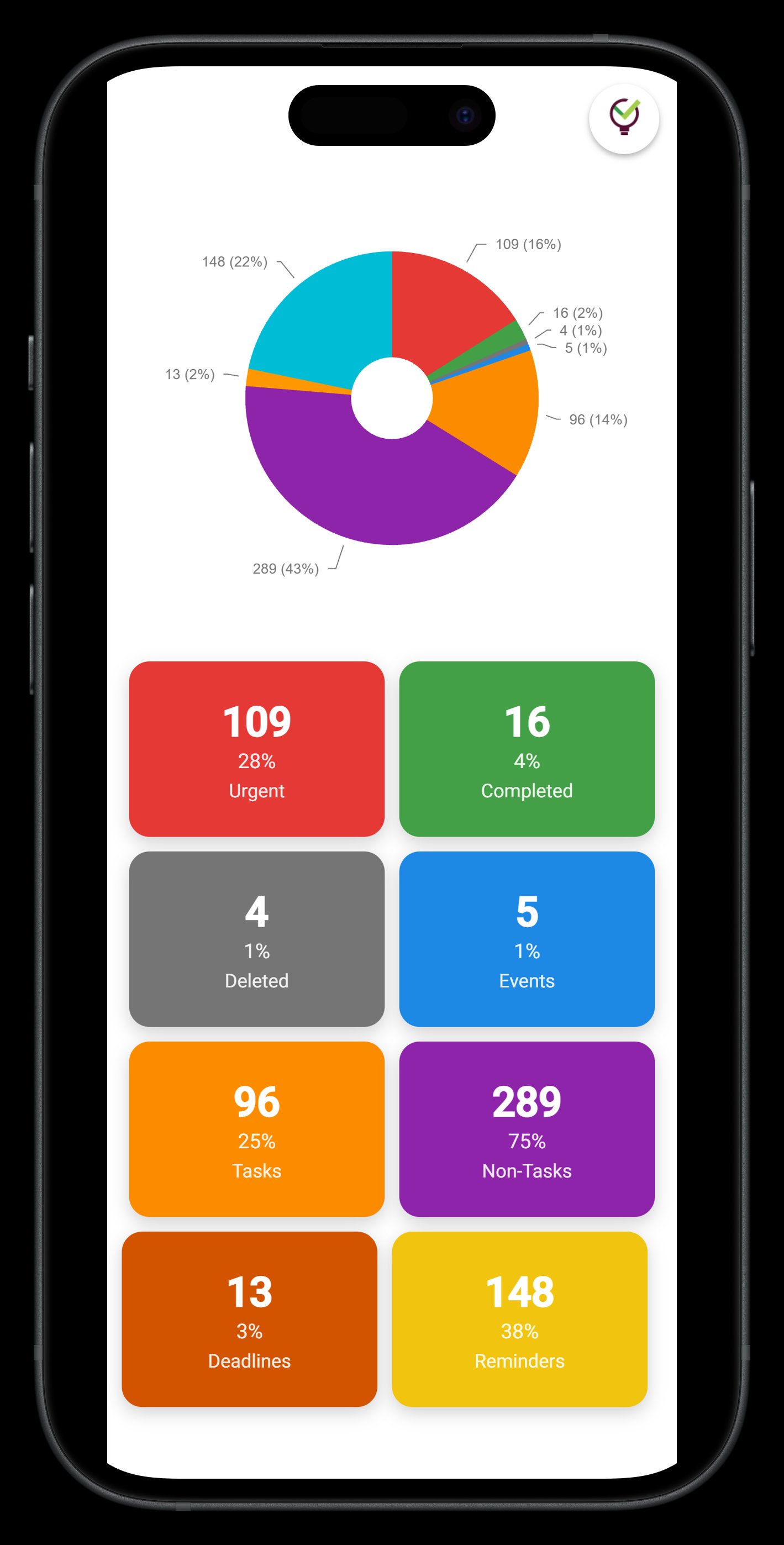
TaskLoco's model is different by design. Open the app, write a note. That's it. The note lives on your wall. You can attach files to it — 10GB of storage comes with every Premium subscription. You can set a reminder on it — delivered as a push notification directly to your phone or computer, deep-linking back to the exact note so you never lose context. You can drop it on a calendar. You can share it with a teammate who can clone it and make it their own. None of that requires configuring a workspace first.
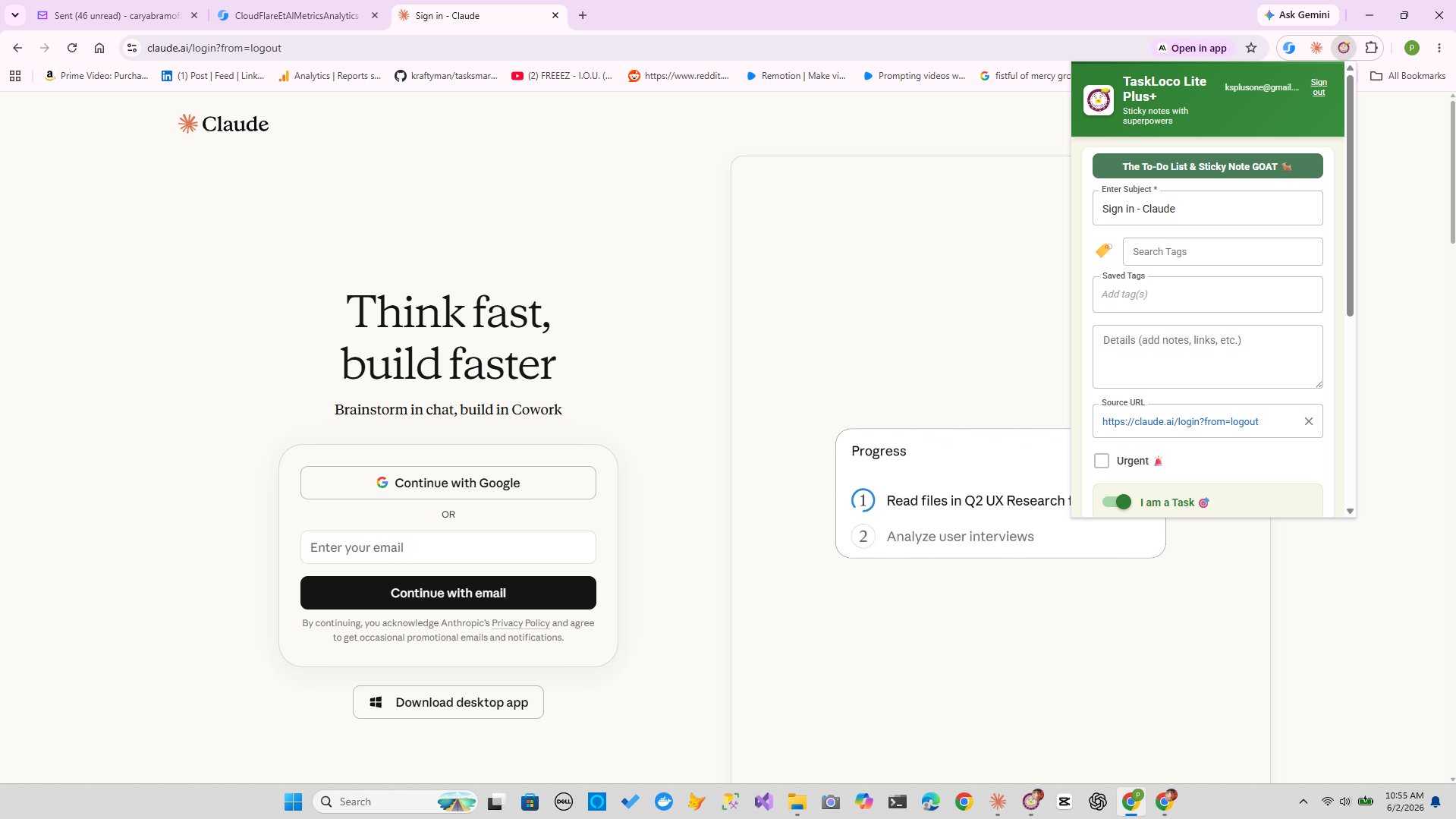
The Chrome extension makes this even cleaner: one click captures any webpage, article, or job posting as a note with the source URL attached. Notion has a web clipper too, but it clips into a database that you need to have already built. TaskLoco's extension clips into your wall, ready to use immediately.
Team Sharing Without the Permissions Maze
Notion's sharing model is built around access levels — view, comment, edit, full access — and nested page permissions that can get genuinely confusing on larger workspaces. ClickUp has guest permissions, role-based access controls, and a permissions matrix that takes real time to configure correctly. Both approaches make sense at enterprise scale. At any other scale, they're friction.
TaskLoco's team sharing works the way email does. You share a note. The recipient gets it as a push notification, opens it, and can clone it as their own — they edit their copy, you keep yours. No permission levels to set. No access controls to manage. No worrying whether someone can accidentally edit a document they weren't supposed to touch. It's a fundamentally simpler mental model, and it works for teams of any size.
Reminders work the same way — direct push notifications to whoever needs to see them, with an optional email channel and an optional SMS add-on. The reminder deep-links to the original note so the context is always one tap away, not buried in a thread or a notification that leads to a blank dashboard.
Free Tiers, Upgrade Path, and What You Actually Get
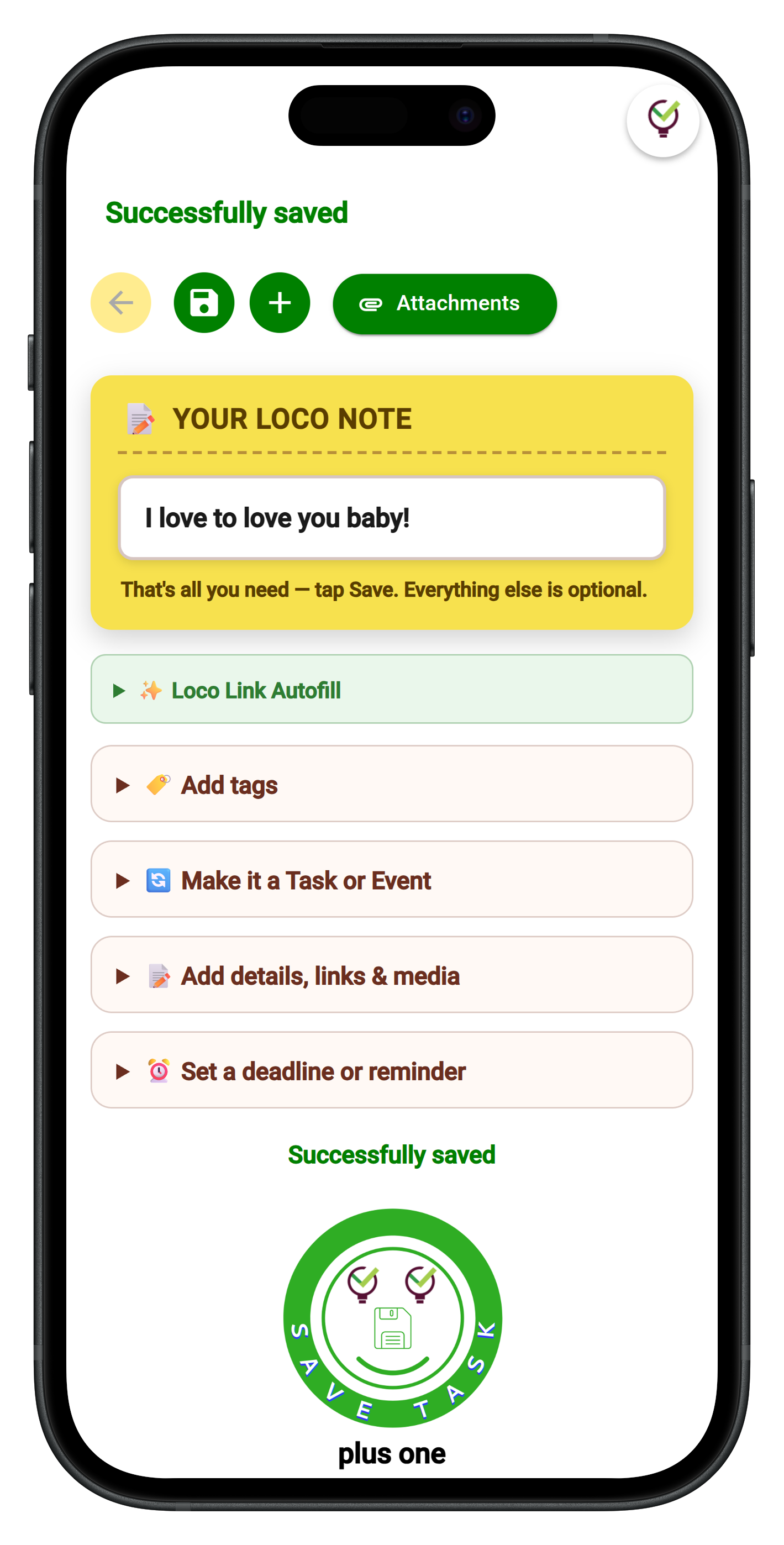
TaskLoco has two free tiers. TaskLoco Lite is a native iPhone and Android app — completely anonymous, no sign-in, no account, stores up to 20 notes in a JSON file on your device. It's a clean scratchpad with zero friction and zero data collection. TaskLoco Lite Plus+ is the web app and Chrome extension — sign in with Google, sync up to 30 notes across all your devices, capture webpages with the Chrome extension, no payment required.
Neither free tier includes reminders, file attachments, calendar view, or team sharing. Those are Premium features, and the line is drawn clearly. There's no dark pattern where a feature appears free and then locks behind a paywall mid-workflow. You know exactly what you're getting at each level.
Premium is where the full system lives — unlimited notes, 10GB file storage, reminders with push notifications, calendar view, team sharing, and the Chrome extension working against the full feature set. Every team member needs their own separate subscription, which means no opaque per-seat pricing surprises — the cost per person is exactly what it says on the page.
The Honest Comparison
| Feature | TaskLoco | Notion & ClickUp |
|---|---|---|
| Free tier | Two free tiers: Lite (native app, 20 notes, no sign-in) and Lite Plus+ (web app, 30 notes, synced across devices) FREE | Both offer free tiers with limitations — Notion's free tier caps blocks; ClickUp's free tier has storage and feature limits |
| Ease of first use | Open app, write a note. Zero configuration required before you can do useful work | Both require significant upfront workspace configuration before first productive use |
| Sticky note / visual wall | Core UI — your whole workspace is a visual wall of notes you can arrange and scan at a glance | Neither Notion nor ClickUp offers a sticky-note wall as a native view |
| Reminders | Push notifications to phone and computer, deep-linking back to the original note. Optional email and SMS add-on | Both offer reminders, though ClickUp's are more configurable with recurring options |
| Chrome extension | One-click webpage capture directly to your note wall — free with Lite Plus+ and Premium FREE | Notion has a web clipper; ClickUp has browser extensions — both clip into structured workspaces that require prior setup |
| File attachments | 10GB included with Premium, stackable add-on tiers up to 1TB | Both offer file attachments — ClickUp's free tier has a 100MB limit; Notion stores files but can become expensive at scale |
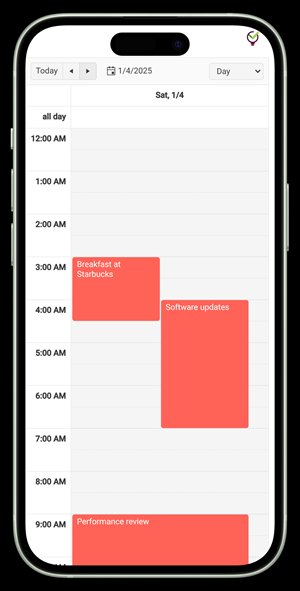
| Calendar view | Full calendar view included with Premium — see all notes and tasks by date | Both Notion and ClickUp have calendar views — ClickUp's is more feature-rich with multi-calendar overlays |
| Team sharing | Yes — included with Premium. Each team member requires a separate subscription — currently $9.99/month per person, but TaskLoco is offering a Charter Member special: 50% off for life, currently $4.99/month per person for the first 500 subscribers with code CHARTER50. | Both have team sharing with role-based permissions — powerful but adds configuration overhead |
| Native iPhone & Android app | TaskLoco Lite is the native app (App Store & Play Store) — anonymous, no sign-in, 20 notes on-device | Both Notion and ClickUp have full-featured native mobile apps with sync |
| Relational databases | Not available — TaskLoco is notes, tasks, and reminders, not a database engine | Notion's database system is genuinely excellent — linked records, rollups, filtered views |
| Gantt charts & project dependencies | Not available | ClickUp has full Gantt charts, timeline views, and task dependency mapping |
| Full-text search | Full-text search across all notes and attachments | Both offer full-text search — Notion's search across large workspaces is thorough |
| Anonymous use / no account required | TaskLoco Lite requires zero sign-in, zero account — completely anonymous FREE | Both Notion and ClickUp require an account to use |
| Setup time to first productive task | Under 60 seconds — write a note, done | Both require meaningful workspace configuration before productive use |
| API access & integrations | Limited integrations — TaskLoco is not an integration hub | Both have extensive APIs and third-party integration ecosystems |
| Natural language task input | Not available | ClickUp supports natural language date parsing; Notion has AI-assisted input |
| Price transparency per person | One clear price per person — what you see is what you pay, no tier confusion | Both have multi-tier pricing with varying per-seat costs depending on plan and team size |
Who Should Use Each
Use the TaskLoco if…
- You want to start working immediately without configuring a workspace first
- Your daily workflow is notes, tasks, reminders, and files — not relational databases or Gantt charts
- You want reminders that push directly to your phone and deep-link back to the original note
- You capture web pages, articles, and ideas constantly and want a one-click way to save them
- You share work with teammates and want it to feel like sending an email — not managing permissions
- You want a clean, visual wall of your work instead of an infinite nested page hierarchy
- You want one transparent price per person with no tier surprises
Use Notion & ClickUp if…
- You need relational database functionality — linked records, rollup formulas, filtered multi-view tables
- Your team requires Gantt charts, timeline views, and task dependency mapping
- You need extensive third-party API integrations or a deeply connected automation stack
- You require enterprise SSO, compliance certifications, or audit logs
- Your team needs a full native mobile app with feature parity to the desktop experience
- You rely on natural language input for task scheduling and date parsing
TaskLoco Premium is regularly $9.99/month per person. Right now, charter members can lock in 50% off the regular price — forever. That means $4.99/month per person today. And if our price ever goes up, you still pay half. Always.
Code CHARTER50 auto-applies at checkout. First 500 spots only — once they're gone, this offer is gone permanently. Act fast while spots last.
Every Premium subscription includes unlimited notes, 10GB file storage, reminders, calendar, and team sharing. Each team member requires a separate subscription. 7-day free trial — no charge until day 8. Cancel anytime.
Free Options: TaskLoco vs Notion & ClickUp
TaskLoco Lite
- Native iPhone & Android app
- Completely anonymous — no sign-in
- Data stays on your device
- Up to 20 notes
- Free forever
TaskLoco Lite Plus+
- Web app + Chrome extension
- Sign in with Google
- Wall syncs across all devices
- Up to 30 notes
- Free forever
Lock In 50% Off — Forever
7-day free trial. No charge until day 8. CHARTER50 auto-applies at checkout.
🔒 Lock In My Charter SpotSee TaskLoco in Action
Frequently Asked Questions
What does TaskLoco do that Notion and ClickUp don't?
TaskLoco's core difference is a visual sticky-note wall where your work lives at a glance — no nested pages, no database schema, no views to configure. You write a note, attach files, set a reminder that pushes directly to your phone or computer and deep-links back to the note, and share it with teammates who can clone it as their own. The Chrome extension captures any webpage in one click. None of this requires setup. Notion and ClickUp are flexible but demand significant configuration before they become useful — TaskLoco is useful before you've had a chance to second-guess your folder structure.
Is TaskLoco free?
Yes — TaskLoco has two free tiers. TaskLoco Lite is the native iPhone and Android app: completely anonymous, no sign-in, no account, stores up to 20 notes on your device. TaskLoco Lite Plus+ is the web app and Chrome extension: sign in with Google, sync up to 30 notes across all your devices. Neither free tier includes reminders, file attachments, calendar view, or team sharing — those are Premium features. $9.99/month per person (currently $4.99/month per person for first 500 charter members with code CHARTER50)
Can TaskLoco replace Notion for everyday note-taking and task management?
For most people's actual day-to-day use, yes. If you're using Notion as a wiki or database — linking records across tables, building structured product roadmaps, managing relational data — TaskLoco is not a replacement. But if you're using Notion to write notes, track tasks, and share things with teammates, TaskLoco does all of that without the overhead of building and maintaining a workspace. The setup tax in Notion is real, and TaskLoco eliminates it entirely.
Can TaskLoco replace ClickUp for project management?
It depends on how you're using ClickUp. If your team needs Gantt charts, project dependencies, timeline views, or resource management, TaskLoco is not the right tool — ClickUp was built for those workflows. But if you're using ClickUp for task lists, reminders, file attachments, and team coordination, TaskLoco handles all of that with far less complexity. Many teams find they spend more time managing ClickUp than working inside it — TaskLoco is designed to prevent that entirely.
Does TaskLoco work on mobile?
TaskLoco Lite is the native iPhone and Android app — it's in the App Store and Google Play, requires no sign-in, and stores up to 20 notes on your device.
How does TaskLoco team sharing work compared to Notion or ClickUp?
TaskLoco sharing works the way email does. You share a note, the recipient gets a push notification, opens it, and can clone it as their own. They edit their copy — you keep yours. There are no permission levels to configure, no access controls to manage, no risk of someone editing a document they shouldn't touch. Notion and ClickUp both have more granular permission systems, which is useful at enterprise scale but adds friction for everyone else. TaskLoco's model is simpler and faster for the vast majority of teams.
What is the TaskLoco charter offer?
$9.99/month per person (currently $4.99/month per person for first 500 charter members with code CHARTER50)
Born in Brooklyn. Powered by AWS. Your data stays yours.
TaskLoco is available on iPhone, Android, Chrome, and every web browser.