Everyone has more to do than time allows. That's not a productivity failure — it's just reality. The problem isn't the workload; it's the habit of treating every item on your list as equally urgent. Prioritizing tasks is the skill of making deliberate choices about what gets your attention first, what gets pushed, and what gets dropped entirely.
This page covers the criteria that actually matter when building a prioritization system, the most useful frameworks people use in practice, and how the right tool can make prioritization a daily habit rather than a Sunday-evening ritual you abandon by Tuesday.
What to Look for in a Task Prioritization System
Before you pick a method or a tool, it helps to understand what a prioritization system is actually supposed to do. At its core, it answers one question: given everything on my list right now, what should I work on next? That sounds simple. The execution is where most systems collapse.
Here are the three criteria that separate a prioritization system that works from one that looks good in a productivity blog post and dies in the real world:
- Capture speed. A system is only as good as its input. If adding a task takes more than a few seconds — opening an app, logging in, navigating to the right project — tasks accumulate in your head instead of your list. The best systems make capture frictionless so nothing gets lost between the moment you think of something and the moment you write it down.
- Decision clarity. Prioritization requires a forcing function. Pure to-do lists don't prioritize — they just list. A useful system gives you a mechanism to distinguish urgent from important, high-impact from low-impact, and today's work from someday work. Whether that's a matrix, a ranking, a label, or a daily planning ritual, the mechanism has to produce a clear answer: do this next.
- Maintenance cost. This is the one most people underestimate. A system that takes 20 minutes a day to maintain will be abandoned within a week. The best prioritization systems are lightweight to update, easy to review, and forgiving when you fall behind for a day. Complexity kills consistency.
With those three criteria in mind, here are the frameworks most people actually find useful in practice.
The Frameworks That Actually Work
There are dozens of prioritization frameworks. Most people only need one of three. Here's an honest look at each:
The Eisenhower Matrix (Urgent vs. Important)
Divide tasks into four quadrants: urgent and important (do now), important but not urgent (schedule), urgent but not important (delegate), neither (delete). This framework is most useful for knowledge workers and managers who have control over their schedule. Its weakness: it requires honest self-assessment. Most people call everything urgent because that's what it feels like.
MoSCoW Method (Must / Should / Could / Won't)
Originally a software requirement framework, MoSCoW works well for any project with a fixed deadline. You force every task into one of four buckets. The 'Won't' category is the most valuable — it gives you explicit permission to not do something, which removes it from the cognitive load of your list without the guilt of deleting it. Works best for teams aligning on scope before a release or deadline.
The MIT Method (Most Important Tasks)
Pick two or three tasks each morning that, if completed, would make the day a success. Everything else is secondary. This is the simplest method and, for most people, the most sustainable. It forces a daily prioritization ritual and keeps the day anchored to outcomes rather than busyness. The risk: if your capture system is poor, MITs get interrupted by unlogged tasks that feel urgent in the moment.
Stack Ranking
Number your tasks 1, 2, 3... and work top to bottom. No categories, no quadrants — just order. Brutal and effective when you have a clear sense of impact. Falls apart when every task genuinely feels like a 1.
Where TaskLoco Fits Into a Prioritization Practice
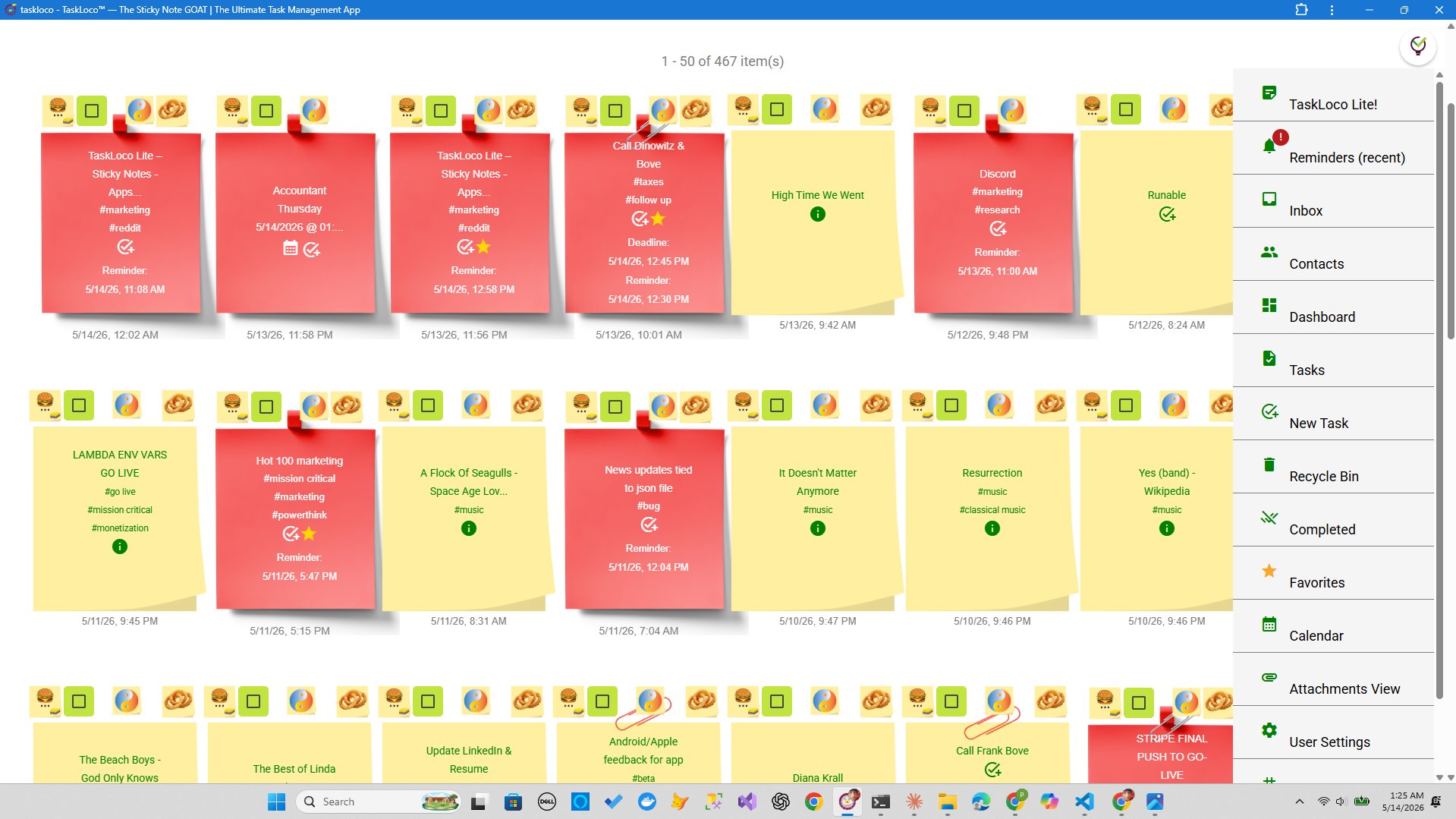
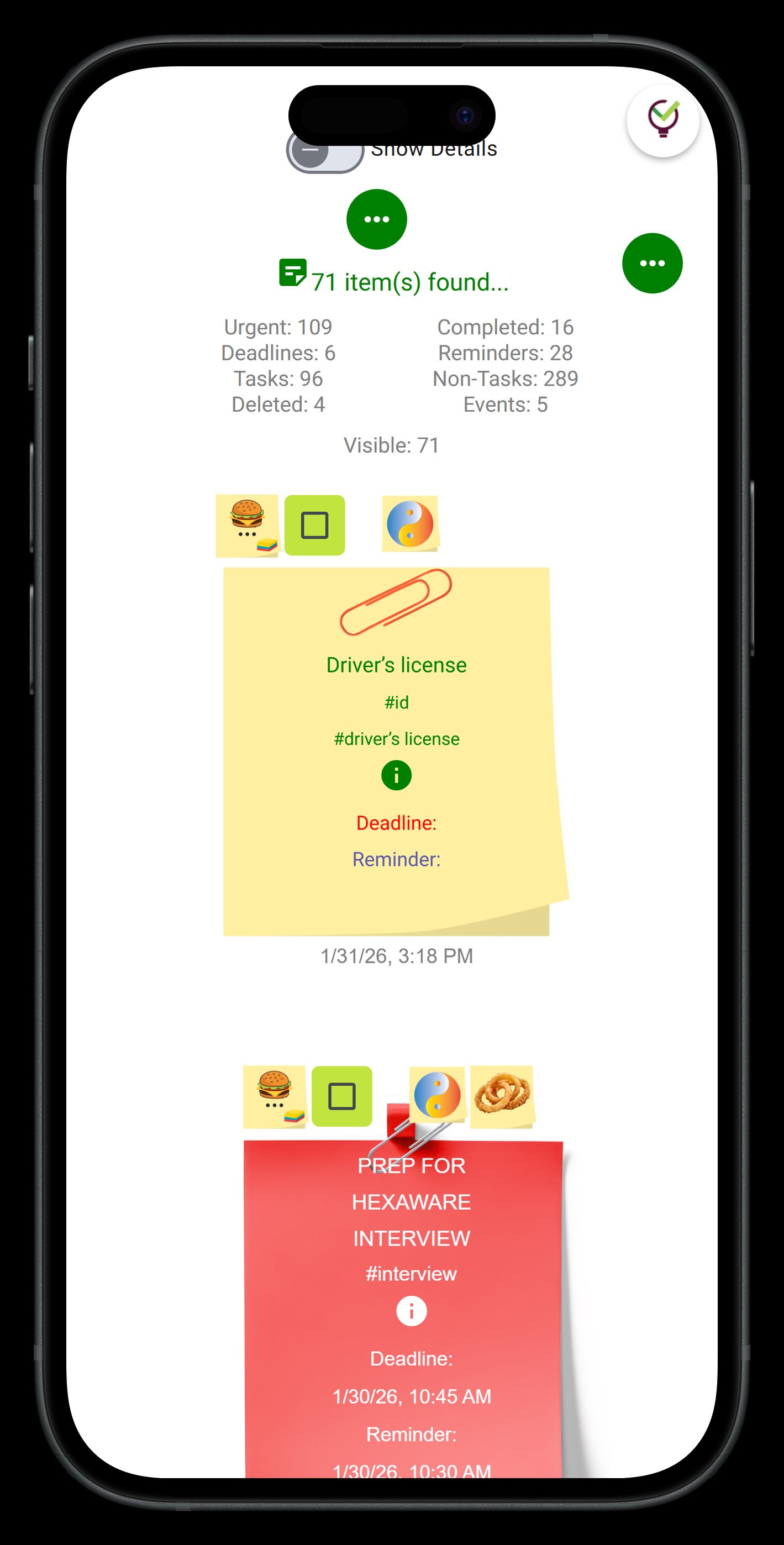
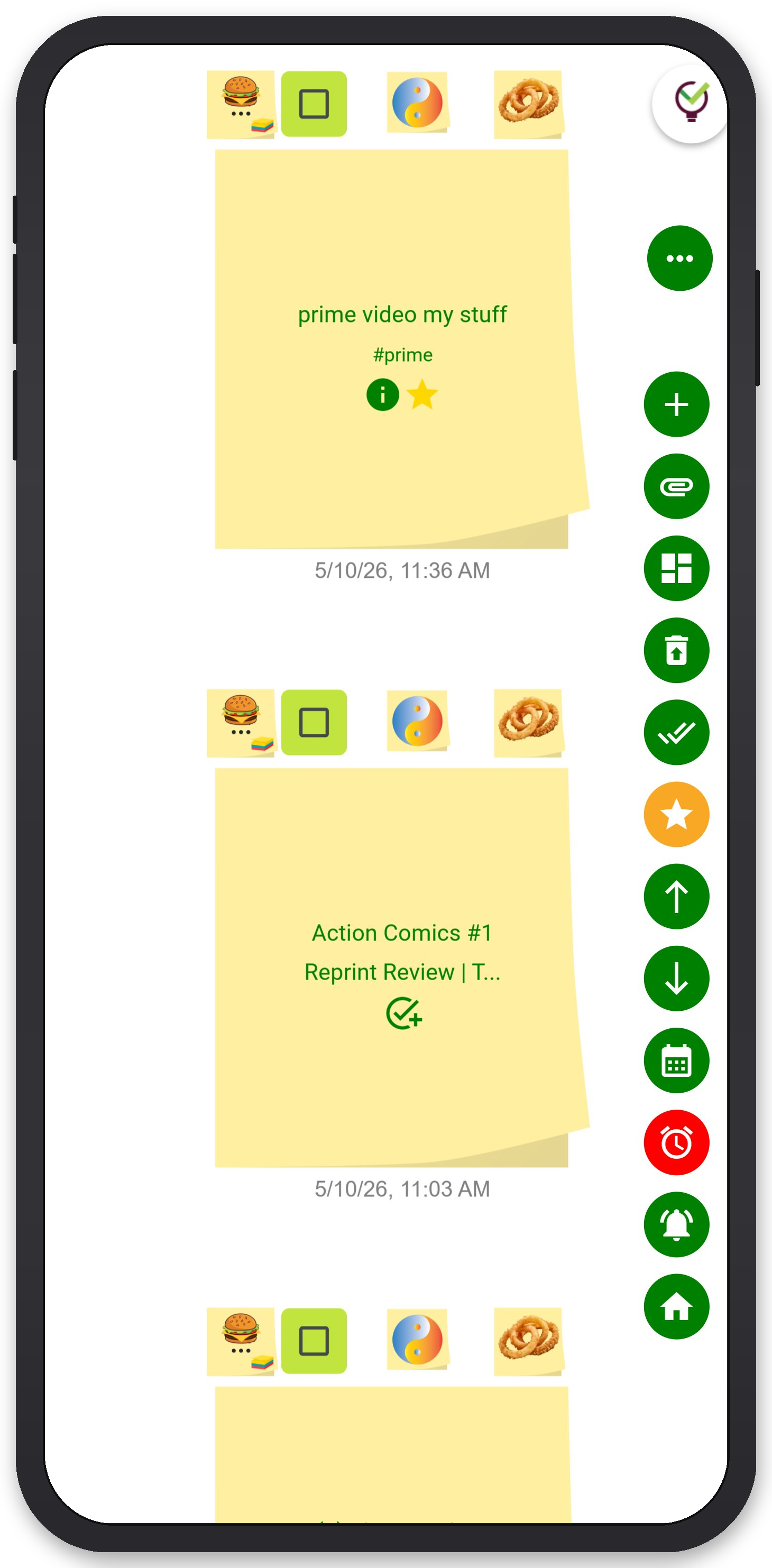
TaskLoco is built around sticky notes — the oldest prioritization tool humans ever invented. The visual format is not nostalgia; it's function. When every task lives on its own card and those cards sit on a shared wall, priority becomes spatial. What's at the top, front, and center is what matters. You don't need a separate prioritization view because the wall is the prioritization view.
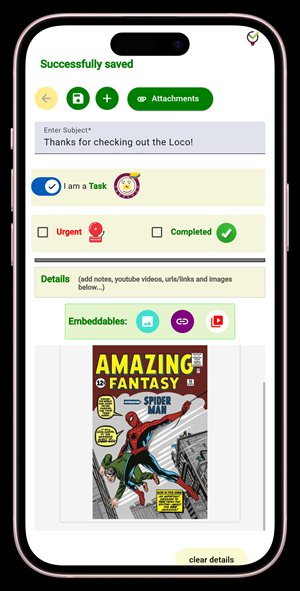
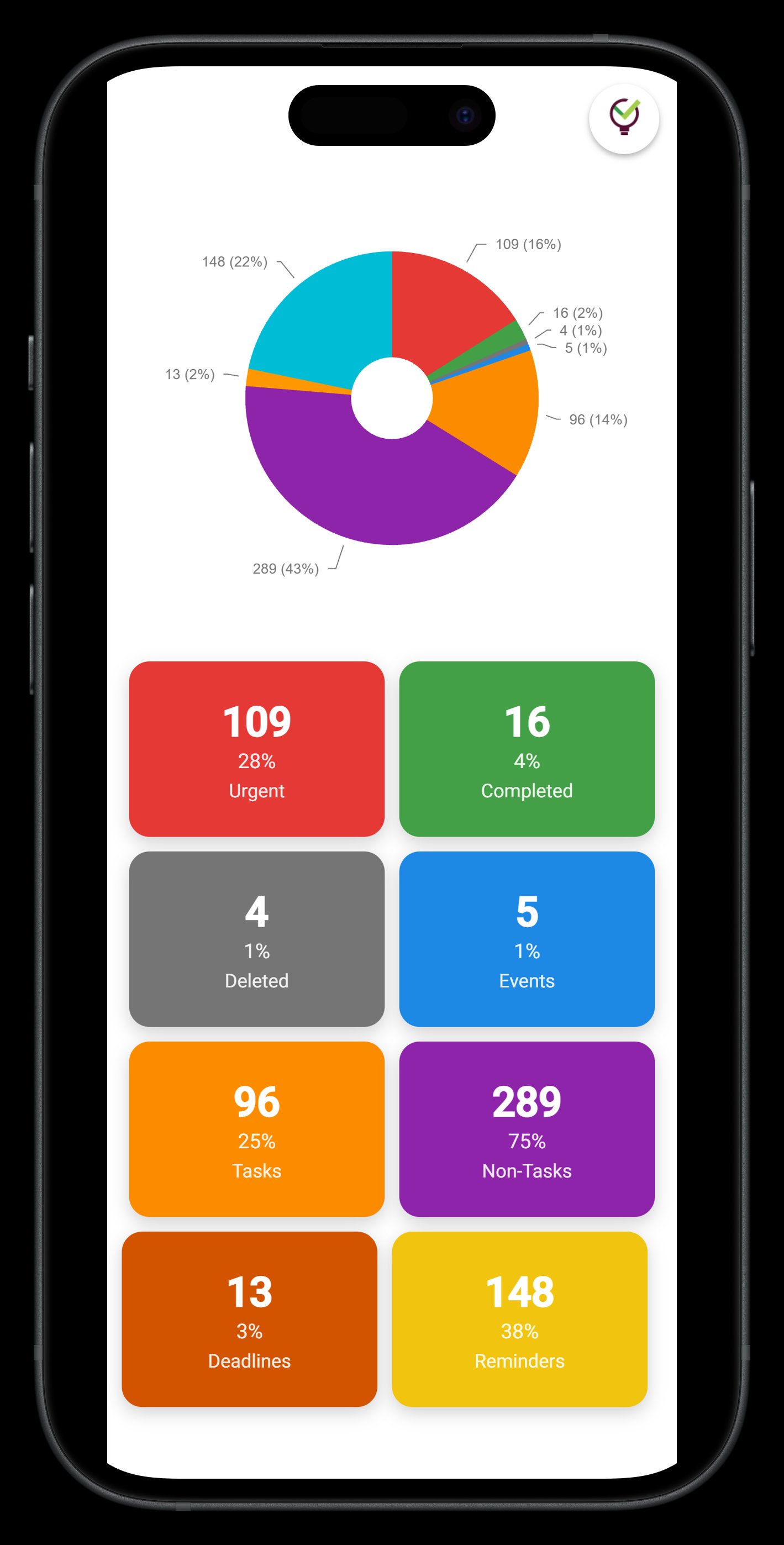
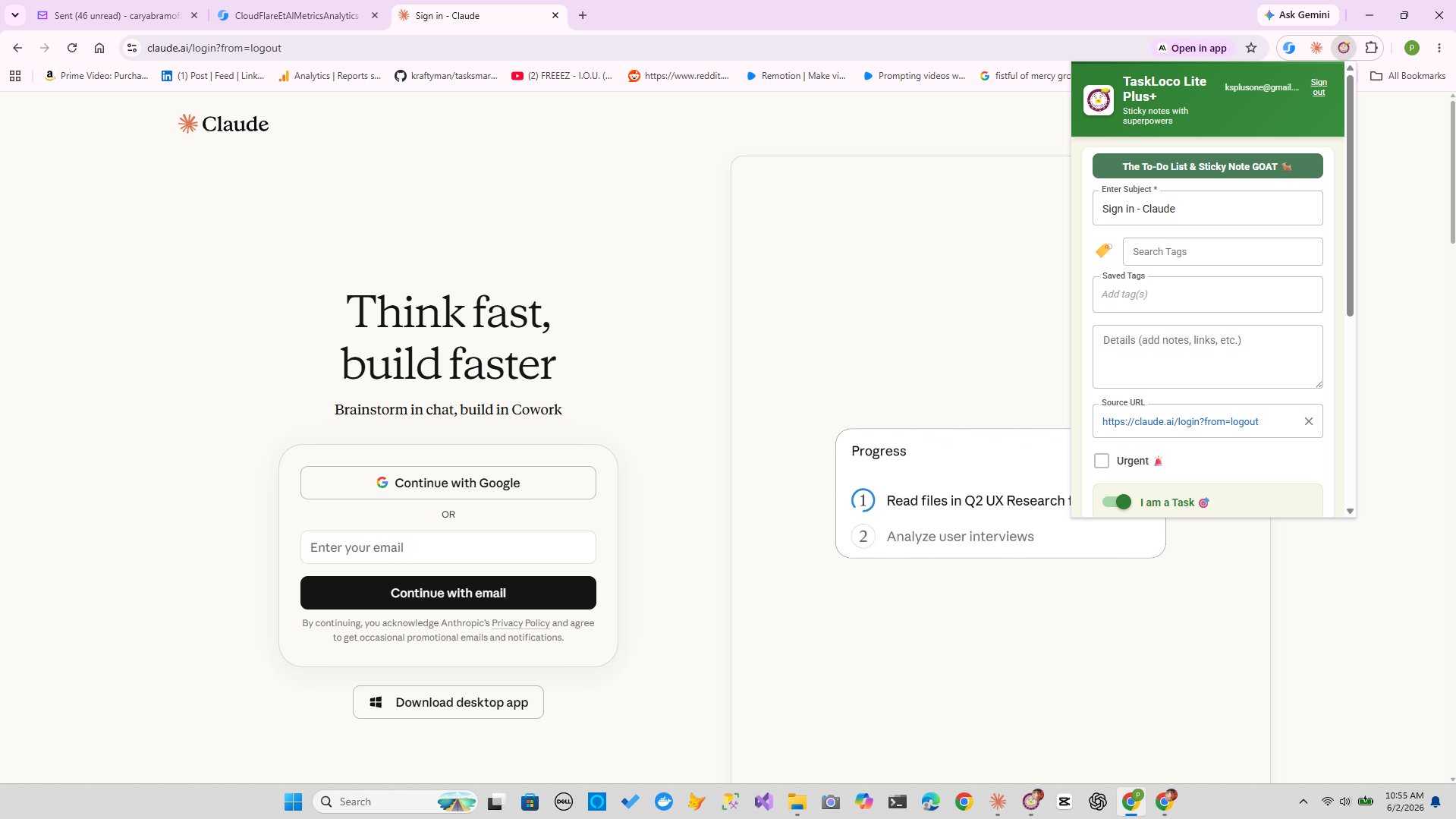
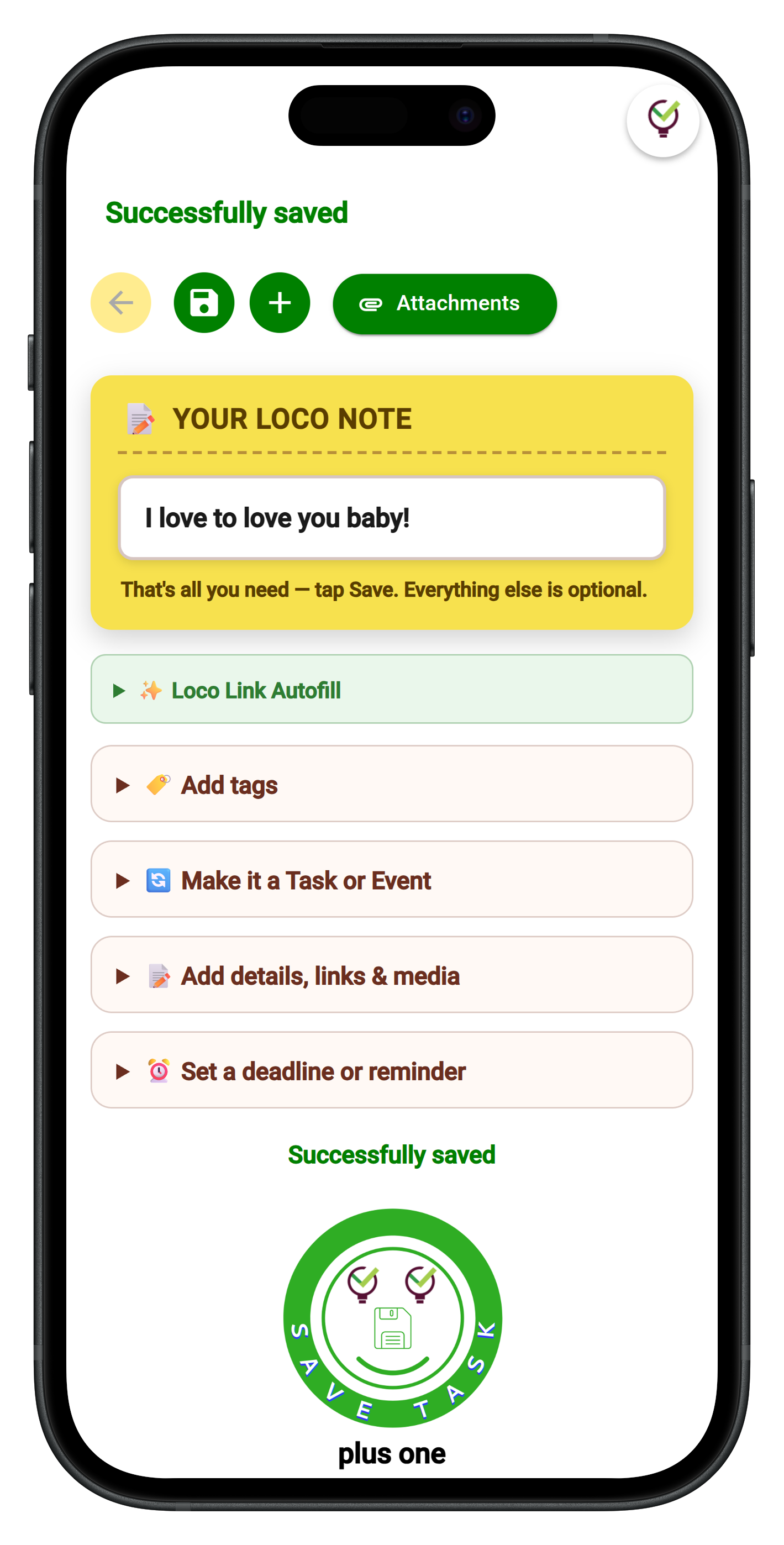
For the capture problem — the first and most important criterion — TaskLoco solves it in two ways. The Chrome extension captures any webpage in a single click, turning a link, an article, or a client request into a note instantly. On mobile, TaskLoco Lite (the native iPhone and Android app) stores up to 20 notes directly on your device with no sign-in required, so you can capture a thought before the moment passes. For everything else, TaskLoco Premium and Lite Plus+ sync across all your devices through the web app so nothing gets stranded on one machine.
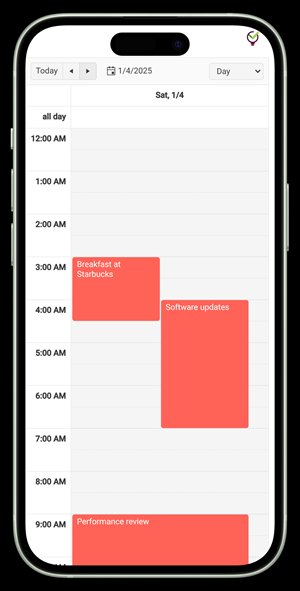
For decision clarity, Premium's calendar view lets you see which tasks have deadlines and where they cluster — so you can spot overloaded days before they happen and redistribute work deliberately rather than reactively. Reminders deliver a push notification directly to your phone or computer that deep-links back to the original note, so when a reminder fires you land exactly on the task, not on a generic inbox. Optional email and SMS notifications are also available if you want additional channels.
For maintenance cost, TaskLoco is built to stay out of your way. Notes are fast to create, fast to edit, fast to rearrange. There are no mandatory fields, no required project structures, no workflows to configure before you can start using it. You open it, you capture your tasks, you order them, you work. That's the entire loop.
Team sharing works the way email does: you share a note and the recipient can clone it and make it their own. No permission levels to configure, no access requests to approve. A shared task is a real task — fully editable by whoever receives it.
Building a Daily Prioritization Habit That Sticks
The best prioritization system is one you do every day without thinking about it. That means the ritual has to be short, the tool has to open fast, and the output has to be actionable before your first coffee is cold. Here's a pattern that works:
- Morning capture (2 minutes): Before checking email, open your task list and add anything that surfaced overnight — ideas, requests you remember, follow-ups from yesterday. Don't organize yet. Just get them out of your head.
- Daily sort (3 minutes): Look at everything in your list. Pick your two or three MITs for today. Move or label everything else. If something has been sitting for two weeks without becoming urgent, consider whether it belongs on the list at all.
- Midday check (1 minute): Quick scan. Did anything change priority? Did a new urgent item arrive that needs to bump something? Adjust, then get back to work.
- End-of-day close (2 minutes): Mark what's done. Move what's unfinished. Note one thing to start tomorrow. Close the app.
That's eight minutes a day. Most productivity systems ask for far more and deliver far less. The reason this loop works is that it separates capture from sorting from execution — three distinct cognitive modes that shouldn't happen simultaneously.
TaskLoco's wall view is well-suited to this loop because the physical metaphor of moving a note — shifting it up the wall, pulling it to a Today column, archiving it — creates the same satisfying finality as crossing something off a paper list. The visual feedback matters more than most productivity literature admits.
TaskLoco Premium is regularly $9.99/month per person. Right now, charter members can lock in 50% off the regular price — forever. That means $4.99/month per person today. And if our price ever goes up, you still pay half. Always.
Code CHARTER50 auto-applies at checkout. First 500 spots only — once they're gone, this offer is gone permanently. Act fast while spots last.
Every Premium subscription includes unlimited notes, 10GB file storage, reminders, calendar, and team sharing. Each team member requires a separate subscription. 7-day free trial — no charge until day 8. Cancel anytime.
Free Options: TaskLoco
TaskLoco Lite
- Native iPhone & Android app
- Completely anonymous — no sign-in
- Data stays on your device
- Up to 20 notes
- Free forever
TaskLoco Lite Plus+
- Web app + Chrome extension
- Sign in with Google
- Wall syncs across all devices
- Up to 30 notes
- Free forever
Lock In 50% Off — Forever
7-day free trial. No charge until day 8. CHARTER50 auto-applies at checkout.
🔒 Lock In My Charter SpotSee TaskLoco in Action
Frequently Asked Questions
What does it mean to prioritize tasks?
Prioritizing tasks means deciding which items on your list deserve your attention first, based on urgency, importance, or impact — and explicitly choosing what to delay or drop. It's not about doing more; it's about doing the right things in the right order so the most valuable work gets done before the day runs out.
What is the best method for prioritizing tasks?
The 'best' method is the one you'll actually use every day. For most people, the MIT (Most Important Tasks) method — picking two or three tasks each morning that would make the day a success — is the most sustainable because it's fast, simple, and produces an immediately actionable list. The Eisenhower Matrix (urgent vs. important) works well for managers. MoSCoW works well for teams with a shared deadline. Start with MITs and add complexity only if you hit a wall.
How do I prioritize when everything feels urgent?
When everything feels urgent, the problem is usually missing context, not genuine urgency. Ask three questions: What happens if this doesn't get done today — real consequences, not anxiety? Who is waiting on this, and when do they actually need it? Would completing this unblock something else? That reframe usually separates the three genuine emergencies from the ten things that feel urgent because they've been on the list a while.
How does TaskLoco help with task prioritization?
TaskLoco's sticky-note wall gives you a visual surface where priority is spatial — the most important tasks sit at the top and front of your view. Premium's calendar view shows deadline clusters before they become crises. Reminders fire as push notifications that deep-link directly to the relevant note, so you never lose context when a reminder fires. The Chrome extension captures tasks from anywhere in one click, keeping your list complete so your prioritization decisions are based on everything, not just what you happened to remember. $9.99/month per person (currently $4.99/month per person for first 500 charter members with code CHARTER50)
What is the difference between urgent and important tasks?
Urgent tasks demand immediate attention — they have deadlines, waiting people, or consequences that escalate quickly if ignored. Important tasks contribute to your meaningful goals but may not have an immediate deadline. The Eisenhower Matrix separates these two axes: urgent-and-important tasks get done now; important-but-not-urgent tasks get scheduled before they become urgent; urgent-but-not-important tasks get delegated if possible; neither gets dropped. Most people spend too much time on urgent tasks and too little time on important ones — because urgency feels like productivity, and importance requires saying no to something else.
How many tasks should I have on my daily priority list?
Two to three. Research on task completion consistently shows that longer daily lists lead to lower completion rates, not higher output. When your list has fifteen items, your brain treats all of them as a failure risk and often chooses none. When your list has three, completion is achievable and motivating. Everything else — the longer backlog — should live somewhere accessible but separate from your today view. TaskLoco's wall layout makes this easy: a Today column of three notes plus a backlog wall behind it.
Can I use TaskLoco for free to manage my task priorities?
Yes. TaskLoco Lite is a free native app for iPhone and Android — no sign-in, no account, just anonymous note-taking with up to 20 notes stored on your device. TaskLoco Lite Plus+ is a free web app (plus Chrome extension) that syncs up to 30 notes across all your devices when you sign in with Google. For reminders, calendar view, file attachments, unlimited notes, and team sharing, those are Premium features. $9.99/month per person (currently $4.99/month per person for first 500 charter members with code CHARTER50)
Born in Brooklyn. Powered by AWS. Your data stays yours.
TaskLoco is available on iPhone, Android, Chrome, and every web browser.