You set it up on a Sunday evening. Three columns: To Do, In Progress, Done. You feel organized — maybe even excited. Sound familiar? You're not bad at productivity. You just got handed the wrong tool.
Kanban was invented at Toyota in the 1940s to manage physical inventory on a factory floor. It was adapted for software teams because development genuinely does move through discrete stages: backlog → development → review → deployed. Personal tasks almost never work this way. Your to-do list is a living, chaotic mix of errands, ideas, follow-ups, half-finished projects, and things you can't start until something else happens. Forcing that into columns creates maintenance overhead that eventually costs more than the system saves.
The Core Problem: Columns Assume Linear Progress
The fundamental assumption of a Kanban board is that work moves forward — left to right, from one stage to the next, and eventually to Done. That model works beautifully when you're shipping software features or tracking a print production run. It breaks down fast when your tasks look like this:
- "Follow up with dentist" (waiting on them, not you)
- "Think about whether to take the new job" (not a task at all — it's a decision)
- "Grocery run" (repeats weekly, never actually done)
- "Finish the report" (blocked until your manager sends the data)
- "Read the article I saved" (more of an intention than a task)
None of these move cleanly through To Do → In Progress → Done. Some are blocked externally. Some are recurring. Some are just notes-to-self that don't belong in any workflow. When your tasks don't match the format, you start bending the format — adding columns like "Waiting," "Maybe," "Someday," and "Not Sure" — until the board has eight columns and you still feel disorganized.
Five Reasons Personal Kanban Specifically Tends to Collapse
People don't abandon Kanban boards randomly. There are consistent patterns behind why the format fails for solo use, and understanding them helps you pick something that actually sticks.
1. Maintenance cost exceeds the benefit. Moving a card from one column to another takes a deliberate action. On a team, that action is visible to others — it signals progress, triggers next steps, updates a shared view. When you're working alone, dragging a card is pure overhead with no audience. The effort adds up and the payoff stays invisible.
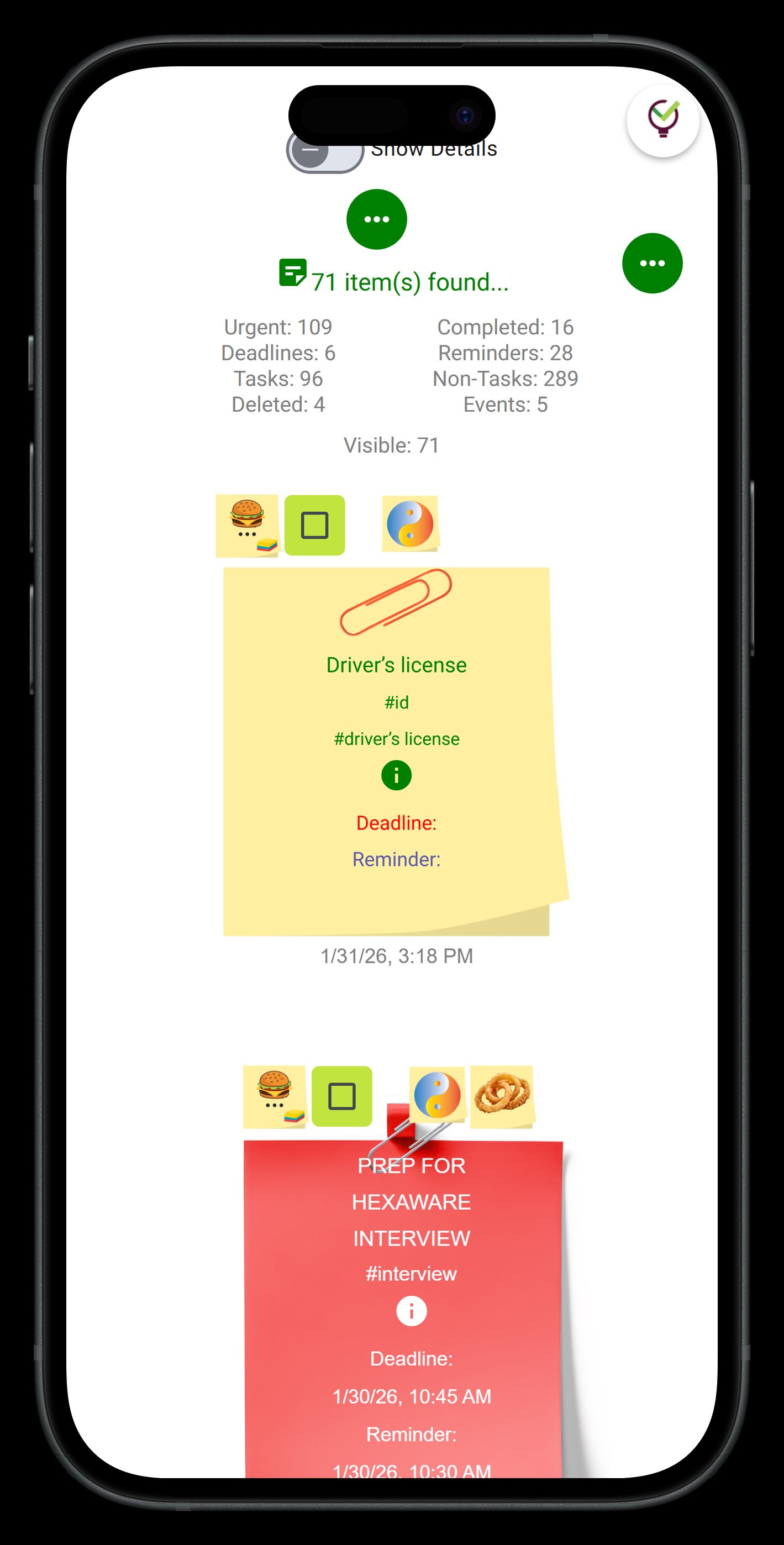
2. The board can't capture context. A card that says "Call Marcus" tells you nothing about why, what to say, or what happened last time. Real personal tasks come loaded with context — links, notes, prior history, related files. Kanban cards weren't built to be documents, so people end up maintaining parallel notes alongside the board, which defeats the purpose of having one system.
3. "In Progress" becomes a graveyard. Personal tasks rarely have clean handoffs or time-boxes. Eventually that column becomes a source of guilt rather than a signal of active work, and you start avoiding it.
4. Personal work is non-linear. Team workflows are designed to be linear — that's the whole point of a pipeline. Personal work jumps around constantly. You might finish a task you hadn't started yet because an opportunity appeared, then abandon something you'd been circling for a week. A rigid left-to-right board can't represent that gracefully.
5. The visual overhead is too high when you're alone. A big visual board pays off when a team needs shared situational awareness at a glance. Solo, you don't need to broadcast your status to anyone. The board's visual complexity becomes noise rather than signal.
What Actually Works Better for Personal Task Management
The goal isn't to find the most sophisticated system — it's to find the lowest-friction system you'll actually use every day. Here's what tends to outlast Kanban for personal use:
Flat lists with dates, not columns. A simple prioritized list — sorted by what needs to happen today, this week, or eventually — matches how personal work actually behaves. There's no stage to track; there's just the task, a priority, and a deadline if one exists. You look at the list, do the thing, cross it off. The friction is almost zero.
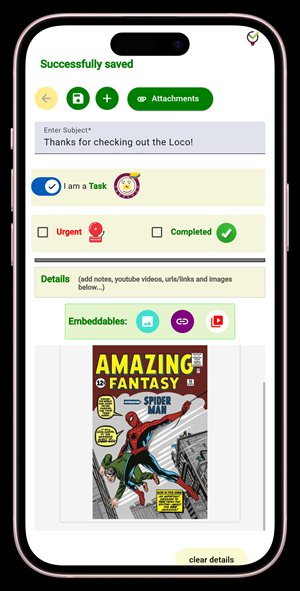
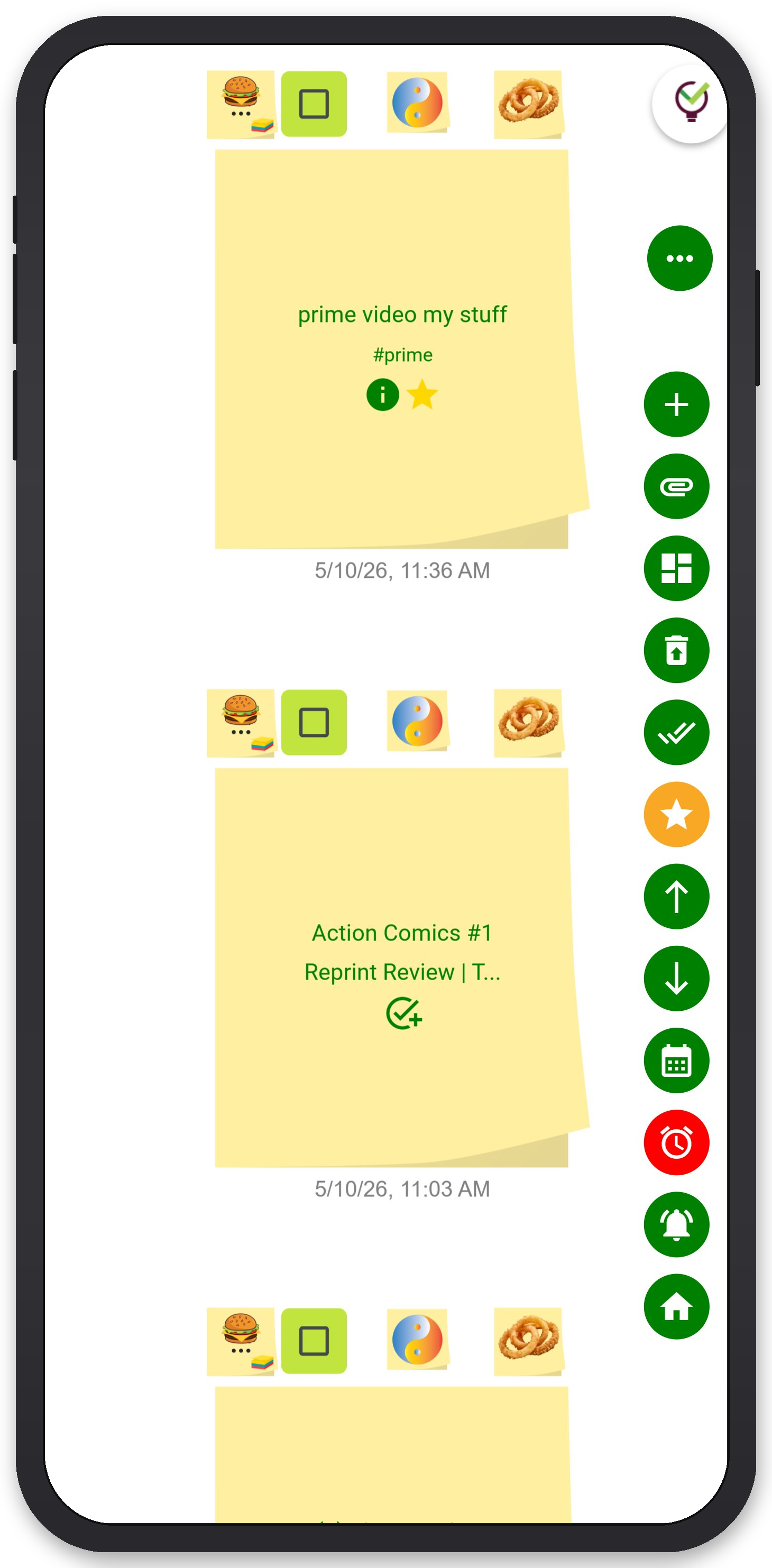
Notes attached to tasks. The most durable personal productivity systems treat tasks and notes as the same kind of object. When you can write directly on the task — paste a link, jot a quick observation, attach a file — you stop needing two parallel systems. Everything lives in one place.
Reminders that find you, not the other way around. Kanban is passive — you have to go check it. For personal tasks, the most reliable systems push reminders to you. A notification that surfaces at the right moment does more work than a board you have to remember to open.
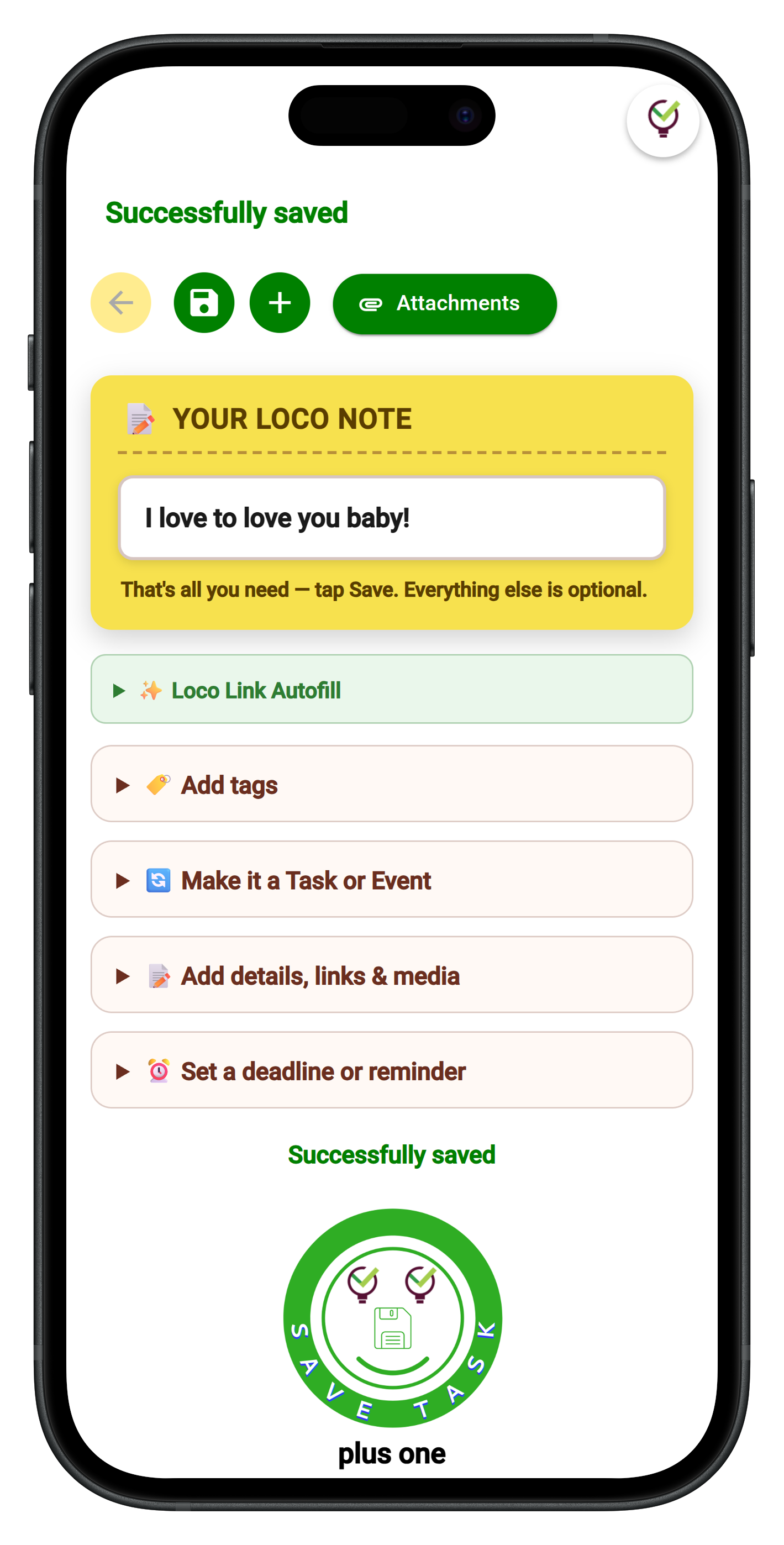
Low-ceremony capture. The fastest way to kill a productivity system is to make adding items slow or complicated. The best personal task tools let you capture a thought in under five seconds — a quick note, a saved link, a voice-to-text line — without needing to categorize or column-assign it immediately.
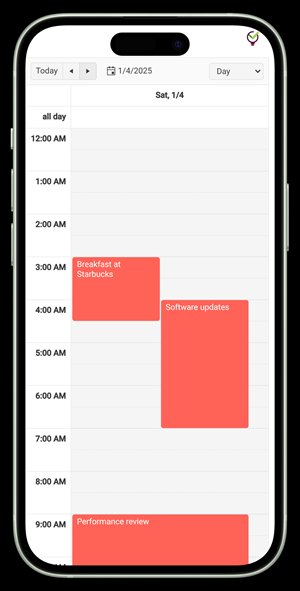
Calendar integration. Personal tasks live in time. Seeing your tasks alongside your calendar events — not in a separate app — lets you make realistic commitments instead of optimistic ones. It's the difference between a to-do list you plan to get to and a schedule you can actually keep.
TaskLoco Premium is regularly $9.99/month per person. Right now, charter members can lock in 50% off the regular price — forever. That means $4.99/month per person today. And if our price ever goes up, you still pay half. Always.
Code CHARTER50 auto-applies at checkout. First 500 spots only — once they're gone, this offer is gone permanently. Act fast while spots last.
Every Premium subscription includes unlimited notes, 10GB file storage, reminders, calendar, and team sharing. Each team member requires a separate subscription. 7-day free trial — no charge until day 8. Cancel anytime.
Free Options: TaskLoco
TaskLoco Lite
- Native iPhone & Android app
- Completely anonymous — no sign-in
- Data stays on your device
- Up to 20 notes
- Free forever
TaskLoco Lite Plus+
- Web app + Chrome extension
- Sign in with Google
- Wall syncs across all devices
- Up to 30 notes
- Free forever
Lock In 50% Off — Forever
7-day free trial. No charge until day 8. CHARTER50 auto-applies at checkout.
🔒 Lock In My Charter SpotSee TaskLoco in Action
Frequently Asked Questions
Is Kanban actually bad for personal productivity?
Not universally — but it's a bad fit for most personal task lists. Kanban works well when your work genuinely moves through defined stages, like managing freelance client projects from proposal to delivery. For everyday personal tasks — errands, follow-ups, recurring chores, loose ideas — the column structure creates more maintenance than it saves. Most people who abandon personal Kanban aren't failing at productivity; they're correctly recognizing that the format doesn't serve them.
Why does "In Progress" always get stuck on a personal Kanban board?
Because personal tasks rarely have clean completion windows. On a team, there are external pressures — deadlines, dependencies, someone waiting on you — that keep cards moving. Working alone, nothing forces cards out of In Progress except your own attention, which is already stretched. Over time that column fills with half-finished things and becomes a source of guilt rather than a useful signal.
What's the simplest alternative to Kanban for personal tasks?
A flat prioritized list with dates attached. No columns, no stages — just tasks sorted by when they need to happen. Add a reminder system that pushes notifications to you so you don't have to remember to check the list, and a way to attach notes and context directly to each task. That combination handles the vast majority of personal task needs with far less overhead than a board.
What should I look for in a personal task app after giving up on Kanban?
Look for low-friction capture (adding a task should take under five seconds), notes or context attached directly to tasks, reminders that come to you as push notifications rather than requiring you to check the app, and some form of calendar integration so your tasks live in time rather than in an abstract list. File attachment support is a bonus — being able to attach a receipt, photo, or document to the relevant task eliminates the need for a separate filing system.
Can Kanban work for solo freelancers?
It can, specifically when managing client deliverables with genuine pipeline stages — something like Inquiry → Proposal Sent → Contract Signed → In Production → Delivered → Invoiced. That workflow actually maps to columns. The problem is that most freelancers have two categories of work: client pipeline tasks (where Kanban helps) and everything else — admin, personal development, daily chores, loose ideas (where Kanban fails). Mixing both into one board rarely works well.
How does TaskLoco handle personal tasks differently than a Kanban tool?
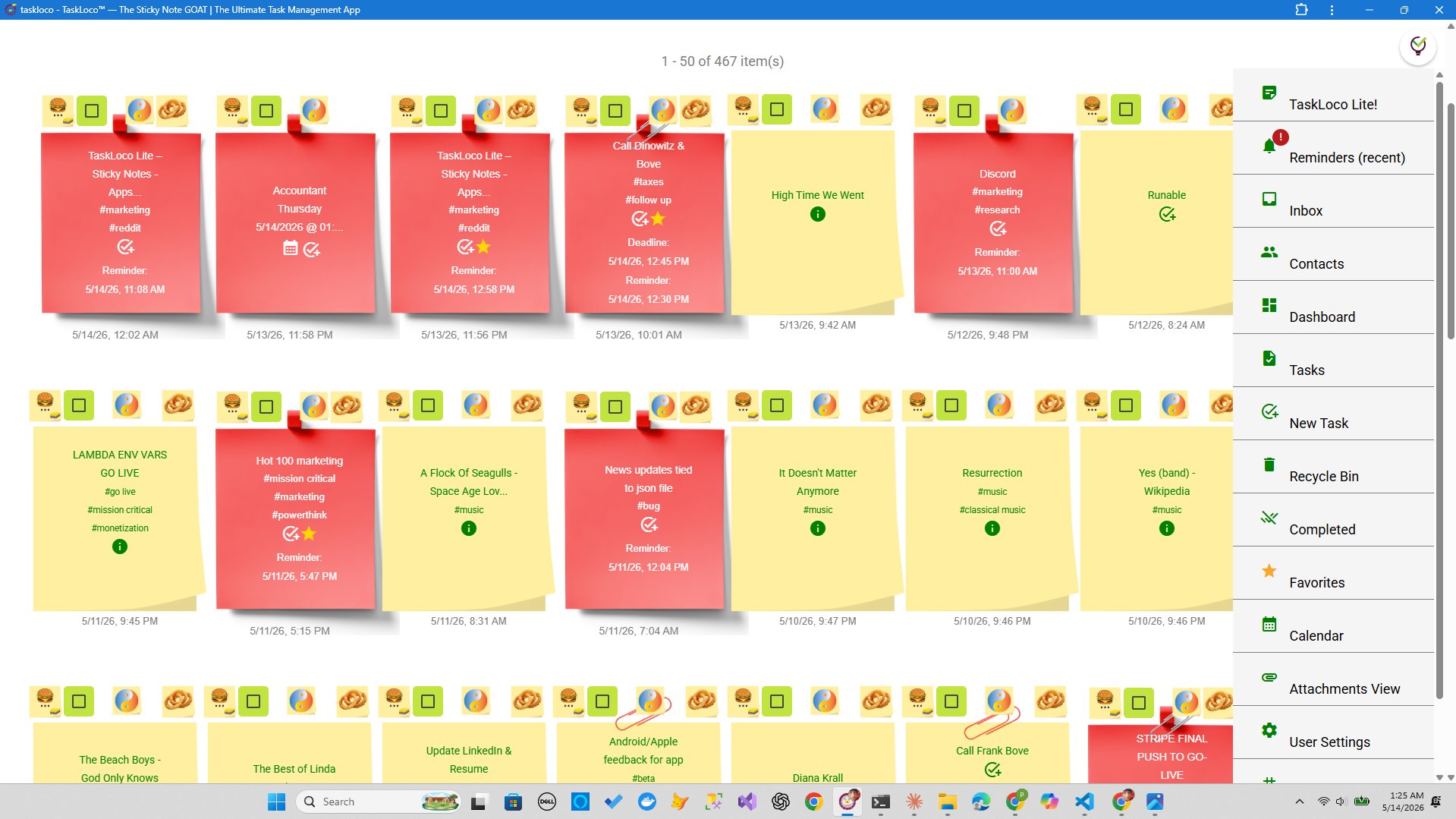
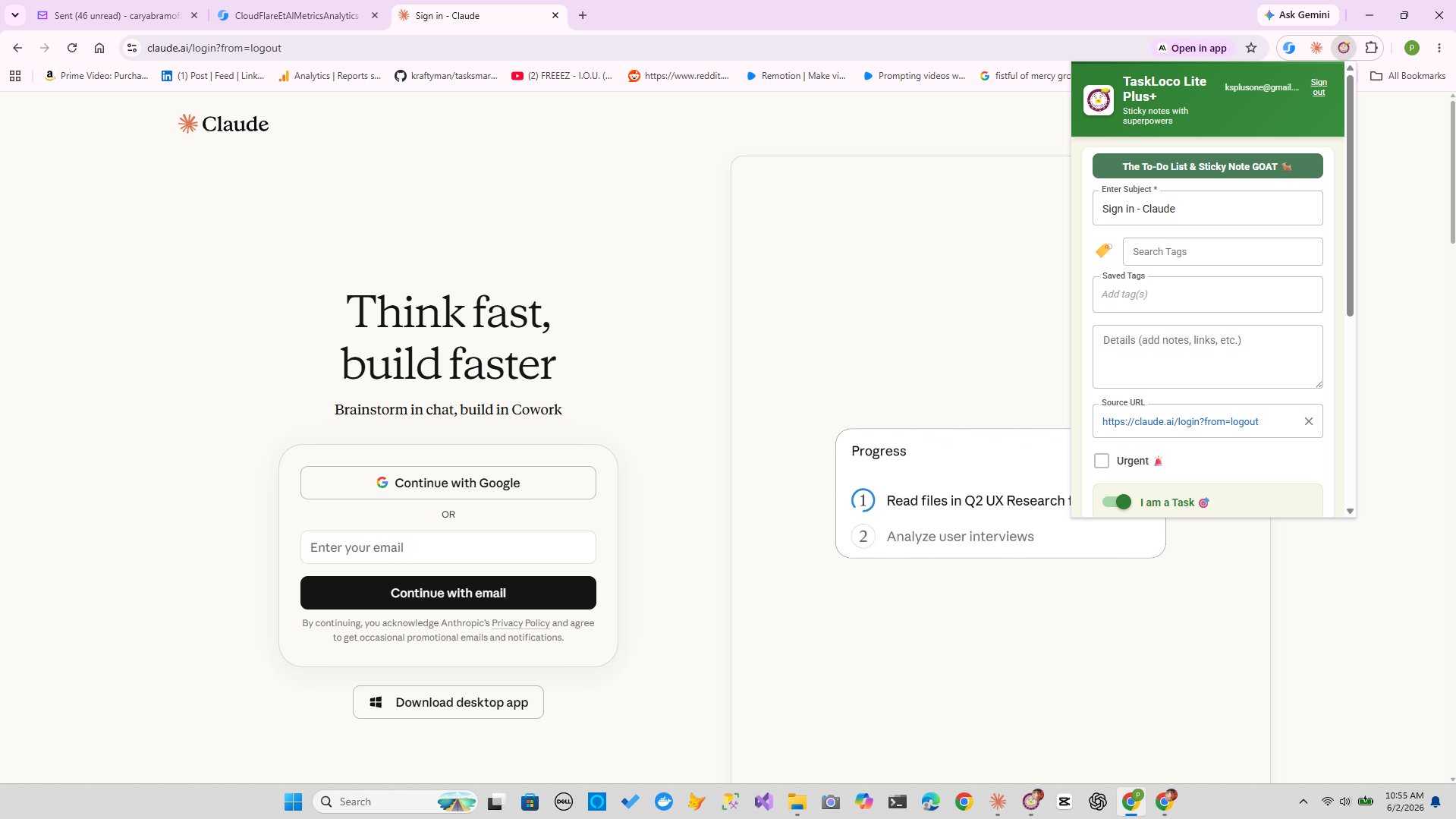
TaskLoco is built around sticky notes rather than pipeline columns, so there's no stage-tracking overhead. Each note can hold text, files, and a reminder that delivers a push notification to your phone or computer — with optional email and SMS add-on. A calendar view lets you see tasks in time rather than in abstract columns. The Chrome extension saves any webpage as a note in one click, which is useful when research and tasks are mixed together (as they almost always are in personal work). $9.99/month per person (currently $4.99/month per person for first 500 charter members with code CHARTER50)
Does TaskLoco have a free version to try before committing?
Yes — two of them. TaskLoco Lite is a free native iPhone and Android app, completely anonymous, no sign-in required, stores up to 20 notes on your device. TaskLoco Lite Plus+ is a free web app (plus Chrome extension) that syncs across all your devices and holds up to 30 notes, with sign-in via Google. Reminders, file attachments, unlimited notes, and calendar view are Premium features. Premium includes a 7-day free trial — no charge until day 8. $9.99/month per person (currently $4.99/month per person for first 500 charter members with code CHARTER50)
Born in Brooklyn. Powered by AWS. Your data stays yours.
TaskLoco is available on iPhone, Android, Chrome, and every web browser.