You set up a Kanban board with the best intentions. To Do. In Progress. Done. Clean, logical, satisfying — for about a week. Then the To Do column grows into a horror show of 60-plus cards. In Progress quietly becomes a graveyard for things you started but can't finish. Done fills up with tasks that feel hollow because the pile behind them never shrinks. Sound familiar?
This is Kanban burnout, and it's not a personal failing. It's a structural problem with how most people implement visual task boards. The method itself isn't broken — but the way it's typically taught and tooled ignores human psychology almost completely. This article explains exactly what goes wrong, why it happens, and what a genuinely sustainable visual system looks like instead.
What Actually Causes Kanban Burnout
Classic Kanban comes from manufacturing — specifically Toyota's production lines, where physical cards tracked physical parts moving through a physical process. Every card represented a real, bounded object. You couldn't have 47 brake assemblies in the "In Progress" bin because brake assemblies are tangible. The column constraints were enforced by reality.
Knowledge work doesn't have that constraint. A digital Kanban board will happily hold 200 tasks in your To Do column without complaint. The tool has no idea that your brain does. When humans see a long unresolved list, the prefrontal cortex keeps a background process running — a low-grade awareness of incompletion sometimes called the Zeigarnik effect. The longer and more chaotic your board, the more mental energy gets consumed just by the act of looking at it.
Three specific failure patterns show up repeatedly:
- Column bloat: Status columns multiply (Backlog, To Do, Upcoming, In Progress, Review, Blocked, Done, Archive) until the board requires horizontal scrolling and mental translation just to read.
- Card sprawl: Everything gets added — recurring admin tasks, vague someday ideas, half-formed thoughts — diluting the signal of what actually matters today.
- Context collapse: A card called "Finish report" carries zero context. Who is it for? What's blocking it? What file is it attached to? You have to open the card, reconstruct the context, then close it and open the next one. Multiply that by 20 tasks and you've spent 40 minutes just orienting yourself.
The Visual Fix: Constraints, Context, and Energy Mapping
The research on sustainable visual task systems points to three interventions that reliably reduce cognitive overload without sacrificing visibility.
1. Hard WIP limits — and enforce them ruthlessly. Work-in-progress limits are the most powerful Kanban feature almost nobody actually uses. Set a limit of two to three items in your In Progress column and treat it like a physical constraint, not a suggestion. When the column is full, you cannot start anything new until something is done. This forces prioritization in real time instead of kicking it to a vague future planning session. Start with a WIP limit of three, track how often you hit it, and drop it toward two as your workflow stabilizes.
2. Shrink your To Do column by half. The To Do column is where boards go to die. The honest truth is that most items on a To Do list are not real commitments — they're possibilities. Separate them physically. Keep a Backlog (or an Icebox, or whatever you want to call it) that lives off your main board, and maintain a Today or This Week column with a strict card limit — no more than five to seven items. Only cards that have a genuine next action this week belong there. Everything else is captured but not surfaced.
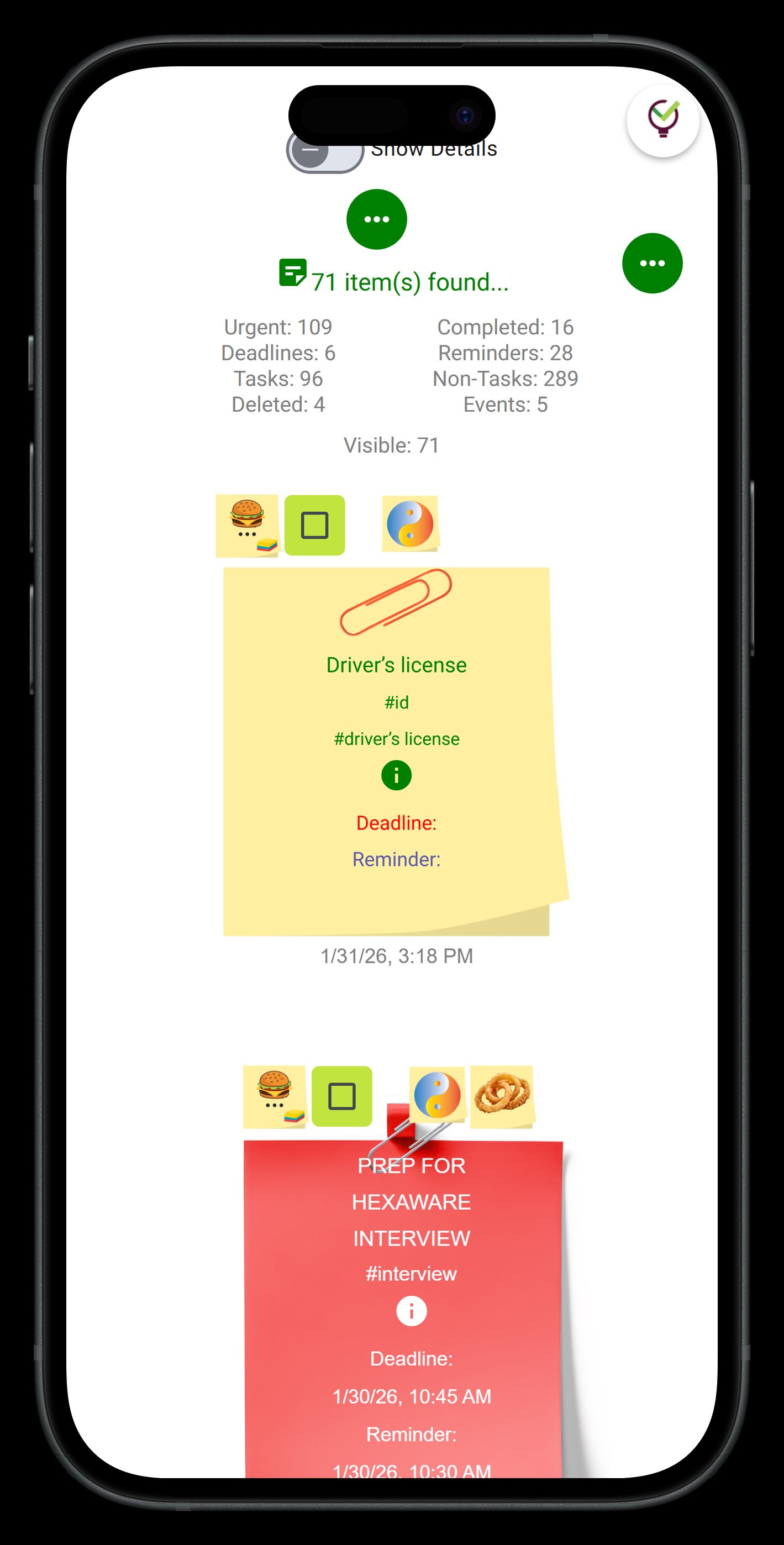
3. Make context non-optional. Every card on your active board should answer three questions at a glance: what is this, what does done look like, and what's the one thing blocking it right now. If a card can't answer those three questions in its title and a one-line description, it's not ready to be on an active board. This discipline takes about 30 extra seconds per card when you create it and saves you minutes of re-orientation every time you look at the board.
Energy mapping as an optional layer. Some people add a dimension their status columns can't capture: energy level. Tasks that require deep creative focus are different from tasks that can be done while tired or distracted. Color-coding or tagging by energy type — deep work, admin, communication — lets you match tasks to your actual state during the day instead of always picking whatever lands at the top of the queue.
How to Rebuild a Board That Doesn't Exhaust You
You don't need to nuke your current system and start over. A targeted rebuild takes about 20 minutes and the difference in daily feel is immediate.
Step 1 — Archive the graveyard. Move every card older than 30 days that hasn't been touched into a single archive column or a separate "Someday" board. Don't delete them. Just get them off your active view. If something was important, it will resurface. If it doesn't, it probably wasn't.
Step 2 — Collapse your columns. If you have more than five columns on your active board, you have too many. A sustainable structure for most individual workflows: This Week (max 7 cards), In Progress (max 3 cards), Waiting / Blocked (unlimited but reviewed daily), Done (reset weekly). That's it. Four columns.
Step 3 — Rewrite your active cards. Go through every card in This Week and In Progress. If the title doesn't immediately tell you the next physical action, rewrite it. "Website" becomes "Write homepage headline options for client review by Thursday." Specificity is not bureaucracy — it's cognitive kindness to your future self.
Step 4 — Set your WIP limit and put it somewhere visible. Write "MAX 3 IN PROGRESS" at the top of that column in the card title or column name. Make it impossible to ignore.
Step 5 — Do a five-minute daily review. Not a planning session — a quick scan. Is anything in Waiting that you can unblock? Is there a clear top priority for today? Five minutes. That's the maintenance cost of a board that stays clean.
Applying This with TaskLoco: Notes That Think Like You Do
If you want a digital home for the principles above, TaskLoco is worth a look — not because it's a Kanban replacement, but because it's built around the thing Kanban boards actually need more of: notes where context lives with the task.
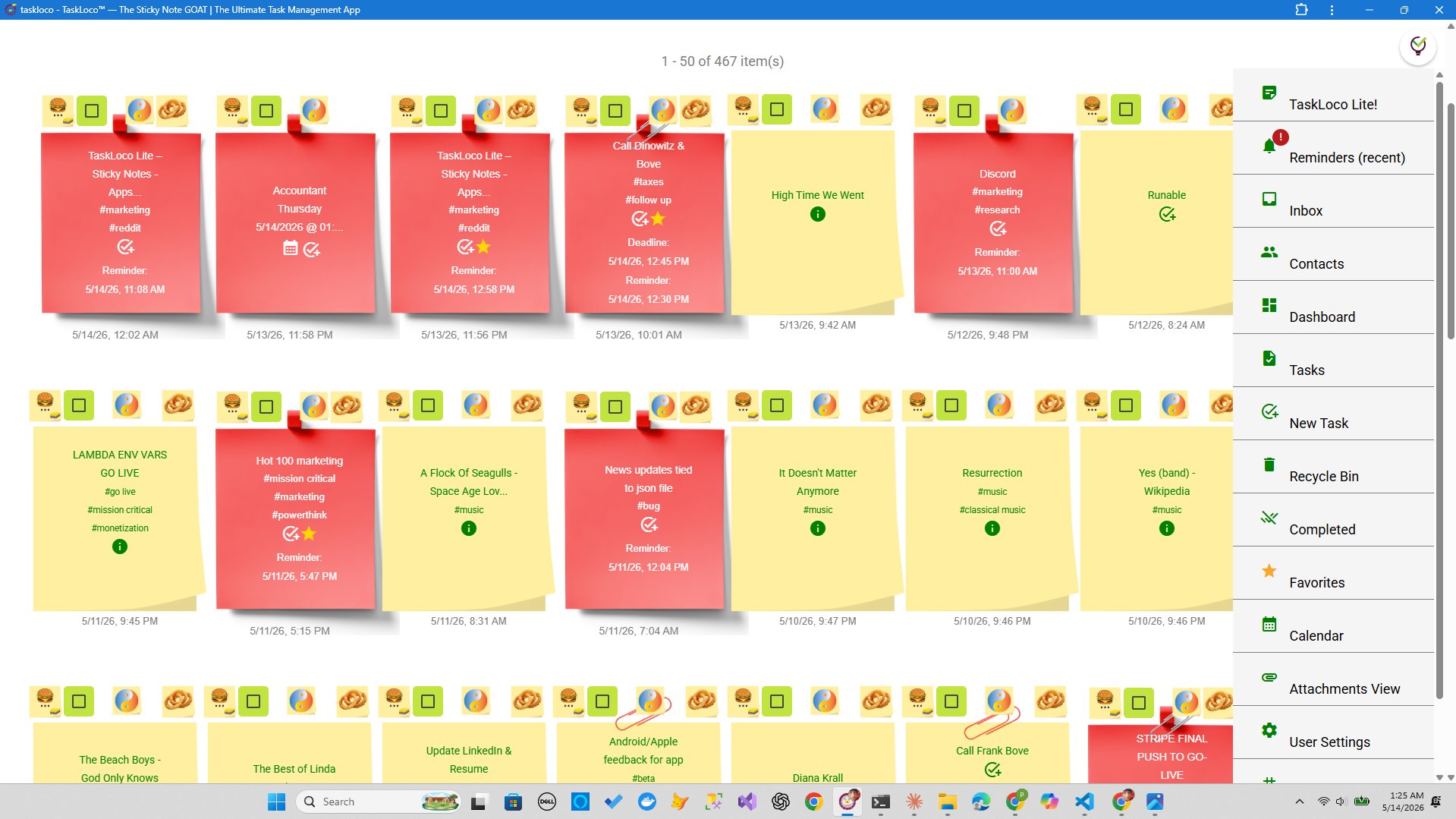
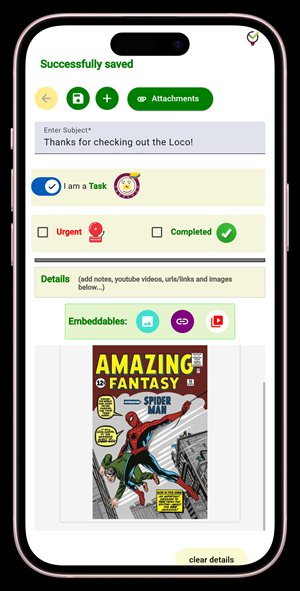
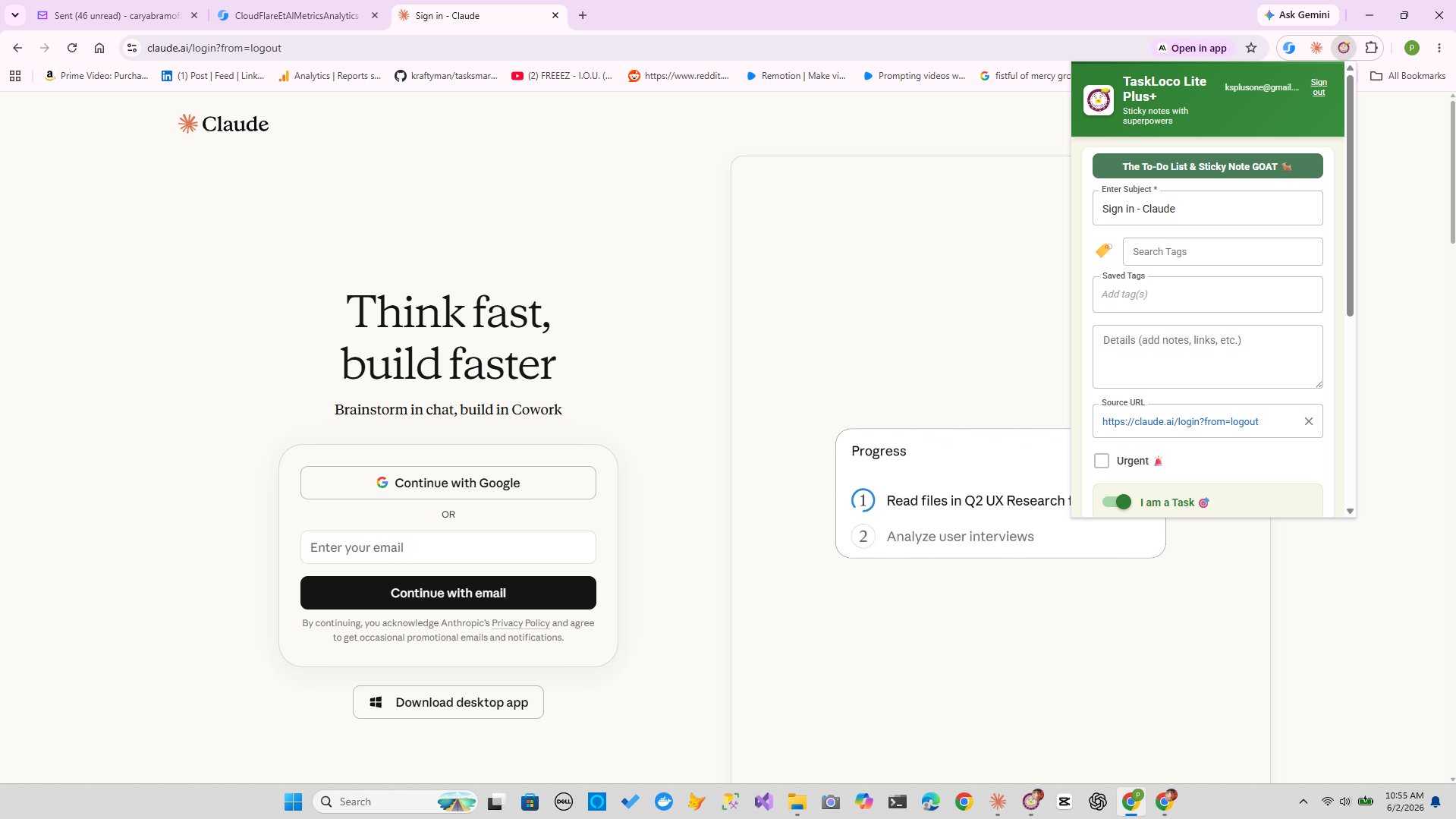
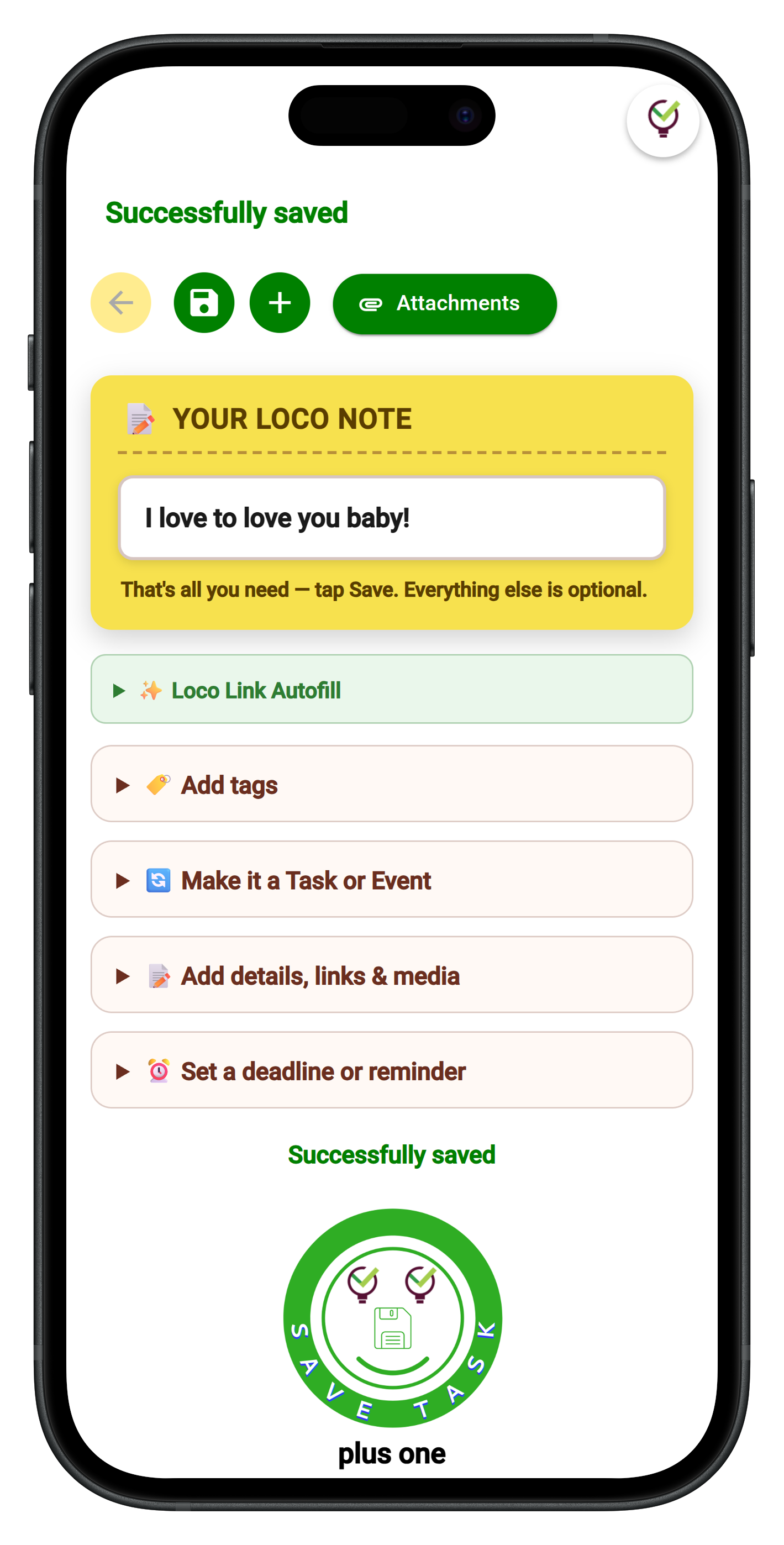
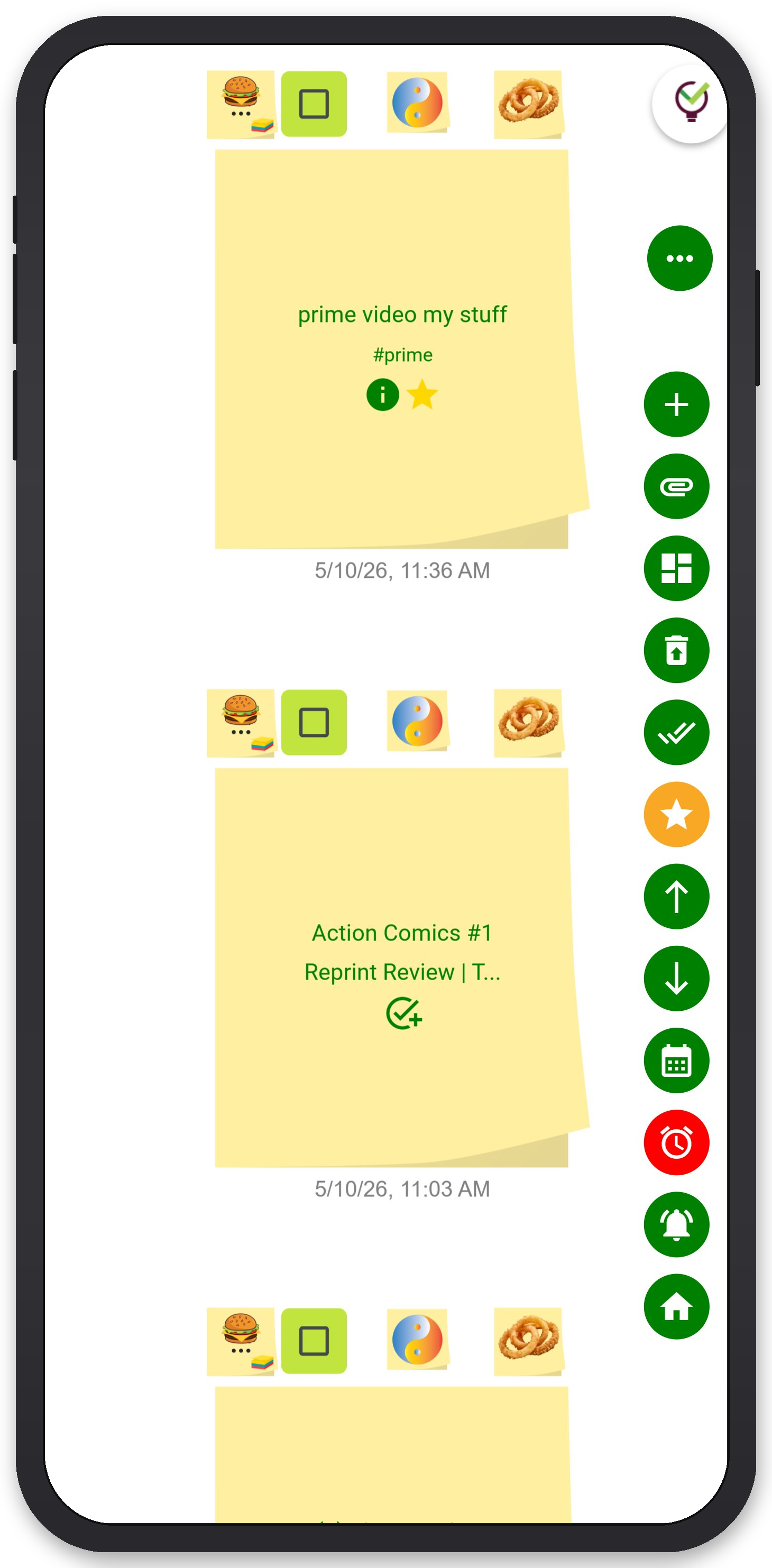
The core metaphor is a sticky note wall. Each note is its own card — title, body, attached files, a reminder that deep-links straight back to the note when it fires. You see what matters, not everything at once. The Chrome extension lets you clip any webpage directly into a note in one click, so research and context land in the same place as the task it belongs to. No more tabs left open as reminders, no more context reconstructed from memory.
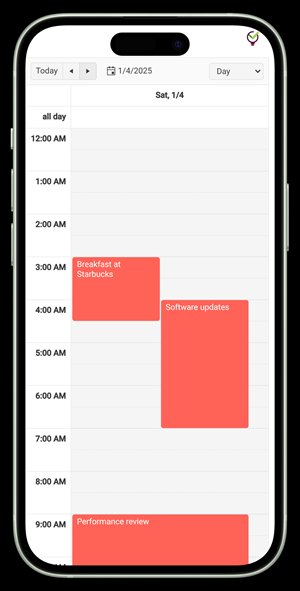
For the kind of constrained, context-rich visual system described above, TaskLoco Premium gives you unlimited notes, 10GB of file storage, a calendar view, team sharing, and reminders delivered as push notifications to your phone and computer — with optional email and SMS add-ons. The wall view lets you arrange and color-code notes the way your brain actually thinks, not the way a software architect thinks a workflow should look.
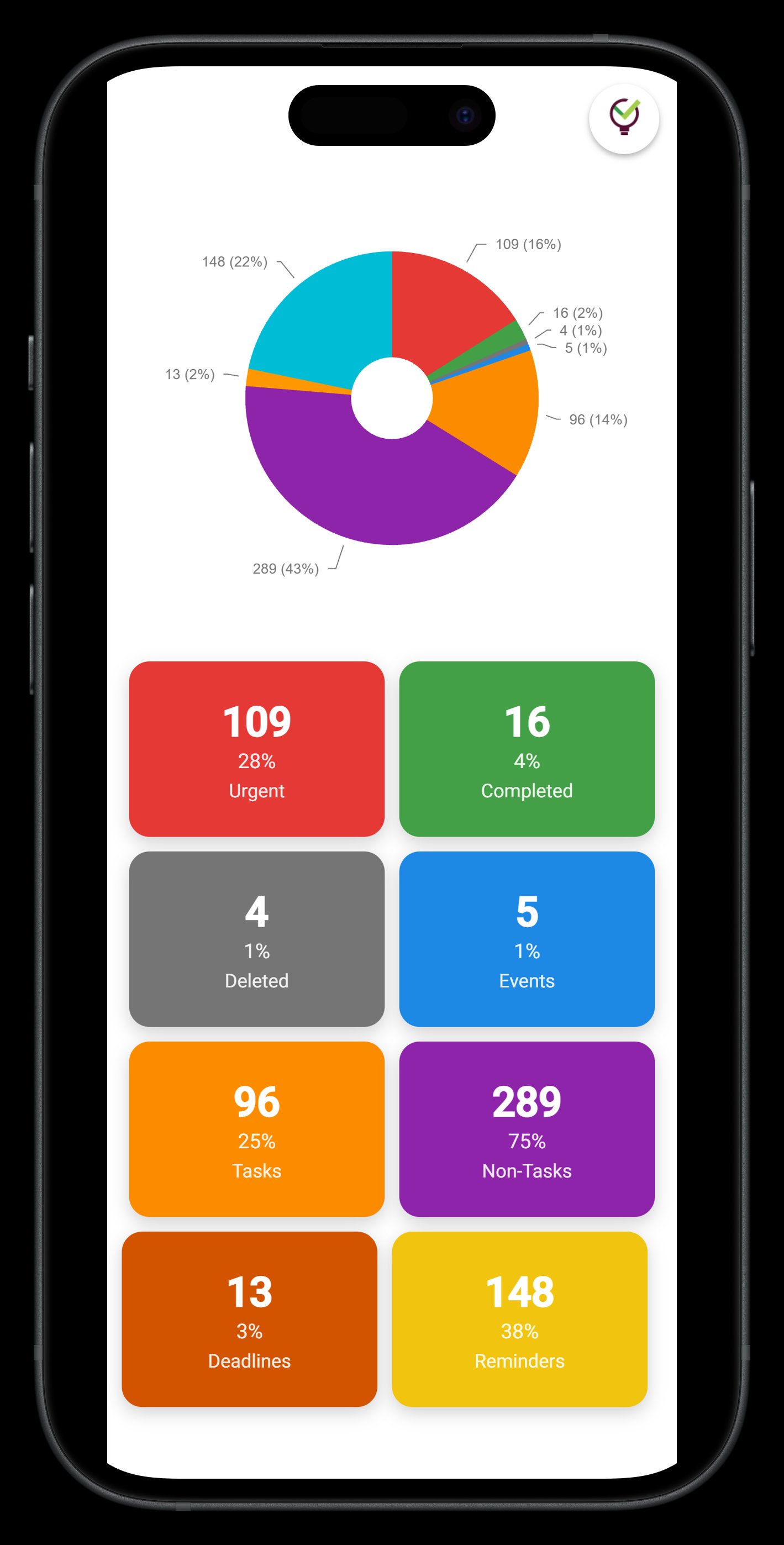
TaskLoco Lite is a free native iPhone and Android app — completely anonymous, no sign-in required, stores up to 20 notes on your device. TaskLoco Lite Plus+ is the free web app and Chrome extension — sign in with Google, sync up to 30 notes across all your devices, no reminders or file attachments. Premium is the full experience.
TaskLoco Premium is regularly $9.99/month per person. Right now, charter members can lock in 50% off the regular price — forever. That means $4.99/month per person today. And if our price ever goes up, you still pay half. Always.
Code CHARTER50 auto-applies at checkout. First 500 spots only — once they're gone, this offer is gone permanently. Act fast while spots last.
Every Premium subscription includes unlimited notes, 10GB file storage, reminders, calendar, and team sharing. Each team member requires a separate subscription. 7-day free trial — no charge until day 8. Cancel anytime.
Free Options: TaskLoco
TaskLoco Lite
- Native iPhone & Android app
- Completely anonymous — no sign-in
- Data stays on your device
- Up to 20 notes
- Free forever
TaskLoco Lite Plus+
- Web app + Chrome extension
- Sign in with Google
- Wall syncs across all devices
- Up to 30 notes
- Free forever
Lock In 50% Off — Forever
7-day free trial. No charge until day 8. CHARTER50 auto-applies at checkout.
🔒 Lock In My Charter SpotSee TaskLoco in Action
Frequently Asked Questions
Why do Kanban boards cause burnout?
Kanban boards cause burnout when they show everything at once with no constraints. The human brain can't distinguish between 80 tasks of different urgency — it treats them all as unresolved, which creates persistent background stress. The original Kanban method had physical work-in-progress limits baked in by reality. Digital boards remove that constraint, and most people never add it back manually.
What is WIP limit and how does it prevent burnout?
WIP stands for work-in-progress. A WIP limit is a hard cap on how many tasks can be in a given column — usually "In Progress" — at the same time. When the column is full, you can't start something new until something finishes. This forces real prioritization, prevents shallow multitasking, and keeps your active view focused on what actually needs your attention right now instead of what you've accumulated over the past month.
How many columns should a Kanban board have?
For individual workflows, four columns is plenty: This Week (max 7 cards), In Progress (max 3 cards), Waiting / Blocked, and Done. More than five columns usually signals that you're using column structure to avoid making prioritization decisions. Every column you add is a question you're deferring — "is this really active?" — instead of answering it.
What is the Zeigarnik effect and how does it relate to task management?
The Zeigarnik effect is the psychological tendency to remember and mentally rehearse incomplete tasks more than completed ones. In practice, it means your brain keeps a background thread open for every unresolved item it's aware of. A bloated Kanban board with 100 visible cards is essentially forcing your brain to run 100 background threads simultaneously — which is why looking at it feels exhausting even before you've done anything.
What should I put on a Kanban card to avoid context collapse?
Every active card should answer three questions without requiring you to open it: what is the task, what does done look like, and what is the single next action or blocker. Rewrite vague titles like "Report" into specific ones like "Write executive summary section — draft due Thursday, waiting on Q3 data from finance." The extra 30 seconds when you create the card saves you minutes of re-orientation every time you look at it.
Is Kanban still useful, or should I switch to a different system?
Kanban is still one of the best visual task frameworks available — the problem is almost never the method, it's the implementation. Before abandoning it, try three changes: set a hard WIP limit of three on your In Progress column, move everything untouched for 30 days to an archive, and rewrite every active card title to include a clear next action. Most people who feel burned out by Kanban find that those three changes alone restore the system's usefulness within a week.
Can TaskLoco work as a Kanban board alternative?
TaskLoco isn't a strict Kanban tool — it's a note-first visual workspace where you arrange sticky notes on a wall. For people burned out by column-heavy boards, that shift in metaphor is often exactly what's needed. You get visual organization without being locked into status columns, plus context-rich notes with file attachments, push notification reminders that deep-link back to the note, and calendar view — all in one place. $9.99/month per person (currently $4.99/month per person for first 500 charter members with code CHARTER50)
Born in Brooklyn. Powered by AWS. Your data stays yours.
TaskLoco is available on iPhone, Android, Chrome, and every web browser.