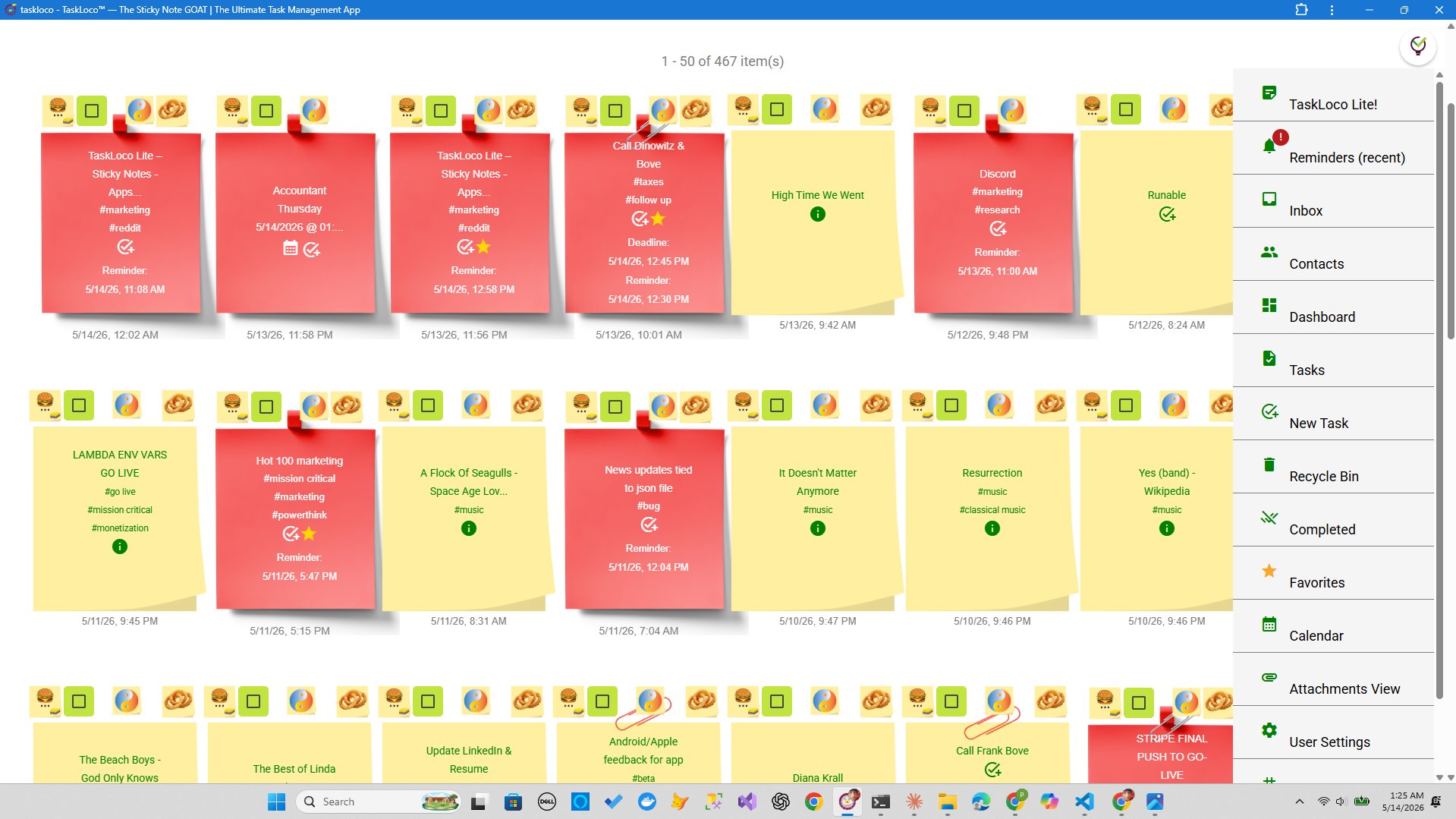
Your brain processes visual information 60,000 times faster than text. That's why a cluttered desk feels overwhelming while a well-organized workspace feels calming. Visual organization harnesses this natural processing power to turn mental chaos into actionable clarity.
From Marie Kondo's folding methods to kanban boards in software development, visual organization systems help millions of people structure their work and life. The core principle is simple: when you can see the structure of your information, you can think about it more clearly.
The Core Principles of Visual Organization
Visual organization rests on four fundamental principles that make information easier to process and remember.
Spatial relationships show how pieces connect. Items placed near each other feel related, while separation creates distinct groups. Think of how you naturally organize apps on your phone screen — social apps cluster together, productivity tools form their own group.
Visual hierarchy guides attention through size, color, and position. Your eye naturally moves from large to small, bright to dim, top to bottom. Headlines are bigger than body text for a reason — they signal importance and create scanning paths.
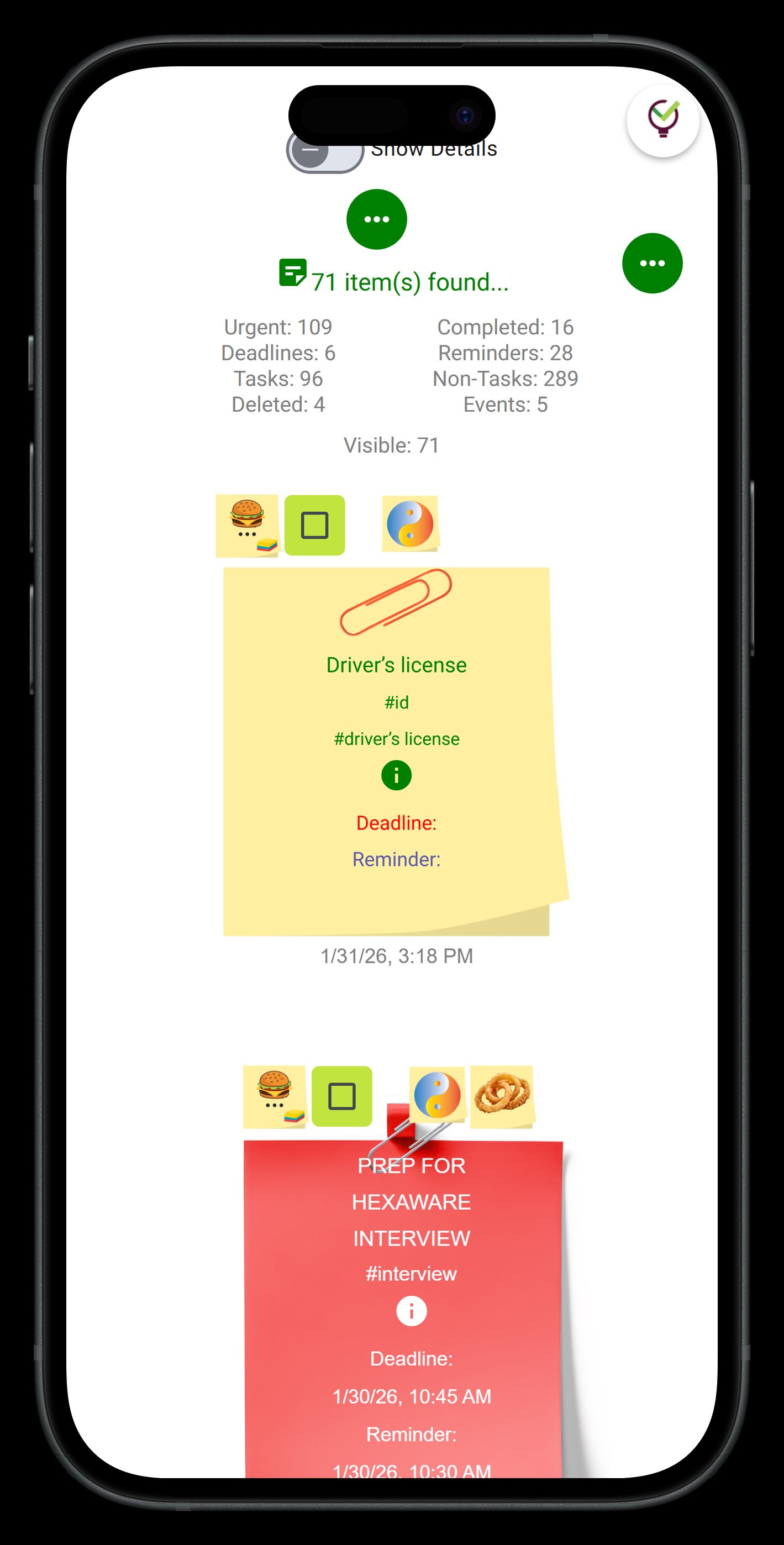
Color coding creates instant recognition patterns. Red means urgent, green means complete, yellow means caution. These associations work because they tap into both cultural meaning and biological responses.
Progressive disclosure reveals information in digestible chunks. Rather than showing everything at once, well-designed visual systems let you drill down from overview to detail. A file folder system works this way — category folders hold specific documents, creating layers of organization.
Visual Organization Methods That Actually Work
The most effective visual organization methods combine simplicity with flexibility. Here are proven approaches you can start using today.
The kanban method organizes work into three visual columns: To Do, Doing, Done. Each task moves left to right as it progresses. Originally developed for manufacturing, kanban now powers everything from software development to personal task management. The visual flow makes bottlenecks obvious and progress satisfying.
Mind mapping radiates ideas outward from a central concept. Each branch represents a different aspect or category, with sub-branches showing details. This mirrors how your brain forms associations, making it particularly effective for brainstorming, note-taking, and project planning.
Grid systems organize information into consistent rows and columns. Spreadsheets, photo galleries, and dashboards all use grids because they create predictable patterns for scanning and comparison. The key is keeping grid spacing consistent — irregular gaps break the visual rhythm.
Timeline visualization arranges information chronologically, showing sequence and duration. Gantt charts, project roadmaps, and historical timelines all use this method. Time flows left to right (in Western cultures), making progression intuitive.
Nested hierarchies organize information in folders within folders, like a family tree. Computer file systems use this structure because it scales infinitely while staying navigable. Each level adds specificity without losing the bigger picture.
How to Build Your Own Visual Organization System
Creating a personal visual organization system starts with understanding what you're trying to organize and how you naturally think about it.
Start with your natural patterns. Notice how you already group things. Do you pile related papers together? Arrange apps by function? Group contacts by relationship? Your existing patterns reveal your mental models — build on them rather than fighting them.
Choose your visual vocabulary. Pick consistent colors, shapes, and spatial arrangements that will mean the same thing across your entire system. Maybe blue always means work, green means personal, red means urgent. Document these choices so you use them consistently.
Design for scanning, not reading. Your visual system should let you find what you need at a glance. Use white space to separate groups, bold text for key information, and consistent positioning for similar elements. If you have to read every item to find what you want, the visual design isn't working.
Build in review cycles. Visual organization requires maintenance. Schedule weekly reviews to move completed items, archive old projects, and adjust categories that aren't working. The best visual systems evolve with your needs.
Test with real scenarios. Create your system, then test it under pressure. Can you find urgent items quickly? Does the organization hold up when you're stressed or distracted? Real-world testing reveals gaps that perfect conditions miss.
Digital Tools for Visual Organization
Digital tools can supercharge visual organization by adding search, automation, and cross-device sync. The key is finding tools that enhance rather than complicate your visual thinking.
Look for features that support visual organization principles: drag-and-drop arrangement, color coding, visual grouping, and spatial layout control. Avoid tools that force everything into rigid lists or templates — they fight against visual thinking.
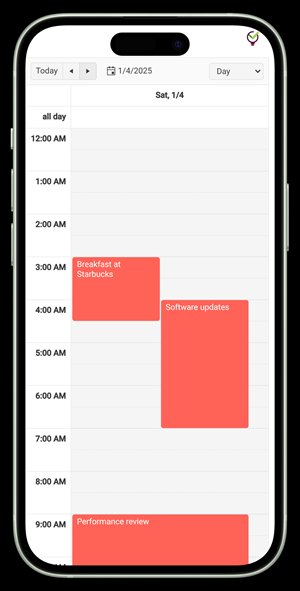
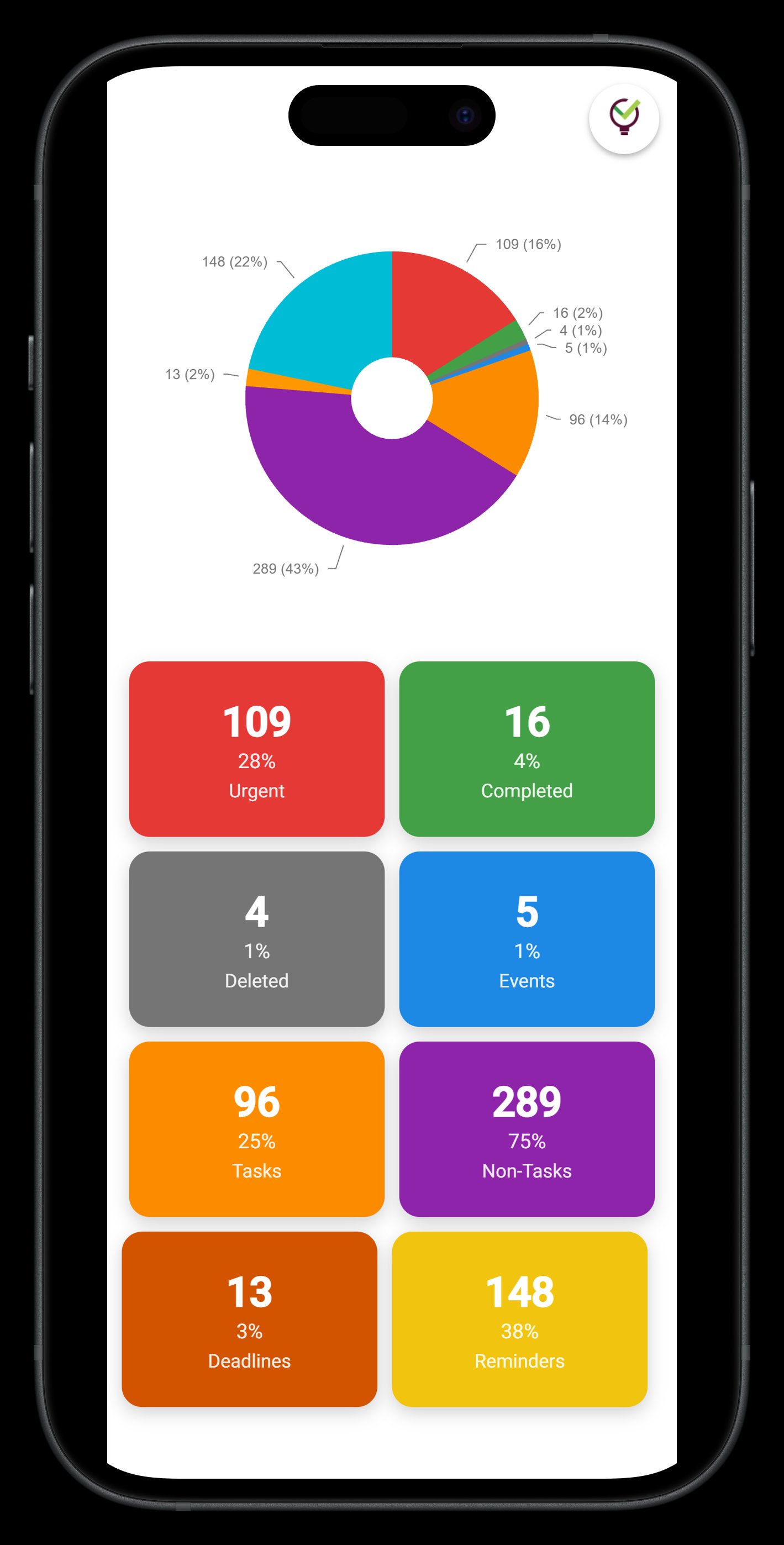
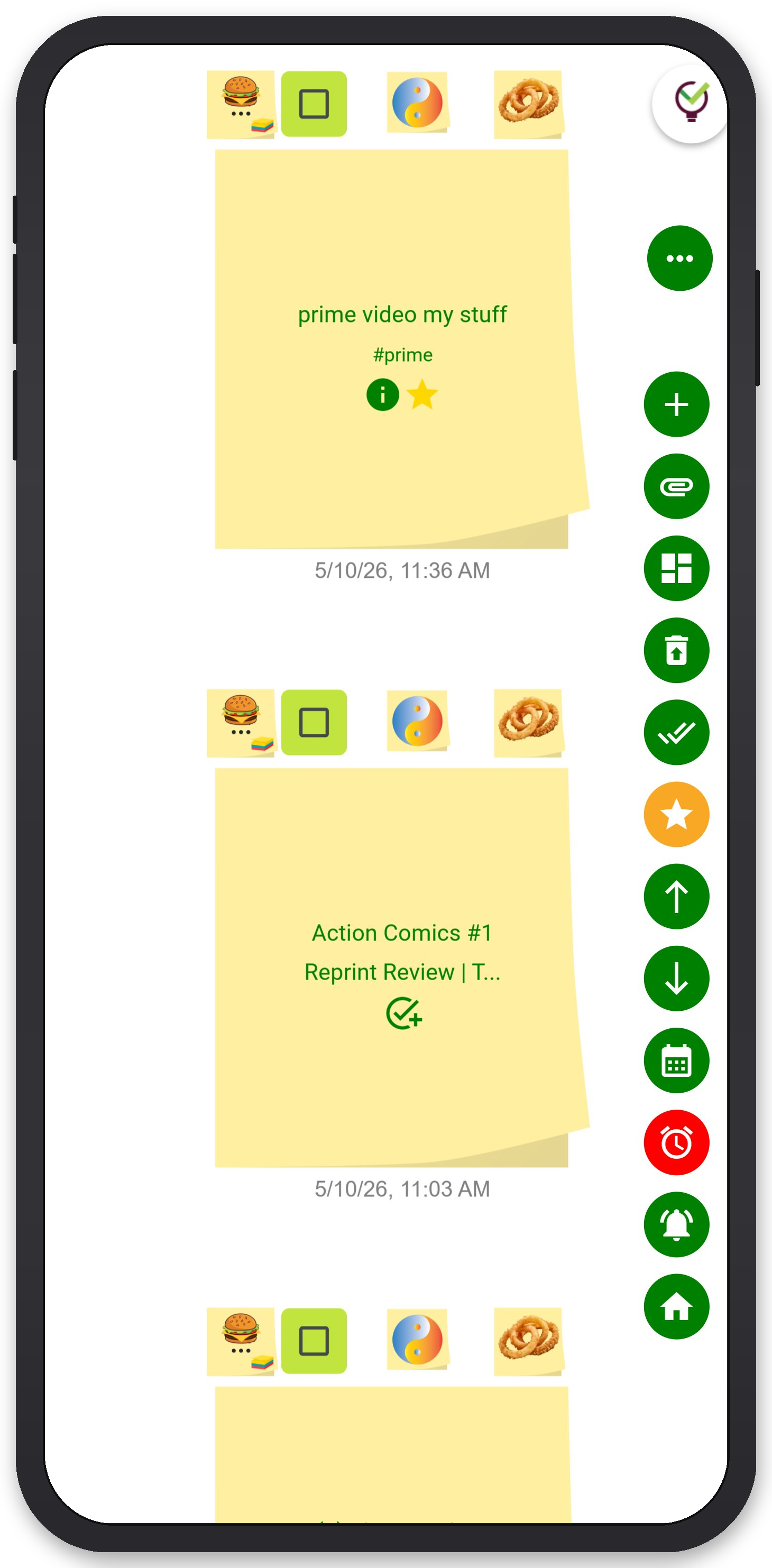
TaskLoco exemplifies effective digital visual organization. Its sticky note interface lets you arrange information spatially, just like physical notes on a wall. You can group related items visually, color-code by priority or category, and see everything at a glance. The system stays visual while adding digital benefits like search, reminders, and file attachments.
The Premium version includes unlimited notes, calendar integration, and team sharing — all while maintaining the visual, spatial approach that makes information easy to process. Unlike complex project management tools that hide information in menus and tabs, TaskLoco keeps your organization visible and immediate.
Whether you choose TaskLoco or build your own system, remember that the best digital visual organization tools feel like enhanced versions of physical organizing methods, not completely different paradigms.
TaskLoco Premium is regularly $9.99/month per person. Right now, charter members can lock in 50% off the regular price — forever. That means $4.99/month per person today. And if our price ever goes up, you still pay half. Always.
Code CHARTER50 auto-applies at checkout. First 500 spots only — once they're gone, this offer is gone permanently. Act fast while spots last.
Every Premium subscription includes unlimited notes, 10GB file storage, reminders, calendar, and team sharing. Each team member requires a separate subscription. 7-day free trial — no charge until day 8. Cancel anytime.
Free Options: TaskLoco
TaskLoco Lite
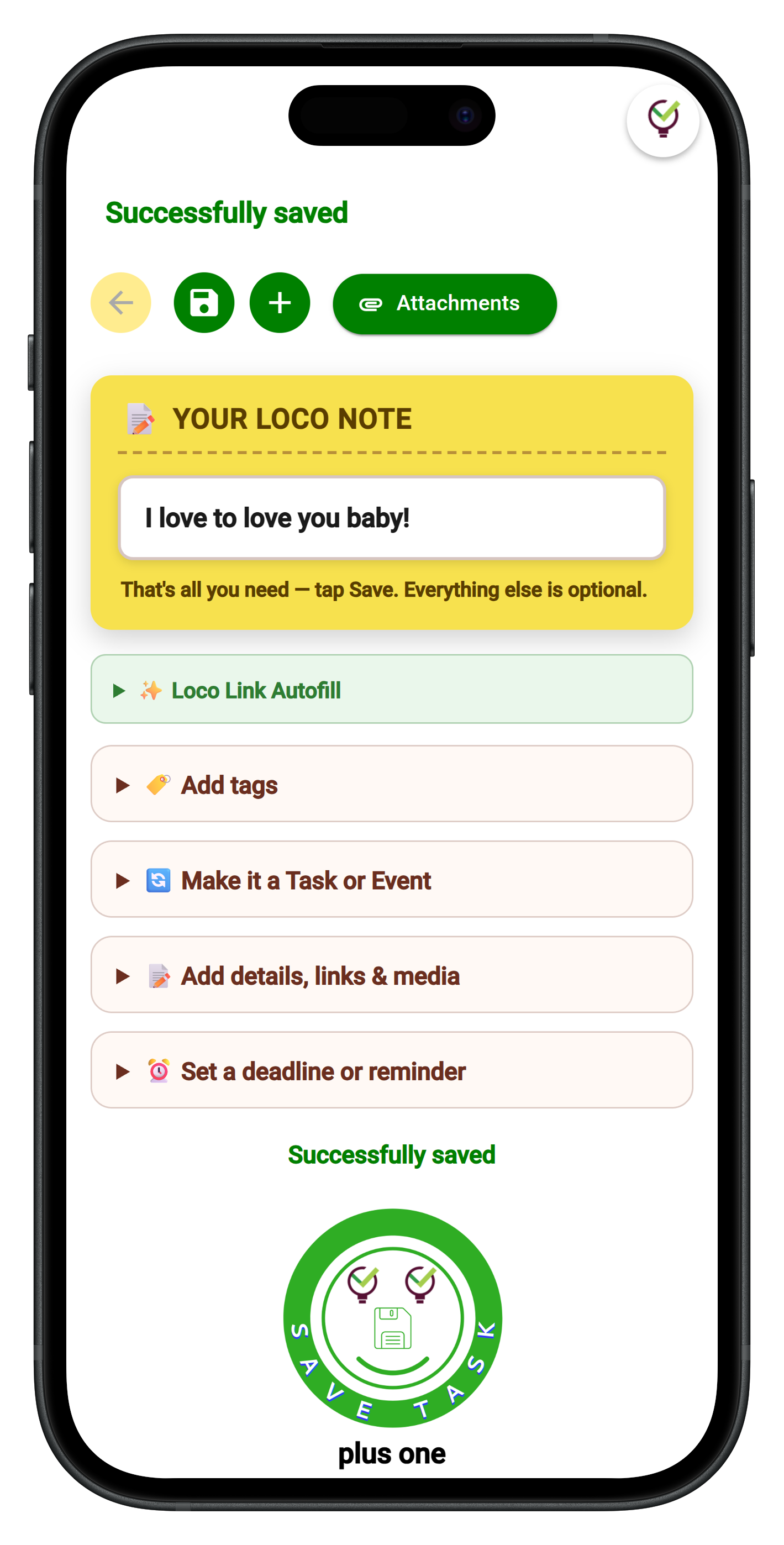
- Native iPhone & Android app
- Completely anonymous — no sign-in
- Data stays on your device
- Up to 20 notes
- Free forever
TaskLoco Lite Plus+
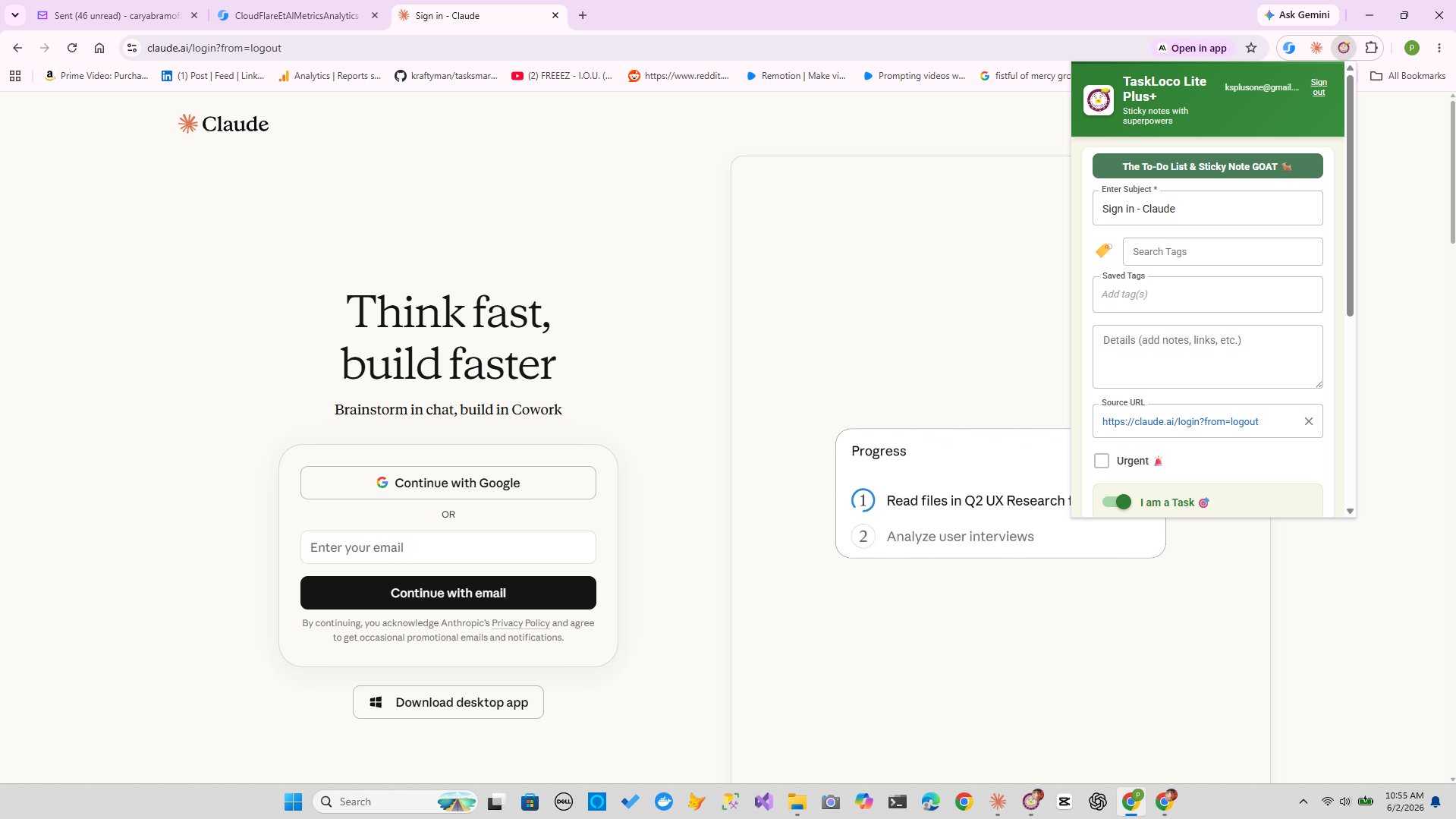
- Web app + Chrome extension
- Sign in with Google
- Wall syncs across all devices
- Up to 30 notes
- Free forever
Lock In 50% Off — Forever
7-day free trial. No charge until day 8. CHARTER50 auto-applies at checkout.
🔒 Lock In My Charter SpotSee TaskLoco in Action
Frequently Asked Questions
What's the difference between visual organization and regular organization?
Visual organization uses spatial arrangement, colors, and visual cues to structure information, while traditional organization often relies on alphabetical lists or numerical systems. Visual methods work with how your brain naturally processes information — in patterns and relationships rather than linear sequences.
Can visual organization work for people who aren't visual learners?
Yes. Everyone processes visual information faster than text, regardless of learning style. Visual organization isn't about being artistic — it's about using space, grouping, and visual cues to make information easier to scan and understand. Even people who prefer verbal or kinesthetic learning benefit from well-organized visual systems.
How do you maintain visual organization over time?
Schedule regular review sessions to move completed items, archive old projects, and adjust categories that aren't working. The key is building maintenance into your routine — weekly reviews for active projects, monthly reviews for larger systems. Visual organization requires ongoing attention but saves time in daily use.
What are the most common visual organization mistakes?
The biggest mistakes are over-complicating color codes, cramming too much information into one view, and creating categories that overlap confusingly. Start simple with clear visual rules and expand only when the basic system is working well. Consistency matters more than sophistication.
How does digital visual organization compare to physical methods?
Digital visual organization adds search, automation, and cross-device access while maintaining spatial relationships and visual cues. The best digital tools enhance rather than replace visual thinking — they let you arrange, group, and color-code information while adding features like reminders and file attachments that physical systems can't provide.
Can visual organization improve team collaboration?
Absolutely. Shared visual systems create common understanding faster than text-based communication. When team members can see project status, priorities, and relationships at a glance, coordination improves dramatically. Visual organization makes implicit knowledge explicit and shareable.
What's the best way to start implementing visual organization?
Start with one area that's currently causing you problems — maybe your task list, project files, or daily schedule. Apply basic visual principles: group related items, use consistent colors, and create clear spatial relationships. Once that system is working, expand to other areas using the same visual vocabulary.
Born in Brooklyn. Powered by AWS. Your data stays yours.
TaskLoco is available on iPhone, Android, Chrome, and every web browser.