It's 11:43 PM. You're lying in the dark, and your brain is running a full project status meeting without your permission. The email you forgot to send. The thing you told your coworker you'd look into. The appointment you haven't scheduled. The grocery run. The bill. The call. None of these things are emergencies — but your brain treats them like they are.
This isn't insomnia in the clinical sense. It's something more specific: your brain is doing its job, badly timed. Understanding why it does this — and what actually makes it stop — is worth knowing, because the solution isn't to exhaust yourself or meditate harder. It's much more mechanical than that.
The Zeigarnik Effect: Why Unfinished Tasks Are Louder
In the 1920s, Soviet psychologist Bluma Zeigarnik noticed that waiters could remember every detail of an unpaid tab — but the moment the bill was settled, they forgot the order almost instantly. She ran experiments and confirmed it: the human brain gives special, persistent attention to unfinished tasks. Completed ones get filed away. Open ones stay active.
This is called the Zeigarnik Effect, and it's the core reason your brain won't shut up at night. Every task you haven't completed — or haven't formally acknowledged as paused — remains in an open loop. Your brain treats open loops as threats. Not because they're dangerous, but because evolution wired it to track commitments obsessively. Missing a task in a pre-modern world could mean real consequences.
The modern version of this plays out at night because daytime is full of distraction and stimulation. The moment those stimuli drop away — lying in bed, lights off, no phone — your brain surfaces all the open loops it was suppressing during the day. It's not punishing you. It's trying to help. It just has terrible timing.
Why the Solution Is Capture, Not Calm
Most advice about nighttime overthinking points you toward breathing exercises, journaling, or putting your phone down an hour before bed. Those things help with general anxiety — but they don't solve the specific problem of task rumination. You can't breathe your way out of a Zeigarnik loop. The loop doesn't care about your heart rate.
What actually works is something researchers call an intentional offload. A 2017 study published in the Journal of Experimental Psychology (Scullin et al.) found that spending just five minutes writing a to-do list before bed — not journaling, not reflecting, but writing specific tasks you need to do tomorrow — significantly shortened the time it took participants to fall asleep. The more specific and complete the list, the faster they fell asleep.
The mechanism isn't mystical. When you write a task down in a place you trust, your brain receives a signal: this is handled. The loop closes — not because the task is done, but because the brain no longer needs to hold it in active memory. It's been externalized. Safe. Stored. The watchdog can stand down.
The key word is trust. Scribbling on a sticky note that'll be lost under your laptop tomorrow doesn't close the loop — your brain knows better. The capture system has to feel reliable. That's why a random notes app or a text to yourself often doesn't work as well as a dedicated system you actually use every day.
- Write it down before bed — not in your head, not as a mental note. Physically write it or type it somewhere.
- Be specific — "follow up with Marcus about the proposal" closes the loop better than "work stuff."
- Use a system you trust — if you won't check it tomorrow, your brain won't believe the capture was real.
- Keep it external — the point is to get it out of your head entirely, not to review it right now.
Building a Before-Bed Capture Habit That Actually Sticks
Knowing the science is one thing. Building a habit around it is another. The reason most people try a nighttime capture routine and abandon it after three days is that they make it too complicated — a full daily review, color-coded priorities, time blocks. That's not a wind-down ritual. That's a second job.
A bedtime capture routine works best when it's fast, low-friction, and has a hard stopping point. Here's a structure that works:
- Set a fixed time — not a flexible "before I sleep." Tie it to something you already do: right after brushing your teeth, right when you plug your phone in. The trigger matters more than the time.
- Spend exactly five minutes. Set a timer. The constraint forces you to capture only the things your brain is actually worried about — not the things you think you should worry about.
- Write tomorrow's tasks first. These are the open loops most likely to be keeping you awake. Then add anything lingering from today you didn't finish.
- Add a note for anything you can't act on yet. "Waiting on reply from Jordan — check Friday" is enough. The brain just needs to know it's tracked.
- Close the app or notebook physically. This is more important than it sounds. A deliberate close signals that the review is done. You're not going back in tonight.
The habit doesn't need to be perfect to work. Even a rough, partial list reduces nighttime rumination measurably — because even partial offloads reduce the number of active loops your brain is tracking. Start messy. Refine over time.
One more thing worth saying: if a task keeps showing up night after night and never gets done, that's a different problem — it's either something you're avoiding, something that's unclear, or something that doesn't actually need to be done. Those persistent midnight tasks often reveal more about what you're procrastinating on than about your system. Capture it, but also ask why it keeps coming back.
How TaskLoco Fits Into a Capture Habit
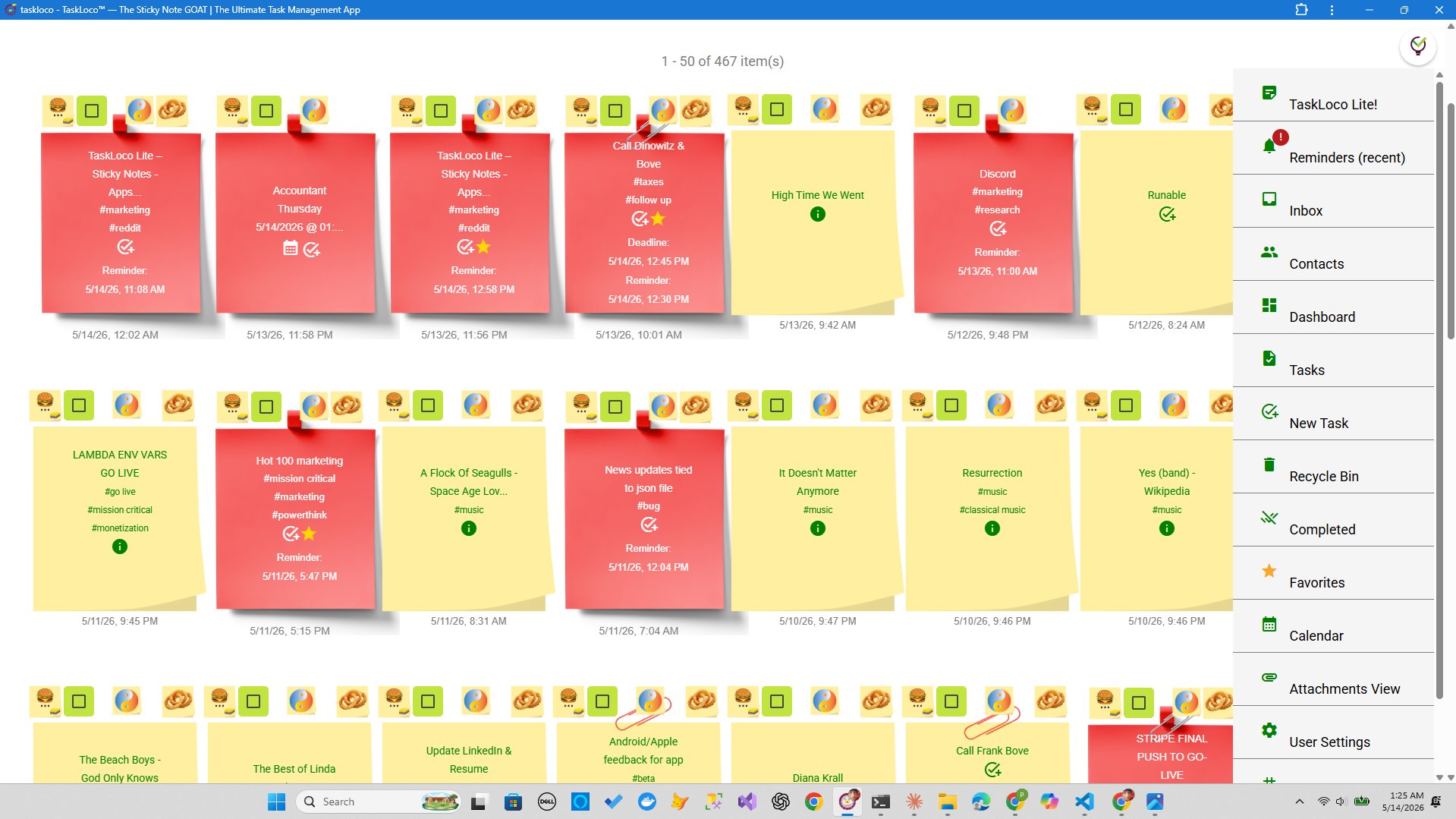
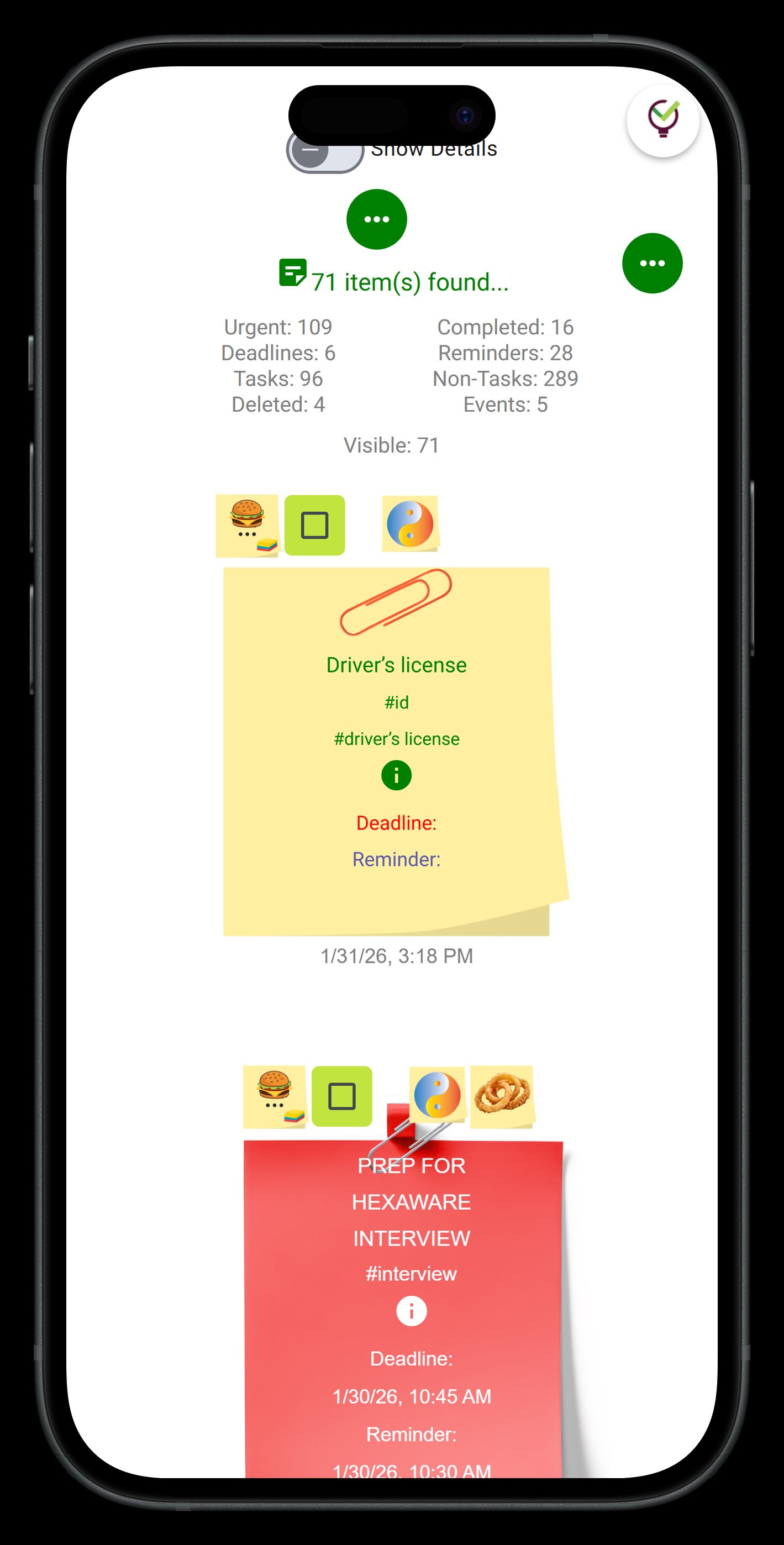
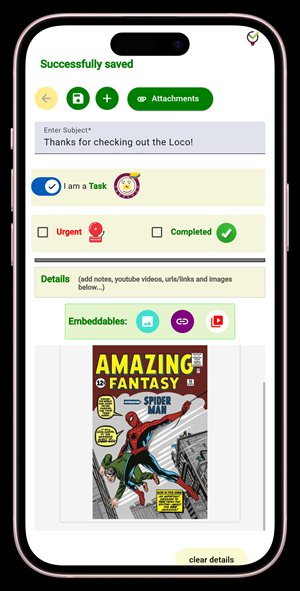
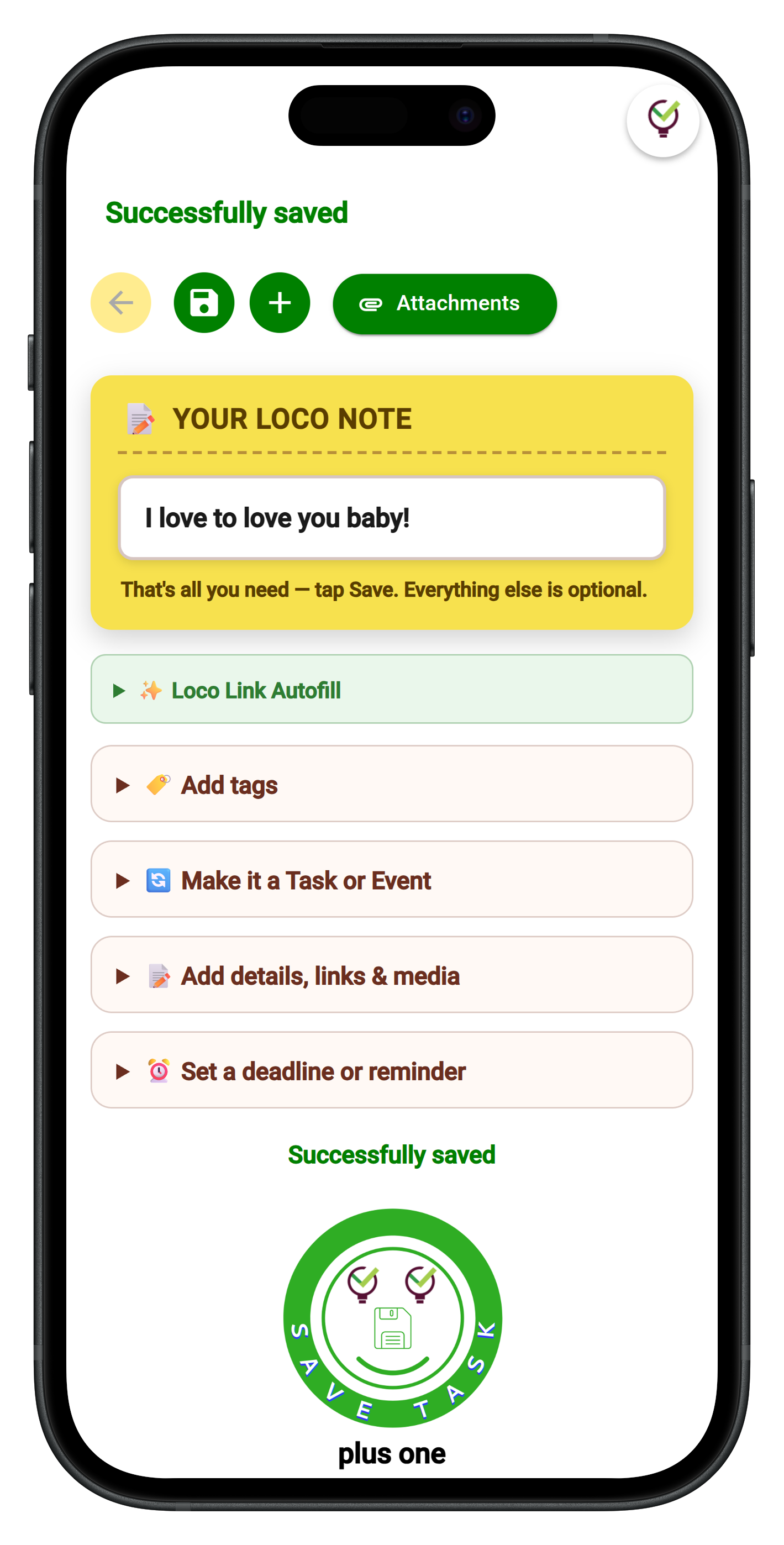
If you want a tool built around exactly this kind of quick-capture, everything-in-one-place habit, TaskLoco is worth a look. It's built on the sticky note model — which means getting something out of your head and into the system takes seconds, not a workflow. You're not opening a project, creating a task, assigning it a priority level, and saving. You're writing a note.
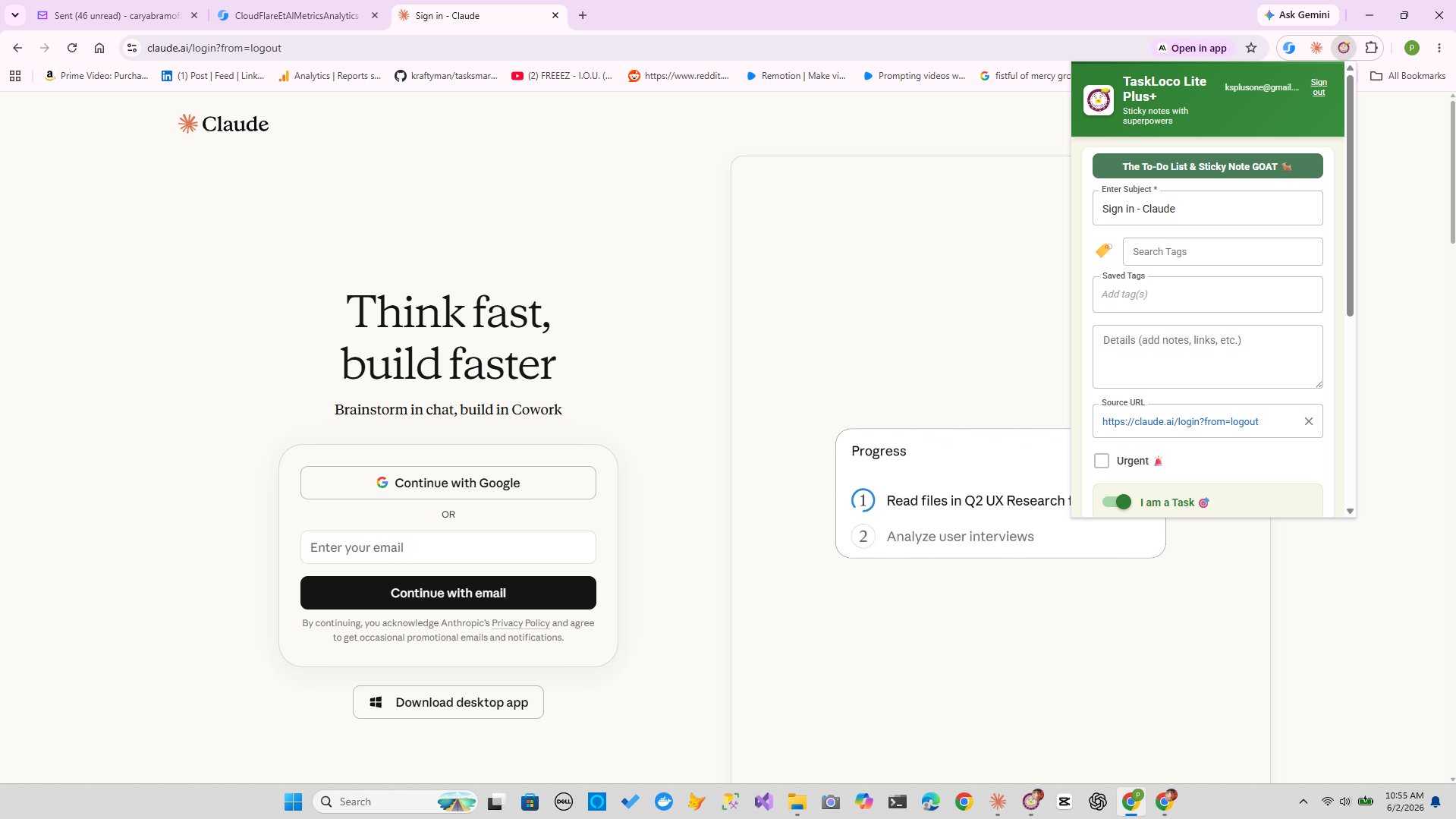
The free TaskLoco Lite Plus+ tier (web app and Chrome extension) lets you capture up to 30 notes synced across all your devices — no native app required on desktop or mobile browser. If you're grabbing a task idea from a webpage, the Chrome extension captures it in one click. That low friction matters for a bedtime capture habit — the harder it is to get something into the system, the less likely you are to do it consistently.
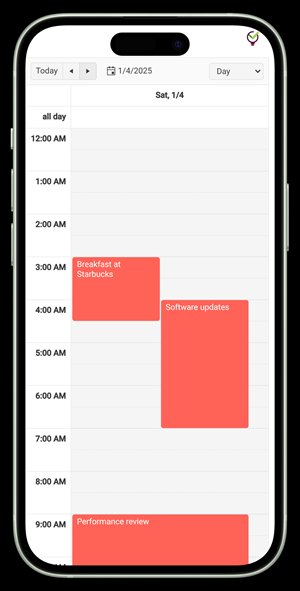
For people who want to go further — reminders that push-notify you back to the exact note they're attached to, file attachments, unlimited notes, and a calendar view — TaskLoco Premium is the full version. Reminders deep-link directly back to the original note, so when your phone buzzes in the morning, one tap puts you exactly where you need to be. Optional email and SMS notifications are available too, but push is the default and the fastest.
The point isn't that you need TaskLoco to fix nighttime task rumination. You don't. A paper notebook works. What matters is the habit: capture before bed, be specific, use something you'll actually check tomorrow. TaskLoco just makes that habit very easy to maintain consistently.
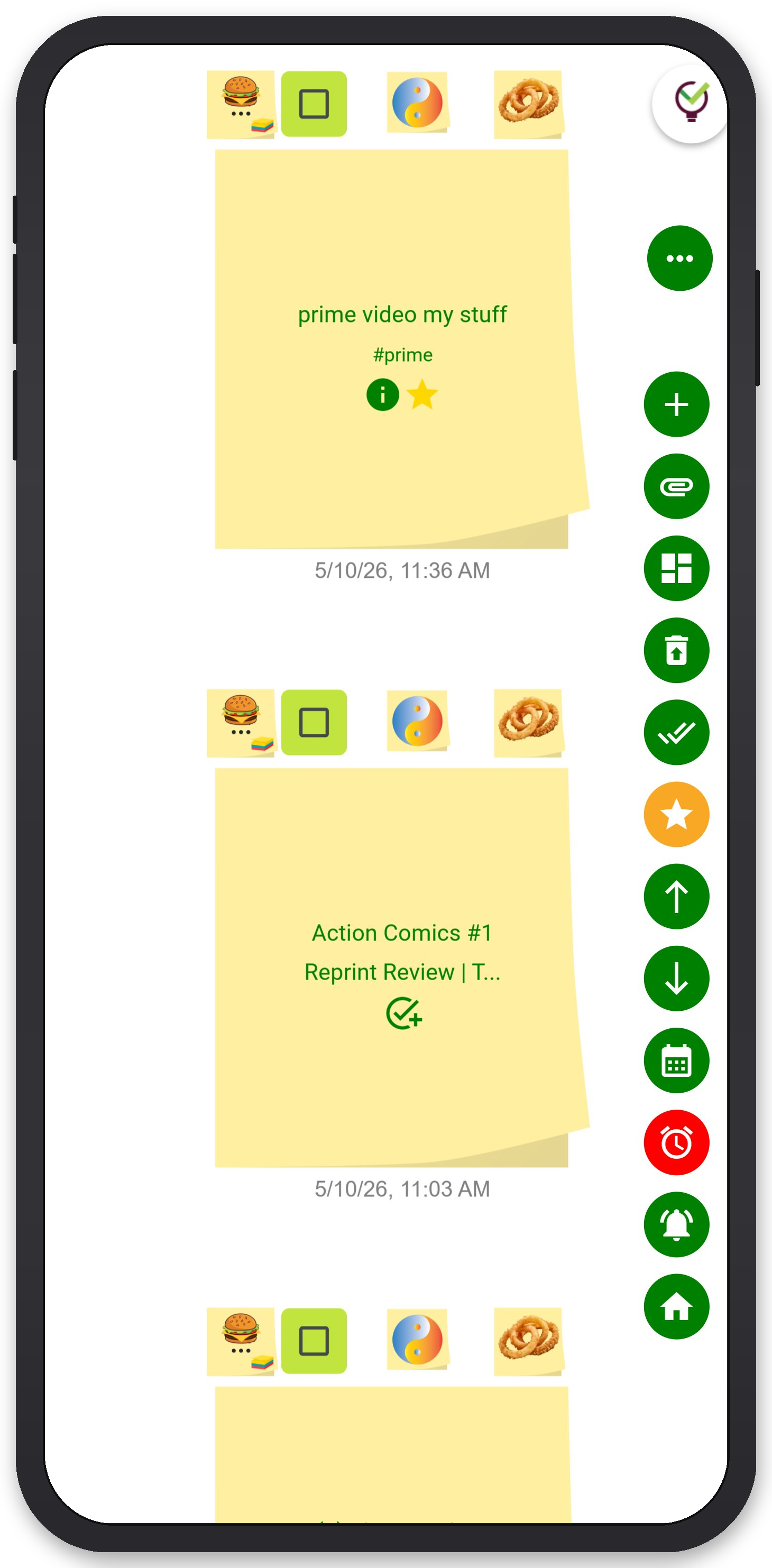
TaskLoco Premium is regularly $9.99/month per person. Right now, charter members can lock in 50% off the regular price — forever. That means $4.99/month per person today. And if our price ever goes up, you still pay half. Always.
Code CHARTER50 auto-applies at checkout. First 500 spots only — once they're gone, this offer is gone permanently. Act fast while spots last.
Every Premium subscription includes unlimited notes, 10GB file storage, reminders, calendar, and team sharing. Each team member requires a separate subscription. 7-day free trial — no charge until day 8. Cancel anytime.
Free Options: TaskLoco
TaskLoco Lite
- Native iPhone & Android app
- Completely anonymous — no sign-in
- Data stays on your device
- Up to 20 notes
- Free forever
TaskLoco Lite Plus+
- Web app + Chrome extension
- Sign in with Google
- Wall syncs across all devices
- Up to 30 notes
- Free forever
Lock In 50% Off — Forever
7-day free trial. No charge until day 8. CHARTER50 auto-applies at checkout.
🔒 Lock In My Charter SpotSee TaskLoco in Action
Frequently Asked Questions
Why does my brain keep listing tasks when I'm trying to sleep?
This is the Zeigarnik Effect in action. Your brain treats unfinished tasks as open loops and keeps them active in working memory to prevent you from forgetting them. Daytime stimulation suppresses this — but the moment you lie down in the dark, the suppression drops and the loops surface. It's not anxiety in the clinical sense; it's your brain doing what it evolved to do, at the worst possible time.
Does writing tasks down before bed actually help you sleep?
Yes — and there's research behind it. A 2017 study published in the Journal of Experimental Psychology found that writing a specific to-do list for tomorrow (not journaling, not reflecting — actual tasks) significantly reduced the time it took participants to fall asleep. The more specific the list, the stronger the effect. Writing externalizes the task, signaling to your brain that the loop has been handled and it no longer needs to hold it actively.
What's the difference between task rumination and regular insomnia?
Regular insomnia involves difficulty falling or staying asleep across a range of causes — physical, emotional, hormonal, environmental. Task rumination is a specific subset: your mind is replaying commitments, unfinished work, or things you're afraid of forgetting. The tells are that the thoughts are specific and actionable (not vague worry), they tend to cluster around things you're responsible for, and they often feel more like a mental list than like anxiety. The fix for task rumination is a capture system; the fix for clinical insomnia is broader.
How long should a bedtime capture routine take?
Five minutes is the research-supported sweet spot and a practical cap. Set a timer. The constraint forces your brain to surface only the things it's actually worried about — not the full scope of everything on your plate. If you go longer, it stops being a wind-down and becomes another task. Start the timer, write what comes up, stop when it goes off. Close the system and don't go back in until morning.
What if the same tasks keep appearing every night and never get done?
That's a signal worth paying attention to. Persistent tasks that cycle through your nighttime list night after night usually fall into one of three categories: you're avoiding them (procrastination), they're unclear enough that you don't know what the actual next action is, or they don't actually need to be done and you haven't let yourself drop them. Capture them — but also ask what's blocking them during the day. The list is pointing at something.
Can TaskLoco help with a bedtime capture routine?
It's well-suited for it. TaskLoco's sticky note model means capturing a task takes seconds — no project setup, no priority fields. The free Lite Plus+ tier syncs up to 30 notes across all your devices so your list is there in the morning wherever you are. TaskLoco Premium adds reminders that deep-link directly back to the original note, unlimited notes, and a calendar view — so the things you capture at night become actionable items with real follow-through built in. $9.99/month per person (currently $4.99/month per person for first 500 charter members with code CHARTER50)
Does a capture system need to be digital to work?
No. The core mechanism is externalization — getting the task out of your head and into a place you trust. A paper notebook works. A whiteboard works. A notes app works. What matters most is that the system is reliable enough that your brain believes the task has been safely stored. If you'd lose a paper note under your desk, your brain won't fully close the loop. The medium is less important than the trust you have in it.
Born in Brooklyn. Powered by AWS. Your data stays yours.
TaskLoco is available on iPhone, Android, Chrome, and every web browser.