Digital flashcards beat paper cards in every way that matters — they're searchable, sync across devices, can include images and audio, and never get lost in your backpack. Whether you're memorizing vocabulary, medical terms, or historical dates, digital cards adapt to how you actually study.
The best part? You don't need expensive software. You can build effective flashcards using tools you already have, from dedicated apps to simple note-taking systems that work just as well.
Choose Your Digital Flashcard Method
You have three main approaches for creating digital flashcards, each with different strengths depending on your study style and technical comfort level.
Dedicated flashcard apps like Anki, Quizlet, or Brainscape offer spaced repetition algorithms, multimedia support, and pre-made card decks. These work best if you want advanced features like statistics tracking and automated review scheduling.
Simple note apps let you create question-answer pairs using basic formatting. Write the question on one line, hit enter twice, then write the answer. This method works in any app and gives you complete control over organization.
Document templates in Word, Google Docs, or similar apps work well for visual learners. Create a two-column table with questions on the left and answers on the right, or use a simple Q: A: format throughout your document.
Format Your Cards for Maximum Retention
How you structure each flashcard directly impacts how well you'll remember the information. Keep questions specific and answers concise — avoid cramming multiple concepts into one card.
Use the one-concept rule: Each card should test exactly one piece of information. Instead of "What are the causes and effects of World War I?", create separate cards for major causes, key battles, and specific outcomes.
Write clear, specific questions: "What is the capital of France?" works better than "Tell me about Paris." Specific questions trigger precise recall, which strengthens memory pathways.
Include context clues: Add just enough background information to make the question clear. "In organic chemistry, what functional group contains a carbon double-bonded to oxygen?" is better than just "What contains carbon double-bonded to oxygen?"
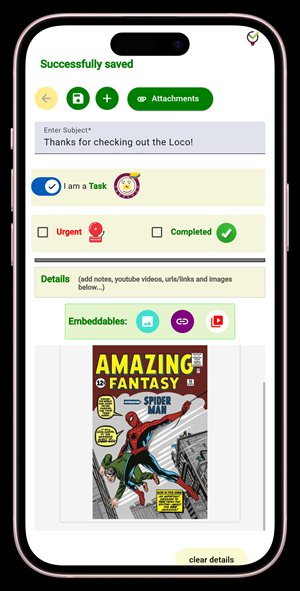
For visual subjects, add images, diagrams, or charts directly to your cards. Most apps support image uploads, and even simple note apps let you attach photos or copy-paste pictures inline.
Organize Cards Into Logical Study Sets
Random cards scattered across different apps won't help you study effectively. Group related cards together and use consistent naming conventions so you can find specific topics quickly.
Create topic-based collections: Group cards by chapter, subject area, or exam date. "Biology Chapter 7 - Cell Division" tells you exactly what you're studying, while "Random Biology Stuff" doesn't help at all.
Use tags or folders strategically: Many apps support tagging systems. Tag cards with difficulty level (easy/medium/hard), importance (exam/quiz/review), or study status (new/learning/mastered).
Build progressive difficulty: Start each study session with basic recall cards, then move to application questions, and finish with complex synthesis problems. This builds confidence while challenging your understanding.
Keep file attachments organized if your chosen method supports them. Name files clearly ("anatomy-diagram-1.jpg" not "IMG_4721.jpg") and store related materials together.
Study Smart With Digital Flashcards Using TaskLoco
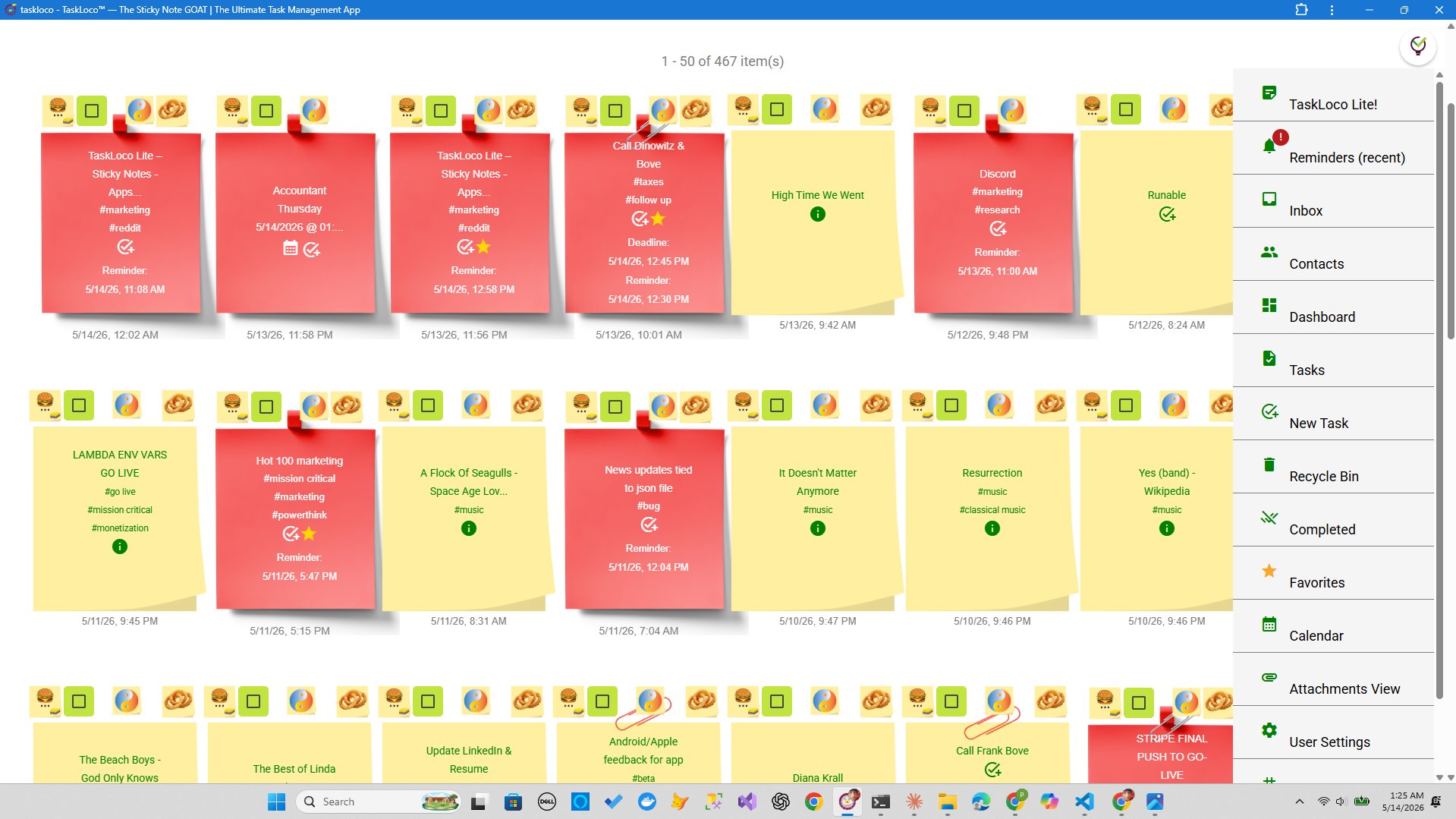
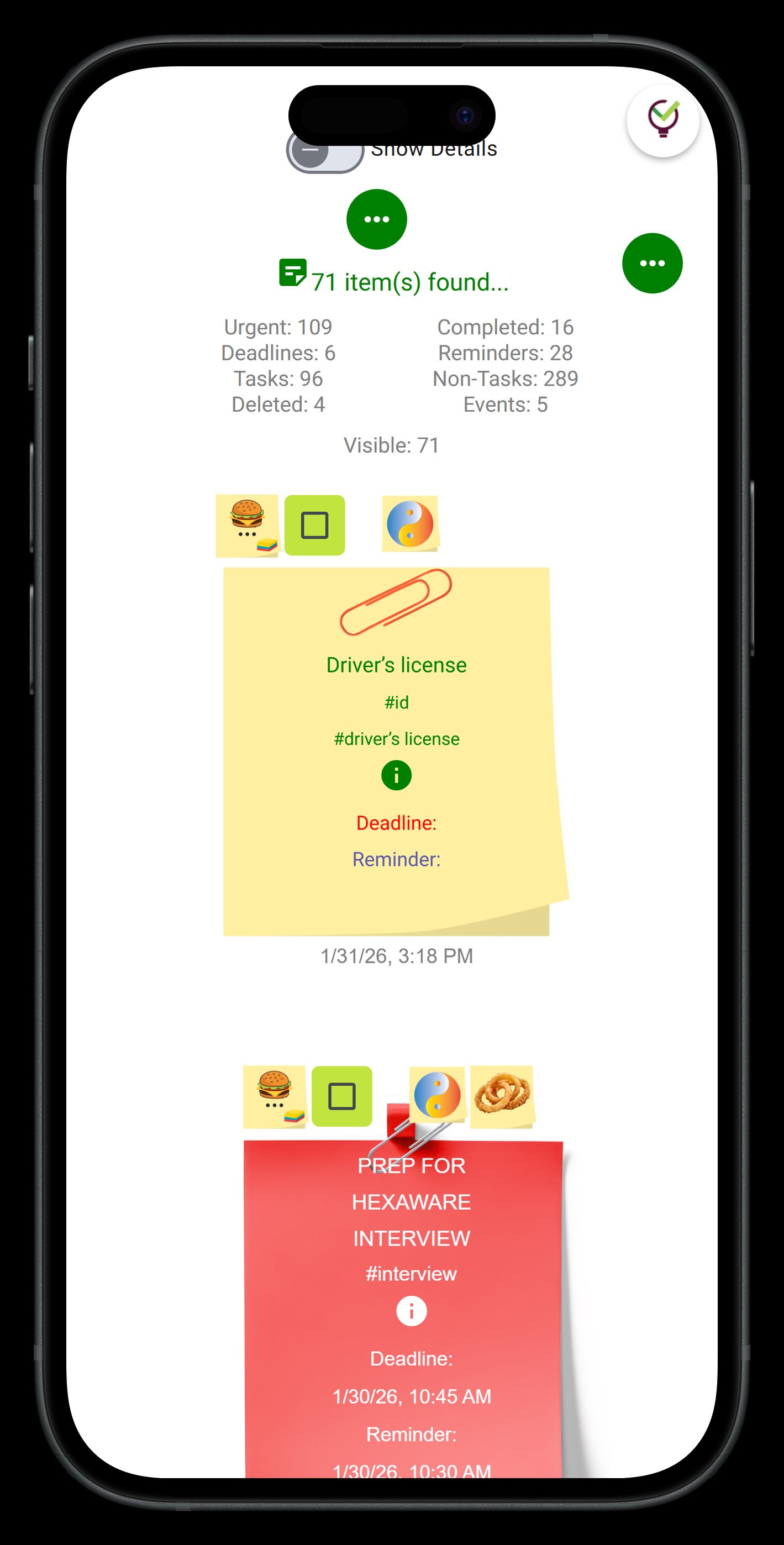
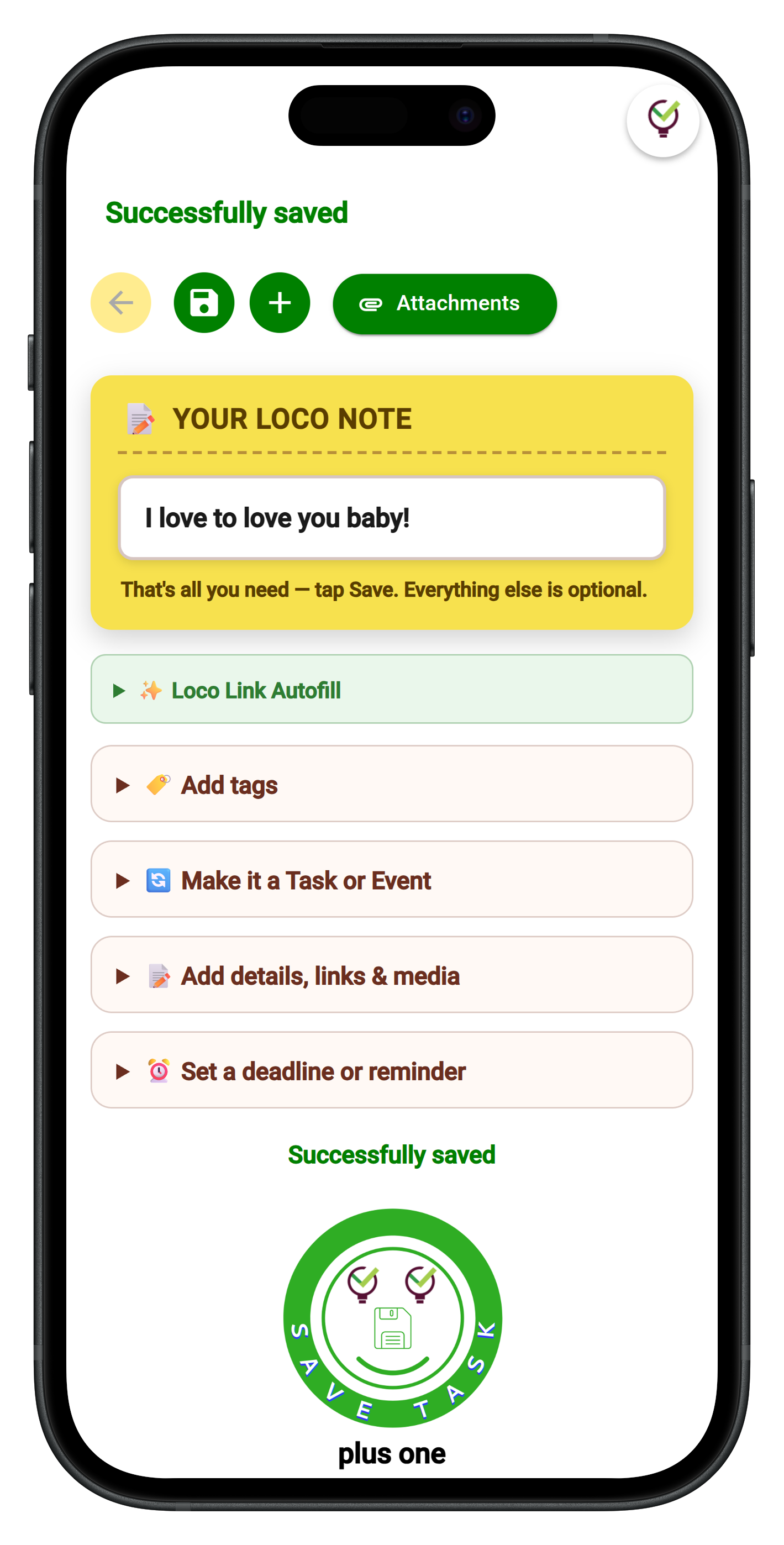
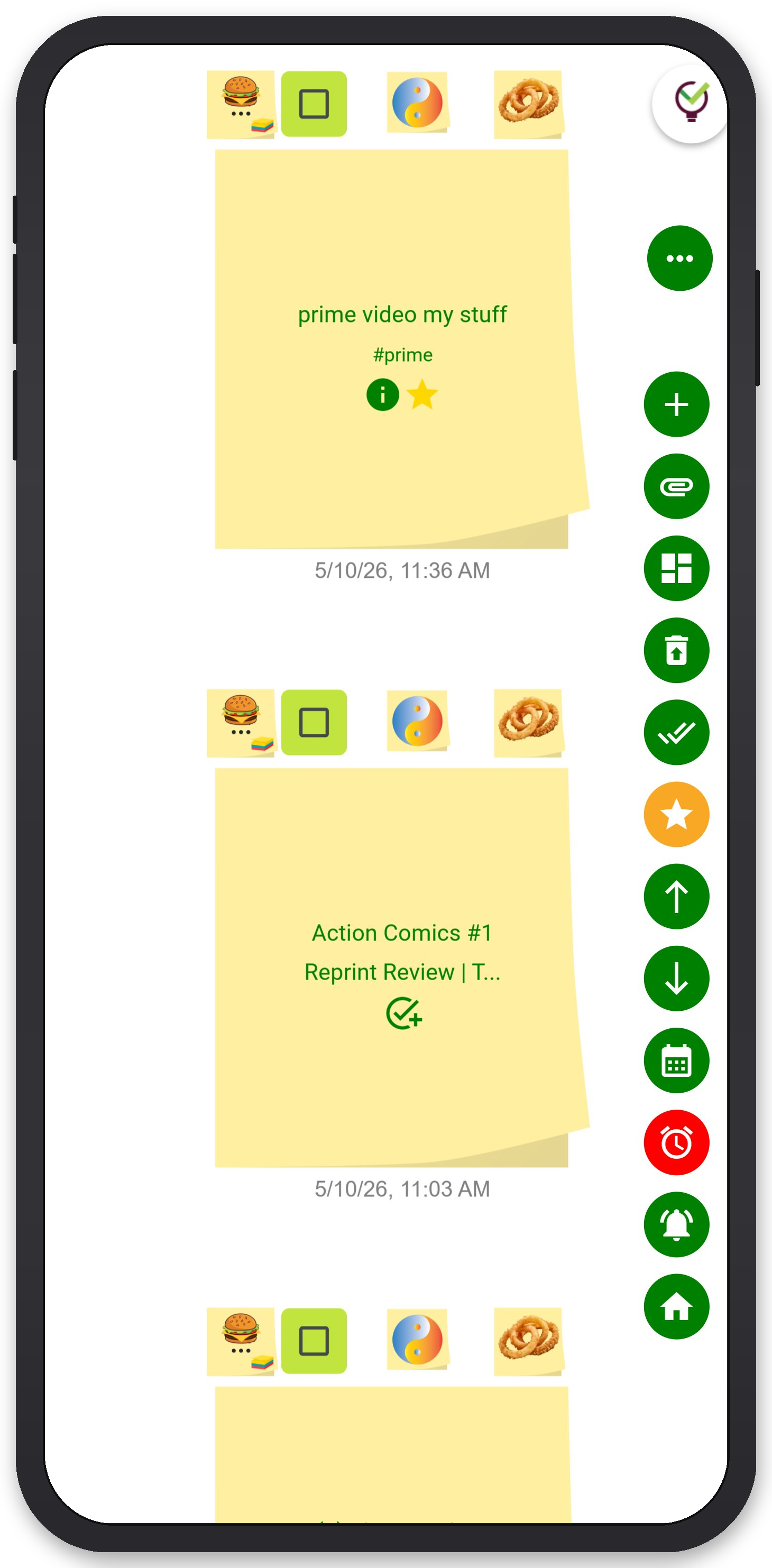
TaskLoco's note system works perfectly for creating and studying digital flashcards. Each note becomes a flashcard — write your question as the note title and your answer in the note body. The visual wall layout lets you see all your questions at once, then tap any note to reveal the answer.
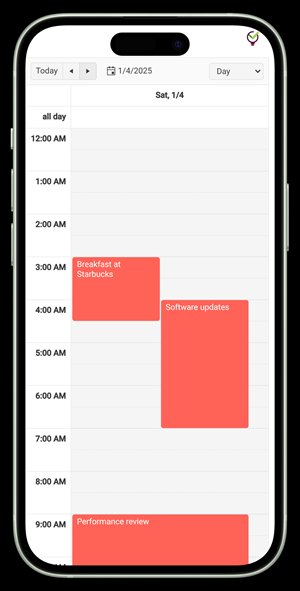
Set reminders on specific cards to review difficult concepts at spaced intervals. The calendar view shows when each topic needs review, and file attachments let you include diagrams, photos, or reference materials with each card.
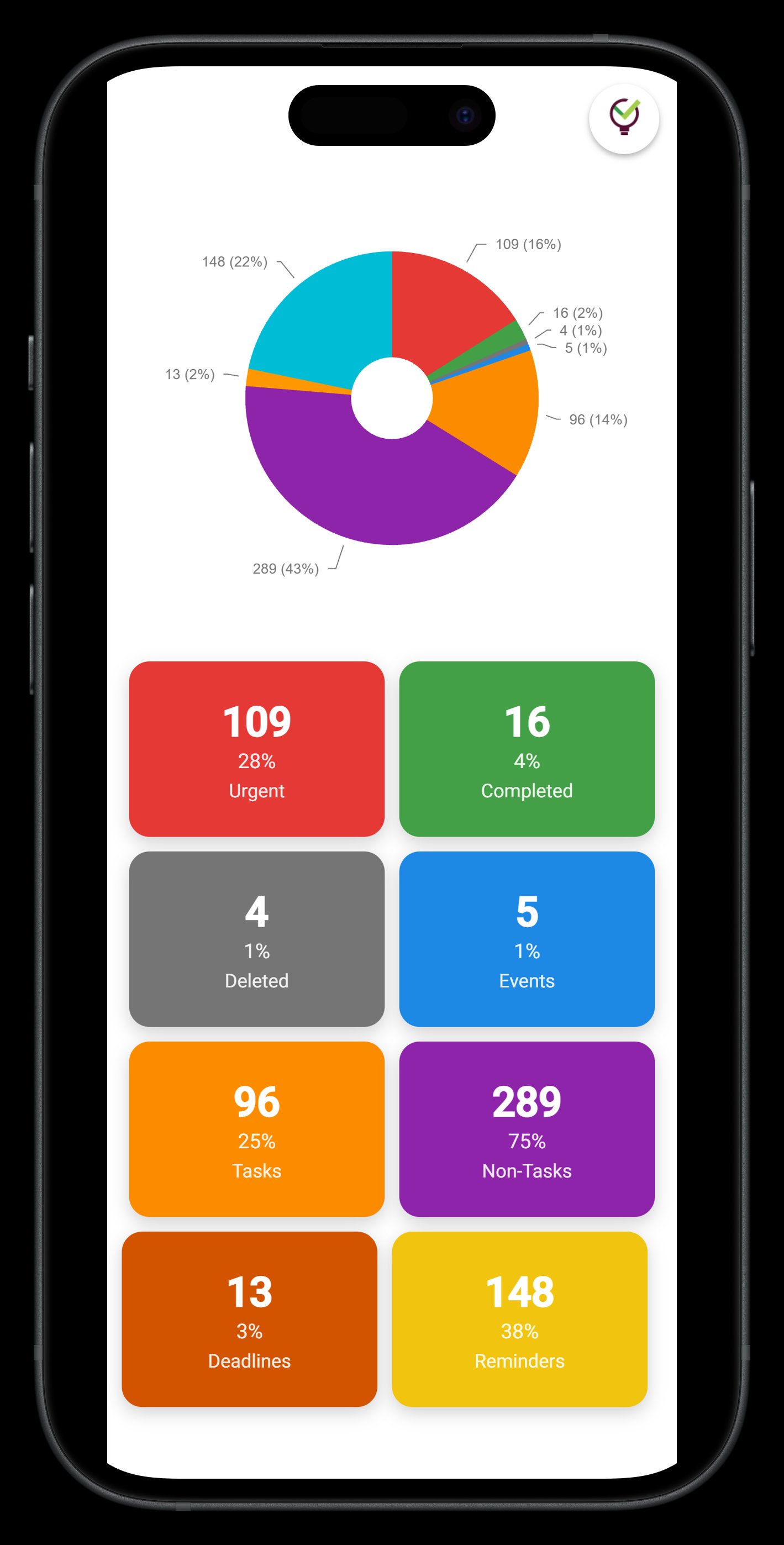
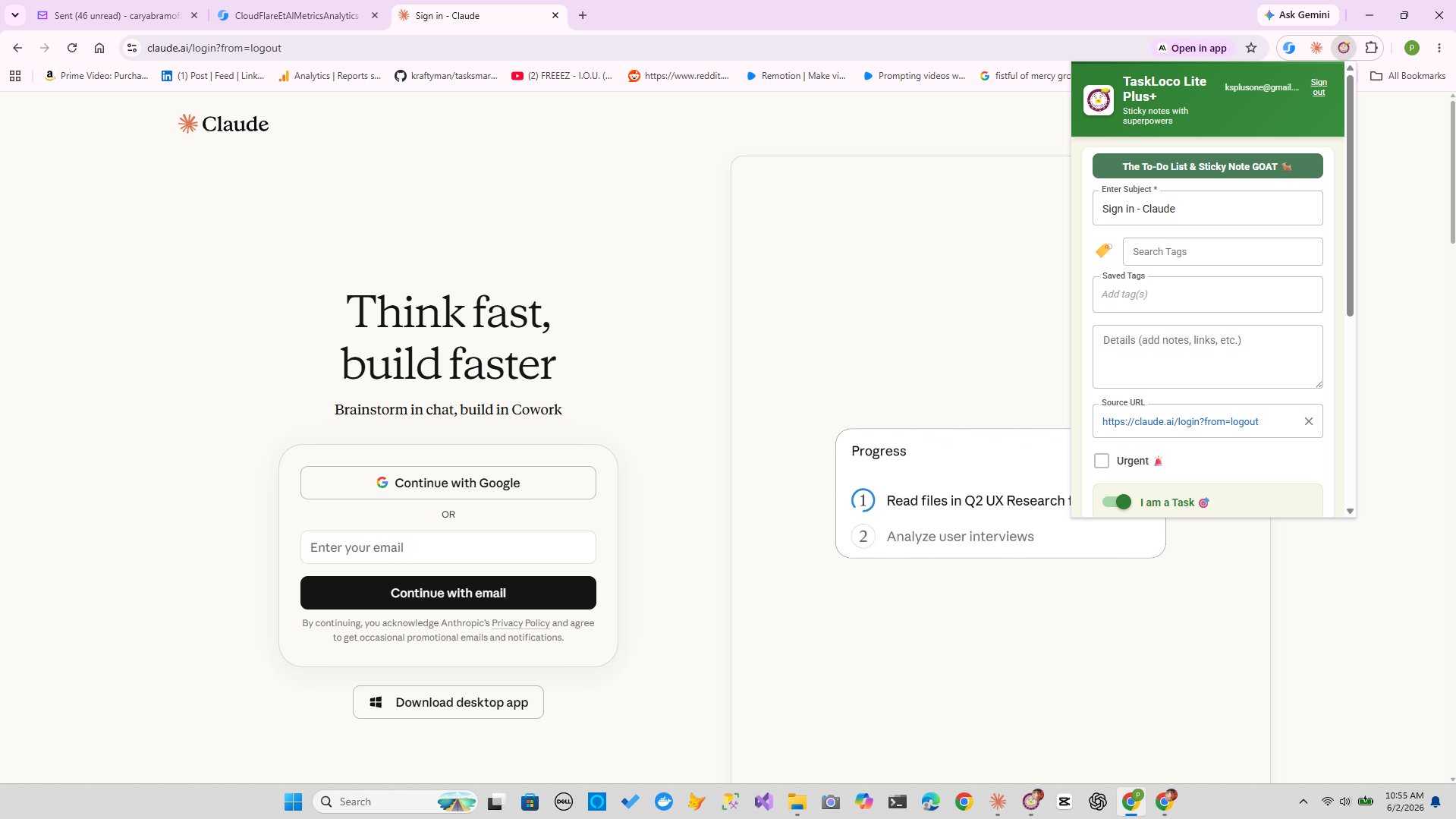
Share study sets with classmates or study groups instantly. When someone adds a new card or updates an answer, everyone gets the changes automatically. The Chrome extension lets you capture information from websites directly into new flashcards while researching.
TaskLoco Premium is regularly $9.99/month per person. Right now, charter members can lock in 50% off the regular price — forever. That means $4.99/month per person today. And if our price ever goes up, you still pay half. Always.
Code CHARTER50 auto-applies at checkout. First 500 spots only — once they're gone, this offer is gone permanently. Act fast while spots last.
Every Premium subscription includes unlimited notes, 10GB file storage, reminders, calendar, and team sharing. Each team member requires a separate subscription. 7-day free trial — no charge until day 8. Cancel anytime.
Free Options: TaskLoco
TaskLoco Lite
- Native iPhone & Android app
- Completely anonymous — no sign-in
- Data stays on your device
- Up to 20 notes
- Free forever
TaskLoco Lite Plus+
- Web app + Chrome extension
- Sign in with Google
- Wall syncs across all devices
- Up to 30 notes
- Free forever
Lock In 50% Off — Forever
7-day free trial. No charge until day 8. CHARTER50 auto-applies at checkout.
🔒 Lock In My Charter SpotSee TaskLoco in Action
Frequently Asked Questions
What's the best app for making digital flashcards?
The best app depends on your needs. Anki offers powerful spaced repetition for serious memorization. Quizlet provides easy sharing and pre-made decks. Simple note apps like TaskLoco work great for flexible, customizable flashcards with multimedia support.
How many flashcards should I study per day?
Start with 15-25 new cards per day, plus reviewing previously learned cards. This prevents overwhelm while building consistent study habits. Adjust based on your retention rate and available time.
Should I include images in my digital flashcards?
Yes, especially for visual subjects like anatomy, geography, or art history. Images engage different memory pathways and make abstract concepts more concrete. Even simple diagrams can significantly improve recall.
How often should I review digital flashcards?
Use spaced repetition — review new cards daily, cards you know well every few days, and mastered cards weekly. Many apps automate this scheduling, or you can set manual reminders in note-taking apps.
Can I study digital flashcards offline?
Some dedicated flashcard apps download content for. However, most digital tools require an internet connection for syncing and full functionality. Download -capable apps if you frequently study access.
How do I make effective flashcard questions?
Write specific questions that test one concept each. Use clear, direct language and include enough context to eliminate ambiguity. Avoid yes/no questions — instead ask for specific facts, definitions, or explanations.
Is TaskLoco good for digital flashcards?
TaskLoco works excellently for flexible flashcard creation. Use note titles as questions and note content as answers. The visual layout, reminder system, and file attachment features make it easy to create rich, multimedia flashcards. $9.99/month per person (currently $4.99/month per person for first 500 charter members with code CHARTER50)
Born in Brooklyn. Powered by AWS. Your data stays yours.
TaskLoco is available on iPhone, Android, Chrome, and every web browser.