Paper planners and digital notebooks dominate desk drawers and phone screens alike, each promising the perfect productivity system. Analog devotees swear by the focus that comes from handwriting without notifications, and there's genuine research backing the memory benefits of putting pen to paper.
But digital task management has evolved far beyond basic to-do apps. Modern tools like TaskLoco capture the visual simplicity of sticky notes while adding search, reminders, file attachments, and cross-device sync that analog simply cannot match. Here's why going digital wins for most people.
The Analog Advantage: Focus and Memory
Handwriting genuinely improves memory retention compared to typing. The slower, deliberate process of writing by hand forces your brain to process and summarize information more deeply. Plus, a paper planner can't buzz with notifications or tempt you into checking social media.
Analog systems also offer complete customization. You can draw diagrams, sketch ideas, and create whatever layout works for your brain. There's something deeply satisfying about crossing items off with a real pen.
But these advantages come with significant trade-offs that digital tools solve elegantly.
Where Digital Dominates: Search, Sync, and Scale
The killer advantage of digital task management is search. Finding that meeting note from three weeks ago takes seconds with digital search versus minutes of page-flipping through analog notebooks. TaskLoco's full-text search works across all notes and even inside file attachments.
Cross-device sync means your tasks follow you everywhere. Start a note on your laptop, add details from your phone, and get reminded on both devices. Analog systems live in one physical location.
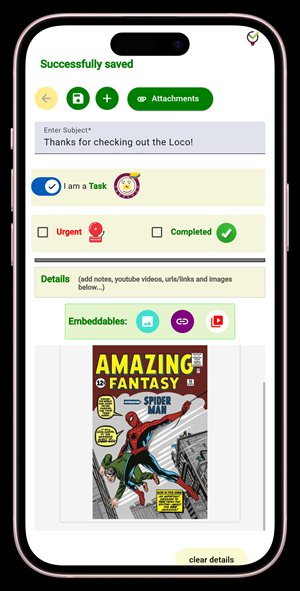
File attachments transform task management from text-only to multimedia. Attach photos, PDFs, spreadsheets, or voice memos directly to your tasks. Try doing that with pen and paper.
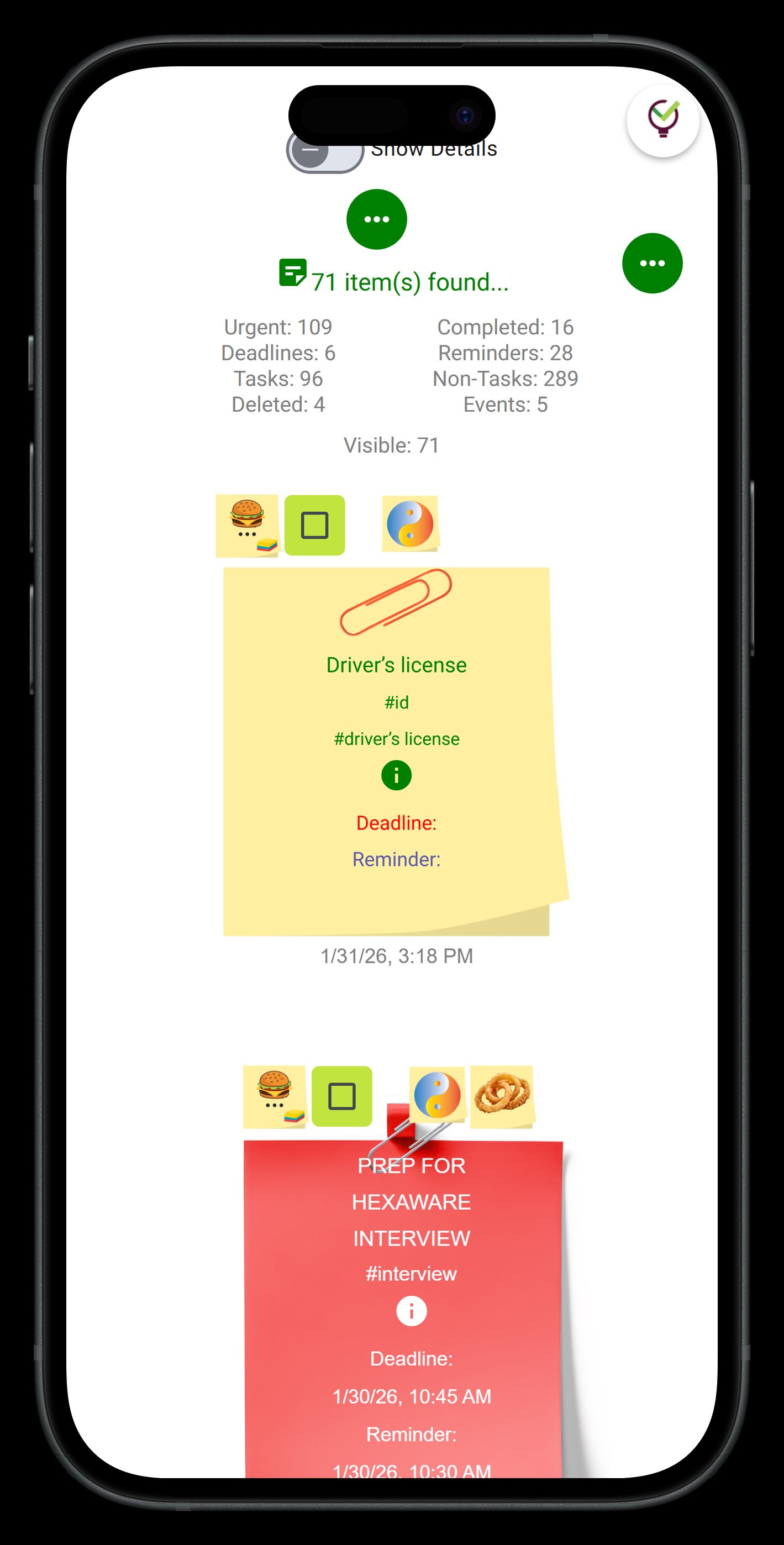
Reminders are another digital superpower. TaskLoco delivers push notifications that deep-link back to the original note, so you never miss deadlines or forget important tasks.
The Best of Both Worlds: TaskLoco's Analog-Inspired Design
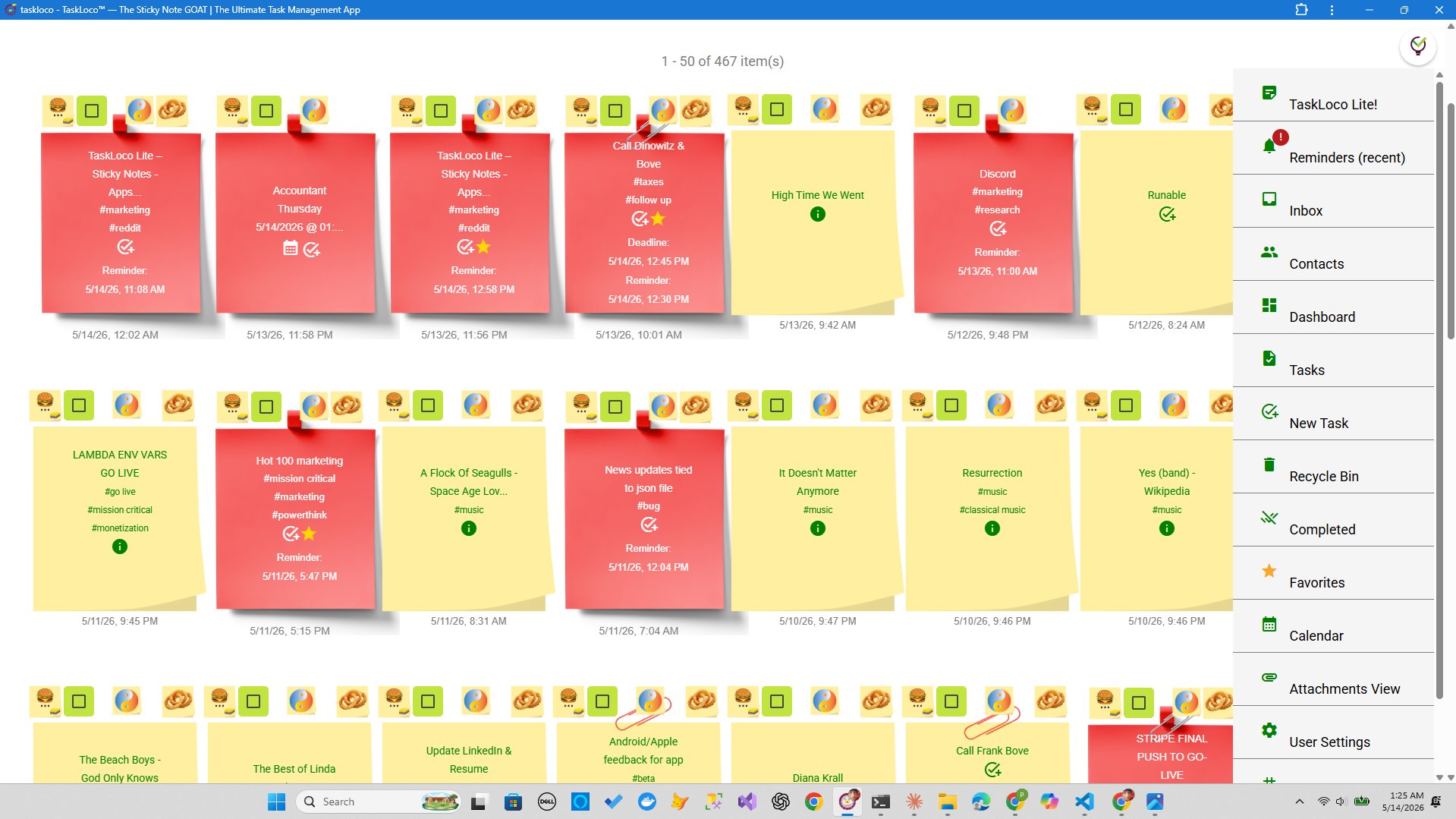
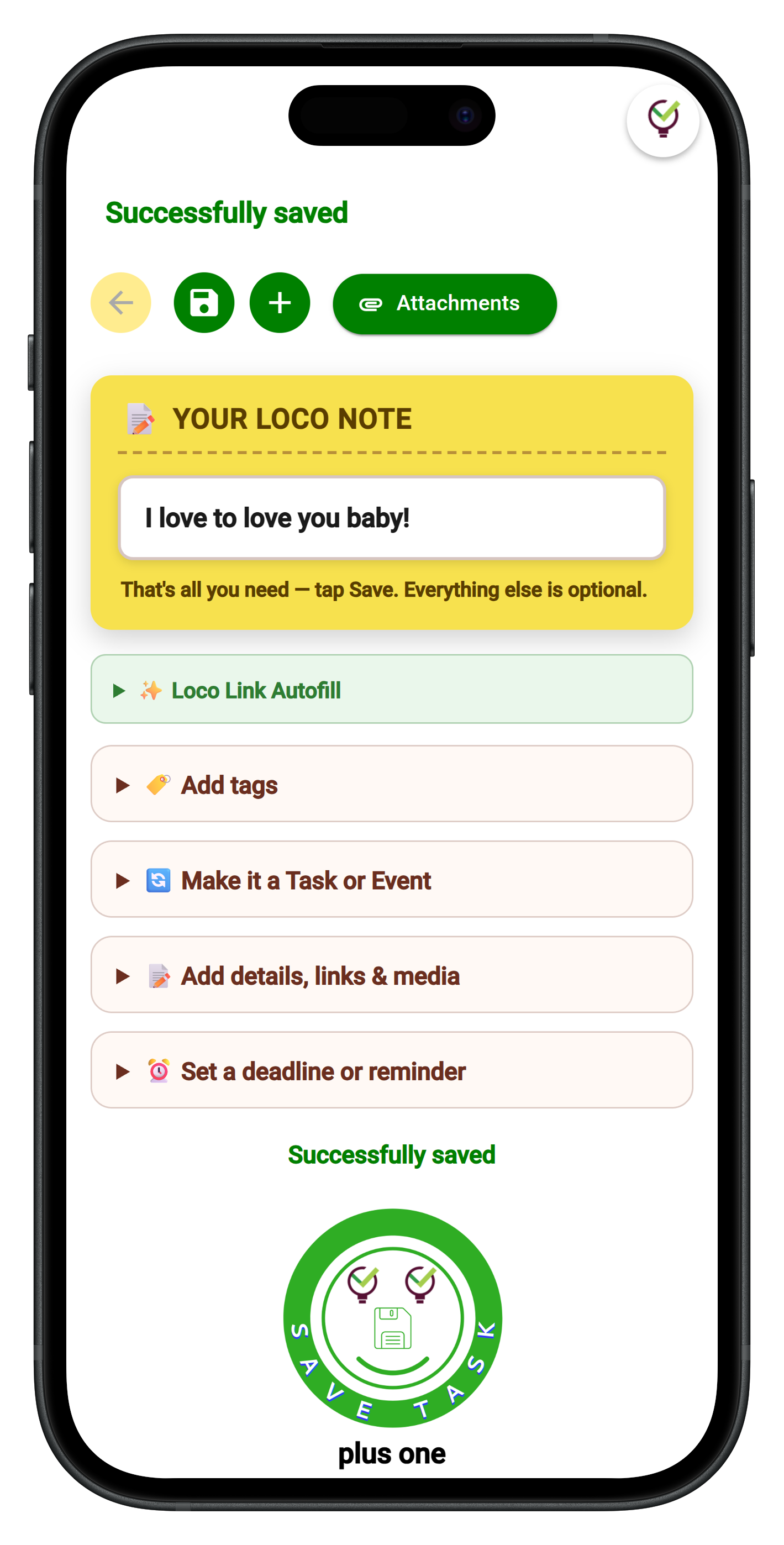
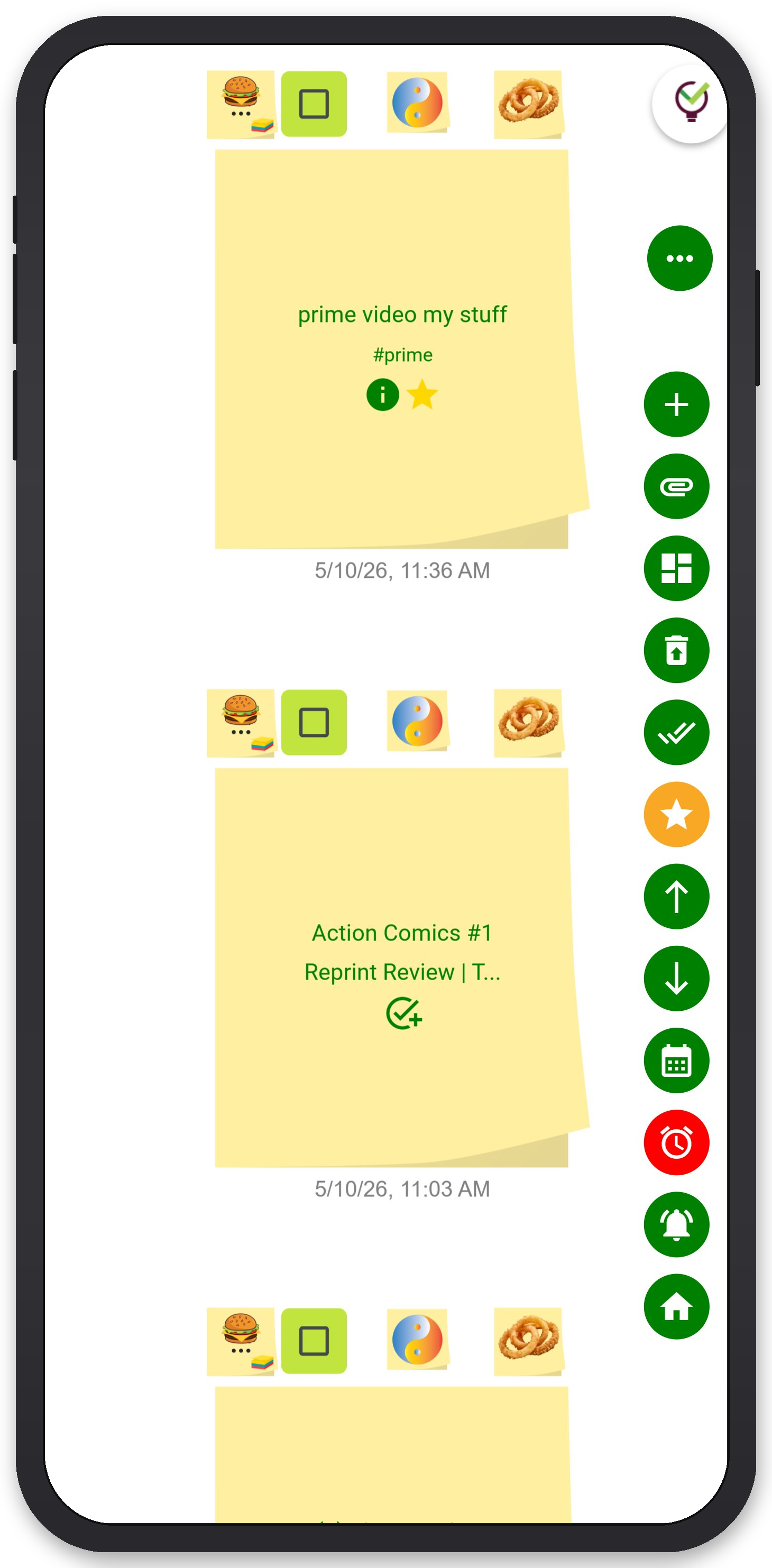
TaskLoco bridges the gap between analog simplicity and digital power. The interface mimics sticky notes arranged on a wall, preserving the visual organization that makes analog planning intuitive. You can drag notes around, group them by project, and see everything at a glance.
Unlike complex project management tools that bury simple tasks under enterprise features, TaskLoco keeps the core experience simple. Add a note, set a reminder, attach files, and organize visually. It's digital task management that feels as immediate as writing on paper.
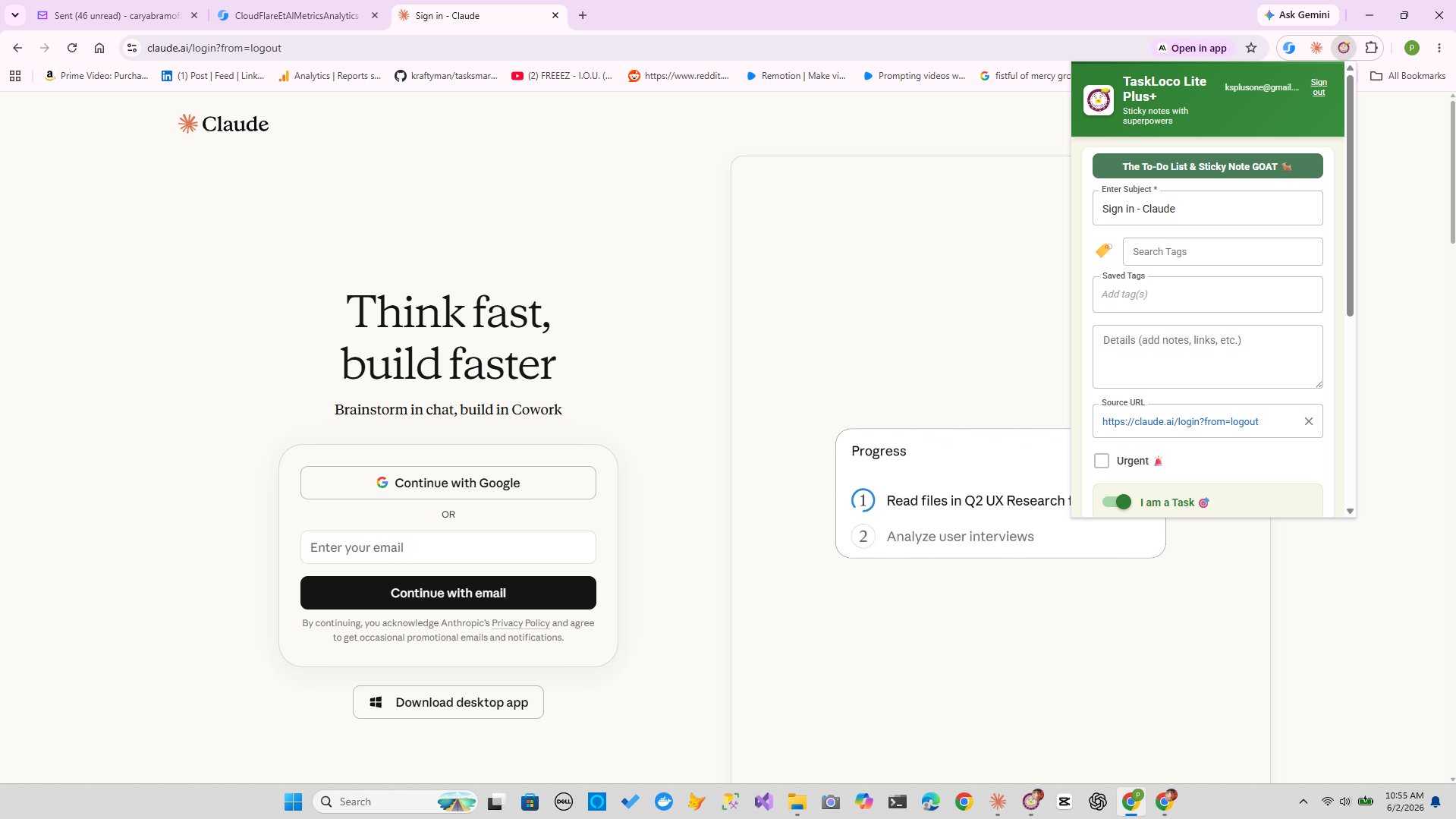
The Chrome extension captures any webpage in one click, turning web research into actionable tasks without context-switching between apps. This seamless capture workflow beats analog's limitation of manually copying information between systems.
Making the Switch: Digital Without the Complexity
The transition from analog to digital fails when tools are overwhelming. TaskLoco eliminates this friction by starting simple. Use the free tier to test the waters, then upgrade for reminders, file attachments, and team collaboration as needed.
For teams, digital becomes essential. Sharing handwritten notes requires photocopying or transcription. TaskLoco's team sharing works like email—send a note to colleagues who can clone it and make it their own, no complex permissions needed.
The mobile experience runs through your browser rather than requiring yet another app download. Everything syncs instantly, so your tasks are always current whether you're at your desk or on the go.
The Honest Comparison
| Feature | TaskLoco | analog methods |
|---|---|---|
| Search capability | Full-text search across all notes and file attachments | Manual page-flipping through notebooks |
| Cross-device access | Instant sync across all devices and browsers FREE | Single physical location only |
| File attachments | Photos, PDFs, documents with 10GB storage | Cannot attach digital files to paper |
| Automatic reminders | Push notifications with deep-links to original notes | Manual calendar entries or sticky note reminders |
| Backup and recovery | Automatic cloud backup, never lose data FREE | Lost if notebook is damaged or misplaced |
| Team collaboration | Share notes with email-like simplicity | Requires photocopying or manual transcription |
| Web capture | One-click Chrome extension captures any webpage FREE | Manual copying of URLs or printing pages |
| Visual organization | Drag-and-drop sticky note wall interface FREE | Natural spatial layout and drawing freedom |
| Writing experience | Fast typing on any device | Tactile satisfaction and proven memory benefits |
| Digital distractions | Clean interface but still on connected devices | Zero notifications or digital interruptions |
| Customization | Flexible note organization and tagging | Unlimited drawing, sketching, and layout options |
| Startup time | Requires device boot and browser/app loading | Instant access with pen and paper |
| Cost over time | Monthly subscription model | One-time notebook purchase |
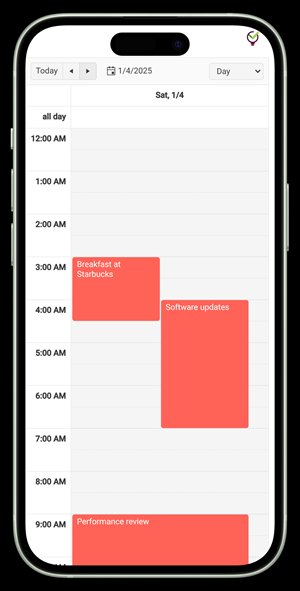
| Calendar integration | Built-in calendar view with Premium | Separate calendar required |
| Environmental impact | Digital storage, no paper waste FREE | Ongoing paper and pen consumption |
Who Should Use Each
Use TaskLoco if…
- You need to search through weeks or months of task history quickly
- You work across multiple devices and need instant sync
- You want to attach photos, documents, or files to your tasks
- You need automatic reminders that actually get your attention
- You collaborate with team members who need access to shared tasks
- You capture information from websites and need seamless web integration
Use analog methods if…
- You want zero digital distractions during planning sessions
- You value the memory benefits and tactile satisfaction of handwriting
- You prefer one-time purchases over subscription services
- You need unlimited drawing and sketching capabilities
- You work in environments where digital devices are restricted
- You want instant access without device startup time
TaskLoco Premium is regularly $9.99/month per person. Right now, charter members can lock in 50% off the regular price — forever. That means $4.99/month per person today. And if our price ever goes up, you still pay half. Always.
Code CHARTER50 auto-applies at checkout. First 500 spots only — once they're gone, this offer is gone permanently. Act fast while spots last.
Every Premium subscription includes unlimited notes, 10GB file storage, reminders, calendar, and team sharing. Each team member requires a separate subscription. 7-day free trial — no charge until day 8. Cancel anytime.
Free Options: TaskLoco vs analog methods
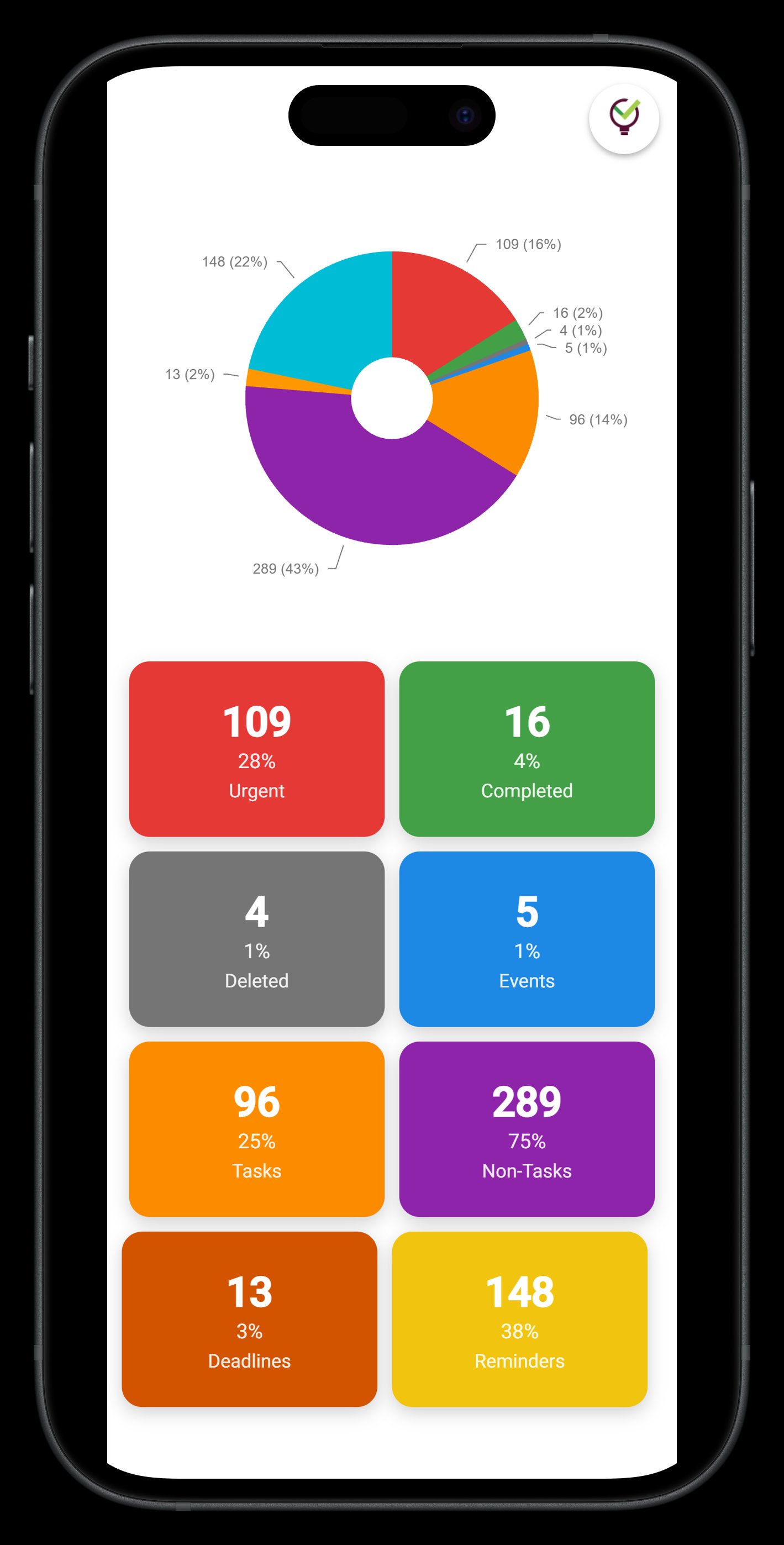
TaskLoco Lite
- Native iPhone & Android app
- Completely anonymous — no sign-in
- Data stays on your device
- Up to 20 notes
- Free forever
TaskLoco Lite Plus+
- Web app + Chrome extension
- Sign in with Google
- Wall syncs across all devices
- Up to 30 notes
- Free forever
Lock In 50% Off — Forever
7-day free trial. No charge until day 8. CHARTER50 auto-applies at checkout.
🔒 Lock In My Charter SpotSee TaskLoco in Action
Frequently Asked Questions
Is digital task management better than analog planning?
Digital task management excels at search, sync, file attachments, and automatic reminders that analog cannot match. However, analog offers better focus, memory retention through handwriting, and zero digital distractions. Choose based on whether you prioritize power features or distraction-free simplicity.
Can digital tools replicate the benefits of handwriting?
Digital tools cannot fully replicate the memory benefits of handwriting, but they compensate with powerful features like search, backup, and cross-device sync. TaskLoco's visual sticky note interface bridges some of the gap by preserving spatial organization that makes analog planning intuitive.
How much does TaskLoco cost compared to analog planners?
$9.99/month per person (currently $4.99/month per person for first 500 charter members with code CHARTER50) Analog planners typically cost $15-50 upfront but require ongoing purchases of notebooks and pens. Digital offers more features but requires a subscription model.
What happens if I lose my analog planner?
Lost analog planners mean lost data permanently. Digital task management automatically backs up to the cloud, so your tasks and notes are always recoverable. TaskLoco syncs across all devices, so losing one device doesn't affect your data.
Can I use TaskLoco without internet like analog planners?
TaskLoco requires an internet connection to sync and access your notes. For truly internet-free environments, analog planners maintain the advantage of working anywhere without power or connectivity.
Which is faster: writing tasks on paper or typing digitally?
Handwriting is often faster for quick notes, but digital wins for longer content, editing, and searching. TaskLoco's simple interface minimizes the digital overhead while adding powerful features like reminders and file attachments that analog cannot provide.
How do I transition from analog to digital task management?
Start with TaskLoco's free tier to test digital workflows alongside your current analog system. Gradually move recurring tasks and projects to digital while keeping analog for focused planning sessions. The hybrid approach helps you find the right balance.
Born in Brooklyn. Powered by AWS. Your data stays yours.
TaskLoco is available on iPhone, Android, Chrome, and every web browser.