Every hard task has the same problem: it's not actually one task. It's ten tasks wearing a trenchcoat, pretending to be one. When you sit down to "write the report" or "fix the codebase" or "get the apartment ready to sell," your brain correctly identifies that this is enormous and quietly starts looking for an exit. That's not laziness. That's accurate threat assessment.
The techniques that actually work aren't about motivation or discipline. They're about reducing the perceived size of the work until your brain stops treating it as a threat and starts treating it as a solvable problem. Here's what that looks like in practice.
The Core Technique: Shrink the Task Until It's Embarrassingly Small
The single most effective method for tackling hard tasks is called task decomposition — but the key word most people miss is how far to decompose. Most people stop too early. "Write introduction" is still too vague. "Open the document and type one sentence" is a real next action.
Here's the rule of thumb: if you can't do the next step in under two minutes without any decision-making, it's still too big. Keep cutting until you hit something trivially executable. The goal isn't to plan the whole task — it's to identify the one move that breaks the inertia.
- Bad breakdown: "Work on the presentation" → still overwhelming
- Better: "Write the three main points I want to make" → clearer, but requires creativity
- Best: "Open a blank doc and write one sentence about what the presentation is trying to say" → zero barrier to starting
Once you've started, the task changes shape. What felt like a wall becomes a hallway. The first step doesn't have to be good — it just has to happen.
Time Boundaries, Context Switching, and Why 'Just Focus' Is Bad Advice
Hard tasks expand to fill available time — and they also resist starting when the time feels infinite. This is why "I'll work on it all afternoon" almost never works, but "I'll work on it for 25 minutes" often does. The Pomodoro Technique is well-known for a reason: a defined endpoint makes starting feel safe because your brain knows the discomfort has a scheduled end.
But time boundaries alone aren't enough. You also need to eliminate the decision overhead that accumulates around hard tasks. Every time you switch to a hard task, you burn willpower deciding where to pick up, what the next step is, and whether you're working on the right thing. The fix is to end each work session by writing down the exact first sentence of the next session. Not "continue section 2" — "add the third supporting data point to the argument about user retention." That level of specificity means tomorrow's you doesn't have to make any decisions before starting.
A few more techniques that genuinely work:
- Temptation bundling: Pair the hard task with something you actually enjoy — a specific playlist, a good coffee, a comfortable spot you only use for that task. The enjoyable element becomes a trigger.
- Implementation intentions: Research by psychologist Peter Gollwitzer shows that "I will do X at time Y in location Z" dramatically increases follow-through compared to "I intend to do X." Write the when and where, not just the what.
- The 2-minute rule: If any sub-task takes less than two minutes, do it immediately instead of scheduling it. Scheduling tiny tasks creates overhead that costs more than the task itself.
- Reduce the stakes mentally: Give yourself explicit permission to do the task badly the first time. A rough draft, a messy sketch, a broken prototype. Done badly beats not done every time.
When the Task Is Hard Because It's Unclear, Not Because It's Big
Not every hard task is hard because it's large. Some tasks sit undone for weeks because they're genuinely ambiguous — you don't know what "done" looks like, or you're not sure you have the authority to decide, or the task depends on someone else taking a step first. These feel like motivation problems. They're actually clarity problems.
For these, the right move is a definition-of-done session before any execution. Spend five minutes answering: what would this look like if it were finished? What's the last physical action that would happen? Who needs to sign off? What information am I missing? Write the answers down. Often, this session reveals that the "hard task" is actually blocked by one small email or decision that takes ten minutes — and the rest of the work is straightforward once that's resolved.
A useful framework here is to ask: is this task hard because of volume, because of skill, or because of ambiguity? The answer changes the approach completely. Volume problems need decomposition. Skill problems need either learning or delegation. Ambiguity problems need a clarifying conversation before any work begins. Most people apply decomposition to all three, which is why ambiguous tasks stay stuck even when they're broken into subtasks — the subtasks themselves are still unclear.
One last thing that experienced people do that beginners don't: they process hard tasks when their energy is highest, not when they finally feel ready. Feeling ready is a myth. High energy is a real resource. Schedule your hardest cognitive work in the first two hours of your most alert period of the day — before the decision fatigue of the day accumulates — and you'll find that "hard" tasks become significantly more tractable.
How TaskLoco Helps You Apply This in Practice
The techniques above work on paper, a whiteboard, or any notes app. But the system only holds together if you can capture the next action fast enough that it doesn't interrupt your flow, and find it again without friction when it's time to work.
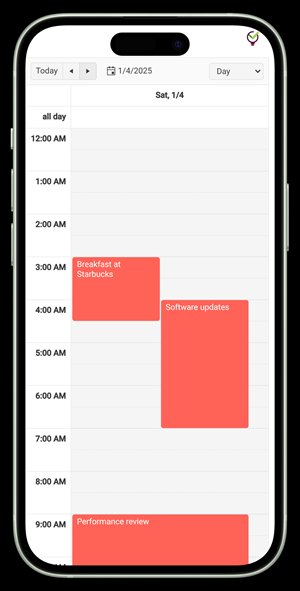
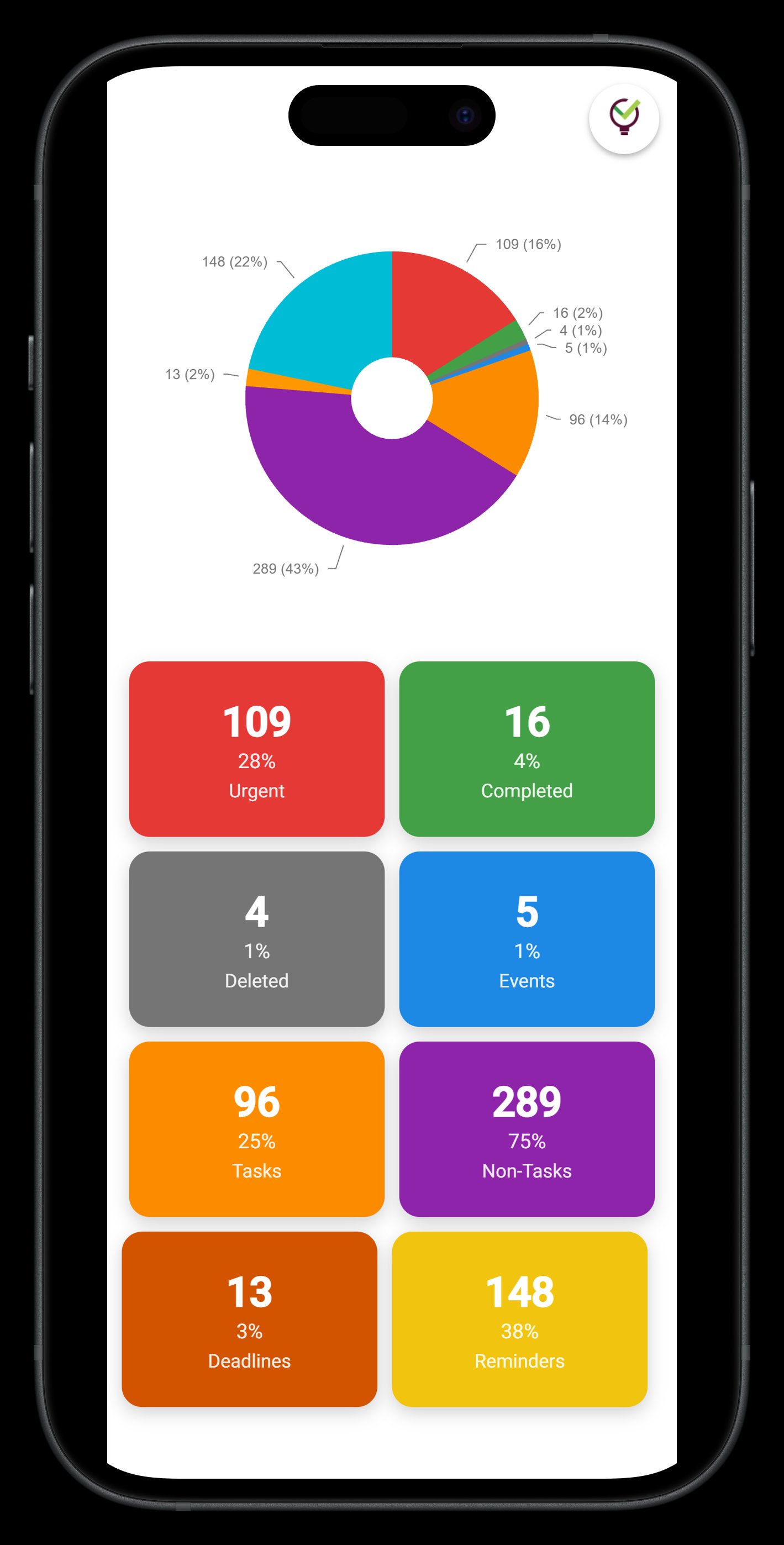
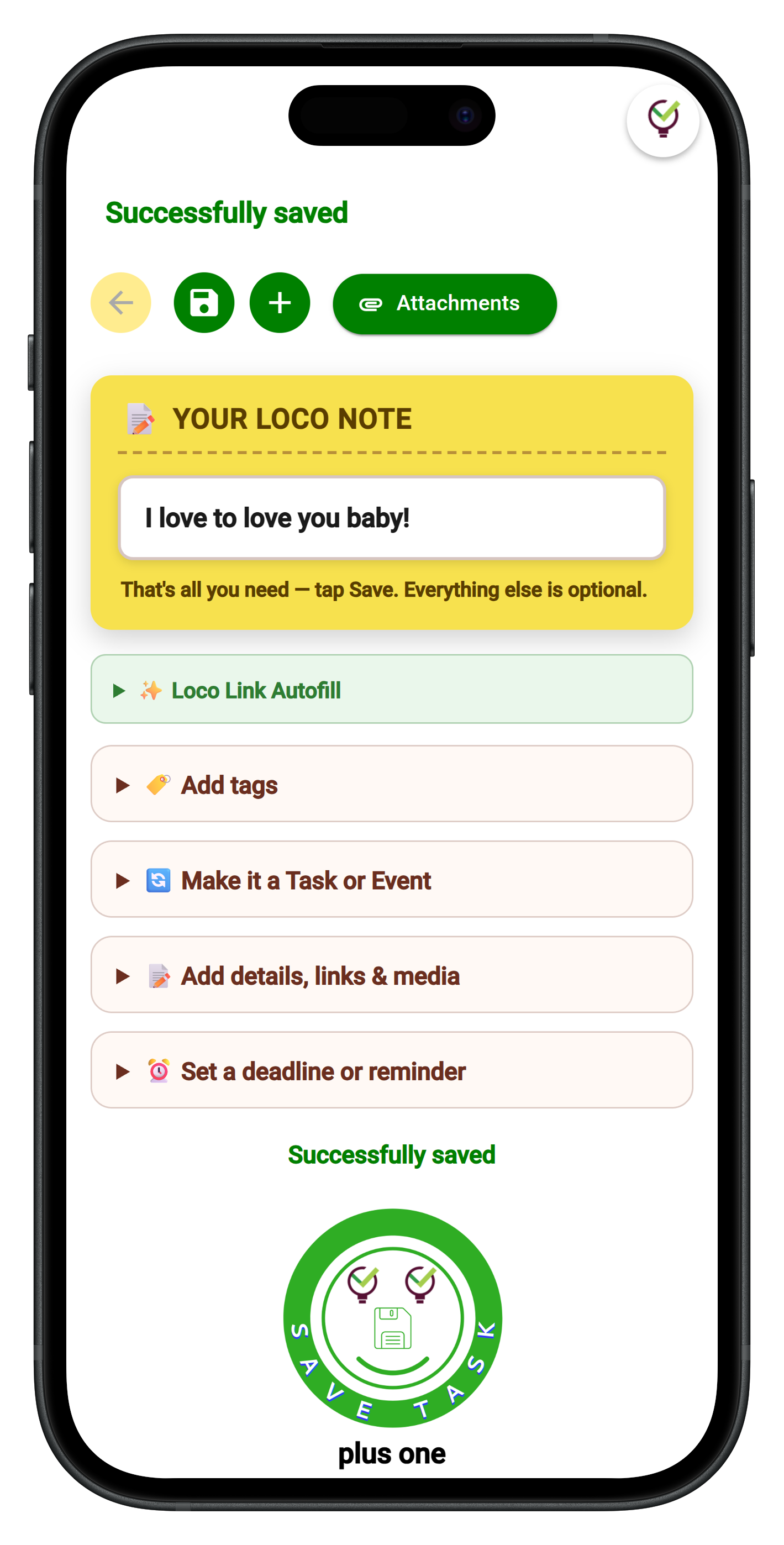
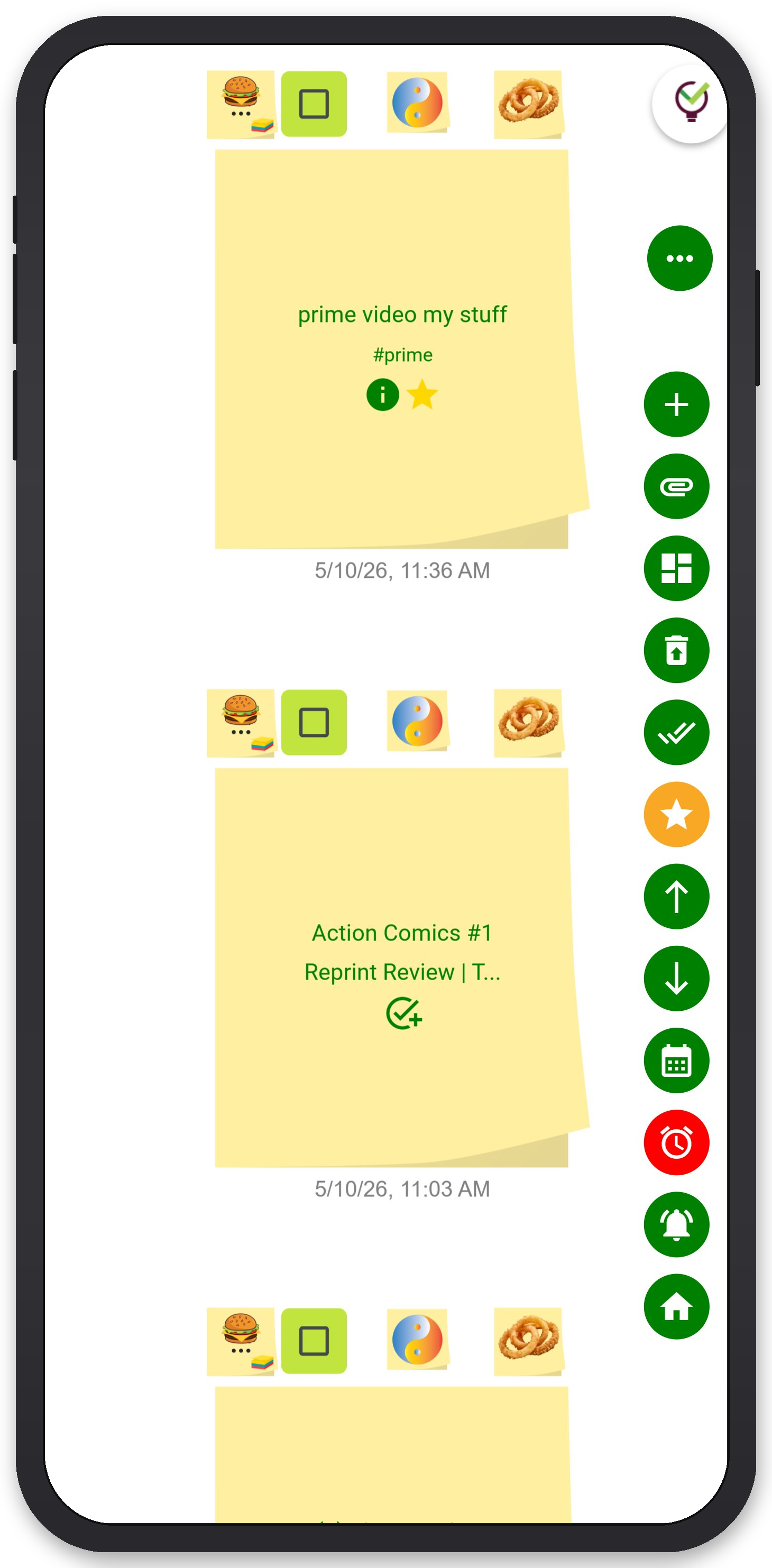
TaskLoco was built around sticky notes — the mental model most people already use when they're thinking something through. Each note becomes a container for a task and everything attached to it: the clarifying question you need to ask, the file you're waiting on, the exact first sentence of tomorrow's session. Notes live on a wall view you can rearrange as your project evolves.
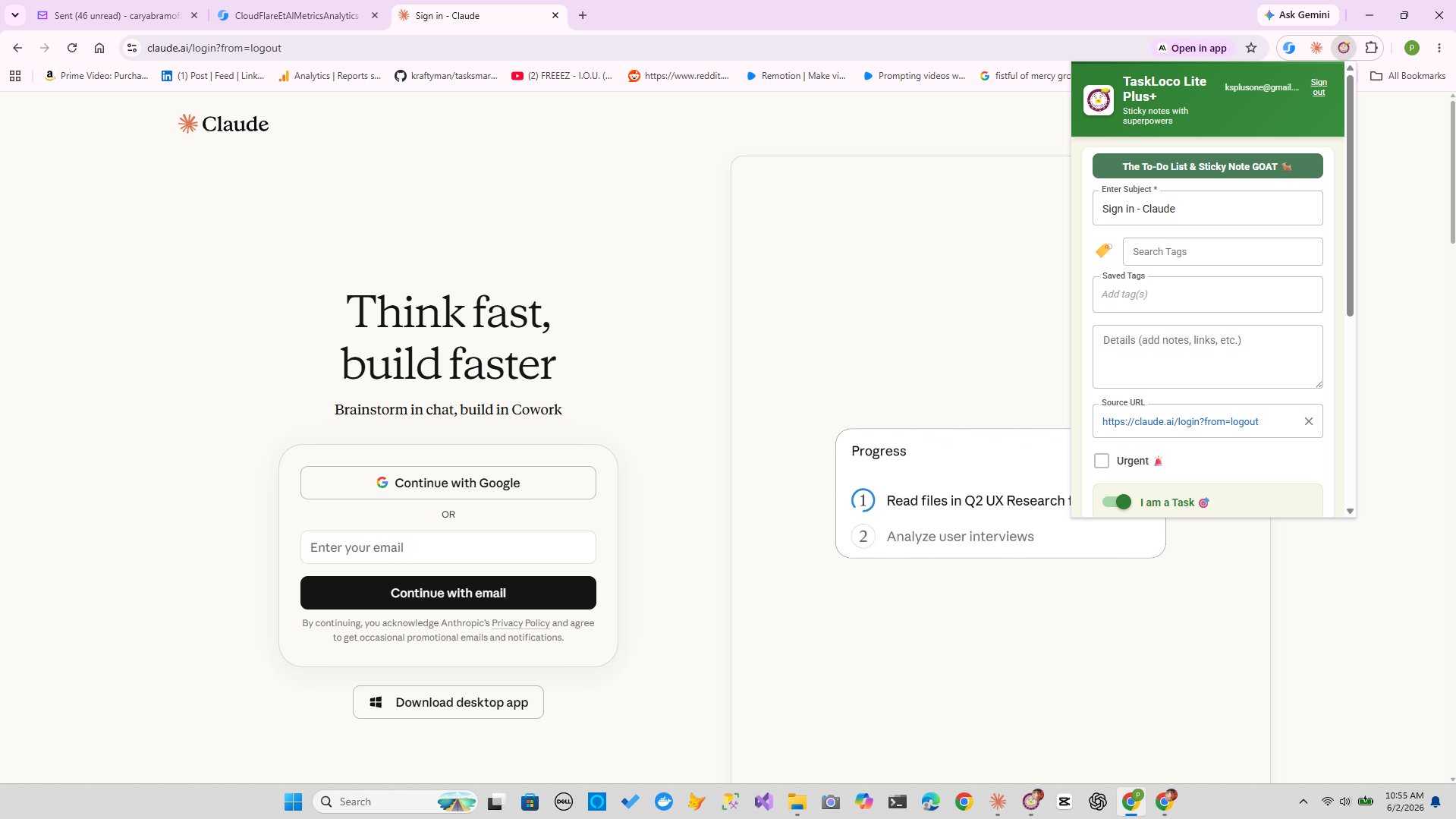
The Chrome extension is particularly useful here: when you're researching and hit a page you need to come back to, one click captures it directly into a note — so the context lives with the task instead of in a separate tab graveyard. Reminders are delivered as push notifications that deep-link straight back to the note, so when the alarm fires, you land directly on the task with all its context intact — no hunting, no re-orienting.
File attachments (10GB included with Premium) mean your drafts, reference docs, and screenshots live inside the note rather than scattered across folders. And the calendar view lets you see which tasks have time commitments attached, so the "when and where" of your implementation intentions are visible at a glance.
TaskLoco Lite is a free native app on iPhone and Android — anonymous, no sign-in needed, up to 20 notes stored on your device. If you want reminders, file attachments, unlimited notes, and team sharing, that's TaskLoco Premium. There's also a free Lite Plus+ tier (web app and Chrome extension) with 30 synced notes and no sign-in complexity if you just want to try the cross-device experience first.
TaskLoco Premium is regularly $9.99/month per person. Right now, charter members can lock in 50% off the regular price — forever. That means $4.99/month per person today. And if our price ever goes up, you still pay half. Always.
Code CHARTER50 auto-applies at checkout. First 500 spots only — once they're gone, this offer is gone permanently. Act fast while spots last.
Every Premium subscription includes unlimited notes, 10GB file storage, reminders, calendar, and team sharing. Each team member requires a separate subscription. 7-day free trial — no charge until day 8. Cancel anytime.
Free Options: TaskLoco
TaskLoco Lite
- Native iPhone & Android app
- Completely anonymous — no sign-in
- Data stays on your device
- Up to 20 notes
- Free forever
TaskLoco Lite Plus+
- Web app + Chrome extension
- Sign in with Google
- Wall syncs across all devices
- Up to 30 notes
- Free forever
Lock In 50% Off — Forever
7-day free trial. No charge until day 8. CHARTER50 auto-applies at checkout.
🔒 Lock In My Charter SpotSee TaskLoco in Action
Frequently Asked Questions
Why do hard tasks feel so overwhelming to start?
Hard tasks feel overwhelming because your brain perceives them as a single, enormous commitment rather than a series of small steps. The size triggers avoidance — it's a protective response, not a character flaw. The fix is decomposition: break the task down until the next action is so small it barely registers as effort. Once you've identified a truly tiny first step, starting stops feeling threatening.
What is the best way to break down a difficult task?
Start by writing down every sub-task you can think of — don't edit, just dump. Then take the first item on the list and ask: what's the very first physical action required to start this? Keep asking that question until you have something you could do in under two minutes without making any decisions. That's your real starting point. End every work session by writing that same level of specific next action for the following session, so future-you doesn't have to think before starting.
Does the Pomodoro Technique actually work for hard tasks?
Yes, and the reason is psychological: a fixed time boundary removes the open-ended dread that makes hard tasks feel infinite. When your brain knows the discomfort ends in 25 minutes, starting feels manageable. The technique works best when combined with a clearly defined next action — not just "work on the project" but a specific thing you'll accomplish in that session. The timer handles the time problem; the specific action handles the clarity problem.
What should I do when a hard task stays stuck even after I've broken it down?
Stuck subtasks are usually stuck because of ambiguity, not volume. Ask: do I know what "done" looks like for this specific step? Is this blocked by a decision someone else needs to make? Is there information I'm missing? Often a five-minute clarity session — writing down what you know, what you don't know, and what the very next question is — reveals that the block is a single email or conversation, not the task itself.
How do I stop procrastinating on tasks I know are important?
Procrastination on important tasks is almost always a combination of unclear next actions and high emotional stakes. The stakes make it feel risky to start imperfectly. The fix is to give yourself explicit permission to do the task badly. Write a rough draft. Make a messy prototype. Send the imperfect email. The psychological safety of "this doesn't have to be good" removes the activation energy barrier. Pair that with a very specific implementation intention — time, place, first action — and you'll find follow-through improves significantly.
How can TaskLoco help me manage difficult tasks?
TaskLoco lets you build a note for each hard task and keep everything related to it in one place — the breakdown of steps, reference files (up to 10GB with Premium), and a reminder that delivers a push notification and deep-links straight back to that note when it fires. The wall view lets you see all your tasks spatially, so you can organize by project, priority, or stage. The Chrome extension captures web pages into notes in one click, so research context lives with the task instead of in forgotten tabs. $9.99/month per person (currently $4.99/month per person for first 500 charter members with code CHARTER50)
Is TaskLoco free to use?
Yes. TaskLoco Lite is a free native app on iPhone and Android — completely anonymous, no account required, stores up to 20 notes on your device. TaskLoco Lite Plus+ is also free: a web app with Chrome extension, sign in with Google, up to 30 notes synced across all your devices. For reminders, file attachments, unlimited notes, calendar view, and team sharing, TaskLoco Premium is the step up. $9.99/month per person (currently $4.99/month per person for first 500 charter members with code CHARTER50)
Born in Brooklyn. Powered by AWS. Your data stays yours.
TaskLoco is available on iPhone, Android, Chrome, and every web browser.