Your brain processes handwritten information differently than typed text. When you write tasks by hand, you activate motor cortex areas that create additional memory pathways — essentially giving your brain multiple ways to recall the same information.
This isn't just about nostalgia for pen and paper. Neuroscience research consistently shows that the physical act of forming letters engages cognitive processes that typing simply doesn't trigger, leading to measurably better retention and recall.
The Neuroscience of Handwriting and Memory
When you write by hand, your brain coordinates multiple systems simultaneously. The motor cortex controls the physical movement, while the visual cortex processes the shapes you're creating. Meanwhile, your prefrontal cortex actively encodes the meaning of what you're writing.
This multi-system activation creates what researchers call 'embodied cognition' — your body's movements become part of how your brain stores information. MRI studies show that handwriting activates the reticular activating system (RAS), a network that helps filter and prioritize information for long-term storage.
In contrast, typing engages far fewer neural pathways. While your fingers move, the movements are more automated and uniform across different letters, reducing the distinctive motor patterns that aid memory formation.
Why Task Writing Specifically Enhances Memory
Tasks aren't just information — they're action items tied to your goals and intentions. When you write a task by hand, you're not just recording words; you're mentally rehearsing the action and committing to future behavior.
Research from the University of Washington found that people who wrote their goals and tasks by hand were 42% more likely to complete them. The act of writing forces you to clarify vague intentions into specific, actionable steps — a process that strengthens both memory and motivation.
The slower pace of handwriting also matters. While typing allows rapid brain-dump of ideas, handwriting requires deliberate thought about each word. This natural filtering process helps you identify truly important tasks while discarding mental clutter.
Additionally, the physical artifact of handwritten tasks provides powerful visual cues. Your brain remembers not just what you wrote, but where on the page you wrote it, what the handwriting looked like, and the context surrounding the writing session.
Practical Strategies for Better Task Memory
Start with a daily handwritten brain dump — spend 5-10 minutes each morning writing all your tasks, thoughts, and priorities on paper. Don't worry about organization; focus on getting everything out of your head and onto the page.
Use the Cornell Note method for task planning: divide your page into sections for immediate tasks, later tasks, and notes. The physical act of categorizing while writing strengthens memory associations between related tasks.
Write tasks in your own words, even when copying from digital sources. The mental translation process creates stronger personal connections to the information. Instead of copying 'Submit quarterly report,' write 'Finish Q3 numbers and send to Sarah by Friday.'
Create visual elements in your task writing — use arrows, boxes, underlining, or symbols. These visual markers activate additional memory pathways and make important tasks more mentally sticky.
Digital Tools That Preserve Handwriting Benefits
While handwriting offers unique memory advantages, digital tools can complement and extend these benefits when designed thoughtfully. The key is finding platforms that encourage the same deliberate, reflective thinking that makes handwriting effective.
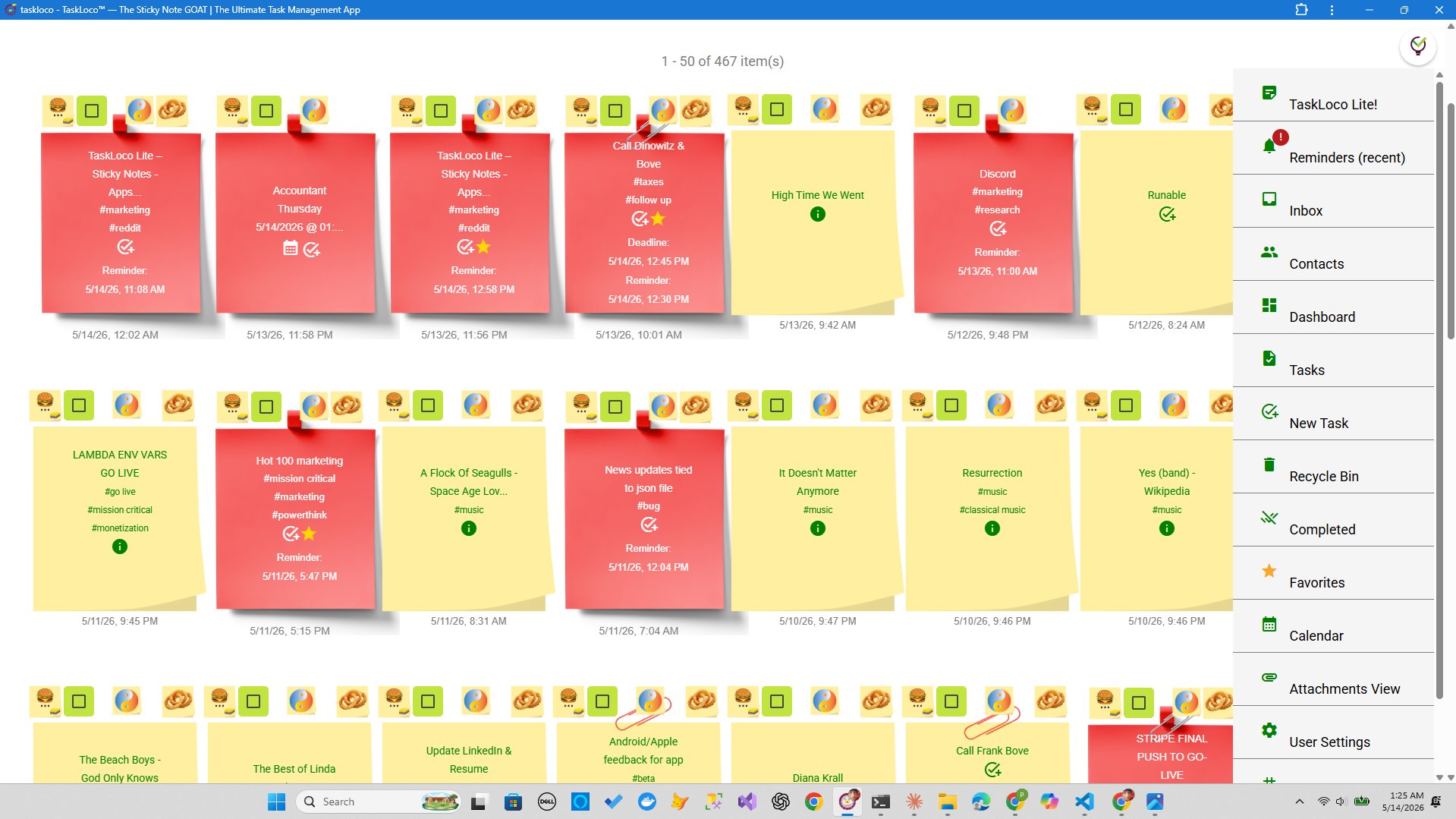
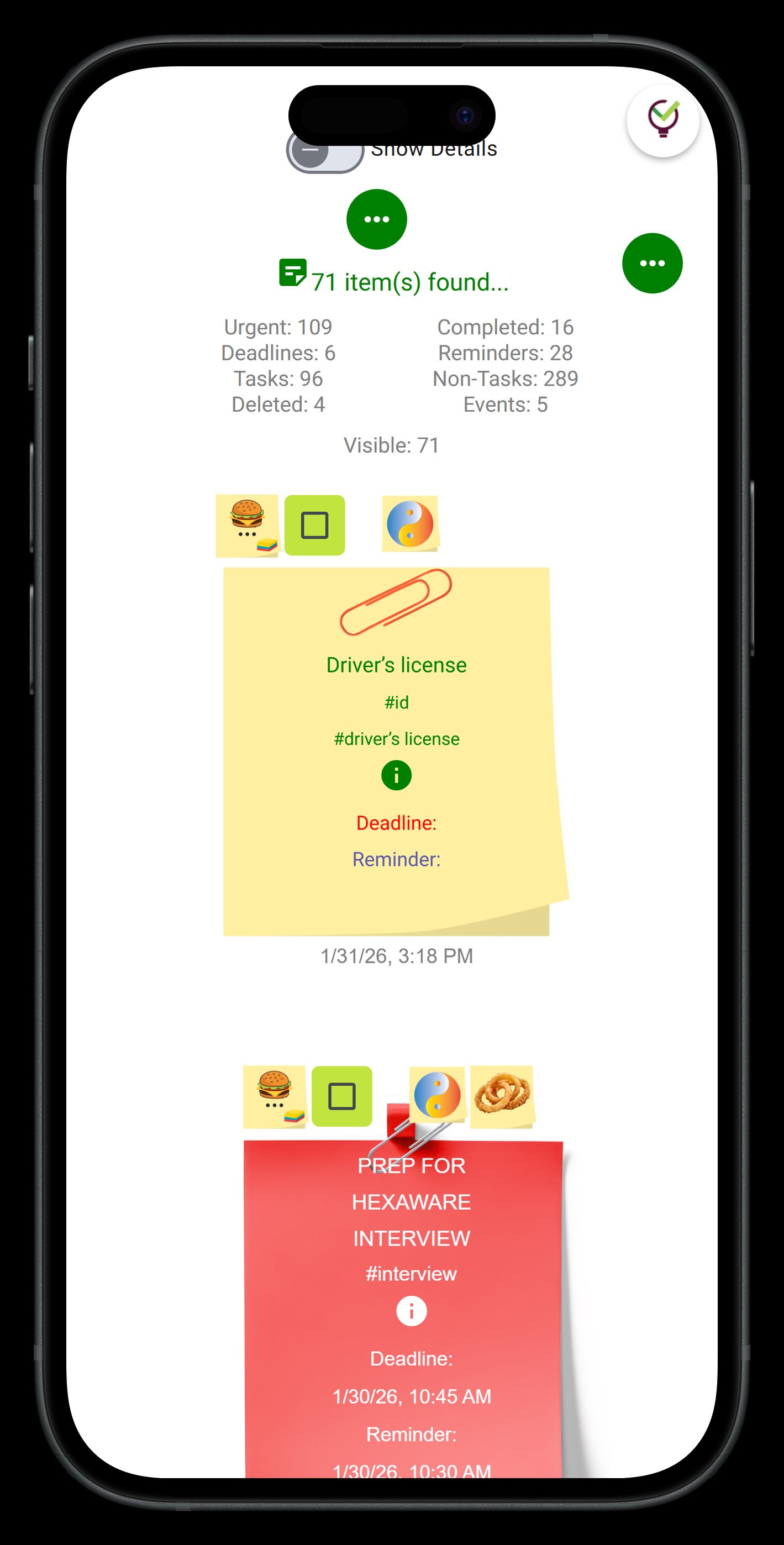
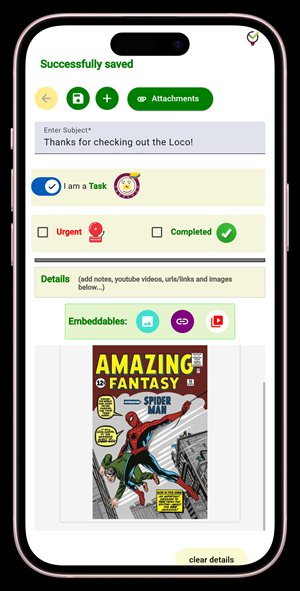
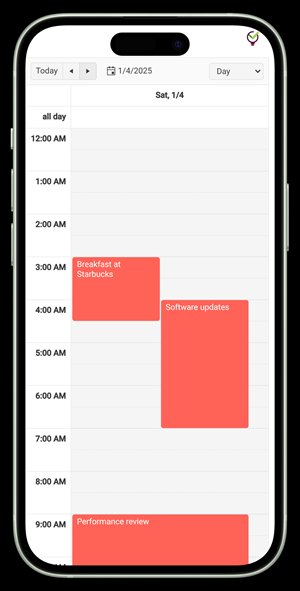
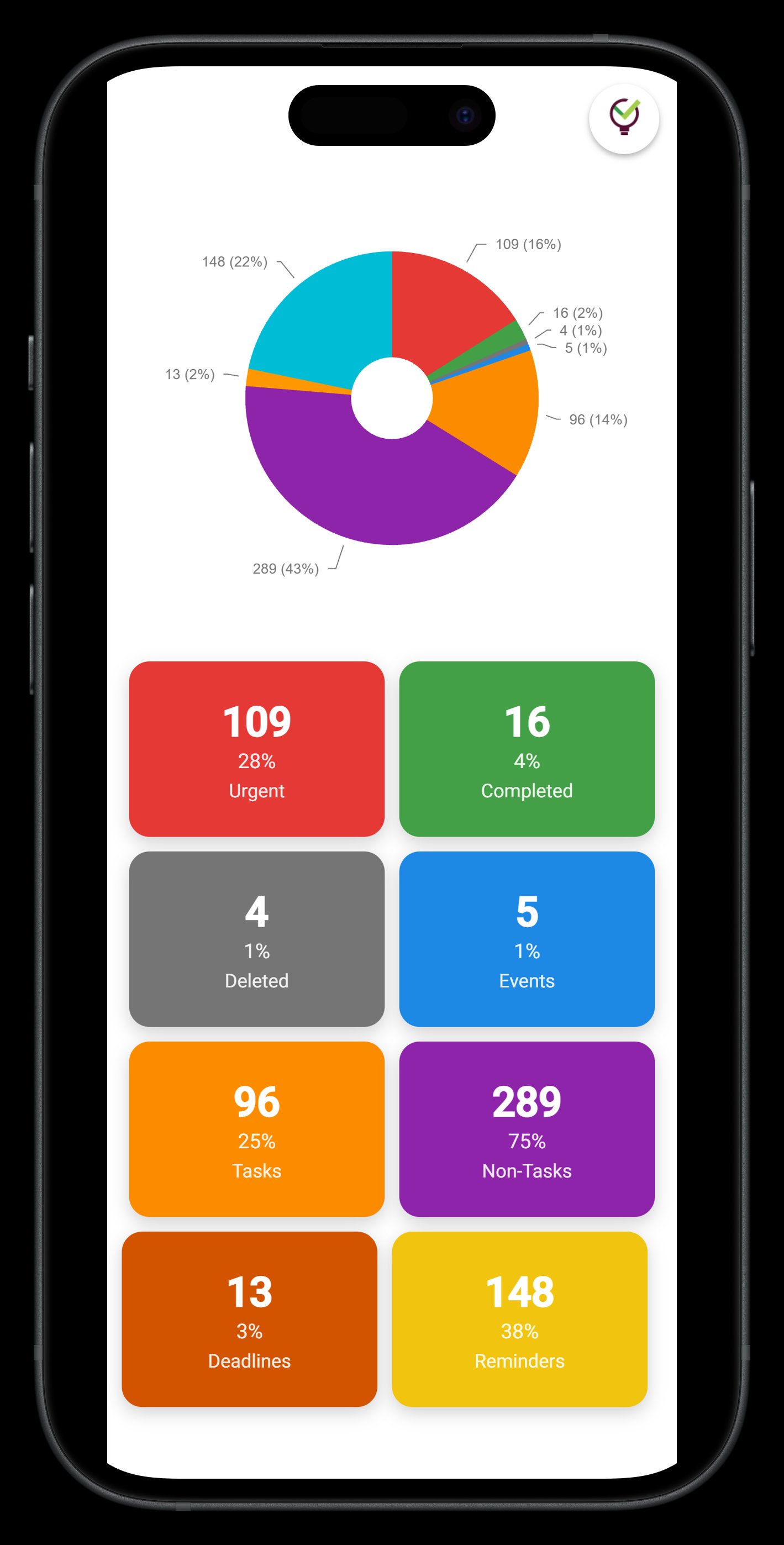
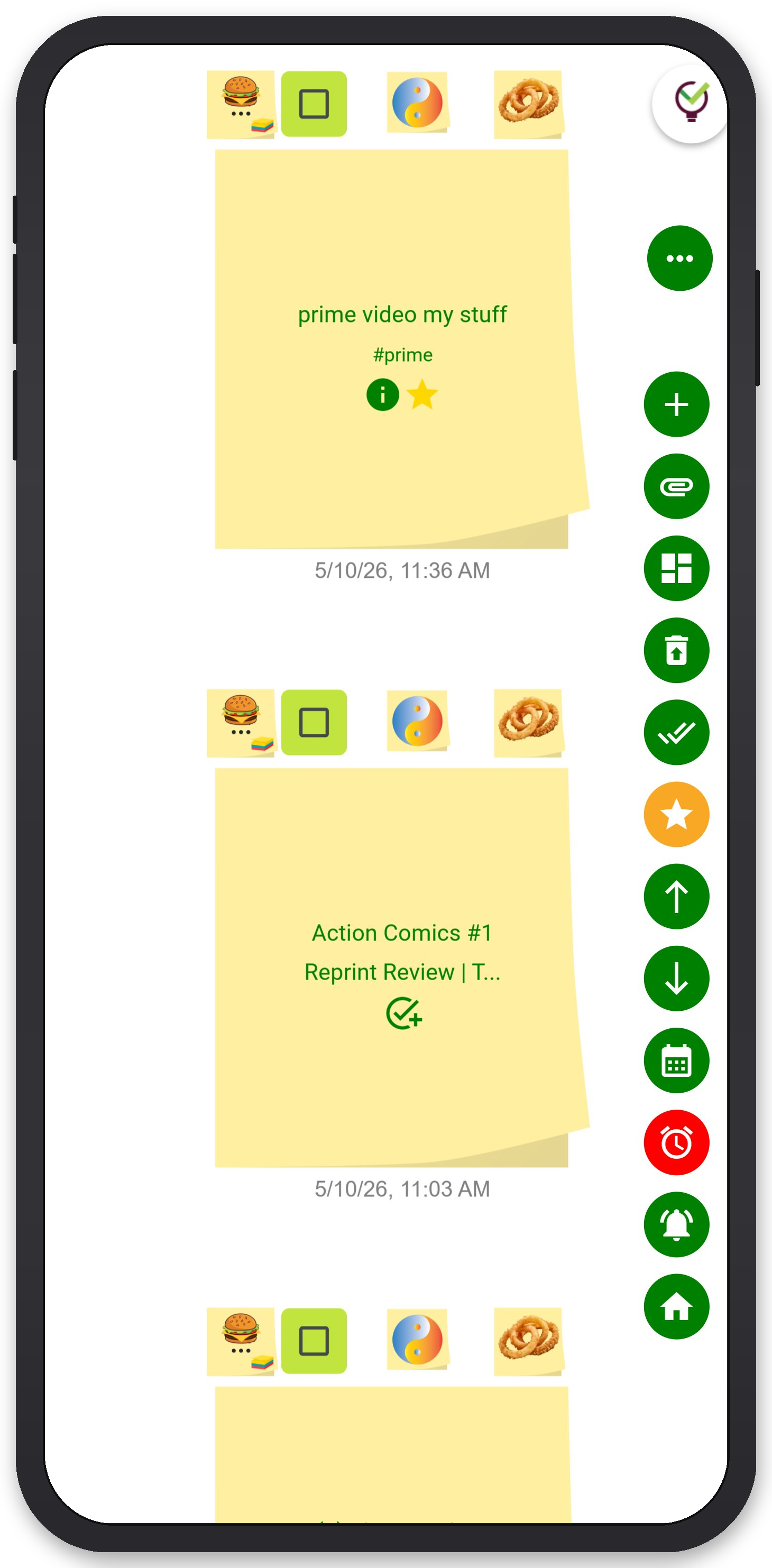
TaskLoco takes a sticky note approach that mimics the tactile, visual nature of handwritten tasks. Each task becomes a discrete visual object you can move, arrange, and organize — preserving the spatial memory benefits of physical notes while adding digital features like reminders and file attachments.
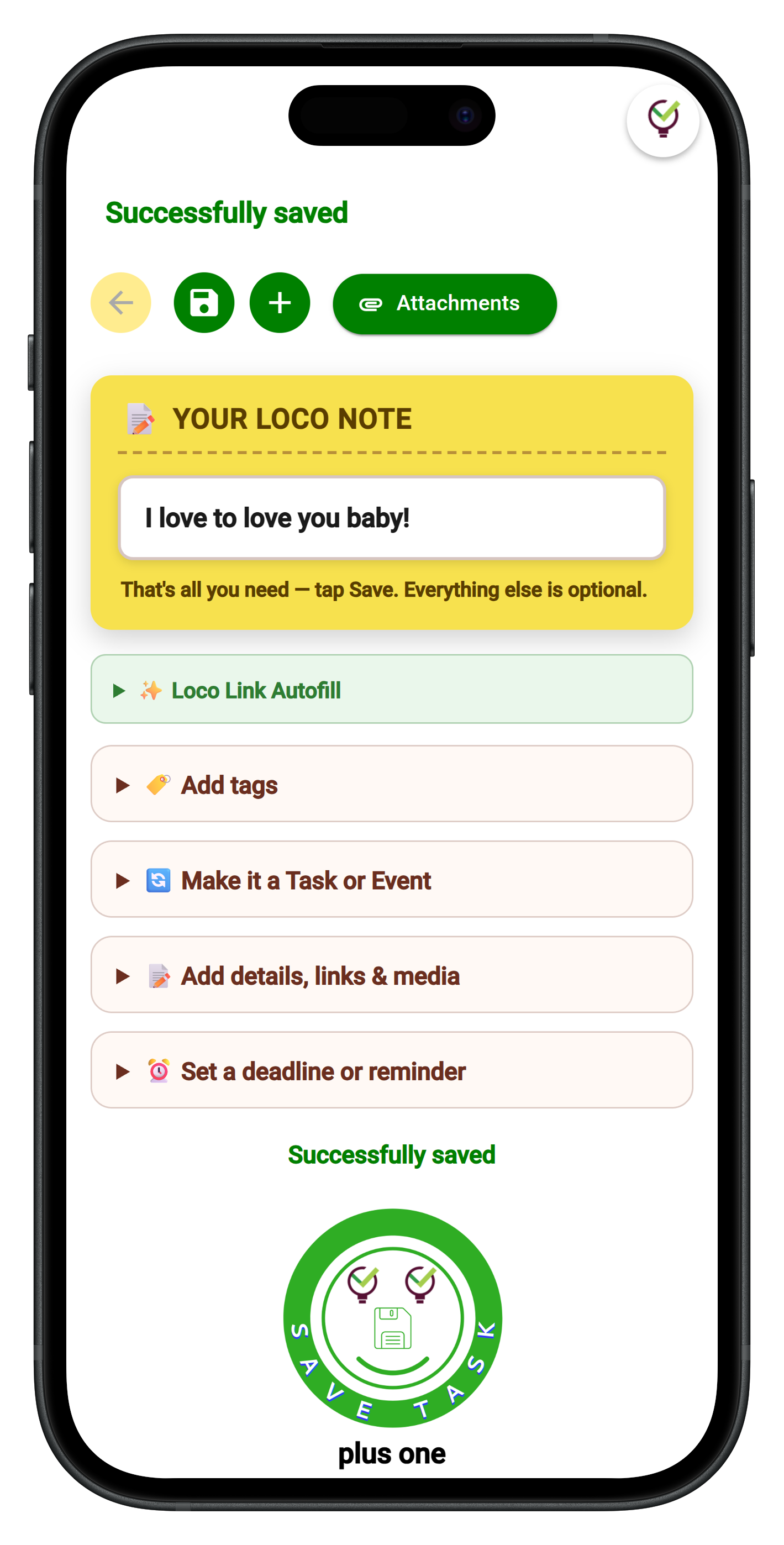
The platform encourages quick, focused task capture without complex menus or overwhelming feature sets. This simplicity maintains the cognitive clarity that makes handwritten task lists effective while solving common analog problems like lost notebooks or illegible handwriting.
TaskLoco Premium is regularly $9.99/month per person. Right now, charter members can lock in 50% off the regular price — forever. That means $4.99/month per person today. And if our price ever goes up, you still pay half. Always.
Code CHARTER50 auto-applies at checkout. First 500 spots only — once they're gone, this offer is gone permanently. Act fast while spots last.
Every Premium subscription includes unlimited notes, 10GB file storage, reminders, calendar, and team sharing. Each team member requires a separate subscription. 7-day free trial — no charge until day 8. Cancel anytime.
Free Options: TaskLoco
TaskLoco Lite
- Native iPhone & Android app
- Completely anonymous — no sign-in
- Data stays on your device
- Up to 20 notes
- Free forever
TaskLoco Lite Plus+
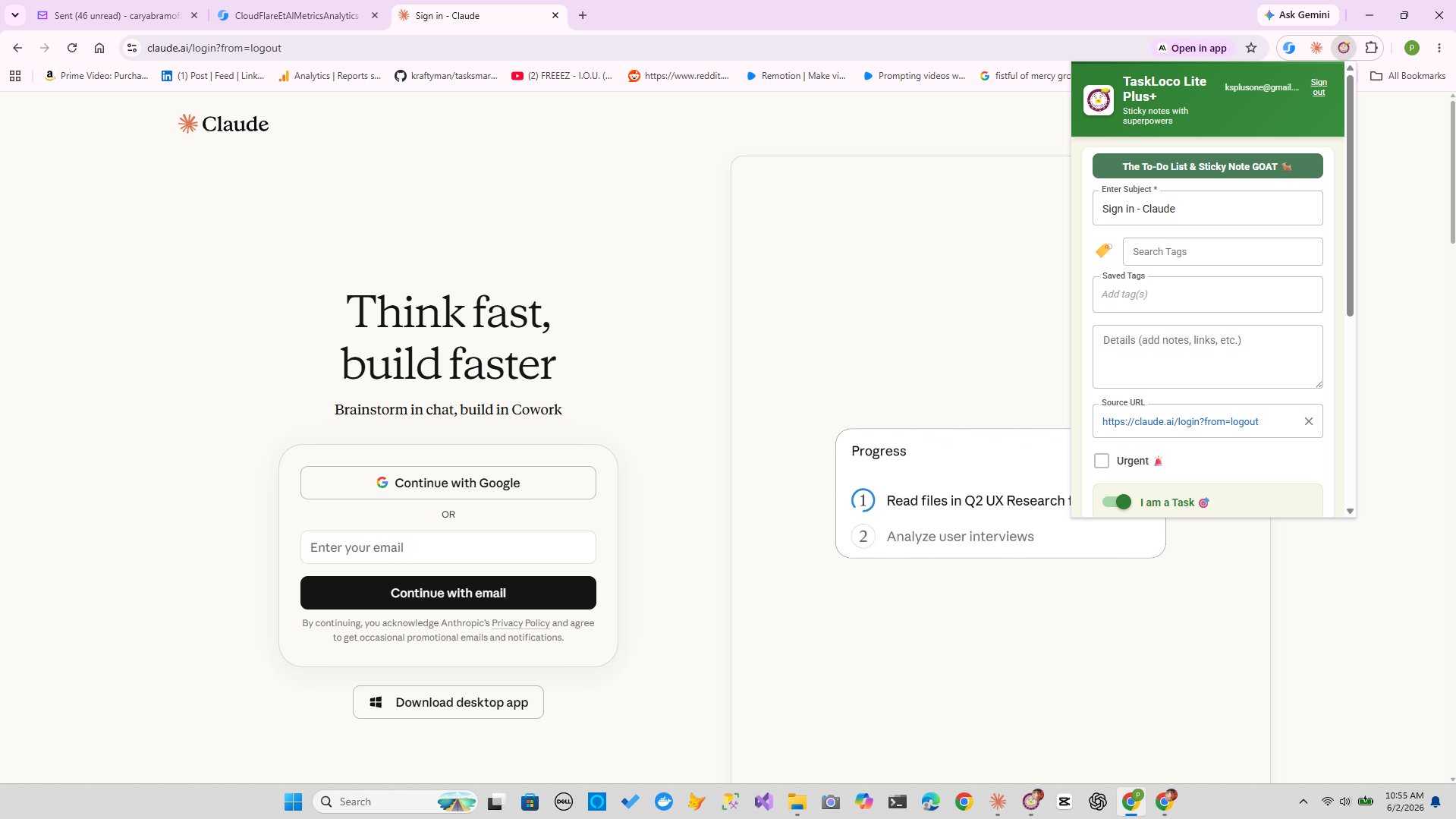
- Web app + Chrome extension
- Sign in with Google
- Wall syncs across all devices
- Up to 30 notes
- Free forever
Lock In 50% Off — Forever
7-day free trial. No charge until day 8. CHARTER50 auto-applies at checkout.
🔒 Lock In My Charter SpotSee TaskLoco in Action
Frequently Asked Questions
Is handwriting really better than typing for memory?
Yes, research consistently shows handwriting activates more brain regions and creates stronger memory pathways than typing. The slower, more deliberate process of handwriting engages motor, visual, and cognitive systems simultaneously, leading to better recall.
How long does it take to see memory improvements from handwriting tasks?
Most people notice improved task recall within 2-3 weeks of consistent handwritten planning. The memory benefits are immediate on a neural level, but building the habit and seeing behavioral changes takes time.
Can I get handwriting benefits from digital writing tools?
Digital writing with a stylus on tablets can provide some handwriting benefits, but research suggests physical pen-on-paper still offers the strongest memory advantages due to the tactile feedback and fine motor control involved.
What if my handwriting is too messy or slow?
Legibility matters less than the cognitive process of handwriting itself. Even messy handwriting provides memory benefits because your brain still engages in the active encoding process. Speed improves with practice.
Should I abandon digital task management entirely?
No — the optimal approach combines handwritten planning with digital organization. Write tasks by hand for memory benefits, then use digital tools for reminders, scheduling, and team collaboration where handwriting falls short.
Does this work for all types of tasks and information?
Handwriting benefits are strongest for conceptual information, goals, and action items. For purely factual data entry or long-form content creation, typing may be more practical while still incorporating handwritten planning phases.
How can I make handwritten task planning more efficient?
Use abbreviated notation, develop consistent symbols for different task types, and focus on key words rather than full sentences. The goal is engaging your brain's encoding process, not creating perfect prose.
Born in Brooklyn. Powered by AWS. Your data stays yours.
TaskLoco is available on iPhone, Android, Chrome, and every web browser.