Most people think momentum is something that happens to them — a burst of energy, a good week, a lucky streak. They're waiting for the feeling before they start. That's backwards. Momentum is the output of a system, not the input. You don't feel your way into action; you act your way into feeling.
The science is unambiguous: small, consistent actions trigger a neurological feedback loop. Each completed task releases a small dose of dopamine, which makes starting the next task slightly easier. Over time, this compounds. The hardest part is never the middle — it's the first three days. Get through those, and the system starts carrying you instead of the other way around.
The Physics of Momentum: Why Small Wins Are the Only Wins That Matter
Newton's first law applies to human behavior just as well as it does to objects. A body at rest stays at rest. A body in motion stays in motion. The goal, then, is not to summon a massive burst of energy — it's to get in motion at all.
This is why the concept of the minimum viable action is so powerful. Instead of committing to an hour of focused work, commit to two minutes. Instead of planning to write 1,000 words, commit to opening the document and writing one sentence. These sound embarrassingly small, and that's exactly the point. Your brain cannot generate resistance to a task that small. Once you start, inertia takes over.
Research on habit formation consistently shows that the biggest predictor of long-term behavior change isn't motivation or willpower — it's lowering the activation energy required to start. Every barrier you remove from the beginning of a task increases the probability you complete it.
Practically, this means:
- Shrink the first step. If you want to exercise, your first step is putting on your shoes — not the workout itself.
- Prepare your environment the night before. Remove friction from tomorrow-you by front-loading the setup today.
- Define done clearly. Vague tasks don't get started. "Work on the report" loses to "write the introduction paragraph" every time.
The Streak System: How to Protect Momentum Once You Have It
Starting is hard. Maintaining is actually easier — if you build the right guardrails. The most effective guardrail is a streak, sometimes called a don't-break-the-chain system, popularized by Jerry Seinfeld's approach to writing jokes every single day and marking an X on a calendar. The mechanics are simple. The psychology is surprisingly powerful.
Once you have a streak of three, five, or ten days, you gain a new motivator: not losing the streak. The aversion to breaking a pattern you've built is often stronger than the motivation to start one. This is loss aversion working in your favor for once.
How to implement a streak system that actually holds:
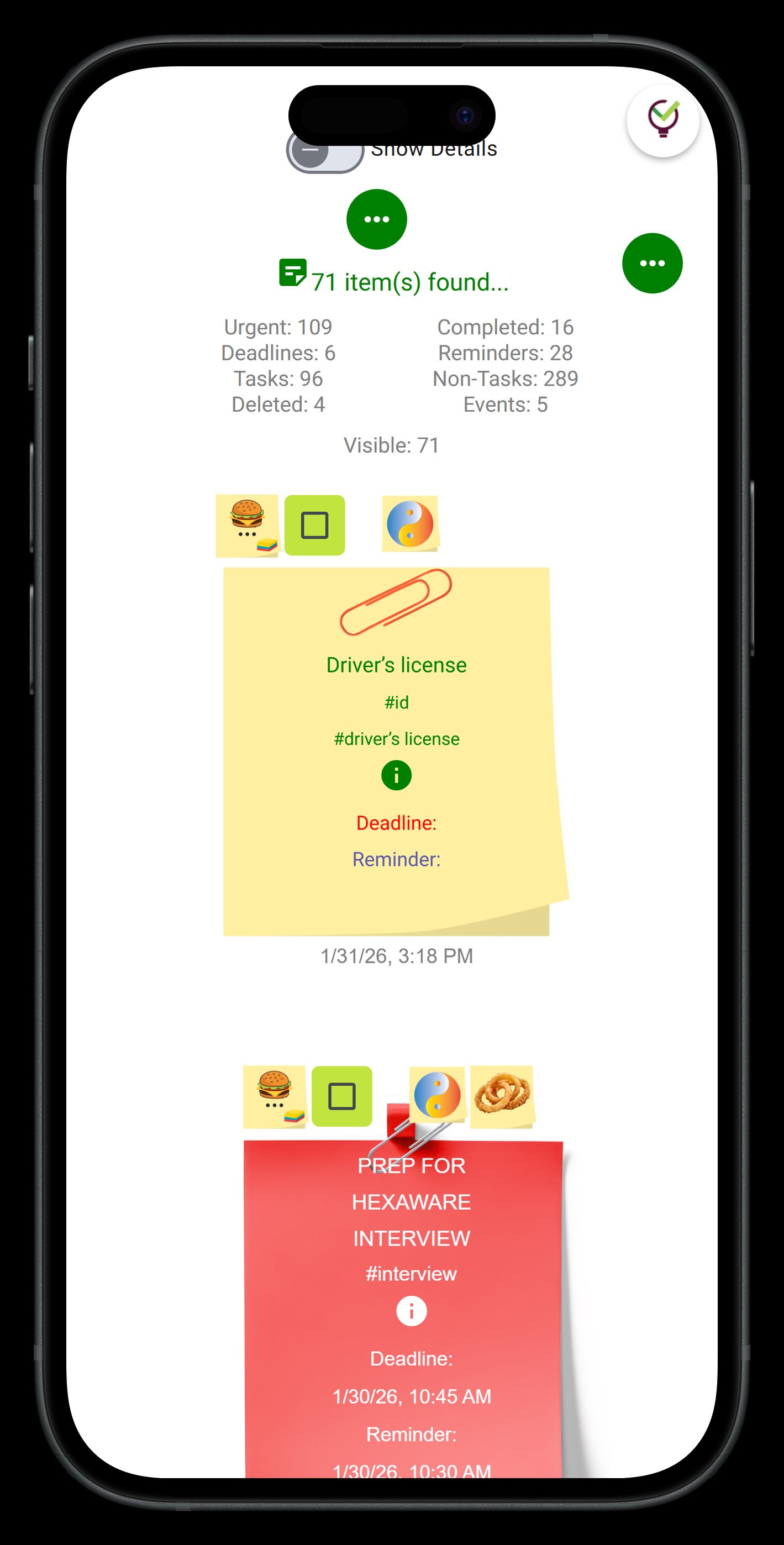
- Make it visible. A streak you can't see is a streak you'll forget. Post it somewhere you look every single day — your desk, your phone's home screen, a sticky note on the bathroom mirror.
- Define the minimum count day. On bad days, what's the smallest action that still counts? Define this in advance. If your streak is "write every day," a count day might be three sentences. Know your floor before you hit a hard day.
- Never miss twice. One missed day is a slip. Two missed days is the start of a new habit — a bad one. If you break the streak, restart the very next day, not next Monday.
- Stack your streak on an anchor habit. Attach the new behavior to something you already do automatically — morning coffee, brushing teeth, the first thing after sitting at your desk.
The compounding effect of streaks extends beyond the habit itself. After a few weeks, you'll notice your identity shifting. You start thinking of yourself as "someone who works out" or "someone who writes every day" rather than "someone trying to." Identity-level change is the most durable form of behavior change there is.
Protecting Your Momentum: The Enemies and How to Beat Them
Momentum has enemies. Knowing them by name means you can neutralize them before they derail you.
1. Perfectionism. The most common momentum killer. Perfectionism sounds like high standards but functions like paralysis. The solution is to define "done" before you start, not after. Ship the imperfect version. A completed 80% is worth more than a theoretical 100% that never ships.
2. Multitasking and context switching. Every time you switch tasks, you pay a cognitive tax called the switching cost — your brain takes 15–25 minutes to fully re-engage with deep work after an interruption. Protect your first 90 minutes of work each day like they're sacred. Do the single most important thing before you open email or messages.
3. Vague goals. "Be more productive" is not a goal. "Ship the draft by Thursday at 3pm" is a goal. Vagueness guarantees drift because there's no clear signal for when you've succeeded. Use the format: I will [action] by [deadline] measured by [outcome].
4. The planning trap. Planning feels like progress. It is not. Planning is preparation for progress. Set a hard limit — spend no more than 20% of your time planning and 80% executing. If you find yourself reorganizing your to-do list for the third time today, that's a warning sign.
5. Recovery without rebuilding. Rest is not the enemy of momentum — unstructured rest is. When you take a break, schedule the exact moment you return to work. Open loops are cognitively expensive; a closed loop ("I'll pick this back up at 2pm") lets your brain actually rest.
How TaskLoco Helps You Build and Track Momentum
Everything above works with a paper notebook. But if you want a digital system that keeps your momentum visible and your tasks connected, TaskLoco was built exactly for this kind of work.
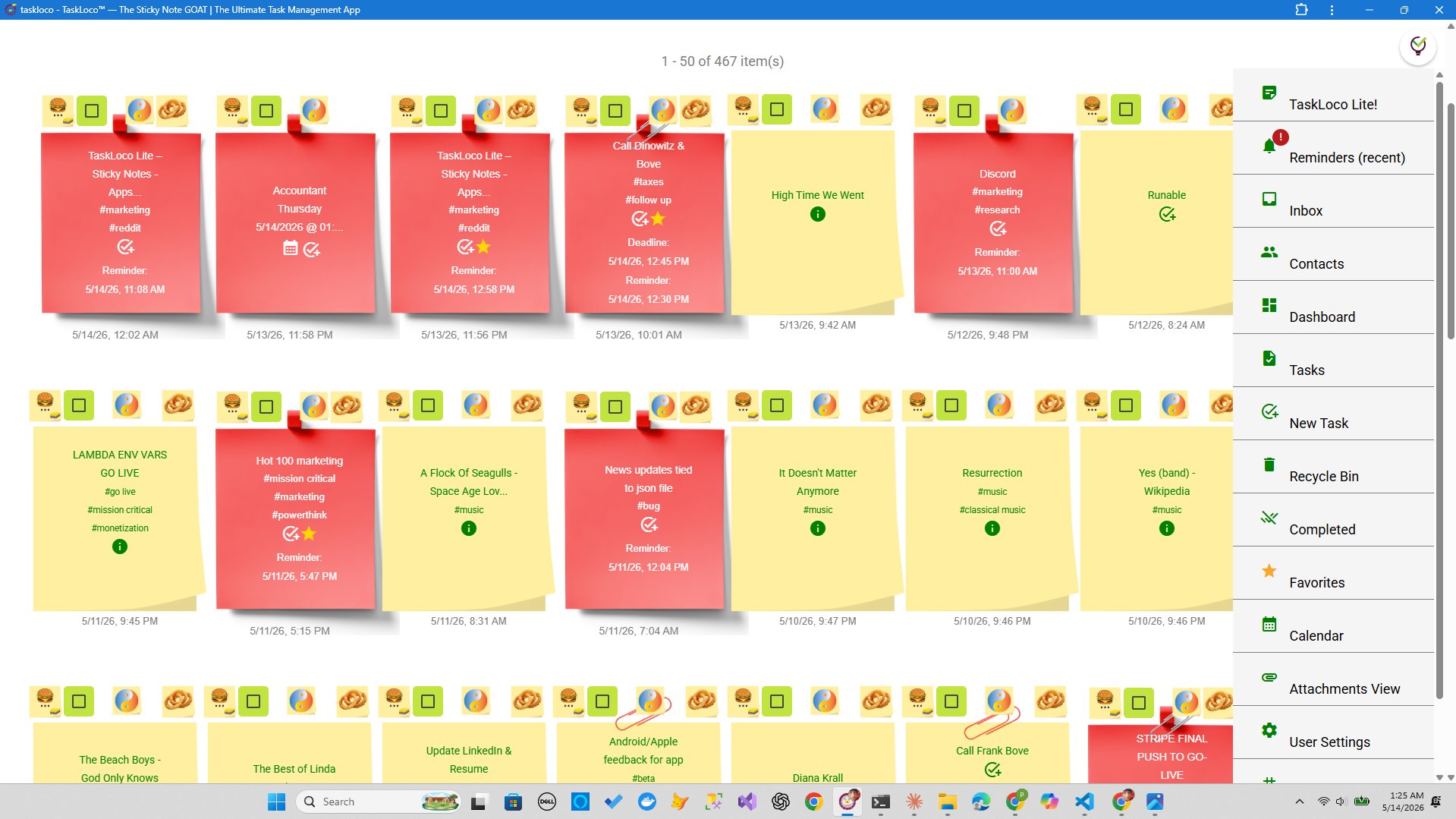
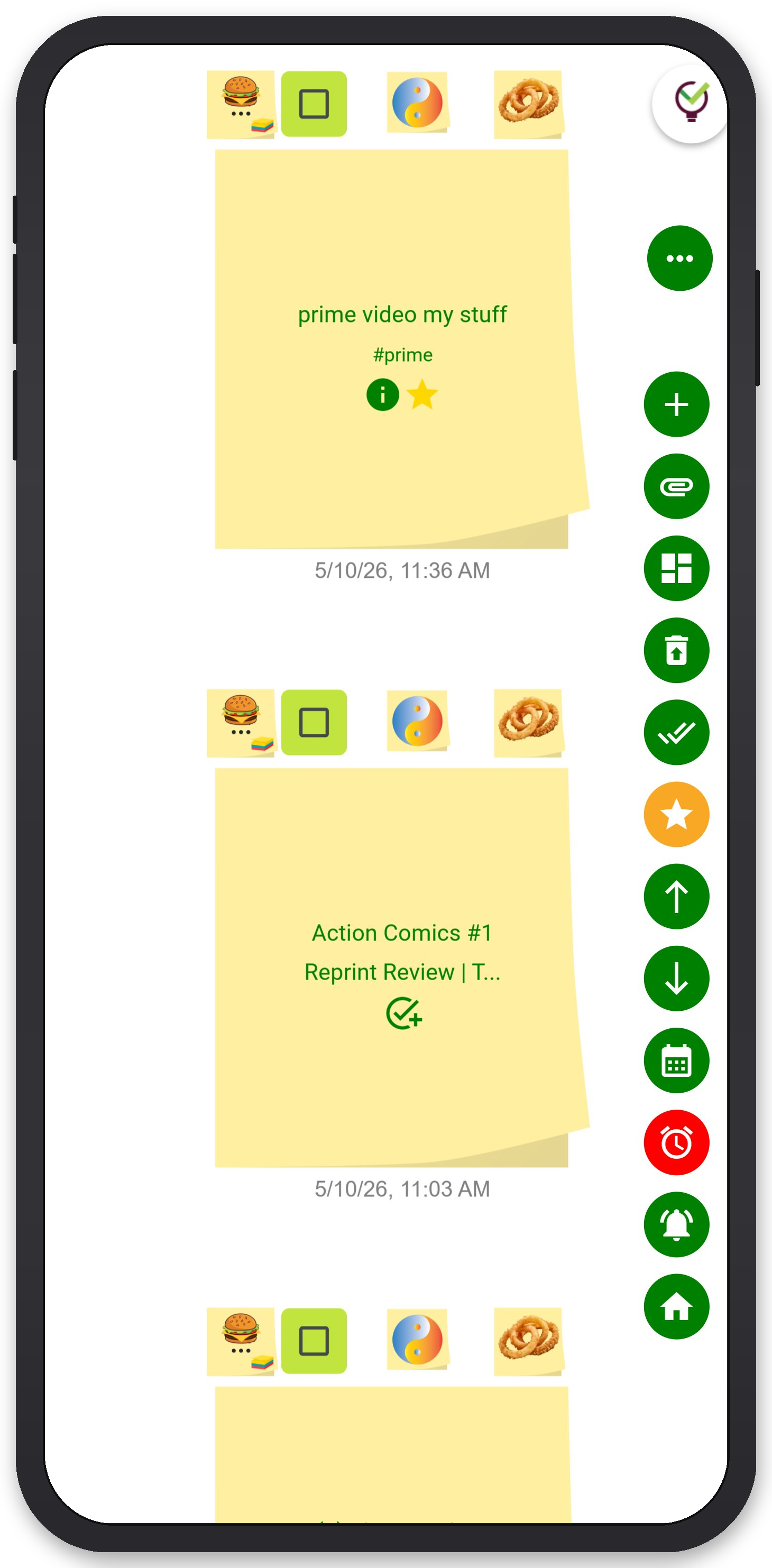
The core of TaskLoco is a sticky-note-style wall where you can organize your minimum viable actions by project, day, or streak. Unlike heavy project management tools, there's no setup overhead — you open it, write your task, and move. The friction is low enough that it actually gets used.
A few ways TaskLoco supports the momentum system described here:
- Premium reminders delivered as push notifications — when you set a reminder on a note, it fires as a push notification directly to your phone or computer, and deep-links straight back to the note that triggered it. No hunting for context. Optional email and SMS notifications are available too.
- Team sharing that works like email — share a note and the recipient can clone it and make it their own, no permissions setup required. Momentum on shared goals stays visible to everyone who needs it.
- 10GB file storage — attach the reference doc, the screenshot, the spec to the note itself. No more "where was that file?" breaking your stride.
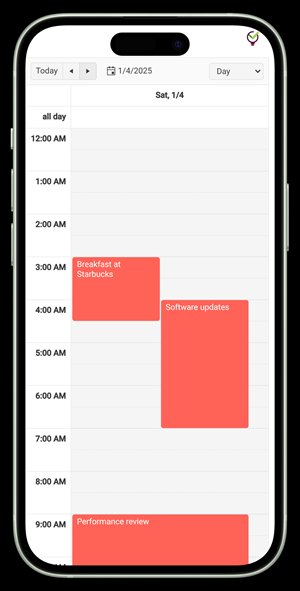
- Calendar view — see your tasks and deadlines in calendar format, so streak days and deadlines stay visible at the week level.
- Unlimited notes and tasks — capture every small action, every streak marker, every daily win without hitting a ceiling.
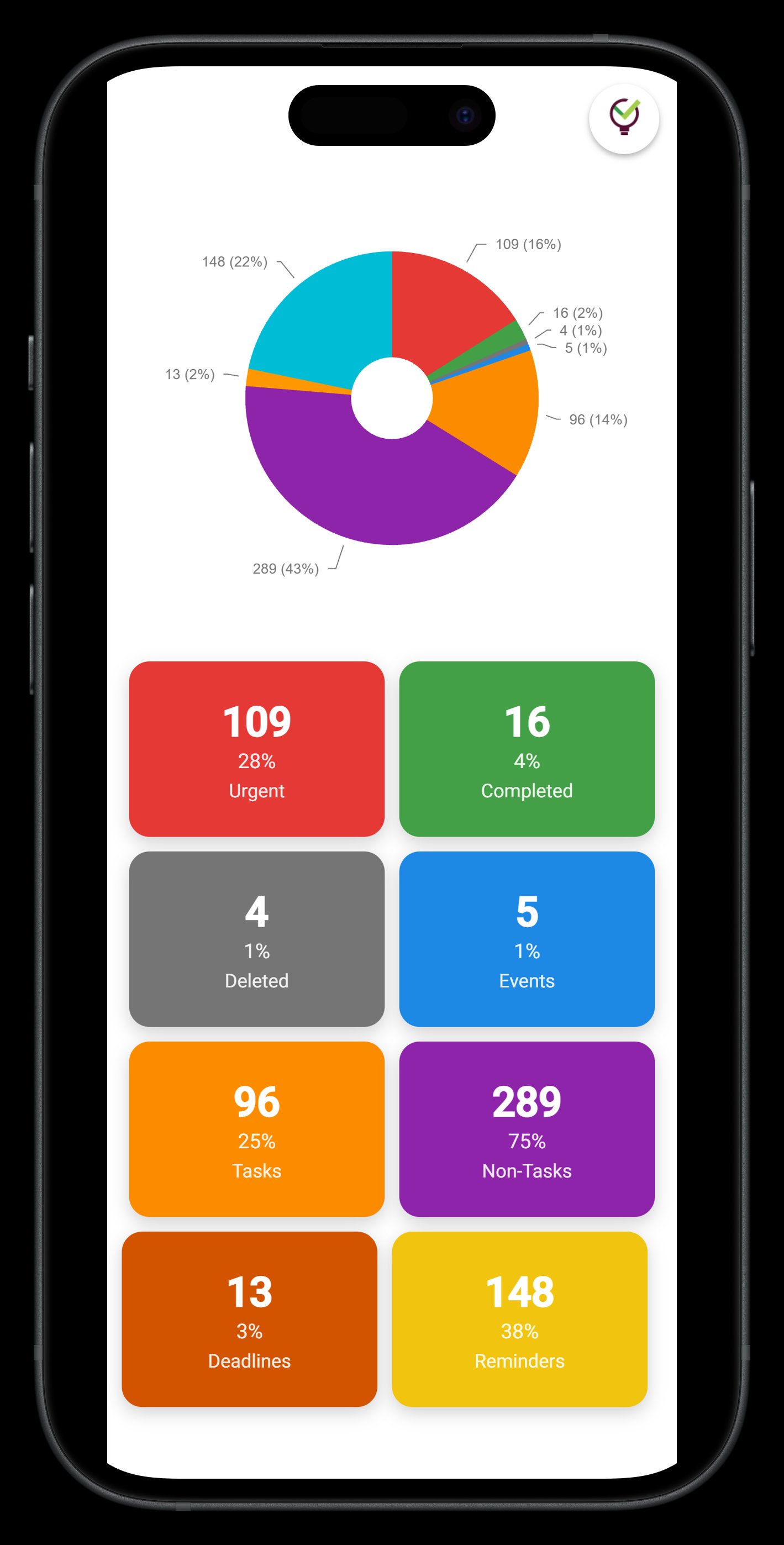
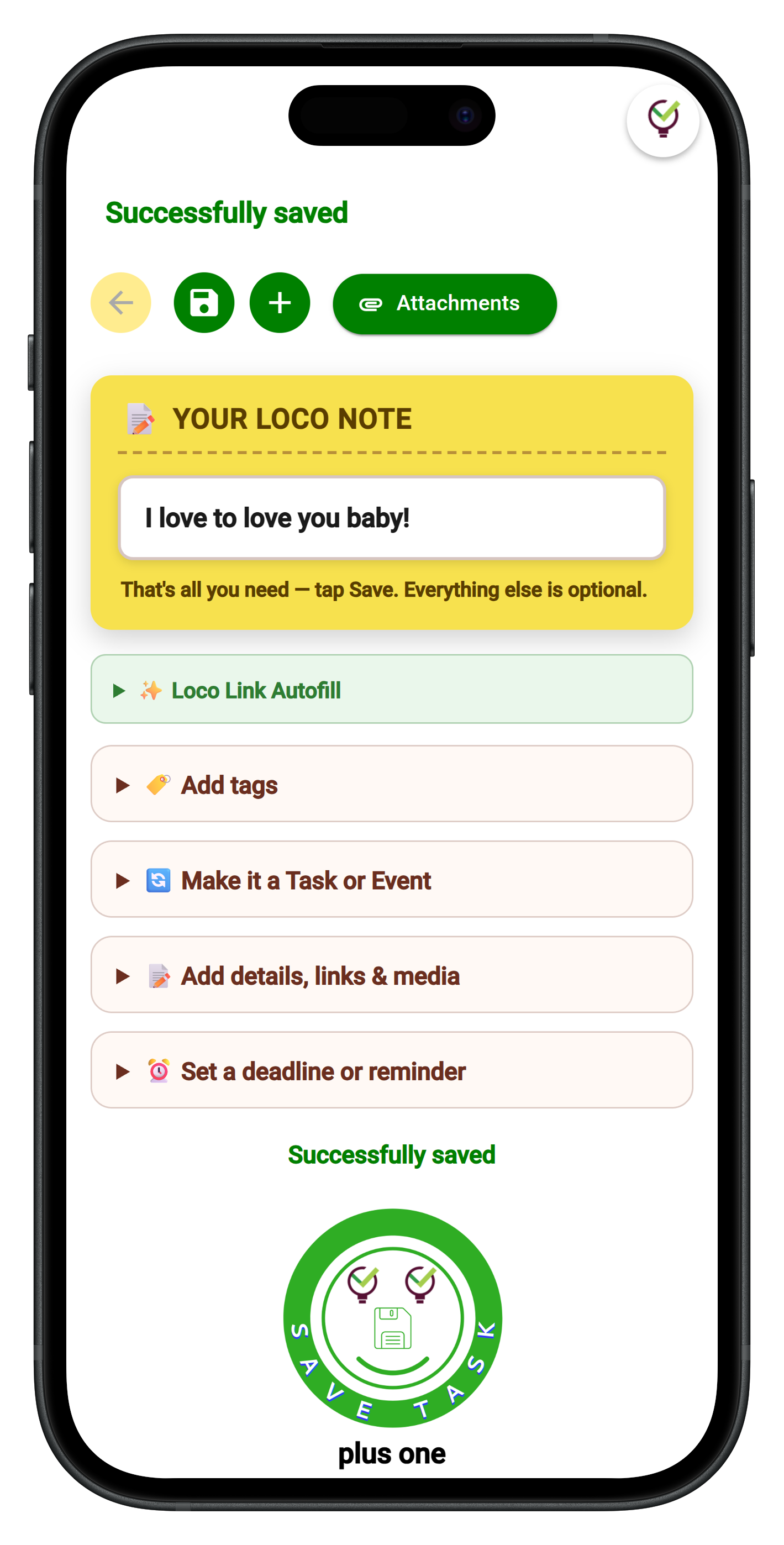
If you're just starting and want zero commitment, TaskLoco Lite is a completely free, anonymous native app (iPhone and Android) that requires no account and no sign-in — store up to 20 notes on your device and start immediately. When you're ready for reminders, file attachments, and team sharing, TaskLoco Premium is the full system.
TaskLoco Premium is regularly $9.99/month per person. Right now, charter members can lock in 50% off the regular price — forever. That means $4.99/month per person today. And if our price ever goes up, you still pay half. Always.
Code CHARTER50 auto-applies at checkout. First 500 spots only — once they're gone, this offer is gone permanently. Act fast while spots last.
Every Premium subscription includes unlimited notes, 10GB file storage, reminders, calendar, and team sharing. Each team member requires a separate subscription. 7-day free trial — no charge until day 8. Cancel anytime.
Free Options: TaskLoco
TaskLoco Lite
- Native iPhone & Android app
- Completely anonymous — no sign-in
- Data stays on your device
- Up to 20 notes
- Free forever
TaskLoco Lite Plus+
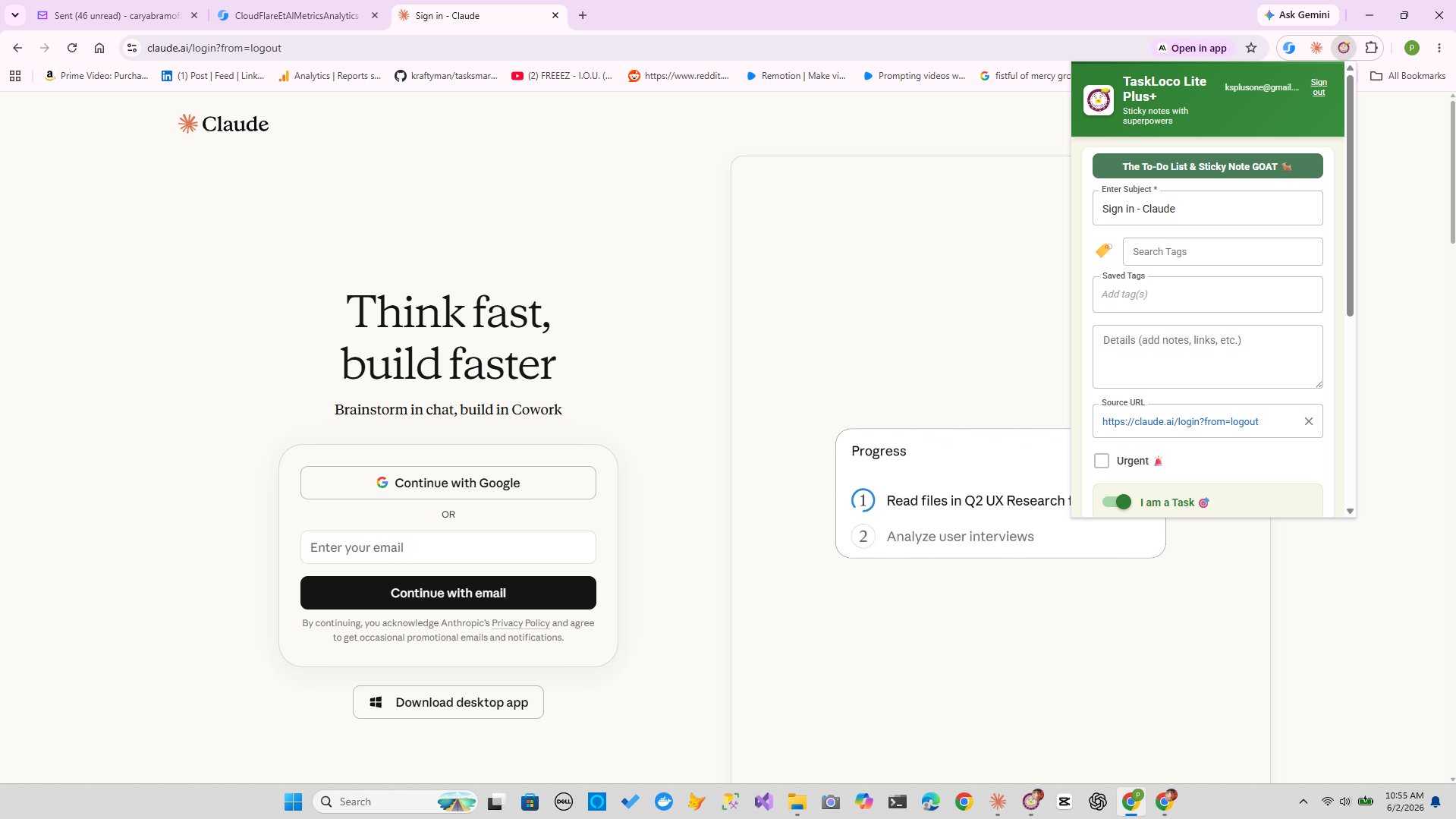
- Web app + Chrome extension
- Sign in with Google
- Wall syncs across all devices
- Up to 30 notes
- Free forever
Lock In 50% Off — Forever
7-day free trial. No charge until day 8. CHARTER50 auto-applies at checkout.
🔒 Lock In My Charter SpotSee TaskLoco in Action
Frequently Asked Questions
How long does it take to build real momentum?
Most people feel the shift within three to five days of consistent small actions — not because a habit is formed, but because the identity shift begins. You start thinking of yourself as someone who does the thing. True behavioral momentum, where the habit runs on autopilot with minimal friction, typically takes 6–10 weeks of consistent repetition. Don't measure by how motivated you feel. Measure by whether you showed up today.
What's the best way to restart momentum after losing it?
Restart as small as possible and as soon as possible. Don't wait for Monday or the first of the month — restart the next day. Use your minimum viable action (the smallest thing that still counts) and do only that for the first three days back. Trying to compensate with a massive effort after a break usually leads to burnout and another stop. Slow and steady re-entry wins every time.
Does motivation come before or after momentum?
After. Almost always after. Motivation is a byproduct of action, not a prerequisite for it. The neuroscience is clear: dopamine released by completing even a tiny task creates the feeling we associate with motivation. Waiting to feel motivated before starting is the most reliable way to never start. Take the action first. The feeling follows.
How do I maintain momentum when I'm overwhelmed?
Pick one thing. Not your most important thing — your most completable thing. Cross it off. That single win resets the brain's overwhelm response and creates the neurological opening for the next action. Then pick one more. The list doesn't shrink by staring at it. It shrinks by starting at any point on it.
Can I build momentum on multiple goals at once?
Yes, but carefully. The research on habit formation suggests that running more than three new habits simultaneously significantly reduces the success rate of all of them. If you're building momentum across multiple areas, stack your habits sequentially — establish one solidly before adding the next — or batch them into a single morning routine so they share one trigger and one streak.
How does TaskLoco help with building momentum?
TaskLoco keeps your tasks, reminders, and goals in one visible, low-friction place. Premium reminders fire as push notifications and deep-link back to the exact note that triggered them — no context lost, no hunting required. The sticky-note wall format is designed to make starting tasks feel as easy as picking up a Post-it. $9.99/month per person (currently $4.99/month per person for first 500 charter members with code CHARTER50)
Is there a free way to try TaskLoco for momentum tracking?
Yes. TaskLoco Lite is a completely free native app (iPhone and Android) — anonymous, no sign-in, no account required. Store up to 20 notes directly on your device and start immediately. For reminders, file attachments, calendar view, team sharing, and unlimited notes, TaskLoco Premium includes a 7-day free trial with no charge until day 8. $9.99/month per person (currently $4.99/month per person for first 500 charter members with code CHARTER50)
Born in Brooklyn. Powered by AWS. Your data stays yours.
TaskLoco is available on iPhone, Android, Chrome, and every web browser.