Let's be honest about Obsidian first: it is one of the most thoughtfully designed knowledge tools ever built. The graph view is genuinely beautiful. Bidirectional linking is powerful. And if you're a developer, a researcher, or someone who actually enjoys tinkering with plugins, Obsidian can become an almost bespoke second brain. That's a real strength, and it's why Obsidian has a devoted following.
But here's what Obsidian's fans don't always say out loud: getting Obsidian to do what you actually need — reminders, file attachments, team sharing, cross-device sync that just works — requires plugins, configuration, and a non-trivial amount of time. For a lot of people, the tool becomes the project. TaskLoco is built around the opposite idea: your notes are the project. Everything else — reminders, calendar, file storage, team sharing — ships out of the box, works on day one, and never asks you to read a forum post to make it function.
Where Obsidian Genuinely Wins (And Why That Still Isn't Enough for Most People)
Obsidian's graph view — the visual map of how your notes connect — is one of the most compelling interfaces in productivity software. If you're building a personal knowledge base across thousands of notes over years, that interconnection is genuinely useful. Its plugin ecosystem is also vast: there are community-built plugins for almost anything you can imagine, from Kanban boards to spaced-repetition flashcards.
The catch? Every one of those plugins is a thing you have to find, install, configure, and maintain. Obsidian's core app stores files locally as Markdown on your device — which sounds like a feature until you realize that syncing those files across your phone, laptop, and desktop requires either a paid sync service, a third-party cloud folder setup, or a willingness to manage it yourself. Team sharing means sharing folders, not a built-in collaboration layer.
For solo researchers and developers who want full control over their data and love the tinkering process, this is a feature, not a bug. But for everyone else — people who just want to capture a thought, attach a file, set a reminder, and share it with a colleague — Obsidian's architecture creates friction before you've written a single word.
The Features Obsidian Makes You Build — TaskLoco Ships Them
Here's a concrete comparison of what it takes to get core features working in each tool:
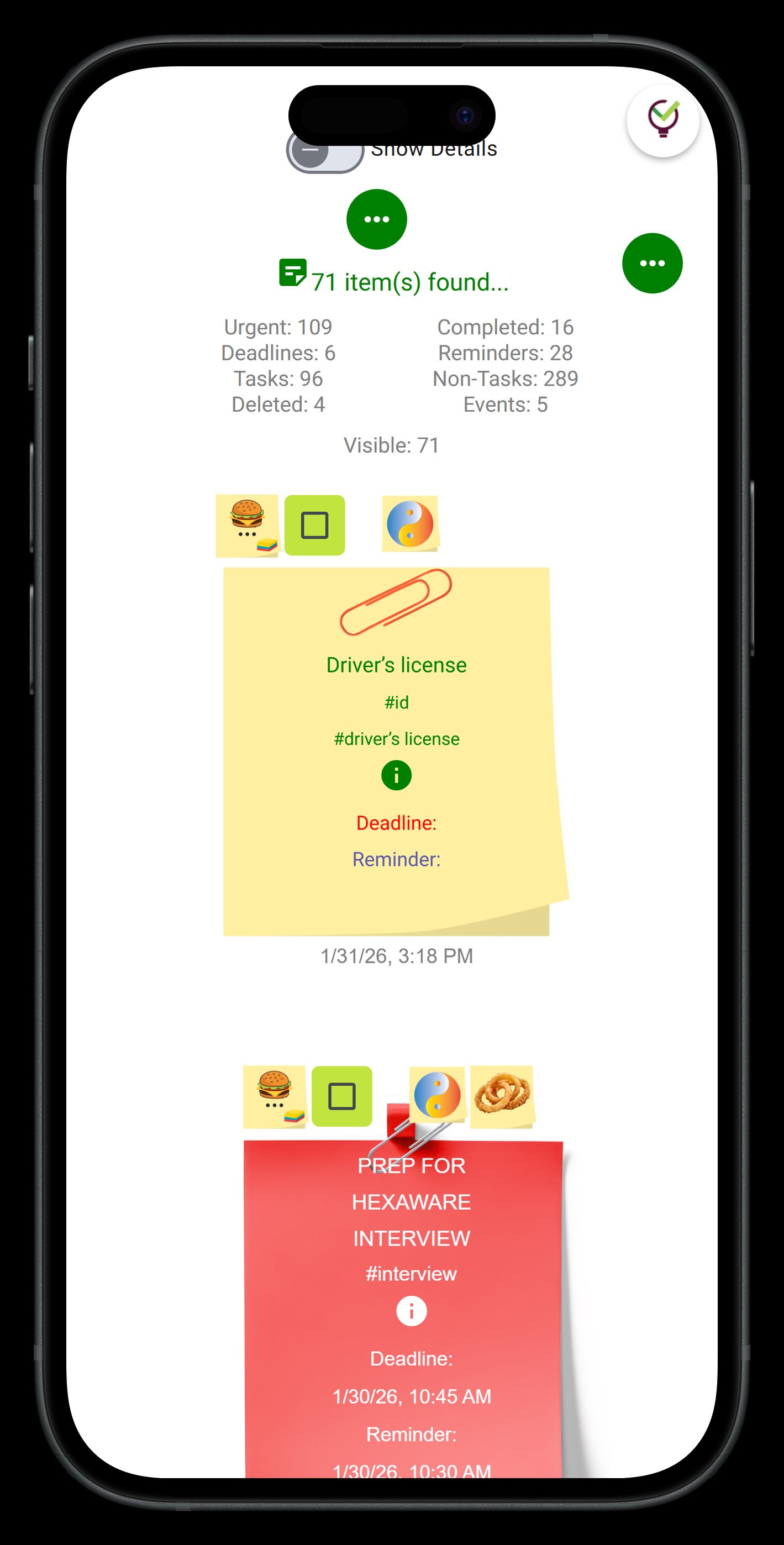
- Reminders: Obsidian has no native reminder system. You need a community plugin (Reminder or Tasks, typically), configured with the right syntax, to get anything close. TaskLoco Premium delivers reminders as push notifications straight to your phone and computer — with optional email and SMS add-ons — and each reminder deep-links directly back to the original note so you land exactly where you need to be.
- File attachments: Obsidian can store files in your vault folder, but there's no built-in storage management or secure sharing link. TaskLoco Premium includes 10GB of file storage per person, with additional tiers available. Files live with the note — no folder hunting.
- Team sharing: Obsidian has no native team sharing. TaskLoco's team sharing works like email: you share a note, the recipient gets it, clones it as their own, and works from there. No permissions matrices, no access levels to manage.
- Calendar view: Another plugin in Obsidian. A built-in feature in TaskLoco Premium.
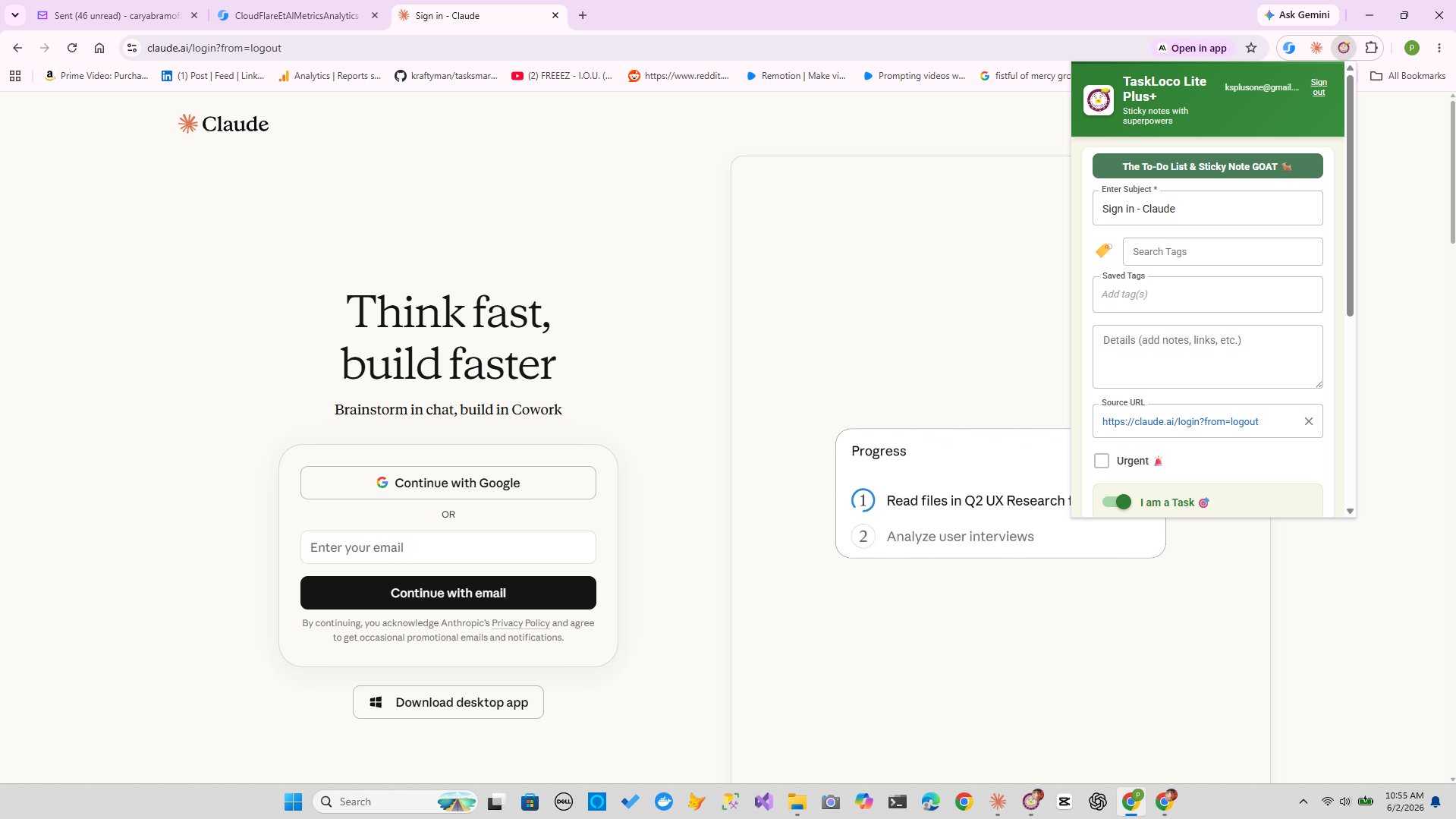
- Chrome extension: TaskLoco's free Chrome extension lets you clip any webpage into a note in one click. Obsidian has browser extensions but they require setup and vault access configuration.
None of this is criticism of Obsidian's design philosophy — it's intentionally modular. But if you're measuring time-to-useful, TaskLoco wins by a wide margin. You sign up, and it works. The wall of notes is there. The reminders are there. The calendar is there. No plugins, no syntax to learn, no vault to configure.
Capturing Ideas Anywhere: The Chrome Extension and Mobile Story
One of the most underrated productivity habits is frictionless capture — the ability to save something the moment you see it, before your brain moves on. TaskLoco's free Chrome extension handles this with a single click: you're reading an article, you hit the extension, and it drops the page directly into a note. No copy-pasting, no tab-switching, no losing the thread.
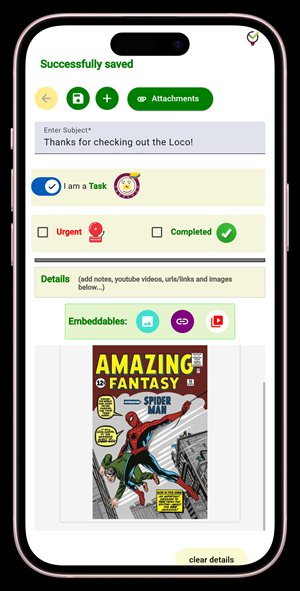
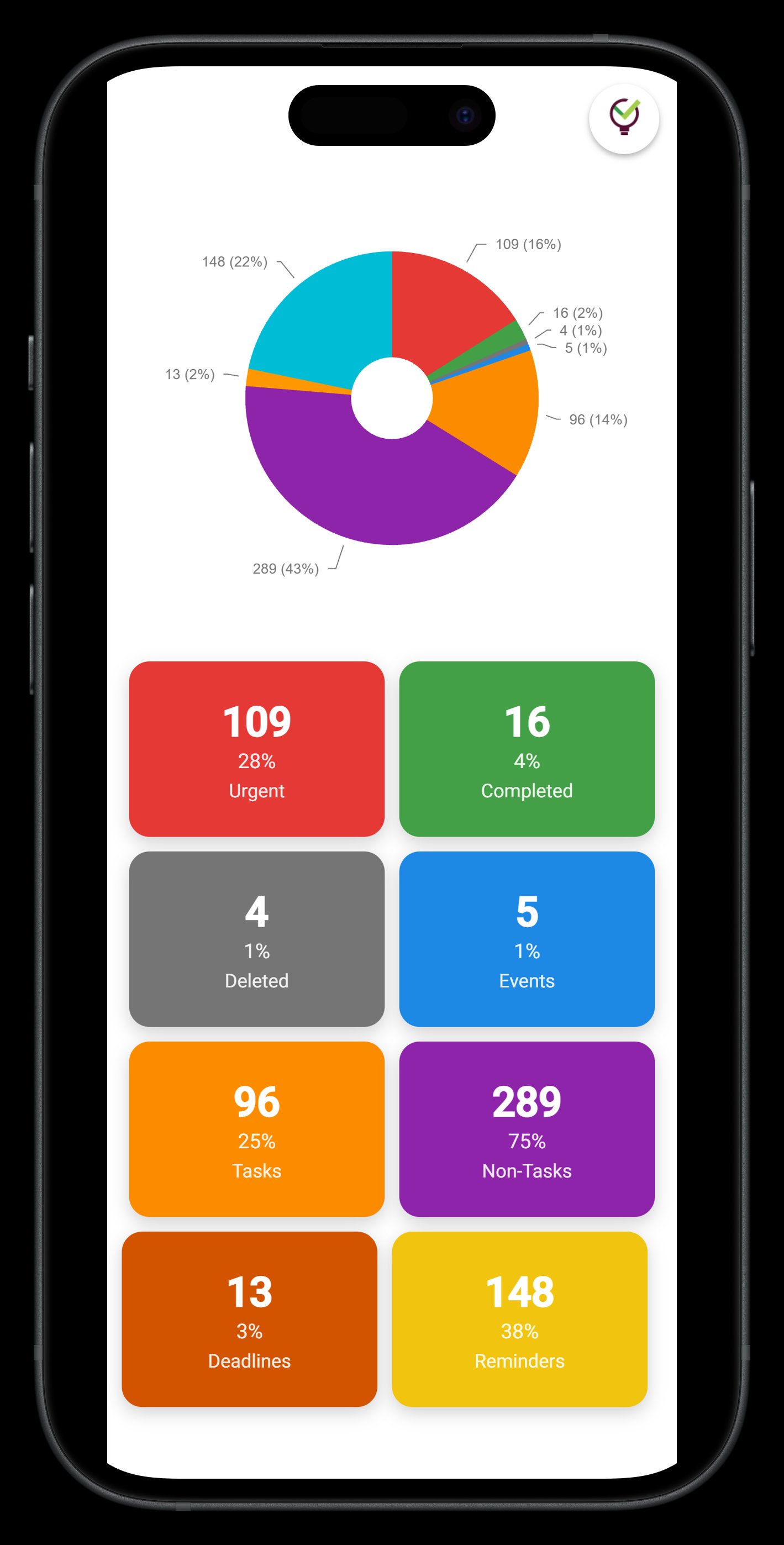
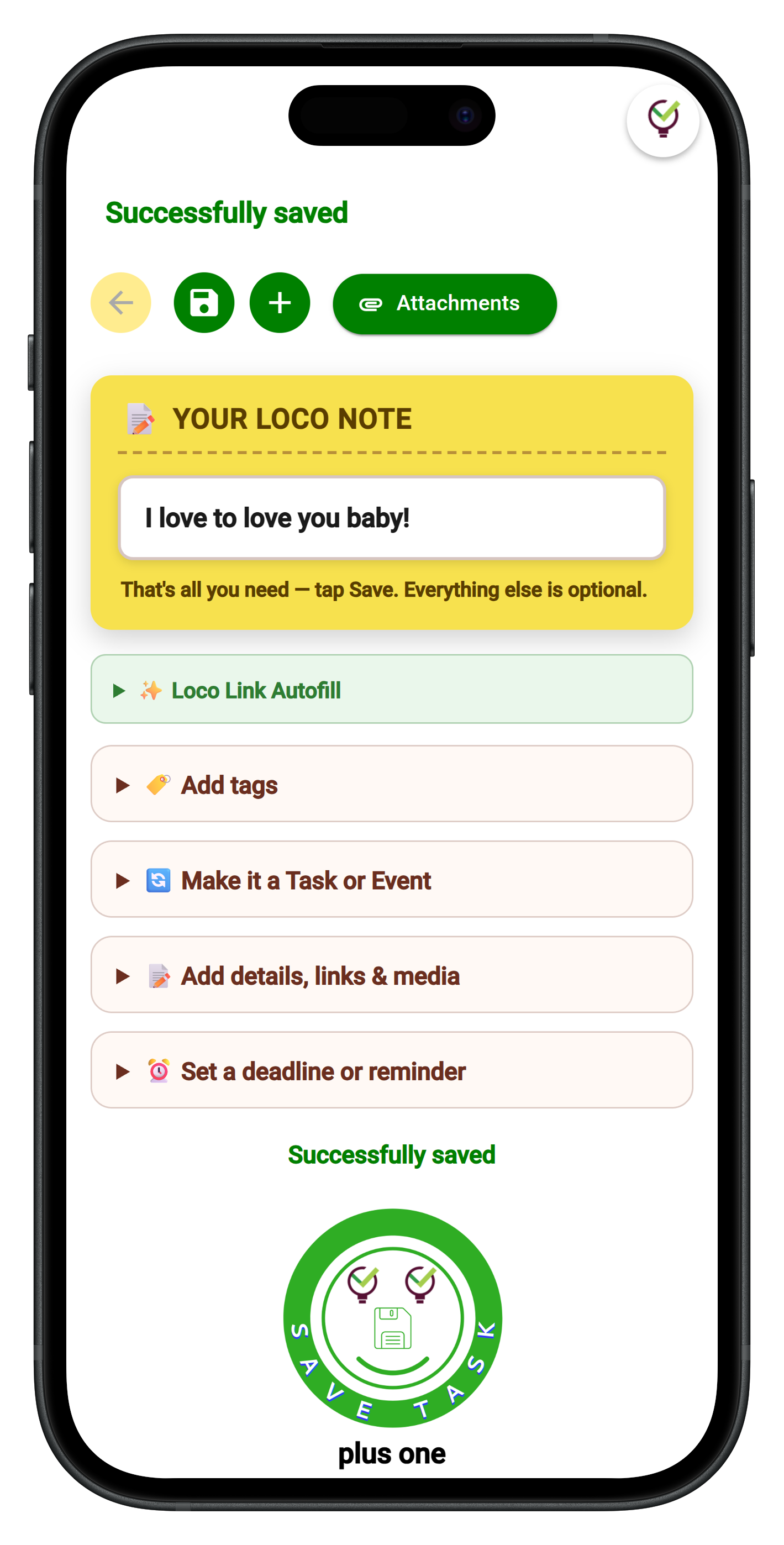
On mobile, TaskLoco Lite is a native iPhone and Android app — completely anonymous, no sign-in required, stores up to 20 notes directly on your device. It's the fastest possible way to get a thought out of your head and into text. For users who want sync across all their devices and access to the full feature set, TaskLoco Lite Plus+ and Premium run through the mobile browser — no native install needed, and they stay in sync across every device you use.
Obsidian does have a mobile app, but syncing it with your desktop vault requires configuration and, for most users, a paid sync subscription on top of the base app. The mobile experience in Obsidian is functional but clearly secondary to the desktop — the graph view, plugin system, and core workflow are all built around a laptop or desktop environment first.
Files, Attachments, and Keeping Everything in One Place
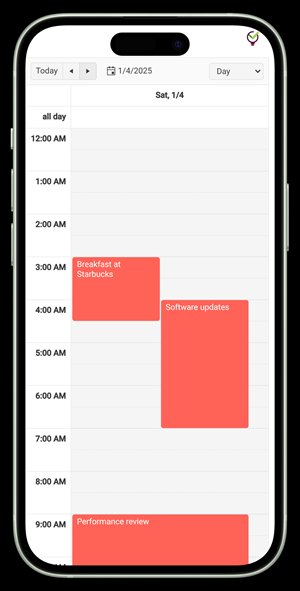
The gap between a note-taking tool and a genuine productivity hub is usually files. When you can attach the actual document, image, or PDF to the note that references it, you stop hunting across folders. TaskLoco Premium includes 10GB of file storage per person — enough to attach meeting recordings, design mockups, contracts, screenshots, and research PDFs to the notes where they actually belong. Additional storage tiers (50GB, 200GB, 1TB) are available as stackable add-ons if you need more.
Obsidian stores files inside your vault folder — which means they live on your local drive and sync only as well as your sync solution does. There's no built-in storage tier, no secure sharing link, and no hosted file management. If you want to share a file with a teammate, you're back to email attachments or a separate cloud storage service.
For teams especially, this matters. With TaskLoco, you share the note — and the file comes with it. The recipient clones it, has the attachment, and can act on it immediately. That's a complete handoff in one step. No forwarding, no separate link, no version confusion.
The Honest Comparison
| Feature | TaskLoco | Obsidian |
|---|---|---|
| Free tier available | Two free tiers: Lite (20 notes, native app, no sign-in) and Lite Plus+ (30 notes, synced across devices) FREE | Core app is free; sync across devices requires a paid plan |
| Setup time | Sign up and it works — no configuration, no vault setup, no plugins needed | Requires vault creation, plugin installation, and sync configuration to match TaskLoco's baseline features |
| Reminders | Built into Premium — push notifications to phone and computer; deep-links back to the original note; optional email and SMS add-ons | No native reminders — requires community plugins with custom syntax |
| File attachments | 10GB included with Premium per person; additional storage tiers available | Files stored locally in vault folder; no hosted storage or secure sharing links |
| Team sharing | Yes — included with Premium. Each team member requires a separate subscription — currently $9.99/month per person, but TaskLoco is offering a Charter Member special: 50% off for life, currently $4.99/month per person for the first 500 subscribers with code CHARTER50. | No native team sharing — requires shared vault folders or third-party workarounds |
| Calendar view | Built into Premium — no plugins needed | Available via community plugin only |
| Chrome extension | Free — one click saves any webpage as a note instantly FREE | Community extensions available but require vault access configuration |
| Cross-device sync | Included with Lite Plus+ and Premium — no extra setup | Requires paid sync service or manual third-party folder configuration |
| Native mobile app | Lite is a native iPhone and Android app — anonymous, no sign-in, 20 notes on-device | Native mobile app available for iOS and Android |
| Bidirectional note linking / graph view | Not available | Best-in-class — visual graph of note connections is Obsidian's signature feature |
| Plugin ecosystem | Not applicable — features ship built-in | Vast community plugin library for almost any feature imaginable |
| Unlimited notes | Unlimited with Premium; 20 notes on Lite, 30 on Lite Plus+ | Unlimited notes — no cap |
| Full-text search | Full-text search across all notes and attachments in Premium | Powerful search including across linked notes |
| Data privacy / local storage | Cloud-hosted on AWS; Lite stores data only on device | Default local storage in Markdown files — full data ownership without a cloud dependency |
| No sign-in required | Lite only — completely anonymous, no account needed FREE | No sign-in required for local use |
| Built-in push notification reminders | Yes — Premium only; deep-links back to the note | Not available natively |
| 7-day free trial (Premium) | Yes — no charge until day 8, cancel anytime FREE | No time-limited trial for paid sync |
Who Should Use Each
Use TaskLoco if…
- You want notes, reminders, file attachments, calendar, and team sharing to work on day one — no plugins, no vault configuration
- You need to share notes and files with teammates in a single step without setting up shared folders or managing permissions
- You clip web content frequently and want a one-click Chrome extension that just works
- You want push notification reminders that deep-link back to the exact note — on your phone and computer — without installing anything extra
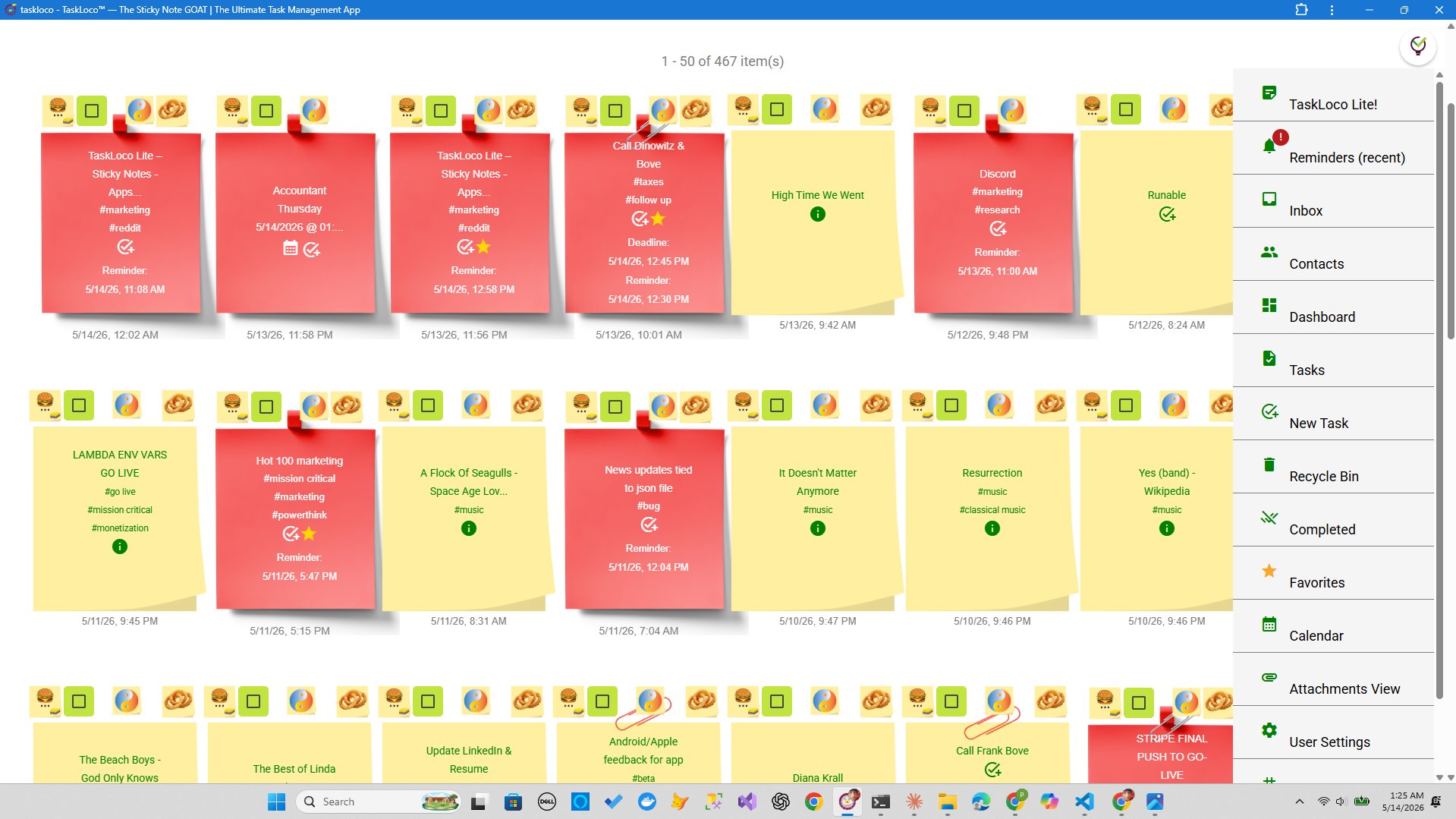
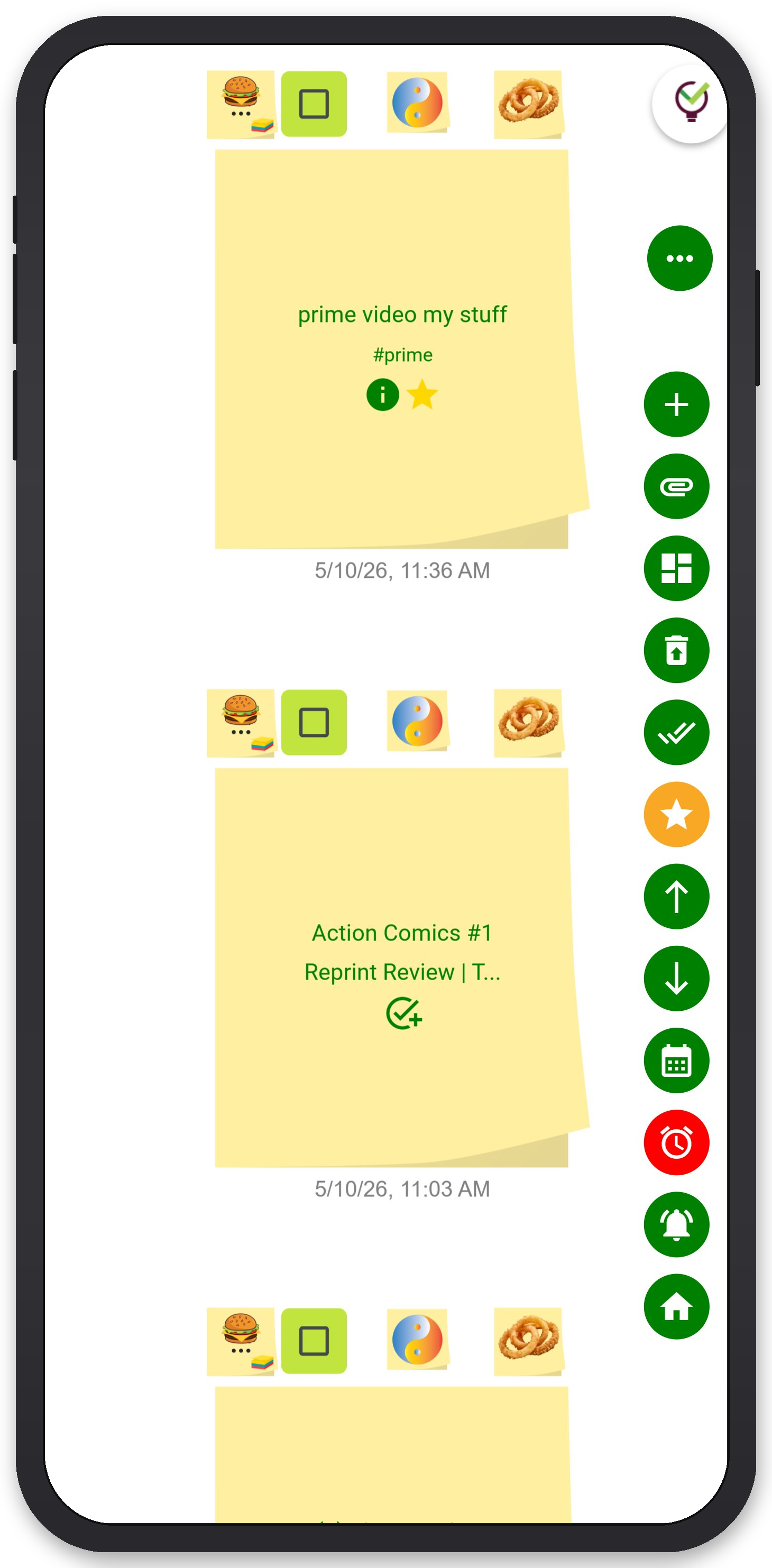
- You want a visual wall of sticky notes that gives you the big-picture spread without a graph view learning curve
- You need file storage tied directly to your notes — not in a separate folder hierarchy
Use Obsidian if…
- You're building a deep personal knowledge base with thousands of interconnected notes and the graph view is central to how you think
- You want full local data ownership — Markdown files on your own drive, no cloud dependency
- You love customizing your tools through plugins and enjoy the process of building your own productivity system
- You need advanced features like spaced-repetition, Dataview queries, or custom Markdown-based workflows that Obsidian's plugin ecosystem enables
TaskLoco Premium is regularly $9.99/month per person. Right now, charter members can lock in 50% off the regular price — forever. That means $4.99/month per person today. And if our price ever goes up, you still pay half. Always.
Code CHARTER50 auto-applies at checkout. First 500 spots only — once they're gone, this offer is gone permanently. Act fast while spots last.
Every Premium subscription includes unlimited notes, 10GB file storage, reminders, calendar, and team sharing. Each team member requires a separate subscription. 7-day free trial — no charge until day 8. Cancel anytime.
Free Options: TaskLoco vs Obsidian
TaskLoco Lite
- Native iPhone & Android app
- Completely anonymous — no sign-in
- Data stays on your device
- Up to 20 notes
- Free forever
TaskLoco Lite Plus+
- Web app + Chrome extension
- Sign in with Google
- Wall syncs across all devices
- Up to 30 notes
- Free forever
Lock In 50% Off — Forever
7-day free trial. No charge until day 8. CHARTER50 auto-applies at checkout.
🔒 Lock In My Charter SpotSee TaskLoco in Action
Frequently Asked Questions
Is TaskLoco a good Obsidian alternative for people who don't want to configure plugins?
Yes — that's exactly the gap TaskLoco fills. Obsidian is powerful but it ships as a framework: reminders, file attachments, calendar, and team sharing all require finding, installing, and configuring community plugins before they work. TaskLoco Premium includes all of those features out of the box. You sign up, and they're there. No plugin search, no syntax to learn, no vault to structure. If the setup process in Obsidian has been costing you more time than the notes themselves, TaskLoco is the move.
Does TaskLoco have a graph view like Obsidian?
No — TaskLoco doesn't have a bidirectional linking graph view. That's a genuine Obsidian strength, and if visual knowledge mapping across thousands of interconnected notes is central to how you work, Obsidian earns that use case. TaskLoco's visual layer is the sticky-note wall: a spatial, flexible canvas where you arrange notes the way they make sense to you. It's built for capturing and acting on information quickly, not for mapping a decade of research.
How does TaskLoco handle reminders compared to Obsidian?
Obsidian has no native reminder system — you need a community plugin and custom syntax to get reminders working. TaskLoco Premium delivers reminders as push notifications to your phone and computer, with optional email and SMS add-ons. Every reminder deep-links directly back to the original note, so you land exactly where you need to be. No plugins, no setup.
Can I share notes with teammates in TaskLoco the way I can't easily in Obsidian?
Yes. Obsidian has no native team sharing — collaboration requires shared vault folders and third-party configuration. TaskLoco's team sharing works like sending an email: you share a note, the recipient gets it and clones it as their own. No access levels, no permissions to manage, no folder structure to coordinate. Every team member needs their own separate TaskLoco Premium subscription.
What are the free options in TaskLoco?
TaskLoco has two free tiers. Lite is a native iPhone and Android app — completely anonymous, no sign-in, no account, stores up to 20 notes directly on your device. Lite Plus+ is a web app with a Chrome extension — sign in with Google, syncs up to 30 notes across all your devices, and the Chrome extension captures any webpage in one click. Neither free tier includes reminders, file attachments, or team sharing — those are Premium features.
What does TaskLoco Premium cost?
$9.99/month per person (currently $4.99/month per person for first 500 charter members with code CHARTER50)
Does TaskLoco store my data locally like Obsidian does?
TaskLoco Lite stores notes as a JSON file on your device only — no server, no sync, no account. It's the most private option. TaskLoco Lite Plus+ and Premium sync to the cloud via AWS, which enables cross-device access and team sharing. Obsidian's default is local Markdown files on your drive — if owning your data in plaintext on your own hardware is a priority, Obsidian has a genuine edge there. TaskLoco's cloud approach trades that local control for the convenience of sync, sharing, and hosted file storage.
Born in Brooklyn. Powered by AWS. Your data stays yours.
TaskLoco is available on iPhone, Android, Chrome, and every web browser.