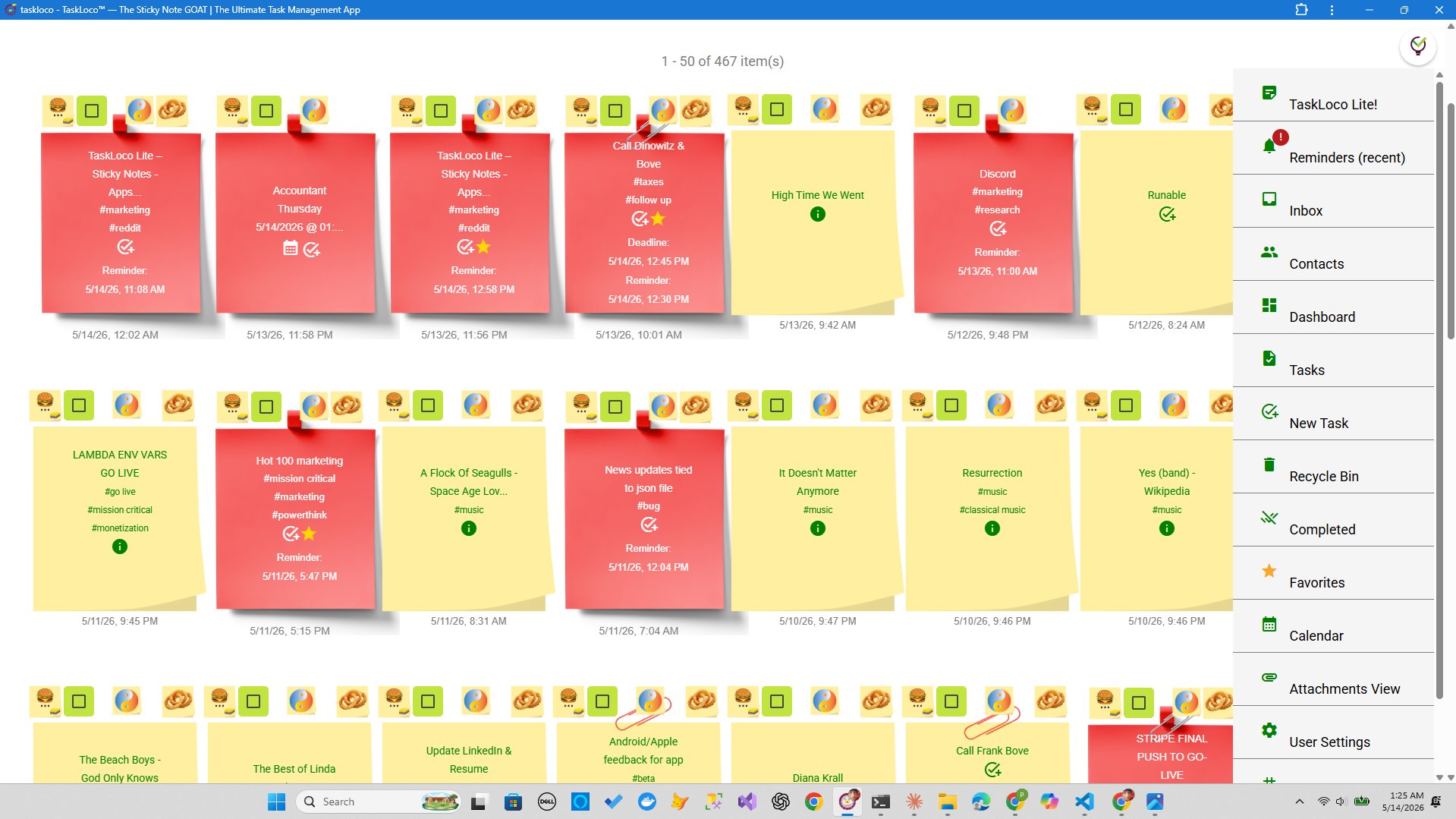
The phrase "second brain" gets thrown around a lot, but the visual version of it is something distinct and worth understanding on its own terms. Tiago Forte's Building a Second Brain popularized the idea of externalizing knowledge into a trusted digital system. The visual variant takes that foundation and adds a spatial dimension — information arranged in two-dimensional space rather than linear lists, folders, or databases.
Why does the visual part matter? Because your brain is not optimized for lists. It evolved for spatial navigation and pattern recognition. A canvas you can scan in two seconds — where proximity, color, and position carry meaning — offloads cognitive work in a fundamentally different way than a numbered to-do list does. That difference is not aesthetic. It's neurological.
Where the Idea Comes From
The second-brain concept draws from cognitive science, specifically from research on extended cognition and distributed memory. Andy Clark and David Chalmers' 1998 paper The Extended Mind argued, controversially at the time, that the mind does not stop at the skull — tools that reliably store and process information function as genuine extensions of the cognitive system. A notebook you always carry and always check is, in a meaningful philosophical sense, part of how you think.
Tiago Forte translated this academic idea into a practical workflow: capture everything, organize by project and area of responsibility, distill to the essential, and express — the CODE method. His system works. But it is fundamentally text-and-folder-based. Information lives in hierarchies, retrieved by search or navigation.
The visual second brain adapts this by replacing the folder hierarchy with a spatial canvas. Instead of asking "where did I file that?" you ask "where on my wall did I put that?" The answer is usually faster because spatial memory — the hippocampal system that tracks where things are in physical or near-physical space — is one of the oldest and most reliable memory systems humans have. This is why the method of loci, the memory palace technique used since ancient Greece, actually works.
Why It Works — and Where It Breaks Down
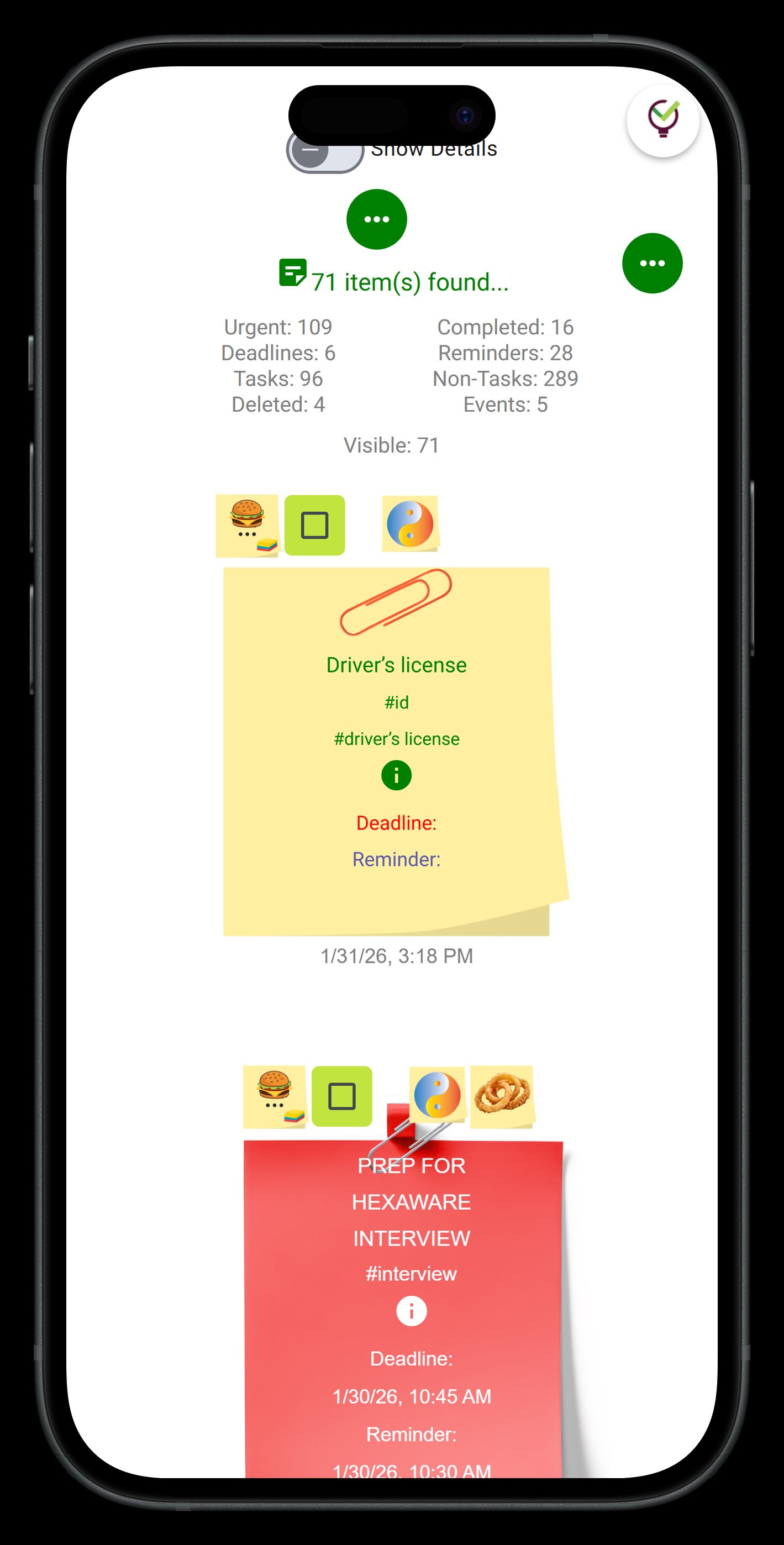
The visual second brain earns its keep in three specific situations. First, when you have many parallel streams of work that each need context but don't need daily attention — a glance at a spatial wall resurfaces context that would take minutes to reconstruct from a list. Second, when you are in a creative or planning phase where relationships between ideas matter more than the ideas themselves. Third, when you want to share a mental model with someone else quickly — showing a wall communicates structure that an email never could.
The limitations are equally real and worth naming honestly. A visual canvas does not scale infinitely. Once you have hundreds of notes in undifferentiated space, the cognitive benefit of spatial arrangement degrades — you're back to searching. Good implementations address this with grouping, color coding, and the discipline to archive completed work rather than let the canvas fill up.
A visual system also does not replace structured project management for complex work with dependencies, deadlines shared across large teams, or compliance requirements. If you need Gantt charts, resource allocation, or enterprise audit trails, a sticky-note wall — however well designed — is the wrong tool. That is not a flaw in the concept; it's just scope.
Finally, the "no learning curve" part of the promise deserves scrutiny. The gesture vocabulary of a canvas — drag, drop, group, color — is genuinely intuitive for most people. But the discipline of a second brain still requires habit formation: capturing consistently, reviewing regularly, and archiving ruthlessly. The interface can be friction-free; the practice still takes intention.
The Sticky Note as the Atomic Unit
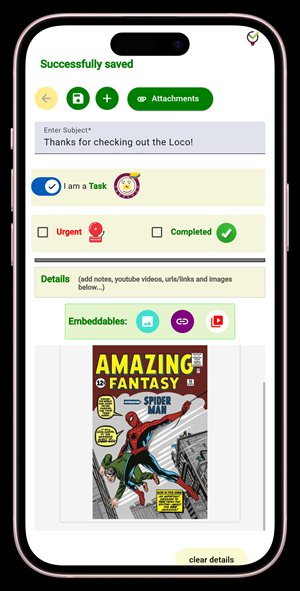
Sticky notes are the canonical building block of the visual second brain, and not by accident. The physical constraint of a Post-it — roughly 75 words of comfortable writing space — enforces a discipline that most digital note apps abandon: one idea per note. That constraint is a feature. When each unit holds exactly one thought, rearranging your wall is rearranging your thinking, not shuffling text blocks inside a document.
Digital implementations of sticky notes have historically faced a trade-off: go too minimal and you lose utility (no reminders, no attachments, no sharing), or go too feature-rich and the notes stop feeling like notes and start feeling like tasks in a project management tool. The canvas becomes a Kanban board becomes Jira. The spatial, low-friction character that made it work disappears.
The better implementations hold the tension: notes stay notes, but they can carry files, trigger reminders, and live in a shared space without becoming tickets. The organizational logic stays visual and spatial. The utility catches up to what professional work actually demands.
How TaskLoco Fits This Model
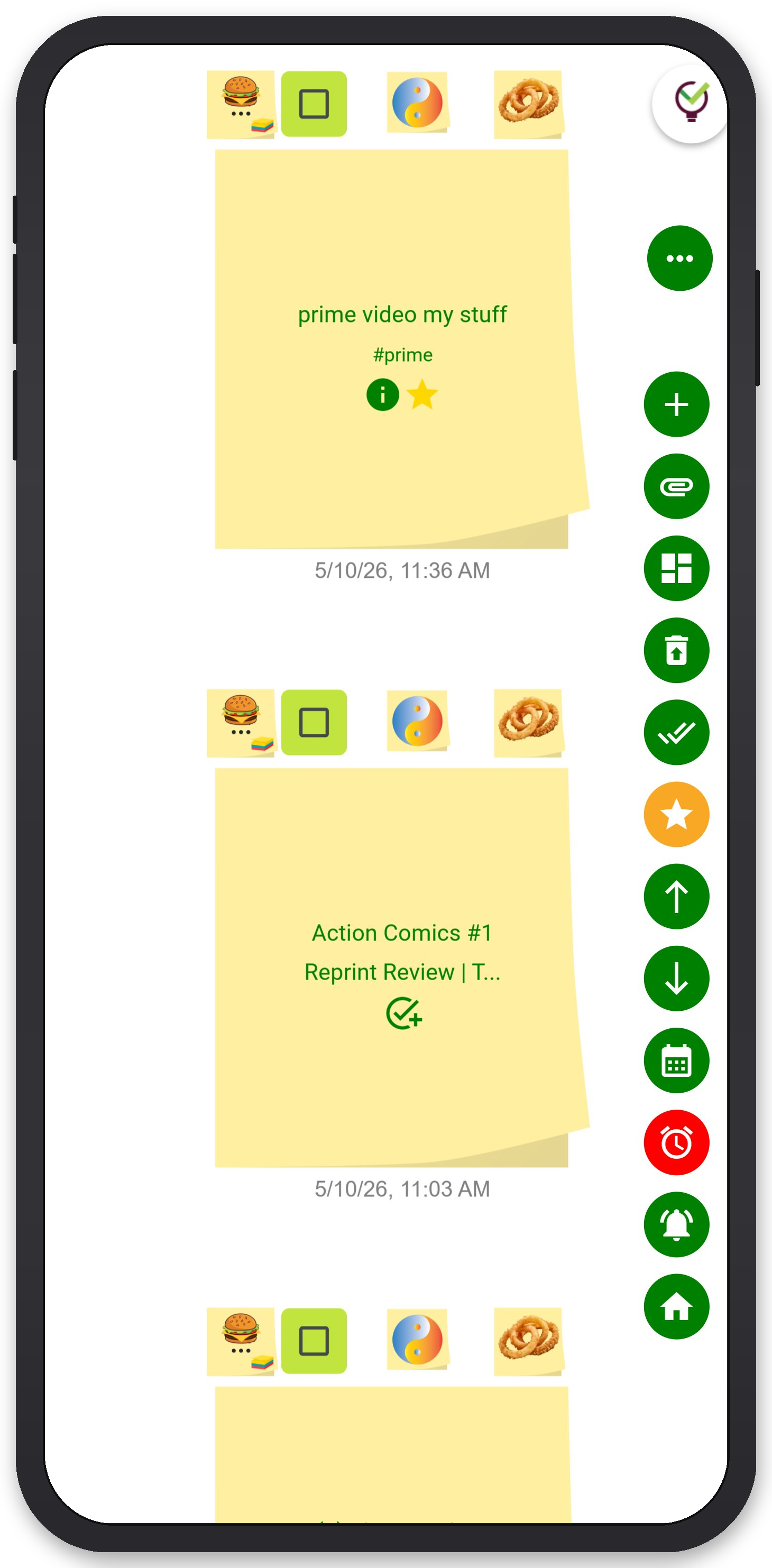
TaskLoco was built directly around this idea. The core interface is a spatial wall of sticky notes — you drag them, group them, color-code them, and read the arrangement as information. There is no inbox-zero workflow to internalize, no methodology to adopt before the app becomes useful. You open the wall and start putting things on it. That genuinely is the entire onboarding.
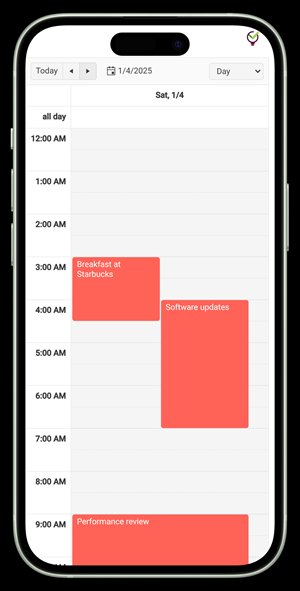
Where TaskLoco extends beyond the basic visual second brain model is in Premium: notes can carry file attachments (10GB of storage included), reminders that deliver as push notifications and deep-link back to the originating note, a calendar view that surfaces time-sensitive notes in temporal context, and team sharing that works like email — a shared note can be cloned by the recipient and made their own, no permissions or access levels to configure.
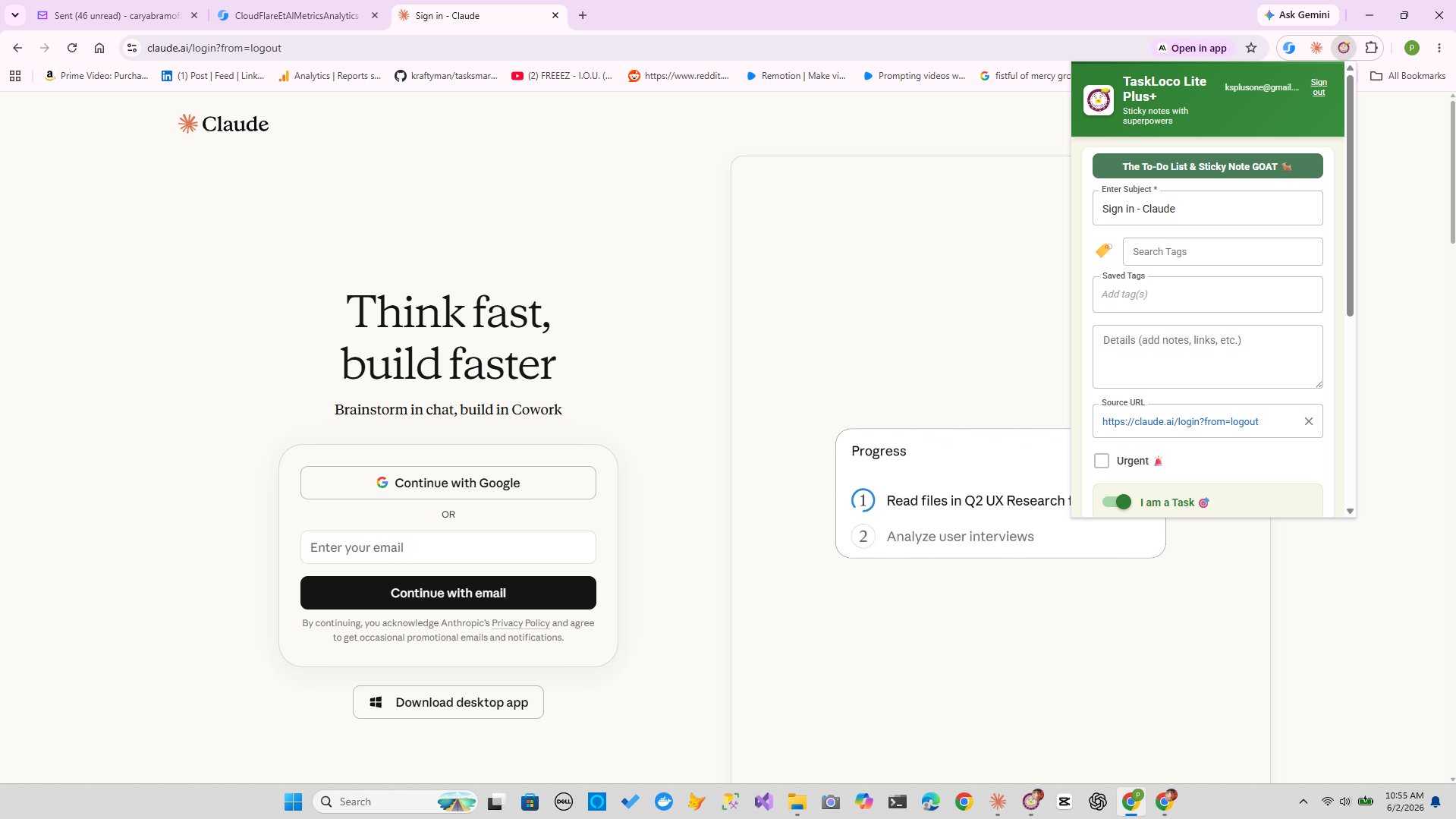
The Chrome extension adds a capture mechanism that matters in practice: one click saves any webpage directly to your wall as a note, which is how a second brain actually gets populated. The gap between "I should save this" and "I saved this" is where most capture systems fail. One click closes that gap.
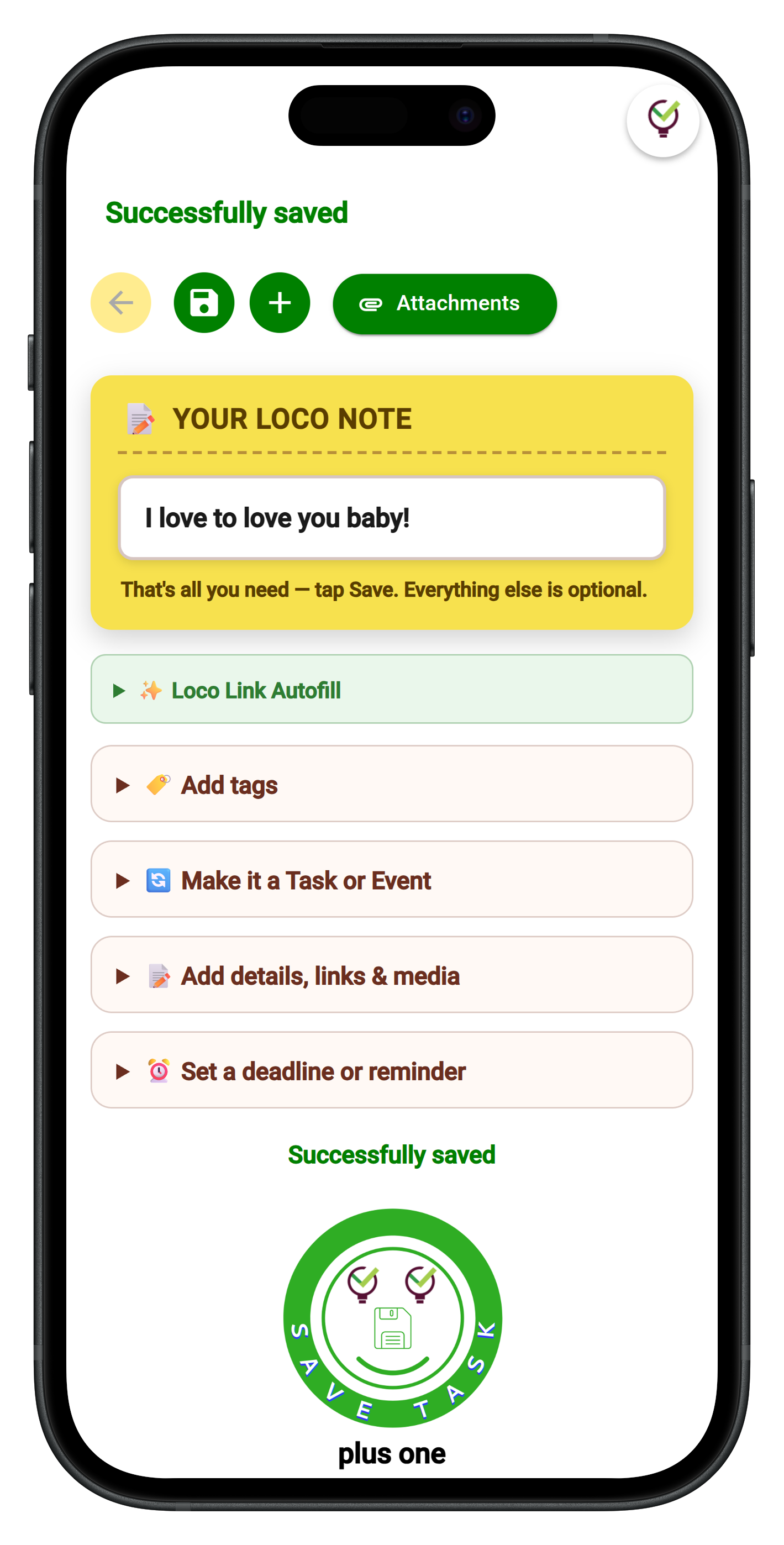
TaskLoco Lite — the free native iPhone and Android app — gives you 20 notes stored on your device, completely anonymous, no account required. It is genuinely useful for getting a feel for the spatial, sticky-note model before committing to anything. Lite Plus+, free on the web, syncs up to 30 notes across devices via Google sign-in and adds the Chrome extension. Premium removes the note ceiling entirely and adds all the features that make the second brain function for professional work.
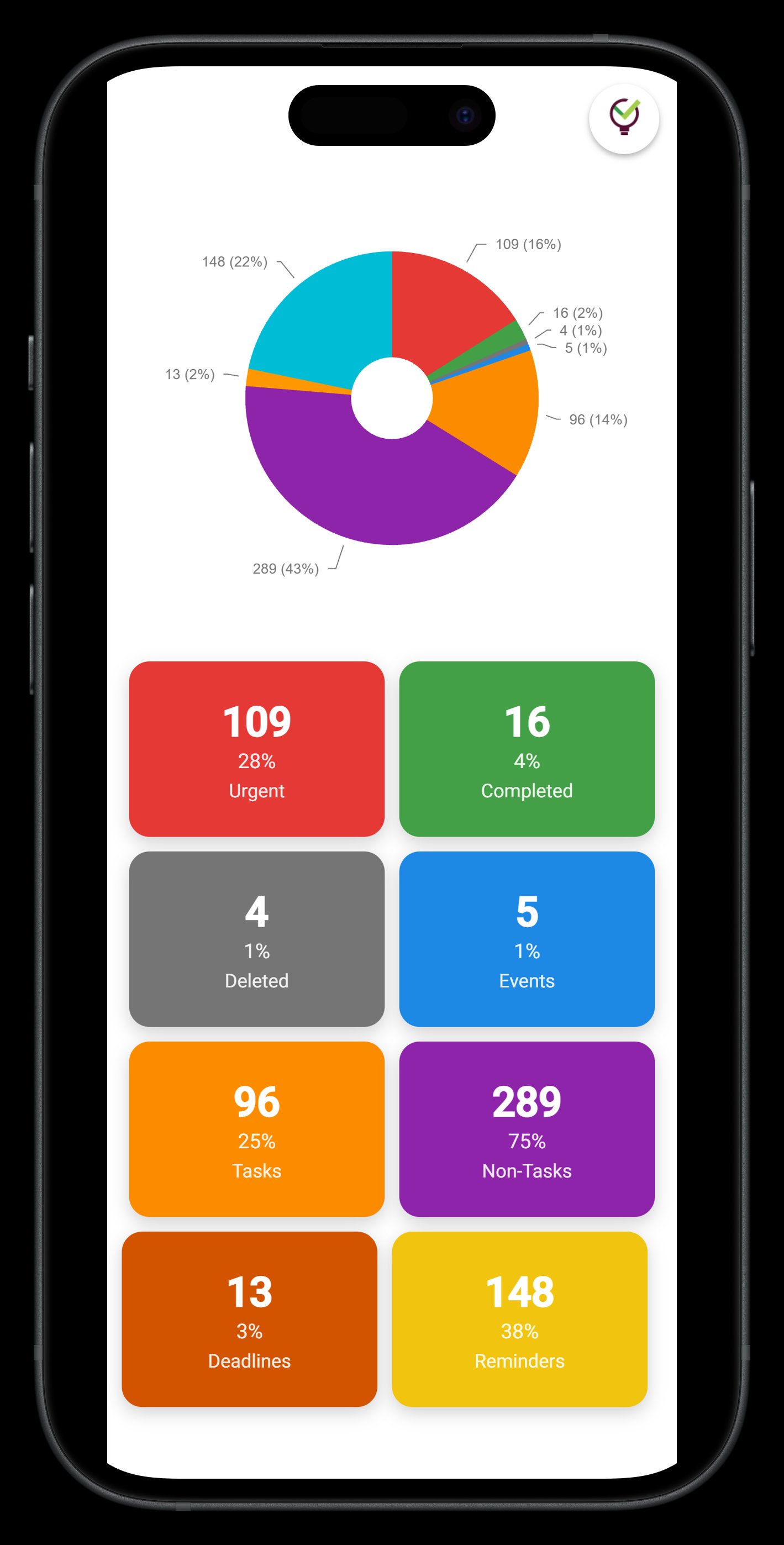
TaskLoco Premium is regularly $9.99/month per person. Right now, charter members can lock in 50% off the regular price — forever. That means $4.99/month per person today. And if our price ever goes up, you still pay half. Always.
Code CHARTER50 auto-applies at checkout. First 500 spots only — once they're gone, this offer is gone permanently. Act fast while spots last.
Every Premium subscription includes unlimited notes, 10GB file storage, reminders, calendar, and team sharing. Each team member requires a separate subscription. 7-day free trial — no charge until day 8. Cancel anytime.
Free Options: TaskLoco
TaskLoco Lite
- Native iPhone & Android app
- Completely anonymous — no sign-in
- Data stays on your device
- Up to 20 notes
- Free forever
TaskLoco Lite Plus+
- Web app + Chrome extension
- Sign in with Google
- Wall syncs across all devices
- Up to 30 notes
- Free forever
Lock In 50% Off — Forever
7-day free trial. No charge until day 8. CHARTER50 auto-applies at checkout.
🔒 Lock In My Charter SpotSee TaskLoco in Action
Frequently Asked Questions
What is a visual second brain?
A visual second brain is an external system that stores your ideas, tasks, and context in a spatial, scannable format — typically a canvas of notes or cards arranged in two-dimensional space. Unlike folder-based or list-based systems, it uses position, proximity, and visual grouping as organizational signals, offloading pattern recognition to your eyes rather than your memory.
What is the difference between a second brain and a visual second brain?
Tiago Forte's second-brain method organizes captured information into folders, projects, and areas of responsibility — essentially a well-structured digital filing system. A visual second brain replaces the folder hierarchy with a spatial canvas. Instead of navigating structure, you read it at a glance. Both approaches externalize cognition; the visual version adds spatial memory as an additional organizational mechanism.
Does a visual second brain actually reduce cognitive load?
Yes, with an important caveat. Spatial arrangement taps into hippocampal memory systems that track where things are — the same mechanism behind the ancient method-of-loci technique. Scanning a wall of notes to find context is genuinely faster than searching a folder. The caveat: this only holds while the canvas stays curated. An overcrowded wall with hundreds of unarchived notes loses the spatial benefit and reverts to visual noise.
Why are sticky notes the building block of a visual second brain?
The physical constraint of a sticky note — limited writing space — enforces one idea per note. That constraint is the key feature: when each unit holds a single thought, rearranging notes is a direct act of rearranging thinking. Digital implementations that preserve this constraint (rather than letting notes become long documents) maintain the spatial-reasoning benefit.
What are the real limitations of a visual second brain?
Three honest limitations: First, it does not scale to hundreds of undifferentiated notes — regular archiving is essential. Second, it is not a substitute for structured project management when you need dependencies, Gantt charts, or enterprise audit trails. Third, the interface may be intuitive, but the habit of consistent capture and regular review still requires deliberate practice. The tool removes friction; the discipline is still yours to build.
How does TaskLoco implement the visual second brain concept?
TaskLoco's core interface is a spatial wall of sticky notes — draggable, groupable, color-coded — with no methodology to adopt before it becomes useful. Premium adds file attachments, push-notification reminders that deep-link back to the originating note, a calendar view, and team sharing. The Chrome extension closes the capture gap with one-click webpage saving. Free tiers (Lite on native mobile, Lite Plus+ on web) let you explore the model before committing. $9.99/month per person (currently $4.99/month per person for first 500 charter members with code CHARTER50)
Is TaskLoco Premium worth it for a solo user building a second brain?
If your second brain needs to stay under 30 notes, Lite Plus+ (free, web-based, synced across devices) may be sufficient. Once you move into professional use — files attached to notes, reminders that surface tasks at the right moment, or more than 30 active notes — Premium removes every ceiling that matters. $9.99/month per person (currently $4.99/month per person for first 500 charter members with code CHARTER50)
Born in Brooklyn. Powered by AWS. Your data stays yours.
TaskLoco is available on iPhone, Android, Chrome, and every web browser.