Tiago Forte's PARA method has one elegant promise: everything you capture fits into one of four buckets — Projects, Areas, Resources, Archives. It's clean on paper. The problem is most apps designed around it require you to learn the app before you can learn the method. You end up managing your productivity system instead of actually being productive.
The best PARA app is the one that disappears. You open it, you know where things go, and you move on. That's a surprisingly short list of apps — and TaskLoco belongs on it.
What to Look for in a PARA Method App
PARA is a folder logic, not a workflow engine. It sorts everything into Projects (things with a deadline and outcome), Areas (ongoing responsibilities), Resources (reference material you might use someday), and Archives (inactive stuff you're not ready to delete). That's it. If an app adds complexity on top of that, it's fighting the method.
When you're evaluating a PARA app, three things actually matter:
- Frictionless capture. If it takes more than two taps or clicks to get a thought into the system, you'll stop using the system. PARA lives or dies on consistent capture — the app has to make that near-instant.
- Flexible structure without mandatory templates. Projects are different from Areas in fundamental ways — Projects end, Areas don't. Your app needs to let you treat them differently without forcing you into a rigid hierarchy. Nested folders help. Flat lists hurt.
- Notes, tasks, and files in one place. PARA breaks down the moment you're pulling information from three different apps. The best implementations keep reference material, action items, and linked files inside the same container — not scattered across a notes app, a task manager, and cloud storage.
Why TaskLoco Fits PARA Without Fighting It
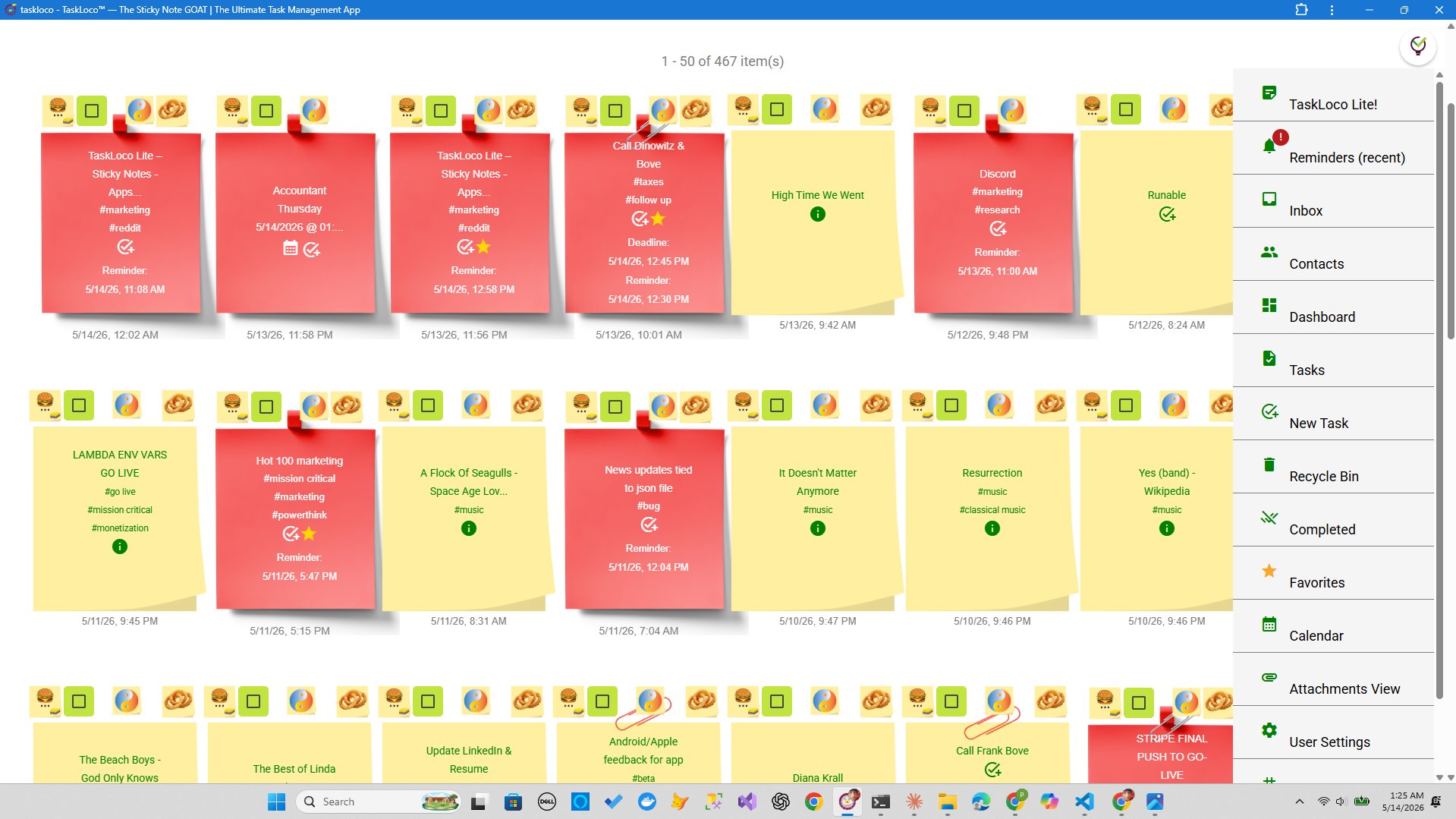
TaskLoco was built around sticky notes. That sounds trivially simple until you realize it's actually what PARA wants — containers that hold whatever you put in them, organized however you decide, with no system forcing its logic onto yours.
You create a note called "Projects." Inside it, you put your active projects. You create a note called "Areas" and drop in your ongoing responsibilities. Nothing in TaskLoco tells you this is wrong or asks you to pick a template. The canvas accepts your structure, not the other way around.
What makes this more than just a blank canvas is what Premium adds on top: tasks with reminders, file attachments, calendar view, and team sharing. A Project note isn't just a title — it can hold the checklist, the reference files, the deadline, and shared access for anyone else working on it. That's the full PARA loop in one note.
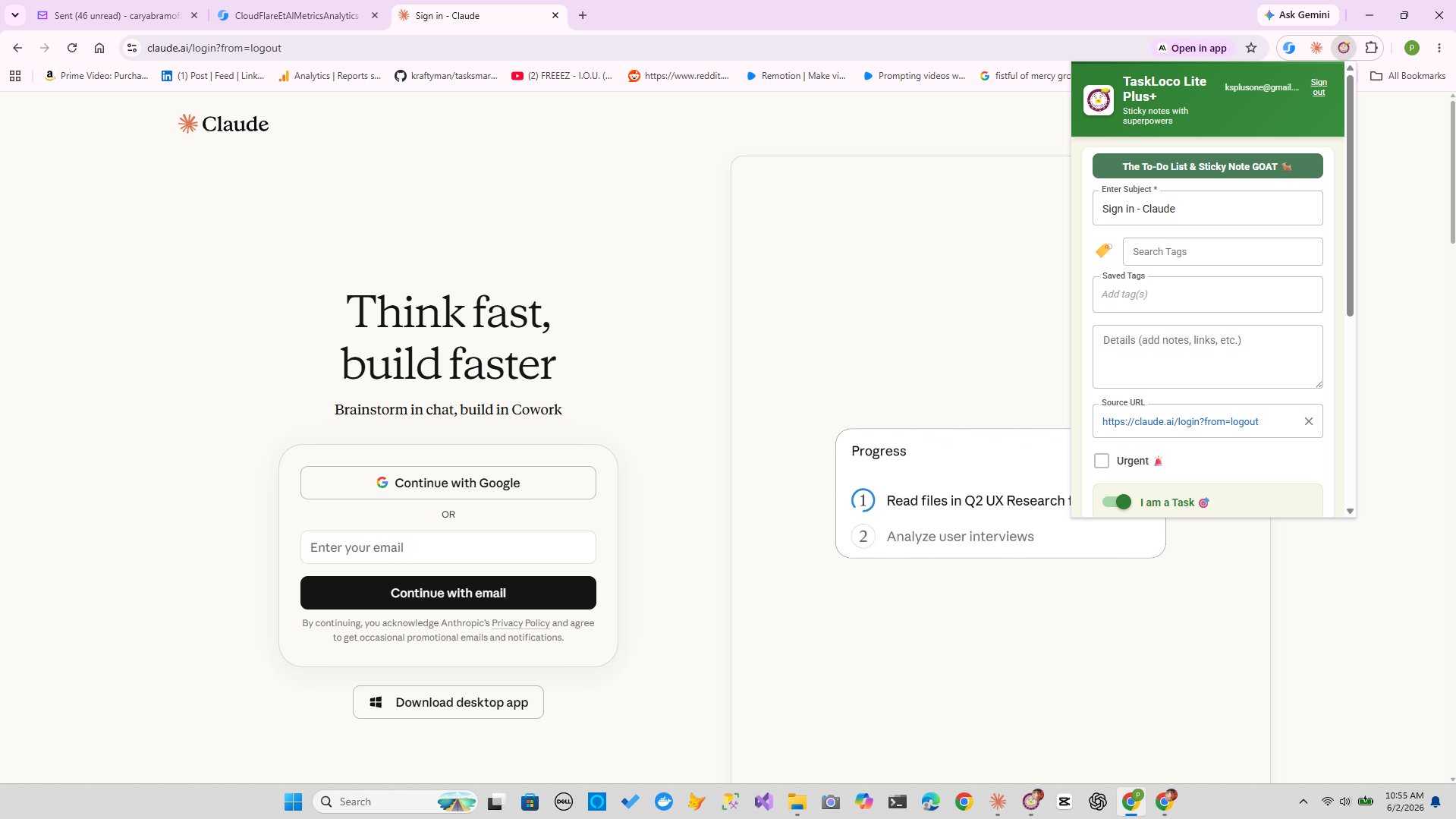
The Chrome extension is worth highlighting specifically for Resources. You find an article, a tool page, or a document reference while browsing — one click, and the Chrome extension drops it into TaskLoco as a note. No copy-paste, no tab-saving. That's frictionless capture at the browser level, which is exactly where most research happens.
Capture, Archive, and the Features That Make PARA Stick
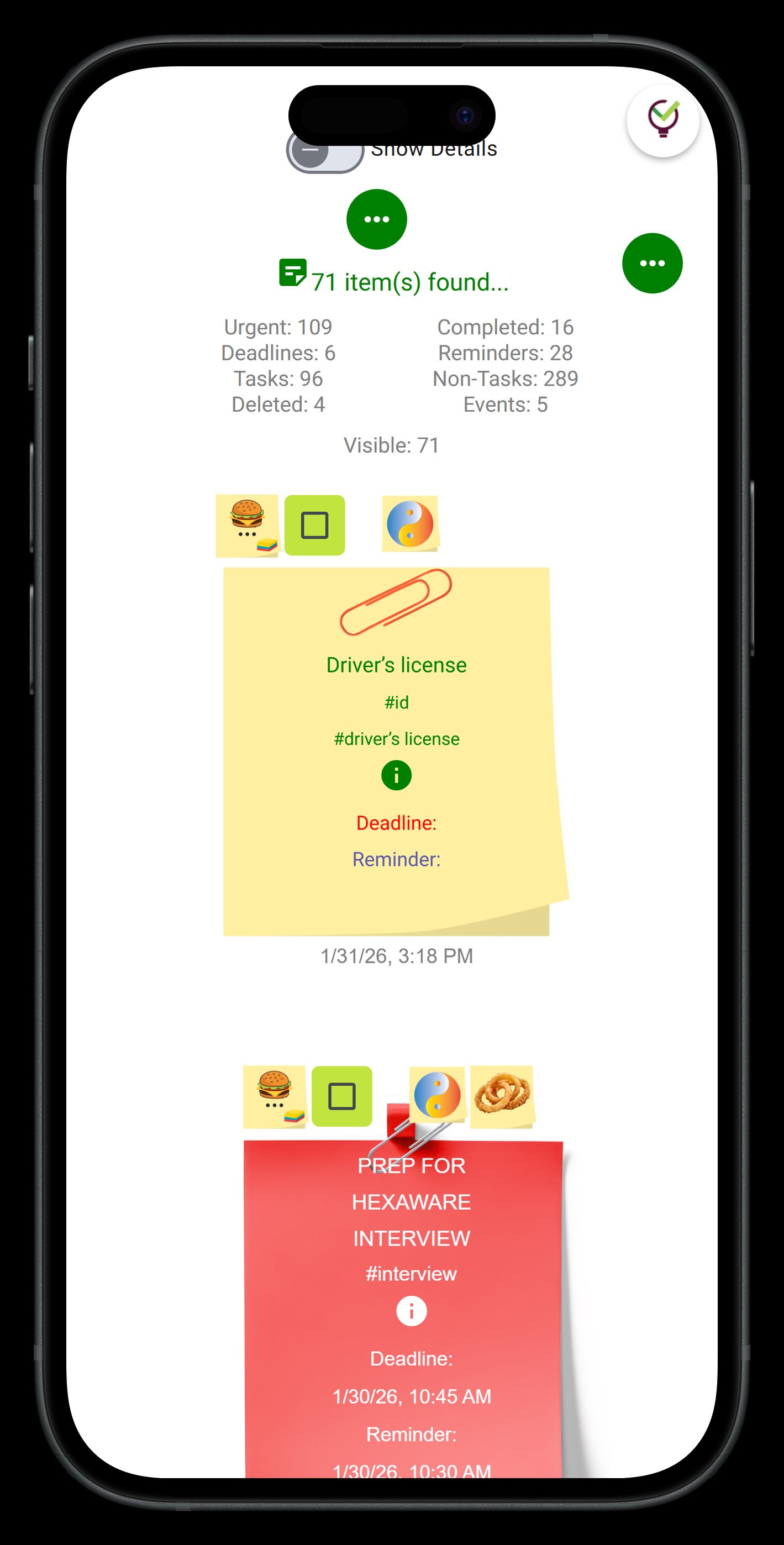
The Archives bucket is where most PARA implementations quietly die. Archiving feels like extra work — moving things to a folder you'll never open. TaskLoco handles this differently: because notes are just cards on a wall, "archiving" is as simple as moving a card off your active view. There's no deletion pressure, no elaborate folder depth. It's there when you need it, out of sight when you don't.
Reminders are what turn Areas into actual accountability. An Area like "Client Health" or "Team Development" is easy to ignore because there's no deadline attached. With TaskLoco Premium, you can set a reminder on any note and it lands as a push notification on your phone and computer — with a deep link that drops you directly back into that note. The note is the context. The reminder is the nudge. You don't have to reconstruct where you were.
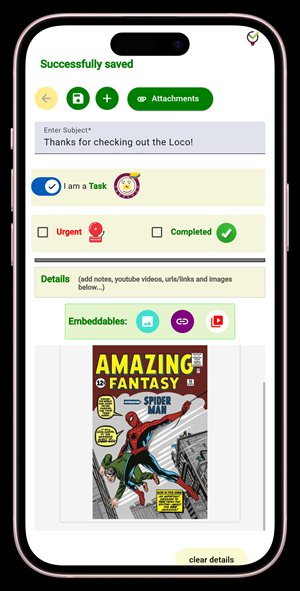
File attachments complete the picture for the Resources bucket specifically. Premium includes 10GB of file storage, and you can attach documents, images, and other files directly to any note. If a Resource note is a running brief on a client, it can hold the contract, the brand guidelines PDF, and your own notes all in one place — not linked out to three different folders across two different platforms.
- Projects: Note with checklist tasks, deadline reminder, shared with teammates who each have their own subscription
- Areas: Standing note with recurring check-in reminders and attached reference docs
- Resources: Chrome extension captures → notes with embedded files and attachments
- Archives: Completed notes moved off active view — searchable, never gone
Free to Start, Premium When PARA Gets Serious
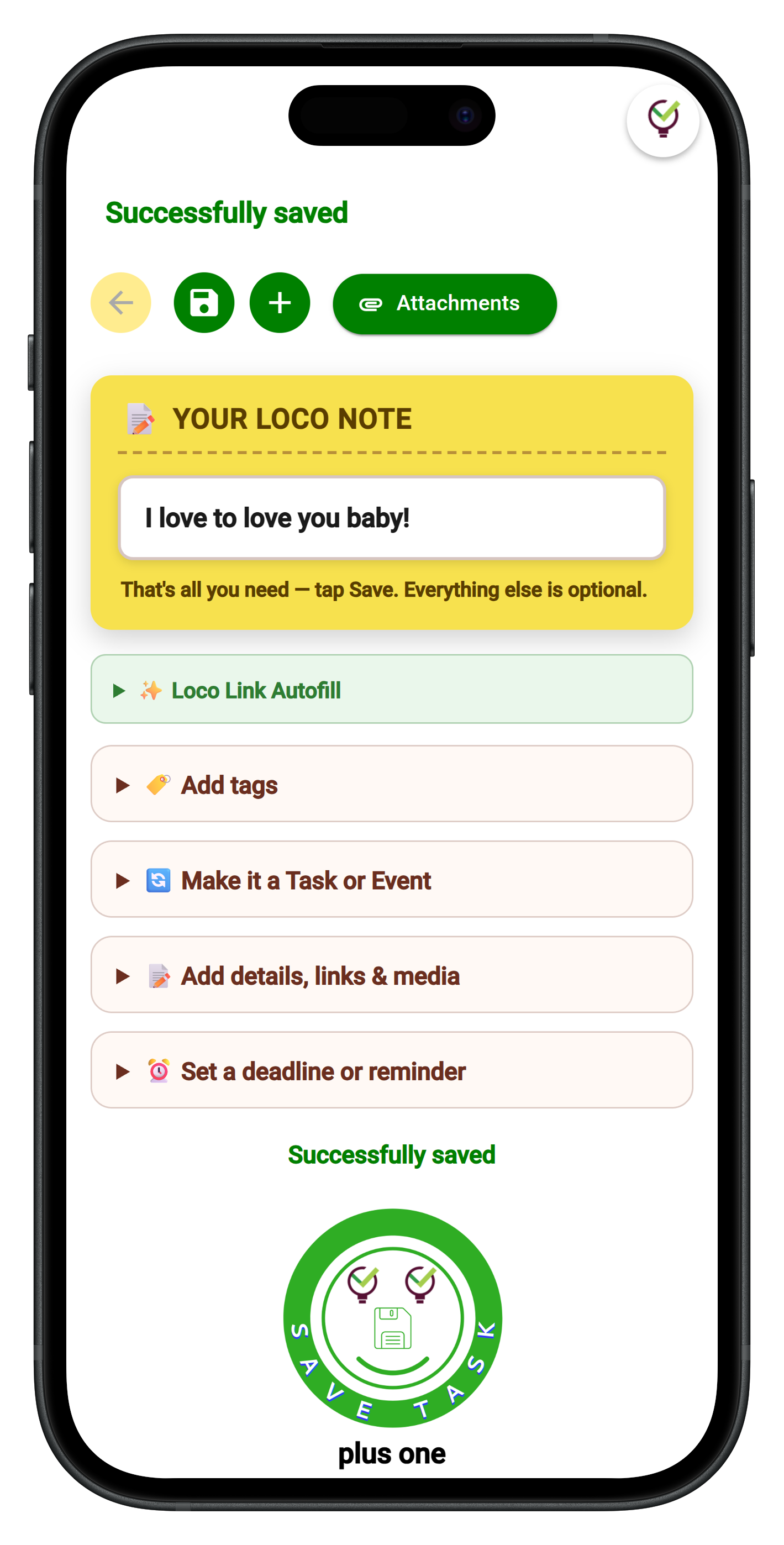
TaskLoco Lite is available as a native iPhone and Android app — completely anonymous, no sign-in required, and stores up to 20 notes directly on your device. It's a genuine way to try the PARA structure before committing to anything. Map your four buckets across 20 notes and see whether the method clicks for you. There's nothing to configure and nothing to lose.
TaskLoco Lite Plus+ opens up cross-device sync and up to 30 notes through the web app and Chrome extension, with free sign-in via Google. This is where the Chrome extension capture workflow becomes available — meaningful for anyone building out a Resources bucket from browser research. No reminders or file attachments at this tier, but the core PARA structure is fully functional.
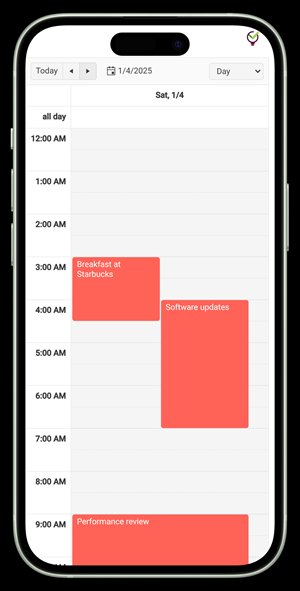
When PARA becomes a daily operating system rather than an experiment — when you're tracking active projects, managing areas with deadlines, attaching files to resources, and sharing notes with collaborators — that's when Premium earns its place. Unlimited notes means no arbitrary cap on how many projects or resources you maintain. The calendar view maps your Project deadlines visually. Team sharing means a shared project note is actually shared, not just readable.
The free tiers are real starting points, not bait. But if you're serious about running your work through PARA, Premium is where the method fully comes to life.
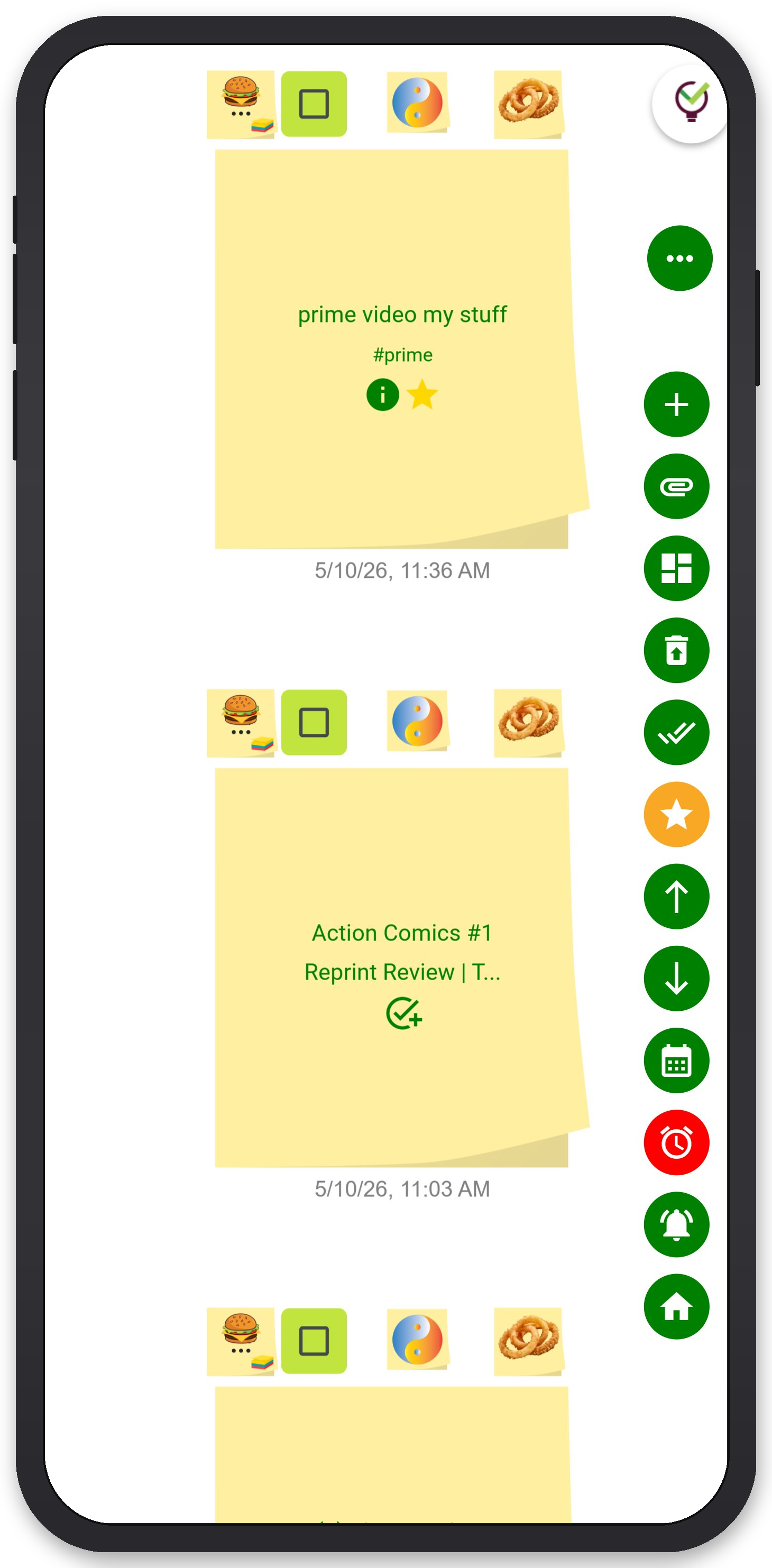
TaskLoco Premium is regularly $9.99/month per person. Right now, charter members can lock in 50% off the regular price — forever. That means $4.99/month per person today. And if our price ever goes up, you still pay half. Always.
Code CHARTER50 auto-applies at checkout. First 500 spots only — once they're gone, this offer is gone permanently. Act fast while spots last.
Every Premium subscription includes unlimited notes, 10GB file storage, reminders, calendar, and team sharing. Each team member requires a separate subscription. 7-day free trial — no charge until day 8. Cancel anytime.
Free Options: TaskLoco
TaskLoco Lite
- Native iPhone & Android app
- Completely anonymous — no sign-in
- Data stays on your device
- Up to 20 notes
- Free forever
TaskLoco Lite Plus+
- Web app + Chrome extension
- Sign in with Google
- Wall syncs across all devices
- Up to 30 notes
- Free forever
Lock In 50% Off — Forever
7-day free trial. No charge until day 8. CHARTER50 auto-applies at checkout.
🔒 Lock In My Charter SpotSee TaskLoco in Action
Frequently Asked Questions
What is the PARA method and how does it work?
PARA stands for Projects, Areas, Resources, Archives — a four-bucket system created by Tiago Forte for organizing all digital information. Projects are things with a defined outcome and deadline. Areas are ongoing responsibilities without end dates. Resources are reference material you might use someday. Archives hold anything inactive. Every piece of information you capture goes into one of these four buckets, making it easy to find and act on later.
Do I need a special app to use the PARA method?
No — PARA works in folders, notebooks, or any note-taking app. What matters is that your app supports flexible organization without forcing its own structure on top of yours. Apps that require you to use their proprietary template system, workflow views, or rigid hierarchies tend to fight the simplicity that makes PARA work. The best PARA apps are the ones that stay out of the way.
How does TaskLoco map to the four PARA buckets?
Each PARA bucket becomes a note in TaskLoco — or a set of notes organized on your wall. Projects get notes with checklist tasks, file attachments, and reminders. Areas get standing notes you revisit regularly, with push notification reminders to prompt check-ins. Resources get notes populated via the Chrome extension (one-click webpage capture) plus attached files. Archives are notes you move off your active view — still searchable, never deleted unless you choose.
Can I use TaskLoco for PARA if I'm on the free plan?
Yes, at both free tiers. TaskLoco Lite (native iPhone and Android, no sign-in, 20 notes) is enough to set up and test the four-bucket structure. Reminders, file attachments, unlimited notes, and team sharing require Premium.
What makes PARA easier to maintain long-term in TaskLoco?
Two things: full-text search and friction-free archiving. Full-text search across all your notes and attachments means your Archives bucket never needs to be perfectly organized — you just search and find. And because TaskLoco notes are cards on a canvas, archiving is as simple as moving a card out of your active area. There's no complex folder management or deletion pressure.
How do TaskLoco reminders help with the Areas bucket specifically?
Areas are ongoing responsibilities with no deadline, which makes them easy to neglect. TaskLoco Premium lets you set a reminder on any note. It arrives as a push notification on your phone and computer, with a deep link that takes you directly back into that specific note and its full context. Optional email and SMS notifications are also available. For an Area note like "Team Development" or "Client Relationships," that nudge — with the context immediately accessible — is what keeps ongoing responsibilities from falling off the radar.
What does TaskLoco Premium cost?
$9.99/month per person (currently $4.99/month per person for first 500 charter members with code CHARTER50)
Born in Brooklyn. Powered by AWS. Your data stays yours.
TaskLoco is available on iPhone, Android, Chrome, and every web browser.