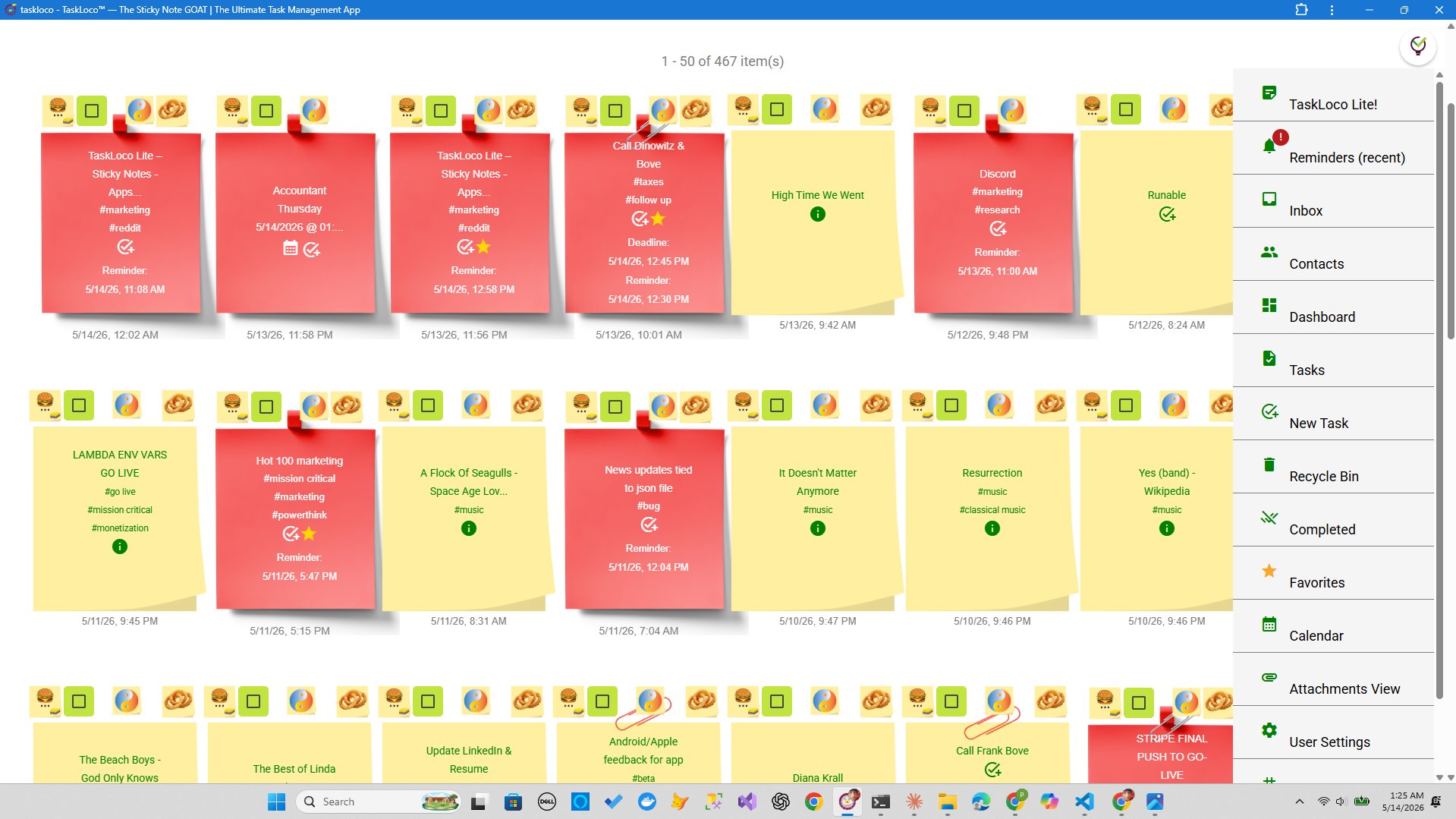
Your brain is wired to process visual information faster than any other input. When you see a red octagon, you instantly know to stop — no mental translation required. This same principle explains why visual organization systems feel effortless while text-heavy approaches drain your mental energy.
The difference comes down to how your brain allocates cognitive resources. Visual systems tap into evolutionary processing patterns that require minimal conscious effort, while abstract systems force your working memory to constantly translate, categorize, and remember relationships between concepts.
How Your Brain Processes Visual Information
Your visual cortex occupies about 30% of your brain's real estate — more than any other sense. When you look at something, your brain processes the visual information through parallel pathways that work simultaneously rather than sequentially.
The magnocellular pathway handles motion and spatial relationships in milliseconds. The parvocellular pathway processes fine details and color. Both feed into higher-level areas that recognize patterns, objects, and spatial arrangements without conscious effort.
Text, by contrast, requires serial processing. Your brain must decode symbols into sounds, sounds into meanings, and meanings into concepts. Each step consumes working memory — the mental workspace where you consciously manipulate information.
Spatial Memory vs Abstract Memory
Your brain has two distinct memory systems for organizing information. Spatial memory evolved to help you navigate three-dimensional environments — remembering where food sources, dangers, and shelter existed in physical space. This system is incredibly robust and operates with minimal conscious effort.
Abstract memory, used for text-based lists and hierarchical categories, relies on working memory and conscious rehearsal. When you try to remember items in a grocery list, you're using a much newer and more limited cognitive system.
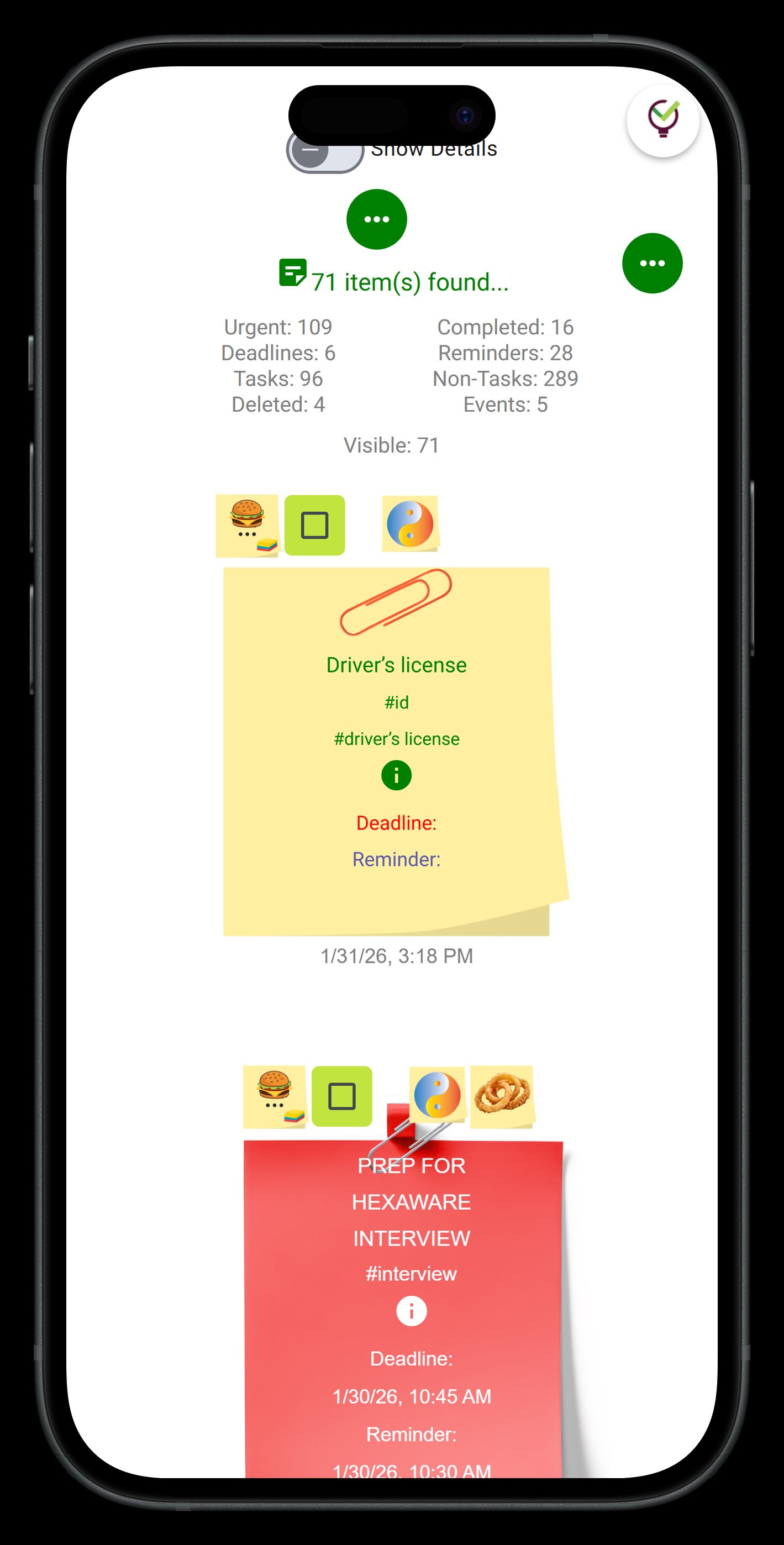
Visual organization systems exploit spatial memory by giving information a consistent location. You remember where things are, not what category they belong to. This is why you can instantly find a book on a messy desk but struggle to locate the same information in a perfectly organized digital folder system.
The Mental Translation Problem
Every time you encounter abstract information — whether it's a task buried in a text list or a date written as numbers — your brain must translate that information into something meaningful. This translation process consumes cognitive resources and creates mental friction.
Visual systems eliminate much of this translation overhead. Color coding, spatial positioning, and visual metaphors communicate meaning directly. A red sticky note immediately signals urgency without requiring you to read, process, and categorize the information.
The same principle applies to status indicators, progress bars, and layout patterns. Your brain recognizes these visual cues as meaningful patterns without engaging the language-processing centers that handle text interpretation.
Applying Visual Systems to Daily Productivity
The most effective productivity systems leverage these visual processing advantages. Instead of forcing your brain to parse text lists and remember abstract categories, they use spatial arrangement, visual cues, and consistent patterns.
Physical sticky notes work well because they occupy real space and use color to convey meaning instantly. Digital systems can capture these same benefits when they prioritize visual organization over text-heavy interfaces.
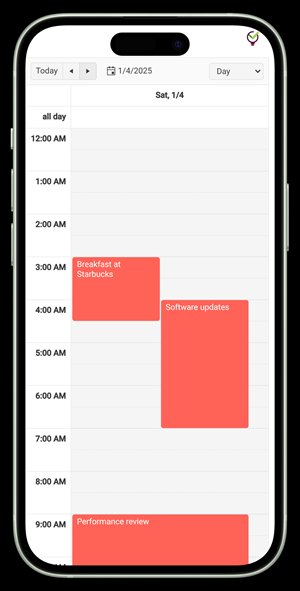
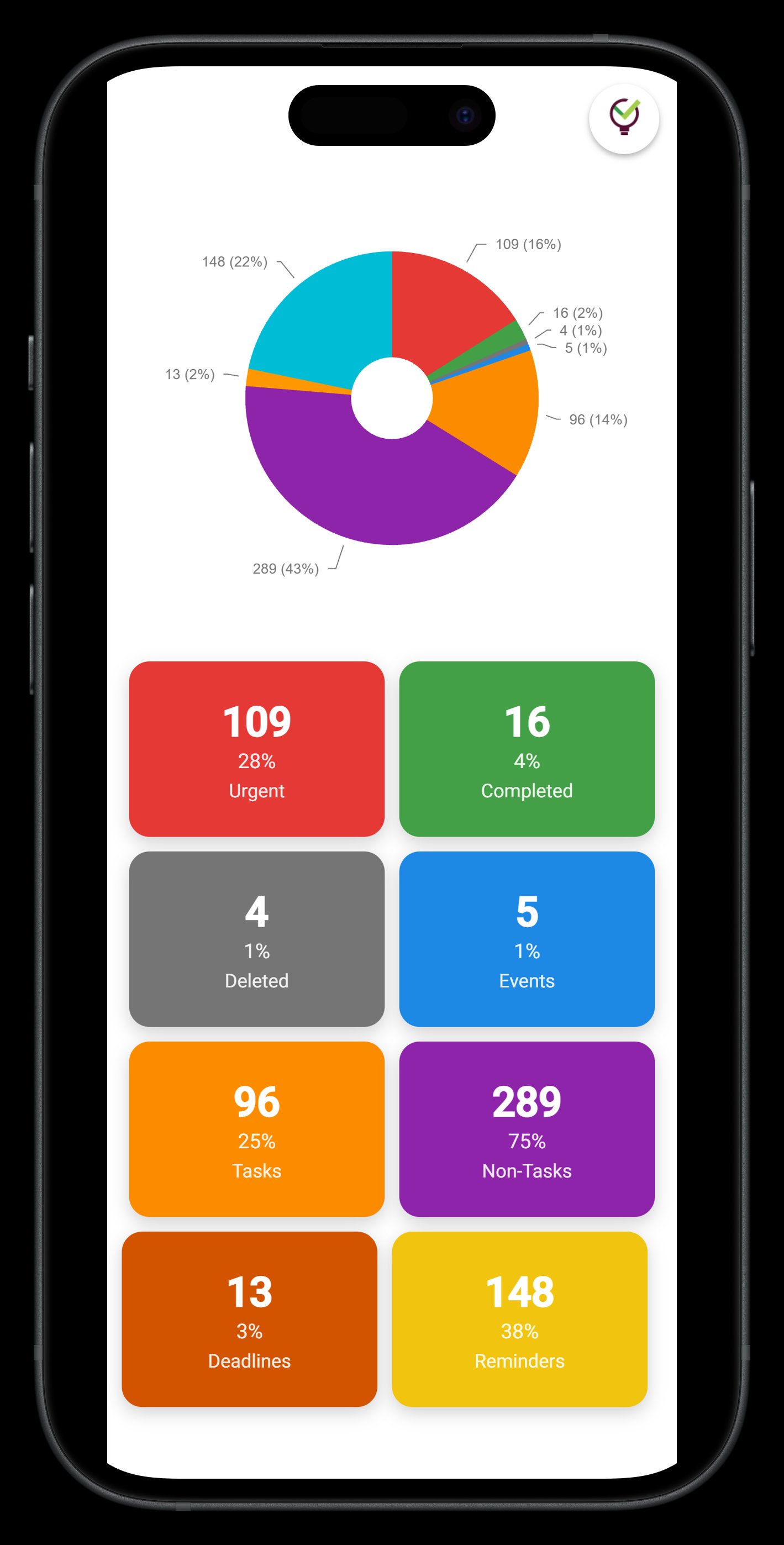
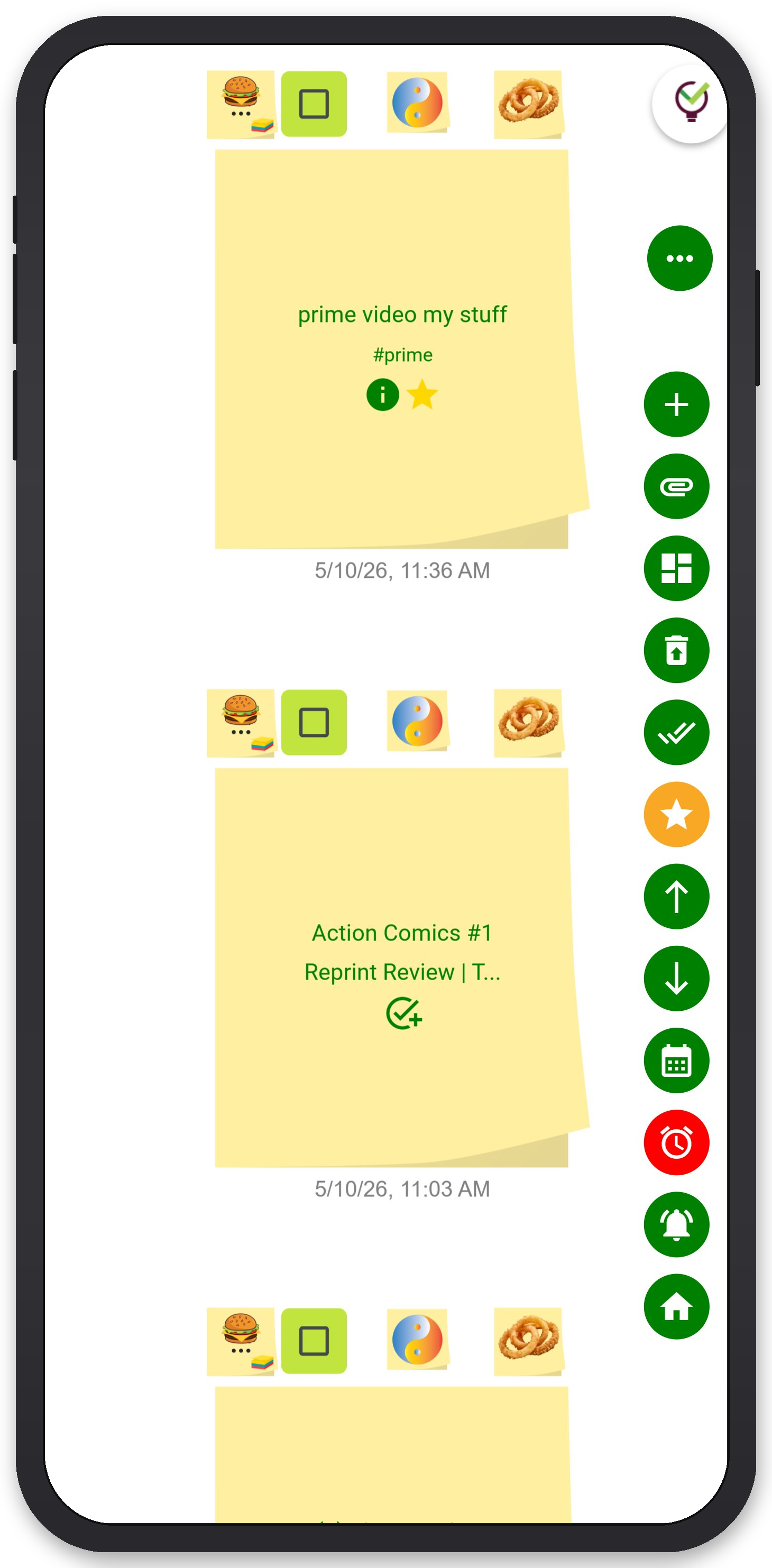
TaskLoco applies these principles by treating each note as a visual object with spatial presence. Notes arrange themselves on a virtual wall, use color coding for instant recognition, and maintain consistent positioning so your spatial memory can take over. The result is a system that feels natural rather than demanding — your brain processes the visual layout without conscious effort, leaving more mental resources for the actual work.
$9.99/month per person (currently $4.99/month per person for first 500 charter members with code CHARTER50)
TaskLoco Premium is regularly $9.99/month per person. Right now, charter members can lock in 50% off the regular price — forever. That means $4.99/month per person today. And if our price ever goes up, you still pay half. Always.
Code CHARTER50 auto-applies at checkout. First 500 spots only — once they're gone, this offer is gone permanently. Act fast while spots last.
Every Premium subscription includes unlimited notes, 10GB file storage, reminders, calendar, and team sharing. Each team member requires a separate subscription. 7-day free trial — no charge until day 8. Cancel anytime.
Free Options: TaskLoco
TaskLoco Lite
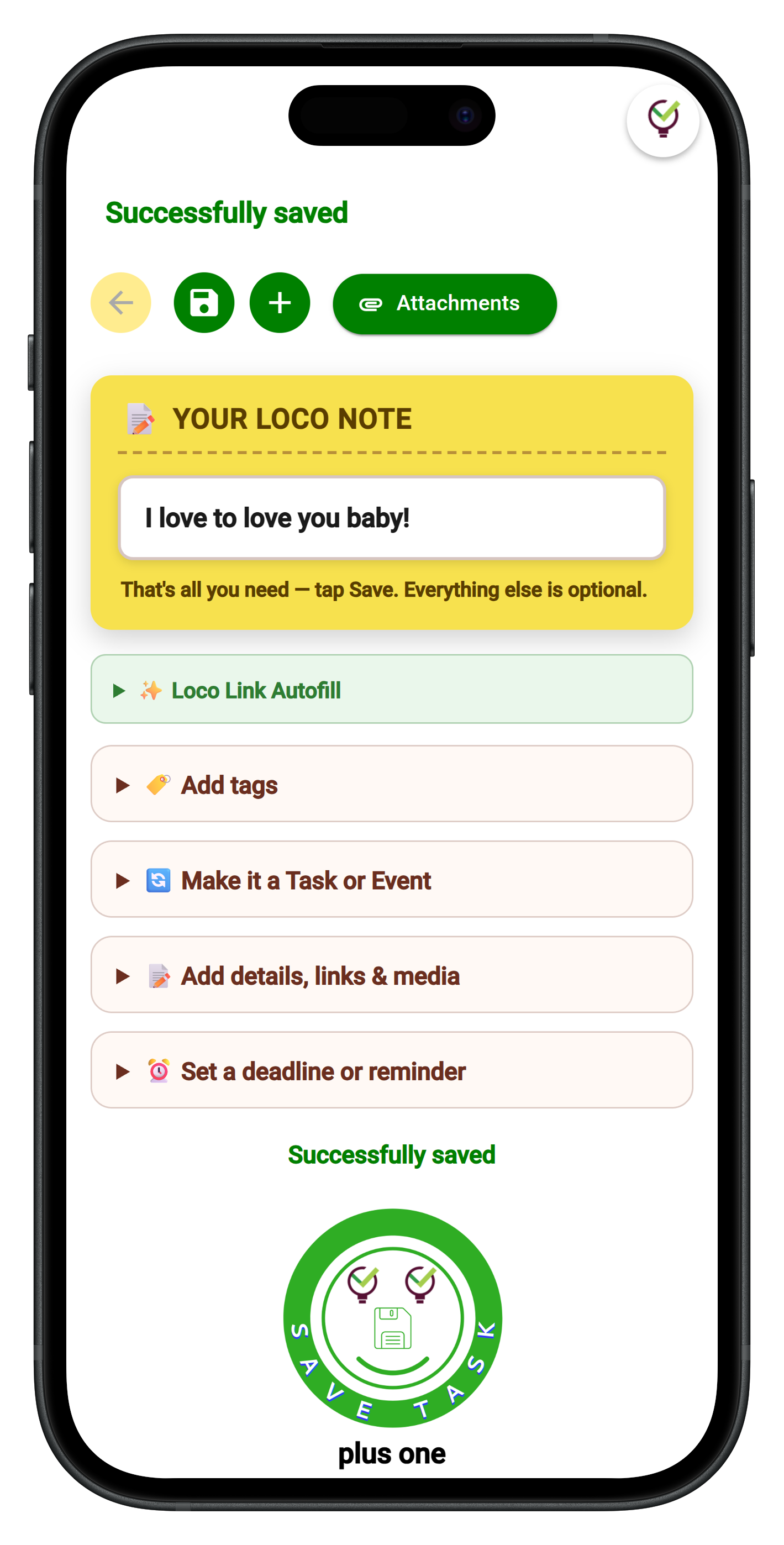
- Native iPhone & Android app
- Completely anonymous — no sign-in
- Data stays on your device
- Up to 20 notes
- Free forever
TaskLoco Lite Plus+
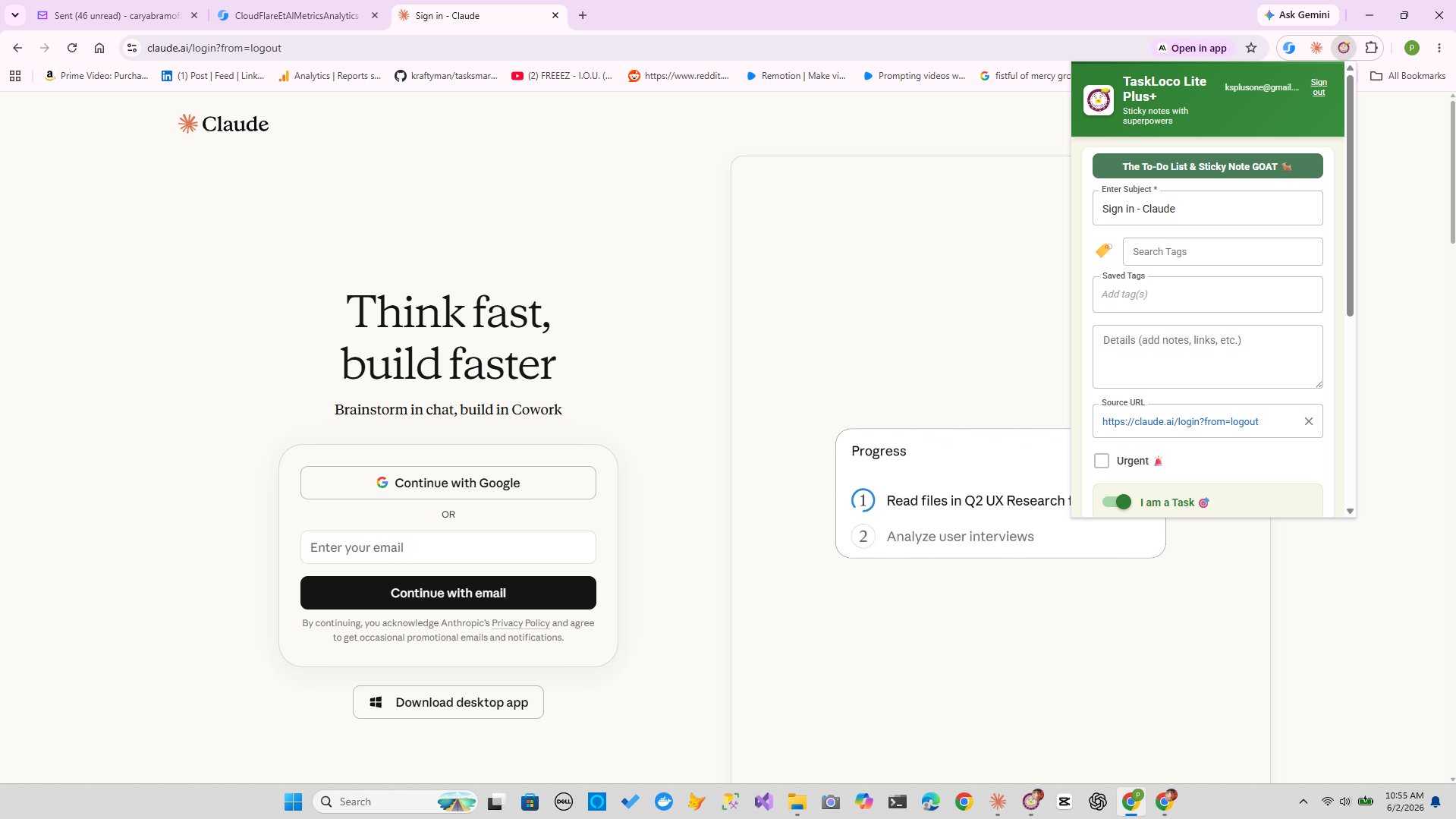
- Web app + Chrome extension
- Sign in with Google
- Wall syncs across all devices
- Up to 30 notes
- Free forever
Lock In 50% Off — Forever
7-day free trial. No charge until day 8. CHARTER50 auto-applies at checkout.
🔒 Lock In My Charter SpotSee TaskLoco in Action
Frequently Asked Questions
Why do visual systems feel more natural than text lists?
Visual systems tap into spatial memory and pattern recognition — cognitive abilities that evolved over millions of years and operate automatically. Text lists require conscious translation and categorization, which consumes limited working memory resources.
How much faster does the brain process visual information?
Research shows the brain processes visual information about 60,000 times faster than text. Visual scenes can be processed in 13 milliseconds, while reading a single word requires 200-250 milliseconds of focused attention.
What is cognitive load and why does it matter?
Cognitive load refers to the amount of mental effort required to process information. High cognitive load reduces performance and increases mental fatigue. Visual systems reduce cognitive load by eliminating mental translation steps and leveraging automatic processing.
Why do colors and spatial positions work better than categories?
Colors and spatial positions are processed by older, more efficient parts of the brain that work automatically. Categories require conscious thought and working memory. Your brain recognizes red as urgent instantly, but categorizing something as 'high priority' requires mental effort.
Can digital tools replicate the benefits of physical sticky notes?
Yes, when they prioritize visual organization over text-heavy interfaces. Digital tools work best when they maintain spatial relationships, use visual cues consistently, and avoid forcing users into abstract categorization systems.
How do visual systems improve memory retention?
Visual information engages spatial memory, which is more durable than abstract memory. People remember 65% of visual information after three days versus only 10% of text-based information. Visual systems also create multiple memory cues — position, color, and pattern — rather than relying solely on verbal recall.
What makes some digital productivity tools feel overwhelming?
Many tools force users into complex categorization systems, present information as dense text, and require conscious decision-making for simple actions. This overwhelms working memory and creates cognitive friction that makes the tool feel harder to use than the problem it's supposed to solve.
Born in Brooklyn. Powered by AWS. Your data stays yours.
TaskLoco is available on iPhone, Android, Chrome, and every web browser.