You write the list. You feel momentarily in control. Then the day happens, and by 5pm you've added six things, crossed off one, and the list is longer than when you started. Sound familiar? That's not a discipline problem. That's a structural problem — and the structure is the to-do list itself.
To-do lists were invented to offload memory, not to manage work. They're good at one thing: making sure you don't forget something. They're terrible at telling you what to do next, when to do it, or why it matters. Once a list grows past about seven items, it stops being a tool and starts being a source of low-grade anxiety. This article breaks down exactly why that happens — and what to replace it with.
The Real Reason To-Do Lists Fail
A to-do list is a flat list of intentions. It has no sense of time, no hierarchy, and no awareness of your energy or your day. Every item sits on the same level — "Call dentist" sits right next to "Rebuild the onboarding flow" — and your brain has to do all the prioritization work from scratch every single time you look at it.
Research on decision fatigue is clear: the more choices you face, the worse each individual decision becomes. A long to-do list isn't a productivity tool — it's a daily decision-making tax. You spend cognitive energy just figuring out what to work on instead of actually working on it.
There's also the completion illusion. Writing something down feels like progress. It isn't. The satisfaction of adding a task to a list can actually reduce your motivation to complete it — your brain partially registers the act of writing as the act of doing. Psychologists call this "symbolic self-completion." You feel like you made progress. You didn't.
And then there's the endless list spiral. Tasks get added faster than they get done. Old items never die — they just sit there, staring, until you either do them, delete them, or start a fresh list and pretend the old one never existed. That cycle repeats weekly for most people.
What Actually Works: Systems Over Lists
The solution isn't a fancier to-do list. It's a fundamentally different approach — one built around context, time, and outcome rather than raw task capture.
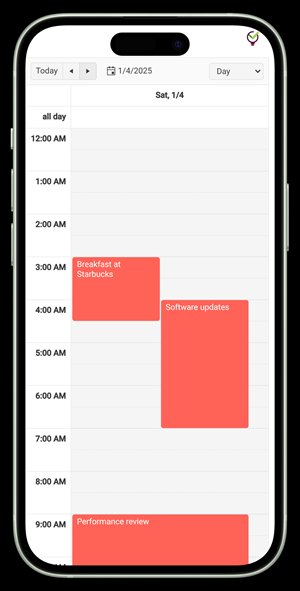
1. Time-block instead of list. A task with no scheduled time is a wish. Put your most important work on your calendar as a block — a specific window you protect like a meeting. This forces you to confront the reality of your available time and stops you from pretending you can do twelve hours of work in six hours.
2. Limit your daily list to three outcomes. Not three tasks — three outcomes. An outcome is something meaningful that will be true at the end of the day that isn't true now. "Reply to emails" is a task. "Draft sent to client" is an outcome. Outcomes force clarity about what you're actually trying to accomplish.
3. Keep context with the task. A task without context is just a word. If you write "follow up with Sarah," future-you has to remember what that means, where the thread is, what you said last. Instead, capture the task alongside the relevant note, file, or message. When you open it to do it, everything you need is already there.
4. Use a capture inbox, not a to-do list. Everything that lands in your head goes into a single inbox — fast, frictionless, no organization required. Then, once or twice a day, you process that inbox: decide what each item is, when it happens, and what outcome it belongs to. The inbox is for collection. The processed system is for execution.
5. Review weekly, not just daily. Daily lists drift. A weekly review — 20-30 minutes every Friday or Sunday — resets your system, clears completed items, and lets you look at the week ahead with real information instead of wishful thinking. Most people who feel perpetually behind skip this step.
The Role of Capture Tools — and How to Pick One
Once you have a system, you need a place to run it. The tool matters less than the system, but a bad tool can undermine a good system. Here's what to look for:
- Frictionless capture. If adding a task takes more than five seconds, you'll stop doing it. The tool has to be faster than opening a Notes app and typing.
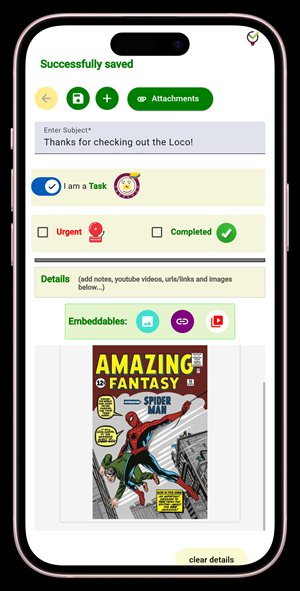
- Context lives with the task. Files, links, images, and notes should be attached directly to the item — not in a separate folder you have to go find.
- Reminders that pull you back in. A task you wrote down and forgot about is the same as a task you never wrote down. Reminders have to reach you — on your phone, your computer — wherever you are.
- A view that mirrors how you think. Some people think in lists. Some think spatially, like a whiteboard. The best tools let you switch between both.
You don't need the most powerful tool. You need the one you'll actually use consistently. Complexity is the enemy of consistency.
How TaskLoco Fits This System
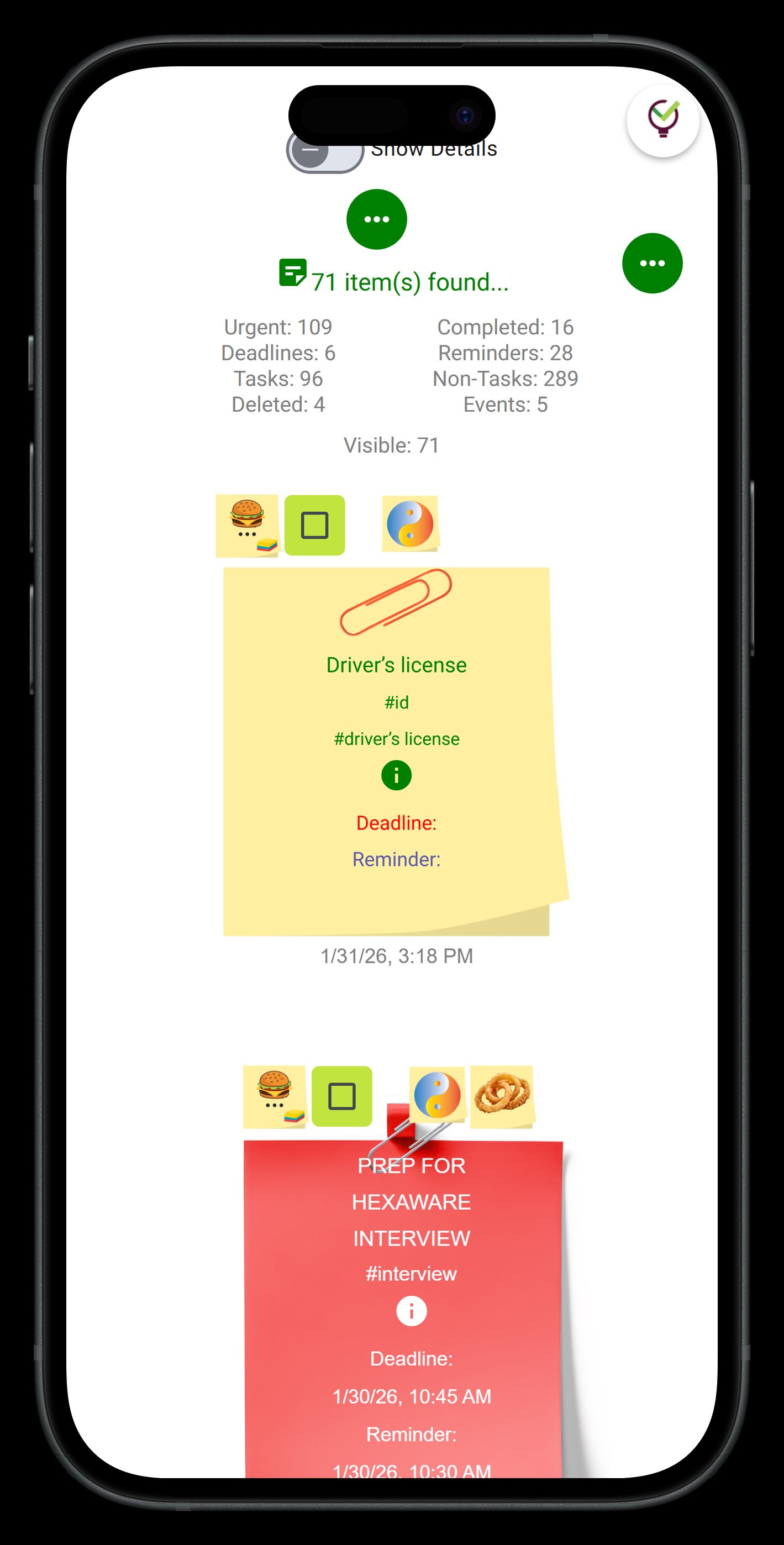
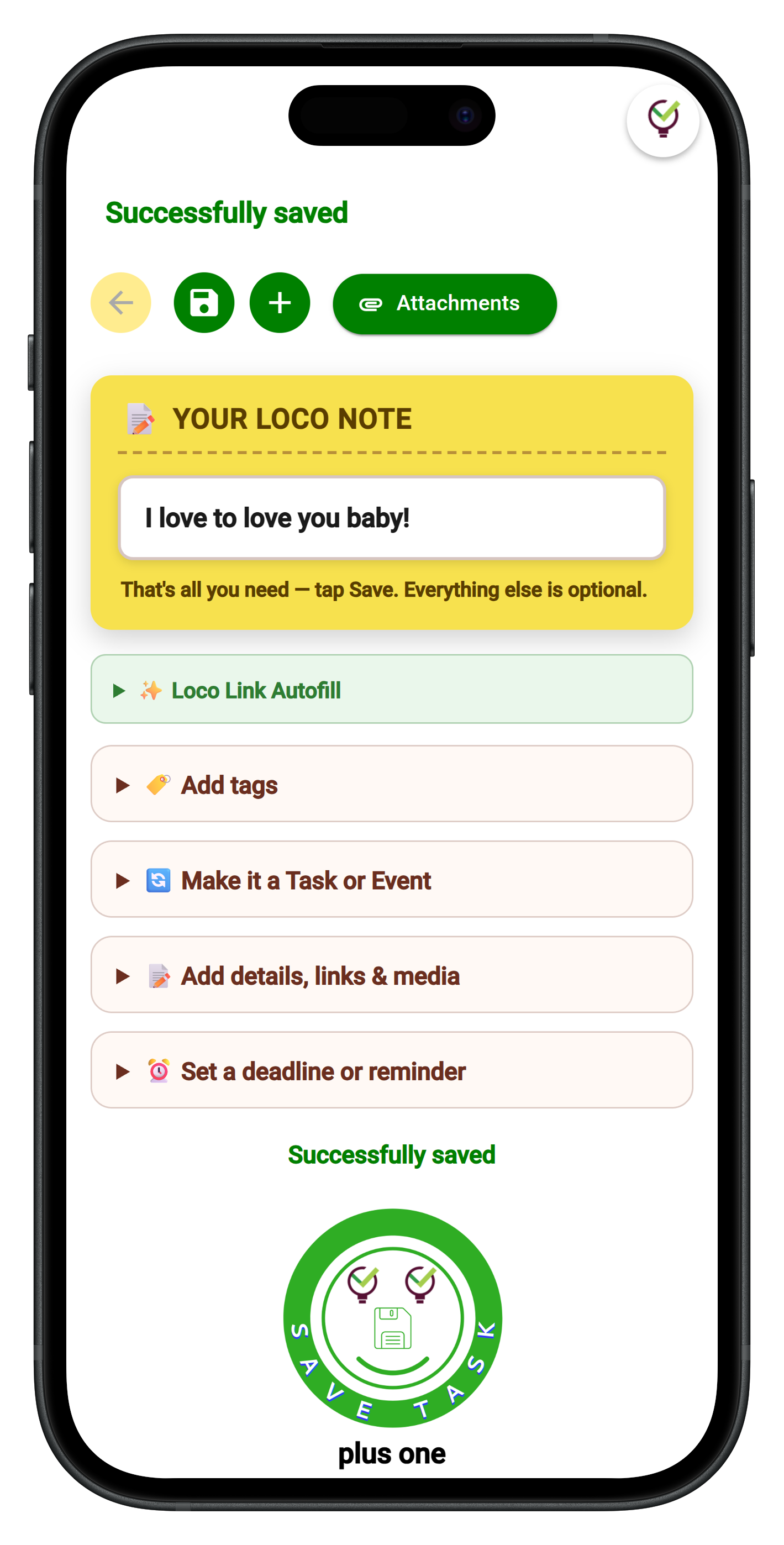
TaskLoco was built around a simple premise: tasks make more sense when they live inside notes, not just on a list. Each note is a workspace — you write the task, attach the relevant file, add the context, and set a reminder. When the reminder fires, it deep-links you back to that exact note, so everything you need is already open. No hunting.
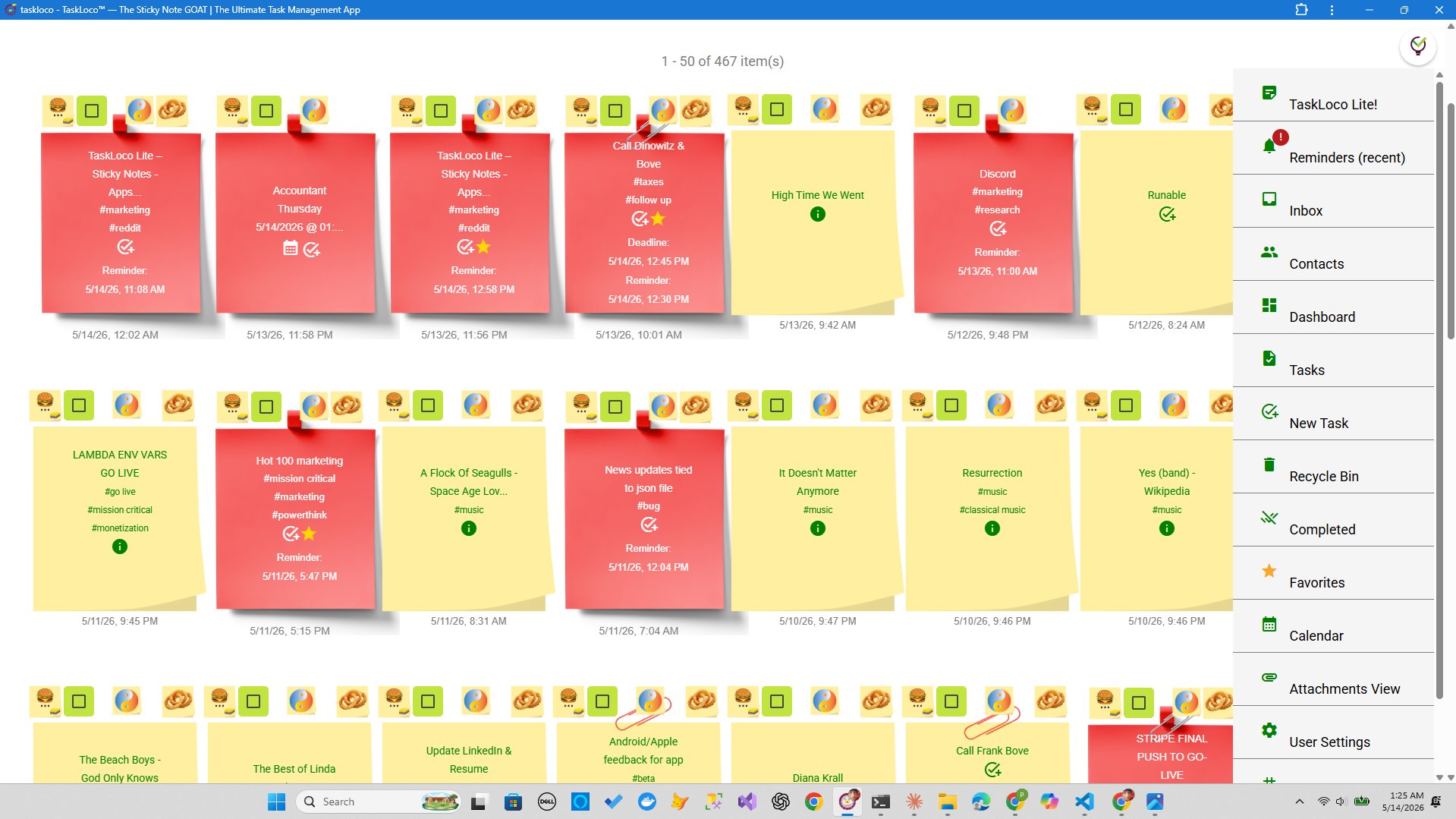
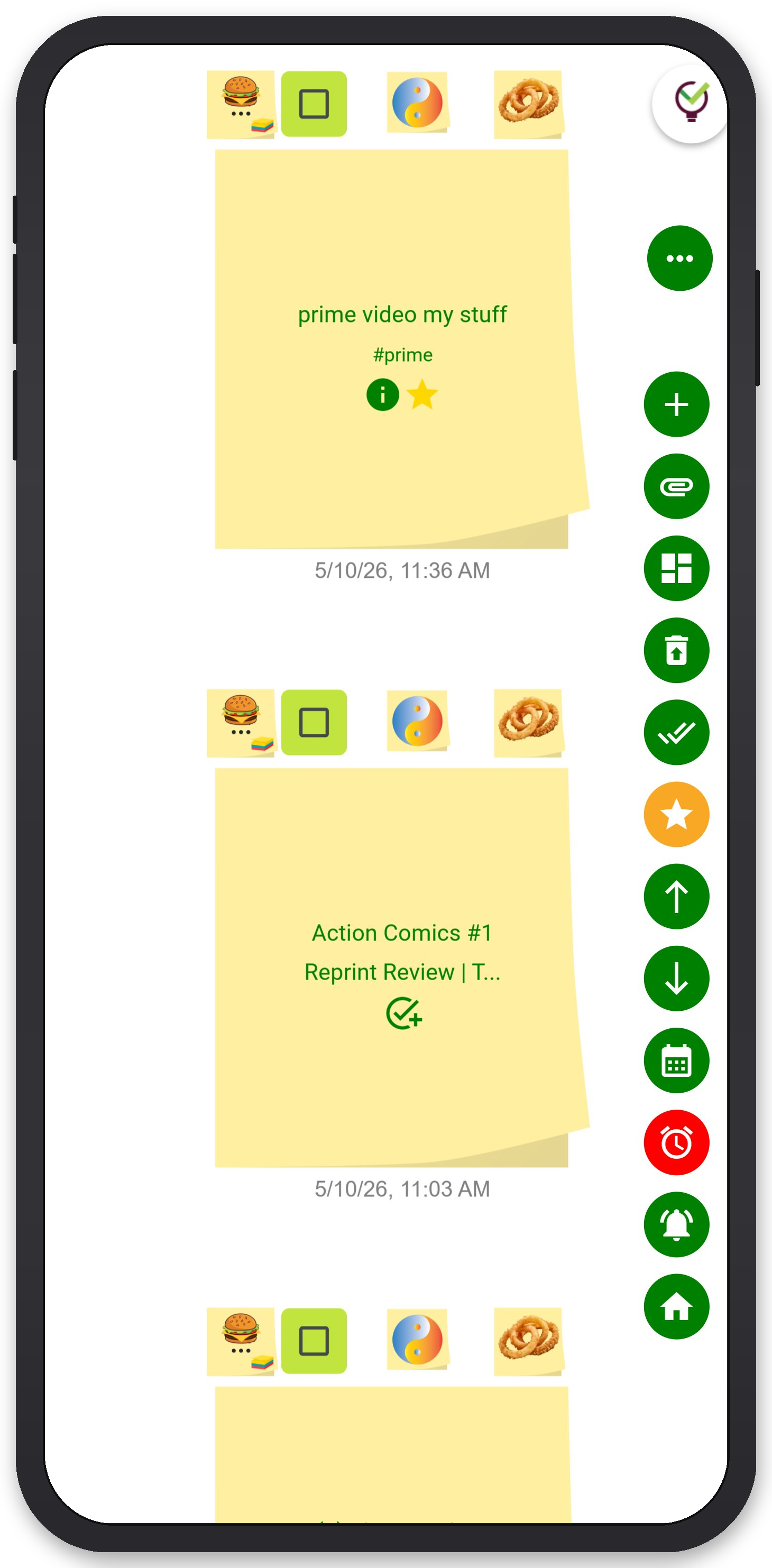
The wall view works like a physical sticky-note board — spatial, visual, and fast to scan. If you think better with everything spread out rather than stacked in a list, this is the view you'll live in. You can also switch to calendar view to see what's happening when, or list view if you prefer linear structure.
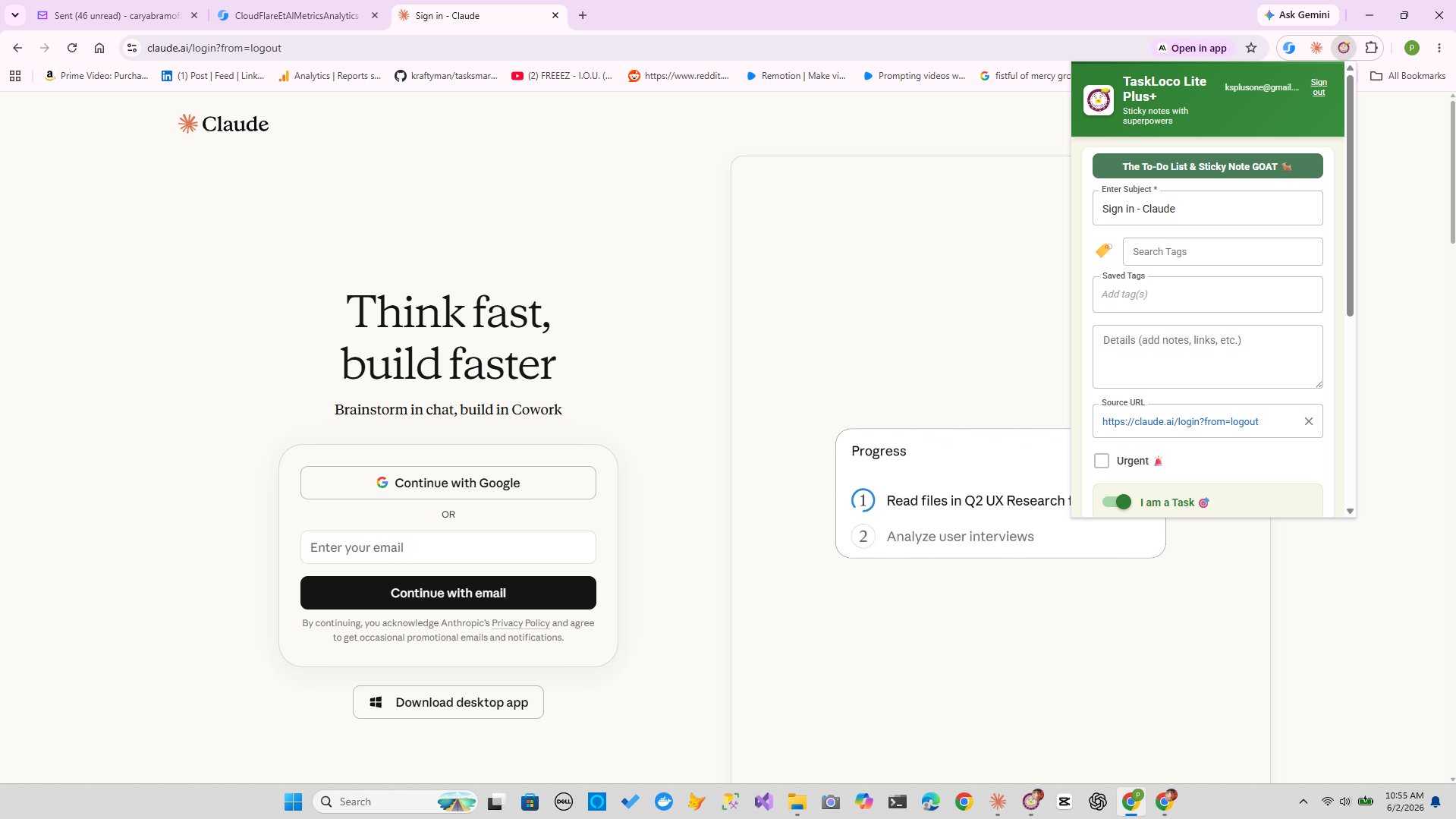
For capture, the Chrome extension grabs any webpage in one click — useful if a lot of your tasks come from things you read online. For teams, shared notes work the way email does: the recipient gets their own clone of the note to work with, no permissions setup required.
TaskLoco Lite is free, anonymous, and needs no account — download it, start adding notes immediately, no sign-in ever. If you want reminders, file attachments, unlimited notes, and cross-device sync, that's Premium.
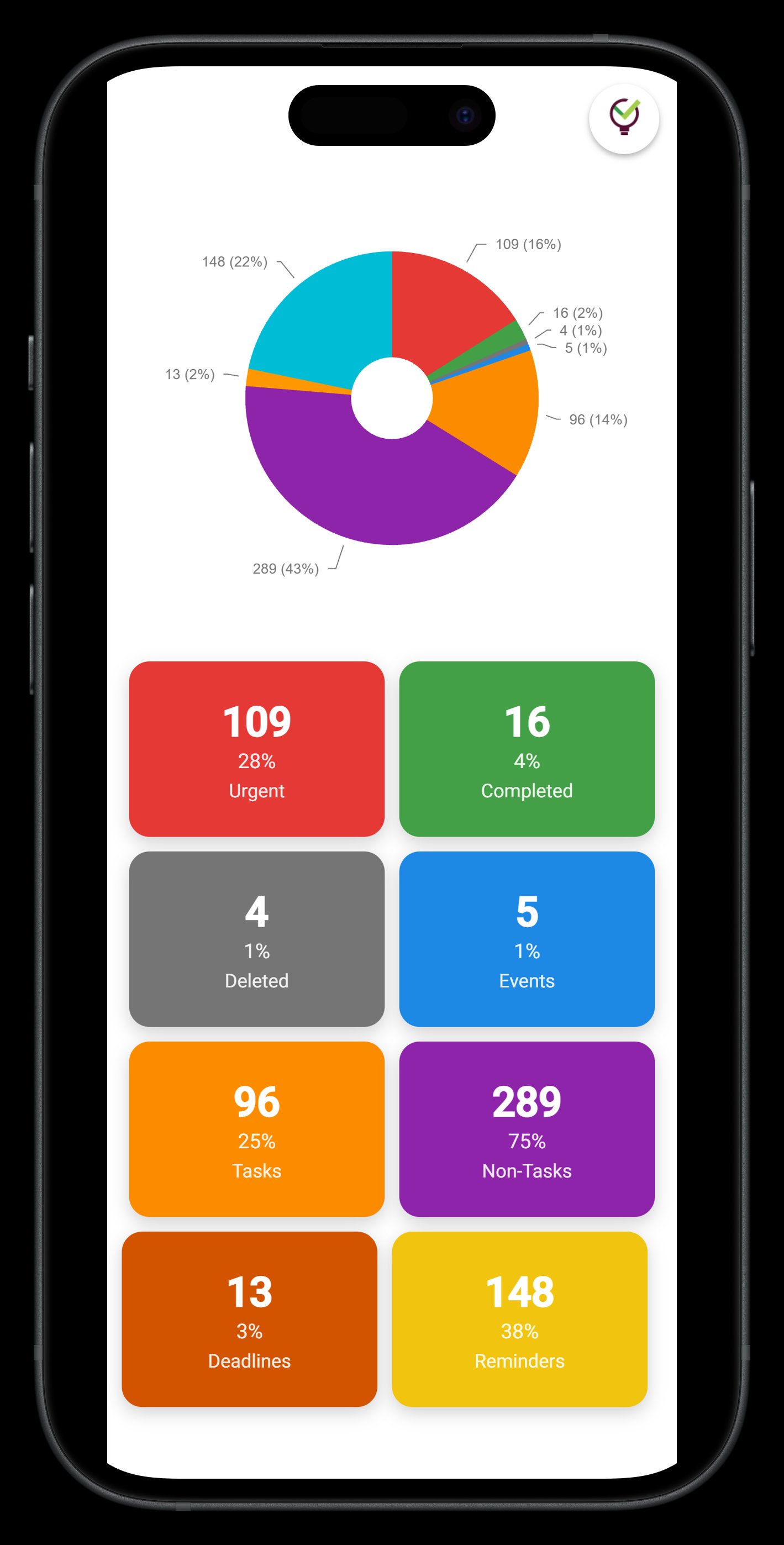
TaskLoco Premium is regularly $9.99/month per person. Right now, charter members can lock in 50% off the regular price — forever. That means $4.99/month per person today. And if our price ever goes up, you still pay half. Always.
Code CHARTER50 auto-applies at checkout. First 500 spots only — once they're gone, this offer is gone permanently. Act fast while spots last.
Every Premium subscription includes unlimited notes, 10GB file storage, reminders, calendar, and team sharing. Each team member requires a separate subscription. 7-day free trial — no charge until day 8. Cancel anytime.
Free Options: TaskLoco
TaskLoco Lite
- Native iPhone & Android app
- Completely anonymous — no sign-in
- Data stays on your device
- Up to 20 notes
- Free forever
TaskLoco Lite Plus+
- Web app + Chrome extension
- Sign in with Google
- Wall syncs across all devices
- Up to 30 notes
- Free forever
Lock In 50% Off — Forever
7-day free trial. No charge until day 8. CHARTER50 auto-applies at checkout.
🔒 Lock In My Charter SpotSee TaskLoco in Action
Frequently Asked Questions
Why do I keep abandoning my to-do lists?
Usually for one of three reasons: the list is too long and overwhelming, there's no sense of when things get done, or the tasks lack context so they feel vague and hard to start. A list that lives on paper or in a generic notes app has no structure to help you prioritize — so you either cherry-pick easy wins or avoid it entirely. The fix is to limit your daily focus to three outcomes, schedule them as time blocks, and make sure the relevant context is attached to each task.
What's the difference between a to-do list and a task management system?
A to-do list is a flat collection of things you want to do. A system is a set of rules for how tasks get captured, prioritized, scheduled, and completed. A system tells you what to work on next and why. A to-do list just tells you what you haven't done yet. The system is what makes the list actionable — without it, you're just maintaining a growing backlog.
How many tasks should be on a daily to-do list?
Most productivity research points to three meaningful outcomes per day as the sweet spot. Not tasks — outcomes. Tasks are actions; outcomes are results. You might need five to ten small tasks to achieve three outcomes, and that's fine. But if your daily list has twenty items and no clear wins, you'll end the day feeling behind even if you were productive. Keep the focus tight.
Does the GTD method actually work?
Getting Things Done (GTD) works well for its core insight: get everything out of your head and into a trusted system, then process it regularly. Where it trips people up is the overhead — GTD has a lot of categories, reviews, and rules that take real discipline to maintain. The principles are solid. The implementation can be simplified. The weekly review is the one GTD habit worth keeping even if you abandon everything else.
What should I use instead of a to-do list app?
The honest answer is: something that connects tasks to context and time. That usually means a tool that lets you attach notes and files to tasks, set reminders, and see what's happening on a calendar — not just a running list. The format matters less than the habit. A simple notebook with time blocks can outperform a sophisticated app you check once a week.
How does TaskLoco handle reminders?
TaskLoco Premium reminders are delivered as push notifications to your phone and computer. When the notification fires, it deep-links you directly back to the original note — so you land exactly where you need to be, with all the context already there. Optional email notifications are also available. SMS is an optional add-on. $9.99/month per person (currently $4.99/month per person for first 500 charter members with code CHARTER50)
Is TaskLoco free to try?
Yes. TaskLoco Lite is completely free, requires no account, and is totally anonymous — just download and start adding notes. TaskLoco Lite Plus+ is also free and adds cross-device sync (sign in with Google required). TaskLoco Premium adds reminders, file attachments, unlimited notes, calendar view, and team sharing — and comes with a 7-day free trial. $9.99/month per person (currently $4.99/month per person for first 500 charter members with code CHARTER50)
Born in Brooklyn. Powered by AWS. Your data stays yours.
TaskLoco is available on iPhone, Android, Chrome, and every web browser.