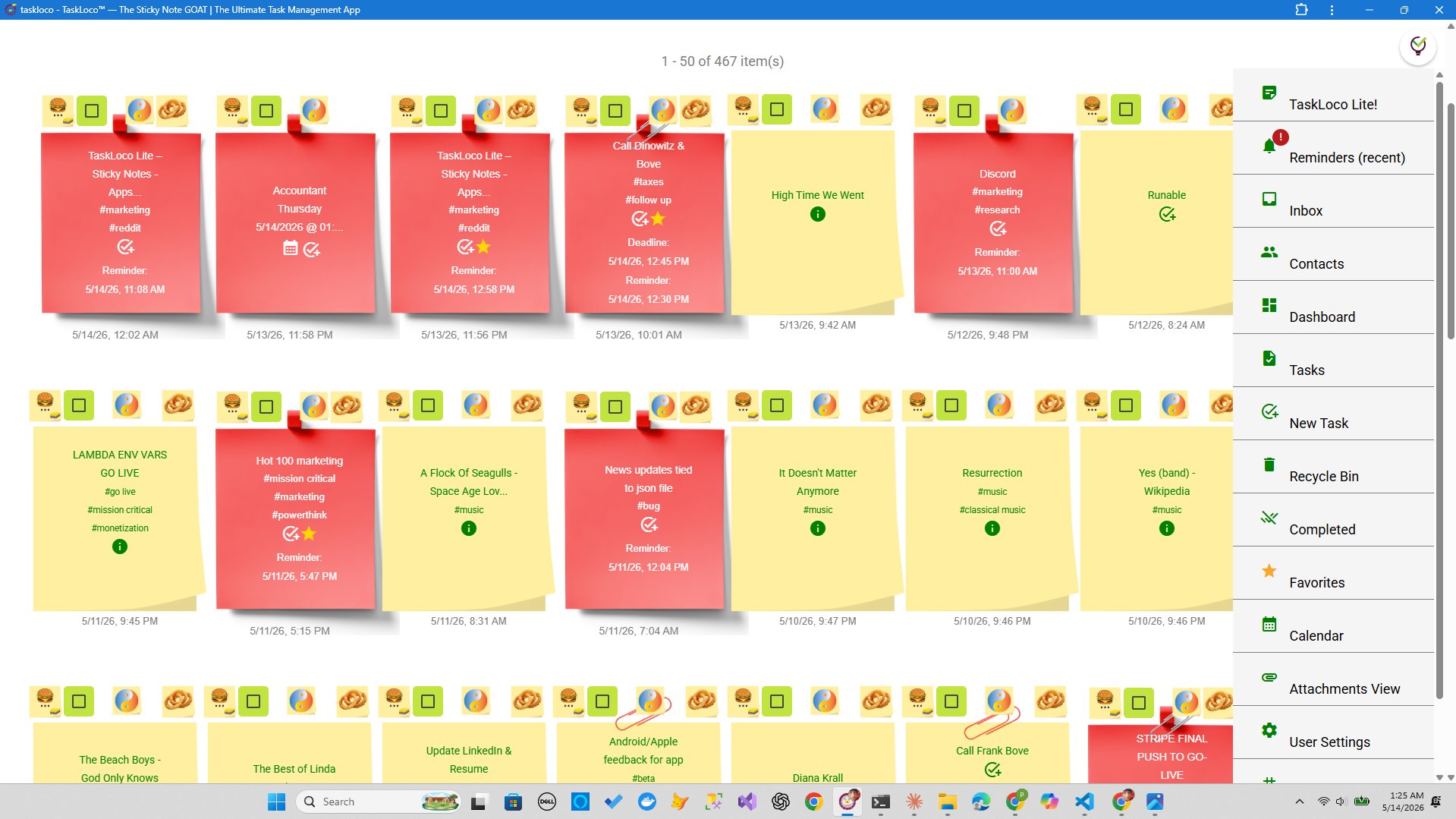
The graveyard of productivity apps is full of abandoned to-do lists. You downloaded the app, typed in a few tasks, maybe even color-coded them — and three days later you never opened it again. That's not a discipline problem. That's a format problem. Linear lists work great if your brain thinks linearly. Most brains don't.
There's a whole category of people — creative professionals, people with ADHD, visual thinkers, anyone who's ever covered a wall with sticky notes during a brainstorm — who genuinely can't get traction with a scrolling list of tasks. They're not lazy. They're just not list people. If that's you, the answer isn't more discipline. It's a different kind of app.
What Actually Makes a Task App Work for Non-List People
Before recommending anything, it's worth being honest about what makes the traditional to-do list feel like work instead of helping you get work done. Three things tend to break people:
- Linearity. A list forces every task into a ranked sequence. Real life isn't ranked. Some things are urgent and small. Some are big and not urgent. Squashing everything into one vertical line loses that nuance instantly.
- Friction to capture. If adding a task takes more than two taps, you'll stop doing it. The capture habit dies before it starts.
- No visual context. A task called "follow up with Dana" means something when you can see it next to "client proposal draft" and "invoice Q3." Floating alone in a list, it means almost nothing.
The two or three criteria that actually matter when you're choosing a non-list task tool: How fast can you capture something? Can you see relationships between things? And will it remind you without requiring you to babysit it? Everything else — themes, tags, integrations — is secondary to those three.
Why Sticky Notes Work When Lists Don't
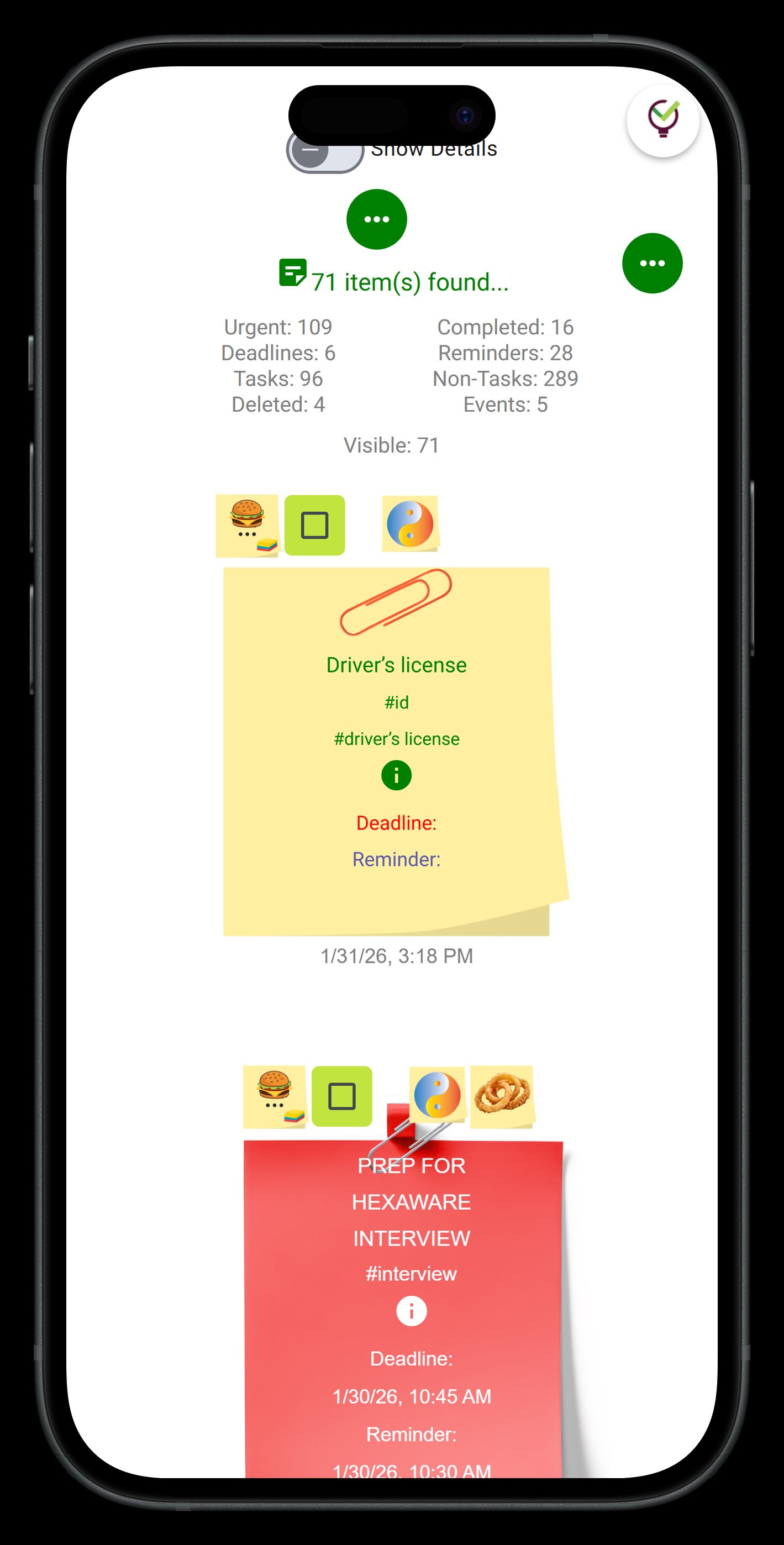
Sticky notes have survived decades of productivity fads for a reason. They're spatial. You can cluster them, move them, put related ones next to each other without declaring a formal hierarchy. Your brain reads a wall of sticky notes differently than it reads a bulleted list — it can skim, spot patterns, and feel the shape of what's going on at a glance.
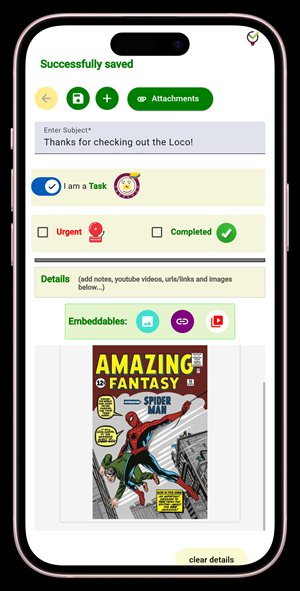
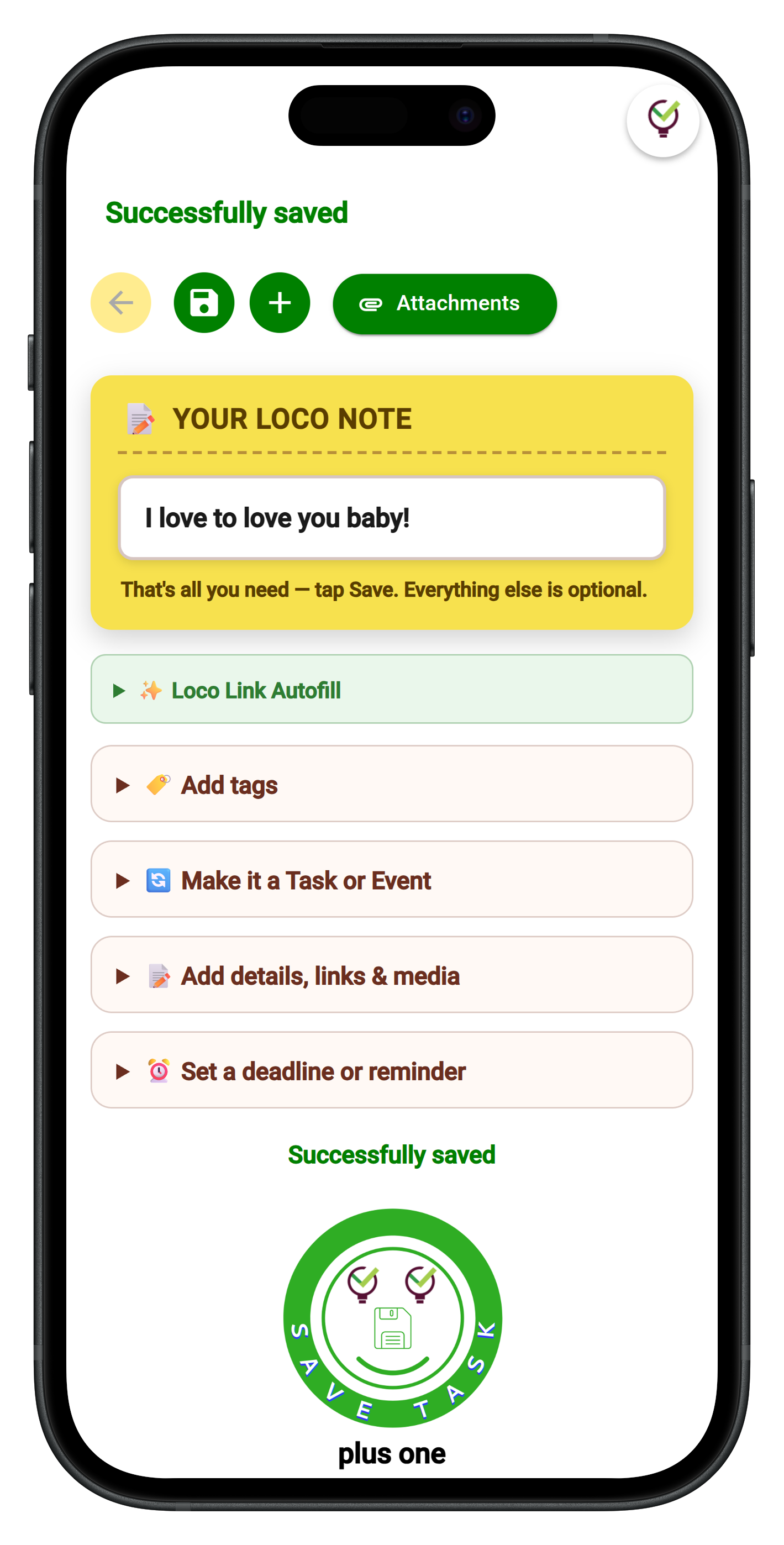
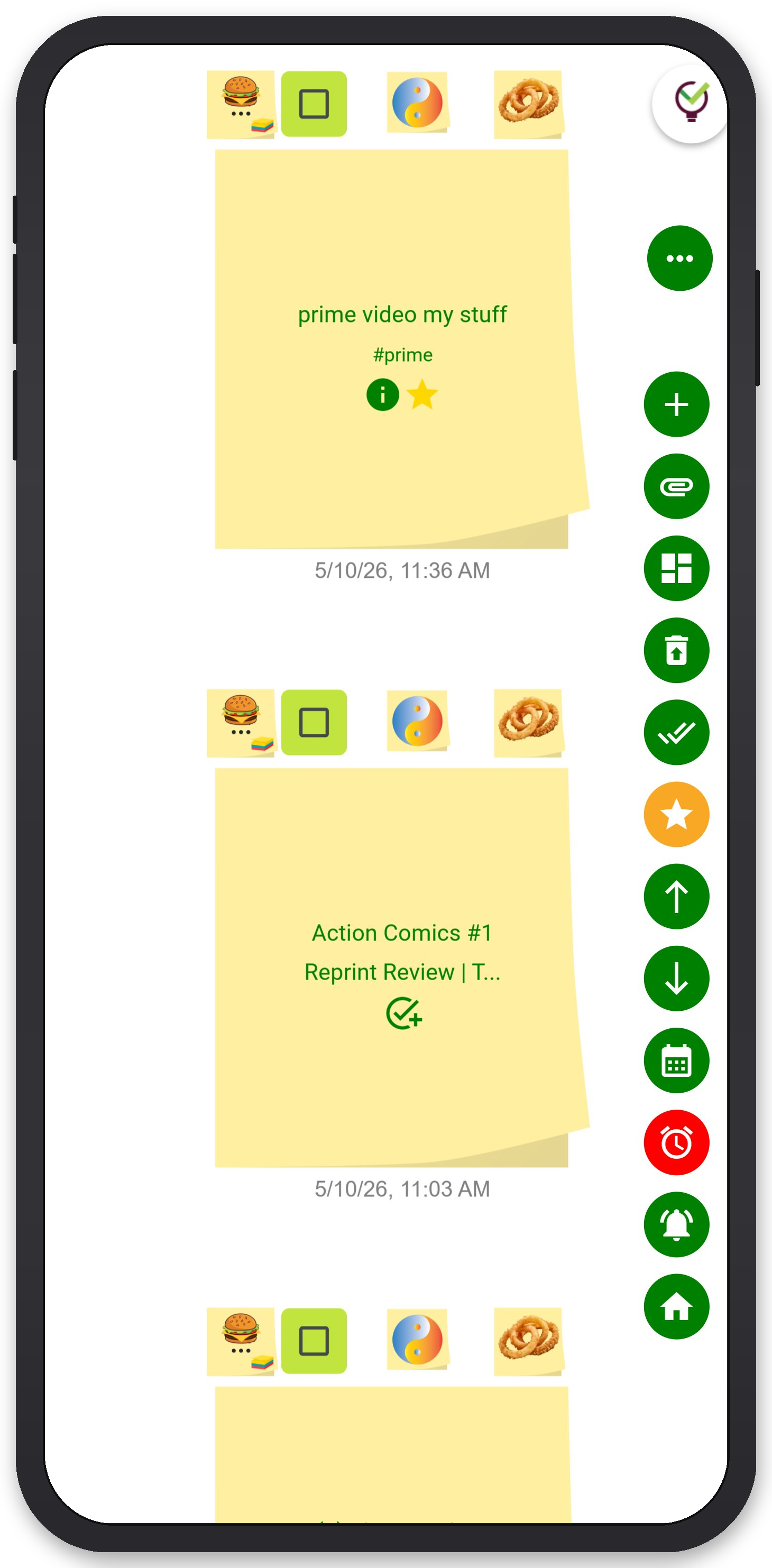
TaskLoco is built entirely around this mental model. Instead of a list, you get a wall. Each note is its own unit — you can write a quick task, attach a file, drop in a photo, or just jot a thought. You arrange them however makes sense to you. There are no required fields, no mandatory categories, no "project" you have to assign it to before you're allowed to save it.
The note-first approach is genuinely different from apps that bolt a "board view" onto an underlying list structure. In TaskLoco, the note is the primary object. Everything — reminders, files, calendar events, team sharing — hangs off the note. That means when a reminder fires, it deep-links straight back to the original note, with all its context intact. You're not looking at a notification that says "call Dana" with no memory of why. You're looking at the note that has Dana's number, the attachment she sent, and the three bullet points you wrote last week.
What You Actually Get With TaskLoco Premium
There are three versions of TaskLoco, and it's worth knowing which one does what.
TaskLoco Lite is the free native iPhone and Android app. Completely anonymous — no sign-in, no account required. It stores up to 20 notes as a JSON file on your device. It's a pure capture tool: fast, private, no cloud, no sync. Great for getting the habit started, but it doesn't follow you across devices and has no reminders or attachments.
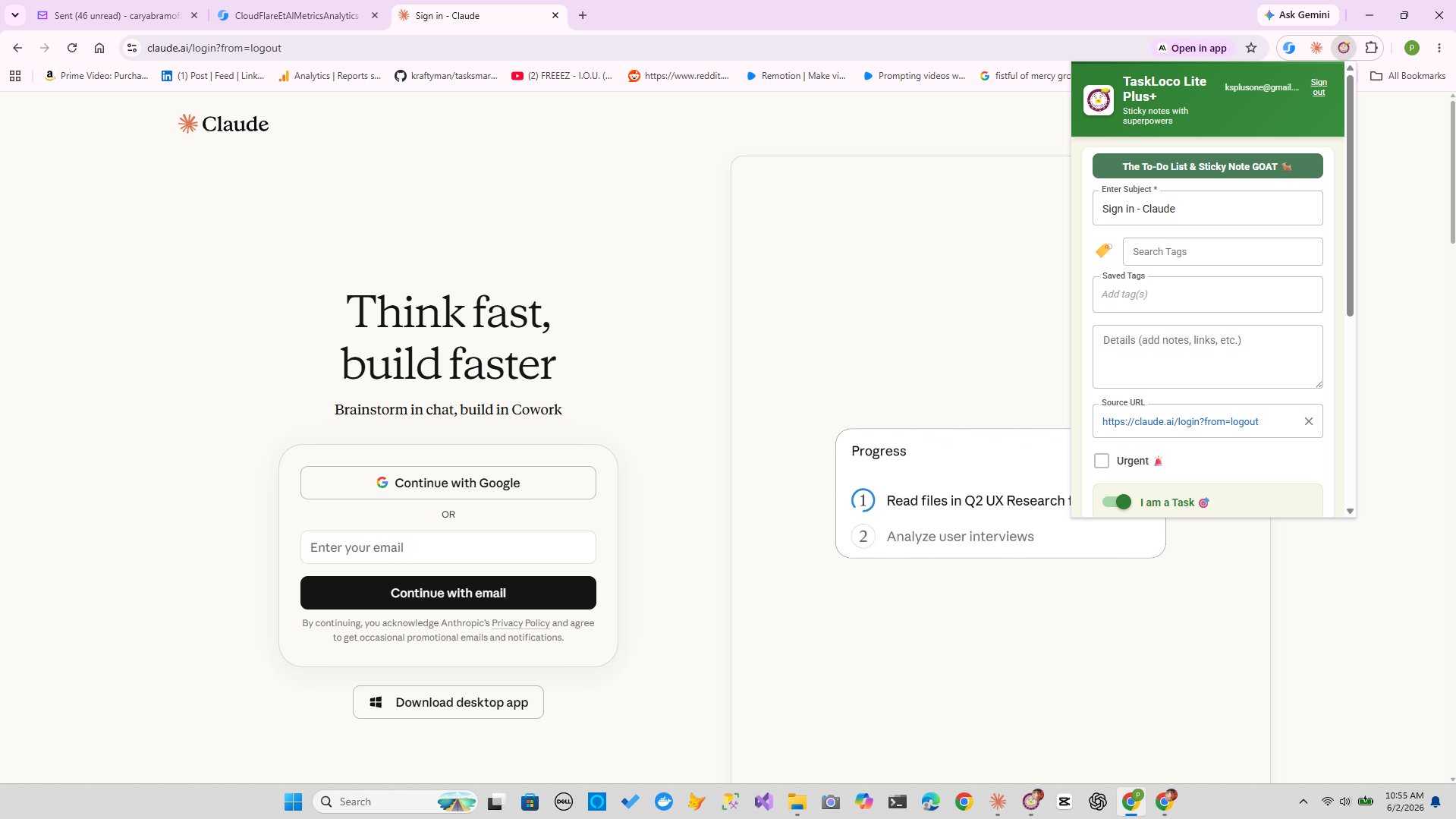
TaskLoco Lite Plus+ is the free web app and Chrome extension. Sign in with Google, get up to 30 notes that sync across all your devices. The Chrome extension is genuinely useful — one click captures any webpage as a note. Still no reminders, no file attachments, no sharing.
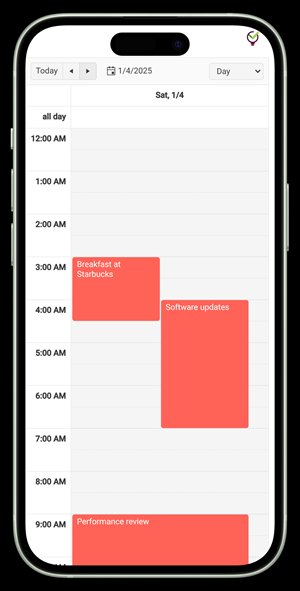
TaskLoco Premium is where the non-list system becomes complete. Unlimited notes, 10GB file storage, a calendar view, full team sharing, and reminders delivered as push notifications to your phone and computer — with optional email and SMS add-ons. The calendar view is worth calling out specifically: instead of a list of future deadlines, you see your notes and tasks laid out in time, spatially, the same way you see them on the wall. It's consistent with the whole mental model.
Team sharing works the way email attachments always should have — the recipient can clone the shared note and make it their own. No permissions matrix to manage, no access levels to configure. Share a note, they get a full copy they can edit independently.
The Chrome Extension: Capture Without Breaking Focus
One of the biggest failure modes for visual thinkers is the capture gap. You're reading something online, you want to save it or turn it into a task, and by the time you've opened your app, navigated to a project, and typed in the details — your train of thought is gone. The Chrome extension closes that gap completely.
One click on any webpage and TaskLoco captures it as a note. The URL, the page title, any text you've selected — it's all there. You can add context on the spot or come back to it later. The note syncs immediately across your devices if you're on Lite Plus+ or Premium. No copy-paste, no tab-switching, no losing the thread.
For people who do a lot of research, client work, or web-based reading, this single feature changes the rhythm of a workday. The capture habit is easy to maintain when capturing costs nothing.
It's also free. The Chrome extension is included with both Lite Plus+ and Premium — you don't need a paid plan to use it. That's a meaningful way to test whether the TaskLoco approach clicks for you before committing to anything.
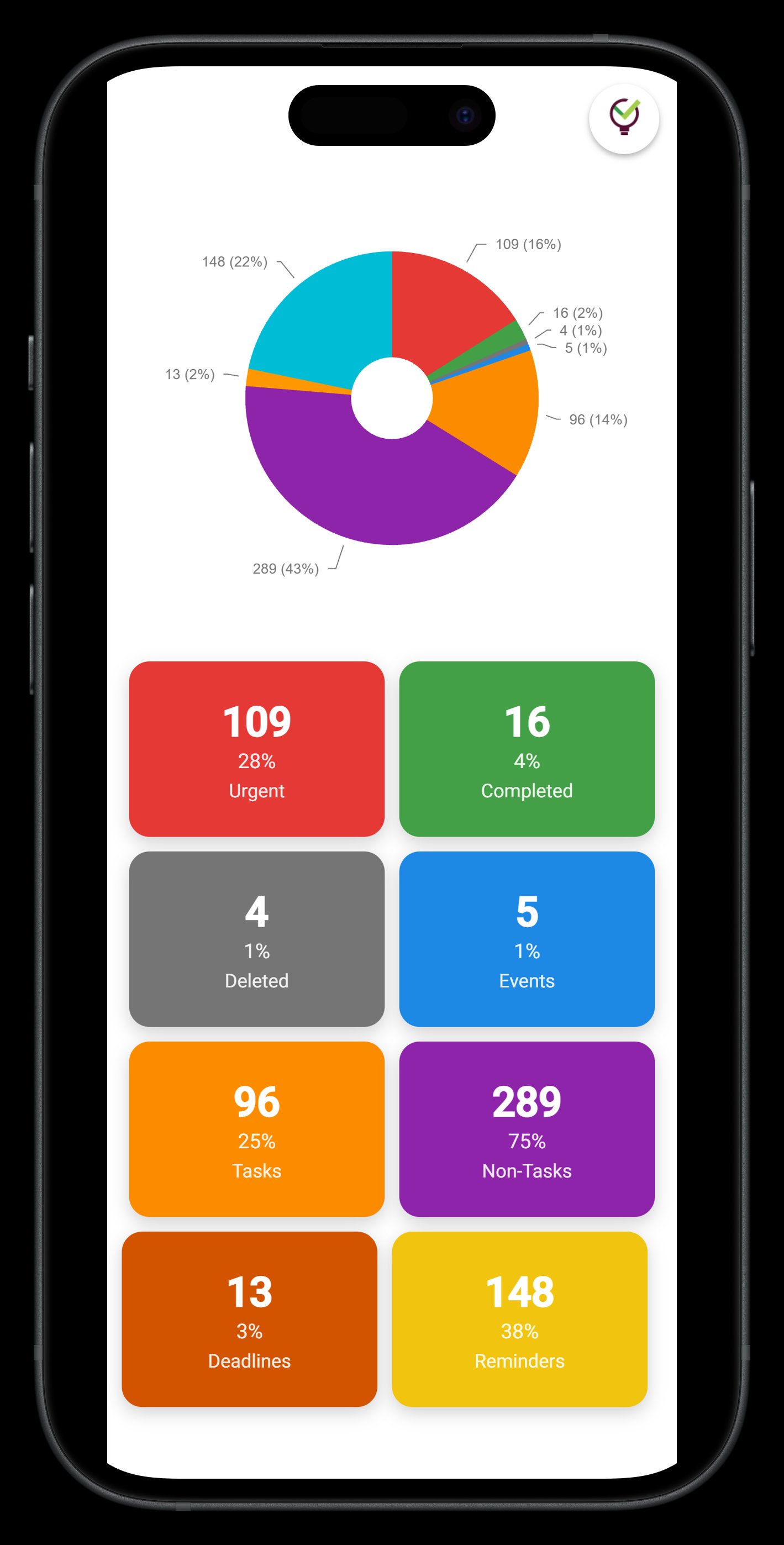
TaskLoco Premium is regularly $9.99/month per person. Right now, charter members can lock in 50% off the regular price — forever. That means $4.99/month per person today. And if our price ever goes up, you still pay half. Always.
Code CHARTER50 auto-applies at checkout. First 500 spots only — once they're gone, this offer is gone permanently. Act fast while spots last.
Every Premium subscription includes unlimited notes, 10GB file storage, reminders, calendar, and team sharing. Each team member requires a separate subscription. 7-day free trial — no charge until day 8. Cancel anytime.
Free Options: TaskLoco
TaskLoco Lite
- Native iPhone & Android app
- Completely anonymous — no sign-in
- Data stays on your device
- Up to 20 notes
- Free forever
TaskLoco Lite Plus+
- Web app + Chrome extension
- Sign in with Google
- Wall syncs across all devices
- Up to 30 notes
- Free forever
Lock In 50% Off — Forever
7-day free trial. No charge until day 8. CHARTER50 auto-applies at checkout.
🔒 Lock In My Charter SpotSee TaskLoco in Action
Frequently Asked Questions
Why don't to-do lists work for some people?
To-do lists impose a linear structure on work that isn't actually linear. When every task looks identical in a vertical list, the brain loses the spatial and relational cues it uses to prioritize naturally. Visual thinkers, people with ADHD, and anyone who processes context through proximity rather than rank often find that lists feel flat and hard to act on — not because they're disorganized, but because the format doesn't match how their mind works.
Is TaskLoco actually different from a regular task manager?
Yes — structurally, not just visually. In most task managers, a "board view" is a layer on top of an underlying list. In TaskLoco, the note is the primary object from the start. Everything — reminders, files, calendar events, sharing — hangs off the note. That means the spatial wall view isn't a cosmetic option; it's how the whole system works. You're not forcing list-shaped data into a board. You're working with notes natively.
What's the difference between TaskLoco Lite, Lite Plus+, and Premium?
Lite is the free native iPhone and Android app — anonymous, no sign-in, up to 20 notes stored only on your device, no sync. Lite Plus+ is the free web app and Chrome extension — sign in with Google, up to 30 notes, synced across all your devices, no reminders or file attachments. Premium is the full system: unlimited notes, 10GB file storage, reminders delivered as push notifications (with optional email and SMS), calendar view, and full team sharing. Each tier is genuinely useful; Premium is where the complete visual workspace comes together.
How do reminders work in TaskLoco?
Reminders in TaskLoco are delivered as push notifications to your phone and computer. The key feature is that each reminder deep-links directly back to the original note — so when you're notified, you land in the full context of what you wrote, not just a task name stripped of meaning. Optional email notifications and an SMS add-on are also available if you want reminders across multiple channels.
Can I use TaskLoco on my phone?
TaskLoco Lite is the native iPhone and Android app available in the App Store and Google Play — it's anonymous, requires no sign-in, and stores up to 20 notes on your device. TaskLoco Lite Plus+ and Premium run as a web app, which means you access them through your phone's browser rather than a native app. All the power of Premium — unlimited notes, reminders, file attachments, team sharing — is available through the browser on any device.
How does team sharing work in TaskLoco?
Team sharing in TaskLoco works similarly to how email works — you share a note, and the recipient receives it and can clone it to make it their own. There's no permissions matrix, no access levels, and no admin configuration required. Each team member needs their own Premium subscription. It's designed to be fast and frictionless, not bureaucratic.
How much does TaskLoco Premium cost?
$9.99/month per person (currently $4.99/month per person for first 500 charter members with code CHARTER50)
Born in Brooklyn. Powered by AWS. Your data stays yours.
TaskLoco is available on iPhone, Android, Chrome, and every web browser.