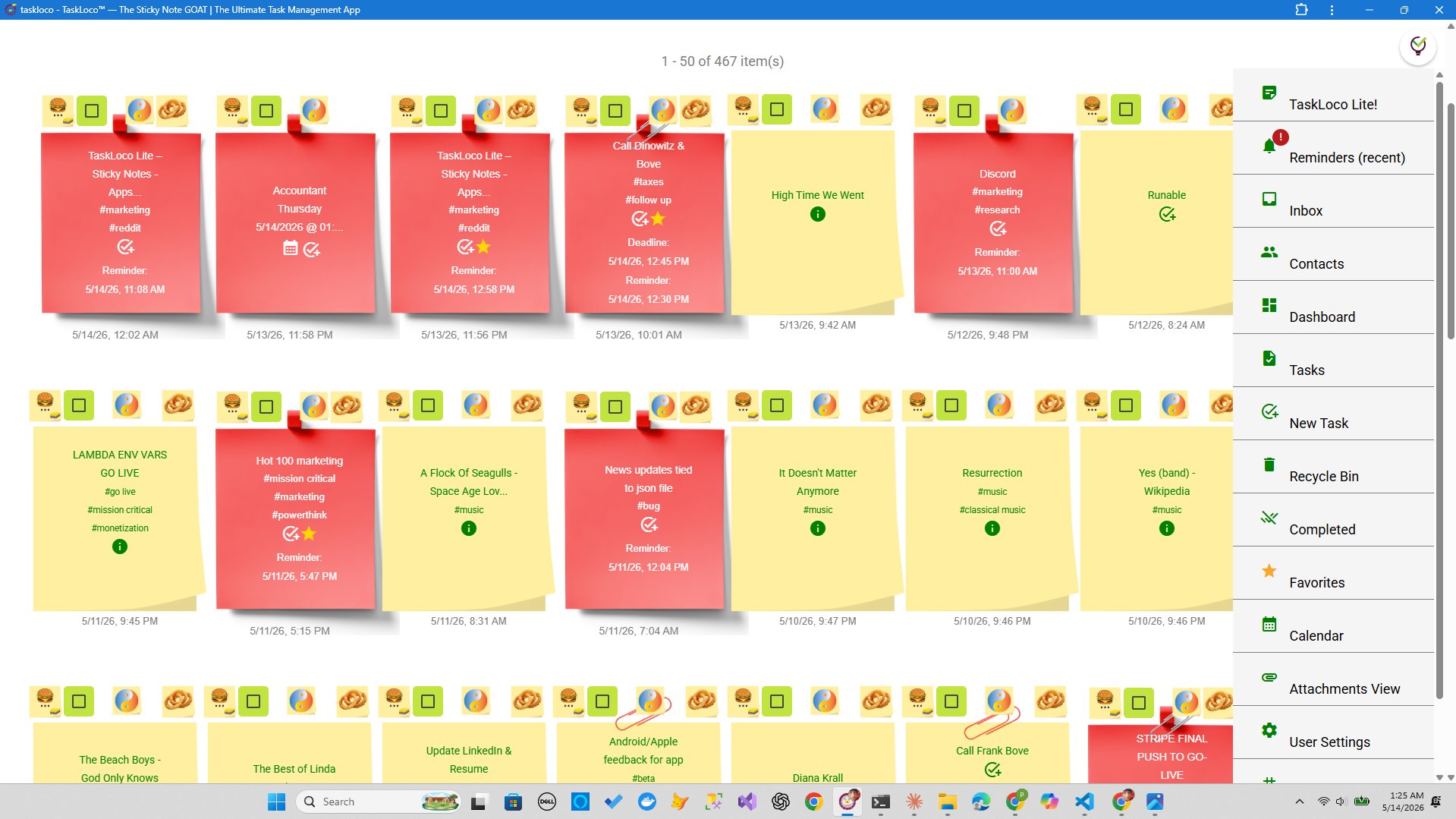
Sticky notes have survived decades of digital disruption for a reason. While productivity apps come and go, that little yellow square remains a workplace staple because it taps into fundamental aspects of how our brains process information and remember tasks.
The effectiveness isn't just habit or nostalgia — it's rooted in cognitive psychology, visual processing, and the way we naturally organize information. Understanding why sticky notes work so well can help you use them more strategically, whether physical or digital.
Visual Cues and Spatial Memory
Your brain is wired to notice and remember visual information far better than abstract data. Sticky notes work because they create what psychologists call "environmental cues" — physical reminders that exist in your visual field until the task is complete.
Unlike digital notifications that disappear after a few seconds, sticky notes persist. They occupy real space on your monitor, desk, or wall, creating what researchers call "spatial anchors" for memory. Your brain naturally associates the location of the note with its content, making recall easier.
The color coding possibilities amplify this effect. Yellow for urgent tasks, blue for meetings, green for personal items — your brain quickly learns these visual shortcuts. Studies show that color-coded information is remembered 65% better than black and white text.
The Power of Constraint and Brevity
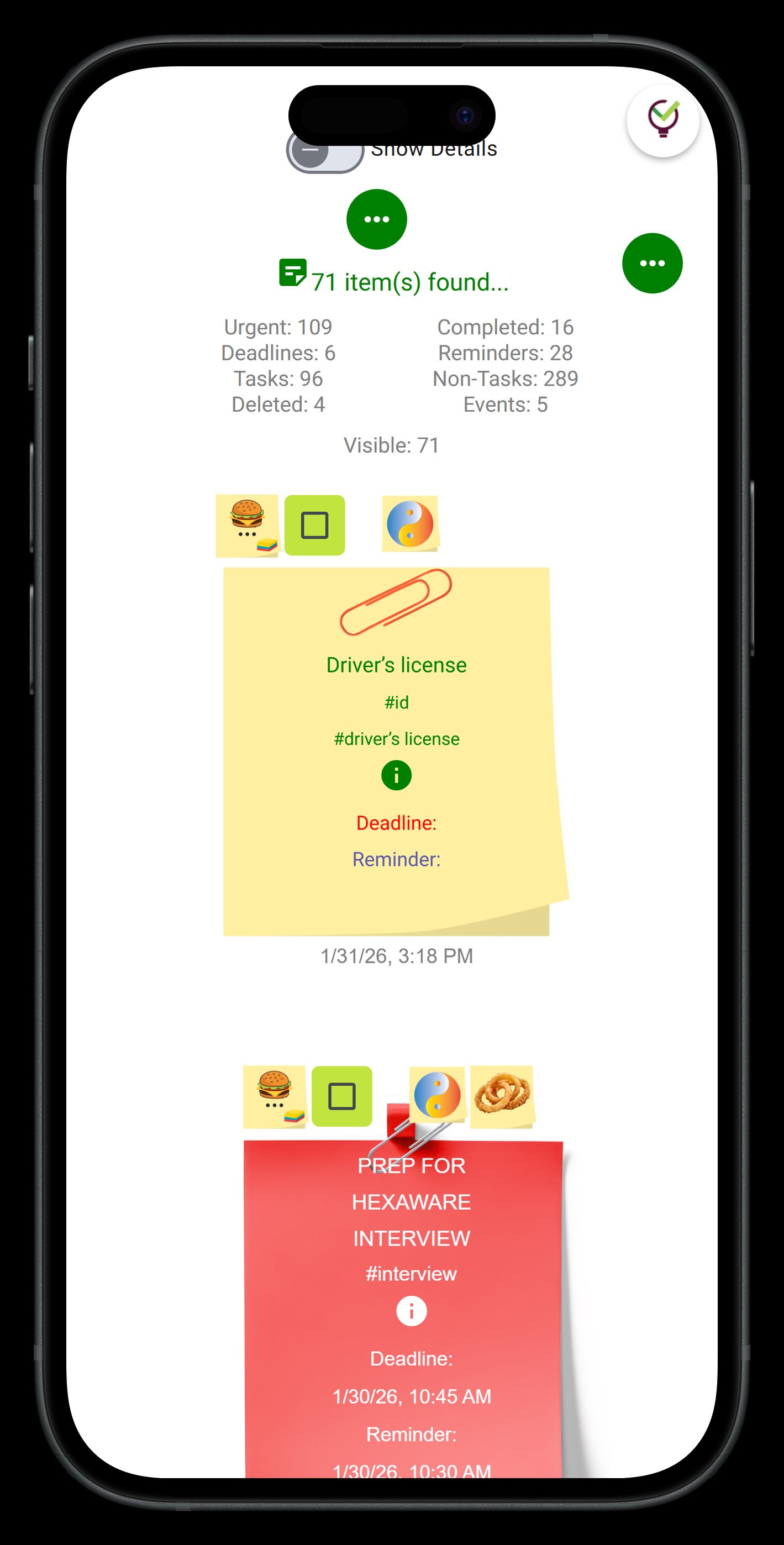
A sticky note forces you to be concise. With roughly 3x3 inches of space, you can't write a novel — you have to distill your thought to its essence. This constraint actually improves clarity and recall.
Cognitive load theory explains why: when information is condensed to its core elements, your brain processes and stores it more efficiently. A rambling paragraph gets forgotten, but "Call Mike about budget" sticks. The physical limitation of the medium becomes a feature, not a bug.
This brevity also reduces decision fatigue. When you read "Schedule dentist appointment," there's no ambiguity about what needs to happen. Compare that to a detailed project document where the actual next action gets buried in context.
The one-idea-per-note rule emerges naturally from the format. You can't fit multiple unrelated tasks on one sticky note, so each becomes a discrete, actionable unit. This mirrors how our attention works best — focused on one thing at a time.
Tactile Satisfaction and Completion Rituals
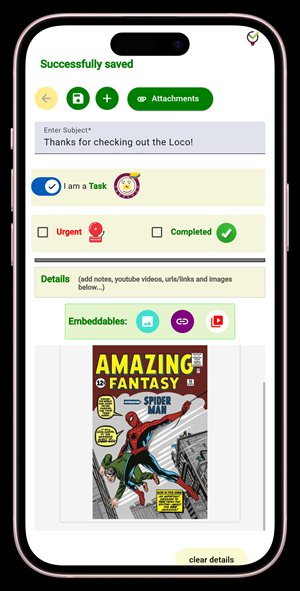
There's genuine psychological satisfaction in physically removing a completed sticky note. This tactile action triggers what behavioral psychologists call a "completion ritual" — a small ceremony that signals task closure to your brain.
The act of crumpling up the note, throwing it away, or moving it to a "done" pile provides immediate, tangible feedback. Your brain releases a small hit of dopamine, reinforcing the behavior and making you more likely to tackle the next task.
Digital checkboxes attempt to replicate this, but they lack the physical component. You can't crumple a notification or feel the paper tear. The multisensory experience of handling physical sticky notes engages more neural pathways, making the completion more memorable and satisfying.
This physical interaction also creates what researchers call "embodied cognition" — the idea that physical actions influence thinking. The simple act of writing by hand (even on a physical sticky note) engages different brain regions than typing, often leading to better comprehension and retention.
Taking Sticky Notes Digital with TaskLoco
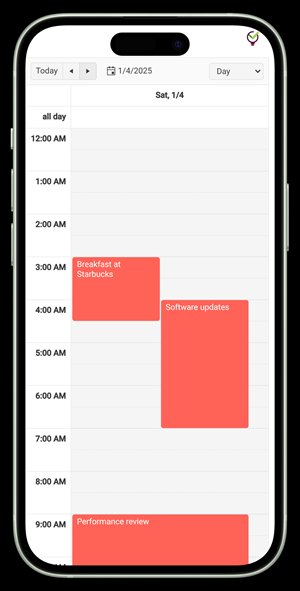
While physical sticky notes have clear advantages, digital versions can amplify their benefits while solving traditional limitations. TaskLoco captures the essential psychology of sticky notes — visual persistence, forced brevity, satisfying completion — while adding modern capabilities.
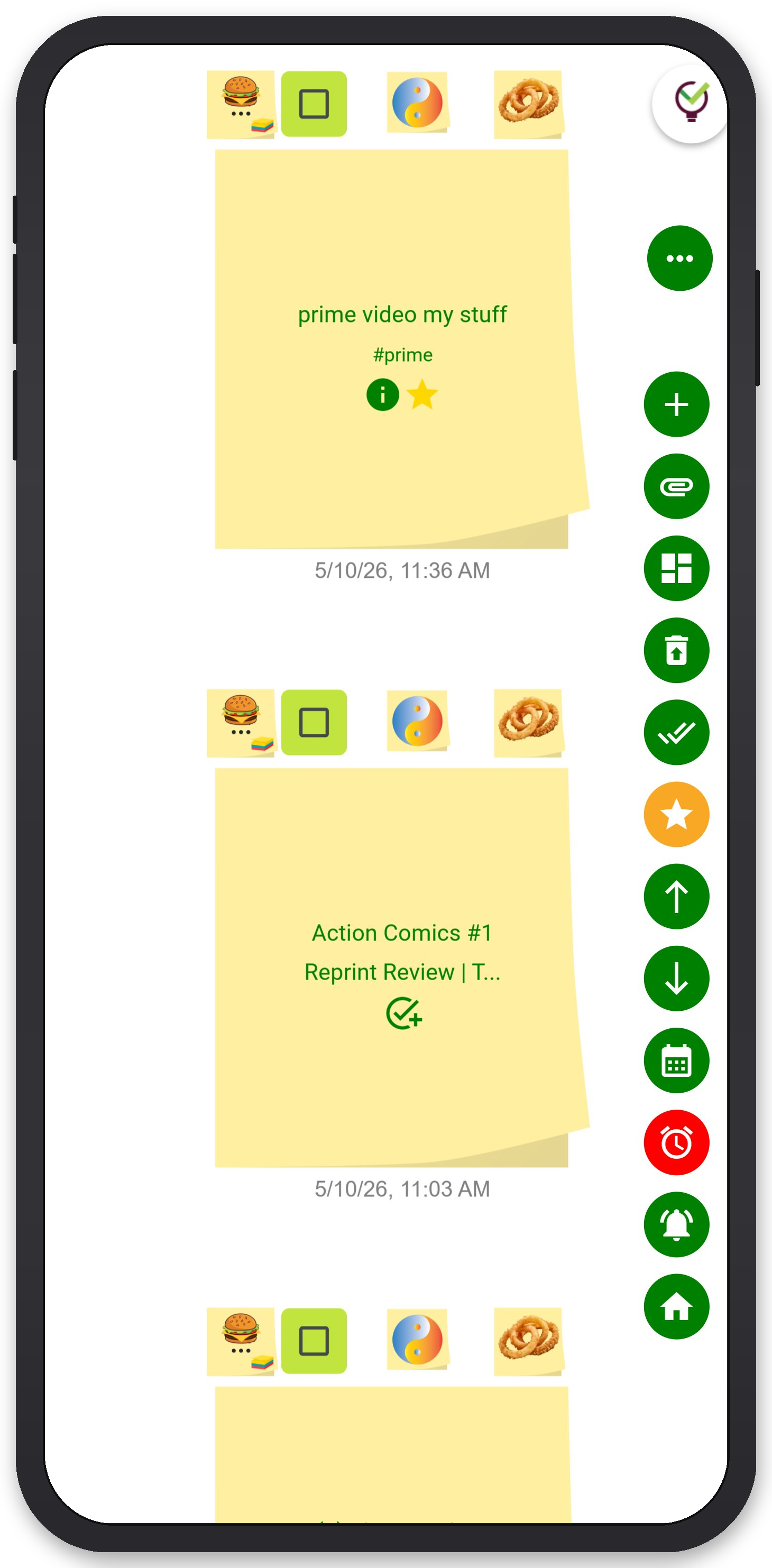
Digital sticky notes in TaskLoco maintain the visual metaphor you're familiar with, but they can sync across devices, set reminders, and attach files. You get the cognitive benefits of the sticky note format without losing notes or struggling to read your handwriting.
The key is preserving what makes sticky notes work: one clear idea per note, persistent visual presence, and satisfying task completion. TaskLoco's interface keeps these principles while adding the practical benefits digital tools provide.
TaskLoco Premium is regularly $9.99/month per person. Right now, charter members can lock in 50% off the regular price — forever. That means $4.99/month per person today. And if our price ever goes up, you still pay half. Always.
Code CHARTER50 auto-applies at checkout. First 500 spots only — once they're gone, this offer is gone permanently. Act fast while spots last.
Every Premium subscription includes unlimited notes, 10GB file storage, reminders, calendar, and team sharing. Each team member requires a separate subscription. 7-day free trial — no charge until day 8. Cancel anytime.
Free Options: TaskLoco
TaskLoco Lite
- Native iPhone & Android app
- Completely anonymous — no sign-in
- Data stays on your device
- Up to 20 notes
- Free forever
TaskLoco Lite Plus+
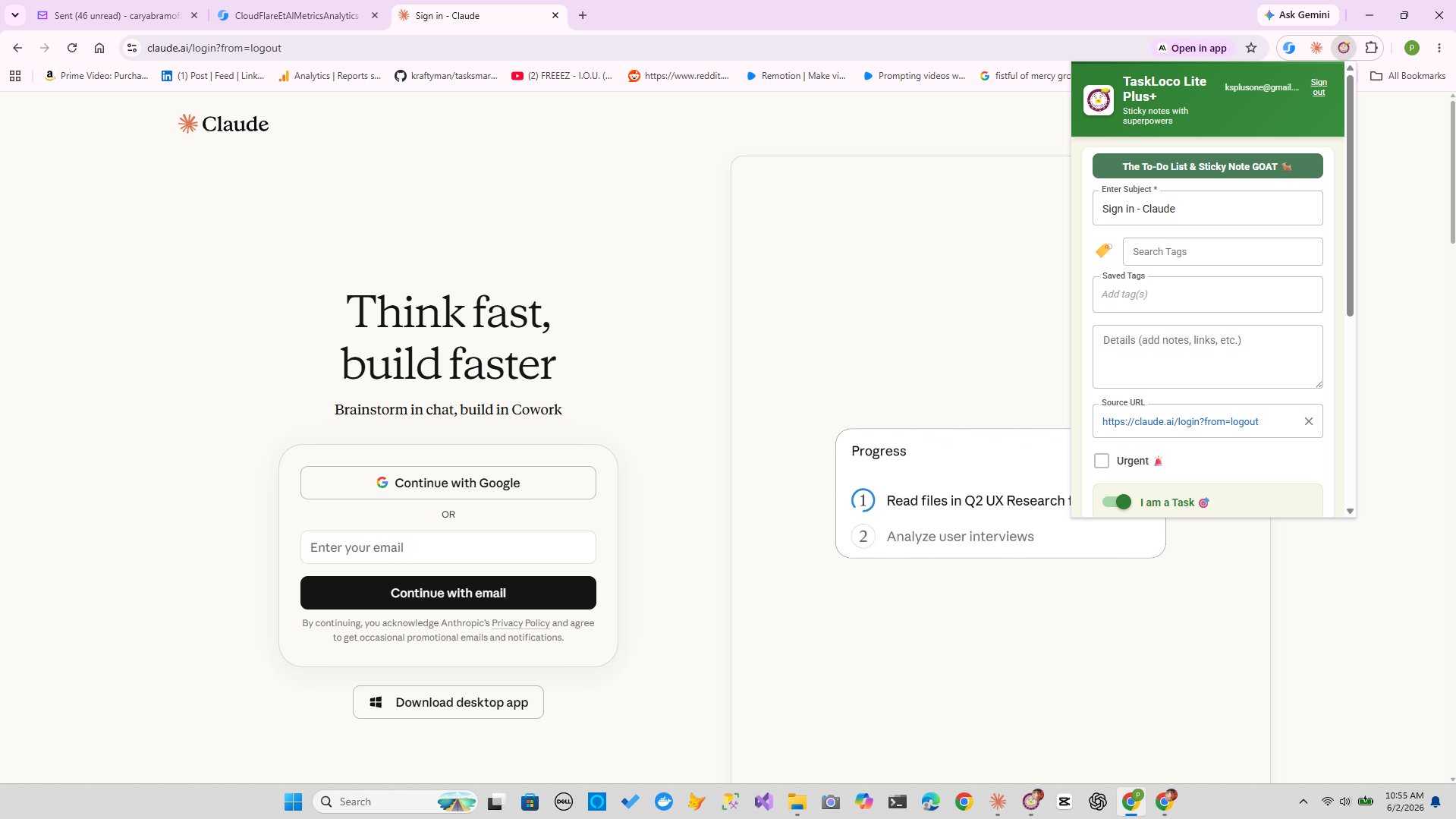
- Web app + Chrome extension
- Sign in with Google
- Wall syncs across all devices
- Up to 30 notes
- Free forever
Lock In 50% Off — Forever
7-day free trial. No charge until day 8. CHARTER50 auto-applies at checkout.
🔒 Lock In My Charter SpotSee TaskLoco in Action
Frequently Asked Questions
Why do sticky notes work better than digital reminders?
Sticky notes create persistent visual cues that remain in your field of vision until completed, unlike digital notifications that disappear. They also force brevity and provide tactile satisfaction when removed, engaging multiple cognitive systems for better memory and motivation.
What makes sticky notes so effective for memory?
Sticky notes work with your brain's natural visual processing and spatial memory systems. They create environmental cues that your brain associates with specific locations, making recall easier. The color coding and physical placement serve as memory anchors that abstract digital lists can't replicate.
How does the size constraint of sticky notes help productivity?
The small format forces you to distill tasks to their essence, reducing cognitive load and eliminating ambiguity. This constraint prevents overthinking and creates clear, actionable items. One idea per note naturally emerges, which aligns with how attention works best.
Why is removing a completed sticky note so satisfying?
The physical act of removing a completed sticky note creates a completion ritual that triggers dopamine release. This tactile feedback reinforces productive behavior and provides immediate, tangible evidence of progress — something digital checkboxes struggle to match.
Can digital sticky notes be as effective as physical ones?
Digital sticky notes can preserve the key psychological benefits — visual persistence, forced brevity, clear completion — while solving practical limitations like handwriting and device syncing. The key is maintaining the visual metaphor and simplicity that make physical sticky notes work.
What's the science behind sticky note effectiveness?
Sticky notes tap into visual processing, spatial memory, and embodied cognition. They create environmental cues that persist in your visual field, force information compression that improves clarity, and provide multisensory completion experiences that engage more neural pathways than purely digital systems.
How should I organize sticky notes for maximum effectiveness?
Use one clear idea per note, place them in consistent locations where you'll see them regularly, and use color coding for categories. Keep completed notes visible briefly before removal to reinforce the satisfaction of completion, then dispose of them ceremonially to maintain the psychological benefits.
Born in Brooklyn. Powered by AWS. Your data stays yours.
TaskLoco is available on iPhone, Android, Chrome, and every web browser.