Every few months someone publishes a ranking of the most popular notes apps and the list looks almost identical: Apple Notes, Google Keep, Notion, Evernote, OneNote. The problem is that "popular" is doing a lot of heavy lifting. Apple Notes has hundreds of millions of users because it ships on every iPhone — not because people chose it in a head-to-head comparison. That's a different kind of popular than an app someone actively sought out and paid for.
This guide breaks down which apps genuinely lead in each category, what they're actually good at, and how to figure out which one fits the way your brain works. If you've ever switched note apps three times in a year, this is the article you needed before your last switch.
The Real Leaders by Category
There's no single "most popular" notes app — there are leaders in distinct categories, and they serve genuinely different needs.
- Apple Notes — the default winner by sheer install base. If you're on an iPhone or Mac and haven't thought too hard about it, you're probably here. It's fast, private, syncs over iCloud, and handles photos, checklists, and handwriting. The ceiling is low: no reminders, no file attachments beyond images, no web clipper, no collaboration beyond shared folders.
- Google Keep — the Android equivalent. Color-coded sticky notes, label-based organization, and deep integration with Google Workspace. It's genuinely good for quick capture. Like Apple Notes, it's popular partly because it's already there.
- Notion — the most popular choice among people who actively chose a notes app. Notion is really a wiki-and-database tool wearing a notes costume. Incredibly flexible, notoriously complex to set up, and slow to open when you just need to write something down fast.
- Evernote — once the undisputed king, now a cautionary tale. Still has millions of users, a powerful web clipper, and solid document scanning. But years of pricing changes and performance complaints have eroded trust significantly.
- Microsoft OneNote — the enterprise default. Free, deeply integrated with Microsoft 365, and popular in corporate settings. The freeform canvas is either a feature or a frustration depending on how your brain works.
- Obsidian — the choice for people who think in systems. Markdown-based, locally stored by default, and beloved by the personal knowledge management crowd. Steep learning curve, but the linking and graph view are genuinely powerful for research-heavy work.
How to Actually Choose the Right Notes App
The mistake most people make is picking an app based on reviews from people with different workflows. A researcher who lives in Obsidian has nothing useful to tell a sales rep who needs to capture call notes on a phone. Here's a more honest framework.
Ask yourself: where does the note need to end up? If a note is purely for yourself and will never leave your phone, Apple Notes or Google Keep is fine. If you need that note to become a task with a deadline, a shared item for a teammate, or a linked file, you need something with more connective tissue.
Ask yourself: how do you capture? Some people write long structured notes on a laptop. Others need one-tap capture mid-meeting on a phone. Others clip web pages constantly. Each of those patterns points to a different tool. Notion is genuinely bad at fast mobile capture. Evernote's web clipper is still excellent. Apple Notes is excellent for quick capture but poor for retrieval at scale.
Ask yourself: what happens after you write it? This is the question most notes-app reviews skip entirely. A note that sits in a folder forever is just clutter. A note that connects to a reminder, a calendar event, a file, or a teammate is actually useful. If your notes are supposed to drive action — not just store information — the app needs to support that whole loop, not just the capture step.
- Just capture, nothing else: Apple Notes, Google Keep
- Research and linking: Obsidian, Notion
- Document-heavy work: Evernote, OneNote
- Notes + tasks + reminders + files + team: TaskLoco Premium
Why Sticky-Note Style Apps Are Having a Moment
There's a reason the sticky note metaphor keeps coming back in productivity software. Physical sticky notes work because they're spatial — you can see multiple notes at once, move them around, and group related ideas without navigating folders. Digital notes trapped in a linear list lose that.
Apps like Google Keep, and more recently TaskLoco, lean into the sticky-note model specifically because it maps to how people actually think during planning and brainstorming. You don't think in outlines. You think in clusters. A wall of sticky notes lets you see relationships between ideas that a list-based interface hides.
The challenge has always been making that visual model scale — and connecting it to the rest of your work. A sticky note that can't have a file attached, can't ping you with a push notification reminder that deep-links back to the note itself, and can't be shared with a teammate is still just decoration. The newer generation of sticky-note apps is trying to solve that gap.
One Approach Worth Trying: TaskLoco
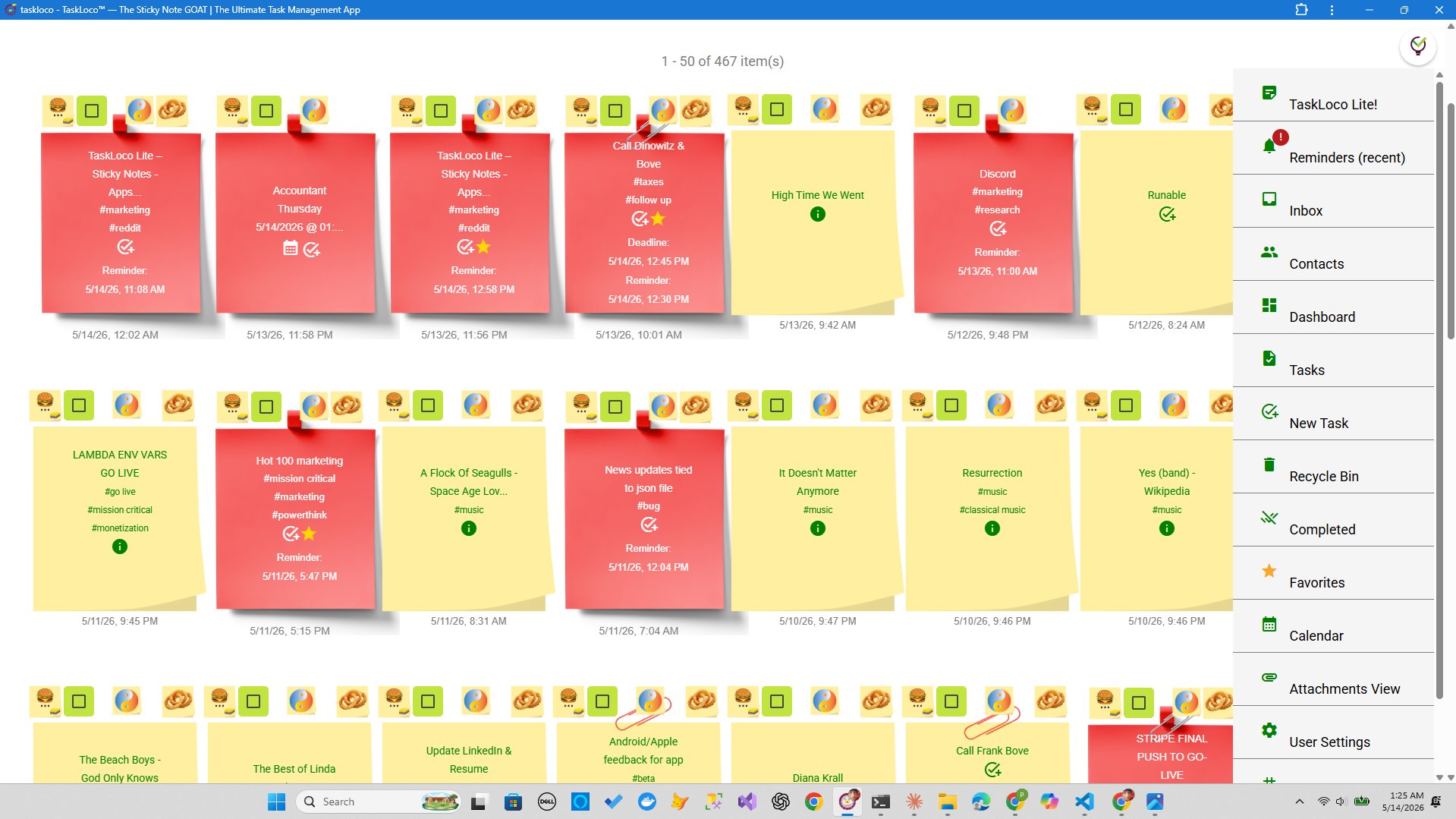
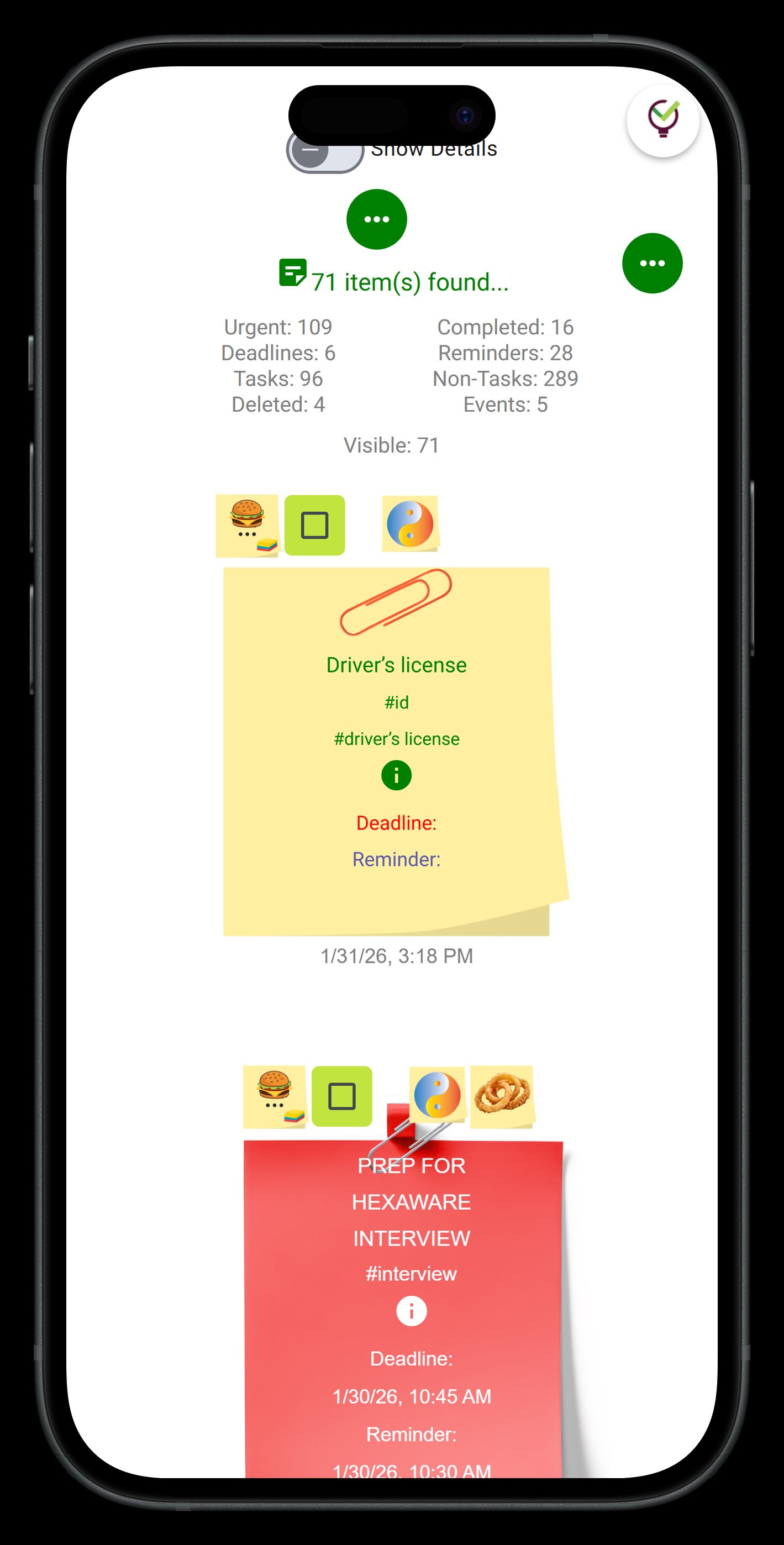
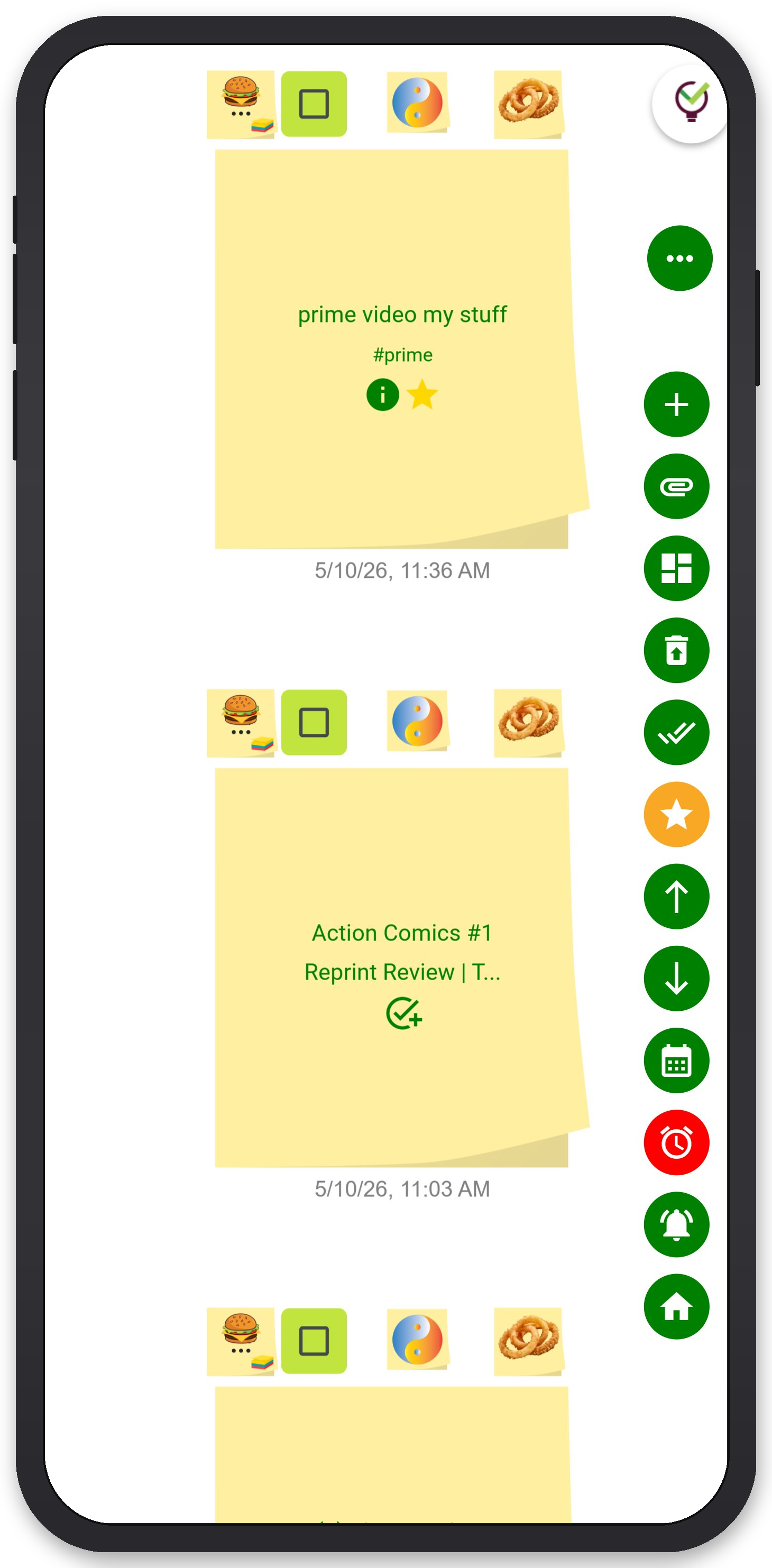
If you've read this far and your problem is that your notes app doesn't connect to the rest of your work, TaskLoco is worth a look. It's built around the sticky-note wall — a visual canvas where notes are cards you can arrange, color, and organize spatially. But it's not a toy.
TaskLoco Premium adds the layer most notes apps skip: reminders delivered as push notifications to your phone and computer, with each reminder deep-linking directly back to the original note. You don't get a ping and then have to hunt down the context — you tap and you're there. Email and SMS notifications are optional add-ons if you want them.
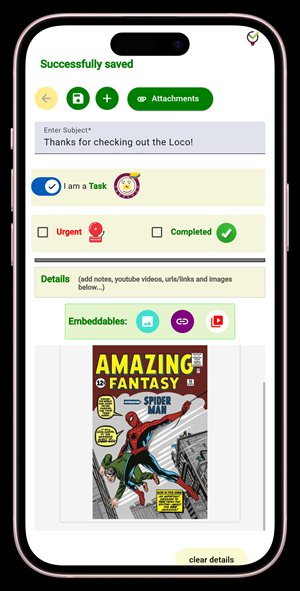
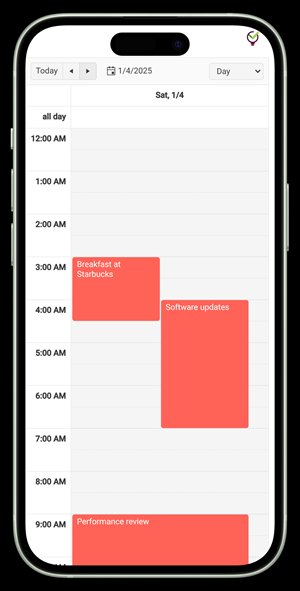
File attachments are built in (10GB of storage included), so a note about a vendor quote can have the actual PDF attached. Calendar view turns your notes into a timeline. And team sharing works the way email does — a teammate receives the note, clones it, and owns their copy. No permission layers, no access management headaches.
For people who are tired of maintaining three separate apps — a notes app, a task manager, and a calendar — TaskLoco tries to collapse that into one place.
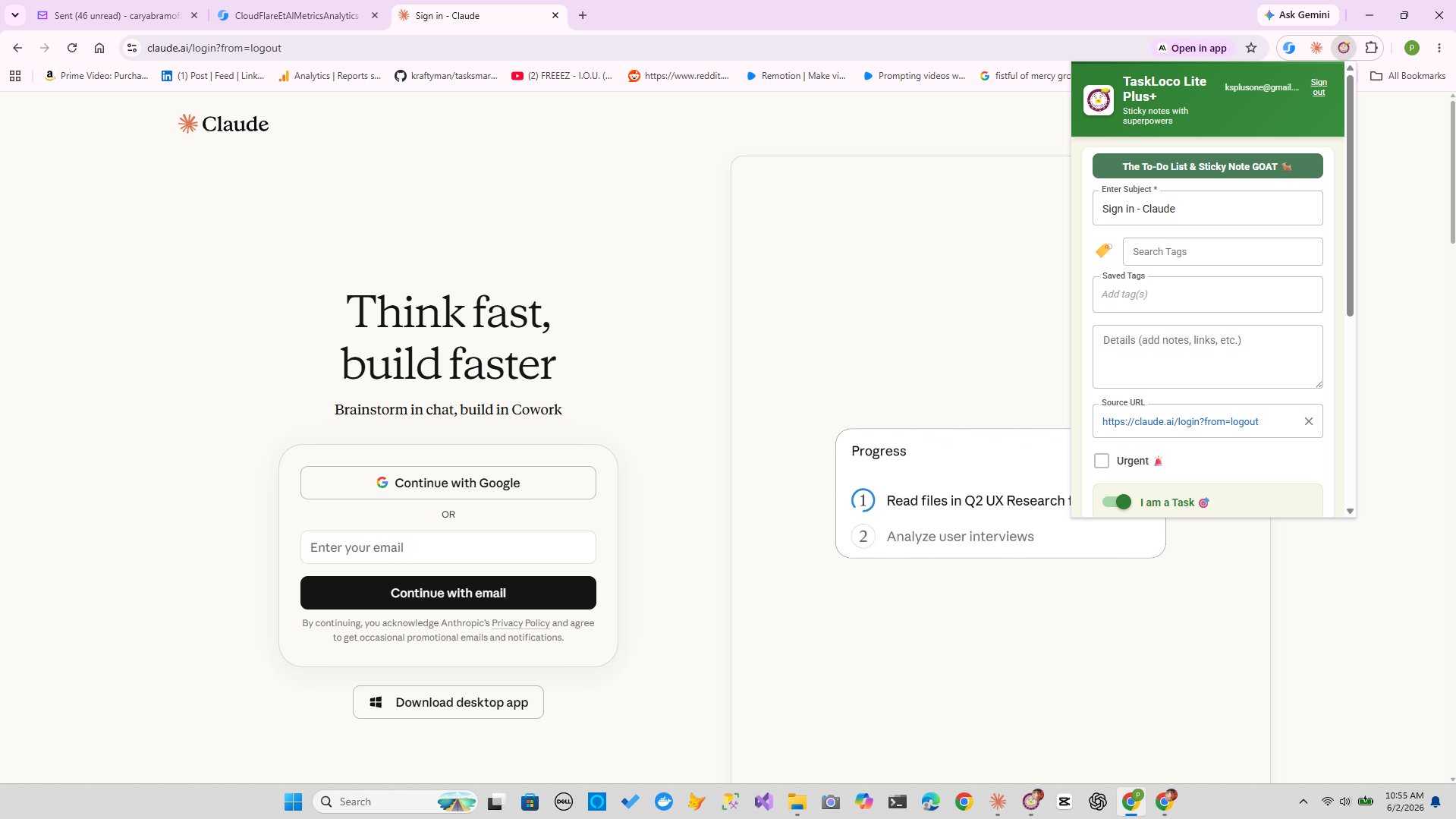
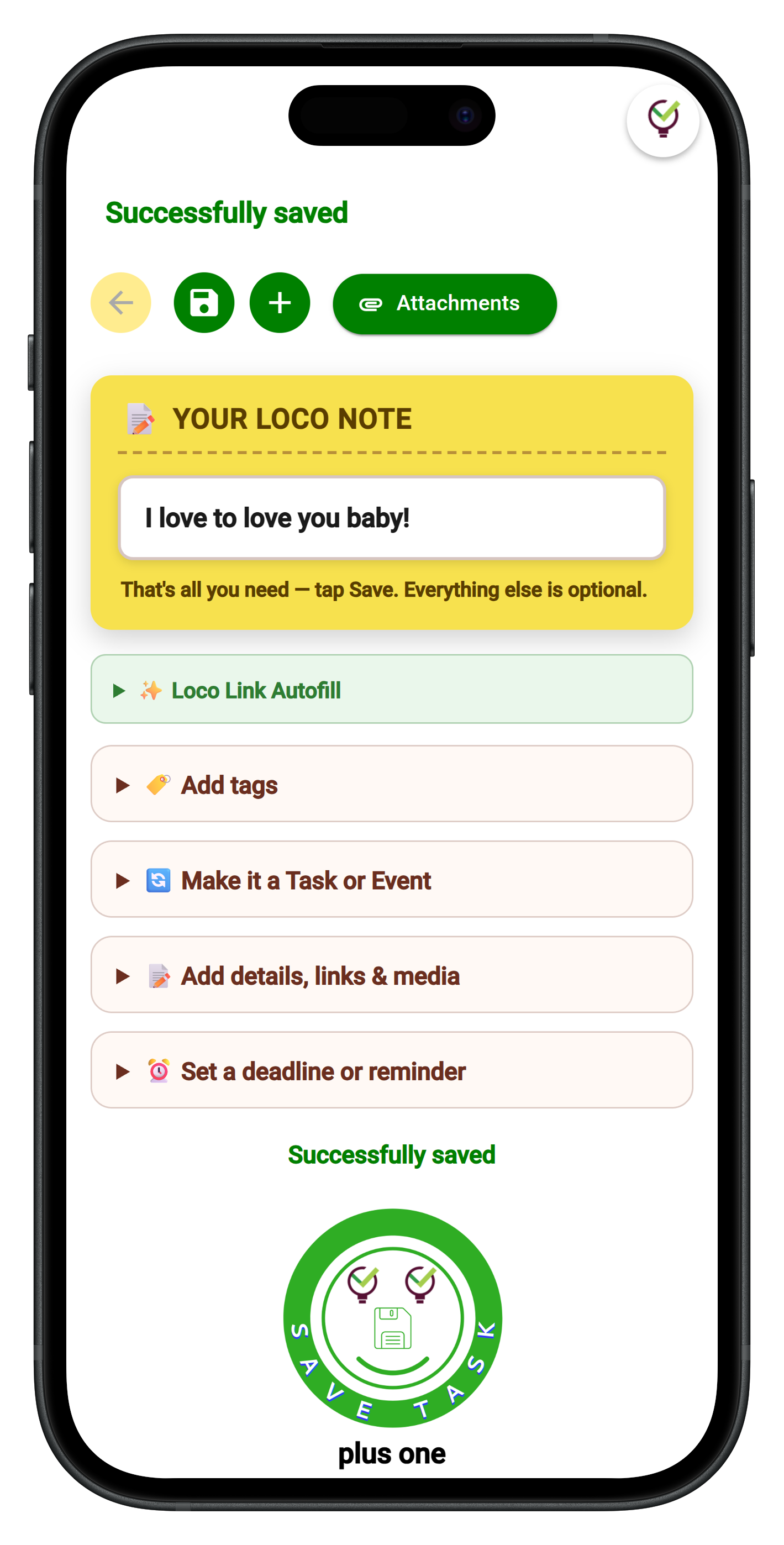
There are two free tiers to try before committing to anything. TaskLoco Lite is a native iPhone and Android app — completely anonymous, no sign-in required, stores up to 20 notes locally on your device. It's purely for capture and personal use. TaskLoco Lite Plus+ is the web app and Chrome extension — sign in with Google, sync up to 30 notes across all your devices, and use the one-click Chrome extension to capture any webpage instantly. Neither free tier includes reminders, file attachments, or team sharing — those are Premium.
The Chrome extension alone is worth trying if you clip web content. One click saves any page as a note in your wall, no copying and pasting URLs.
TaskLoco Premium is regularly $9.99/month per person. Right now, charter members can lock in 50% off the regular price — forever. That means $4.99/month per person today. And if our price ever goes up, you still pay half. Always.
Code CHARTER50 auto-applies at checkout. First 500 spots only — once they're gone, this offer is gone permanently. Act fast while spots last.
Every Premium subscription includes unlimited notes, 10GB file storage, reminders, calendar, and team sharing. Each team member requires a separate subscription. 7-day free trial — no charge until day 8. Cancel anytime.
Free Options: TaskLoco
TaskLoco Lite
- Native iPhone & Android app
- Completely anonymous — no sign-in
- Data stays on your device
- Up to 20 notes
- Free forever
TaskLoco Lite Plus+
- Web app + Chrome extension
- Sign in with Google
- Wall syncs across all devices
- Up to 30 notes
- Free forever
Lock In 50% Off — Forever
7-day free trial. No charge until day 8. CHARTER50 auto-applies at checkout.
🔒 Lock In My Charter SpotSee TaskLoco in Action
Frequently Asked Questions
What is the most popular notes app overall?
By raw install numbers, Apple Notes is the most widely used notes app — it comes pre-installed on every iPhone and Mac. Google Keep holds a similar position on Android. Among apps people actively choose to download, Notion and Evernote have the largest communities, though Notion has surpassed Evernote in growth over the past few years.
Is Apple Notes good enough for most people?
For pure personal capture — thoughts, checklists, quick drafts — Apple Notes is genuinely excellent. It's fast, private, and syncs well across Apple devices. Where it falls short: no reminders tied to notes, no file attachments beyond images, no sharing beyond iCloud shared folders, and no web clipper. If your notes need to drive action or involve other people, you'll hit its ceiling quickly.
What happened to Evernote? Is it still worth using?
Evernote was acquired by an Italian software company (Bending Spoons) and has gone through significant pricing and feature changes. Many longtime users left during the transition. It still has a strong web clipper, solid document scanning, and a large user base — but trust in the platform has dropped. Whether it's worth using depends on how much you rely on those specific strengths and how bothered you are by its recent instability.
What notes app is best for teams?
It depends on what you mean by "best for teams." For wikis and documentation, Notion or Confluence. For meeting notes that become action items, something with task integration is better. TaskLoco Premium includes team sharing where notes are shared like emails — the recipient clones the note and owns their copy — plus reminders, file attachments, and calendar view, all in one place. Each team member needs their own subscription. $9.99/month per person (currently $4.99/month per person for first 500 charter members with code CHARTER50)
What is the best free notes app?
The best free option depends on what you need. Apple Notes and Google Keep are completely free and solid for personal use. Notion has a generous free tier for personal use. TaskLoco Lite Plus+ is free, syncs across all devices via the web app and Chrome extension, and lets you capture any webpage in one click — up to 30 notes. For native mobile use with no sign-in at all, TaskLoco Lite stores up to 20 notes locally on your phone, completely anonymously.
What's the difference between a notes app and a task manager?
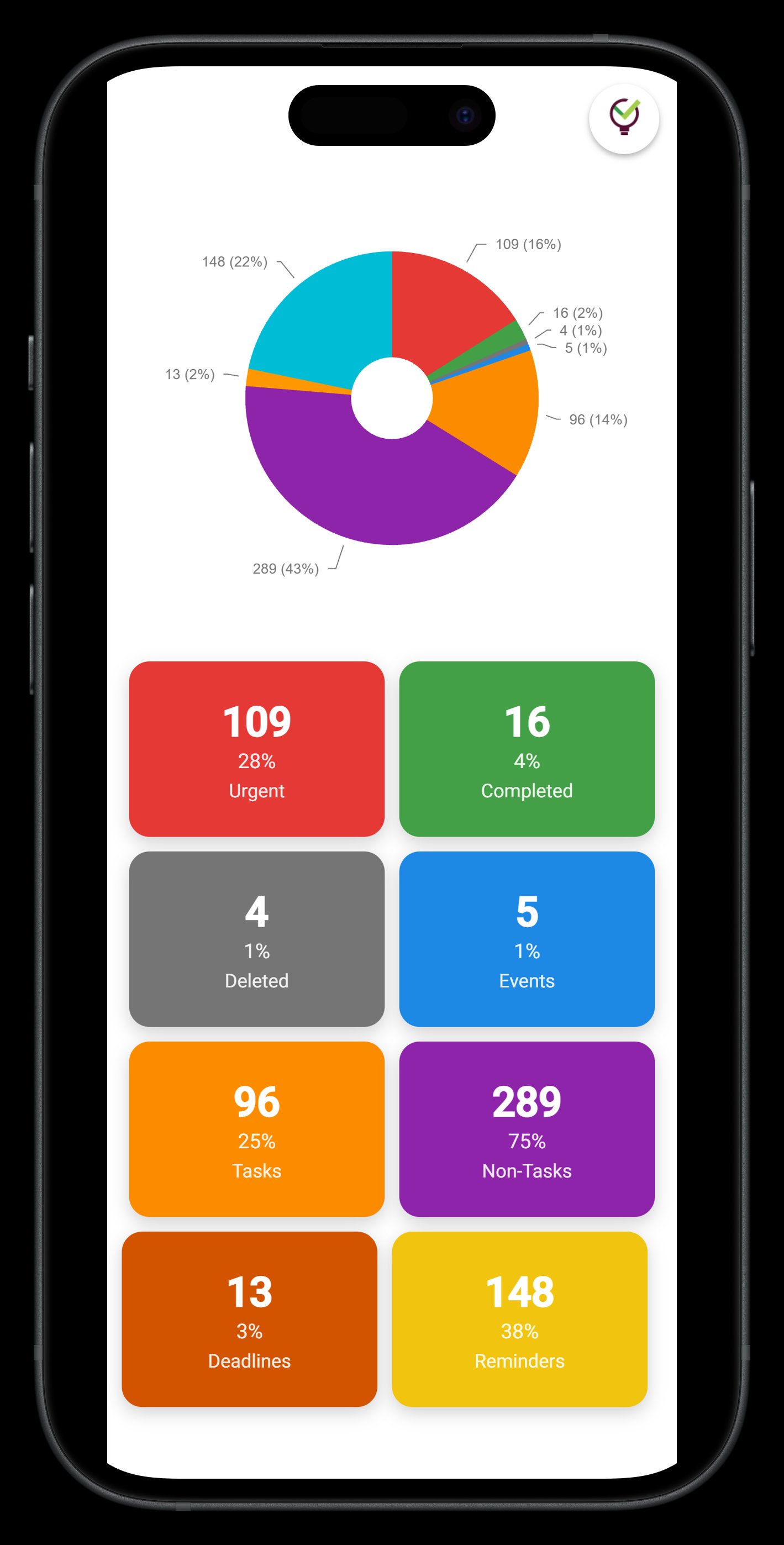
Traditionally, a notes app captures information and a task manager tracks action items with due dates and assignments. The line has blurred significantly. Apps like Notion and TaskLoco Premium try to handle both — notes that can have reminders, deadlines, and files attached. Whether that's better than using two separate apps depends on how much context you need alongside your tasks. If you always want the note right next to the task, a combined tool saves you a lot of switching.
Can I use a notes app as a project management tool?
Sort of, depending on the app and the complexity of your project. For light project work — tracking deliverables, sharing context with teammates, attaching files — a notes app with team sharing and reminders can handle it. For complex projects with dependencies, Gantt charts, and resource allocation, you need a dedicated project management tool. TaskLoco Premium covers the notes-plus-light-project-management use case well, but it doesn't have Gantt charts or task dependencies — those require tools like Asana, ClickUp, or Monday.com.
Born in Brooklyn. Powered by AWS. Your data stays yours.
TaskLoco is available on iPhone, Android, Chrome, and every web browser.