Good lecture notes aren't just scribbled thoughts — they're your roadmap to academic success. The difference between students who ace exams and those who struggle often comes down to how they capture and organize information during class.
The best note-taking systems share three qualities: they're simple enough to use under pressure, structured enough to review later, and flexible enough to adapt to different subjects. Here's how to build a system that works.
The Cornell Note-Taking System
The Cornell system divides your page into three sections: a narrow left column for cues, a wide right section for notes, and a bottom strip for summary. This layout forces you to organize thoughts as you write.
During lecture, write main points and details in the large right section. Use bullet points, not full sentences. Leave white space — cramped notes are impossible to review later.
Within 24 hours, fill the left column with keywords, questions, and main concepts. This review step is where real learning happens. Your brain consolidates information better when you actively process it soon after hearing it.
The summary section gets 2-3 sentences capturing the entire lecture's key takeaway. If you can't summarize it, you didn't understand it.
Color Coding and Visual Hierarchy
Your brain processes visual patterns faster than text. Use 3-4 colors maximum — more becomes chaos. Assign each color a purpose: blue for main concepts, red for examples, green for questions to ask later.
Create visual hierarchy with consistent formatting. Main topics get larger text or underlining. Subtopics get indented bullet points. Examples get further indentation. This structure makes scanning notes effortless during review.
Use symbols consistently. Develop your own shorthand: stars for important points, question marks for unclear concepts, arrows to show cause-and-effect. These visual cues help you spot key information instantly.
Digital Organization Strategies
Digital notes offer search, backup, and multimedia integration — but only if organized properly. Create a folder structure by semester, then course, then topic. Use consistent file naming: "Course-Date-Topic" like "HIST101-0915-WorldWar1."
Tag notes with keywords for cross-referencing. A single lecture might cover multiple themes. Tags let you find all notes on "economic policy" across different courses instantly.
Link related concepts between notes. Digital tools excel at connecting ideas across time and subjects. When reviewing for finals, these connections reveal the bigger picture.
Back up everything automatically. Cloud sync ensures you never lose a semester's work to a crashed laptop. The best system is worthless if your notes disappear.
Using TaskLoco for Lecture Organization
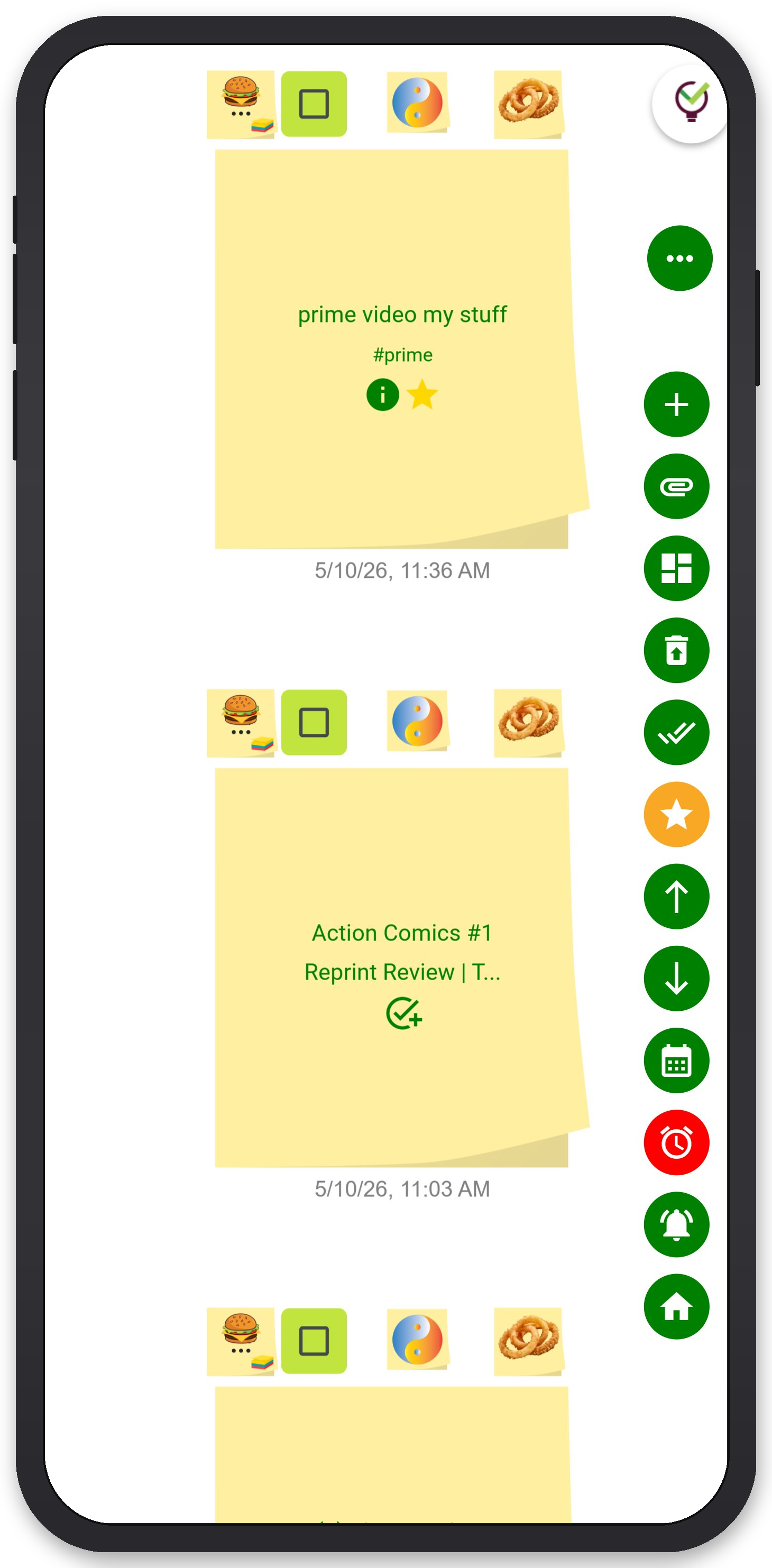
TaskLoco turns your lecture notes into an organized, searchable system that works across all your devices. Each note captures a single lecture or topic, with file attachments for slides, readings, or recorded audio.
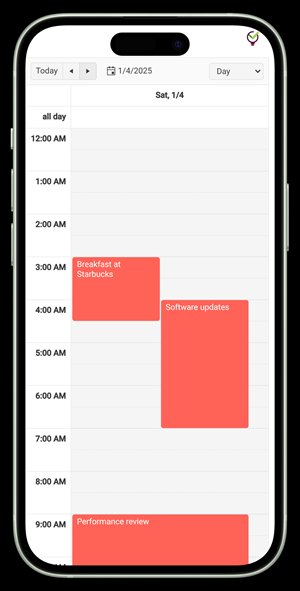
Set reminders for review sessions — the app sends push notifications to your phone and computer, so you never miss that crucial 24-hour review window. The calendar view shows upcoming exams and assignment due dates alongside your study schedule.
Share notes with study groups instantly. Team members can clone shared notes and make them their own, perfect for collaborative study sessions without permission hassles.
TaskLoco Premium is regularly $9.99/month per person. Right now, charter members can lock in 50% off the regular price — forever. That means $4.99/month per person today. And if our price ever goes up, you still pay half. Always.
Code CHARTER50 auto-applies at checkout. First 500 spots only — once they're gone, this offer is gone permanently. Act fast while spots last.
Every Premium subscription includes unlimited notes, 10GB file storage, reminders, calendar, and team sharing. Each team member requires a separate subscription. 7-day free trial — no charge until day 8. Cancel anytime.
Free Options: TaskLoco
TaskLoco Lite
- Native iPhone & Android app
- Completely anonymous — no sign-in
- Data stays on your device
- Up to 20 notes
- Free forever
TaskLoco Lite Plus+
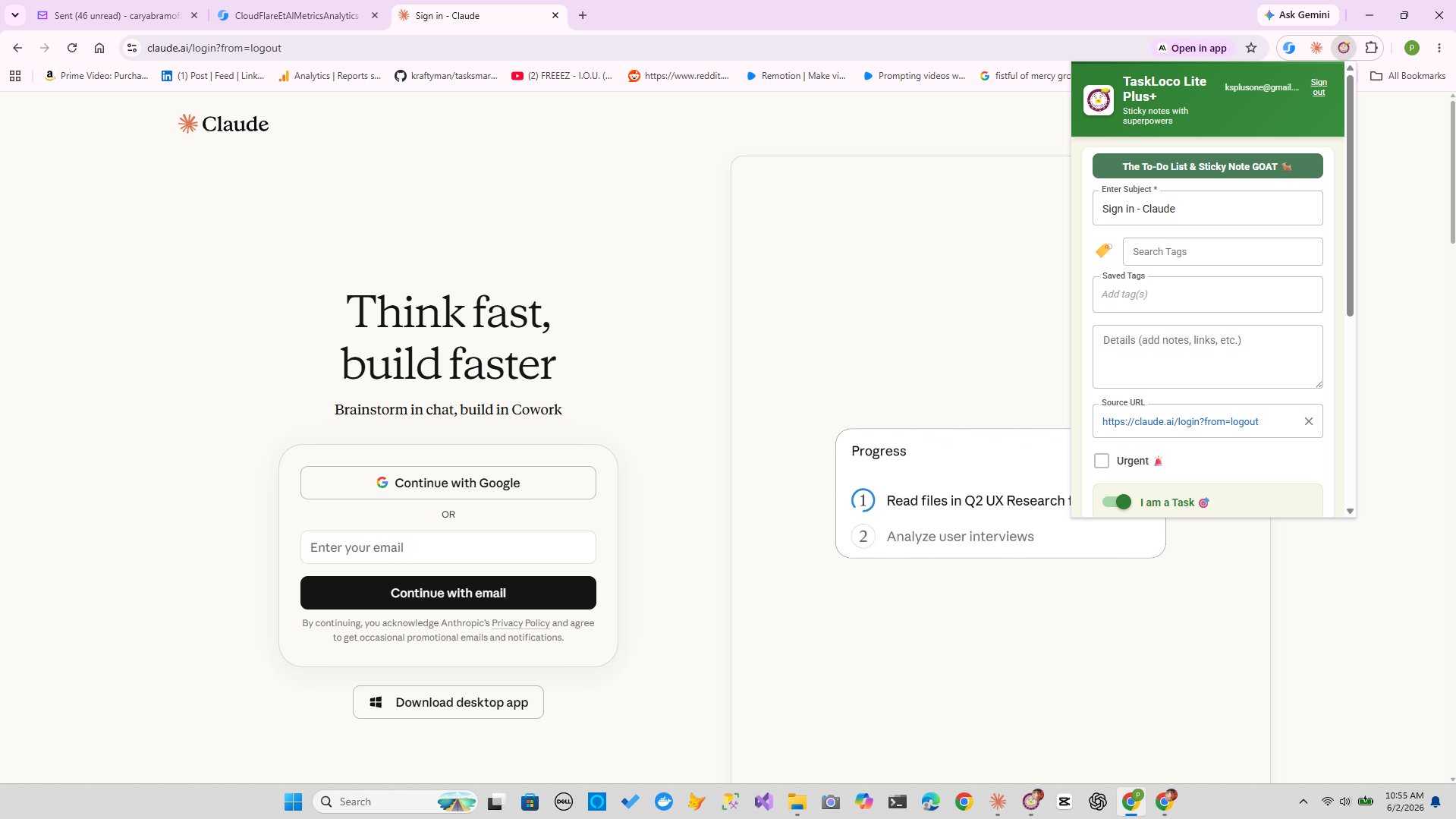
- Web app + Chrome extension
- Sign in with Google
- Wall syncs across all devices
- Up to 30 notes
- Free forever
Lock In 50% Off — Forever
7-day free trial. No charge until day 8. CHARTER50 auto-applies at checkout.
🔒 Lock In My Charter SpotSee TaskLoco in Action
Frequently Asked Questions
How should I organize notes for different types of classes?
Math and science classes need space for diagrams and formulas — use landscape orientation or digital tools that handle equations. Humanities classes benefit from the Cornell system's question-and-summary structure. Language classes work best with vocabulary sections and grammar rules separated from conversation practice notes.
Should I type or handwrite lecture notes?
Handwriting improves retention for most people because it forces you to process information rather than transcribe it. However, typing works better if you can't keep up with fast-paced lectures or if your handwriting becomes illegible under pressure. Choose based on your learning style and the class pace.
How do I organize notes when professors jump between topics?
Leave blank spaces between different topics during lecture, even if the professor doesn't signal transitions clearly. After class, reorganize notes by theme rather than chronological order. Use sticky notes or digital tags to mark related concepts that appeared at different times.
What's the best way to review and organize notes after class?
Review within 24 hours while memory is fresh. Fill in gaps, clarify unclear points, and add connections to previous lectures. Create summary sheets weekly that combine related topics from multiple classes. This spaced repetition strengthens long-term retention.
How do I organize notes when using both digital and paper?
Pick one primary system and use the other as backup. If you handwrite during class, scan or photograph notes into your digital system within 24 hours. Add digital tags and searchable text to make handwritten notes findable later. Consistency matters more than the specific method.
Can TaskLoco help with lecture note organization?
TaskLoco keeps all your lecture notes organized with search, file attachments, and automatic sync across devices. Set reminders for review sessions, attach audio recordings or slides, and share notes with study groups. $9.99/month per person (currently $4.99/month per person for first 500 charter members with code CHARTER50)
How do I organize group study notes effectively?
Create a shared template with consistent sections: main concepts, examples, practice problems, and questions. Assign note-taking roles so different people focus on different aspects. Combine individual notes into a master document within 48 hours while everyone's memory is fresh.
Born in Brooklyn. Powered by AWS. Your data stays yours.
TaskLoco is available on iPhone, Android, Chrome, and every web browser.