Most people organize their day around urgent tasks and other people's priorities. They check email first, respond to every notification, and wonder why important work never gets done. This backwards approach guarantees you'll stay busy without making progress on what actually matters.
The solution is simple but requires discipline: organize your day around your priorities first, then fit everything else around them. Here's exactly how to do it.
Identify Your Core Values and Priorities
Before you can organize your day around what matters, you need to know what actually matters to you. Most people skip this step and wonder why their days feel scattered and unfulfilling.
Write down your 3-5 core values. These aren't aspirational — they're what you actually care about most. Examples: family time, creative work, physical health, financial security, learning new skills. Be specific and honest.
Next, identify 2-3 high-impact activities that align with these values. If health matters, maybe it's working out and meal prep. If career growth matters, maybe it's deep work on key projects and skill development. If family matters, maybe it's quality time without devices and family activities.
Review these weekly. Priorities shift as life changes, and your daily organization should reflect your current reality, not last year's goals.
Time-Block Your Priorities First
Most people schedule meetings and appointments first, then try to squeeze important work into whatever time remains. This guarantees your priorities get pushed aside by urgent but less important demands.
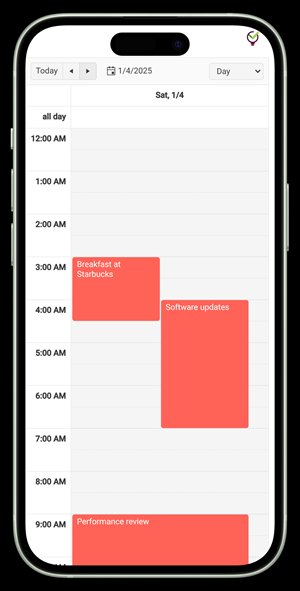
Instead, block time for your priorities first — before anything else goes on your calendar. Treat these blocks like unmovable appointments with yourself. If deep work matters, block 2-3 hours in your most productive time. If fitness matters, block workout time and protect it like you would an important meeting.
Start small but be consistent. It's better to protect 30 minutes daily for what matters than to plan 3-hour blocks you'll constantly reschedule. Once the habit is solid, you can extend the time.
Put these priority blocks in your calendar before you look at email, before you schedule meetings, before anything else. Everything else fits around them, not the other way around.
Create Boundaries Around Distractions
Even with clear priorities and time blocks, distractions will try to hijack your day. The key is creating specific boundaries rather than relying on willpower alone.
Set specific times for email and messages — maybe 9am, 1pm, and 4pm. Outside these windows, close the apps. Turn off non-essential notifications entirely. Your phone doesn't need to buzz every time someone likes your photo or sends a non-urgent email.
Create physical boundaries too. If you're working from home, designate specific spaces for focused work. If you're in an office, use headphones or visual signals to indicate when you're in deep work mode. People respect clear boundaries better than vague requests.
Learn to say no to non-essential meetings and commitments. Every yes to something unimportant is a no to something that matters. Ask yourself: "Does this align with my priorities, or am I just afraid to disappoint someone?"
Track and Adjust Your System
A priority system only works if you actually follow it and refine it based on real results. Track how you spend your time for a week. Note when you stick to your priority blocks and when you don't — and what causes the breaks.
Look for patterns. Do you consistently skip morning deep work because you stayed up too late? Do afternoon meetings always run long and kill your creative time? Do you check email "just quickly" and lose an hour to inbox management?
Adjust based on what you learn. If mornings don't work for deep work, try afternoons. If meetings always run over, build buffer time into your schedule. If email derails you, batch it more strictly or delegate more aggressively.
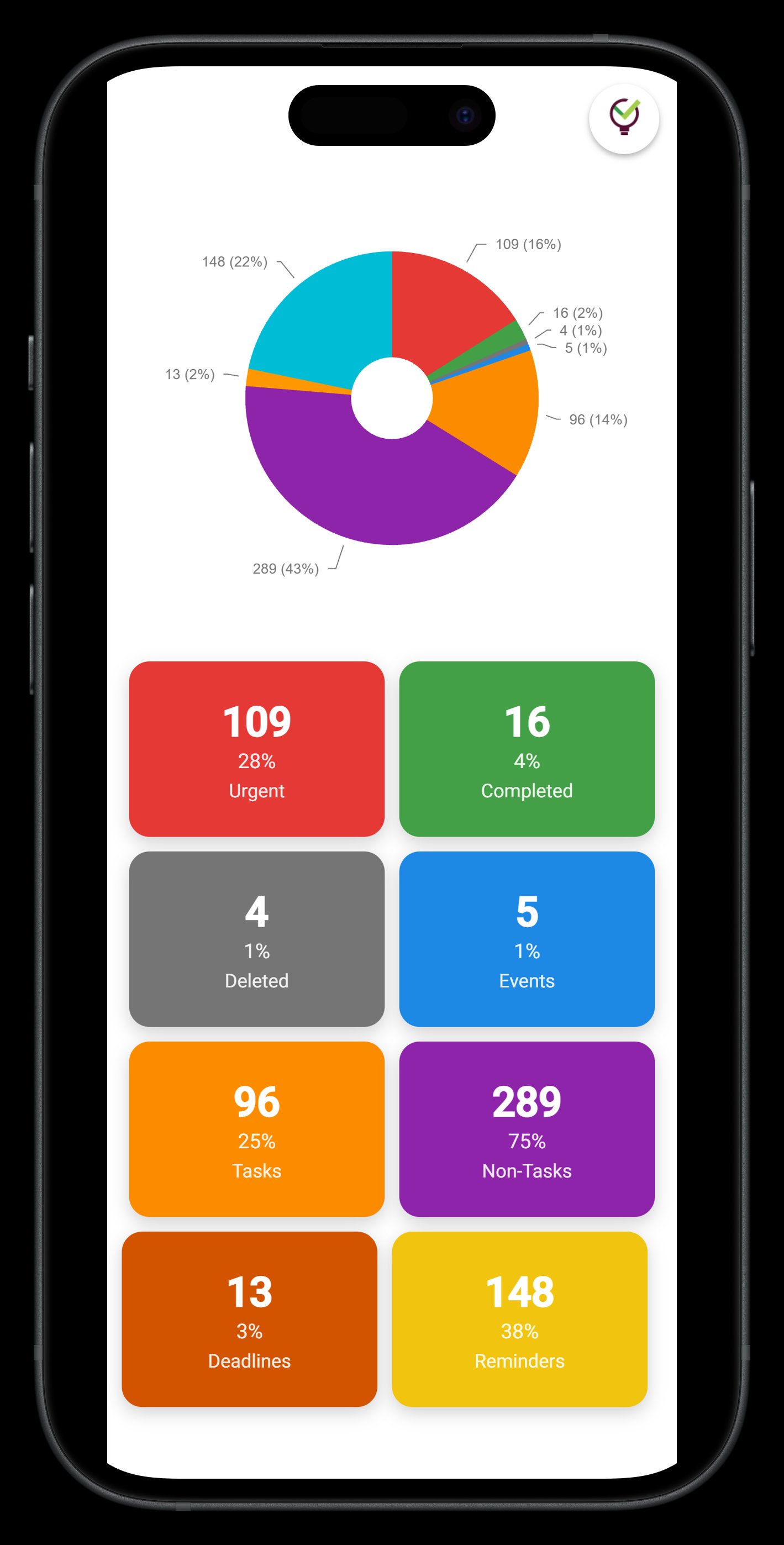
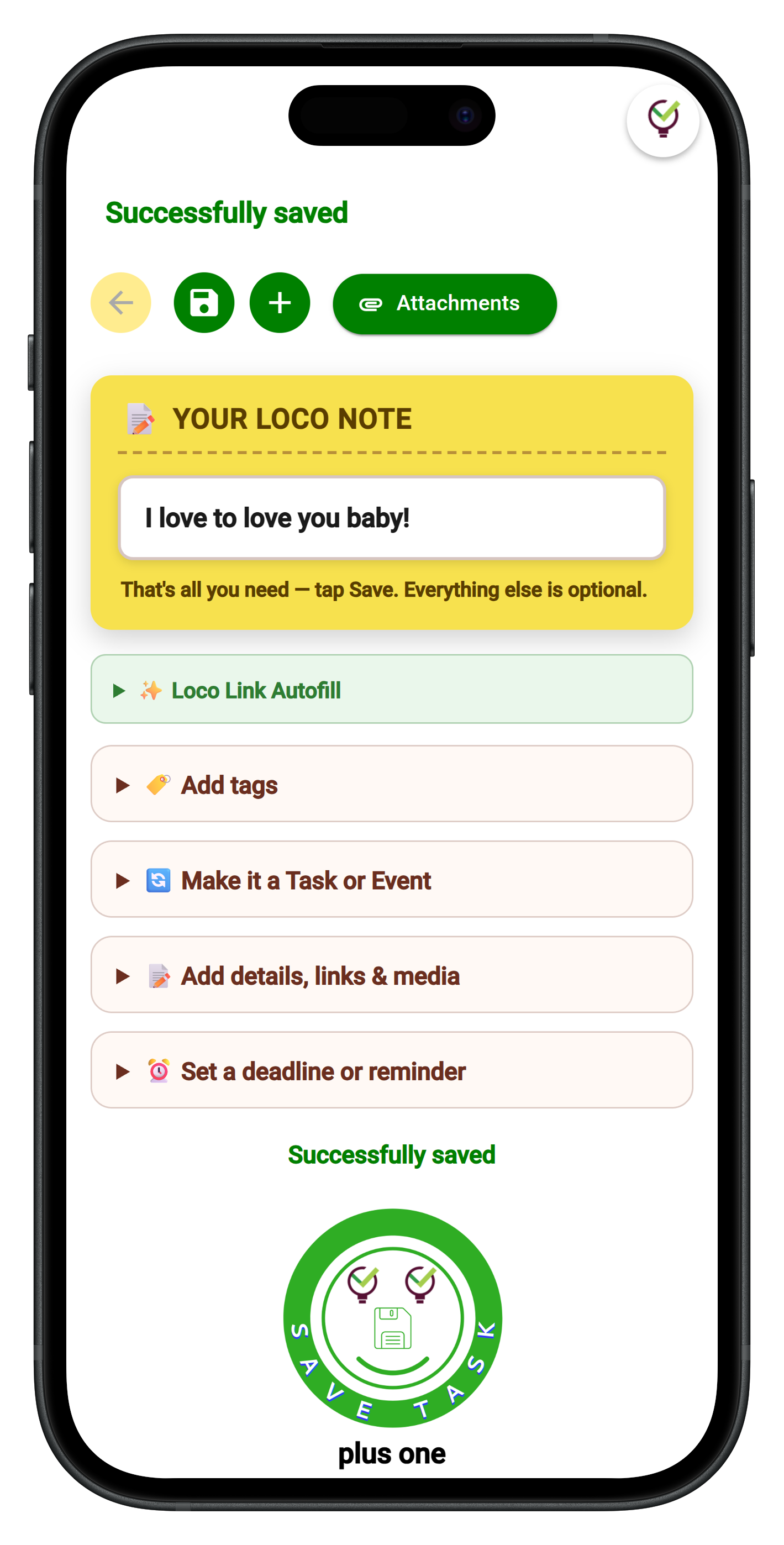
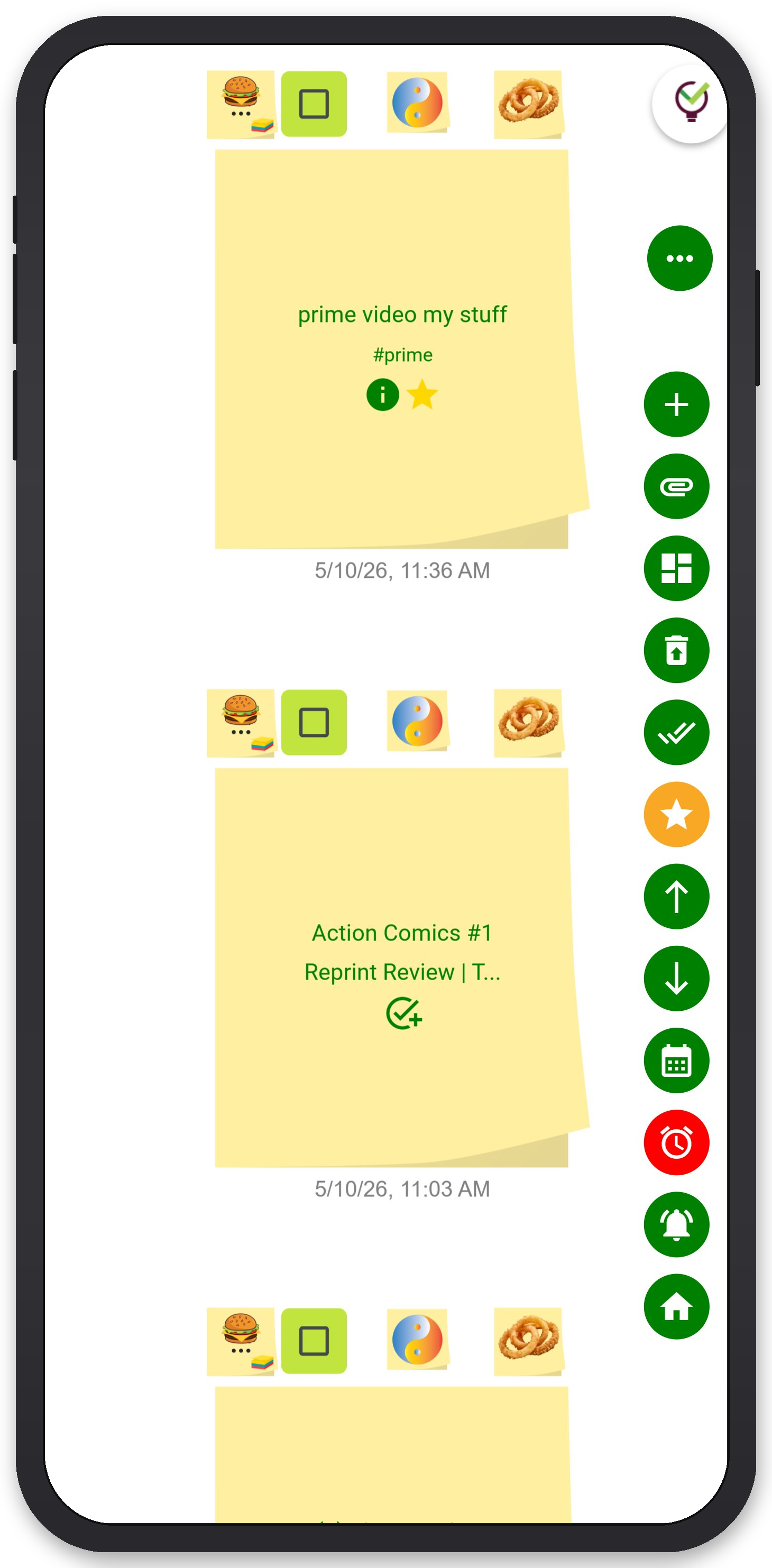
Tools can help you stay organized and track your priorities. TaskLoco makes it easy to capture important tasks as they come up, set reminders for priority work, and keep all your plans in one place. You can time-block your priorities, store related files, and sync everything across devices so your system works wherever you are.
TaskLoco Premium is regularly $9.99/month per person. Right now, charter members can lock in 50% off the regular price — forever. That means $4.99/month per person today. And if our price ever goes up, you still pay half. Always.
Code CHARTER50 auto-applies at checkout. First 500 spots only — once they're gone, this offer is gone permanently. Act fast while spots last.
Every Premium subscription includes unlimited notes, 10GB file storage, reminders, calendar, and team sharing. Each team member requires a separate subscription. 7-day free trial — no charge until day 8. Cancel anytime.
Free Options: TaskLoco
TaskLoco Lite
- Native iPhone & Android app
- Completely anonymous — no sign-in
- Data stays on your device
- Up to 20 notes
- Free forever
TaskLoco Lite Plus+
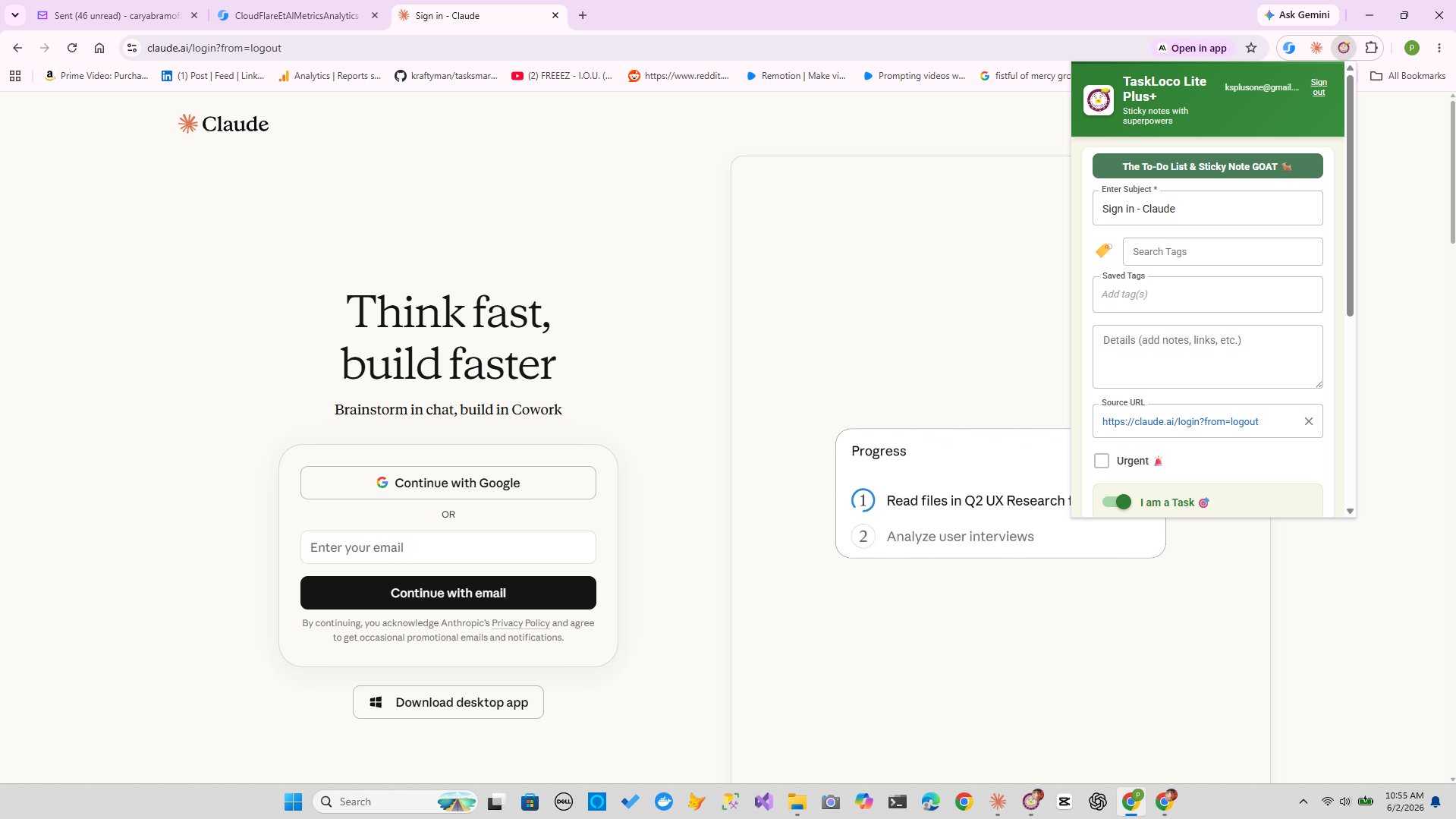
- Web app + Chrome extension
- Sign in with Google
- Wall syncs across all devices
- Up to 30 notes
- Free forever
Lock In 50% Off — Forever
7-day free trial. No charge until day 8. CHARTER50 auto-applies at checkout.
🔒 Lock In My Charter SpotSee TaskLoco in Action
Frequently Asked Questions
How do I identify what actually matters to me?
Look at what you think about when your mind wanders, what you're proud of accomplishing, and what you regret not doing. Your real priorities often show up in these unguarded moments more than in formal goal-setting exercises.
What if my job requires me to be available for urgent requests?
Define what "urgent" actually means in your role and communicate specific availability windows. Most "urgent" requests can wait 2-4 hours. For truly time-sensitive work, designate specific communication channels and times when you're available for interruptions.
How long should priority time blocks be?
Start with whatever you can consistently protect — even 25-30 minutes is valuable for focused work. Most people find 90-minute blocks ideal for deep work, but consistency matters more than duration. Build the habit first, then extend the time.
What if I have too many priorities?
You probably don't have too many priorities — you have too many things you're calling priorities. True priorities are the 2-3 things that, if you made progress on them consistently, would create the biggest positive change in your life or work.
How do I handle guilt about saying no to people?
Remember that saying yes to unimportant requests means saying no to your priorities — and to the people who benefit from your best work. Being selective with your time isn't selfish, it's how you create value for the people who matter most.
Should I organize my personal and work priorities the same way?
The same principles apply — identify what matters, protect time for it, and create boundaries around distractions. But you might need different time blocks and boundaries for different life areas. The key is applying the system consistently across all areas that matter to you.
What tools help organize priorities effectively?
Any system that lets you capture tasks quickly, set reminders for important work, and access your plans anywhere works. $9.99/month per person (currently $4.99/month per person for first 500 charter members with code CHARTER50) The key is choosing something simple enough that you'll use it consistently rather than spending time managing the system itself.
Born in Brooklyn. Powered by AWS. Your data stays yours.
TaskLoco is available on iPhone, Android, Chrome, and every web browser.