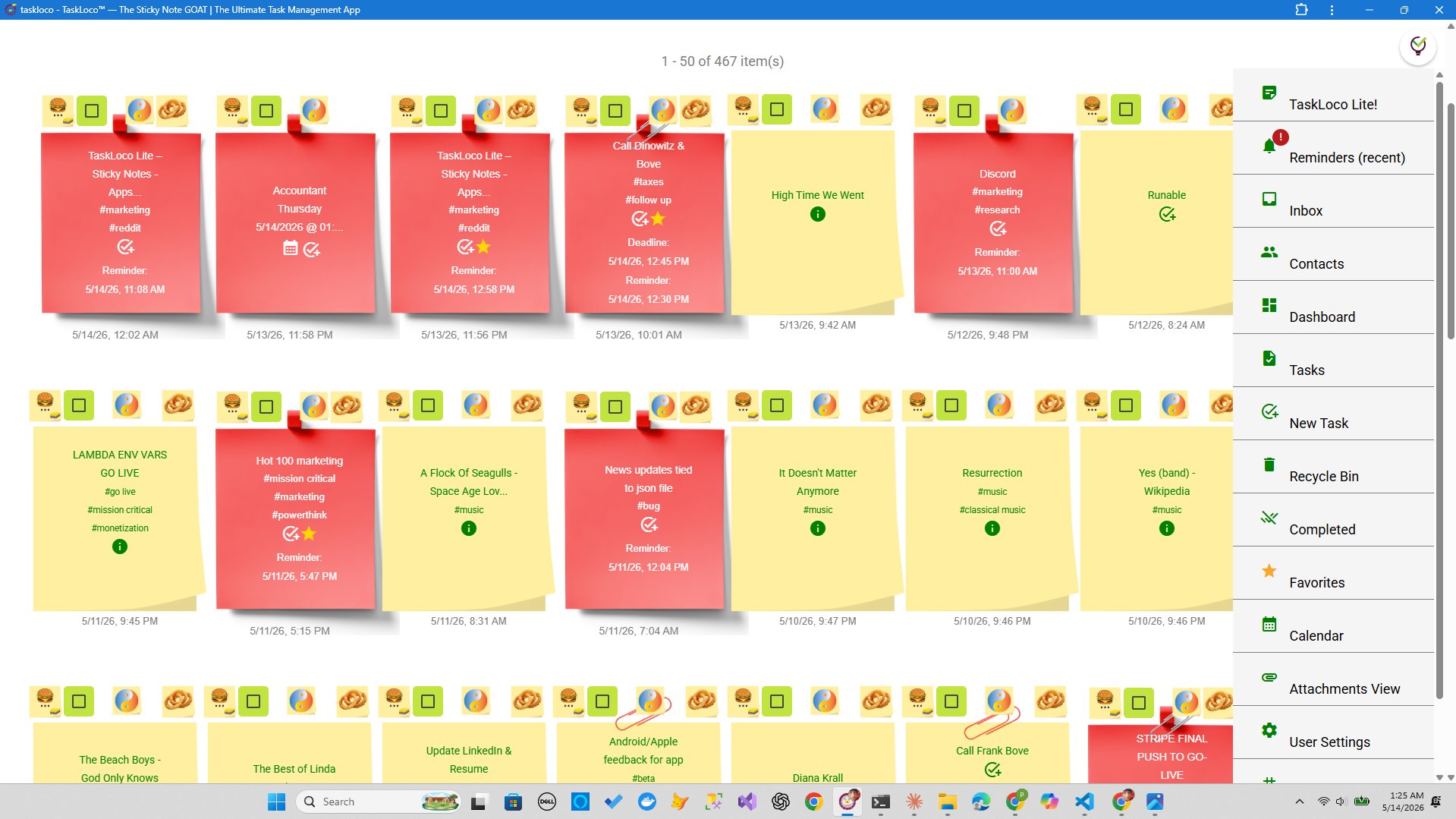
Sticky note productivity takes the instant capture power of physical sticky notes and applies it to digital task management. Instead of complex project hierarchies or rigid workflows, you jot down thoughts, tasks, and reminders as they come — just like slapping a Post-it on your monitor.
The method works because it matches how your brain actually processes information: quick capture, visual organization, and immediate action. No categories to choose, no fields to fill, no approval processes to navigate.
Core Principles of Sticky Note Productivity
Sticky note productivity operates on three fundamental principles that mirror how physical sticky notes work in the real world.
Instant Capture: The moment you have a thought, task, or reminder, you capture it immediately. No opening multiple apps, no deciding which category it belongs in, no filling out forms. The barrier to entry is essentially zero — just like grabbing a physical sticky note.
Visual Organization: Instead of hiding tasks in lists or folders, everything stays visible. You can see your entire workload at a glance, arrange items by priority or project, and spot patterns in your work. The visual layout makes it obvious what needs attention.
Immediate Action: Sticky notes are designed for quick execution. Each note represents something you can act on right now, today, or this week. If something requires extensive planning or multiple dependencies, it probably doesn't belong on a sticky note — it needs a different system entirely.
How to Implement Sticky Note Productivity
Start by choosing your capture method — physical sticky notes, a simple notes app, or a dedicated tool. The key is consistency: use the same method for everything so your brain develops the habit.
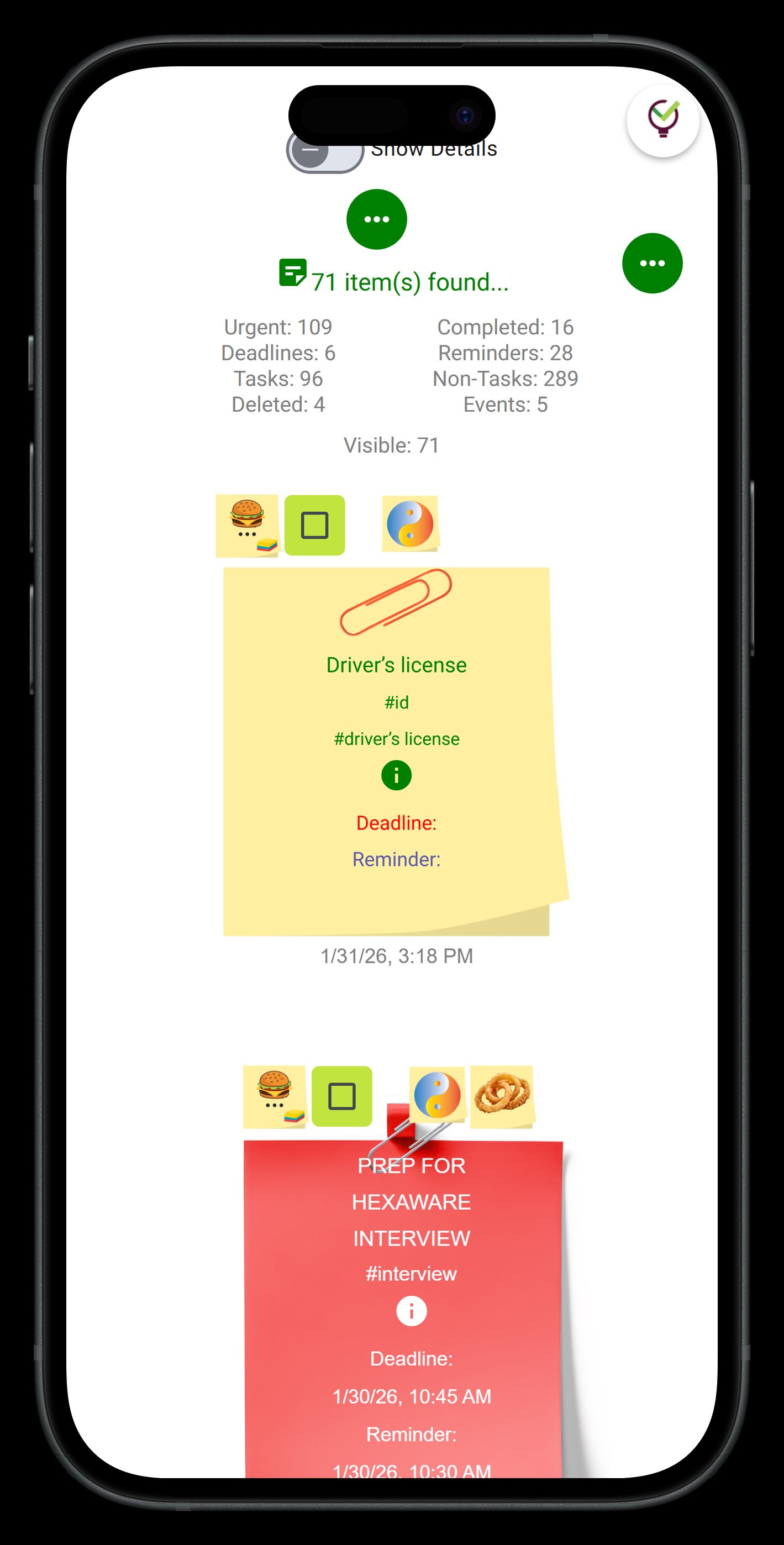
Set up your capture zones: Designate specific areas where you'll place or view your notes. This might be a section of your desk, a particular spot on your monitor, or a specific digital workspace. Having consistent zones prevents notes from getting scattered and lost.
Use the two-minute rule: If a task takes less than two minutes, do it immediately instead of writing a note. Sticky note productivity is about action, not just collection. For everything else, capture it quickly and move on.
Review and reorganize daily: Spend five minutes each morning reviewing your notes, moving completed items, and reorganizing by priority. This daily ritual keeps the system current and prevents buildup of outdated notes.
Keep notes actionable: Write each note as something you can actually do. Instead of 'website project,' write 'draft homepage copy' or 'research competitor sites.' Vague notes create mental friction when it's time to act.
Common Mistakes to Avoid
The biggest mistake is overcomplicating the system. Adding categories, tags, due dates, and priority levels defeats the purpose. Sticky note productivity works because it's simple — the moment you add complexity, you've broken the method.
Don't use sticky notes for long-term planning: Sticky notes are for immediate and short-term tasks. If something won't happen within the next few weeks, it belongs in a different system — your calendar, a project management tool, or a someday/maybe list.
Avoid note proliferation: Having hundreds of sticky notes defeats the visual organization principle. If you can't see everything at once, you have too many notes. Regularly clear out completed items and move non-urgent tasks to other systems.
Don't rely on memory for context: Write enough detail so you'll understand the note later. 'Call John' means nothing in three days. 'Call John about Q4 budget proposal' gives you the context you need to act immediately.
Digital Tools for Sticky Note Productivity
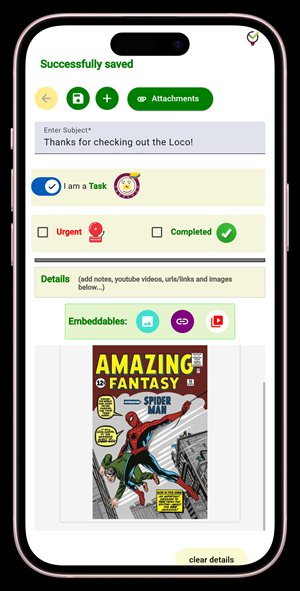
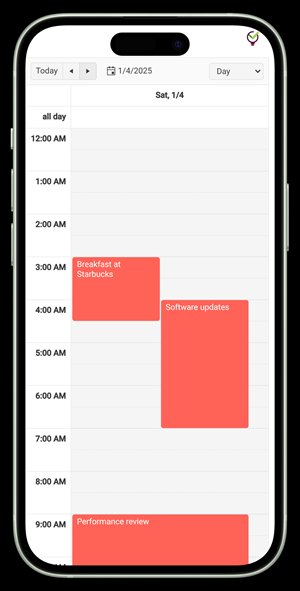
While physical sticky notes work great, digital tools offer advantages like search, sync across devices, and the ability to attach files or links. The key is choosing tools that maintain the simplicity and visual nature of physical notes.
Look for apps that display notes visually rather than in traditional lists. The spatial arrangement matters — you should be able to see everything at once and move items around intuitively. Avoid tools with complex project hierarchies or required metadata fields.
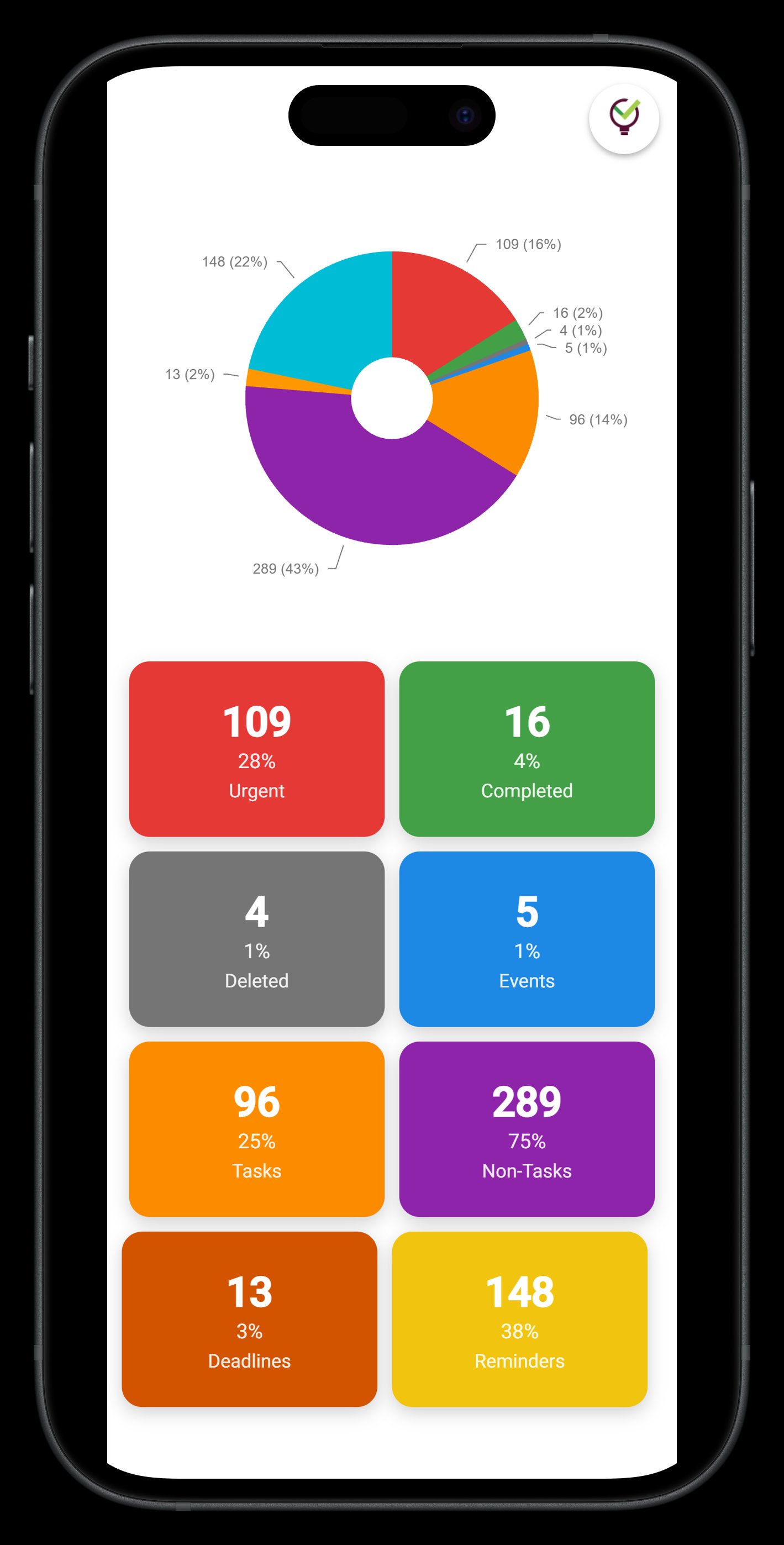
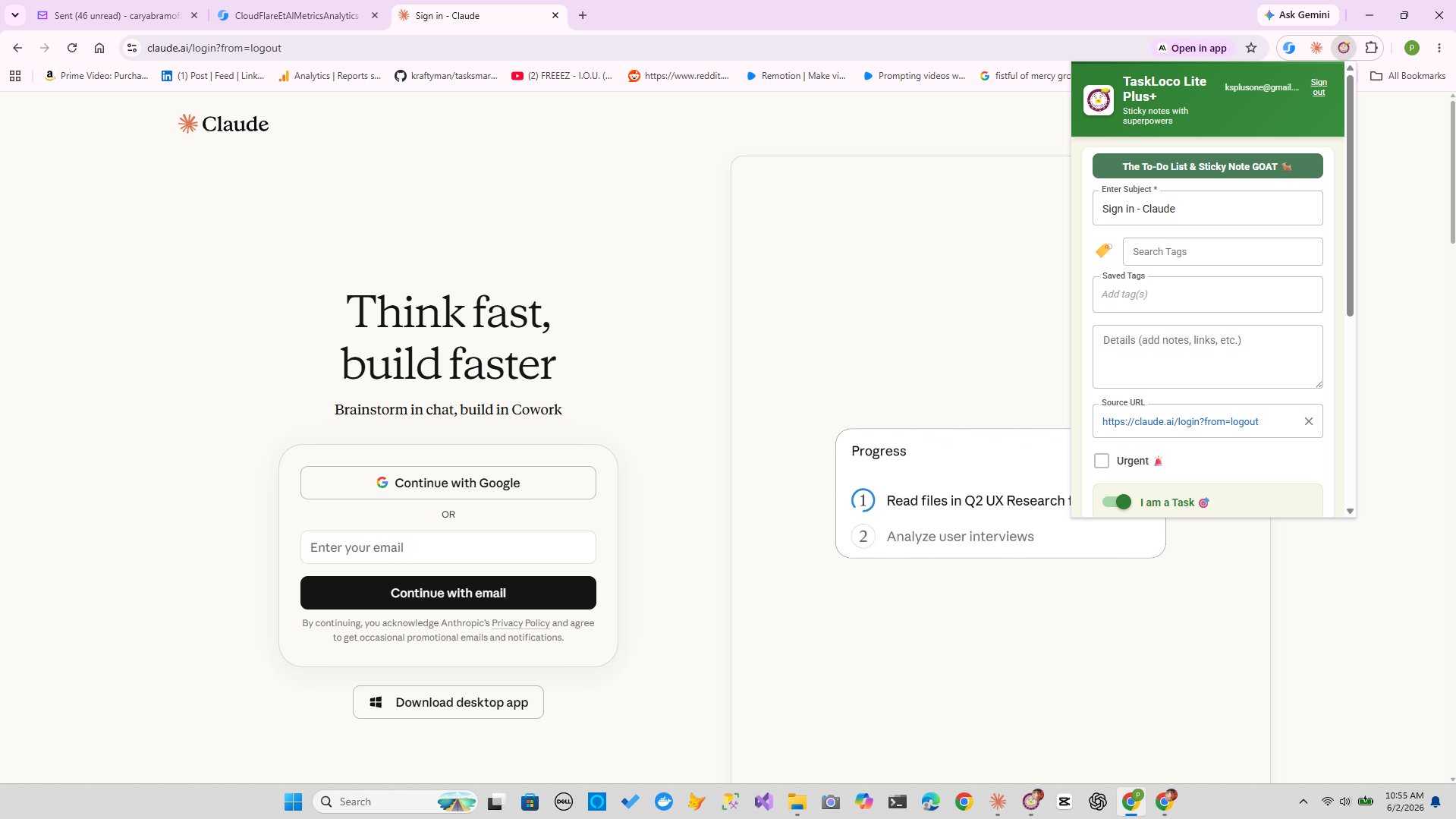
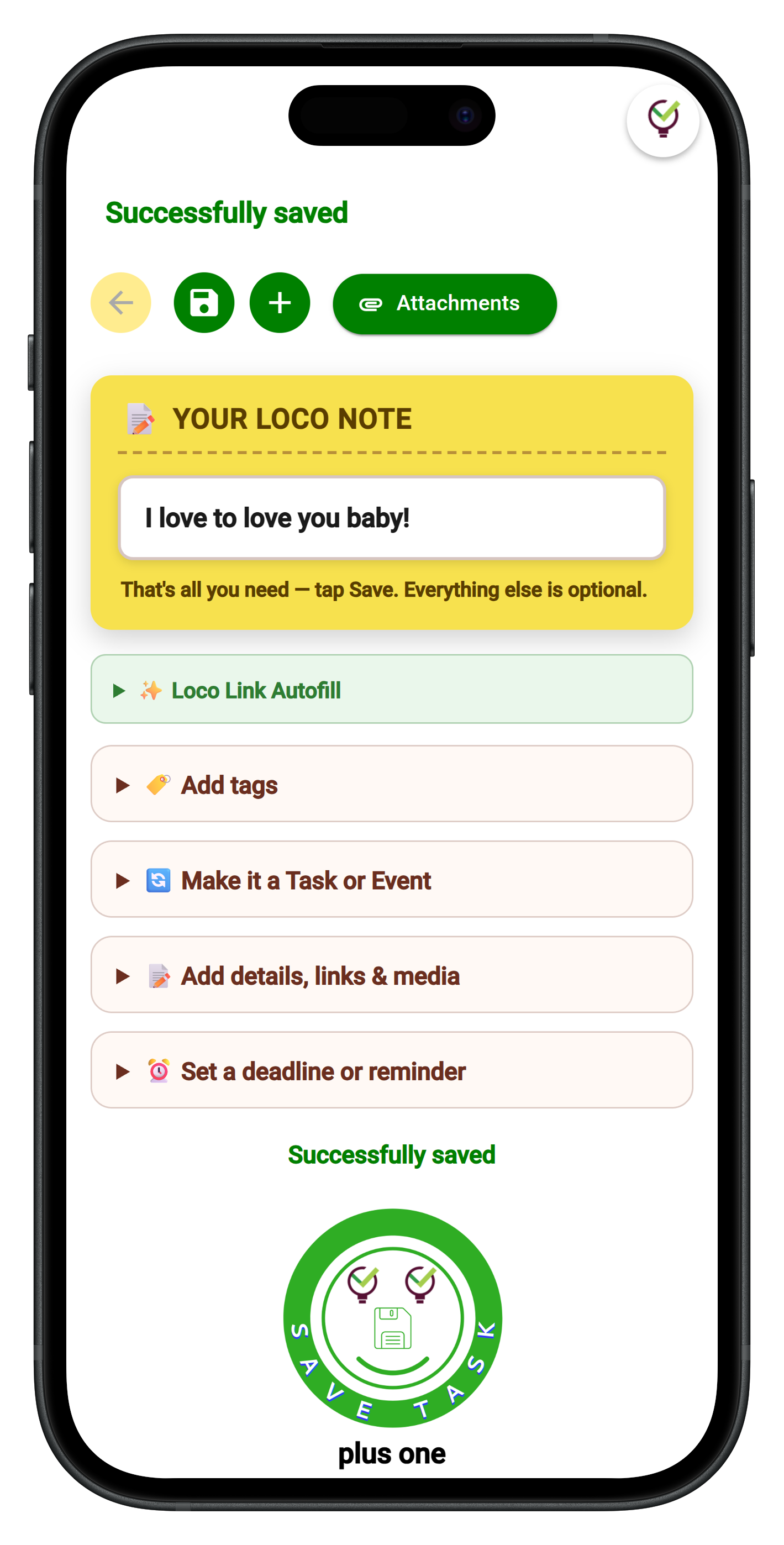
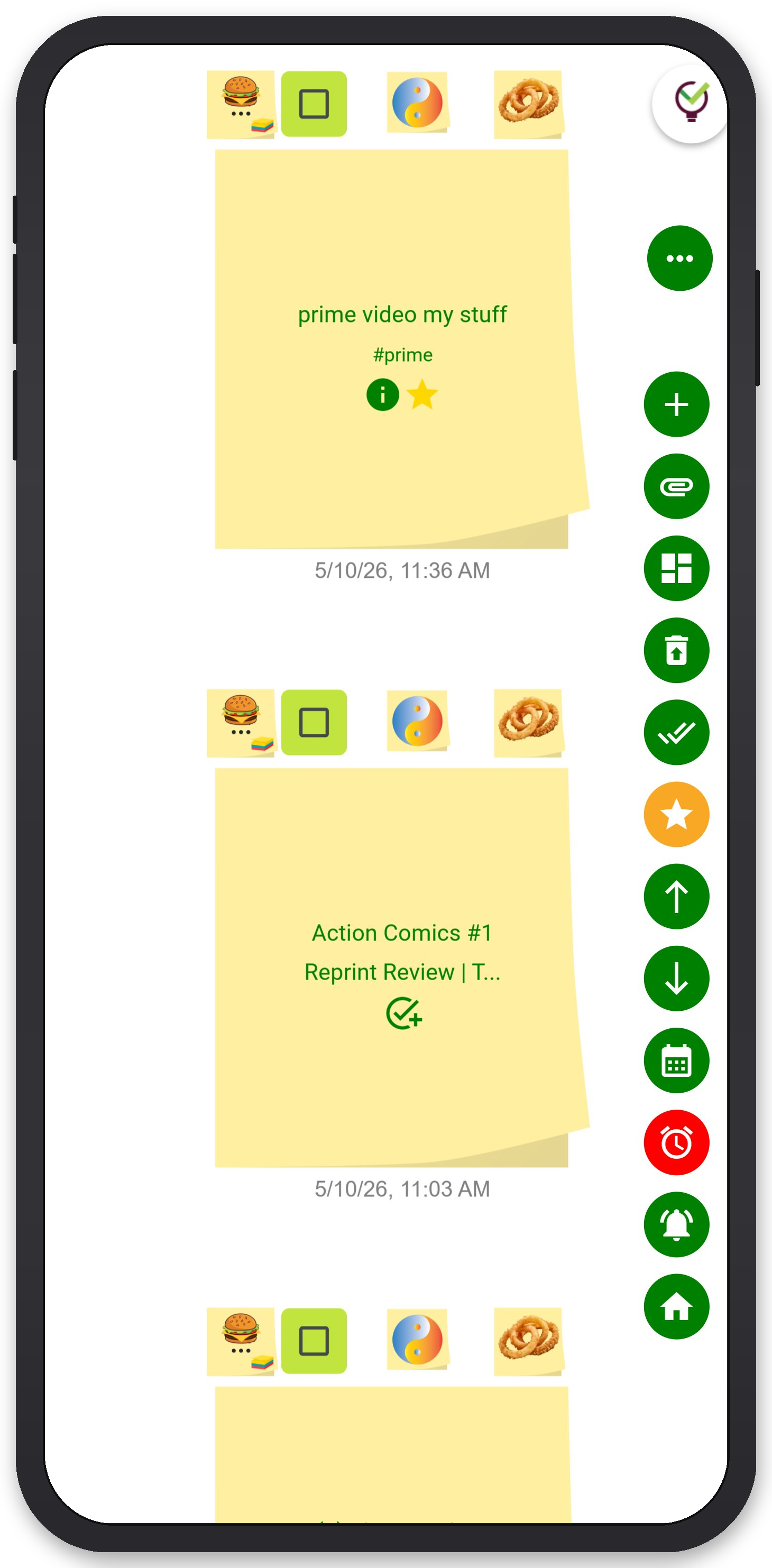
TaskLoco applies sticky note productivity principles directly: instant capture through the Chrome extension, visual wall organization, and immediate action with reminders that deep-link back to your original notes. Each note can include file attachments and context without requiring categories or complex setup.
The key is finding tools that enhance the sticky note method rather than replacing it with a different system entirely. The best digital sticky note tools feel like using physical notes, just with the benefits of search, sync, and persistence.
TaskLoco Premium is regularly $9.99/month per person. Right now, charter members can lock in 50% off the regular price — forever. That means $4.99/month per person today. And if our price ever goes up, you still pay half. Always.
Code CHARTER50 auto-applies at checkout. First 500 spots only — once they're gone, this offer is gone permanently. Act fast while spots last.
Every Premium subscription includes unlimited notes, 10GB file storage, reminders, calendar, and team sharing. Each team member requires a separate subscription. 7-day free trial — no charge until day 8. Cancel anytime.
Free Options: TaskLoco
TaskLoco Lite
- Native iPhone & Android app
- Completely anonymous — no sign-in
- Data stays on your device
- Up to 20 notes
- Free forever
TaskLoco Lite Plus+
- Web app + Chrome extension
- Sign in with Google
- Wall syncs across all devices
- Up to 30 notes
- Free forever
Lock In 50% Off — Forever
7-day free trial. No charge until day 8. CHARTER50 auto-applies at checkout.
🔒 Lock In My Charter SpotSee TaskLoco in Action
Frequently Asked Questions
What makes sticky note productivity different from other task management methods?
Sticky note productivity prioritizes instant capture and visual organization over complex categorization. Instead of spending time organizing tasks into projects and categories, you capture thoughts immediately and arrange them visually for quick action.
Can sticky note productivity work for complex projects?
Sticky note productivity works best for individual tasks and immediate actions. Complex projects with dependencies and timelines need dedicated project management tools. Use sticky notes for the small, actionable pieces that come out of larger projects.
How many sticky notes should I have at one time?
Keep it to what you can see at a glance — typically 15-25 active notes maximum. If you have more, either complete some tasks, move non-urgent items to other systems, or break large tasks into smaller, actionable pieces.
Should I use physical or digital sticky notes?
Both work, but digital offers advantages like search, file attachments, and sync across devices. Choose based on your workflow — if you're primarily at one desk, physical notes work great. If you work across multiple devices and locations, digital tools provide better continuity.
How do I prevent sticky notes from becoming cluttered?
Review and clean up daily. Remove completed tasks, move non-urgent items to appropriate long-term systems, and consolidate related notes. The system only works when you can see everything clearly.
What types of tasks work best with sticky note productivity?
Quick actions, phone calls, simple research tasks, reminders, and immediate to-dos work perfectly. Avoid using sticky notes for multi-step projects, long-term goals, or tasks requiring extensive planning and coordination.
How do I handle recurring tasks with sticky notes?
Sticky note productivity isn't ideal for recurring tasks — these belong in calendar systems or habit trackers. Use sticky notes for the one-time actions that support your recurring routines, like 'research new workout routine' or 'update meeting agenda template.'
Born in Brooklyn. Powered by AWS. Your data stays yours.
TaskLoco is available on iPhone, Android, Chrome, and every web browser.