Getting Things Done (GTD) transformed how millions manage their work by creating a trusted system for capturing and organizing everything. David Allen's methodology relies on five key stages: capture, clarify, organize, reflect, and engage. The question isn't whether GTD works — it's finding the right tool to support it.
Todoist has become one of the most popular GTD implementations, offering the structure and flexibility Allen's system demands. But setting up GTD in Todoist requires careful planning, and maintaining it takes discipline. Here's exactly how to do it, plus why some people are finding simpler alternatives.
Understanding GTD's Core Principles
David Allen built GTD around a simple truth: your brain is terrible at remembering but excellent at recognizing. The methodology works by moving everything out of your head into a trusted external system, freeing your mind to focus on the work itself rather than trying to remember what work needs doing.
The five GTD stages create a continuous workflow. Capture means collecting every task, idea, and commitment in designated inboxes. Clarify involves processing these items to determine what they actually are and what action they require. Organize puts clarified items into appropriate categories and contexts. Reflect means regularly reviewing your system to keep it current and complete. Engage is simply doing the work with confidence that nothing important is falling through cracks.
This trust is everything. Without it, you'll continue mentally tracking tasks, defeating GTD's core purpose. The system must be comprehensive, regularly maintained, and always accessible when you need to capture something new.
Setting Up GTD in Todoist: The Complete Structure
Todoist's project-based architecture maps well to GTD's organizational needs, but requires specific setup to work properly. Start by creating core GTD projects: Inbox (your capture bucket), Next Actions (single-step tasks ready to do), Waiting For (items you're expecting from others), and Someday/Maybe (ideas you might pursue later).
Projects in GTD represent multi-step outcomes, so create Todoist projects for each meaningful goal or area of responsibility. Use clear, outcome-focused names like "Website Redesign Complete" rather than vague labels like "Website Stuff." Each project should have a clear definition of what "done" looks like.
Labels become your contexts — the circumstances needed to complete tasks. Create labels for @calls, @errands, @computer, @home, @office, or whatever contexts match your actual work patterns. The key is using contexts you can actually act on, not theoretical categories that sound organized but don't reflect how you actually work.
Filters tie everything together by showing you exactly what you can do right now. Create filters combining contexts with time availability: "@calls with due dates this week" or "@computer tasks I can do in 15 minutes." These filters become your actual working views, not the individual projects.
The Weekly Review: Making GTD Actually Work
GTD lives or dies by the weekly review. This isn't just checking off completed tasks — it's systematically ensuring your entire system remains complete and current. David Allen calls it "getting clear" and considers it non-negotiable for long-term GTD success.
Start by processing your Todoist inbox completely. Every item gets clarified: what is it exactly, what outcome does it contribute to, what's the very next physical action required? Items requiring multiple steps become projects. Single actions get appropriate contexts and due dates if needed. Reference material goes into a separate system (Todoist isn't great for reference storage).
Review all your active projects weekly. Each should have at least one next action in your system, or it's effectively stalled. Projects without next actions either need immediate attention to determine what's required, or they should move to Someday/Maybe if they're not currently priorities.
Update your Waiting For list by following up on items that are overdue or approaching deadlines. Review Someday/Maybe projects to see if any have become relevant enough to activate. Clean up completed items and archive finished projects to keep your system focused on current realities.
Why Some GTD Practitioners Are Choosing TaskLoco
While Todoist can absolutely support GTD, some practitioners find the setup and maintenance overhead counterproductive. GTD's power comes from reducing mental overhead, not from complex organizational systems. TaskLoco takes a different approach that naturally supports GTD's core principles without requiring extensive configuration.
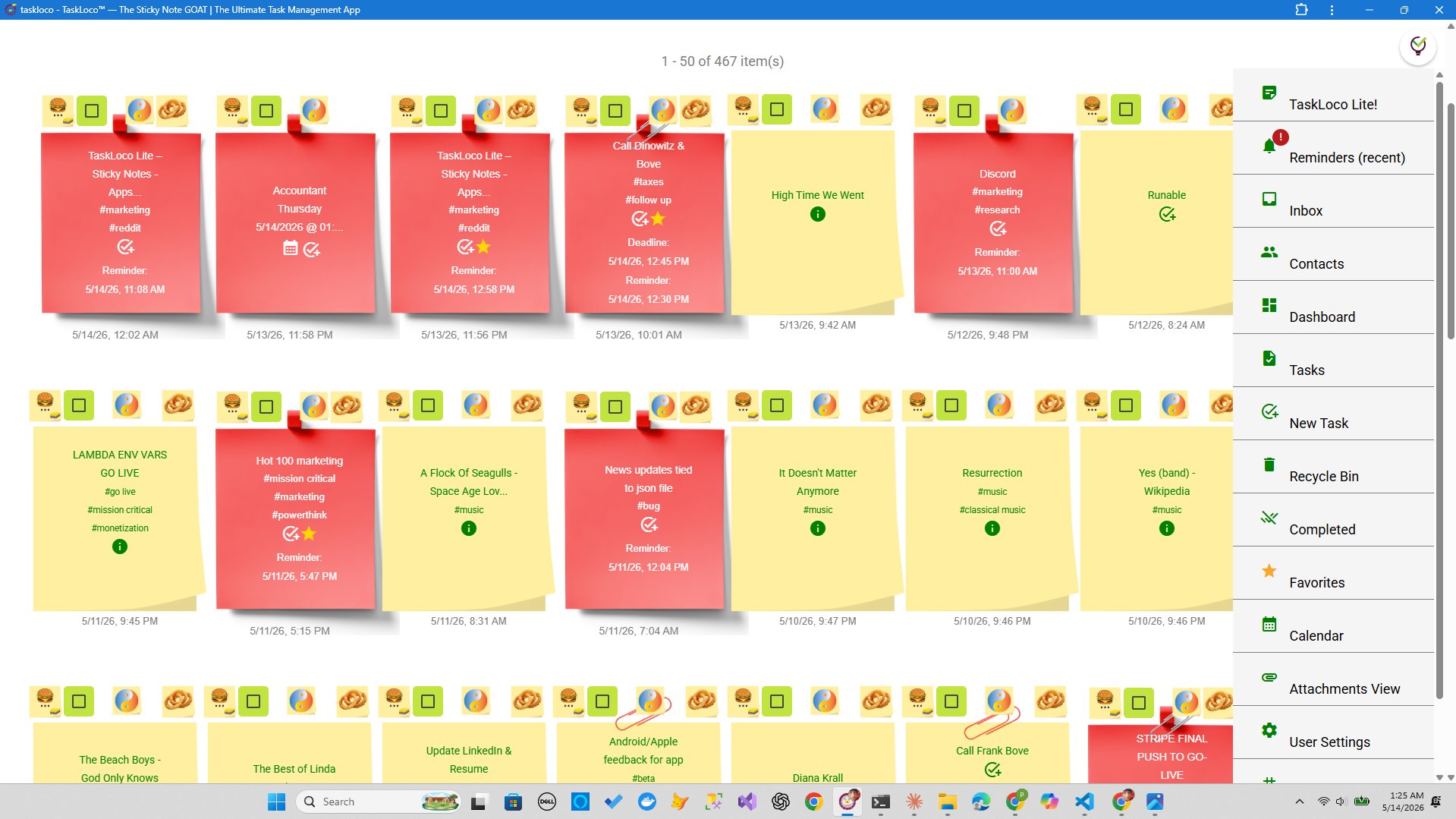
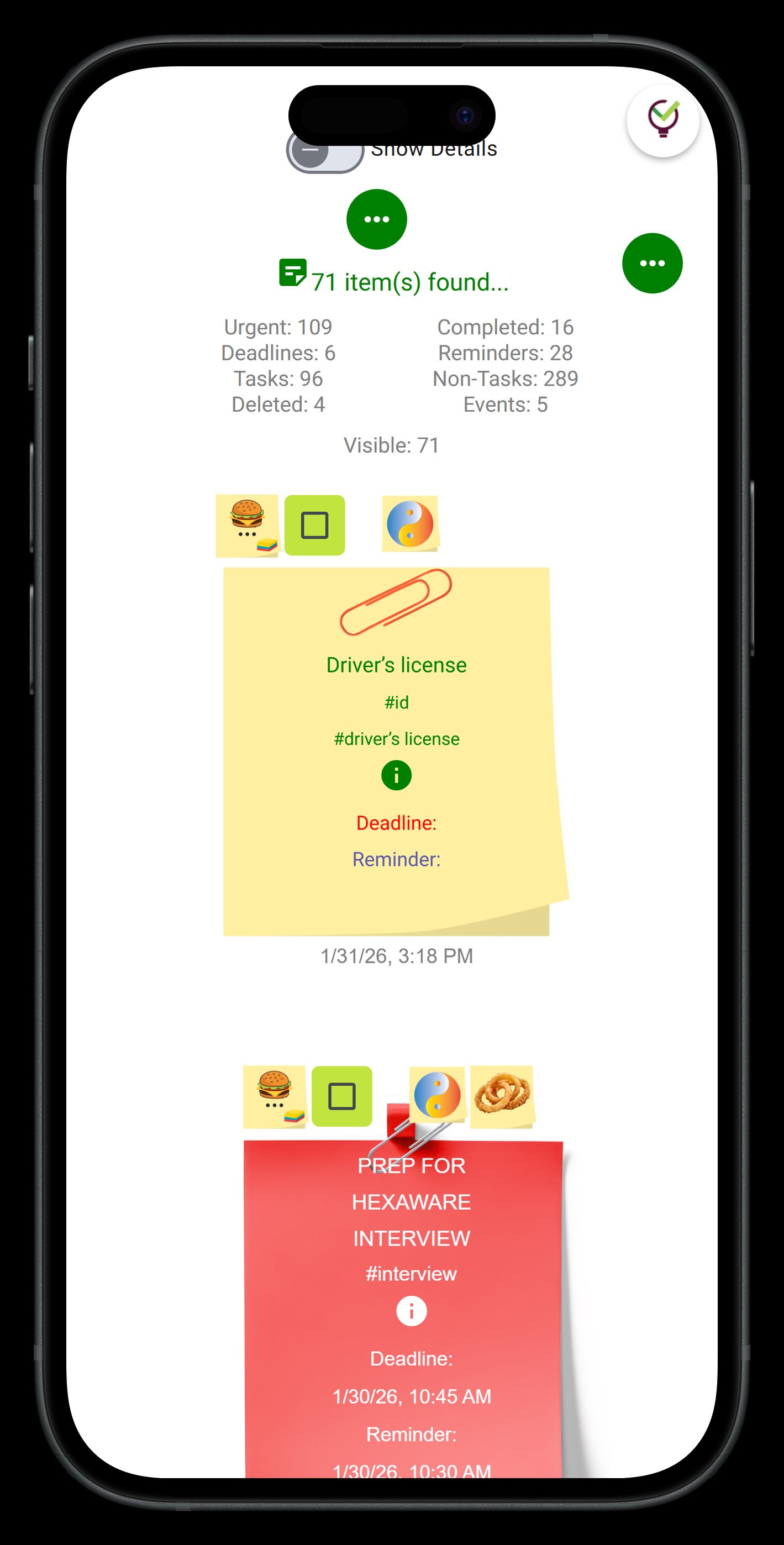
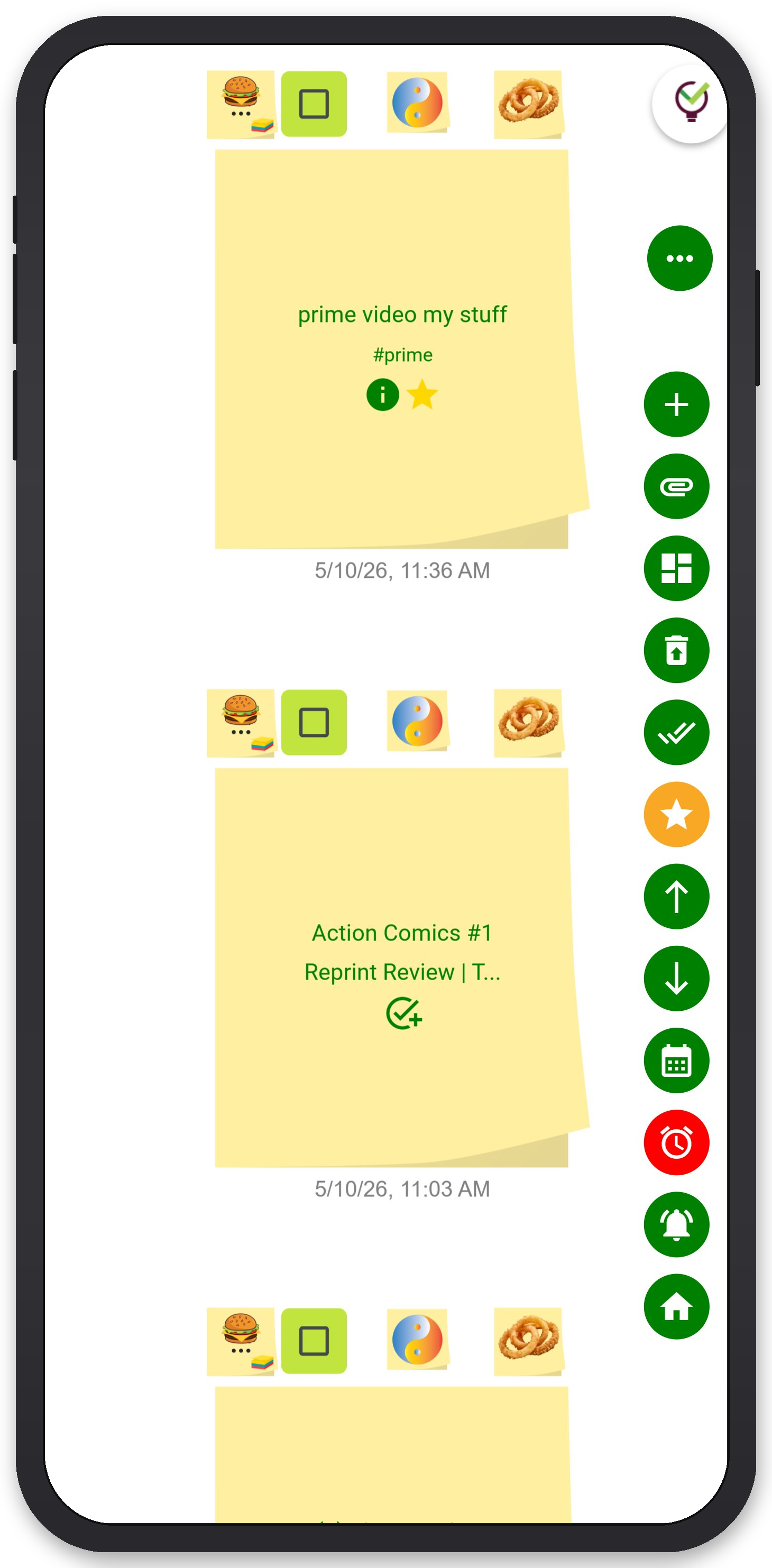
TaskLoco's sticky note interface mirrors how many people naturally think about tasks and projects. Each note can hold a single next action, an entire project with multiple steps, or reference information — whatever makes sense for that particular item. The flexibility eliminates the need to decide upfront whether something is a task, project, or reference material.
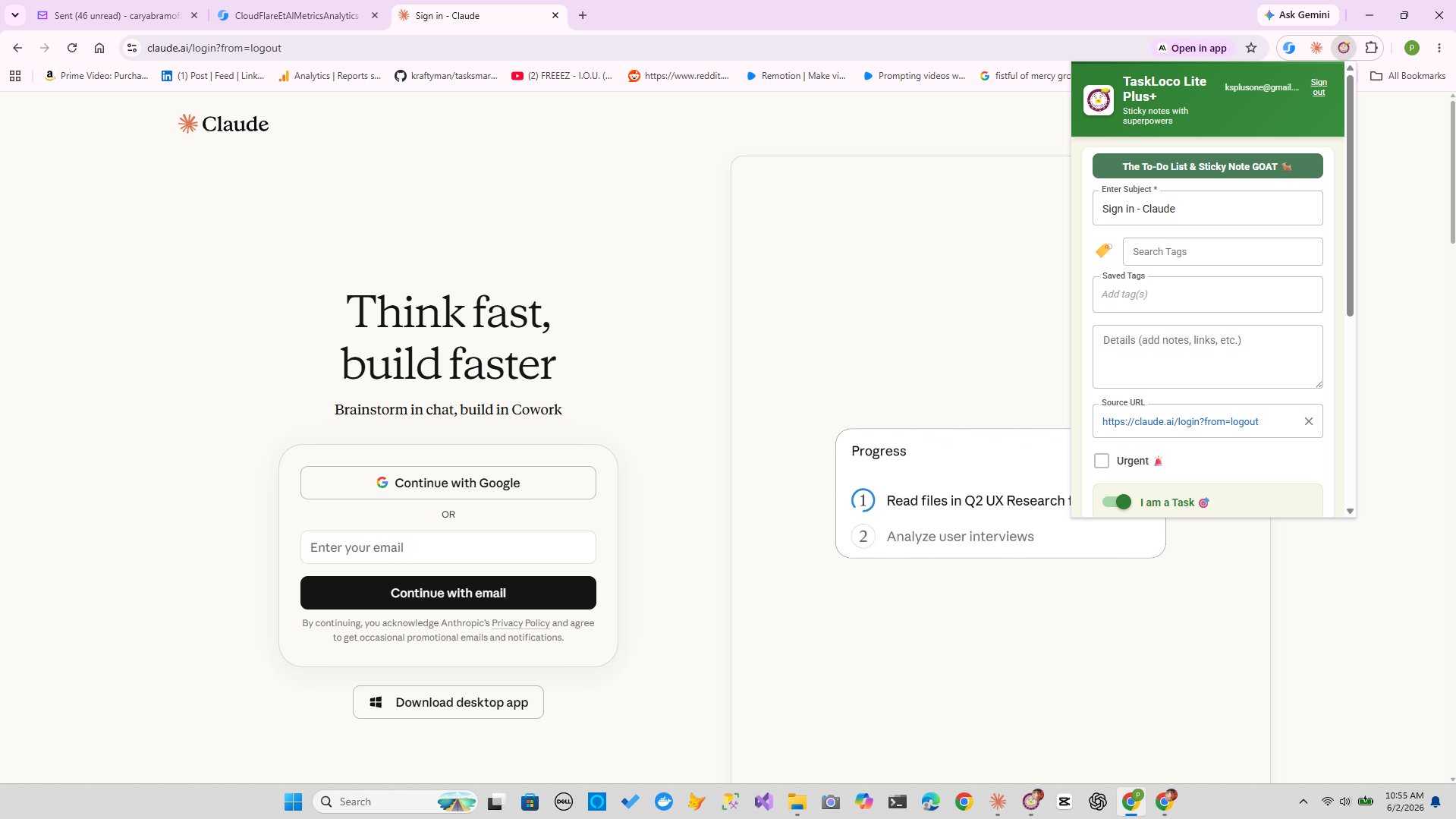
The capture process becomes effortless. Ideas, tasks, and commitments go directly into new notes without requiring immediate categorization. The Chrome extension captures web content in one click. Mobile access through the web browser means you can capture anywhere. The weekly review becomes simply scanning your notes and updating what's changed.
$9.99/month per person (currently $4.99/month per person for first 500 charter members with code CHARTER50)
TaskLoco Premium is regularly $9.99/month per person. Right now, charter members can lock in 50% off the regular price — forever. That means $4.99/month per person today. And if our price ever goes up, you still pay half. Always.
Code CHARTER50 auto-applies at checkout. First 500 spots only — once they're gone, this offer is gone permanently. Act fast while spots last.
Every Premium subscription includes unlimited notes, 10GB file storage, reminders, calendar, and team sharing. Each team member requires a separate subscription. 7-day free trial — no charge until day 8. Cancel anytime.
Free Options: TaskLoco
TaskLoco Lite
- Native iPhone & Android app
- Completely anonymous — no sign-in
- Data stays on your device
- Up to 20 notes
- Free forever
TaskLoco Lite Plus+
- Web app + Chrome extension
- Sign in with Google
- Wall syncs across all devices
- Up to 30 notes
- Free forever
Lock In 50% Off — Forever
7-day free trial. No charge until day 8. CHARTER50 auto-applies at checkout.
🔒 Lock In My Charter SpotSee TaskLoco in Action
Frequently Asked Questions
Can Todoist really handle full GTD implementation?
Yes, Todoist supports all GTD components through projects, labels, and filters. However, it requires significant setup time and ongoing maintenance to work properly. The complexity can sometimes work against GTD's goal of reducing mental overhead.
What's the most important part of GTD setup in any tool?
The capture system. If you can't quickly and reliably capture everything that comes to mind, your brain won't trust the system and will keep trying to remember things internally. This defeats GTD's core purpose.
How often should I do GTD weekly reviews?
Weekly, without exception. David Allen considers this non-negotiable. The review is what keeps your system complete and trustworthy. Skip reviews and your system becomes stale, causing your brain to lose confidence in it.
Do I need contexts in GTD or can I skip them?
Contexts are essential for GTD effectiveness. They show you what you can actually do given your current location, available time, and energy level. Without contexts, you end up scanning your entire task list repeatedly instead of focusing on what's actually possible right now.
Is TaskLoco better than Todoist for GTD?
TaskLoco offers GTD's core benefits with less setup overhead. The sticky note format naturally handles capture, organization, and review without requiring complex project structures or label systems. $9.99/month per person (currently $4.99/month per person for first 500 charter members with code CHARTER50)
What happens if I stop doing weekly reviews in GTD?
Your system becomes untrustworthy. Items pile up unprocessed, projects stall without next actions, and your brain starts trying to remember things again. The mental stress GTD was supposed to eliminate returns, often worse than before.
Can I use GTD for personal tasks or just work?
GTD works for everything — personal, professional, creative projects, household tasks. The methodology's power comes from having one comprehensive system that captures all your commitments and responsibilities, not separate systems for different life areas.
Born in Brooklyn. Powered by AWS. Your data stays yours.
TaskLoco is available on iPhone, Android, Chrome, and every web browser.