Getting Things Done isn't just another productivity hack — it's a complete system for managing the overwhelming flow of commitments in modern life. David Allen built GTD around a simple truth: your mind is terrible at remembering things but excellent at recognizing patterns and making connections.
Todoist emerged as one of the most GTD-friendly digital tools because its structure mirrors Allen's methodology. But understanding why requires grasping what GTD actually is and how it works in practice.
The Core GTD System: Capture, Clarify, Organize
GTD operates on five fundamental steps: Capture, Clarify, Organize, Reflect, and Engage. The first three form the backbone of the system.
Capture means getting everything out of your head into a trusted system. Every task, idea, commitment, or random thought goes into an inbox — physical or digital. The key insight: your brain stops cycling on incomplete loops when it trusts something is captured.
Clarify is where most people stumble. For each captured item, you ask: Is it actionable? If not, it goes to reference, someday/maybe, or trash. If yes, what's the next physical action? If it takes under two minutes, do it now. Otherwise, it gets organized.
Organize means sorting by context and priority. Projects (anything requiring more than one step), next actions sorted by context (@calls, @computer, @errands), waiting-for items, and reference materials all get their designated places.
Why Todoist Became the GTD Standard
Todoist's structure aligns naturally with GTD principles. Projects in Todoist map directly to GTD projects. Labels work perfectly for contexts (@calls, @computer, @errands). The inbox feature supports the critical capture step, and filters let you create custom views for different contexts.
The two-minute rule integrates smoothly — quick tasks get done during processing, while longer items get properly categorized. Todoist's recurring tasks handle routine commitments, and the someday/maybe concept translates well to low-priority projects.
Most importantly, Todoist supports the weekly review — Allen's cornerstone habit. You can review all projects, scan upcoming deadlines, and ensure nothing falls through cracks. The system becomes trustworthy because it's comprehensive and regularly maintained.
However, Todoist alone isn't GTD — it's a tool that supports the methodology. The real work happens in building consistent capture habits, weekly reviews, and trusting your system enough to stop mental cycling.
Where GTD Breaks Down in Practice
GTD's biggest weakness is complexity. The system demands significant upfront learning and ongoing maintenance. Many people get lost in elaborate project hierarchies, over-engineered context systems, or perfectionist capture methods that create more friction than flow.
The weekly review — essential for GTD — often becomes the first casualty. Without regular processing, inboxes overflow, projects go stale, and the system loses trustworthiness. When trust breaks down, mental cycling returns, defeating GTD's core purpose.
Context switching also proves problematic in knowledge work. Allen's @contexts made sense for physical actions, but modern work blends contexts constantly. You might handle emails, calls, and creative work within minutes, making rigid context separation artificial.
Finally, GTD assumes you control your time and priorities. In reactive roles with constant interruptions, the system can feel like elaborate overhead rather than helpful structure. The methodology works best for people with significant autonomy over their work.
TaskLoco and the GTD Approach
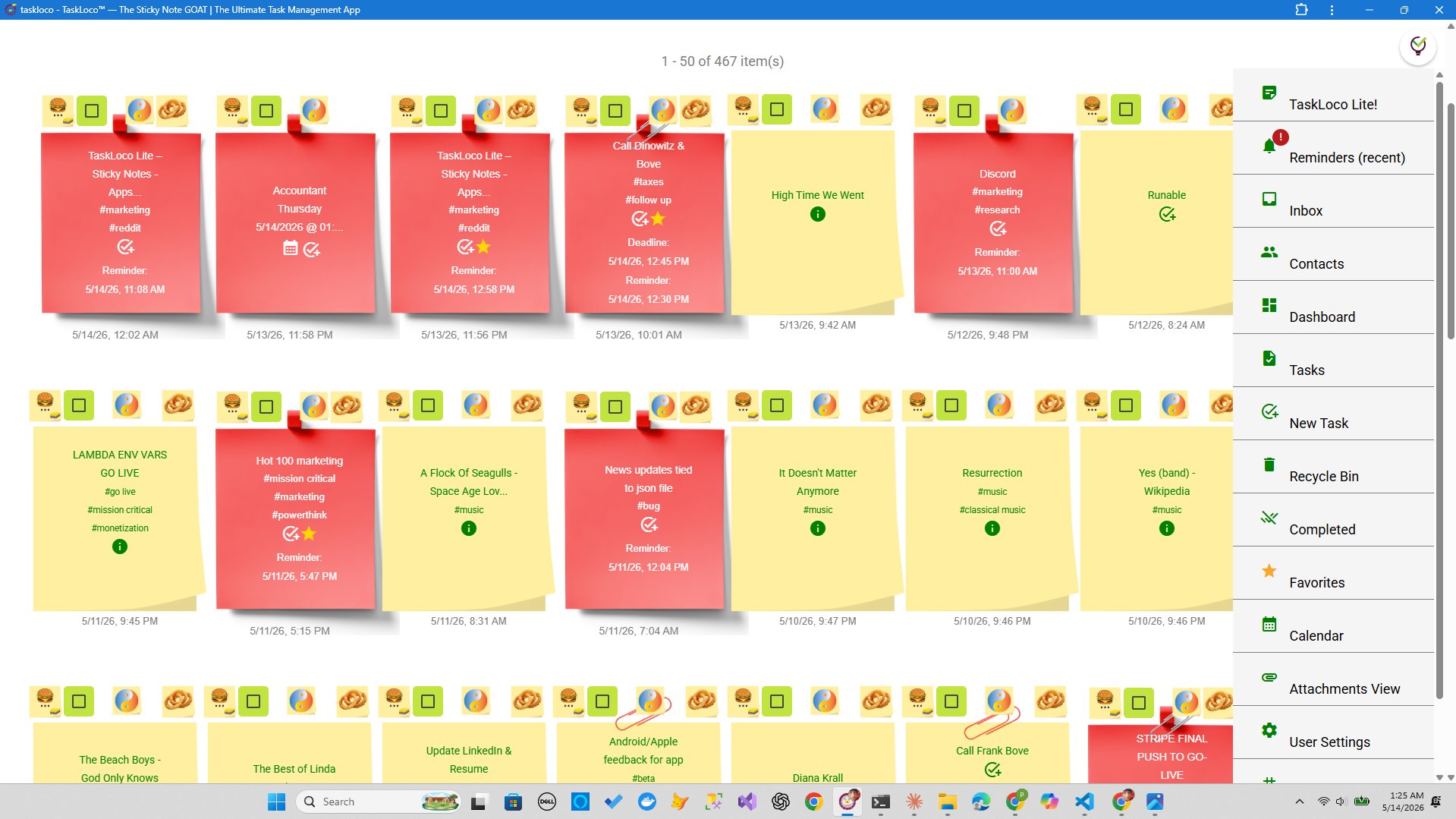
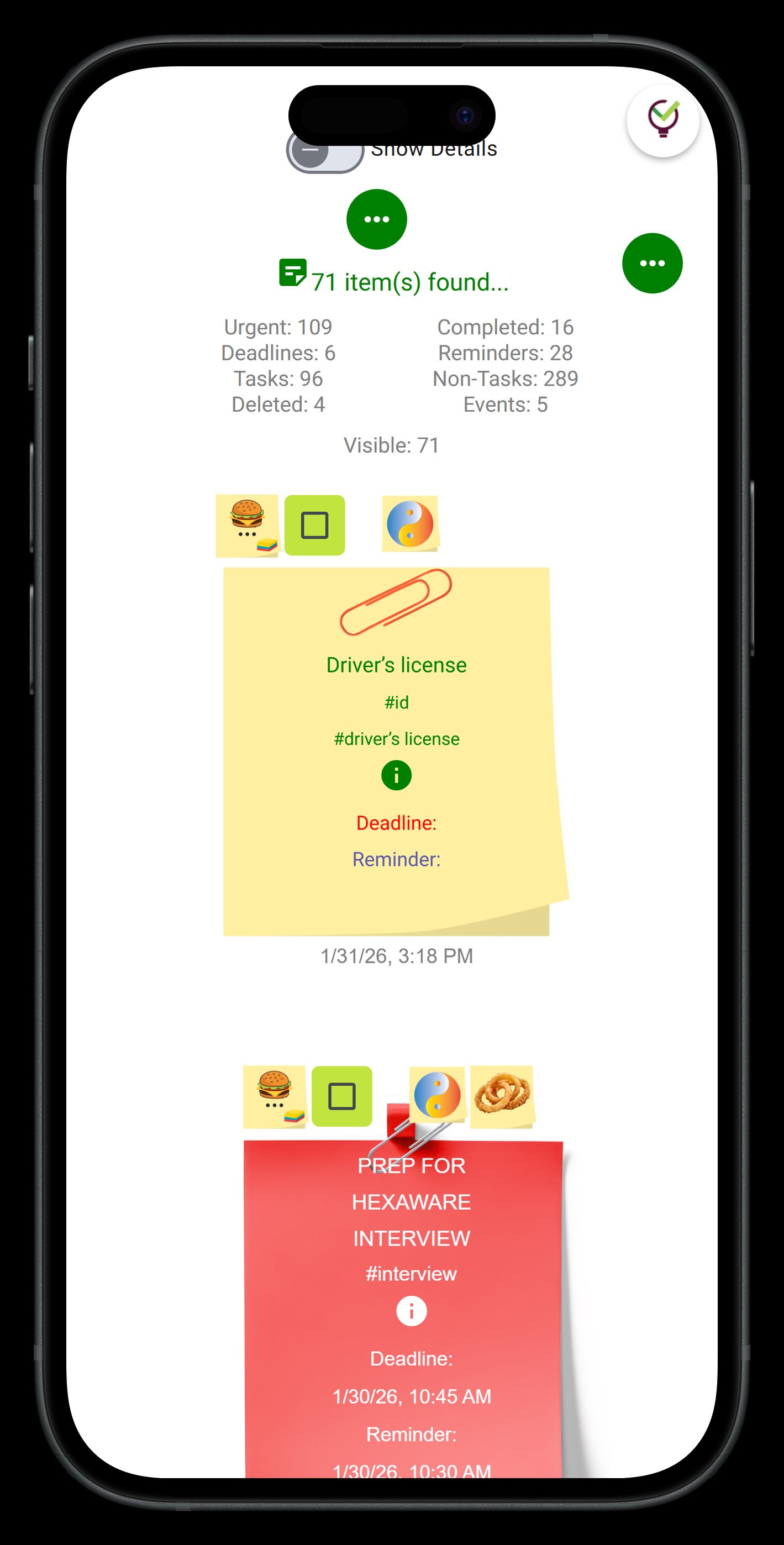
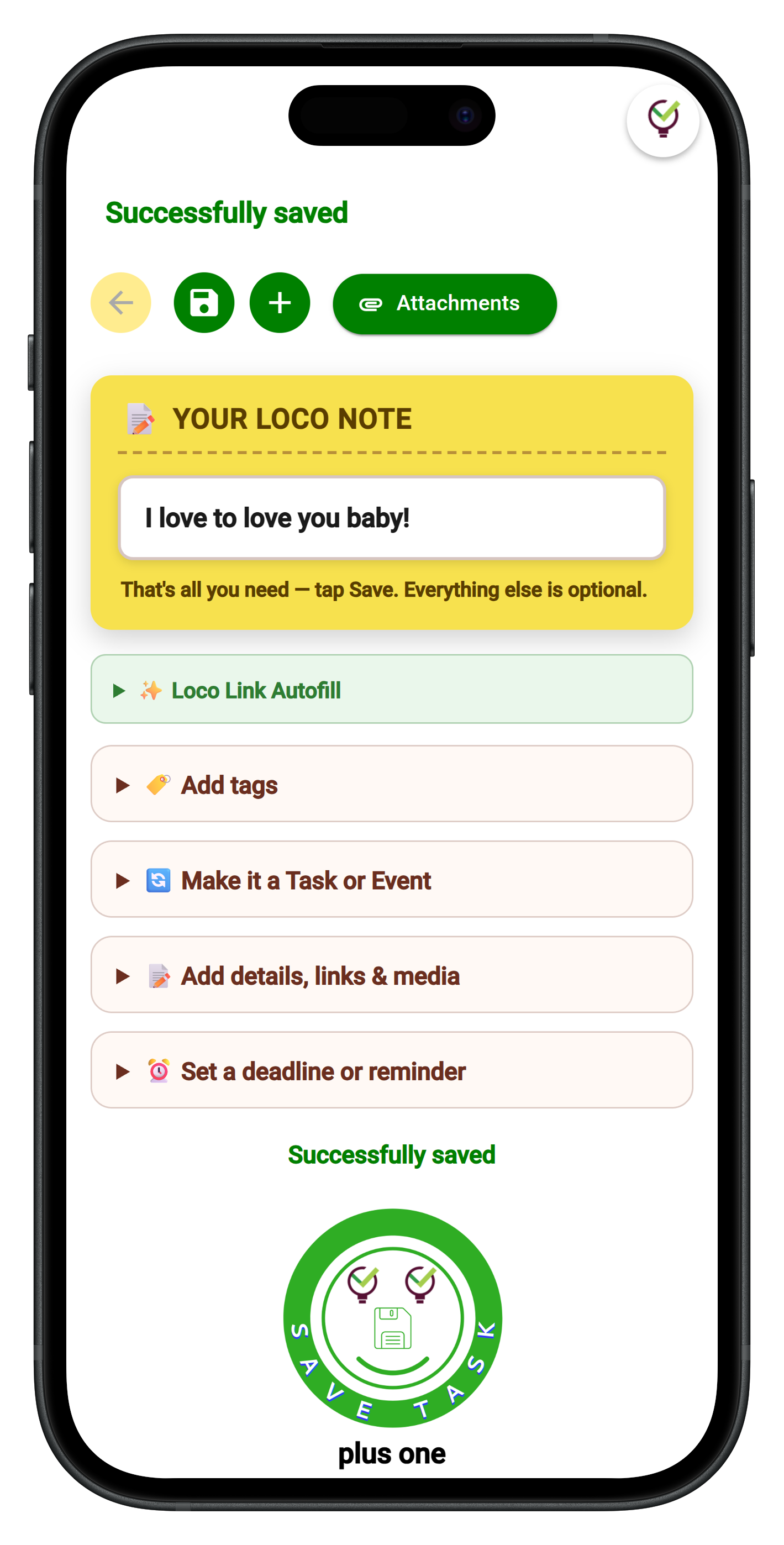
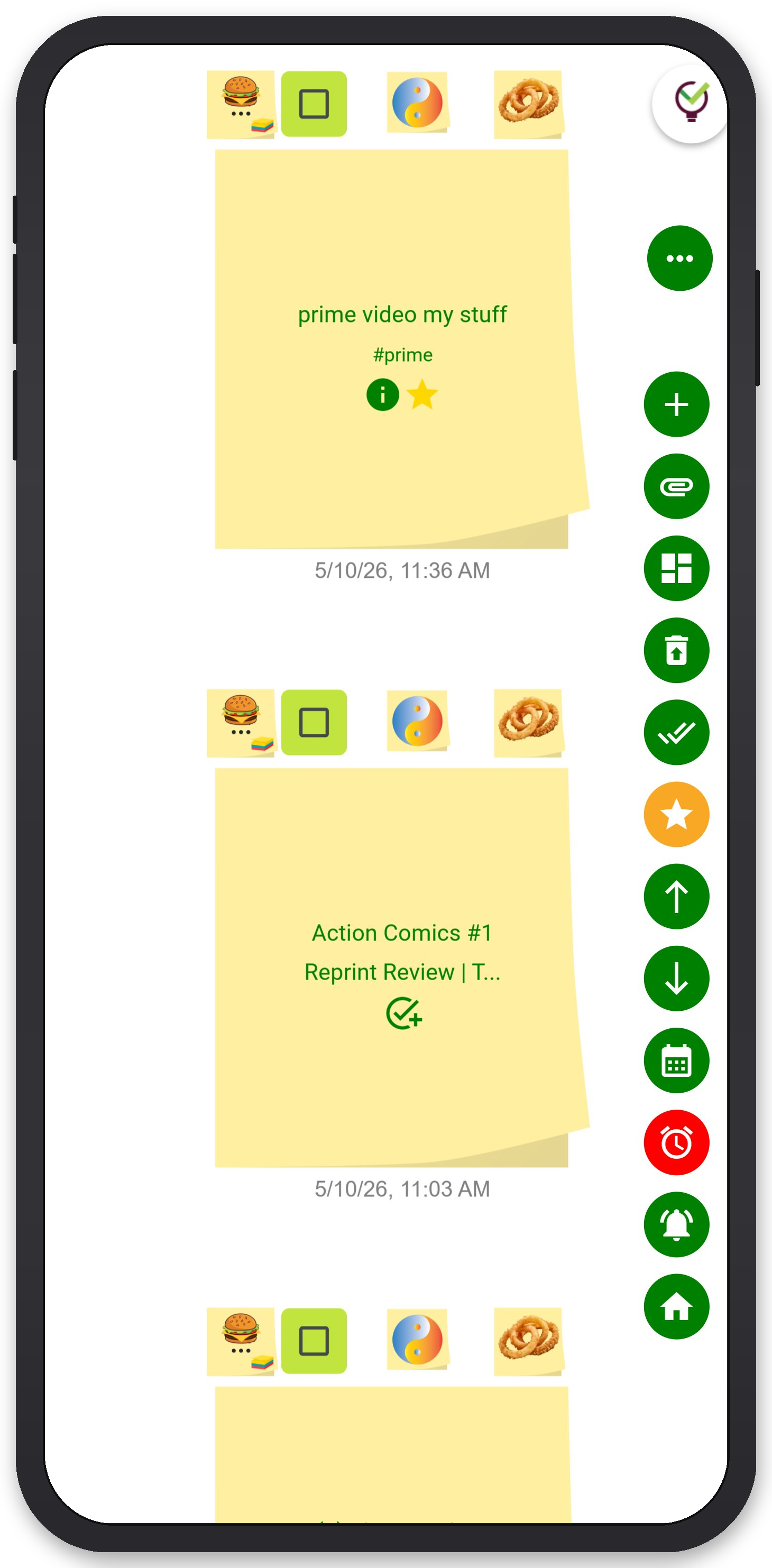
TaskLoco takes a different approach to the same underlying problem GTD solves — getting things out of your head and into a trusted system. Instead of elaborate project hierarchies and context systems, TaskLoco uses the familiar sticky note metaphor with powerful digital capabilities.
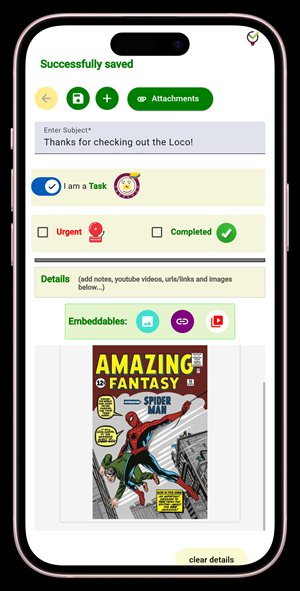
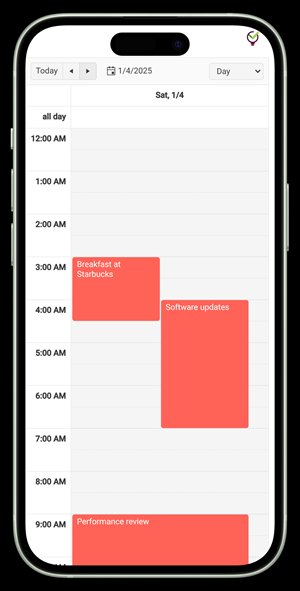
You capture everything just like GTD demands, but organization stays visual and intuitive. Notes can hold tasks, reference materials, and random thoughts in one place. Reminders ensure nothing gets forgotten, while file attachments keep related materials connected to the task itself.
The weekly review becomes simpler — scan your notes, update what's changed, archive what's complete. No complex project structures to maintain or context systems to engineer. The system stays trustworthy because it's simple enough to actually use consistently.
TaskLoco Premium is regularly $9.99/month per person. Right now, charter members can lock in 50% off the regular price — forever. That means $4.99/month per person today. And if our price ever goes up, you still pay half. Always.
Code CHARTER50 auto-applies at checkout. First 500 spots only — once they're gone, this offer is gone permanently. Act fast while spots last.
Every Premium subscription includes unlimited notes, 10GB file storage, reminders, calendar, and team sharing. Each team member requires a separate subscription. 7-day free trial — no charge until day 8. Cancel anytime.
Free Options: TaskLoco
TaskLoco Lite
- Native iPhone & Android app
- Completely anonymous — no sign-in
- Data stays on your device
- Up to 20 notes
- Free forever
TaskLoco Lite Plus+
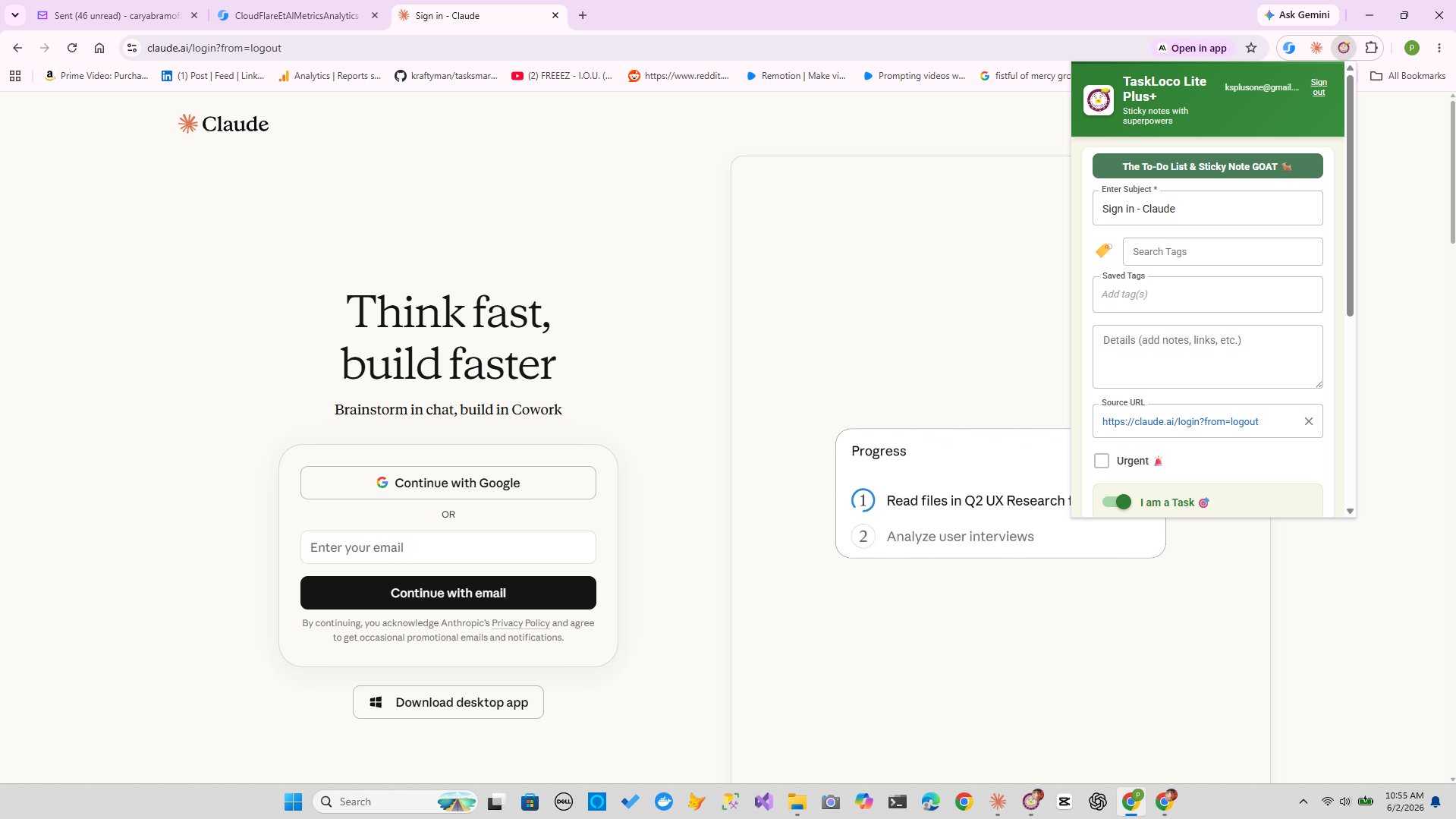
- Web app + Chrome extension
- Sign in with Google
- Wall syncs across all devices
- Up to 30 notes
- Free forever
Lock In 50% Off — Forever
7-day free trial. No charge until day 8. CHARTER50 auto-applies at checkout.
🔒 Lock In My Charter SpotSee TaskLoco in Action
Frequently Asked Questions
What is GTD and why do people use Todoist for it?
GTD (Getting Things Done) is David Allen's productivity methodology based on capturing all commitments, clarifying what needs action, and organizing by context. Todoist became popular with GTD users because its project structure, labels, and inbox feature map naturally to Allen's system requirements.
Do you need special software to implement GTD?
No — GTD can work with any trusted system, from paper notebooks to digital apps. The key is consistent capture, regular processing, and reliable organization. The tool matters less than building the habits that make the system trustworthy.
What's the most important part of GTD?
The weekly review. Without regular processing of your inbox and project list, the system loses trustworthiness and you return to mental cycling. Most GTD failures happen when people stop doing weekly reviews consistently.
Why do people abandon GTD systems?
GTD often becomes too complex to maintain. Elaborate project hierarchies, over-engineered contexts, and perfectionist capture methods create friction instead of flow. When the system becomes work instead of help, people abandon it.
Can GTD work for creative or knowledge work?
GTD's rigid contexts can feel artificial in knowledge work where you switch between emails, calls, and creative tasks constantly. The methodology works best for people with significant control over their time and priorities.
How does TaskLoco compare to traditional GTD tools?
TaskLoco captures GTD's core insight — get everything out of your head into a trusted system — but keeps organization visual and simple. Instead of complex project hierarchies, you use familiar sticky notes with reminders, files, and team sharing. $9.99/month per person (currently $4.99/month per person for first 500 charter members with code CHARTER50)
What's the two-minute rule in GTD?
During processing, if something takes less than two minutes to complete, do it immediately rather than organizing it into your system. This prevents small tasks from clogging your organization system while ensuring quick items get handled promptly.
Born in Brooklyn. Powered by AWS. Your data stays yours.
TaskLoco is available on iPhone, Android, Chrome, and every web browser.